REVIEW · VENICE
Gay Life in Venice from the Middle Ages to Present Days
Book on Viator →Operated by deTourist Venice Valerio Coppo · Bookable on Viator
Venice can be playful, but its queer past is brutal. This 2-hour walk links LGBTQ life from medieval streets and churches to late-Baroque palaces and 20th-century pop culture, all guided by Valerio Coppo. Expect short stops that hit hard facts, street-level details, and the kinds of places most people never notice.
Two things I really like: you get a focused, human scale (small group, capped and intimate), and the stories stay grounded in exact locations—campos, bridges, churches, and even a famous bar. One drawback to consider: the subject matter includes surveillance and harsh punishments, so this is not a light stroll for everyone.
In This Review
- Key Points to Know Before You Go
- Why Gay Life in Venice Hits Different Here
- Price and Logistics: What You’re Really Paying For
- The Walk Begins: Campo San Giacomo dell’Orio and a Poet Who Lived Loudly
- Fondamenta del Megio: Venice Writes Its Own Chronicle (and Gets Side-Eye)
- Santa Maria Mater Domini: When Churches Had to Spy
- Ponte delle Tette: Cat Masks, Porticos, and the Red-Light Logic
- Chiesa di San Cassiano and Rolandina Roncaglia: A Life Lived as Woman
- Campo San Cassiano: Opera House Fame and the Shadow Side
- Calle dell Ogio: A British Gay-Movement Pioneer Meets a 19-Year-Old Porter
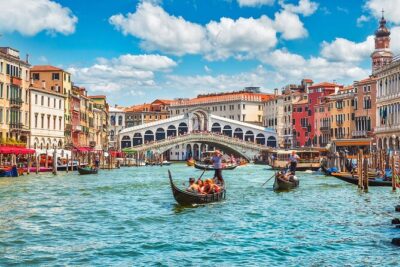
- Campo San Giacomo di Rialto: Where Laws Were Announced in Public
- Ruga dei Oresi: A Pharmacy Scene with a Death Sentence Hanging Near
- Palazzo Ca’ Zenobio: Late Baroque Beauty Meets Armenian Research and 80s Pop Culture
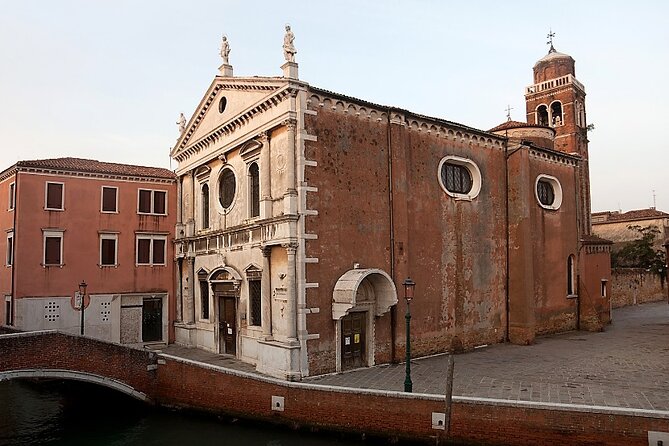
- Chiesa di San Sebastiano: Art as a Kind of Sanctuary
- Campanile di San Marco: The Iron Cage Called cheba
- Piazzetta San Marco: Executions Up to the Mid-17th Century
- Harry’s Bar: Rumor, Nightlife, and a Name That Became a Magnet
- Riva degli Schiavoni: A Staged Love Story
- Calle del Dose da Ponte: A Lesbian US Painter and a Life Built on Affairs
- Palazzo Ca’ Dario: When Ownership Comes with Unfortunate Events
- Palazzo Mocenigo: A British Poet with a Complex Sexual Life
- San Martino di Castello Church: A 1450 List of Cruising Places
- How to Make This Walk Feel Worth It
- Should You Book Gay Life in Venice?
- FAQ
- How long is the Gay Life in Venice tour?
- What language is the tour offered in?
- How big is the group?
- Are there admission fees at the stops?
- Where does the tour start and end?
- Is there a mobile ticket?
- Can I cancel and get a full refund?
Key Points to Know Before You Go
- Small-group pacing that keeps the walk conversational, not a blur of stops
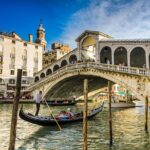
- Street-by-street LGBTQ geography, from Campo San Giacomo dell’Orio to Ponte di Rialto
- How Venice enforced morality, including church surveillance and public executions
- Shocking details with context, like the iron cage called cheba
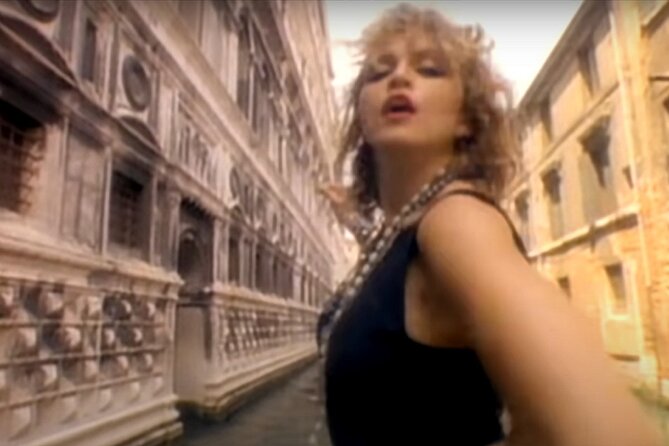
- Modern pop-culture stop, including filming lore tied to Madonna’s Like a Virgin
- Valerio Coppo’s storytelling style, praised for warmth and clear English
Why Gay Life in Venice Hits Different Here
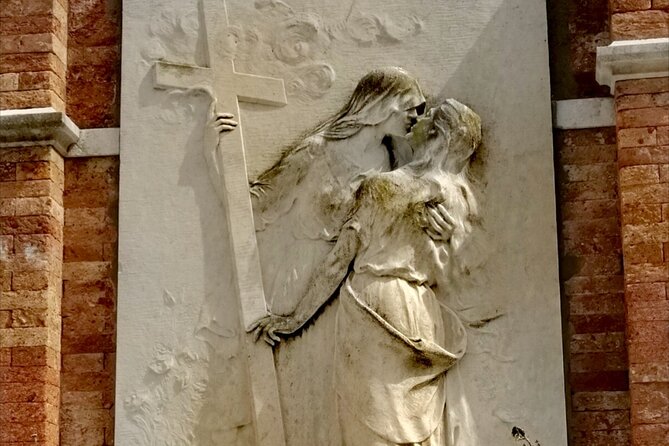
Venice has always traded on appearances. That’s exactly why this tour works. You’re watching how private desire and public rules collided in the same streets—sometimes hidden under porticos, sometimes shouted from podiums near the Rialto market.
The tour also refuses to treat LGBTQ life like one single story. You move through different worlds: poetic self-expression, coded cruising spaces, public punishment, and later, the more relaxed (and still complicated) scene in places like Harry’s Bar. It’s history you can see.
And because the stops are short and precise, you won’t feel lost or overwhelmed. You’ll just keep thinking, how did people survive all this, and how did the city remember?
You can also read our reviews of more tours and experiences in Venice.

Price and Logistics: What You’re Really Paying For
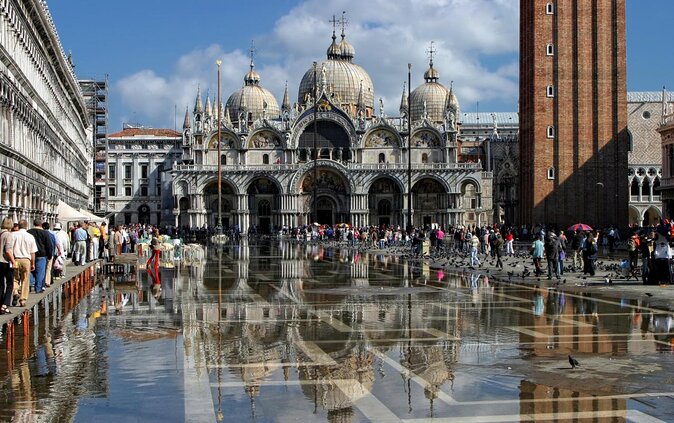
At $92.63 per person for about 2 hours, you’re buying two things: time with a guide and access to context that makes the sites click. Every stop is listed as free to enter, so you’re not paying extra at each church or palazzo exterior.
It runs in English and uses a mobile ticket, which is handy in Venice when you’re tired and your phone already has maps. Group size stays small—up to eight for the experience concept, and no more than 10 in the max-cap setting—so you get questions answered without the usual herd feeling.
One practical thing to plan: on some dates, day visitors may face a €5 access fee depending on stay status and exemptions. If you’re not sure whether it applies to you, check the official Venice details link provided during booking.
The Walk Begins: Campo San Giacomo dell’Orio and a Poet Who Lived Loudly
Your route starts at Campo San Giacomo dell’Orio, where the guide places you near the home of an Italian poet who, in the early 1970s, came out and later died by suicide. The point here isn’t gossip. It’s how early this story shows up in Italian poetry—and how visibility could carry a cost even long after medieval laws had faded.
This stop is only about 10 minutes, but it sets the tone fast: Venice isn’t just romance. It’s also heartbreak, written into real addresses.
If you prefer your history lighter, this opening might feel intense. If you want authenticity—this is where it starts.
Fondamenta del Megio: Venice Writes Its Own Chronicle (and Gets Side-Eye)
From there you walk along Fondamenta del Megio, a stretch tied to a Venetian historian active between the 15th and 16th centuries. His main work, Diarii, is described as a plan to compile a comprehensive history of Venice—before someone else got the official appointment to do it.
You also hear a warning tucked into his reputation: he was said to be extremely kind, but the guide explains why that kindness might not have been a compliment. That detail matters. Venice’s social fabric was built as much on interpretation as on facts.
It’s a reminder that LGBTQ history isn’t only about who was punished. It’s also about who got framed, recorded, and remembered.
Santa Maria Mater Domini: When Churches Had to Spy
Next comes Chiesa Santa Maria Mater Domini. Here the focus turns to surveillance. Arcades were placed under public authority monitoring in 1488 to prevent sodomites from using the church spaces for cruising and meetings.
This is one of the stops that explains why “romantic” Venice can be so uncomfortable. The guide shows you that the city treated certain spaces as predictable routes—meaning authorities didn’t have to guess. They knew patterns.
Even in a building that still looks beautiful today, the story tells you it was also a chessboard.


Ponte delle Tette: Cat Masks, Porticos, and the Red-Light Logic
Then you reach Ponte delle Tette, and the tour leans into the kind of details that sound unreal until you understand the system behind them. You’re placed in the area described as a 15th-century red light zone, where porticos around the bridge reportedly guided both trade and control.
Authorities encouraged prostitutes to display their wares around the bridge neighborhood as a way to prevent sodomy—one of those chilling examples of moral policy treated like urban planning. And mixed into the same streets were the gnaghe: men described as queer or men dressed as women, wearing cat masks and making cat-in-heat calls as they made proposals to passers-by.
A key takeaway: for some people, performance and disguise weren’t just for fun. They were part of survival.
Chiesa di San Cassiano and Rolandina Roncaglia: A Life Lived as Woman
At Chiesa di San Cassiano, the guide brings you to Rolandina Roncaglia, described as the first trans person we know of in Italy. She was born Rolandino and reportedly lived as a woman for seven years in a nearby house. She’s described as selling eggs and working around the local market, then becoming a prostitute.
The story turns grim when she’s discovered in 1355, followed by a terrible death. This stop doesn’t soften the ending. Instead, it forces you to notice what the city would not allow—and how daily work and gender identity could collide with punishment.
It’s also one of the clearest examples on this tour of why “LGBTQ history” isn’t modern terminology pasted onto the past. It’s real lives with real stakes.
Campo San Cassiano: Opera House Fame and the Shadow Side
At Campo San Cassiano, you step near the site of a theatre that claimed the title of the first public opera house in the world. But the tour doesn’t treat this as just a cultural flex. It connects the opera-world energy to homosexual encounters, citing Giacomo Casanova’s comments when he worked as a spy for state inquisitors in the 18th century.
That Casanova angle is clever in a complicated way. It shows you how even people famous for romantic stories could end up on the enforcement side. The city’s norms weren’t separate from art—they were wired into it.
Expect to leave this stop thinking about how performance and policing share walls.
Calle dell Ogio: A British Gay-Movement Pioneer Meets a 19-Year-Old Porter
Next is Calle dell Ogio along Canal Grande, where a writer and pioneer of the British gay movement is said to have met a beautiful 19-year-old porter. This is one of the more tender, human story beats on the route.
It’s also a helpful contrast point. After churches, surveillance, and executions, you get a scene based on meeting and connection rather than control.
If you like the “love story” angle, linger here mentally. The setting is right for it.
Campo San Giacomo di Rialto: Where Laws Were Announced in Public
At Campo San Giacomo di Rialto, the tour explains how a famous statue served as a podium for proclamations. Among those announcements were bans tied to sodomy, including names of people sentenced to death who stood on a block at the end of its staircase.
Because this spot sat close to the Rialto market—one of the most frequented areas at the time—punishment wasn’t private. It was broadcast where everyday business happened.
This is history as public theater. And you feel the uncomfortable logic: if you’re going to enforce shame, you do it in the busiest place.
Ruga dei Oresi: A Pharmacy Scene with a Death Sentence Hanging Near
Now the mood tightens again at Ruga dei Oresi, where a suspicious pharmacy is described as being used by sodomites for meetings. And the threat was immediate: even getting close could mean condemnation to death.
This stop teaches you something practical about how to read Venice. You start noticing that a location’s “normal” use doesn’t tell the full story. The guide keeps showing that authorities tracked patterns and treated proximity as evidence.
It’s less about one pharmacy and more about how fear shaped behavior.
Palazzo Ca’ Zenobio: Late Baroque Beauty Meets Armenian Research and 80s Pop Culture
At Palazzo Ca’ Zenobio, you shift to a different kind of “queer Venice” evidence: how later culture leaves traces. The palace is described as late Baroque and significant for both architecture and interior decor. After a full restoration beginning in 1993, it now serves as a research center for Armenian studies.
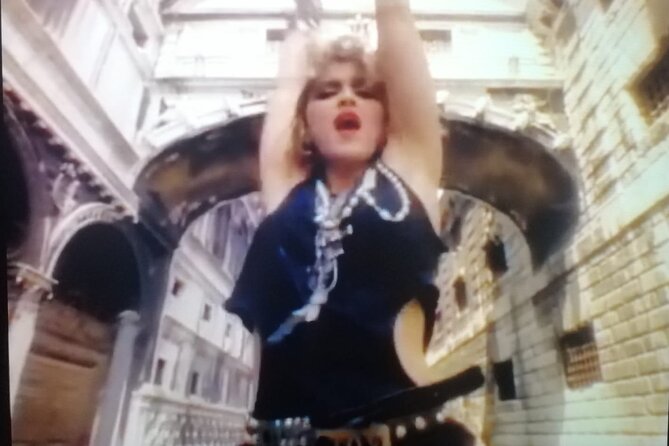
And then comes the pop-culture punch: the palace is described as the main indoor location for Madonna’s Like a Virgin video in the 80s. Whether you know the video well or not, it’s a reminder that LGBTQ-adjacent expression doesn’t only show up in letters and lives. It also shows up in visual media and public imagination.
This stop is also a useful break in tone. You get to look at the building and think about continuity: Venice reuses its spaces, with new meanings layered over old ones.
Chiesa di San Sebastiano: Art as a Kind of Sanctuary
At Chiesa di San Sebastiano, the guide points you toward Venice’s art side. The church is known for a major cycle of paintings by Paolo Veronese, and the painter is buried here. The tour frames San Sebastiano as a patron saint of the LGBT community worldwide.
Even if you don’t come in knowing that connection, the stop is still valuable because it shows another survival route: culture. When public life could be dangerous, art and religious devotion could still provide symbols and community meaning.
And it’s hard not to feel respect in a place designed to hold beauty.
Campanile di San Marco: The Iron Cage Called cheba
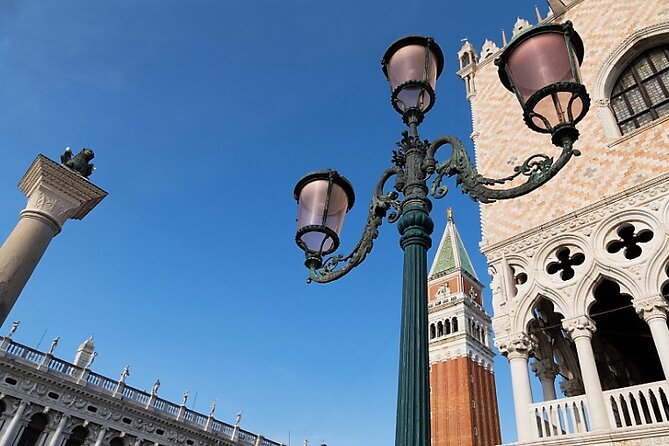
Under (and around) the Campanile di San Marco, the tour turns to punishment again. The guide describes an iron cage called cheba, dating to the 15th century and used into the 16th. It’s said to have been used to expose sodomite priests to bad weather and crowd taunts.
This is one of the most haunting details on the route. It’s not just that people were condemned. It’s that humiliation was part of the package, delivered publicly.
The practical value here is how you learn to “hear” Venice’s buildings differently. Every landmark becomes more than a photo spot.
Piazzetta San Marco: Executions Up to the Mid-17th Century
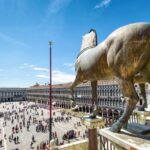
In Piazzetta San Marco, between the two columns, the guide explains that executions took place up to the middle of the 17th century. Casanova is said to have confirmed this.
This stop is short, but it lands. If you’ve ever felt like Venice’s main squares are too perfect, this gives you the missing layer: those views came with consequences for real people.
It also helps you connect the earlier messaging at Rialto to broader state enforcement near the center of power.
Harry’s Bar: Rumor, Nightlife, and a Name That Became a Magnet
Then comes Harry’s Bar. The guide explains that despite the founder’s claim that it was just a rumor, this is a famous bar where gay travelers gathered up to the 1970s.
Even the “founder denied it” angle is useful. It suggests how queer spaces could be both visible and deniable—part reputation, part secrecy, part social need.
If you’re thinking, so where did people go? This stop gives you one answer, even if the details are wrapped in controversy.
Riva degli Schiavoni: A Staged Love Story
At Riva degli Schiavoni, you visit a palace linked to a staged love story between a Venetian rower and a famous German writer. There’s less moral crackdown energy here, and more theatrical romantic framing, which helps balance the darker centuries.
This is where you can let your imagination work a bit—because the tour nudges you to see how Venice turns relationships into narratives, then sells those narratives through art, setting, and memory.
Calle del Dose da Ponte: A Lesbian US Painter and a Life Built on Affairs
At Calle del Dose da Ponte, the guide places you at a hotel where a famous lesbian US painter used to live. The story includes her collecting love affairs with men and women.
That’s a blunt way to connect “artist” to “human.” It’s not only what she made. It’s the way she lived, in a city that could punish difference but also became a stage for it.
Palazzo Ca’ Dario: When Ownership Comes with Unfortunate Events
Palazzo Ca’ Dario is next. The guide describes it as famous for unfortunate events that happened to some of its owners, with many of them described as gay.
This is one of the more cautionary stops: you’ll get a sense that there were patterns tied to certain owners and their private lives. But the tour keeps the emphasis on location and implication rather than turning it into a full detective novel.
If you like tight, evidence-based storytelling, you’ll probably appreciate this restraint.
Palazzo Mocenigo: A British Poet with a Complex Sexual Life
At Palazzo Mocenigo, the guide describes the home of a famous British poet, known for poetry and also for a more or less important bisexual component in a complex sentimental and sexual life.
Again, the value is how the story treats sexuality as part of a fuller personality—not a single label. And Venice’s palazzi are the perfect backdrop for that idea: private rooms, public prestige.
San Martino di Castello Church: A 1450 List of Cruising Places
Finally, at Chiesa Parrocchiale di San Martino di Castello, the tour looks back to a porch that no longer exists. A law from 1450 listed places of the night where sodomites cruised, and this church porch appears among them.
That last stop loops your experience back to where it started: Venice as a city that kept records and used law to define what people were allowed to do after dark.
It’s a strong finish because it makes the entire walk feel connected rather than random.
How to Make This Walk Feel Worth It
Go in with curiosity—and a willingness to handle uncomfortable topics. The tour includes surveillance, execution logic, and harsh punishment details, but it also gives you context and location-level clarity.
Bring good walking shoes. This is a city of narrow passages and stone surfaces, and the whole format depends on you being able to move between short stops comfortably.
And if you want the guide to tailor your experience, ask questions. Valerio Coppo has been praised for clear communication and flexible guidance, including for connecting city history to the present in ways that make it stick.
Should You Book Gay Life in Venice?
I think you should book this if you want LGBTQ Venice that’s more than postcard romance. You’ll get a structured walk through places tied to poetry, public laws, coded cruising, modern nightlife, and pop-culture echoes—kept together by a small-group guide.
You might skip it if you want only cheerful stories or if you dislike hearing about punishments and surveillance. The tour doesn’t flinch, and that’s part of its honesty.
For the right mindset, it’s excellent value: a short, focused 2-hour group walk where almost every stop is free to enter, and the cost goes toward interpretation and connection.
FAQ
How long is the Gay Life in Venice tour?
It lasts about 2 hours.
What language is the tour offered in?
The tour is offered in English.
How big is the group?
The experience is capped at eight travelers, and the maximum listed group size is 10.
Are there admission fees at the stops?
The tour’s listed stops include free admission tickets.
Where does the tour start and end?
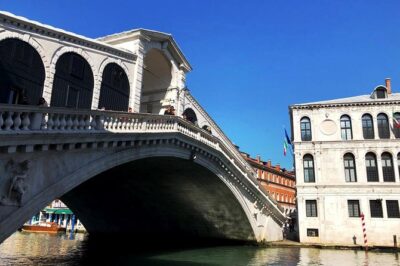
It starts at Campo San Giacomo dell’Orio and ends at Ponte di Rialto.
Is there a mobile ticket?
Yes, it includes a mobile ticket.
Can I cancel and get a full refund?
Yes. You can cancel up to 24 hours in advance for a full refund, based on the experience’s local time.