REVIEW · VENICE
New – Maleficia: Inquisition, Torture and Witchcraft between the centuries
Book on Viator →Operated by CITY TOURS CO. LTD · Bookable on Viator
Justice turns dark fast in Venice. This 1-hour exhibition tour in Palazzo delle Prigioni frames the persecution of witchcraft with ancient documents and period instruments of justice, all in a setting that was literally built for imprisonment. I like the clear, structured flow through real-looking evidence (plus reproductions) and the way the guide helps you connect the objects to the human cost behind the labels. One drawback to consider: the subject matter is grim, and the tour is short, so you’ll need to be ready for a concentrated hit rather than a long, slow museum experience.
At just over an hour and capped at small groups, you should get more back-and-forth than you’d expect from larger museum crowds. You’ll also start and finish right at the same meeting spot on Riva degli Schiavoni, which helps once you’re already in central Venice.
If you’re expecting something light or purely entertainment-based, you may find this tour heavy. Also, since the itinerary is only one stop, you won’t get the wider Venice sights many people plan alongside the museum visit.
In This Review
- Key highlights I’d plan around
- Palazzo delle Prigioni: the building sets the tone
- What you actually see inside: documents, testimonies, and justice tools
- The one-stop itinerary and why it works
- Meeting point on Riva degli Schiavoni: simple, but pay attention
- How long is enough for this topic?
- Price and value: what $11.56 gets you
- Group size and comfort: better for attention, not for solitude
- Who this tour is best for
- Booking smart: timing, ticket format, and the little things
- My decision: should you book Maleficia
- FAQ
- Where does the tour start?
- How long is the experience?
- What is the price per person?
- Is the ticket mobile?
- Is admission included?
- How many people are in the group?
- When can I cancel for a full refund?
- Are there extra access fees on some days?
- Is it suitable for most travelers?
Key highlights I’d plan around
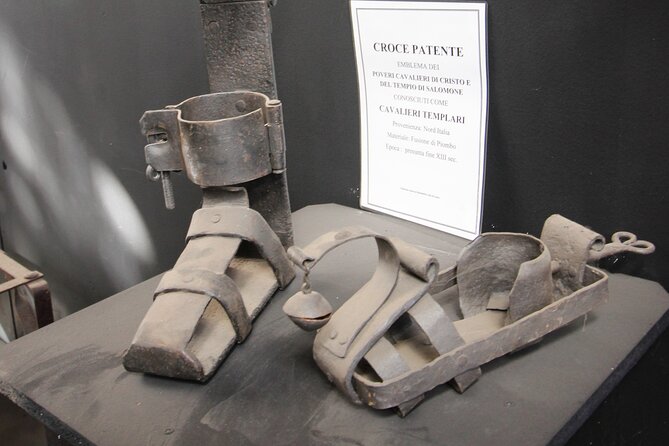
- Palazzo delle Prigioni setting in Venice, tied directly to centuries of confinement and judicial proceedings
- Inquisition-era materials including documents connected to the Holy Office and witchcraft accusations
- Instruments of justice and period objects used to counter and punish alleged magic
- A short, focused 1-hour format with a small-group size (max 15)
- A guide makes the connections between artifacts, claims, and consequences
Palazzo delle Prigioni: the building sets the tone
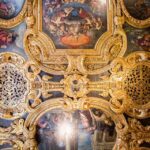
Venice didn’t build this place to be pretty. Palazzo delle Prigioni is the kind of location where the walls feel like they have a memory. That matters because this exhibition isn’t just about dates and theories. It’s about how authorities used law, testimony, and fear to target people they labeled dangerous.
The tour is centered on the prison palace experience between the 15th and 18th centuries. You’ll be looking at the mechanics of the system, not just the mythology of witchcraft. That’s a key difference from a generic “witch trials” talk.
It also means you should mentally prepare for a sobering museum stop. The exhibition is designed to make you reflect on suffering tied to condemnation, torture, and execution. If you’re sensitive to this kind of content, plan for a slower pace afterward.
You can also read our reviews of more tours and experiences in Venice.


What you actually see inside: documents, testimonies, and justice tools
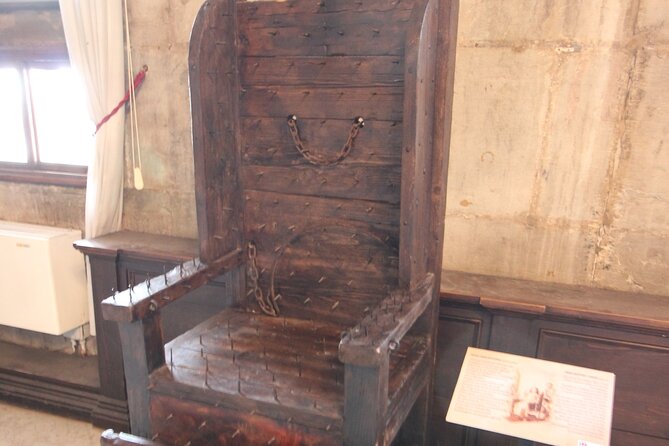
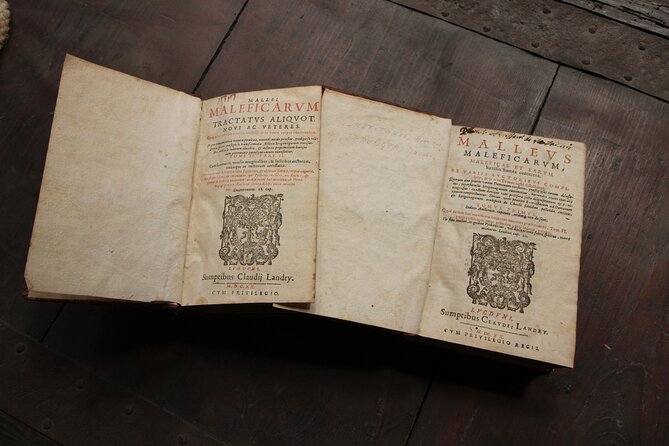
This tour is built around an exhibition that mixes original artifacts and reproductions, so you get the feel of evidence rather than only storytelling. You’ll encounter suggestive testimonies, documents, and objects presented as historical clues. The whole premise is that these items reveal secrets, legends, and historical facts from the Serenissima Republic.
A major focus is the persecution of witchcraft through the Holy Office. You’ll see documents connected to that framework, plus the types of material used by authorities who tried to counter alleged evil practices. Even if you already know the broad outline of the witchcraft panic, the point here is how the system was presented as justification for punishment.
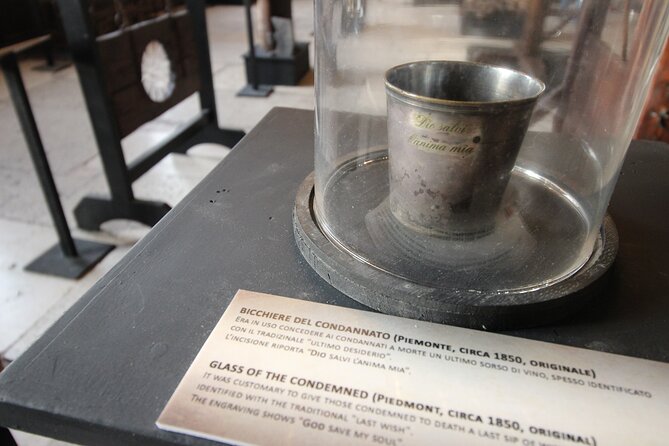
You’ll also encounter the justice side of the story. The exhibition includes instruments of justice used to respond to accusations. In a lot of museum settings, “justice” is discussed in abstract terms. Here, it’s tied to objects and the atmosphere of the prison palace itself.
One detail that adds a twist for many people: the exhibition connects the era to famous names too, including Giacomo Casanova, who was accused of dabbling in magic and the occult. That doesn’t turn it into gossip. It helps you see that suspicion could be wide-ranging and socially dangerous.
The one-stop itinerary and why it works
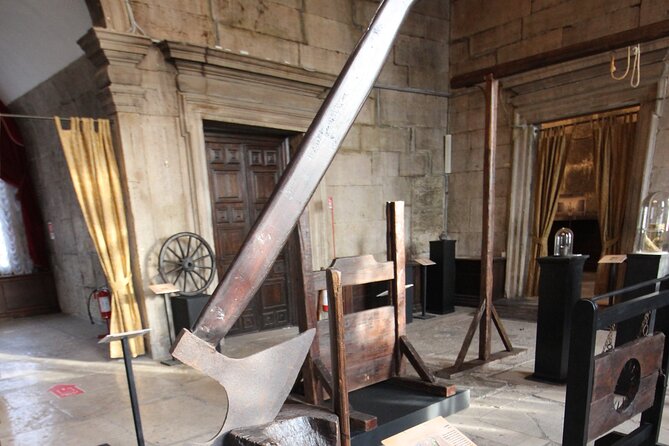
This experience is straightforward: one stop, about one hour, and it ends where it starts. I like tours like this when I’m traveling with limited time, because you’re not zigzagging across Venice for each segment. Also, because the subject is heavy, you don’t want a long schedule that dilutes attention.
The focus is Circolo Artistico – Palazzo Delle Prigioni, where you’ll discover ancient objects and instruments of justice linked to the Venetian Republic’s approach between the 15th and 18th centuries. That specific time window helps keep the story anchored.
The trade-off is also clear: you won’t get a full day of historical context beyond the exhibition itself. If you want broader background on Venetian law, inquisitorial procedures, or the wider European witchcraft pattern, you’ll probably need to supplement after the tour with reading or another guided option.
Meeting point on Riva degli Schiavoni: simple, but pay attention
The meeting point is Circolo Artistico – Palazzo Delle Prigioni, located at Riva degli Schiavoni, 4209, 30122 Venezia VE, Italy. Since the tour ends back at the same place, finding it early is the easiest way to avoid stress.
Here’s the practical advice I’d give: arrive a bit ahead and take a moment to confirm you’re at the right entrance before the group begins moving. This is a prison palace building type of site, and signage or exterior cues can be confusing if you’re reading while walking.
One reason small timing errors matter here is that the tour is only about an hour. If you arrive late, you can lose a chunk of the guided flow quickly.
How long is enough for this topic?
About 1 hour is a realistic time slot for this kind of exhibition. You’ll have enough time to see the main items and still leave without turning the visit into a blur. In other words: you can actually absorb the themes.
But one-hour also means you should go in with a plan for how you want to remember it. I suggest choosing one or two things you want to focus on before you enter, such as the way testimony is presented or how “justice tools” are explained in context. That keeps you from trying to process everything at once.
If you’re the kind of visitor who wants to read every label carefully, you may want to give yourself extra time afterward. This tour gives you a guided framework. It doesn’t replace a self-paced museum stroll.






Price and value: what $11.56 gets you
At $11.56 per person, this is priced like a fast, focused museum experience rather than a long private deep-dive. For the money, you’re buying three things: guided interpretation, access to the exhibition space in the prison palace, and a small-group experience capped at 15 people.
The “value” part depends on what you want from the tour. If you prefer hearing how objects connect to accusations and proceedings, the guide and the short format can feel like good efficiency. If you plan to read everything silently, you might feel it moves quicker than you’d like.
Also, check that you’re comfortable with the theme. This isn’t a cheerful story about medieval “spooky times.” It’s about condemnation, torture, and the suffering of people accused of crimes related to magic.
Group size and comfort: better for attention, not for solitude
The tour keeps a maximum of 15 travelers. That’s important because it usually improves your ability to ask questions or follow along when the guide points out specific objects.
It also helps with the pace. In small groups, you can spend a little longer on the points that matter and skip the ones you can catch on a label. For a one-hour stop, that matters a lot.
There’s also a health-focused approach mentioned for safe operation: the tour follows Covid-19 national directives, uses frequent cleaning for touchpoints, and keeps group sizes small. If you’re traveling during a period where you pay extra attention to safety protocols, that’s a practical plus.
Who this tour is best for
This is a good match if you want a guided introduction to how inquisitorial and legal systems intersected with accusations of witchcraft. It’s also ideal if you enjoy museum experiences that use physical evidence, not just general lectures.
It’s especially suited for visitors who like history anchored to place. The prison palace setting turns the exhibition into something you can physically feel, not just read about.
It may not be the best choice if you want lots of time for quiet self-exploration, or if you don’t like intense historical subjects. Because the tour is short, there’s less space to step away and reset.
Booking smart: timing, ticket format, and the little things
You’ll get confirmation at booking time, and the experience uses a mobile ticket. If you’re traveling with limited phone battery or spotty service, make sure your device is charged and ready. Venice can be amazing, but signal and wandering Wi-Fi aren’t something I’d assume.
This activity also tends to be booked about 10 days in advance on average, so if your schedule is tight, don’t wait until the last minute.
One more practical Venice detail: some days include a €5 access fee for visitors staying outside Venice who are visiting for the day. The tour information points you to cda.ve.it for specific days and exemptions. If you’re not local, I’d check that site first so the day doesn’t surprise you with an extra cost.
My decision: should you book Maleficia
I’d book this if you want a one-hour guided museum stop in a powerful prison palace setting, and you’re ready to face the darker side of how witchcraft accusations were treated as crimes. At this price point, it’s a straightforward way to get context for the documents and justice tools you’ll see, without spending half a day inside.
I wouldn’t book if you want a light, casual attraction, or if you’re hoping for a long, slow narrative that covers everything from broader European context to full legal history. This is focused and short. The building is intense. The subject is intense too.
If you’re a careful planner, read the location details closely and show up early to make your start easy. Once you’re inside, the guided structure is the main reason this works.
FAQ
Where does the tour start?
It starts at Circolo Artistico – Palazzo Delle Prigioni, Riva degli Schiavoni, 4209, 30122 Venezia VE, Italy, and it ends back at the same meeting point.
How long is the experience?
The duration is listed as about 1 hour.
What is the price per person?
The price is listed as $11.56 per person.
Is the ticket mobile?
Yes, the experience uses a mobile ticket.
Is admission included?
The tour summary indicates that admission ticket is included.
How many people are in the group?
The tour has a maximum group size of 15 travelers.
When can I cancel for a full refund?
You can cancel up to 24 hours before the visit start time for a full refund.
Are there extra access fees on some days?
On certain dates, day visitors staying outside Venice may need to pay a €5 access fee. The information says you should check cda.ve.it for the applicable days and exemptions.
Is it suitable for most travelers?
The information says most travelers can participate. It also notes that the experience follows Covid-19 national directives and includes frequent cleaning and small groups.