REVIEW · VENICE
Venice Clock Tower
Book on Viator →Operated by Weekend in Italy · Bookable on Viator
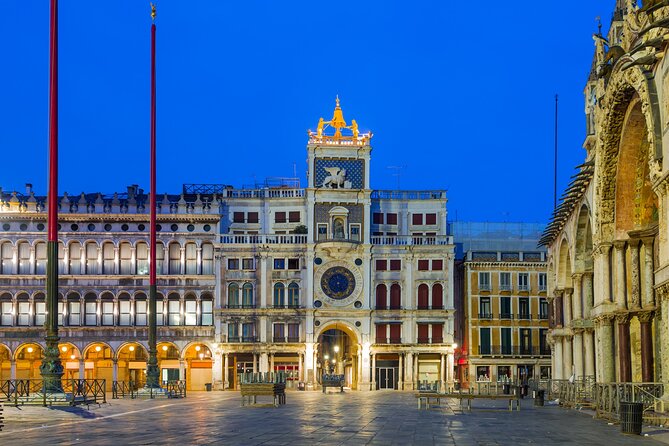
Venice’s clock tower has more secrets than you’d expect. This appointment-only visit gets you into the Torre dell’Orologio area of the astronomical clock tower to learn how the mechanisms work and to spot parts of the sculpture that most visitors never catch.
What I like most is the focus on working machinery—gears and movement explained in plain terms—and the chance to glimpse the Magi and Angel statues, linked to celebrations that don’t happen every day.
The big trade-off is physical: the interior is a maze of small rooms and narrow, steep stairs, so it’s not for everyone (and the timing/meeting details matter a lot, based on past mix-ups).
In This Review
- Key Things to Know Before You Go
- Torre dell’Orologio Inside: What the Tour Feels Like
- The Meeting Point Near Museo Correr: Don’t Wing It
- What You’ll See: Gears, Statues, and the Astronomical Idea
- The Itinerary Reality: One Stop, Many Tight Turns
- Group Size and Guide Access: Why 15 People Matters
- Price and Value: Is $25.23 Worth It?
- Who This Tour Fits—and Who Should Skip It
- Timing, Confusion, and How to Prevent a Bad Start
- The Bottom Line: Should You Book the Venice Clock Tower Tour?
- FAQ
- How long does the Venice Clock Tower visit take?
- What’s the meeting point for the clock tower experience?
- Is the tour in English?
- Is the admission ticket included?
- Can people with walking difficulties or mobility issues join?
- Is this tour suitable if I have claustrophobia or vertigo?
- Are there age restrictions?
- Is there an extra fee for day-trippers outside Venice?
- How big is the group?
- Is the experience refundable if I cancel?
Key Things to Know Before You Go
- Appointment-only access to the clock tower interior, not a casual walk-in.
- Small groups (max 15), which helps you actually hear the guide and see details.
- Short visit (about 40–60 minutes) inside the tight spaces of the tower.
- Sculpture moments: a peek at the Magi and Angel statues that are usually only seen twice a year during processions.
- Stairs and tight corridors: plan around claustrophobia, vertigo, and mobility limits.
Torre dell’Orologio Inside: What the Tour Feels Like
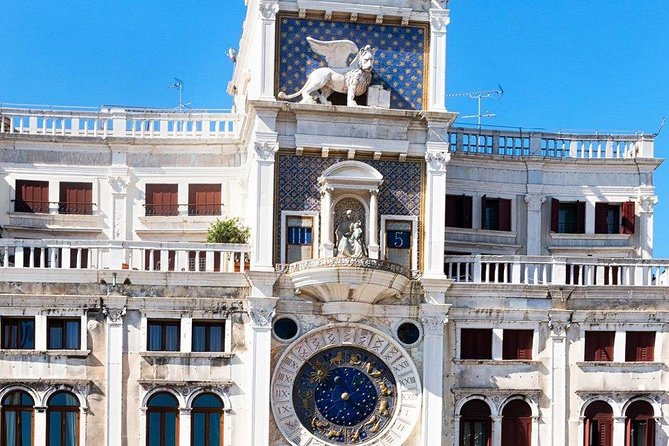
This is one of those Venice experiences where the real attraction is not a view from a tower deck—it’s what happens once you’re inside. The astronomical clock tower is built around layers of small spaces connected by narrow, steep stairs, so the visit has a “measured pace” feeling. You’ll go from one cramped viewpoint to the next, learning how the timekeeping system ties into the tower’s famous astronomical theme.
If you’ve ever walked past St. Mark’s and thought, Sure, I’ve seen the clock face, this goes deeper. You’re there for the behind-the-scenes story: how the gears and machinery operate, and what those moving parts mean in the context of the tower’s design.
And yes, there’s a sculpture angle too. The highlights include a peek at the Magi and Angel statues—figures that are otherwise only seen during processions. That kind of access matters because it turns a quick exterior landmark into something you can actually interpret with your eyes, not just your phone camera.
You can also read our reviews of more tours and experiences in Venice.



The Meeting Point Near Museo Correr: Don’t Wing It
The single most practical lesson I’d pass on is this: don’t treat meeting time as a suggestion. One theme that comes up repeatedly with this kind of Venice appointment is that the difference between a great visit and a wasted hour is often where you’re standing.
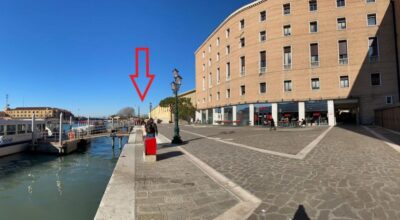
For this experience, the start point is effectively tied to the Museo Correr area. In the past, people have missed their guide because they were at the clock entrance instead of the museum ticket area. Another recurring issue is confusion when start times shift.
So here’s what you should do to protect your time:
- Arrive early, especially if you’re navigating security lines and ticket checks.
- Confirm the exact entry point you’re given after booking (your voucher/ticket instructions matter).
- Keep your eyes on the right spot next to Museo Correr rather than assuming the clock entrance is where you’ll be collected.
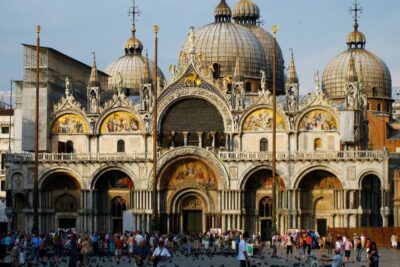
Venice can be tight on foot, and St. Mark’s Square can feel like a crowd maze. If your schedule is limited, losing 30–60 minutes to “where are they?” is the kind of cost you don’t want to pay.
What You’ll See: Gears, Statues, and the Astronomical Idea
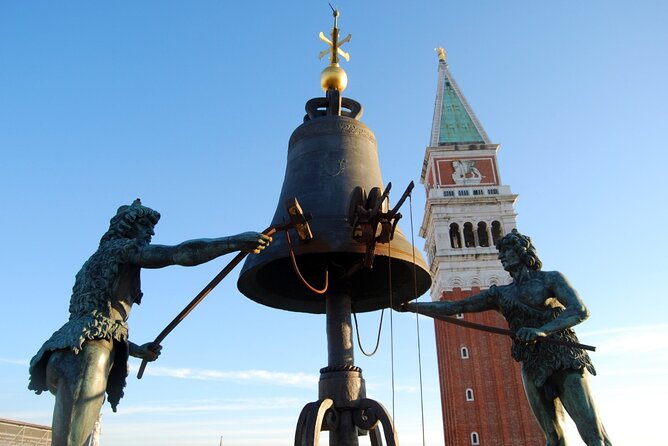
This tour is built around two memorable visuals.
First: the intricate machinery. You’ll get an explanation of the gears and how the system works—exactly the sort of detail that’s hard to appreciate from street level. The value here isn’t just facts; it’s context. Once someone connects the moving parts to the idea of an astronomical clock, the whole tower becomes easier to read.
Second: the Magi and Angel statues. These aren’t framed as “look for this one thing” in a casual way. Instead, you’re getting a peek at figures that normally only show up during processions, which makes the moment feel earned. Even if you’re not a devout religious symbolism person, the timing connection (seen twice a year during those events) helps you understand why access like this is rare.
If you like mechanics, craft, and the way old technology was designed to do more than one job, you’ll probably enjoy this a lot.
The Itinerary Reality: One Stop, Many Tight Turns
This experience is essentially a single stop: the Torre dell’Orologio interior visit. That sounds simple, but “one stop” doesn’t mean “easy.”
Inside, you move between small areas with narrow and steep stairs. Expect:
- frequent pauses for viewing and explanation,
- tight turning spaces (you won’t be walking like you are on a normal street),
- and a pace that’s controlled by the guide and the flow of the group.
The duration is listed as 40 minutes to 1 hour, so it’s not a long endurance test—but it can be intense in the “vertical and confined” sense. If you’re the type who feels uncomfortable in enclosed spaces, this is where you should be honest with yourself.
The visit is also admission ticket included, which is nice: you’re not juggling multiple entrances or separate fees for getting into the building itself.
Group Size and Guide Access: Why 15 People Matters
With a maximum of 15 travelers, you’re in a sweet spot. It’s big enough that the tour can run efficiently, but small enough that you’re not just standing in the back. That matters in a tower interior where space is limited and visibility is inconsistent.
The promotional details emphasize a specialized guide linked with the museum, and the main value is interpretation—how the clock works, and what you’re actually looking at when you spot the relevant figures and details inside.
That said, the tour description can vary in how it’s presented (for some past bookings it was described differently than what people expected). So I’d treat this as: you’re going for an appointment-led experience, where you should verify what you’re getting when you check your voucher instructions.






Price and Value: Is $25.23 Worth It?
At $25.23 per person, this doesn’t feel like an obvious bargain in Venice terms. But it can be good value because the main product here is access. The clock tower interior is not a casual stop. It’s described as a rarely accessible tower area, open to visitors only by appointment.
So you’re paying for:
- the ability to enter where most people can’t wander in,
- guided interpretation of the mechanisms,
- and a short, focused window (about an hour) that gives meaning to the landmark.
Two practical value notes based on what’s been reported:
- Pricing can look confusing when third-party resellers handle ticketing and descriptions. If you want clean, no-surprises information, consider buying through the Museo Correr channel directly, since that’s where people end up collecting tickets and meeting for the start.
- If you’re visiting with a tight schedule, build in extra time. One missed meeting can erase the entire value, even if the tower experience itself is strong.
Also remember: on some dates, there may be a €5 access fee for day-trippers staying outside Venice. If that applies to your day, it affects your real cost more than the base ticket price does. (Check the linked official info before you go.)
Who This Tour Fits—and Who Should Skip It
This is the part I’d take seriously because the tower’s inside layout is the deal.
Not recommended if you have any strong concerns about:
- walking difficulties (access involves narrow, steep stairs),
- claustrophobia,
- vertigo,
- heart conditions,
- respiratory diseases,
- or if you’re pregnant.
Minimum age is listed as over 6 years old, so it’s not designed as a stroller-friendly family activity.
If you do have moderate physical fitness and you’re comfortable with tight vertical spaces, this can be a memorable and unusual Venice stop—less about scenery, more about engineering and ceremony.
Timing, Confusion, and How to Prevent a Bad Start
Because this is an appointment visit in a crowded city center, your success depends more on logistics than you might expect.
Here’s the checklist I’d follow:
- Read your voucher carefully after booking, and double-check the meeting/entry instructions.
- Arrive early with buffer time for security and the ticket office area at Museo Correr.
- If your time is changed from what you expected, treat that as real—don’t assume it will revert.
- Give yourself space to ask staff inside the museum ticket office area for help pinpointing where the group meets.
This isn’t about being anxious. It’s about being efficient. When an experience is held in a tight interior with scheduled access, “close enough” often isn’t.
The Bottom Line: Should You Book the Venice Clock Tower Tour?
If you like mechanics, historic technology, and being guided through details you’d miss on your own, yes, I think this is worth booking. The combination of rare appointment access, a short and focused time window, and the chance to see the Magi/Angel sculpture moment makes it a standout kind of Venice activity—just not the kind based on a wide-open view.
But if stairs and enclosed spaces worry you, or if you hate the idea of precise meeting points in a crowded square, you should probably skip it or choose a different tower-style experience with simpler access.
If you do book, my advice is simple: choose the museum’s start point, arrive early, and confirm your entry instructions. That’s how you turn a rare access visit into a smooth, satisfying hour.
FAQ
How long does the Venice Clock Tower visit take?
The experience lasts about 40 minutes to 1 hour.
What’s the meeting point for the clock tower experience?
You meet at the Museo Correr area (the start point is described as near public transport in Venice, and in practice it’s tied to Museo Correr rather than only the clock entrance).
Is the tour in English?
Yes, it is offered in English.
Is the admission ticket included?
Yes. Admission to the clock tower is included.
Can people with walking difficulties or mobility issues join?
The interior has narrow, steep stairs and small spaces, so it is not suitable for those with walking difficulties.
Is this tour suitable if I have claustrophobia or vertigo?
No. It’s not recommended if you suffer from claustrophobia, vertigo, or similar concerns.
Are there age restrictions?
Yes. All visitors must be over 6 years old.
Is there an extra fee for day-trippers outside Venice?
On certain dates, travelers staying outside Venice may need to pay a €5 access fee. Check the official details at https://cda.ve.it for which days apply and exemptions.
How big is the group?
The tour has a maximum of 15 travelers.
Is the experience refundable if I cancel?
No. The experience is non-refundable and cannot be changed for any reason.