REVIEW · VENICE
Venice: Doge’s Palace Secret Itineraries Guided Tour
Book on GetYourGuide →Operated by City Wonders Ltd. · Bookable on GetYourGuide
Venice hides its power in plain sight. This Doge’s Palace Secret Itineraries tour uses a skip-the-line entrance so you can get into the good parts fast, including rooms many visitors never reach.
I especially like the way the guide weaves politics, punishment, and art into one walk-through, not just a list of hall names. You’ll also end by the Bridge of Sighs, with time to continue exploring after the guided portion.
One potential drawback: the dress code and restrictions on luggage and strollers are real, and you can’t ignore them.
In This Review
- Key highlights you’ll care about
- Enter Doge’s Palace fast, without wrestling the crowd
- Ponte della Paglia meeting spot: where to find your guide
- How the secret itinerary actually changes what you see
- Casanova’s attic prison cell: the stop people remember
- The Bridge of Sighs moment and what it means
- Secret archives, council chambers, and why Venice guarded its power
- Torture chamber and disguised doors: the darker side of control
- The art stops you shouldn’t rush
- New Prisons at your pace: how to use your free time
- Price and value: what $67.12 buys you
- Practical notes so you don’t get turned away
- Who should book this Doge’s Palace Secret Itineraries tour?
- Should you book this tour?
- FAQ
- How long is the Doge’s Palace Secret Itineraries guided tour?
- Where do I meet the guide for this tour?
- Does the tour include skip-the-line access?
- What language is the guide?
- Is this tour suitable for wheelchair users or people with mobility impairments?
- Is there a dress code?
Key highlights you’ll care about
- Skip-the-line access through a separate entrance, with time saved before you even start walking.
- Secret areas normally closed to the public, including concealed passageways and disguised access doors.
- Casanova’s attic prison cell, a standout stop tied to one of Venice’s most famous escapes.
- Art in the grand rooms, with Venetian masters like Tintoretto, Veronese, and Titian in the background of power.
- Bridge of Sighs plus New Prisons access, where you get a guided experience and then your own time to look around.
- Small group feel, so you’re not lost in a crowd while the guide explains the palace’s maze.
Enter Doge’s Palace fast, without wrestling the crowd
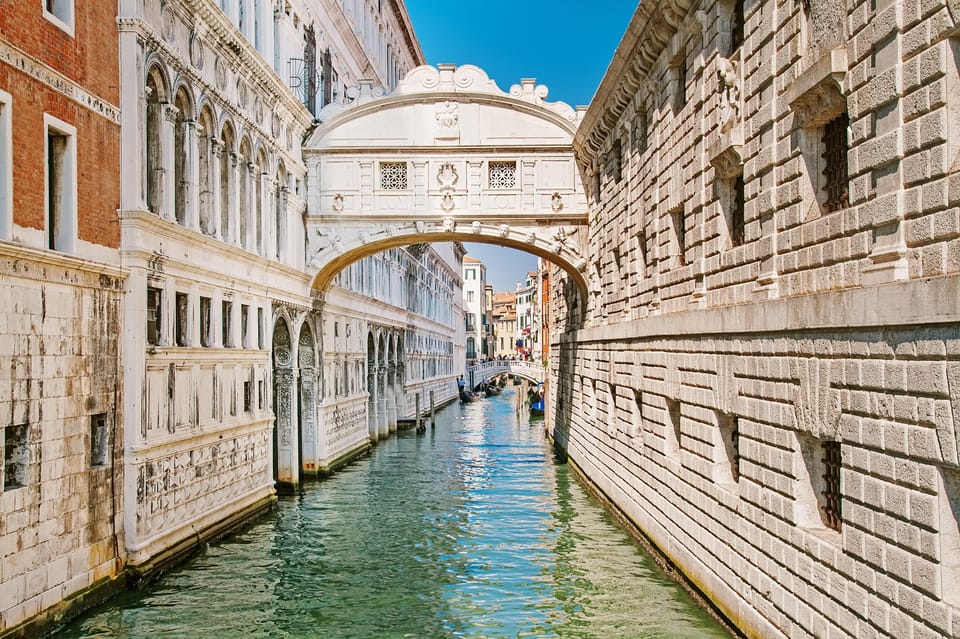
Doge’s Palace is famous, which means it’s busy. The best part of this tour is that you start with skip-the-line access, using a separate entrance so you’re not stuck waiting while other groups shuffle forward.
Once you’re inside, the tour is built around a specific idea: Venice ran on secrecy. The palace wasn’t just where leaders met. It was where they controlled information, where punishment happened behind thick walls, and where official life stayed protected from prying eyes. That theme matters because it changes how you read what you see.
Instead of only admiring rooms, you’re shown the logic behind them: where people were kept, how access was controlled, and how the palace’s design supported that system.
You can also read our reviews of more guided tours in Venice



Ponte della Paglia meeting spot: where to find your guide
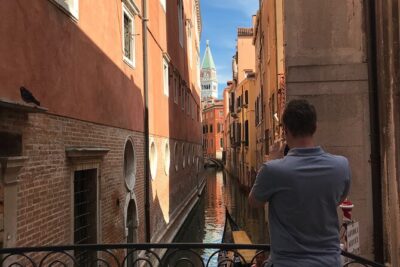
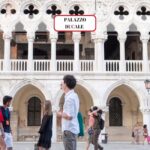
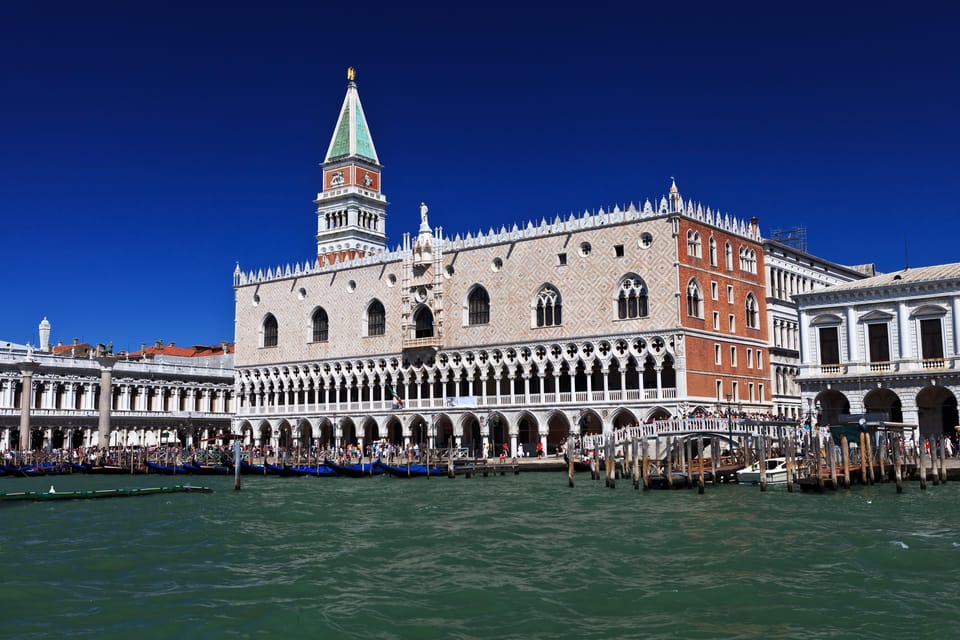
You’ll meet your guide right in front of the Doge’s Palace, facing the lagoon. The meeting point is on the left side of Ponte della Paglia, near the bridge that gives you a view toward the Ponte dei Sospiri (Bridge of Sighs).
Look for a City Wonders flag, which helps you spot your group quickly. This is one of those details that sounds minor until you arrive and realize Venice loves confusing footpaths. Get there a little early so you can settle in and avoid rushing.
How the secret itinerary actually changes what you see
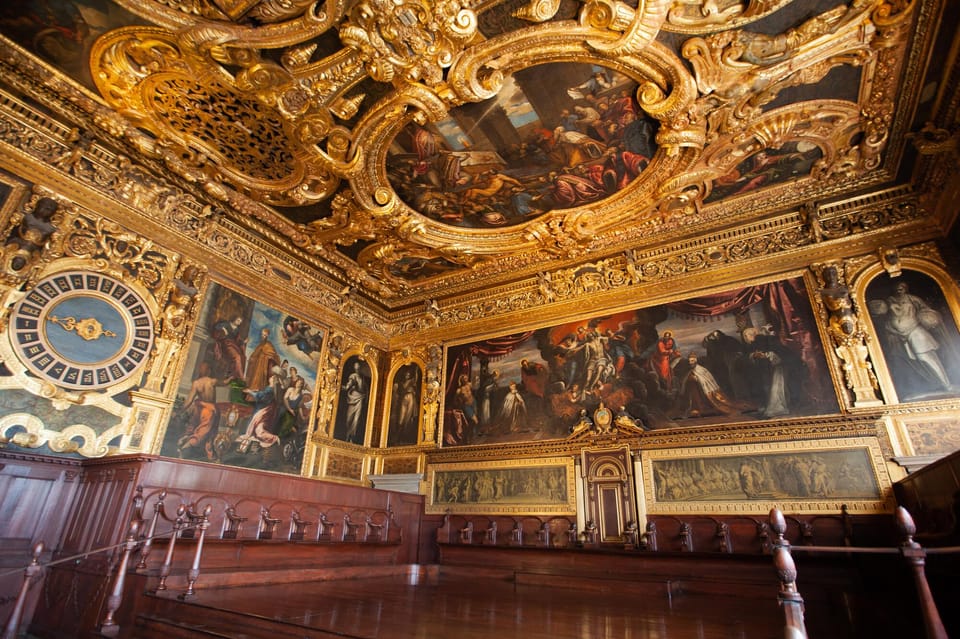
A normal Doge’s Palace visit can feel like a museum circuit: you move room to room and try to remember which corridor goes where. This tour leans the other way. You’re led into hidden or restricted areas and guided through what those spaces meant.
Expect stops that focus on:
- concealed passageways and secret access points
- administration and council rooms where decisions were made
- prison areas, including the attic cell connected to Casanova
- places linked to fear and interrogation, including a torture chamber
That order is smart for your brain. You start with the palace as a government machine, then it turns into the consequences part of the story, and you end near the Bridge of Sighs where the entire system feels visible.
Also, the group is small, which helps a lot. When the guide points to a disguised doorway or explains why a passage exists, you can actually see what they mean.
Casanova’s attic prison cell: the stop people remember
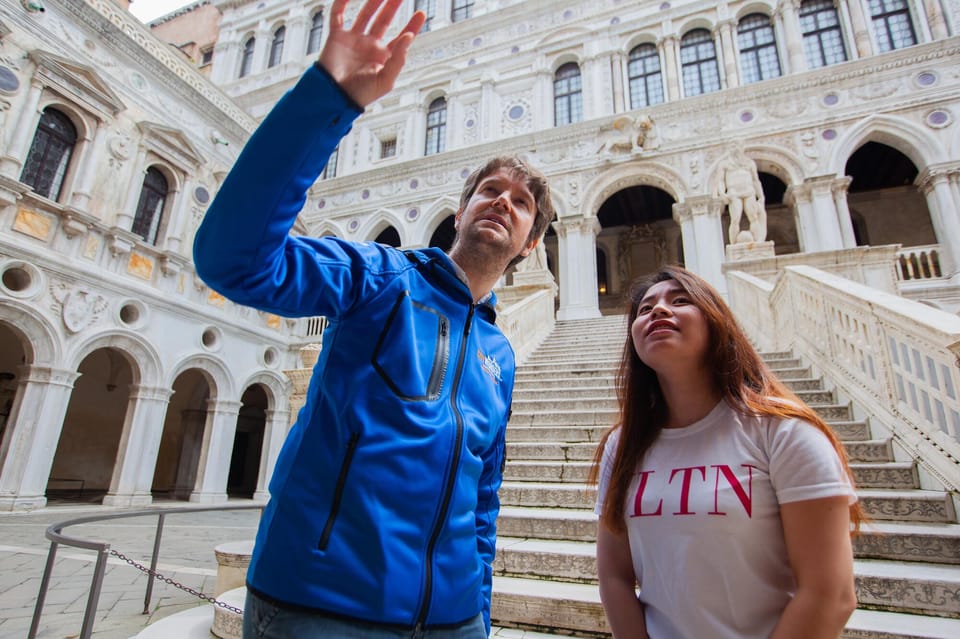
If you care about stories, this is the one. The tour includes the attic prison cell where Casanova made his daring escape.
Even if you’re not a Casanova superfan, this stop hits because it connects history to a very human moment: someone trapped, watching the edges of possibility. The attic setting helps the whole thing feel specific, not abstract.
And because this tour isn’t only about the escape story, the cell fits into a larger picture: Venice used incarceration and secrecy as tools of control. You’re not just seeing a prison. You’re seeing how the palace functioned like a system.
The Bridge of Sighs moment and what it means
The tour concludes at the Bridge of Sighs, where prisoners once had their last glimpse of Venice. That setting turns the architecture into a story you can stand inside mentally.
Here’s the practical part: when you reach the Bridge of Sighs during this tour, you’ll understand the path that brought prisoners there. That makes photos better, but more importantly, it makes the experience feel coherent.
After the guided portion ends, you also get access to the Palazzo delle Prigioni, often referred to as the New Prisons. You can explore at your own pace, which is great because prison spaces can be either quick-hit or lingering, and you get to decide.




Secret archives, council chambers, and why Venice guarded its power
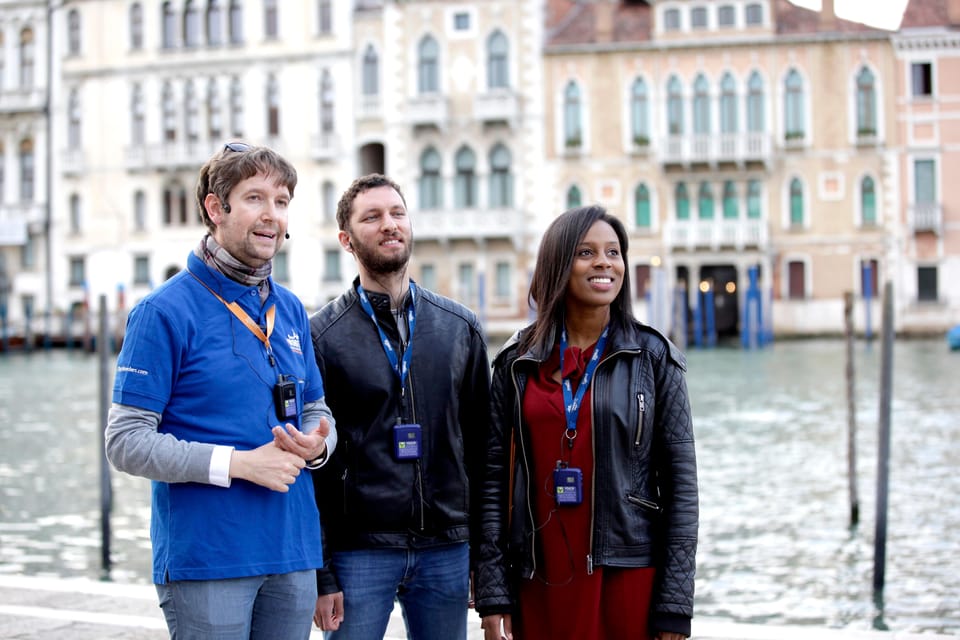
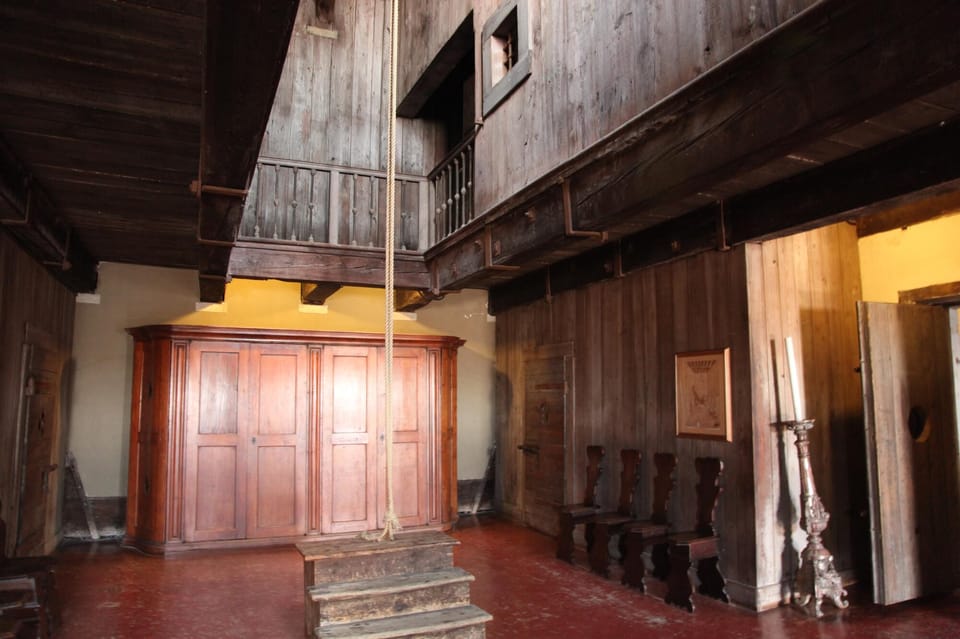
One of the most interesting themes here is how Venice protected authority. You’ll visit spaces tied to official decision-making, including secret archives and council chambers.
What you’re really learning to notice is the palace’s obsession with control:
- who could see what
- where information stayed contained
- how access could be limited or redirected
Once you start spotting that pattern, it’s easier to read the palace as a living organization, not just a set of pretty rooms. The guide’s stories make the architecture feel purposeful, which is what you want from a short 1.5-hour tour.
Torture chamber and disguised doors: the darker side of control
Venice could be gorgeous. It could also be ruthless. This tour doesn’t shy away from that contrast.
You’ll get a look at a torture chamber used by the secret police, plus details about concealed access. One especially memorable element is the mention of disguised access doors hidden behind wardrobes—exactly the kind of detail that makes you look twice.
This is where a guided explanation really matters. Left alone, you might simply walk by a doorway and assume it’s decorative or minor. With a guide, those small architectural choices become part of a story about fear, authority, and secrecy.
The art stops you shouldn’t rush
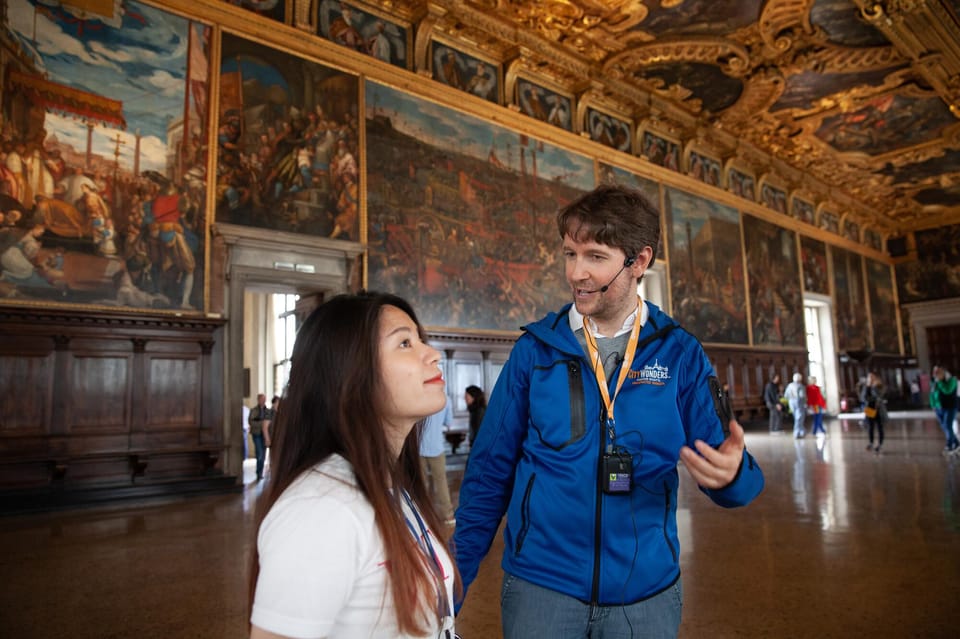
Doge’s Palace isn’t only a political machine; it’s also art and theater. The tour includes grand halls and council rooms with masterpieces by Tintoretto, Veronese, and Titian.
You’ll also hear about a famous large-scale canvas often described as the world’s longest canvas painting. Even if you only catch part of it, being in the right room helps. The art isn’t tacked on; it reinforces Venice’s self-image as powerful and lasting.
I like that the tour doesn’t try to skim every artwork. With a small group, you have a better chance to pause, take in what’s around you, and let the guide connect the art to the place’s role in governance and ceremony.
New Prisons at your pace: how to use your free time
After the Bridge of Sighs, you’re given access to the Palazzo delle Prigioni to explore at your own pace. This is one of the best “bonus value” parts of the experience because your guide can only cover so much in 1.5 hours.
Use that self-guided time like this:
- Take 5 minutes first to orient yourself (where the light falls, which halls connect).
- Choose one or two areas to linger in rather than trying to see everything.
- Read any on-site information you find instead of relying on memory.
This is also where you can adjust for your comfort level. Some people want the story-heavy parts; others prefer to just walk quietly and absorb. Your choice makes the difference.
Price and value: what $67.12 buys you
At $67.12 per person for about 1.5 hours, the price only makes sense if you use the advantages built into the tour.
Here’s what you’re paying for in practical terms:
- Skip-the-line access to Doge’s Palace via a separate entrance
- an English-speaking expert guide
- access to secret areas and specific prison-related spaces
- a guided finish near the Bridge of Sighs plus access to the New Prisons afterward
If you planned to do everything separately—palace entry, guide time, and access to restricted areas—the cost tends to climb. This tour bundles the key parts into one efficient format.
Also, the small group feel is part of the value. When you’re paying for a guide, group size affects whether that guide time feels useful or lost.
Practical notes so you don’t get turned away
This site has rules, and they’re not suggestions.
- Wear comfortable shoes. You’ll be walking inside and moving between areas.
- Plan for a dress code. Dress modestly and respectfully. If you ignore it, you risk refused entry.
- Don’t bring luggage or large bags. Doge’s Palace doesn’t admit bulky luggage (any luggage whose total sides exceed 1 linear meter).
- No baby strollers and no non-folding strollers.
One more Venice-specific heads-up: Venice can apply an Access Fee on specific dates in 2024. It’s smart to check the official guidance link provided for the current rules so you’re not surprised at the gate.
And if you have mobility concerns: this tour isn’t suitable for people with mobility impairments and it’s not for wheelchair users.
Who should book this Doge’s Palace Secret Itineraries tour?
This is a strong fit if you:
- want a guided story tied to both politics and prison life
- care about secret areas rather than only the most photographed rooms
- like art, but want the art explained in context
- prefer a shorter, focused visit (it’s 1.5 hours)
If you’re the type who gets bored in lecture-heavy tours, this one can still work, because the story is tied to spaces you can point to. On the flip side, if you’re expecting total freedom to wander with no structure, you’ll likely prefer a self-guided visit instead.
Should you book this tour?
Yes—if you want to see more than the public highlights. Skip-the-line access, plus the promised secret routes and prison details, is what makes this tour feel worth your time.
Book it when your schedule is tight and you want a clear plan for 1.5 hours. I’d especially recommend it for first-time visitors who want the palace’s “how power worked” story without getting lost in the building’s complexity.
Just come prepared for the dress code and limits on bags and strollers, and be honest with yourself about mobility needs. If you meet those basics, this tour delivers exactly the kind of Venice experience that feels specific, not generic.
FAQ
How long is the Doge’s Palace Secret Itineraries guided tour?
The tour duration is 1.5 hours.
Where do I meet the guide for this tour?
Meet your guide in front of the Doge’s Palace, facing the lagoon on the left side of Ponte della Paglia (the bridge with the view of the Bridge of Sighs). The guide will carry a branded City Wonders flag.
Does the tour include skip-the-line access?
Yes. You’ll get skip-the-line access to the Doge’s Palace through a separate entrance.
What language is the guide?
The tour includes an English-speaking expert guide.
Is this tour suitable for wheelchair users or people with mobility impairments?
No. It is not suitable for wheelchair users or people with mobility impairments.
Is there a dress code?
Yes. You must dress modestly and respectfully. If you do not, you risk being refused entry.