REVIEW · MURANO
Murano: Glass Factory Experience with Tour and Demonstration
Book on GetYourGuide →Operated by Vetreria Artistica Colleoni · Bookable on GetYourGuide
Glass comes alive in twenty minutes. At Vetreria Artistica Colleoni on Murano, you watch Murano glass made up close: a guided factory look, a live glass master demonstration, then a second technique showing glass animals, followed by time in the shop/gallery.
Two things I like a lot: first, the experience is very compact for the price—about 20 minutes total, with more than one type of glass work shown. Second, you get a €10 credit per adult to put toward purchases in their shop, which changes this from a pure show into something you can actually take home with you.
One thing to consider: the workshop area can run hot, and if you’re seated farther back you may find it a bit hard to catch every detail of the guide’s explanation.
In This Review
- Key things you’ll notice
- Murano glass in 20 minutes: what the price buys you
- Where to meet: Vetreria Artistica Colleoni on Murano
- Inside the factory: the guided tour before the blowing
- The master glass-blowing demonstration: watching technique, not luck
- Sculpting glass animals: the second technique you’ll remember
- The shop/gallery: what to do with your €10 credit
- What to watch for: heat, sound, and comfort
- Who this Murano factory visit is best for
- Pair it with Venice and Burano without stressing
- Should you book the Murano glass factory experience?
- FAQ
- How long is the Murano glass factory experience?
- What’s included in the ticket price?
- Do I get a credit to spend in the shop?
- Where is the meeting point?
- When should I arrive?
- What languages are offered for the live guide?
- Is transportation to and from Murano included?
- Is the experience wheelchair accessible?
- Can I cancel for a refund?
- What if I want flexibility in booking?
Key things you’ll notice
- Two techniques in one sitting: glass blowing, then a sculpture technique (including glass animals)
- Live guide in English/French/Italian so the demo doesn’t feel like a silent performance
- €10 credit per adult you can use right in the factory shop/gallery
- Short, timed visit (about 20 minutes) that fits easily between other Murano stops
- Showroom right after the demos, with plenty of pieces you can actually buy (jewelry, sculptures, chandeliers)
Murano glass in 20 minutes: what the price buys you
This is one of those Murano experiences where the time is short on paper but not short on payoff. You’re paying around $11 per person, and the tour includes both a guided walkthrough and live making in front of you. The big value twist is the €10 credit per adult that you can apply to purchases at the glass factory.
That credit matters because Murano souvenirs can get pricey fast. Even if you don’t want a large statement piece, the gallery/shop usually gives you options—small items, jewelry, and other “take-it-home” pieces that make the credit feel usable rather than ceremonial. If you do want something bigger (a sculpture, chandelier-style piece, or something more collectible), you’ll already be in the right place to compare prices and styles.
You can also read our reviews of more tours and experiences in Murano.


Where to meet: Vetreria Artistica Colleoni on Murano
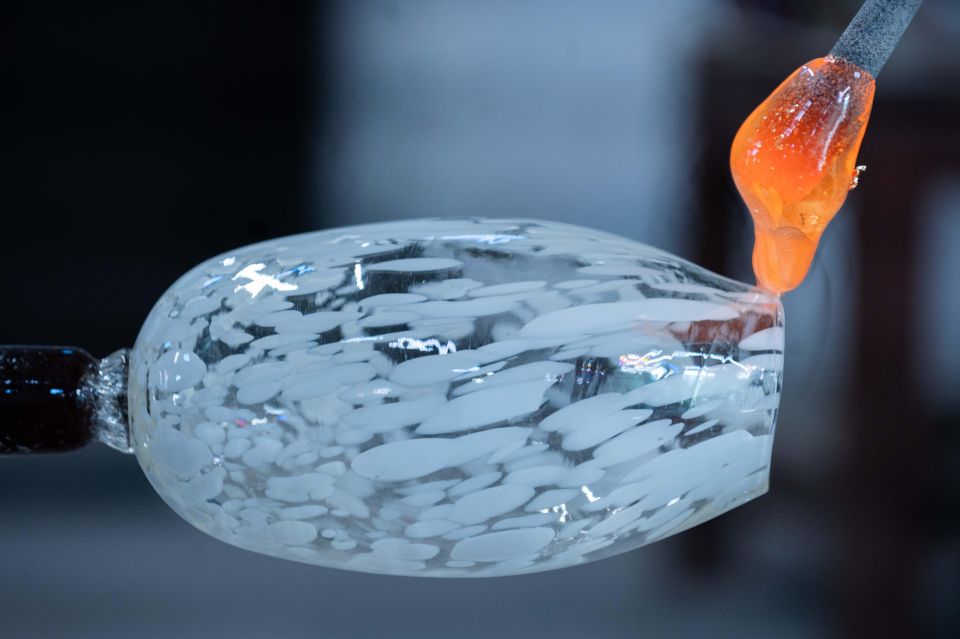
You meet at Vetreria Artistica Colleoni Snc, Fondamenta S. Giovanni dei Battuti, 12, 30141 Venezia VE, Italy. Plan to arrive a few minutes early so you can be on the right spot when your guide calls the group together—the meeting point is at the factory about 5 minutes before the start.
Transportation to and from Murano isn’t included, so you’ll need to handle the ferry part on your own. The good news: once you’re on Murano, this activity is straightforward. You’re not hunting through a maze of studios for the “right” one—you’re going to the glass factory itself, where the tour and the demo happen.
Also, since the tour guide speaks English, French, and Italian, you don’t have to rely on guesswork. If you want to follow along with what’s happening (and why), that language support helps.
Inside the factory: the guided tour before the blowing
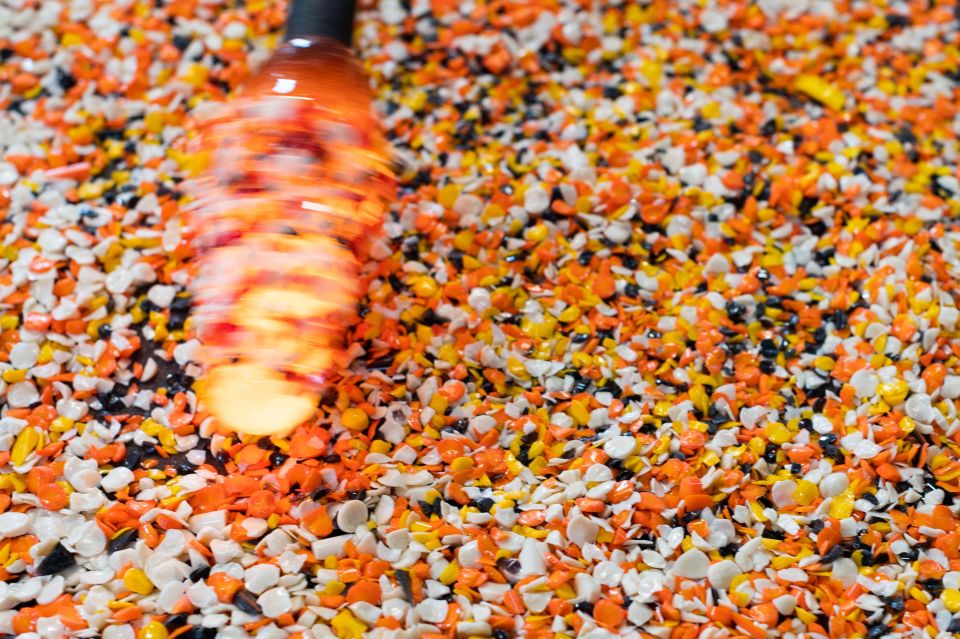
Your visit starts with a guided factory tour, not just a quick “sit and watch” setup. You’ll learn what’s involved in glass production, and the guide gives context that helps the demo make sense. The atmosphere is part workshop and part theater—people working with intense focus, plus seating set up so you can see.
In a place like Murano, it’s easy to think of glass as a magic trick. This tour does the opposite. It slows things down just enough that you start noticing the real craft: what changes the glass, what the master has to control, and why the steps matter.
This is also where the practical side shows up. One nice detail from real visits: the facilities are there when you need them, including toilets and water on site. That’s not glamorous, but it’s helpful—Murano workshops can feel warm because of the process.
The master glass-blowing demonstration: watching technique, not luck
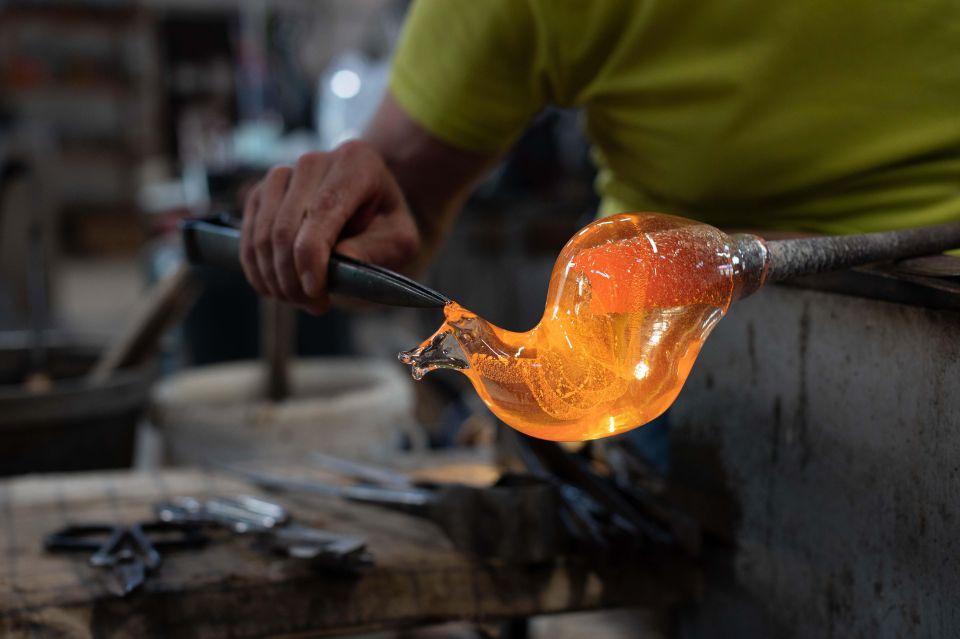
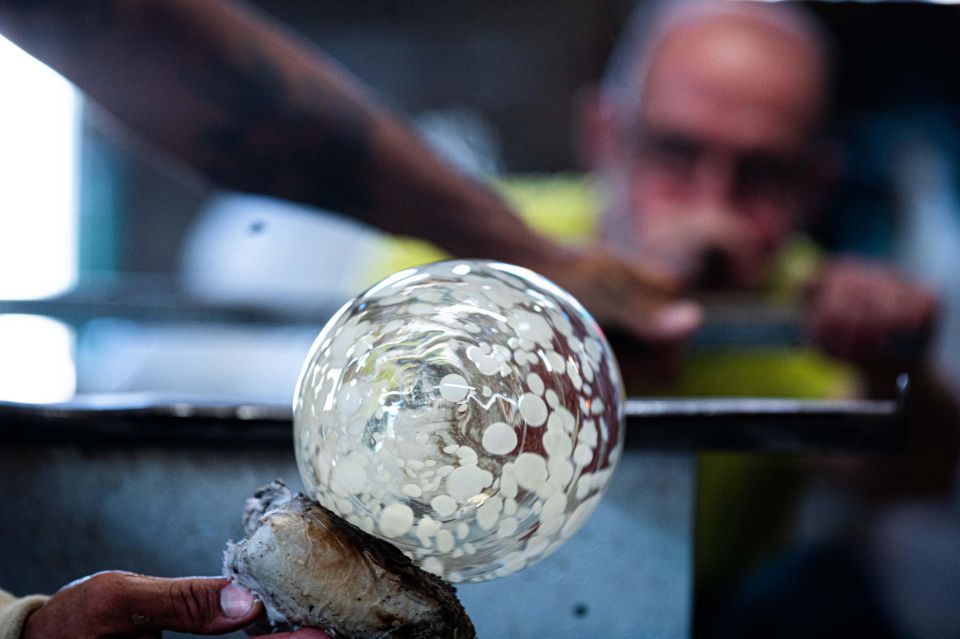
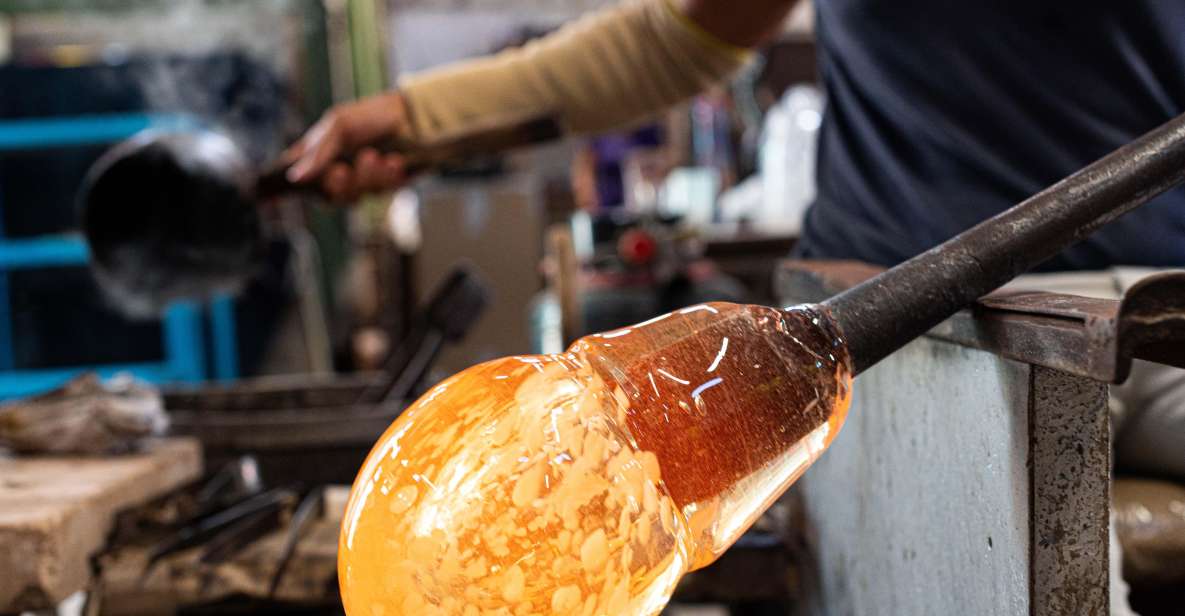
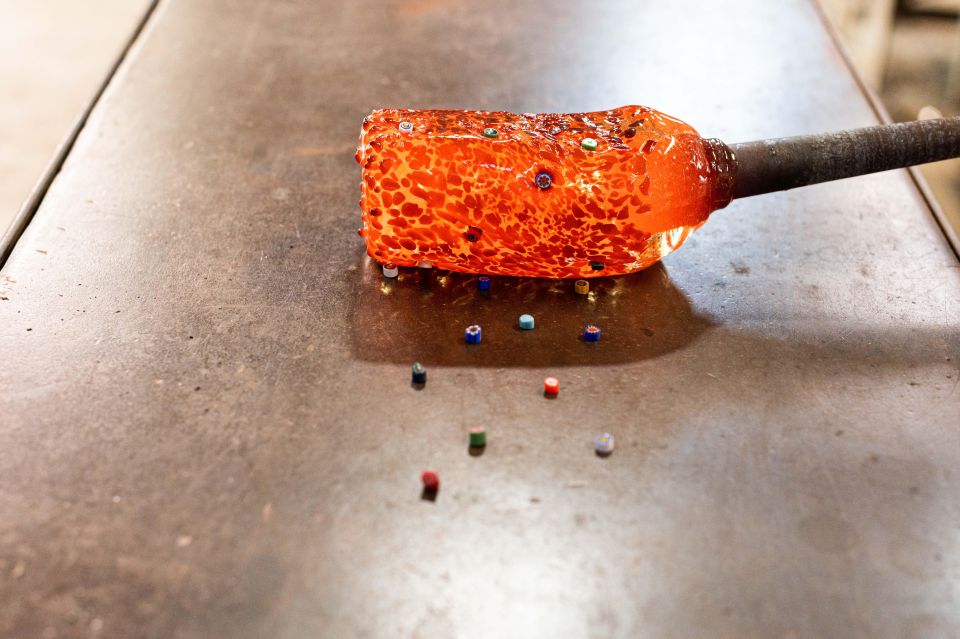
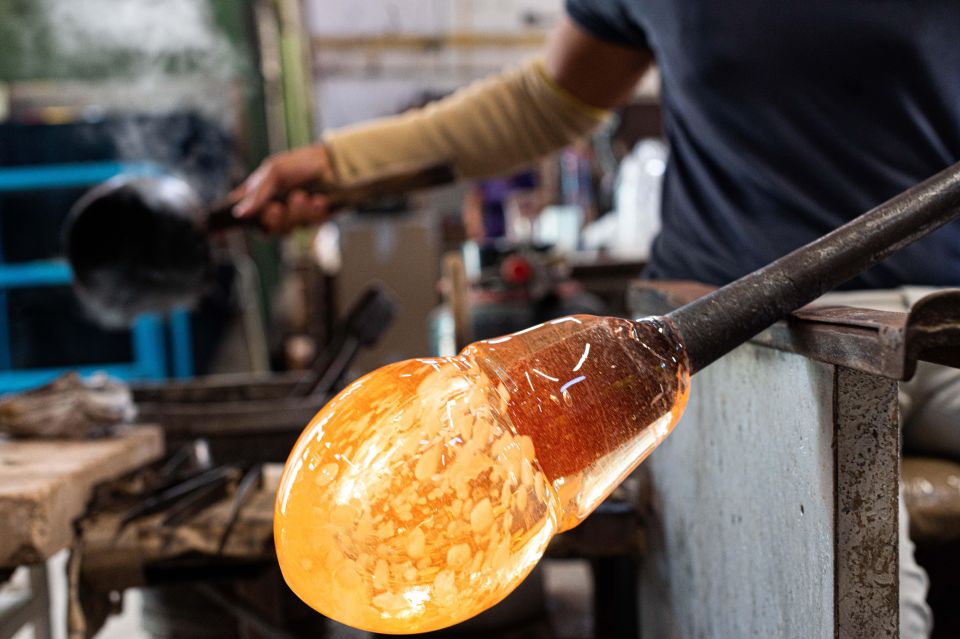
Then the main event happens: a glass master creates an object using the blowing technique while your group watches. The master’s work is fast in the way professional skills often are—smooth, confident, and surprisingly athletic.
What you’re really seeing is not just an object taking shape. You’re watching control. Glassblowing depends on timing, temperature, and hand/arm precision. The guide and master explain along the way, so you can understand what you’re looking at instead of just thinking it’s impressive (though yes, it is).
Many visits include the master making something larger than a tiny ornament—examples mentioned include items like a bowl or a larger custom vase. Even if the exact piece differs by session, the format stays the same: you’ll see glass gathered, shaped, and formed while the master keeps the piece centered and moving through the next step.
This is also one of the best parts for families. The demo-style approach works well if you have teens or kids who get restless. In multiple sessions, visitors have pointed out that the kids loved watching the master at work because it looks like real-time creation, not a staged video.
Sculpting glass animals: the second technique you’ll remember
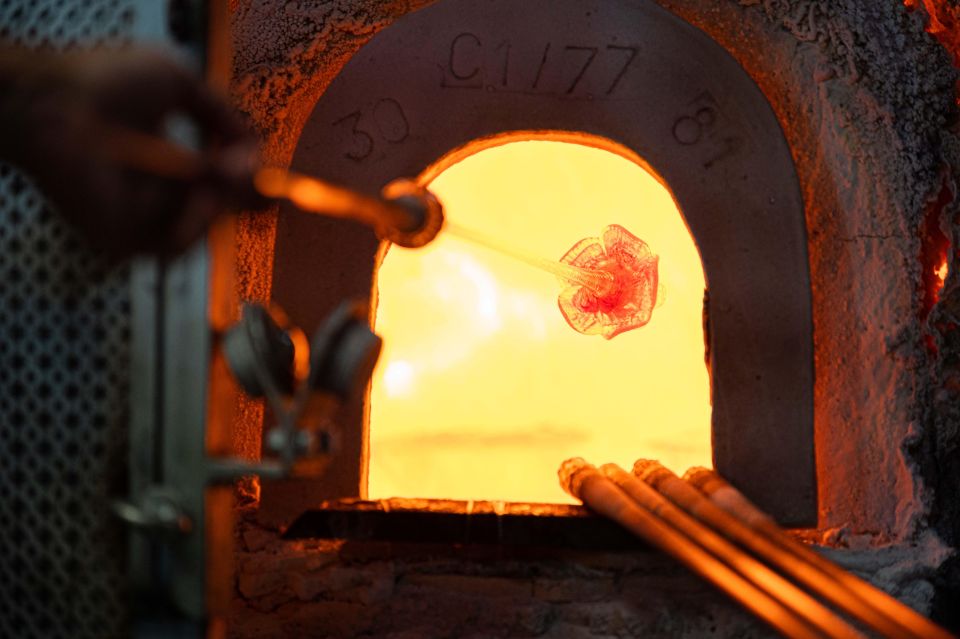
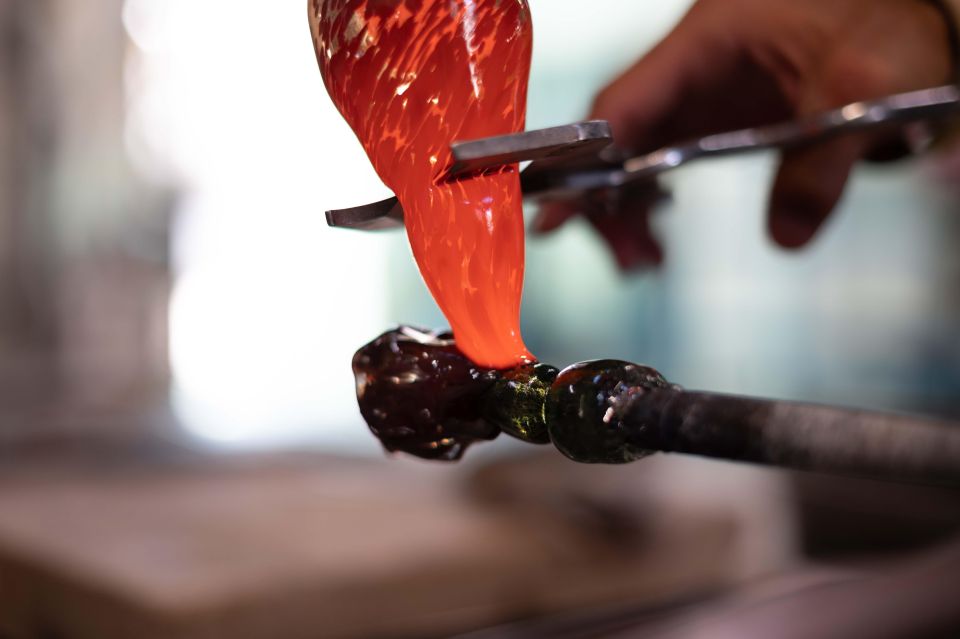
After the blowing, the tour shifts to a sculpture technique demonstration where you can see how glass animals are made. This second part is a big reason the tour feels more complete than a simple “one object and done” show.
Sessions commonly include glass animals like a horse, which is both charming and technically demanding. Sculpting the shapes, adding details, and controlling the way glass behaves means the master doesn’t just blow—they also create form and texture.
This is where you start appreciating why Murano glass has a long reputation. The artistry isn’t only about shine or color. It’s about shape language: how the animal looks alive, how the body proportions work, and how the glass catches light once it’s finished.
The shop/gallery: what to do with your €10 credit
After the demos, you get time in the shop/gallery. This is where Murano glass turns from spectacle into souvenir math.
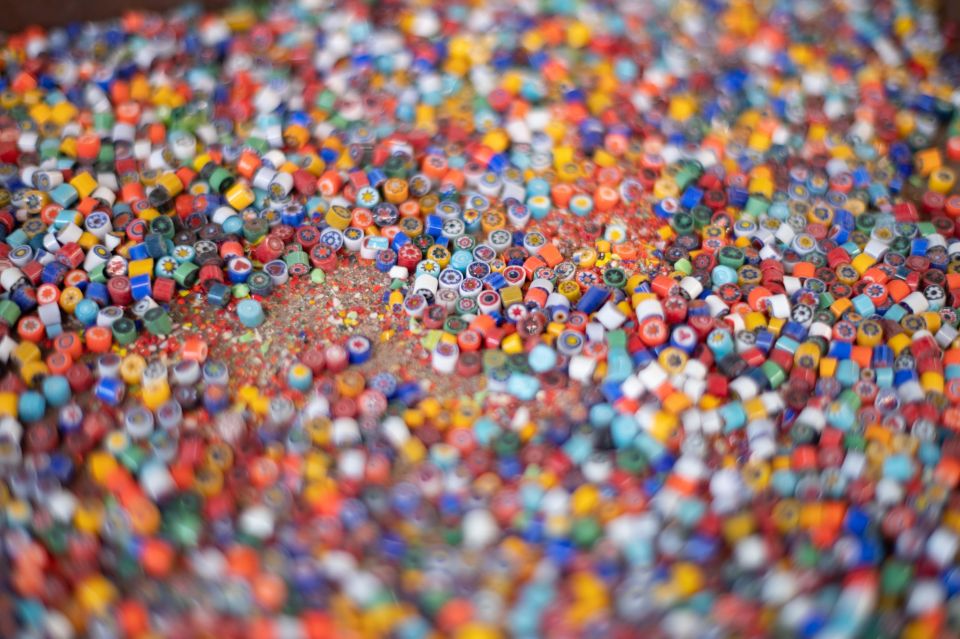
You’ll see items like chandeliers, sculptures, and jewelry, all made by the factory. Your €10 credit per adult can be applied to purchases at the glass factory, which is the deal you want to understand before you start shopping.
Practical tip: treat the credit like a discount on whatever you’re willing to buy anyway. Walk the room first. Look for:
- small pieces if you’re packing light (easy to travel with)
- jewelry if you want Murano glass without a big weight penalty
- mid-size sculptures if you’re trying to bring home something special but not huge
One useful note from real-world visits: taking cash may help with flexibility, since some visitors have mentioned negotiation when paying cash. I can’t guarantee it’s available every time, but if you see a sign or hear staff mention it, it’s worth asking politely.
Also, don’t forget your goal. If you mainly want the demo, you can keep shopping minimal. If you want to buy, this shop time is where you’ll decide quickly, because you’ll have already seen the craft firsthand.
What to watch for: heat, sound, and comfort
This experience is short, which helps. It also means the factory space can feel intense—especially if you’re sensitive to heat. One common heads-up: it can be hot inside the workshop area.
Sound can be another variable. In at least one session, it was noted that it could be a little hard to hear the guide depending on seating or where you’re positioned. The fix is simple: choose your seat early, stay attentive during the explanations, and don’t worry if you miss a sentence or two. The demonstration is visual and dramatic even when you’re not catching every word.
On the positive side, the setup is designed for sightlines. Many visitors have said they had comfortable seating and clear views, meaning you can focus on the craft instead of craning your neck.
Who this Murano factory visit is best for
This is a good choice if you want a Murano glass experience without committing to a long workshop tour. You’ll get a guided explanation plus live making, and the time pressure helps keep the experience focused.
It’s especially fitting for:
- families with kids (short attention spans get rewarded fast)
- couples who want a romantic craft activity but hate “all-day” tours
- people who like hands-on art, not museum-only glass
- anyone who wants a believable souvenir value deal because of the €10 credit
It’s less ideal if you want a long, deep lecture about the history of Murano glass. This is about watching technique and seeing it applied right in front of you. If you want the longer storytelling side, you might pair this with another Murano stop that focuses more on history and design.
Pair it with Venice and Burano without stressing
This activity is made for a day trip rhythm. You’re in Veneto, close enough to connect with Venice plans, and Murano is a natural add-on if you want something more hands-on than a straight walking tour.
People often mix Murano with nearby islands, and one reason this works is the time footprint: about 20 minutes for the full experience. That means you can do it without turning your day into a ferry-and-queue marathon.
Just remember: transportation isn’t included. Build enough time for the boat ride and getting to your meeting point, especially if you’re also trying to hit Burano for photos and lace shops later.
Should you book the Murano glass factory experience?
I’d book it if you want an efficient, real craft moment: a guided glass-blowing demonstration, a second technique showing glass animals, and a shop time where your €10 credit per adult can reduce the sting of a Murano purchase.
Skip it if you’re looking for a long, full-length workshop tour, or if heat and sound quality would really stress you out. The workshop side can run warm, and the demo format is time-boxed.
If you do book, come with a simple plan: go watch first, then shop with intention. You’ll get much more satisfaction from buying something that matches what you just saw being made.
FAQ
How long is the Murano glass factory experience?
The duration is about 20 minutes.
What’s included in the ticket price?
You get a guide, the glassmaking demonstration, and a €10 credit.
Do I get a credit to spend in the shop?
Yes. You receive a €10 credit per adult that can be used for purchases at the glass factory shop/gallery.
Where is the meeting point?
You meet at Vetreria Artistica Colleoni Snc, Fondamenta S. Giovanni dei Battuti, 12, 30141 Venezia VE, Italy.
When should I arrive?
Arrive about 5 minutes before the meeting time at the factory.
What languages are offered for the live guide?
The tour guide is available in English, French, and Italian.
Is transportation to and from Murano included?
No. Transportation to/from Murano is not included.
Is the experience wheelchair accessible?
Yes, it is wheelchair accessible.
Can I cancel for a refund?
Yes. You can cancel up to 24 hours in advance for a full refund.
What if I want flexibility in booking?
You can reserve now and pay later.