REVIEW · VENICE
Venice: Watercolor Painting Class at the Prisons Palace
Book on GetYourGuide →Operated by CITY TOURS CO LTD · Bookable on GetYourGuide
Venice looks different when you try to paint it. This watercolor class at Prison’s Palace turns the city’s views into a hands-on lesson, with a real artist guiding you step by step. I love how you start with a proper sketch and then move into color mixing, and I also like the focus on Venice’s tricky light and water reflections. One drawback to know: it’s not set up for wheelchair users or people with walking disabilities, so you’ll want to plan on standing and moving.
What makes this class work well is the small group size—limited to 6 participants—so the instructor can actually look at your paper and correct details. I also like that you get all the equipment, plus a live, in-the-moment commentary and even a bookmark to help you keep the techniques straight later. The main consideration is that your group could include people who aren’t traveling with you, so expect a friendly mix, not a private lesson.
In This Review
- Key Takeaways Before You Go
- Why Prison’s Palace Is a Smart Starting Point for Painting
- Getting Set Up: Your Instructor, Your Supplies, and Your Paper
- The Real Lesson Begins: Sketching Venice Before Color
- Watercolor Techniques That Actually Match Venice
- How the Session Handles Rain (and Other Real Venice Problems)
- Small-Group Coaching: Why Limit 6 Is a Big Deal
- What’s Included (and How That Impacts Value)
- Who This Painting Class Suits Best
- What to Expect When You Finish
- Should You Book This Venice Watercolor Class?
- FAQ
- Where do I meet for the watercolor class?
- How long is the class?
- How many people are in the group?
- What languages are offered?
- Is all painting equipment included?
- What should I bring with me?
- Is this class suitable for wheelchair users or people with walking disabilities?
- Are pets allowed?
- Do beginners take this class successfully?
Key Takeaways Before You Go
- Small group of 6: more time with the instructor, fewer hands-off tips
- Sketch-first approach: you learn how to start correctly before touching color
- Venetian light and reflections: practical tricks for sky, shadows, and water
- All equipment included: you just show up with the right footwear
- Rain plan exists: if weather turns, you paint indoors in a studio space
- Multi-language instruction: English, Spanish, Italian, and French are supported
Why Prison’s Palace Is a Smart Starting Point for Painting
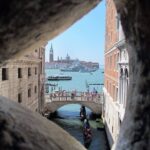
This class is based near St Mark’s Square, in the area you’ll naturally end up exploring anyway. And the location choice is clever: you’re close to the classic Venice scenery, without having to spend your lesson time trekking across town.
The meeting point is specific, which matters when you’re trying to stay calm and paint later. You’ll enter Prison’s Place, head upstairs to the first floor, and meet at the starting point about 10 minutes early. If you’re coming from the Doge’s Palace area, cross the bridge on the right-hand side of the entrance to the Doge’s Palace, then find your way to Prison’s Place.
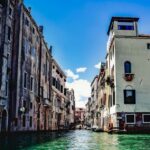
Why does this matter for the painting experience? Because when you’re close to the views, you can watch the details more easily while you work. Venice changes fast—light shifts, shadows move, and water catches new highlights. Being nearby helps you keep your painting matched to what you’re actually seeing.
You can also read our reviews of more tours and experiences in Venice



Getting Set Up: Your Instructor, Your Supplies, and Your Paper
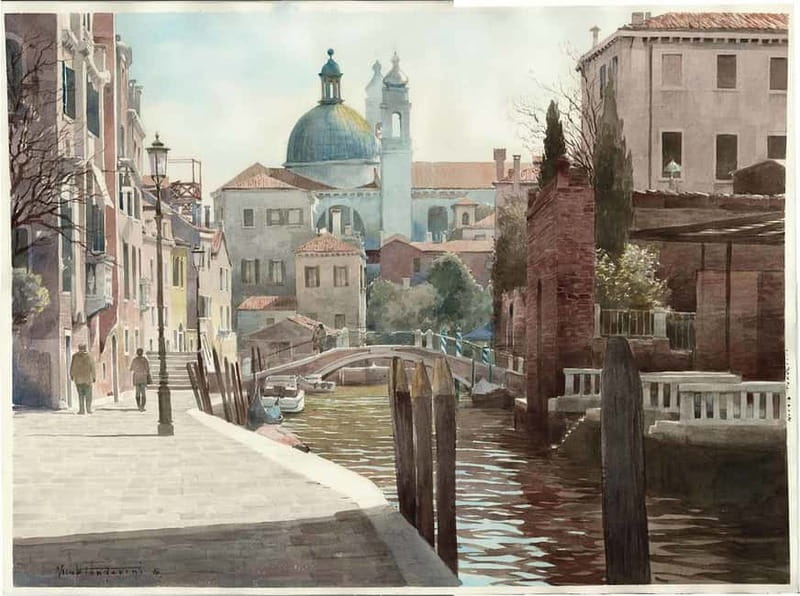
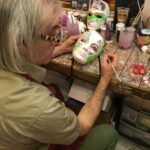
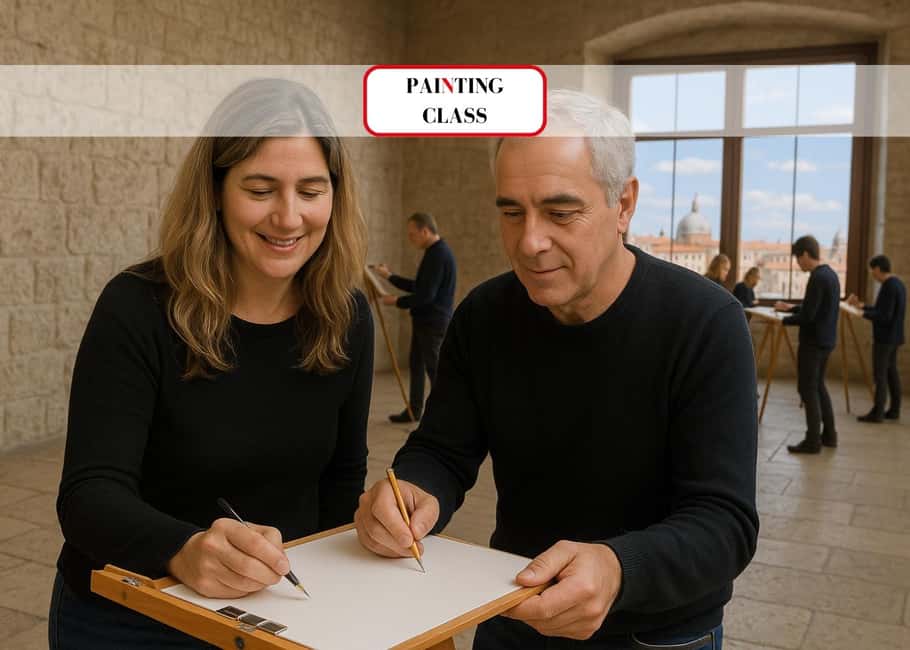
You’re not walking into a craft store situation where you figure things out alone. This is taught by a Venetian artist, and the class is designed for people who are brand new. In fact, the best comments in the reviews center on how patiently the instructor guides complete beginners through the basics.
The teacher you’ll likely meet is Nicholas Tenderini, who appears under the name Nicola in some feedback. What I like about his style, based on the class descriptions you’ll see, is that he doesn’t just explain in theory. He talks you through the steps you actually need: how to sketch the scene, how to map the spaces on the page, and how to make your watercolor behave.
And yes—this part is genuinely valuable: all equipment is included. That’s huge in Venice, where buying supplies can turn into a frustrating side quest. With everything provided, you can focus on learning instead of managing gear.
What you’ll want to bring is simple:
- Comfortable shoes (you’ll be on your feet)
- A sun hat (Venice sun can sneak up on you, even when it’s not beach-hot)
Also note the small but important rule: pets aren’t allowed. If you’re traveling with one, you’ll need to make alternate plans.
The Real Lesson Begins: Sketching Venice Before Color
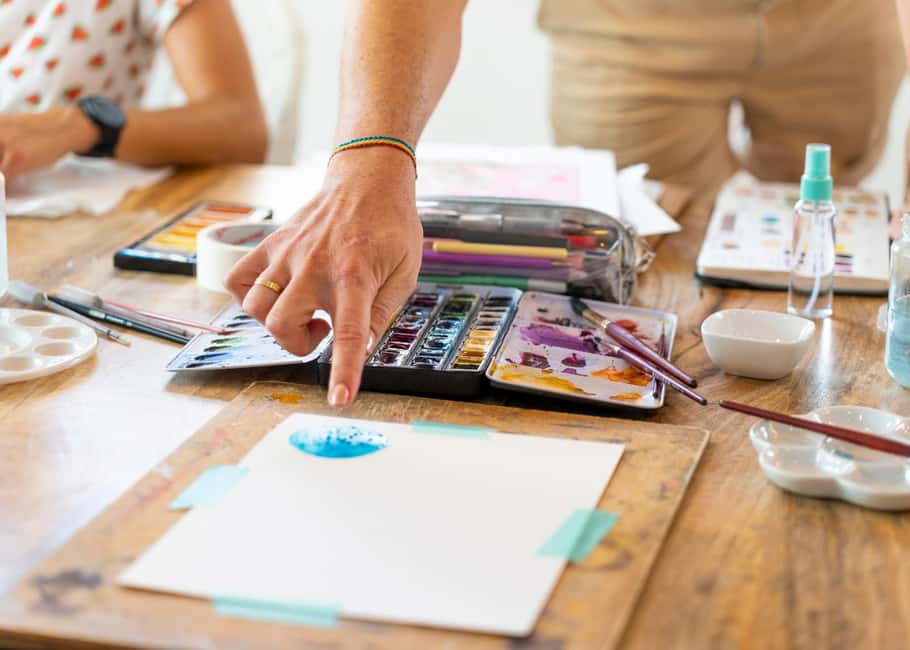
Most people underestimate the sketch. They jump to pigments and hope the picture works out. This class does the opposite, and that’s one of the reasons it gets strong ratings.
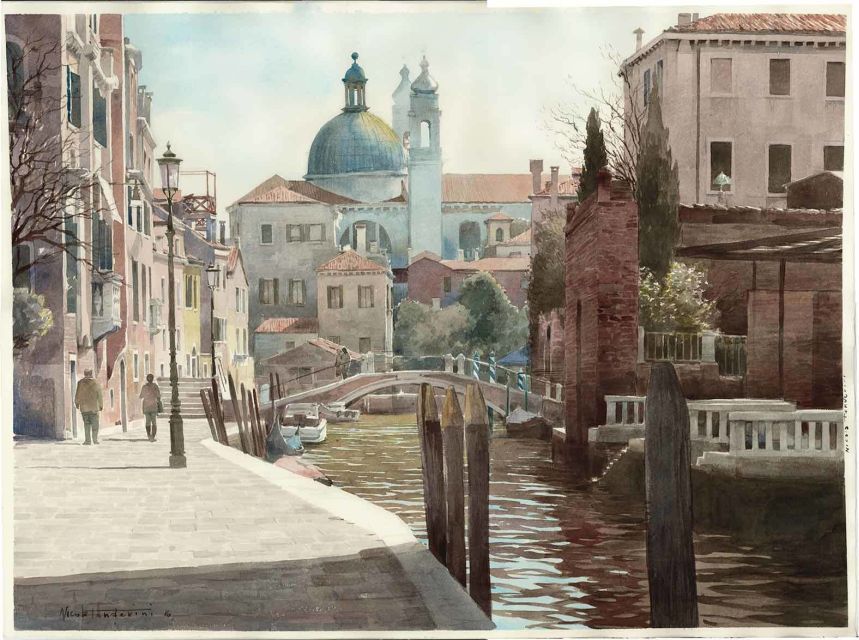
The lesson starts with studying the sketch—what the instructor calls an essential starting point for a good painting. You learn how to block in the scene with pencil before using watercolors. Then you move into colors and learn something that sounds simple but is hard in practice: light is a color, not an afterthought.
A key skill you’ll pick up is how to approach the drawing like a puzzle:
- Pencil work first, so you’re not fighting the paper once paint goes on
- Guidance on measuring and dividing the spaces in your view
- Clear help spotting where shadows fall and how they shape the buildings and boats
One review specifically mentioned learning how to measure and divide the spaces, which is exactly the kind of practical instruction that helps beginners stop guessing.
If you’ve done pastels before, don’t worry. The class shifts you to watercolor techniques step by step. If you’ve never painted at all, that also works, because the instruction is built for your level.
Watercolor Techniques That Actually Match Venice
Watercolor in Venice isn’t just about using paint. It’s about using the medium’s behavior—especially how water and pigment spread. The instructor sticks close to your table to show and explain the “secrets” that lead to better results.
Here are the kinds of techniques you can expect to focus on:
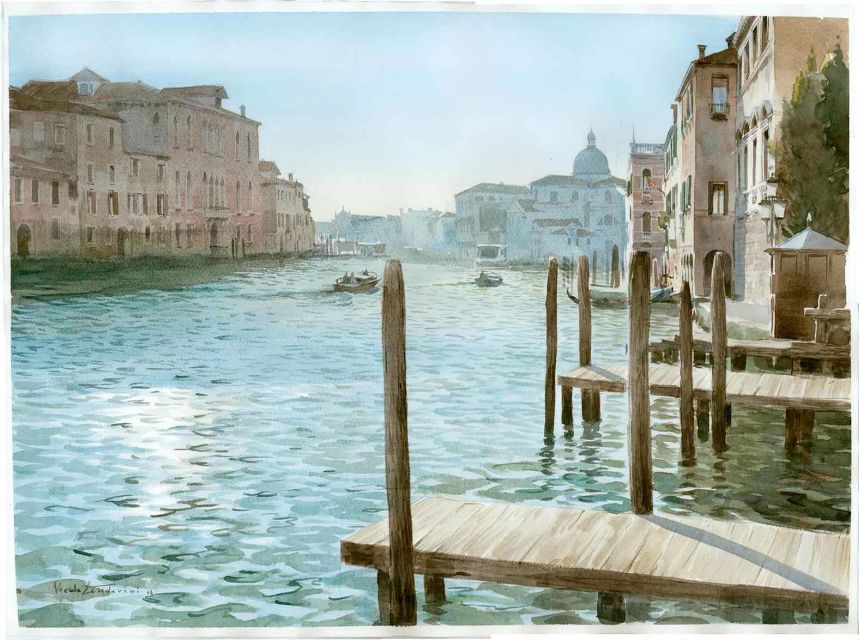
- Water reflection effects (how to suggest mirror-like surfaces without overworking them)
- Shading between clouds and sky (so your horizon doesn’t turn into mud)
- Details of lights and shadows (so buildings look dimensional, not flat)
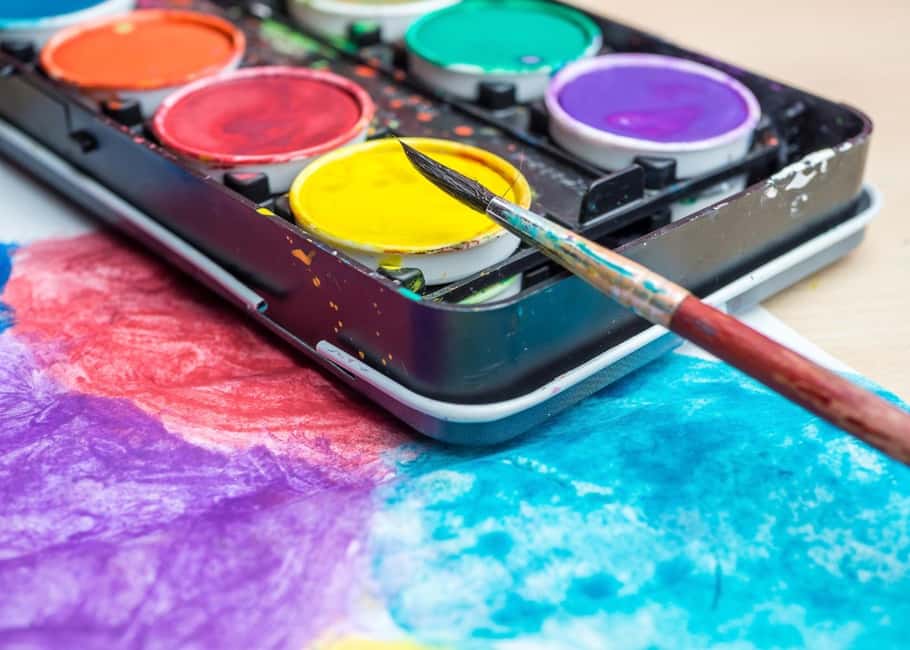
The class also teaches you how to mix paint and how to apply it correctly. That covers two beginner pain points at once: you learn what combinations produce the right tone, and you learn how to control intensity so it doesn’t overpower the page.
One review noted that the instructor explained how to find shadows and showed how to mix the paint, then walked through brush techniques and how to move watercolor on paper. If you’re the kind of person who loves instructions that sound like a checklist, you’ll probably enjoy this format.
And you’ll likely notice the overall pace stays structured. The lesson length is 105 minutes, which is just enough time to build confidence and produce something you can be proud of—without turning it into a half-day art retreat.
How the Session Handles Rain (and Other Real Venice Problems)
Venice weather can change quickly. If it rains, you don’t automatically lose your lesson.
One review mentioned a rainy day and described the instructor providing a studio space to paint indoors. The same review also said the teacher communicated ahead of time that you’d be painting indoors due to weather. That’s a practical win. It means you can keep going instead of scrambling, and it also makes the class more comfortable—especially if you don’t want to stand around in wet conditions.
This matters because watercolor is sensitive. You want steady conditions to work on wet-in-wet techniques, and you want your hands to be comfortable. Indoor painting keeps things controlled while the instructor continues guiding you.
So if you’re traveling during uncertain weather, this class is one of the better “still worth it” activities near St Mark’s.




Small-Group Coaching: Why Limit 6 Is a Big Deal
The group is limited to 6 participants, and that changes the entire feel of the class. In larger groups, you end up watching from a distance and hoping the instructor notices your paper in time.
Here, you get more personal attention. The teacher can watch how you’re sketching, catch mistakes early, and show techniques right where you’re working. Reviews highlight patience and time management—making sure each person gets valuable guidance even when everyone is starting from zero.
There’s another quiet benefit: because it’s small, you spend less time waiting. You can ask questions while you’re still in the step where your question matters.
And because the class is taught in multiple languages—English, Spanish, Italian, and French—you can feel confident you’ll follow the instruction and not just pick up hand motions.
What’s Included (and How That Impacts Value)
The price is $89.50 per person for 105 minutes. On its own, that sounds like a “tour price” until you look at what you actually get.
You get:
- All equipment
- Live commentary from the instructor
- A bookmark
In a city where supplies and classes can add up quickly, “equipment included” is the real value driver. It removes the costs and hassle that often come with trying a new activity while traveling. Then you layer on guided instruction from a Venetian artist—plus the payoff of producing a finished watercolor you can keep.
Also, you’re getting more than a single demo. The class structure is built around doing the steps yourself: sketch, then color, then technique for reflections and light/shadow effects.
If you want the most “bang for your time” in Venice, a 105-minute class is a good length. It’s long enough to learn real technique, short enough that you’re not stuck missing the rest of your day’s wandering.
Who This Painting Class Suits Best
This is best for you if you want a creative way to slow down in Venice. It’s not only for people who already paint. It’s also for beginners who want structure.
You’ll probably enjoy it most if:
- You like learning step-by-step rather than trial and error
- You want to understand watercolor behavior, not just copy a picture
- You want something hands-on near St Mark’s that isn’t another museum stop
A word of caution: it’s not recommended for people with mobility impairments or wheelchair users. Plan on being able to stand and move around comfortably.
Also, pets aren’t allowed, so make sure your travel plan works without bringing them.
What to Expect When You Finish
This activity ends back at the meeting point. That means you can go right from your finished (and slightly paint-splattered) victory moment back into Venice life.
You’ll also receive a bookmark, which sounds small but can help if you want to revisit what you learned after the trip. Watercolor techniques are easier to remember when you have a quick reference.
And if you’re traveling with someone, you’ll likely find it’s one of those activities that creates conversation—because everyone comes away with a story about the moment the colors finally started behaving.
Should You Book This Venice Watercolor Class?
I’d book it if you want a real skill-building experience in a short window, with supplies handled for you. The biggest reasons to choose it are the structured sketch-to-color progression and the instructor’s attention to beginners—especially the focus on how to handle watercolor’s challenges like reflections and light/shadow detail.
Skip it if you need full wheelchair accessibility or if standing/walking is a problem for you. Also skip it only if you’re looking for pure sightseeing with no instruction; this is a class, and the value is in the teaching.
If you’re aiming for a fun, artistic Venice moment that feels genuinely local—taught by a Venetian watercolor artist near St Mark’s—this is a strong choice.
FAQ
Where do I meet for the watercolor class?
Meet at Prison’s Place. Enter the site and head upstairs to the first floor. Arrive about 10 minutes before departure time.
How long is the class?
The duration is 105 minutes.
How many people are in the group?
It’s a small group limited to 6 participants.
What languages are offered?
The instructor provides instruction in English, Spanish, Italian, and French.
Is all painting equipment included?
Yes. All equipment is included.
What should I bring with me?
Wear comfortable shoes and bring a sun hat.
Is this class suitable for wheelchair users or people with walking disabilities?
No. It is not fully accessible for wheelchair users or people with walking disabilities.
Are pets allowed?
No, pets are not allowed.
Do beginners take this class successfully?
Yes. The class is described and reviewed as working well even for complete novices who have never done watercolors before.