REVIEW · VENICE
Venice: Pasta and Tiramisu Cooking Class with Wine
Book on GetYourGuide →Operated by The Roman Food Tour · Bookable on GetYourGuide
Pasta and tiramisu in Venice, not a museum stop. This 3-hour hands-on cooking class in Dorsoduro turns a break from sightseeing into real food skills, plus wine at the table. You learn to make fresh pasta and then finish with tiramisu, all in a Venice restaurant setting that makes the evening feel easy.
I love how practical the instruction is, with step-by-step guidance for shaping fresh fettuccine and ravioli. I also love the payoff: you eat what you make, with free-flowing fine wine, limoncello, and coffee included.
One caution: the class follows a traditional recipe that contains gluten, dairy, and eggs, and while substitutes may be offered, they cannot guarantee zero cross contamination. If you have gluten or lactose intolerance (or need a vegan menu), this may not be the right fit.
In This Review
- Quick hits to know before you go
- Venice cooking class timing and what the evening feels like
- Entering the Dorsoduro restaurant: a calmer Venice moment
- Fresh fettuccine and ravioli: real technique, not just assembly
- The tiramisu section: making dessert feel doable
- Wine, limoncello, and coffee: the dinner part is included
- Dietary needs and allergy reality checks (read this before booking)
- Who this is best for (and who should skip)
- Value: is $78 per person a fair deal in Venice?
- Where this fits in your Venice plan
- Should you book this Venice pasta and tiramisu class?
- FAQ
- How long is the Venice pasta and tiramisu cooking class?
- What do you learn to cook during the class?
- Is wine included, or do I need to pay extra?
- Where does the class take place in Venice?
- Is the guide provided in English?
- Do they accommodate dietary needs?
- Are people with gluten intolerance or lactose intolerance able to join?
- What about allergies and cross contamination?
- Is the class suitable for young children?
- What’s the cancellation and payment flexibility?
Quick hits to know before you go
- Fresh pasta lessons you can repeat at home (fettuccine and ravioli, not just watching)
- Tiramisu made the traditional way, with guided technique so it sets up right
- Wine plus dessert plus coffee—you’re not done when the cooking ends
- English-speaking hosts who keep the pace friendly for beginners
- A social dinner format where people actually chat while you eat
- Dorsoduro location gives you a great excuse to wander afterward
Venice cooking class timing and what the evening feels like

This runs for about 3 hours, long enough to learn without feeling rushed, and structured like a real dinner evening rather than a quick demo. You’ll spend the first part working on dough and fillings, then the second part eating what you prepared, with drink flowing as the meal settles in.
The pace is one of the big reasons people rate this so highly. In class, hosts like Barbara, Serena, Thomas, and Eddie are repeatedly praised for instruction that stays clear, plus a relaxed rhythm that keeps the group together. If you’ve never made pasta before, that matters: there’s a difference between being told what to do and actually being guided through what your hands should be doing.
You can also choose your ending. When the cooking wraps, you can stay in the restaurant with your new table-mates, or step out into Venice for a slow walk through Dorsoduro’s nearby streets.
You can also read our reviews of more cooking classes in Venice
Entering the Dorsoduro restaurant: a calmer Venice moment
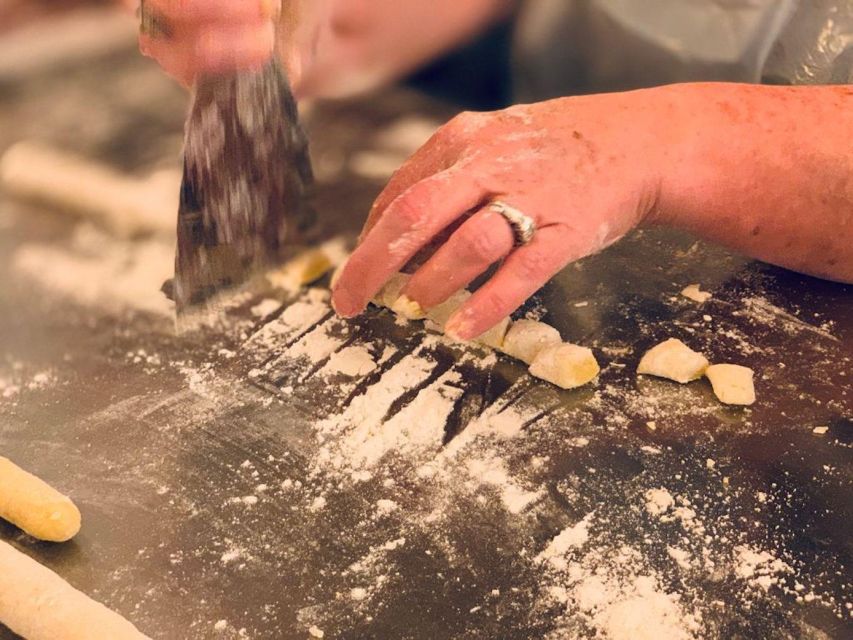
Venice can be a nonstop carousel of sights and lines. This experience gives you a different kind of focus: you’re in the middle of the city, but your attention is on flour, eggs, and technique. That alone helps. Instead of bouncing from stop to stop, you get one “anchor” evening where the city becomes background music.
The meeting point can vary by the option you book, so don’t leave it to guesswork. Build in a little buffer time so you can arrive calm, then settle in. Once inside, the atmosphere tends to feel welcoming and easy to follow, and that’s reinforced in the way many people describe the hosts as warm and entertaining.
A practical point: because you’re cooking, wear something you can move in. You’re rolling, shaping, and handling dough. You don’t need to bring anything for the ingredients—those are included—but you do want clothing that won’t stress you out halfway through.
Fresh fettuccine and ravioli: real technique, not just assembly
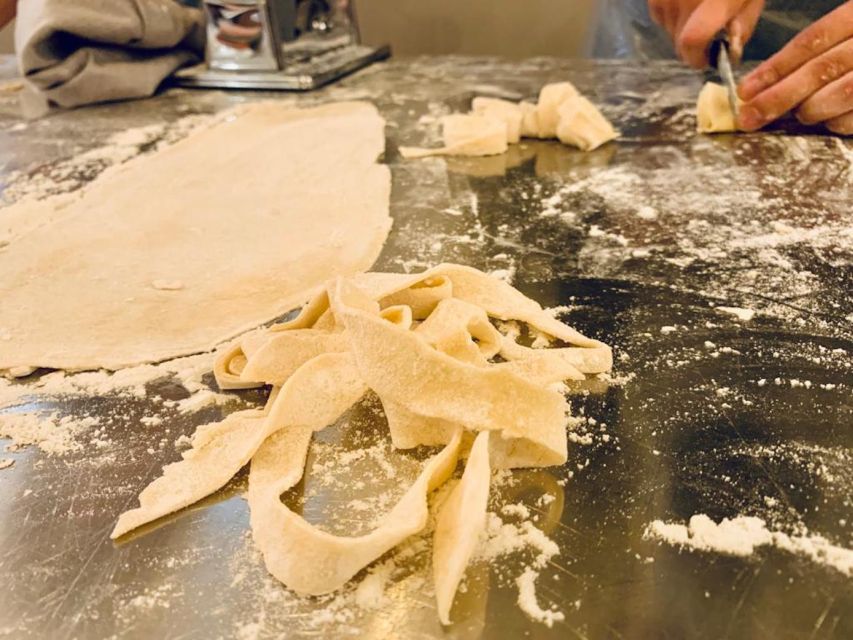
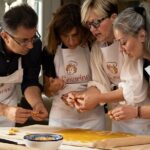
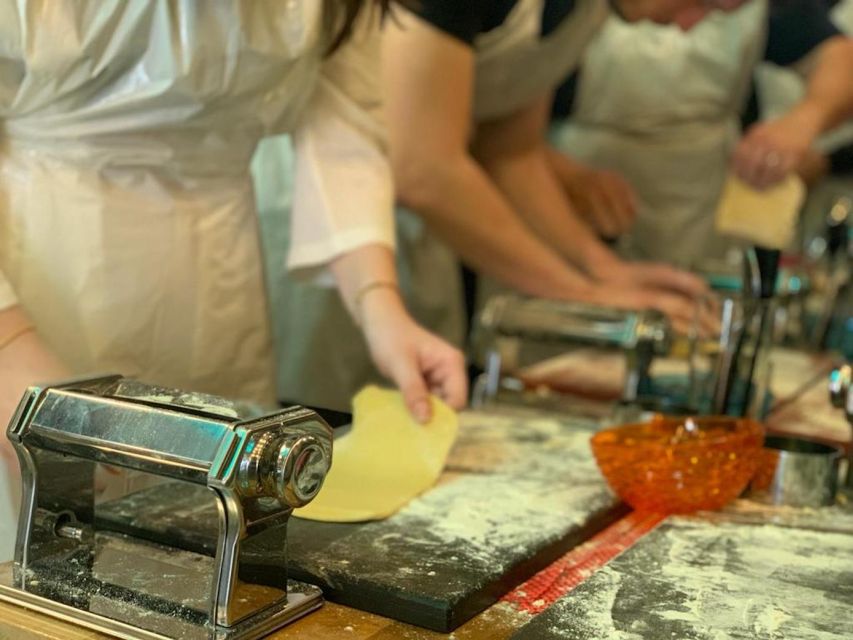
The heart of the class is learning fresh pasta from scratch. You’ll work with dough and practice the motions that make handmade pasta feel different from dried. The menus include fresh fettuccine and ravioli, so you get both long, thin pasta and stuffed pasta skills.
What I think you’ll appreciate most is that the instruction isn’t just conceptual. The hosts guide you through the hands-on steps, answering questions as you go. People highlight how the teachers and assistants keep things readable—things like how to handle the dough texture, how to roll, and how to shape ravioli so they hold together when cooked.
There’s also a subtle value here: you’re learning the logic behind the process. Once you understand how dough behaves and how stuffing gets sealed, you’re not just copying a recipe—you’re gaining a kitchen skill set that travels with you. Even if you never perfect ravioli at home, you’ll leave with a better sense of what makes pasta work.
The tiramisu section: making dessert feel doable
Then comes tiramisu. The class doesn’t treat it like an afterthought. You’re guided step-by-step through the traditional method, and you end up tasting what you helped make. That matters because tiramisu is one of those desserts that can feel intimidating until someone shows you the rhythm of assembly.
The big takeaway is how the process becomes manageable. Hosts are often praised for their entertaining teaching style and for breaking the steps into followable parts, so the dessert doesn’t become a vague set of instructions. If you’ve struggled with tiramisu before—usually it’s texture and timing—you’ll appreciate that this is taught in a structured way.
And yes, the tasting is part of the value. This is not a class where you leave dessert uneaten. You get a proper sit-down meal with your pasta dishes and your tiramisu.
Wine, limoncello, and coffee: the dinner part is included
A lot of cooking classes end with a snack and a polite goodbye. This one ends with a meal, and the drinks are part of the experience. You’ll be served the dishes you prepare, along with wine, plus limoncello and coffee.
Free-flowing wine changes the mood. It turns the kitchen into a social room where conversation comes naturally—people ask questions, compare notes, and laugh at the shared chaos of flour on hands. It’s also a nice way to connect with fellow travelers without forcing small talk after a long day of walking.
A detail worth noting: some hosts bring personality in extra ways—music, playful hosting, and even birthday surprises were mentioned by some participants. If that’s your kind of travel flavor, you’ll probably enjoy the way the class leans into fun, not stiffness.
You can also read our reviews of more wine tours in Venice


Dietary needs and allergy reality checks (read this before booking)
This class offers dietary options, including vegetarian and vegan options on paper, and it says other diets are supported. However, the important information also warns that the traditional recipe instructions focus on gluten, dairy, and eggs.
Here’s the practical interpretation: if your diet is complex, contact the provider before you book and state your needs clearly. The class can provide substitutes for allergies or preferences, but it cannot guarantee 100% free of cross contamination. And the activity is explicitly not suitable for people with gluten intolerance and lactose intolerance, and it lists vegans as not suitable.
So if you’re gluten-free, lactose-intolerant, or strictly vegan, don’t assume substitutions will make it safe or compliant. Plan for the possibility that this is better for flexible eaters who still care about traditional technique and a proper meal.
Who this is best for (and who should skip)
This works especially well for food-minded travelers who want something more real than a tasting menu. If you like learning by doing, and you want an evening that ends with dinner, you’ll likely feel it was worth the time.
It’s also a good fit if you want a social angle. People repeatedly mention meeting others from around the world and eating together right at the end. If you’re traveling solo, this is often the type of activity where it’s easy to talk to the group without needing to invent conversation.
For families, it’s described as enjoyable, and even teenagers have had a good time. But it’s not for very young kids: it says children under 3 years aren’t suitable, and babies under 1 year aren’t suitable.
Value: is $78 per person a fair deal in Venice?
At $78 per person for about 3 hours, the value depends on what you compare it to. In Venice, a decent meal plus a drink often lands close to that number—sometimes more—especially in tourist-heavy zones.
Here, you’re paying for three things at once:
- a guided hands-on cooking class (ingredients included)
- a full meal you eat at the table (your pasta plus tiramisu)
- included wine, plus limoncello and coffee
When you add those together, the price starts to make sense. You’re not paying just for food; you’re paying for instruction and the ability to take home the method. People mention they would do it again, and some even buy pasta tools afterward because the class makes home pasta feel reachable.
Where this fits in your Venice plan
Use this as an “evening reset.” If you’ve spent the day crossing bridges and picking your way through crowded canals, a cooking class gives your brain a break. You still get to be in Venice—Dorsoduro is a good part of the city to wander afterward—but the focus shifts to something calmer.
I also like pairing it with a slower half-day beforehand. Arrive hungry, not exhausted. Cooking works best when you have enough energy to pay attention to what your hands are doing.
After the class, you can either stay for the final hangout or head out into Dorsoduro’s nearby streets. That’s a good way to close the day: you’ve built a connection to the city through food, and then you get to experience the neighborhood at a more human pace.
Should you book this Venice pasta and tiramisu class?
If you want a Venice activity that’s more than a photo stop, and you like learning a skill you can repeat, this is an easy yes. The biggest reasons to book are the hands-on fresh pasta instruction, the structured tiramisu experience, and the fact that you eat everything with wine, limoncello, and coffee included.
The main reason to hesitate is dietary reality. If gluten or lactose is a strict issue, or if you need a fully vegan meal, you should double-check fit because the traditional recipe uses gluten, dairy, and eggs, and cross contamination can’t be ruled out.
If you’re comfortable with traditional Italian cooking (or you can work with substitutes safely), this feels like a smart way to spend your time in Venice: practical skills, a real sit-down meal, and a social table that turns your evening into a memory.
FAQ
How long is the Venice pasta and tiramisu cooking class?
The class lasts 3 hours.
What do you learn to cook during the class?
You’ll learn how to make fresh fettuccine and ravioli, and you also make tiramisu.
Is wine included, or do I need to pay extra?
Wine is included. You’ll also have limoncello and coffee with your meal.
Where does the class take place in Venice?
It takes place in Venice, in the heart of the city’s Dorsoduro area. The exact meeting point can vary by the option you book.
Is the guide provided in English?
Yes. The class is led by a live tour guide in English.
Do they accommodate dietary needs?
They mention dietary options such as vegetarian, vegan, and lactose intolerant, and other diets may be supported if you inform the provider when booking.
Are people with gluten intolerance or lactose intolerance able to join?
No. The activity is listed as not suitable for people with gluten intolerance and lactose intolerance.
What about allergies and cross contamination?
They offer substitutes for allergies or preferences, but the instructions focus on the traditional recipe containing gluten, dairy, and eggs. They also state they cannot guarantee 100% free of cross contamination.
Is the class suitable for young children?
No. It is listed as not suitable for children under 3 years and babies under 1 year.
What’s the cancellation and payment flexibility?
You can cancel up to 24 hours in advance for a full refund. You can also reserve now and pay later to keep plans flexible.