REVIEW · VENICE
Grand Canal, Murano Glass Factory + glass blowing experience!
Book on Viator →Operated by Gino Mazzuccato Murano Glass · Bookable on Viator
Glass, then the Grand Canal cruise.
This tour mixes Venice water views with a hands-on Murano moment at the Gino Mazzuccato glass factory. You glide along the Canal Grande with an English-speaking guide covering art, history, and everyday life, then continue toward Murano through smaller canals.
I especially like the glass-blowing experience. I found the demo and the explanations hit the right balance of craft and context, and a guide named Deborah specifically added clear details about the art’s history during one visit I read about. And yes, it’s a true try-it-yourself moment, not just watching from the sidelines.
One thing to consider: the factory stop includes time in the showroom and gift shop, and that can feel a bit sales-focused. If you’re not in a buying mood, go in with a firm budget and a plan to admire rather than bargain.
In This Review
- Key highlights at a glance
- Riding Venice’s Canal Grande by private water taxi
- What you should expect from the commentary
- A practical note on timing
- Murano glassmaking at Gino Mazzuccato: watch, learn, then try
- The people make it work
- The realistic part: what you can take home
- Your turn at the furnace: the glass-blowing demo experience
- Do you get a gift?
- How the glass lesson fits into Murano’s story
- Canal Grande to Murano: what the route feels like
- Why I think this pairing works
- Price and value: what $289.65 per person buys you
- The value-check you should do
- Showroom time: browse glass art, but set boundaries
- A smarter way to shop
- Who should book this Murano glass-and-boat tour
- Who might want to skip it
- Quick booking advice so Venice goes smoothly
- Should you book this tour?
- FAQ
- How long is the Venice Grand Canal and Murano glass experience?
- How much does the tour cost per person?
- Is pickup available?
- Is this a private tour?
- Is there an English-speaking guide?
- What do I do at the Murano glass factory?
- Do I take home the glass object I make?
- Is admission included?
- Is this tour dependent on weather?
- What’s the cancellation window?
Key highlights at a glance
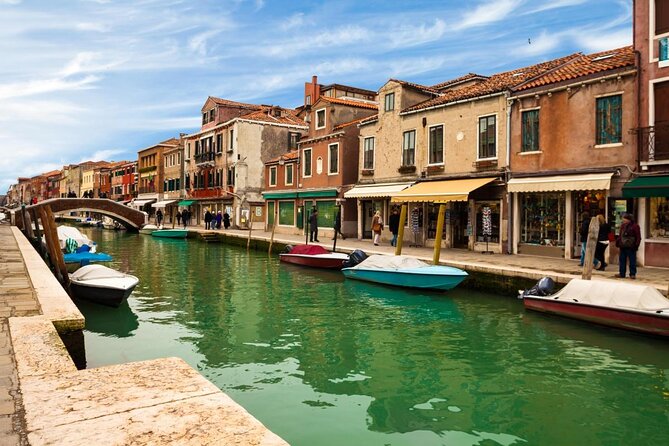
- Private water taxi on the Canal Grande: calmer, smaller-feeling, and guided views as you travel toward Murano.
- Murano glass demo before you try: you get to watch techniques first, then get your turn.
- An English-speaking guide: commentary on art, history, and daily Venice life during the boat ride and at the factory.
- You won’t take home what you make: glass blowing is the fun part, not a souvenir you personally create.
- Showroom time can be salesy: you may have time to browse, but expect active selling.
Riding Venice’s Canal Grande by private water taxi
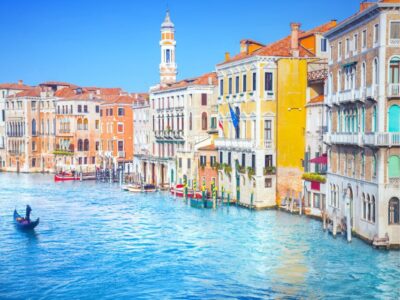
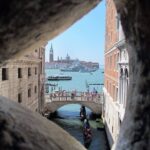
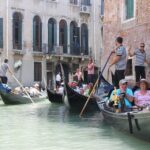
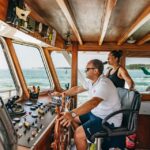
If you want Venice to feel smooth instead of chaotic, start with the water taxi. The Canal Grande is the big stage, but the best part of this tour is that you’re not squeezing into a crowded ride while trying to read plaques and spot details at the same time. You’re on a private boat with an English-speaking guide who talks as you go, so you get a sense of what you’re seeing beyond the postcard angles.
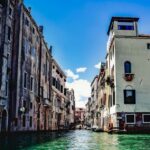
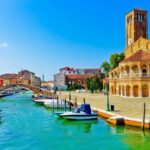
On the water, you’ll get a clear route: you cruise along the Canal Grande, then the trip continues into smaller typical canals as you head toward Murano. That transition matters. Venice looks different when you leave the main drag behind. The smaller waterways feel more like real neighborhoods, and your guide can connect what you see to daily life and the long-running arts that Venice is known for.
You can also read our reviews of more tours and experiences in Venice.


What you should expect from the commentary
This isn’t a silent photo cruise. The guide is there to explain art, history, and everyday life, so you’re not just waiting for the next view to appear. The commentary is also the best place to understand why Murano matters in the first place—Murano isn’t a random island stop; it’s tied directly to centuries of glassmaking skill.
A practical note on timing
The whole experience runs about 2 to 4 hours, so it’s structured. That can be great if you want a focused morning or afternoon. It also means you won’t have hours and hours to wander Venice on your own after the boat ride. If your goal is to meander, pair this with planned free time elsewhere.
Murano glassmaking at Gino Mazzuccato: watch, learn, then try
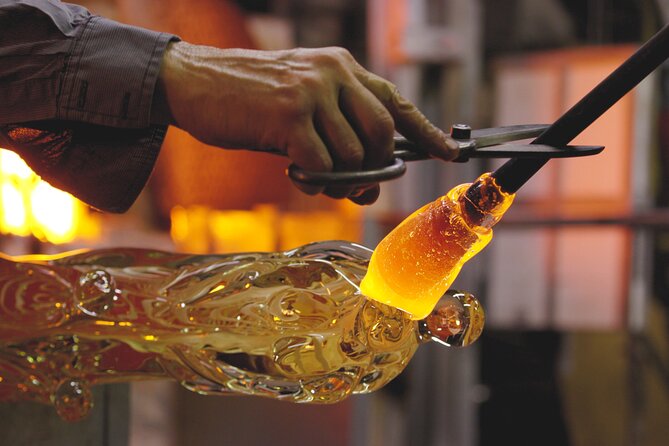
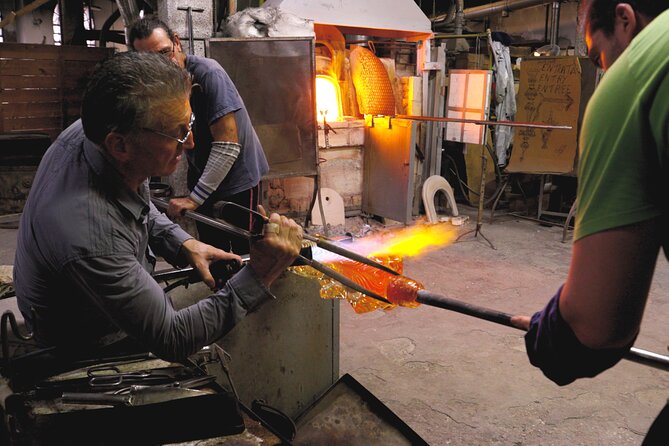
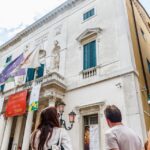
Once you arrive on Murano, the vibe changes from “Venice sightseeing” to “workshop energy.” The factory stop is where the tour turns from scenery to craft. You’ll spend time at Gino Mazzuccato Murano Glass, where you’ll see both a demonstration and a chance to participate in glass blowing.
The sequence is important. You don’t just jump into the furnace. You first watch techniques used in glass blowing and sculpture-style production. Then you get your turn. That order helps you understand what you’re doing when it’s your hands at work.
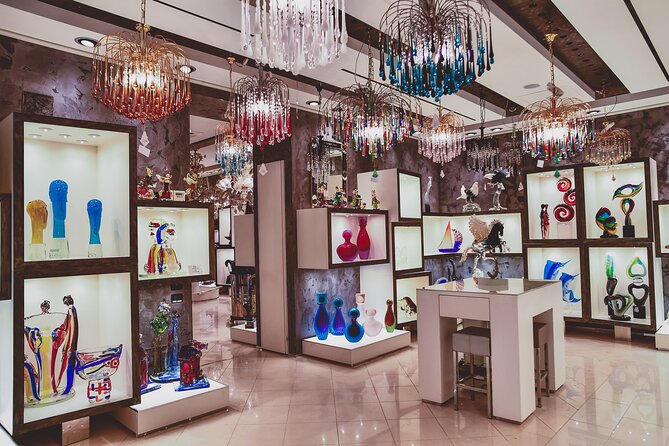
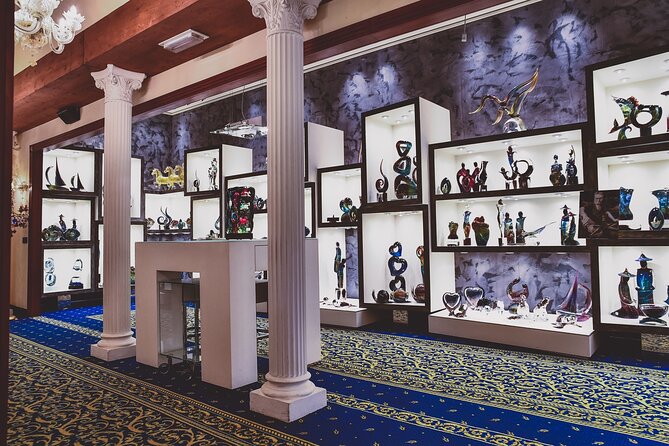
You’ll also get time after the demo to see the factory’s collection of Murano glass artworks and visit the gift shop. This part is where you can connect the demo to real results—whether that’s how a piece catches light, how color sits in the glass, or how different shapes are formed.
The people make it work
From the experience accounts, the factory team tends to be warm and welcoming. I’m looking for a staff that treats the moment as educational and fun, not intimidating. One visit highlighted friendly personnel named Christian and Julie, which aligns with the overall feel you want from a hands-on workshop in a place like Murano.


The realistic part: what you can take home
Here’s the honest expectation: you won’t make an object you can take home. Your hands get the experience, but the project itself doesn’t come with you. If you’re hoping for a finished personal souvenir, you’ll be happier if you treat this as a one-time skill moment, not a take-home craft.
Your turn at the furnace: the glass-blowing demo experience
This is the tour’s core. I like that it’s not just a performance. The demo sets context, and then you actually blow glass yourself.
The demo phase is where you learn what to pay attention to. Glass blowing depends on timing and technique—things like how the glass responds and how the process flows once it’s ready. Watching first means you’re not completely guessing when it’s your turn.
Then comes your participation. It’s described as a funny, once-in-a-lifetime kind of experience, which makes sense: even if you’re not an artist, you’re getting a rare look at a living craft and a quick taste of how it feels to work with hot glass under guidance.
Do you get a gift?
One strong detail that popped up in an account: when four people went together, each person received a small gift described as a blue horse. I can’t promise every session does that, but it’s the kind of extra touch that can make the experience feel a bit more special—especially for couples or small groups.
How the glass lesson fits into Murano’s story
This is also where the guide’s talk helps. A guide named Deborah was noted for sharing interesting details about the history of the art during one visit. That kind of explanation makes the workshop more than just a skill show. It connects the technique to a place that has built its reputation around making glass, turning Murano into a destination with real meaning.
Canal Grande to Murano: what the route feels like
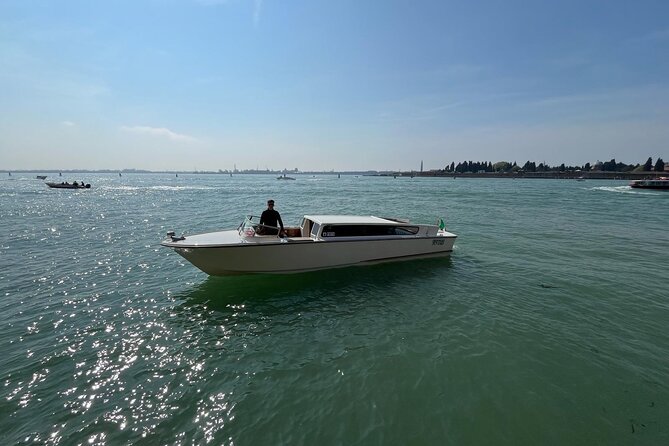
A big part of the value here is the pairing: boat ride plus workshop. If you only do the factory, you still get a great Murano stop. But the Canal Grande water segment adds a very Venetian way to arrive, not a rushed bus transfer.
You’re also guided through the shift from big sights to smaller canals. That route can help you understand how Venice is organized. In practical terms, it keeps you moving between two “modes” without you doing the navigation.
Why I think this pairing works
The Grand Canal cruise gives you a strong sense of orientation and atmosphere. Then Murano gives you a different kind of story—craft and production. The result is a tour that doesn’t feel like you repeated the same kind of thing twice.
Price and value: what $289.65 per person buys you
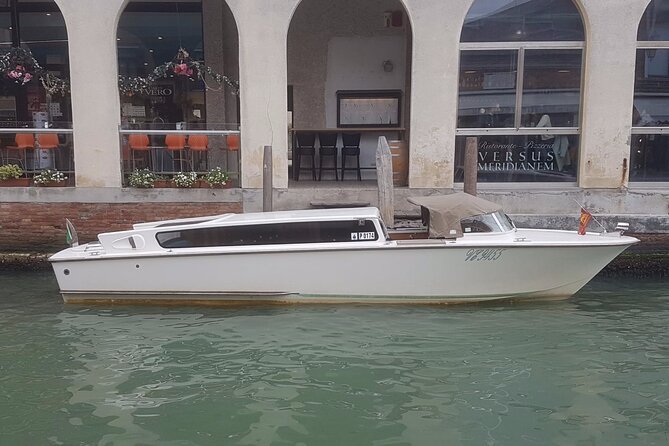
At $289.65 per person, this is not a budget activity. But it isn’t just paying for a ticket to a museum, either. You’re paying for a package that combines:
- the private water taxi ride (with an English-speaking guide),
- admission connected to the factory experience,
- a glass-blowing demonstration,
- and the chance to try glass blowing yourself.
That bundle is what makes the price easier to swallow. Venice tours can be pricey when they include private transport, and Murano workshop time often includes guide labor plus structured access to a working glassmaking environment.
The value-check you should do
Ask yourself what you want most:
- If you want the Canal Grande experience and hands-on Murano glass in one go, this is a strong “time saver” option.
- If you’d rather spend less and do Murano on your own, you’ll be able to cut costs, but you’ll lose the private ride and the guided workshop structure.
Also budget for the reality of the showroom. You may have browsing time, but that gift shop is there to sell, and some people find that pressure distracting.
Showroom time: browse glass art, but set boundaries
After the demo and your turn, you’ll see a collection of Murano glass artworks inside the factory and then have time in the gift shop. That’s the moment when you can connect what you just did with what’s for sale.
I like to treat showroom time like this:
- Look first, learn second, buy only if it genuinely fits your taste.
- If you don’t want to be pulled into conversations, prepare a short exit plan.
One concern that shows up is a pushy sales feeling. You might get some free time to peruse items, but it can also feel like the stop funnels toward purchases. If you’re sensitive to that, go in with a clear spending limit before you step inside.
A smarter way to shop
If you do want something, think practical. Choose a piece that you’ll actually display back home, not just something that’s impressive. Glass is beautiful, but it’s also fragile in transport. This doesn’t mean you shouldn’t buy; it means you should buy with care and intention.
Who should book this Murano glass-and-boat tour
This tour is a good match if you:
- want a private way to see the Canal Grande without fighting crowds,
- care about guided context (art, history, everyday Venice life),
- and really value hands-on experiences over long lectures.
It can also work well for small groups. When the group is small, the glass-blowing moment tends to feel more personal instead of rushed or crowded.
Who might want to skip it
Consider another option if:
- you expect to take home the exact item you make (you won’t),
- you don’t like scheduled workshop timing,
- or you prefer an art visit without showroom pressure.
If your dream is deep academic history, this experience may not be the format you want, because it’s designed to include both the boat ride and the workshop within a short window.
Quick booking advice so Venice goes smoothly
You’ll do best if you plan for weather. The experience requires good weather, and if it’s canceled due to poor conditions, you’ll be offered another date or a full refund. In Venice, that matters more than people think.
Also, you’ll want to stay flexible about time on Murano. The experience is set up as a compact program (boat ride plus factory). If you arrive stressed or hungry, you’ll feel it fast once the schedule moves on.
If pickup is offered for your group, it can be a big help. Venice logistics can eat up energy, and you’ll want that energy for the boat and the glass blowing part.
Should you book this tour?
I’d book it if you want a two-part Venice experience: the Canal Grande from the water, then a real Murano glass moment where you try the craft yourself. The private water taxi adds a level of comfort and flow that’s hard to replicate cheaply, and the glass-blowing workshop gives you an activity you’ll remember long after you leave Venice.
I’d skip it if your main goal is bargain shopping, or if you’re only interested in the showroom and photos. The experience is about participation and structured time, and the factory shop can feel pushy if you’re not ready for it.
If you’re torn, decide what you’ll value more: the private boat ride and the hands-on try, or free-form exploring with less structure. This one is built for people who want both Venice views and a craft story in the same afternoon.
FAQ
How long is the Venice Grand Canal and Murano glass experience?
It lasts about 2 to 4 hours.
How much does the tour cost per person?
The price is $289.65 per person.
Is pickup available?
Pickup is offered.
Is this a private tour?
Yes. It’s private, and only your group participates.
Is there an English-speaking guide?
Yes, the tour includes an English speaking guide.
What do I do at the Murano glass factory?
You see a glass-blowing demonstration and glassmaking/sculpture production techniques, and then you get to blow glass yourself.
Do I take home the glass object I make?
No. You won’t make an object you can take home.
Is admission included?
Admission tickets are included.
Is this tour dependent on weather?
Yes. It requires good weather. If it’s canceled due to poor weather, you’ll be offered a different date or a full refund.
What’s the cancellation window?
You can cancel for a full refund up to 24 hours in advance. If you cancel less than 24 hours before the start time, it won’t be refunded.