REVIEW · VENICE
Venice: Bike Tour Honey & artichockes on Sant’Erasmo Island
Book on GetYourGuide →Operated by Valerio Coppo Detourist · Bookable on GetYourGuide
Cycling out to Sant’Erasmo gives you a Venice you don’t see from the main streets—lagoon roads, artichoke fields, and farm honey in one 4-hour loop. You start from Fondamente Nove, cross the lagoon by water bus, then pedal through a working island tied to how Venice used to eat and trade.
I especially like the combo of the honey farm tasting and the practical, scenic biking. You also get real skyline value: views toward Burano, Torcello, Lido, and Lazzaretto Novo from odd angles that feel fresh after you’ve already seen photos of Venice from every bridge. One consideration: this tour is not suitable for wheelchair users or people with mobility impairments, so plan accordingly.
In This Review
- Key things that make this tour worth your time
- Fondamente Nove to Sant’Erasmo: the lagoon start that sets the tone
- Cycling between saltmarshes and purple artichokes
- What to know about the pace
- Honey farm stop: lagoon honey you can actually taste
- How to make the tasting work for you
- Fort walls, monastery quiet, and a church facing the lagoon
- Photo views: Burano, Torcello, Lido, and Lazzaretto Novo from odd angles
- Timing, comfort, and what to bring for 4 hours in the sun
- Price and value: is $165.40 per person a fair deal?
- Should you book this Venice bike tour?
- FAQ
- Where is the meeting point?
- How long is the tour?
- Is the water bus ticket included?
- What’s included in the price?
- What do you do at the honey farm?
- Which languages does the guide speak?
- Is it private or small group?
- Is the tour suitable for wheelchair users?
Key things that make this tour worth your time
- Honey farm stop with lagoon honey made from flowers growing in salty soil
- Artichoke field biking right in the Venice lagoon area
- Skyline photos from the lagoon plus sightlines toward Burano, Torcello, Lido, and Lazzaretto Novo
- 19th-century fort start, sometimes used for art exhibitions, with a moat setting
- Monastery and church pauses for local architecture and Franciscan life at San Francesco del Deserto
Fondamente Nove to Sant’Erasmo: the lagoon start that sets the tone
Meeting is at the Caffegelato bar at Fondamente Nove. From there, you go to the water bus, which is part of the charm. You’re not just “getting there.” The ride across the lagoon is how the tour starts slowing your brain down.
A helpful detail: the water bus ticket to Sant’Erasmo can be purchased on the boat. That makes the first step simple—show up, meet your guide, then handle the ticket right as you board.
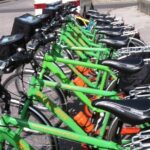
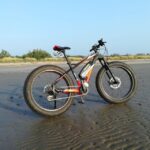
Once you arrive on Sant’Erasmo, you’ll disembark and walk a short stretch of road that runs past canals and ditches. It’s practical and low-pressure. Then it’s bike time: you pick up your rental near a 19th-century fort that’s sometimes used for art exhibitions, and you’ll feel that moat-and-wall separation between the fort and the working lagoon outside.
If you’re wondering what kind of “island” this is, it’s not a postcard desert. It’s rural Venice. The island has about 700 inhabitants, and the tour rhythm reflects that.
You can also read our reviews of more cycling tours in Venice
Cycling between saltmarshes and purple artichokes
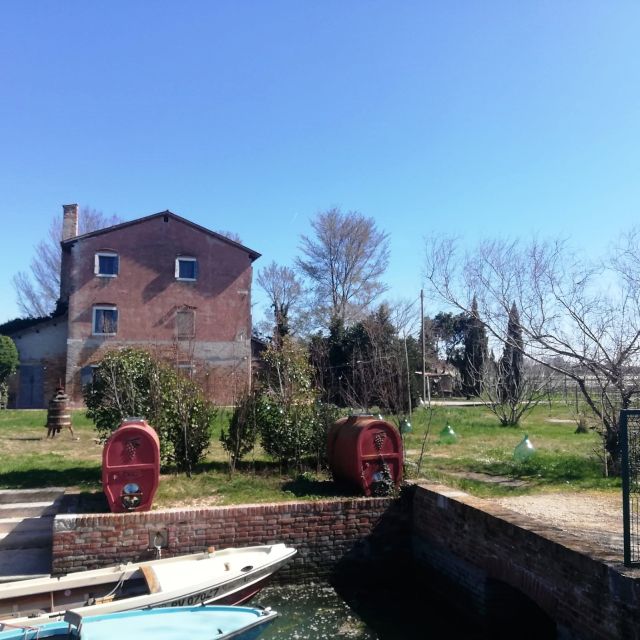
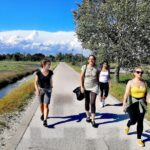
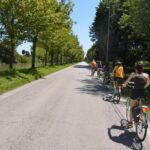
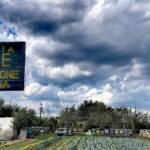
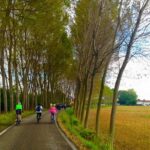
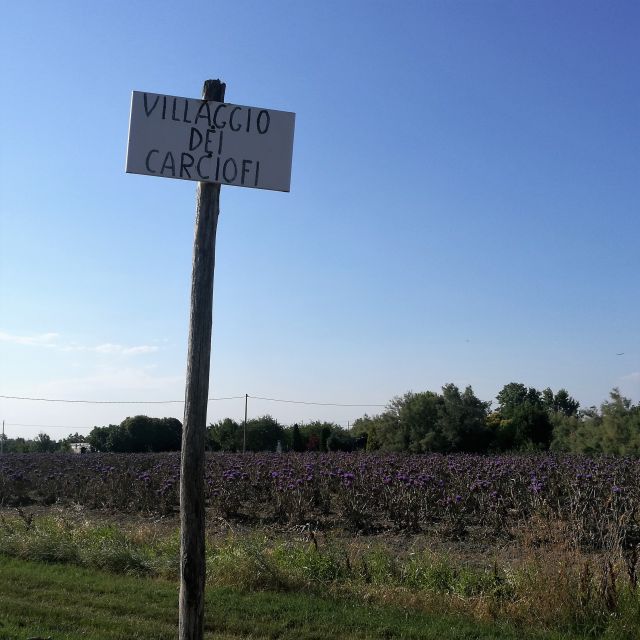
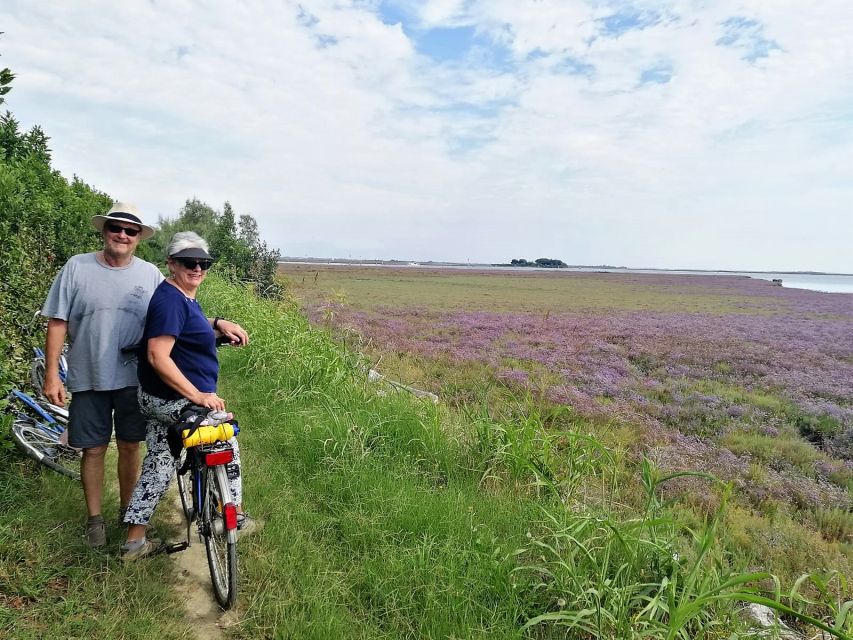
Pedaling Sant’Erasmo is the whole point. You move through lagoon edges, saltmarsh areas, and fields planted for crops—especially purple-hued artichokes. It’s a very different experience from biking along busy canals. Here, your effort feels tied to actual agriculture.
I like that the route gives you both movement and breathing room. You’re not stuck in a single “photo stop” loop. You ride, you watch birds and water, and you get chances to stop when something catches your eye—especially when the land opens up and you can see belfries of Venice off in the distance.
There’s also a subtle geography lesson built into the biking. Sant’Erasmo used to be a rural retreat for aristocrats and a major vegetable and fruit supply for the Republic of Venice. You don’t need a lecture to understand the logic. You can see why an island with fertile fields and lagoon access mattered.
What to know about the pace
This is a biking tour, but you’re not on a training ride. It’s paced for sightseeing and stopping. Still, it’s 4 hours, so plan for sustained time in the saddle and the sun that comes with it.
Honey farm stop: lagoon honey you can actually taste
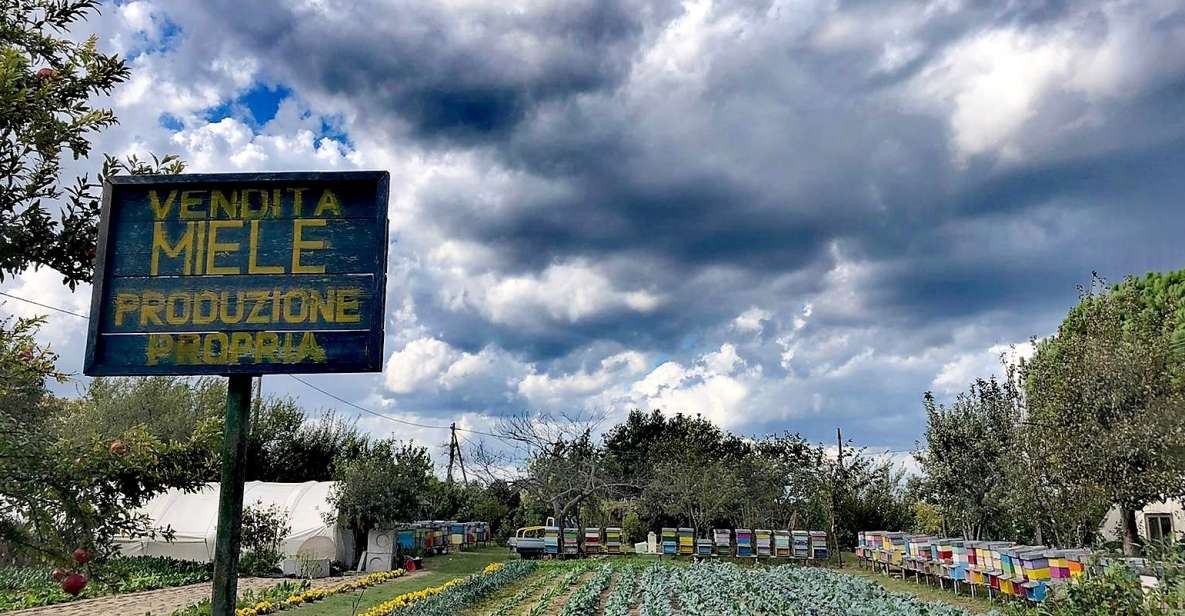
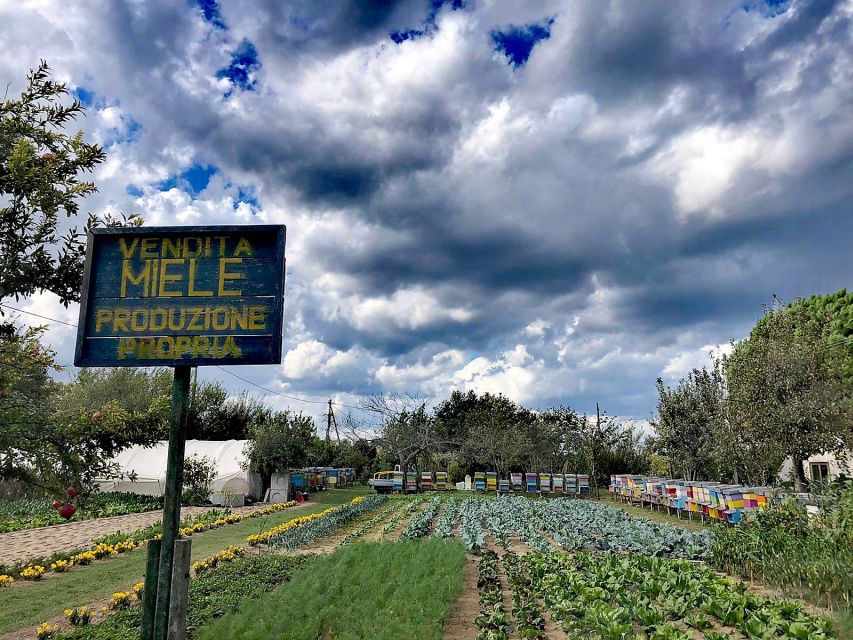
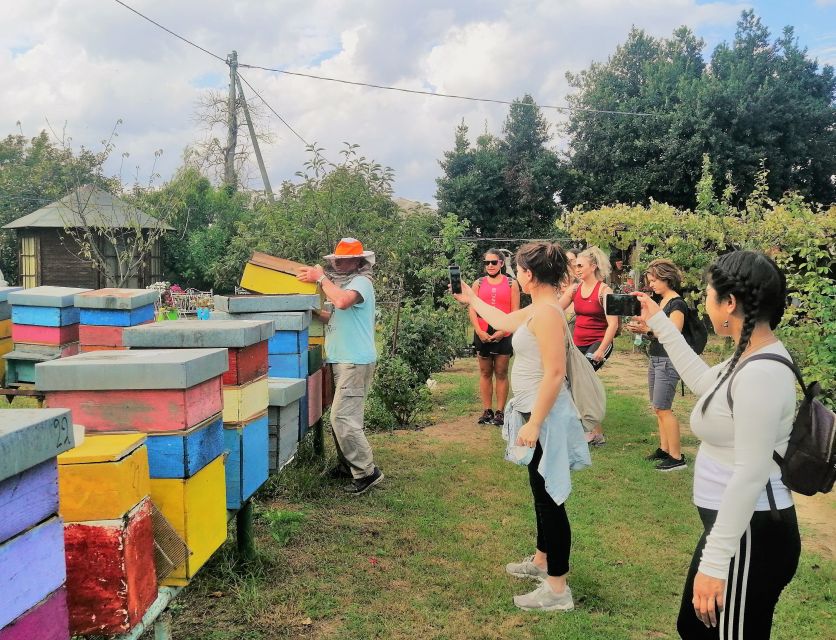
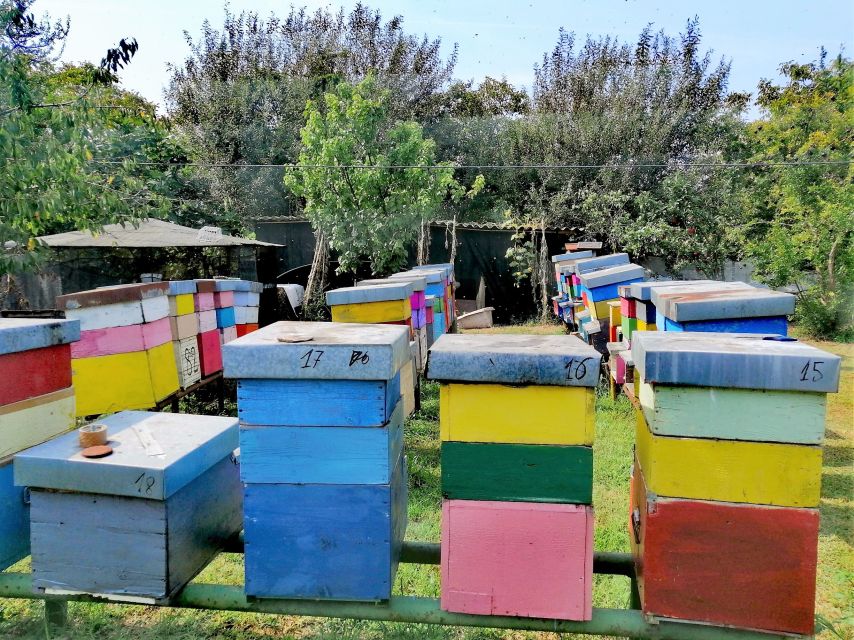
Then comes the best kind of break: a real food moment, not a cookie stop. You visit a local family-owned honey farmer, and you taste honey labeled as salt-marsh honey—the kind produced from flowers that grow in salty soil.
The taste difference is the hook. Lagoon honey isn’t just “sweet.” The flavors come from the island’s growing conditions. It’s also a nice change of pace: you go from wide outdoor views to a slower, grounded conversation with someone who makes a living from bees.
On the honey side, the experience is often remembered for being genuinely connected to the producer—people have specifically pointed to honey from Elio Mavaracchio as part of what makes the tasting memorable. If you’re a food lover, this stop is the type that makes you understand the region, not just consume a snack.
How to make the tasting work for you
Try to taste with attention, not speed. Take one small spoonful first, then think about texture and aroma before you add more. Honey is one of those things where your brain catches up if you pause for ten seconds.
Fort walls, monastery quiet, and a church facing the lagoon
Along the ride, you get pauses that feel like “small chapters” of island life.
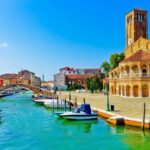
You’ll see San Francesco del Deserto, a monastery inhabited by Franciscan monks. Even if you can’t linger long, the setting does something. It puts the island’s long, quiet rhythm into perspective—especially after you’ve been biking through working fields and open lagoon edges.
Later, you also have time to go inside a church facing the lagoon to take in local architecture. I like that this isn’t shoehorned in as a checklist moment. It connects to the idea that Sant’Erasmo is part of Venice’s wider story: agriculture, religion, and the lagoon all intertwined.
These stops are short, so don’t expect hours in museums. But they land well because you’re already outside, already seeing the island from your bike. It’s the right mix of movement and stillness.
Photo views: Burano, Torcello, Lido, and Lazzaretto Novo from odd angles
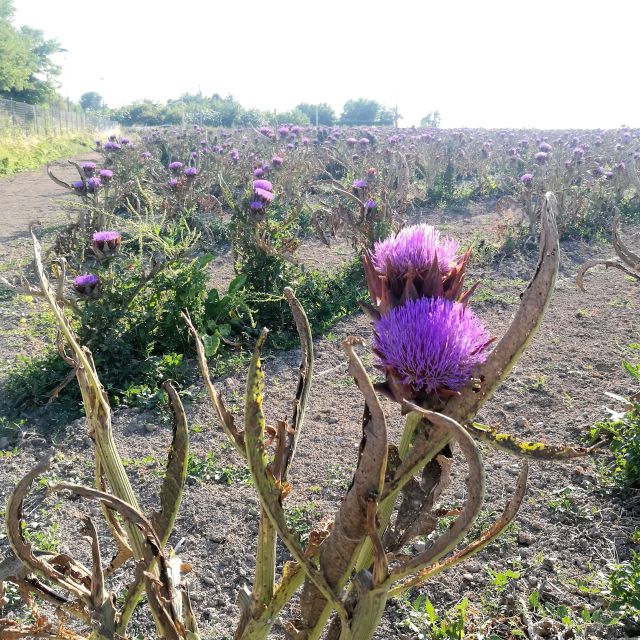
Venice can be endlessly photographed. What’s harder is finding angles that make you feel like you discovered something new. Sant’Erasmo helps with that.
You’ll get viewpoints toward:
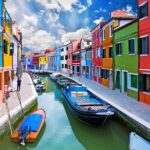
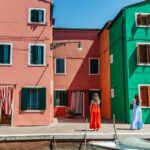
- Burano (especially from the northern part of the island, where you can make out the colored houses)
- Torcello
- Lido
- Lazzaretto Novo
- Plus landmark sightlines toward Venice’s belfries
The “unusual viewpoint” part matters. From Sant’Erasmo, you’re not looking at the city head-on from a crowded promenade. You’re seeing it spread out across water and distance, like pieces on a board game.
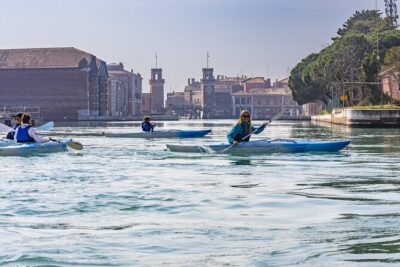
You can also catch a view toward the San Nicolò harbour mouth at Lido. That kind of sight is valuable because it tells you where the lagoon traffic funnels, and it gives context to all the maps you’ve probably seen but never stood next to.
Timing, comfort, and what to bring for 4 hours in the sun
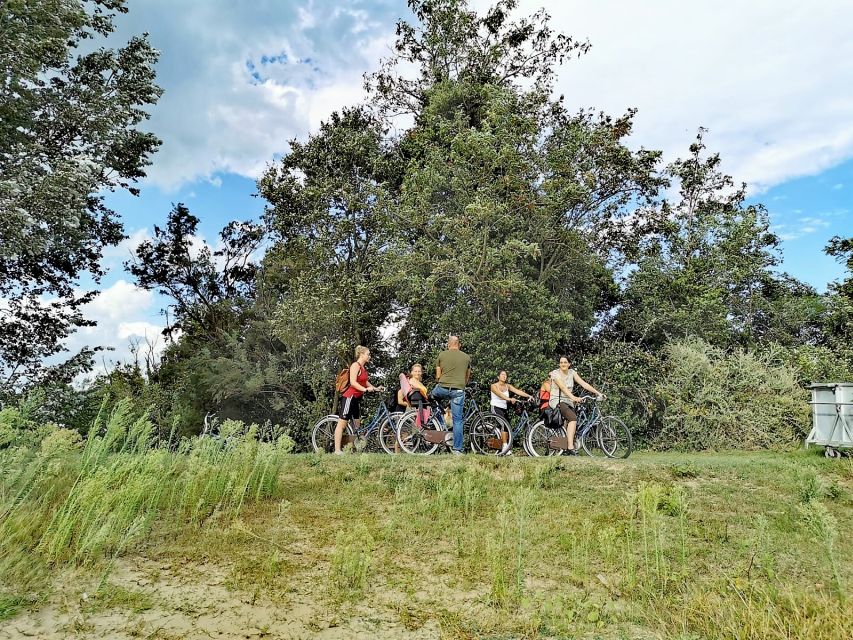
This tour runs about 4 hours. Starting times vary, so check availability for the day you want.
Since you’re outside on a bike, bring the basics seriously. The tour asks you to bring:
- Sun hat
- Sunscreen
- Water
That list is short for a reason. On the lagoon edge, you can get sun even when it feels breezy. Water keeps you thinking clearly when you’re tasting honey and taking photos.
Also note: the tour isn’t designed for wheelchair access or mobility-limited riders. It’s a bike-focused day on uneven lagoon-adjacent terrain.
Price and value: is $165.40 per person a fair deal?
At $165.40 per person for a 4-hour guided bike tour, you’re paying for three things that work together:
1) A guide who runs the day and keeps you pointed in the right direction
2) Bike rental included (so you’re not handling two separate bookings)
3) Honey farm visit and honey tasting included, which is a specific, local food experience
The big “watch the total” item is what’s not included:
- Water bus ticket to Sant’Erasmo
- Food and drinks
- No hotel pickup/drop-off
So yes, the sticker price doesn’t include everything you might spend during the day. But the structure is still good value if you want a guided, low-stress way to reach Sant’Erasmo and get both a working-island view and a honey tasting.
Where the price really makes sense is if you’re the kind of traveler who enjoys:
- cycling for scenery (not just commuting)
- local food stops with a story
- avoiding Venice crowds without giving up Venice views
If you only want to see city sights on land, this may feel like a detour. If you want something genuinely different from gondola or museum time, it’s a strong match.
Should you book this Venice bike tour?
I’d book it if you want a Venice day that feels like it has texture: farm fields, lagoon edges, and a honey tasting tied to salt-marsh plants. You also get the payoff of skyline views in a way that doesn’t feel like repeating the same bridge photos.
Skip it if mobility is a concern, because it’s explicitly not suitable for wheelchair users or people with mobility impairments. Also, if you’re expecting lots of indoor time in major monuments, this isn’t that kind of tour. It’s outdoor, bike-led, and best enjoyed when you bring a good attitude for sun, saddle time, and a bit of island calm.
If that sounds like your speed, this is the kind of tour that turns Sant’Erasmo from a name on a map into an actual place you can picture.
FAQ
Where is the meeting point?
Meet your guide at Caffegelato bar at Fondamente Nove.
How long is the tour?
The tour lasts about 4 hours.
Is the water bus ticket included?
No. The water bus ticket to Sant’Erasmo is not included, and you can purchase it on the boat.
What’s included in the price?
Included are the guide, the bike tour, a honey farm visit, and honey farm tasting.
What do you do at the honey farm?
You visit a family-owned honey farmer and taste salt-marsh lagoon honey made from flowers that grow in salty soil.
Which languages does the guide speak?
The live guide is available in German, English, Italian, and Spanish.
Is it private or small group?
Yes. There are private or small groups available.
Is the tour suitable for wheelchair users?
No. The tour is not suitable for wheelchair users and is also listed as not suitable for people with mobility impairments.