REVIEW · VENICE
Murano: Glass Blowing Demonstration and Artistic Glass Gift
Book on GetYourGuide →Operated by Vetreria Artistica Gino Mazzuccato srl · Bookable on GetYourGuide
A short smoke-filled spectacle of skill. At Gino Mazzuccato on Murano, you watch a master glassblower work for real, with a guided explanation of blowing and sculpture techniques in an up-close setting. I especially like the fact that this is not a cold, warehouse-style show: it’s in a former monastery building with views over the lagoon and the city.
I also like the value angle here. Your ticket includes more than a glance at glass-making: you get a guided visit and a handmade Murano glass gift made in-house, with a certificate of authenticity. The main drawback to keep in mind is that the core experience is intentionally compact, so if you want hours of constant glasswork, you’ll likely want to browse the showroom right after and maybe ask extra questions.
In This Review
- Why Gino Mazzuccato Feels Like Real Murano Craft
- Key Points at a Glance
- Gino Mazzuccato: A Former Monastery on the Lagoon
- Picking Your Time on Murano (Without Getting Caught by Lunch)
- What the 20-Minute Glass Master Demo Really Covers
- The Guided Stops: Demo First, Then Explanations and Orientation
- Showroom Browsing at Gino Mazzuccato (and Why It’s Not Just a Gift Shop)
- The Included Murano Gift: Handmade, Certified, and Often a Surprise
- Price and Value: Is $17 Worth It?
- Who This Works Best For on a Murano Day
- A Few Practical Tips Before You Go
- Should You Book Gino Mazzuccato for Your Murano Day?
- FAQ
- How long is the Murano glass demo experience?
- What time should I arrive at Gino Mazzuccato?
- Is transportation included?
- Does the ticket include a glass gift?
- Can I buy glass and ship it home?
- What languages is the guide available in?
- Can I cancel if my plans change?
Why Gino Mazzuccato Feels Like Real Murano Craft
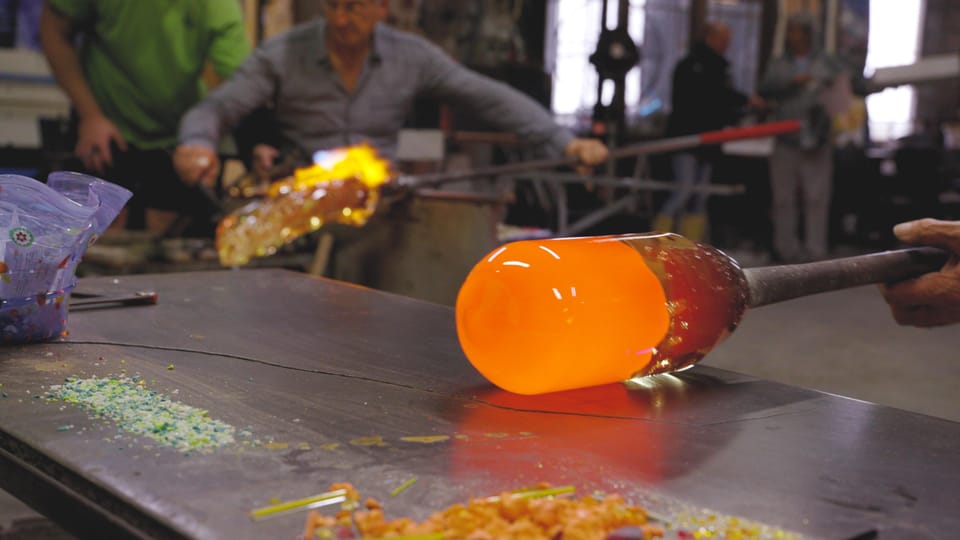
This is one of those Murano experiences that feels grounded in the working day. The founder, Gino, is described as being actively engaged in daily operations, not just doing a quick hello for tour groups. The whole place sits in a historic building, and the setting alone helps you slow down and pay attention to what glass artists are doing with heat, tools, and timing.
If you care about good craft, you’ll appreciate the mix of watching the master and having someone explain the process as it happens. That pairing matters. It’s the difference between watching cool shapes form and actually understanding why certain steps exist.
One more thing: this experience is built around what happens after the demo. You’ll have time in the showroom to see higher-end works by top Murano glass masters and to make decisions while things are still fresh in your mind.
Key Points at a Glance
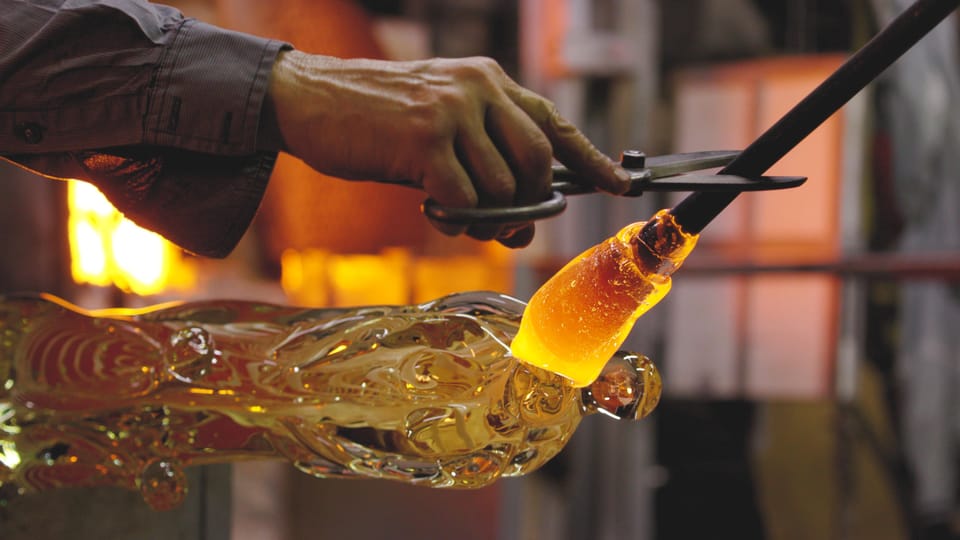
- Former-monastery setting with lagoon and city views, giving the workshop a lived-in feel
- 20-minute master demonstration that covers multiple techniques, not just one trick
- Guided explanations in English (and Italian) so you’re not guessing what you’re seeing
- Showroom shopping plus international shipping and insurance for purchases you don’t want to carry
- Complimentary handmade gift per person with certification of authenticity
You can also read our reviews of more tours and experiences in Venice.


Gino Mazzuccato: A Former Monastery on the Lagoon
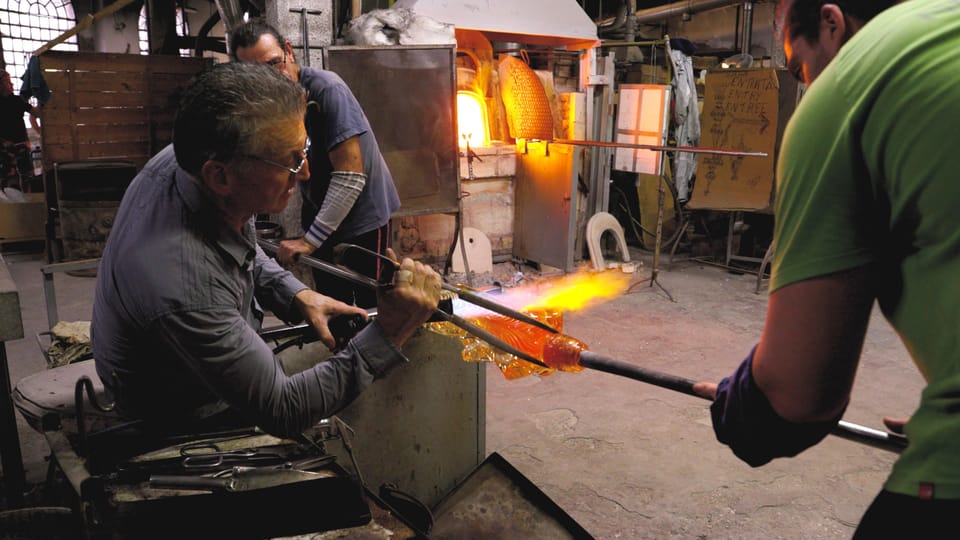
The location is part of the magic. You’re stepping into an old building with a view over the lagoon and the city. That matters on Murano, because it turns glass from a souvenir category into something tied to place.
Also, don’t expect a sterile vibe. The description and staff behavior point to a shop-workshop rhythm: people are working, explaining, and welcoming you as you pass through. You’re there to see craft, not just to take photos in front of it.
The factory is run by Vetreria Artistica Gino Mazzuccato srl, and the name on the ticket is the name attached to the operation. That’s useful when you’re thinking about what kind of glass you’re buying later.
Picking Your Time on Murano (Without Getting Caught by Lunch)
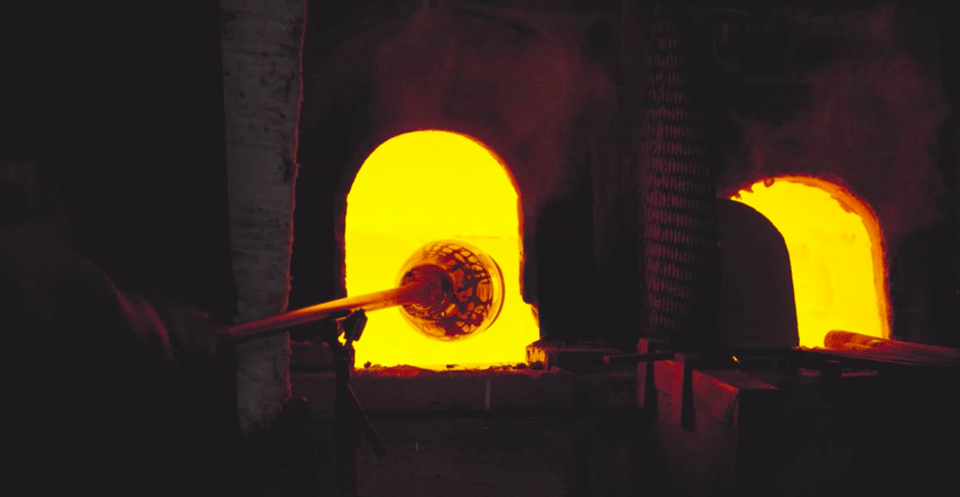
Your visit works on a flexible arrival window. You can arrive anytime between 9:30 and 3:30, and there’s a scheduled 30-minute lunch break around 1:30 when the glass master may be away.
So here’s the practical move. If you want to maximize the chance of catching the master at peak “flow” time, arrive earlier rather than later. If you’re visiting in the afternoon, plan for the possibility of a pause and use that time to enjoy Murano itself or scope out nearby viewpoints.
One more thing that helps: the experience includes skipping the ticket line. That’s good because Murano can feel like a web of small queues, and you want your time to go toward the actual demo and showroom.
What the 20-Minute Glass Master Demo Really Covers
The main event is a 20-minute demonstration where you watch various glass-making techniques. Two types are specifically mentioned: blowing and sculpture techniques. You’re not just seeing one stage of the process. You’re watching different methods play out in a short window.
What I like about a timed demo is that it forces focus. You can watch closely without the fatigue that comes from long, repetitive performances. And because someone guides you through the steps while the master works, you’re learning what you’re seeing as it happens.
In plain terms, you’ll see how molten glass can be shaped into different forms—some that rely on breath and manipulation (blowing) and some that rely on sculpting and tool work. The guidance matters because even when the motion looks “easy” from your seat, you learn that it’s mostly timing, control, and heat management.
If you’re the type who likes asking questions, you’ll probably feel comfortable. Several sessions are described as question-friendly, with staff happy to explain details. It’s not a lecture from behind a rope.
The Guided Stops: Demo First, Then Explanations and Orientation
You’ll get a guided tour segment around the core experience, and the schedule includes two guided periods of about 20 minutes. In real life, that means you’re not just dropped into a showroom and told to enjoy.
The first guided portion ties directly to watching the master. You’ll follow along as the team member explains what’s happening and why. Then you’ll move on to the next portion, which helps you orient yourself before you start shopping in earnest.
This structure is smart if you want to buy confidently. When you understand what’s involved, you’re less likely to get dazzled by a pretty object without knowing whether it’s the kind of quality Murano collectors actually look for.
A practical tip: keep your eyes on how the glass is finished and formed during the demo. You’ll spot more differences once you’re in the showroom and comparing items.






Showroom Browsing at Gino Mazzuccato (and Why It’s Not Just a Gift Shop)
After the demonstration, you head into a showroom that’s described as housing pieces made by the greatest Murano glass masters. That’s where the experience shifts from watching to choosing.
This is also where you should slow down. Murano glass is not one product category. It’s a spectrum. You’ll see items that look similar at first glance but differ in complexity, craftsmanship, and overall finish.
The showroom is set up so you can purchase pieces there on the spot. And if you don’t want to carry anything, the factory offers international shipping and insurance. That’s a huge deal for anyone flying home with limited luggage. Getting glass shipped safely beats the stress of trying to pack fragile items like a contortionist.
You may also be offered purchase incentives tied to attending the demonstration. The consistent theme is that the staff will let you know about discounts for other purchases made after you watch the master work. That’s useful, but it’s also a cue to compare prices rather than assume the first offer is automatically best.
The Included Murano Gift: Handmade, Certified, and Often a Surprise
Your ticket includes a complimentary handmade Murano glass piece made in the factory by the glass master. It’s given to you before departure, and it comes with a certification of authenticity for the gift.
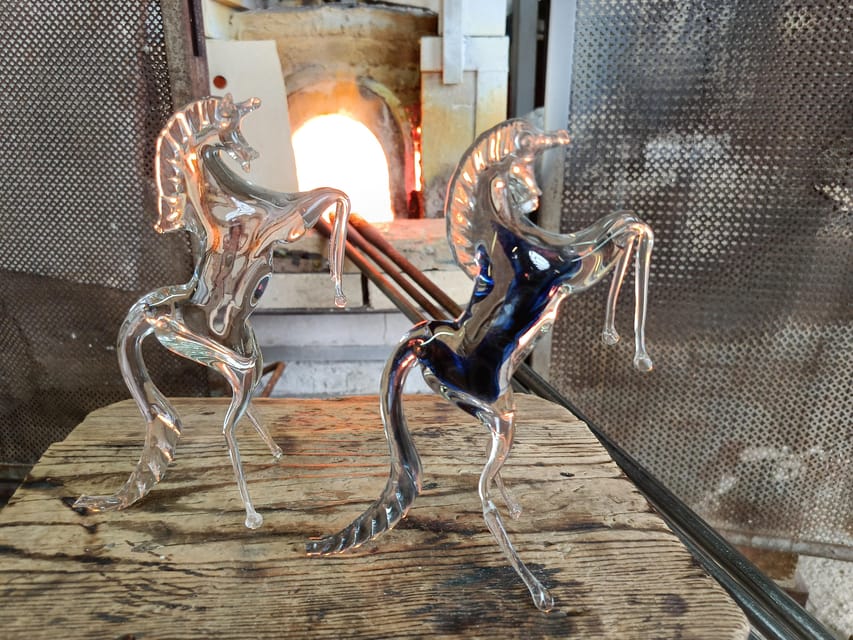
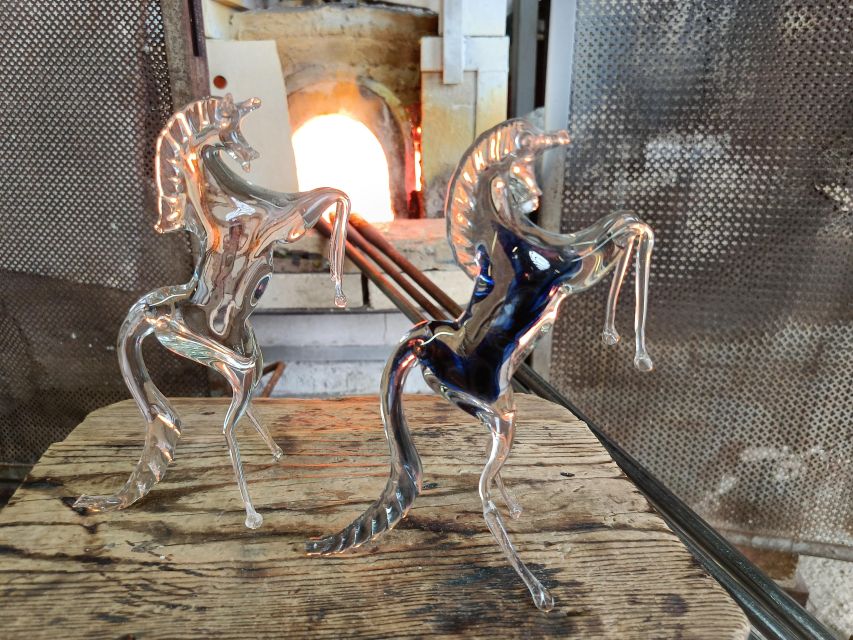
In multiple sessions, the included piece has been described as a small blown figurine—often a glass horse. Some gifts have also been described as a mystery or surprise in packaging. Either way, you’re not just getting a tiny trinket.
What makes this gift feel meaningful is that it’s created as part of the same production world you’re watching. You’re not paying for a ticket and then getting a generic souvenir from a shelf.
Also, check your gift before you start shopping. If the showroom has items that match what you receive, you’ll want to avoid ending up with duplicates.
Price and Value: Is $17 Worth It?
At $17 per person, this ticket is priced to be accessible, especially because it includes:
- the factory entry
- the guided demonstration with the glass master
- the guided explanation
- the handmade gift per person (with authenticity certification)
That changes the math. If you were paying only for the demo, you’d be weighing it against other Murano shows. But here, the gift functions like part of the cost back to you.
Still, it’s wise to treat showroom purchases as a separate decision. The experience includes shopping, and that can be great if you want to buy from the source. But Murano has plenty of competition, and prices can vary a lot across the island. Some people find the prices reasonable; others think pieces can be overpriced compared with other places in Venice and Murano. Your best approach is simple: look first, ask about options, and compare before you hand over your card.
If you’re buying just one smaller piece, you might feel satisfied no matter what. If you’re buying serious art glass, do comparison shopping and ask questions about what you’re getting.
Who This Works Best For on a Murano Day
This is a strong pick if you want:
- an authentic Murano glass-blowing demonstration
- a guided explanation in English (and Italian)
- time to browse quality glass afterward
- a hassle-free way to bring home something fragile via shipping
It also works well for families who want something short, visual, and hands-on in the sense that you can watch tools and techniques up close. The demo is short enough to keep attention, and the staff style is repeatedly described as warm and patient.
If you’re a hardcore glass nerd who wants hours of technique and behind-the-scenes production, you might find the main demo too brief. In that case, pair this visit with extra showroom time, or consider adding another workshop stop later in the day.
A Few Practical Tips Before You Go
- Arrive with a time window in mind, and don’t plan on the glass master being in full operation around 1:30 due to lunch.
- Wear or bring something comfortable. You’ll be watching from close enough to notice detail, and it can be warm around the working area.
- When you’re shopping, keep one question ready: how the piece you like connects to what you saw in the demo. It’s the fastest way to learn what you’re paying for.
- Get your included gift sorted first, then shop. That avoids accidental duplicates.
Should You Book Gino Mazzuccato for Your Murano Day?
If you’re doing Murano for the craft and want a well-paced experience with a real master and a factory-based gift, I’d book this. The 20-minute demonstration, the guided explanations, and the certified handmade gift make it feel like more than a quick show.
Skip it only if your top priority is a long, uninterrupted production session. This is built for an efficient visit—watch, learn, then shop. If you’re okay with that rhythm, this is a solid use of time on Murano.
If you want, tell me when you’re visiting Venice and how many hours you have on Murano. I can suggest a simple day flow so this fits cleanly with everything else.
FAQ
How long is the Murano glass demo experience?
You’re looking at a short, structured visit. The demonstration is about 20 minutes, and the experience includes guided time in the factory/showroom with two guided segments of about 20 minutes each.
What time should I arrive at Gino Mazzuccato?
You can arrive anytime between 9:30 and 3:30. There is a 30-minute lunch break for the glass master around 1:30.
Is transportation included?
No. Transportation is not included, so you’ll need to plan how you’ll get to Murano and the factory yourself.
Does the ticket include a glass gift?
Yes. You receive a complimentary handmade Murano glass piece (one per person) before departure, and it comes with a certification of authenticity.
Can I buy glass and ship it home?
Yes. The showroom lets you purchase Murano glass pieces, and the factory offers international shipping and insurance.
What languages is the guide available in?
The live tour guide is available in English and Italian.
Can I cancel if my plans change?
Yes. Free cancellation is available up to 24 hours in advance for a full refund.