REVIEW · VENICE
Teatro La Fenice Tour in Venice
Book on Viator →Operated by Bucintoro Viaggi · Bookable on Viator
Venice’s Phoenix theater still glows. Teatro La Fenice is one of Italy’s biggest opera landmarks, and this guided visit lets you understand why it’s so famous through Teatro La Fenice history and stunning English-language storytelling. You’ll walk from a central square, then into a Baroque interior you won’t forget.
I love two things most. First, you get real access to the main parts of the house, including the Royal Box and the auditorium, so the architecture makes sense instead of feeling like vague photos. Second, the guide connects the building to famous productions, including Verdi’s La Traviata, and that turns the place into a lived-in stage, not just a pretty room.
My only caution is timing and language. A few people reported issues when the tour wasn’t happening as expected or when groups mixed English and Italian, which can shrink question time or require repeats. So if you care about specific questions, show up on time and be ready for a fast-moving one-hour visit.
In This Review
- Key things to notice on your La Fenice tour
- Why Teatro La Fenice matters (even if you’re not an opera die-hard)
- Getting there: Campo San Luca meets Bucintoro Viaggi
- What happens once you’re inside the theater
- The auditorium walk: architecture you can actually understand
- The Phoenix story: two fires, two rebuilds
- Royal Box and VIP viewing: where status meets design
- English guide expectations: how to get the most in about an hour
- Price and value: is $30.04 worth it?
- Timing in Venice: best way to fit it into your day
- Who this tour is best for (and who might want a different option)
- Should you book this Teatro La Fenice tour?
- FAQ
- What is the price of the Teatro La Fenice tour?
- How long is the tour?
- Is the tour offered in English?
- Where is the meeting point?
- What time does the tour start?
- What’s included in the price?
- What is not included?
- How big is the group?
- What about cancellation?
- Do I need to pay a Venice access fee?
Key things to notice on your La Fenice tour
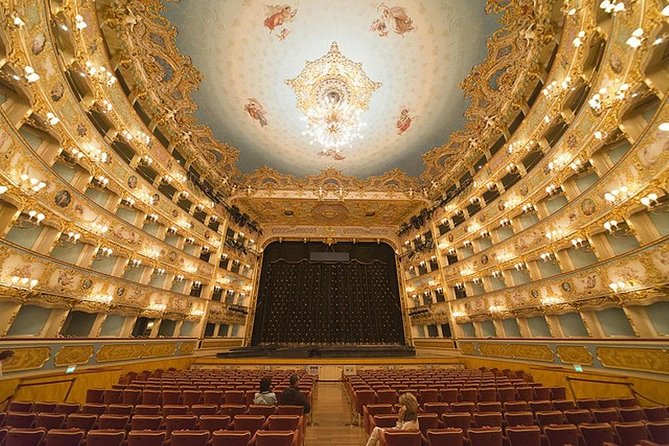
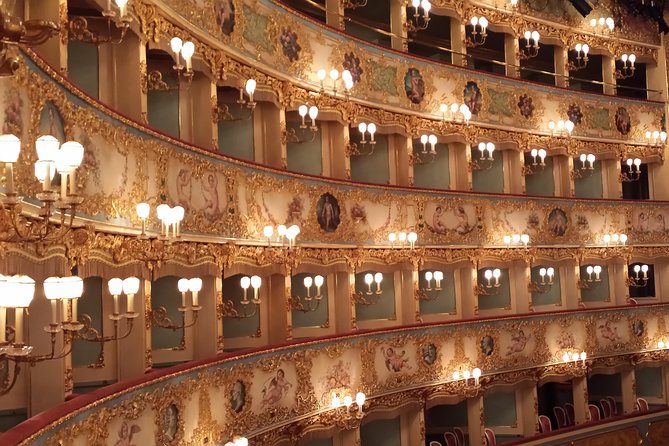
- Baroque interior details you can spot up close, including the effect of gilded boxes and velvet seating
- The Phoenix story: two major fires, then painstaking restoration that brought the theater back
- Royal Box viewing plus architecture talk that helps you read the room like a theater
- La Fenice’s programming scale: over 100 opera performances a year, plus symphonies and ballets
- English guides like Nikko, Vanda, Wanda, and Nicole have been praised for clear explanations
- No backstage focus on this tour, so set expectations for what’s included and what isn’t
Why Teatro La Fenice matters (even if you’re not an opera die-hard)
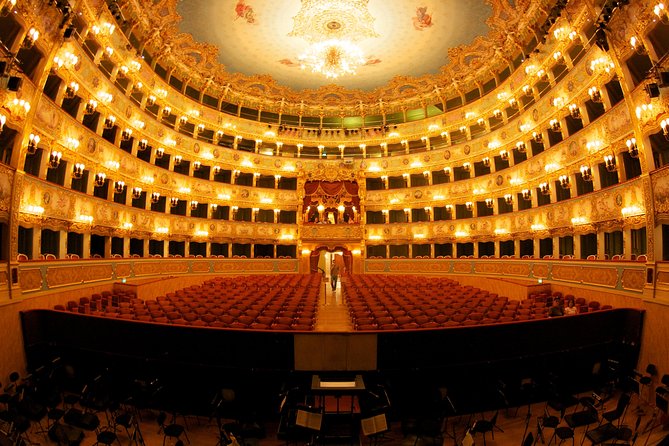
Teatro La Fenice is the kind of Venice site that rewards attention. It’s a major opera house with a full calendar: more than 100 opera performances each year, a symphonic season with conductors from around the world, and full symphony cycles by composers like Beethoven, Schumann, Brahms, and Mahler. On top of that, it programs contemporary works tied especially to Venetian artists such as Nono and Maderna, plus ballets and chamber music.
What I like about seeing it by guided tour is that you start to understand the building as a machine for music and performance. The auditorium isn’t just decorative. It’s designed for voices, sound, sightlines, and status. In other words: it’s architecture with a job.
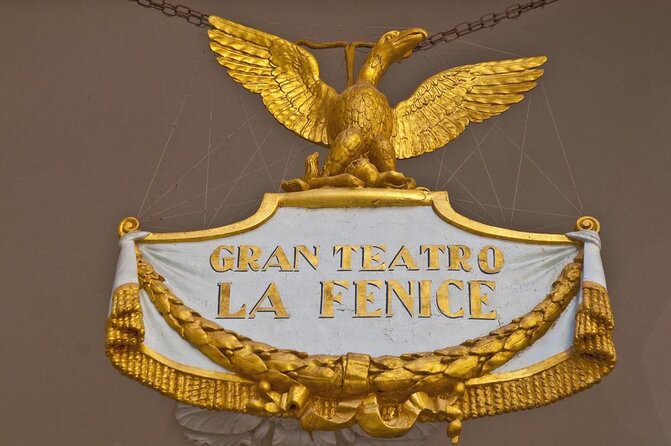
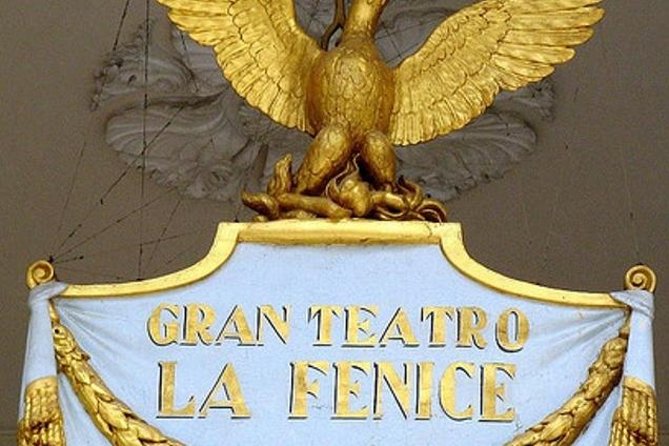
And the name matters too. La Fenice means phoenix, and that isn’t a marketing slogan. The theater burned down on two separate occasions and was rebuilt after each disaster. The story turns the visit into something human: a city that refused to let its stage die.
You can also read our reviews of more tours and experiences in Venice.


Getting there: Campo San Luca meets Bucintoro Viaggi
The tour starts at a centrally located spot in Venice: Campo San Luca. Your meeting point is the Bucintoro Viaggi travel agency at the square, so you’re not trying to navigate canals with a paper map and a prayer.
Plan for a short walk from the square to the theater once you meet your guide. Venice is compact, but that little transfer still matters because it sets the pace for the whole hour. Wear comfy shoes, especially if your day includes other stops in the same area.
One more practical point: your start time is 12:30 pm, and the tour ends back at the meeting point. That makes it easy to slot into a morning-then-lunch rhythm, or to break up a museum-heavy day.
What happens once you’re inside the theater
This is not a long sit-down lecture. The experience is designed to be paced and visual, with the guide pointing out what you’re seeing as you move through the theater.
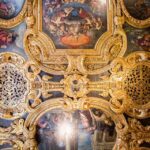
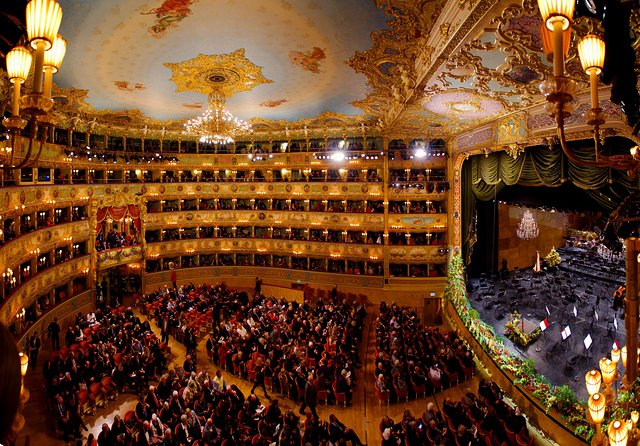
You’ll meet your guide, then enter to start with the public areas. Expect Baroque décor all around: ornate surfaces, dramatic ornamentation, and the kind of detail that makes you slow down without anyone forcing you. The description of the visit is exactly the vibe: you’ll imagine the gilded private boxes and lush velvet seats with the perspective of a theater-going crowd.
From there, you’ll learn the history behind the walls. The guide explains famous performances and shares stories about musicians, singers, and patrons who passed through the auditorium. That storytelling piece is what makes the interior feel alive. Instead of looking at symbols, you understand what they represented to people who dressed for an evening out.
The auditorium walk: architecture you can actually understand
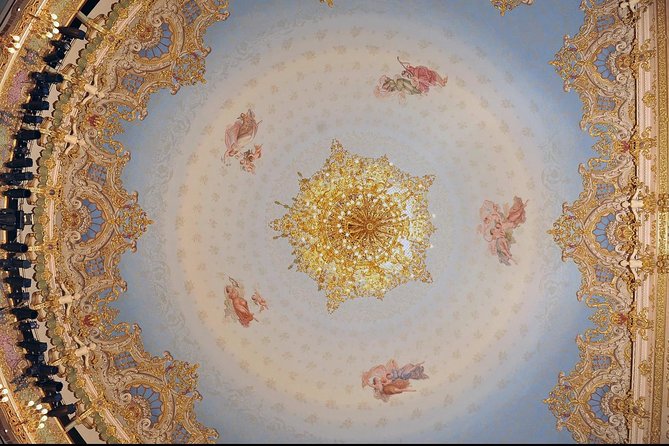
One of the most satisfying parts is how the guide ties design choices to the way La Fenice functioned. You don’t just hear that it’s opulent. You learn why the layout and styling mattered.
The auditorium tour typically centers on:
- How the theater is structured as a viewing and listening space
- What the décor signals about prestige and social life
- How the restoration era shaped what you see today
You’ll also have the chance to see key areas that are part of the standard guest experience. The focus is on the main auditorium spaces and high-status seating.
A helpful expectation to keep in mind from real on-the-ground feedback: this tour doesn’t come across as a backstage operation. People noted that it’s mostly about the public areas and the VIP/royal box zone rather than an orchestra pit or back-of-house route. If you’re dreaming of seeing stage mechanics, you might want to pair this with a different type of visit where backstage access is explicitly part of the offering.
The Phoenix story: two fires, two rebuilds
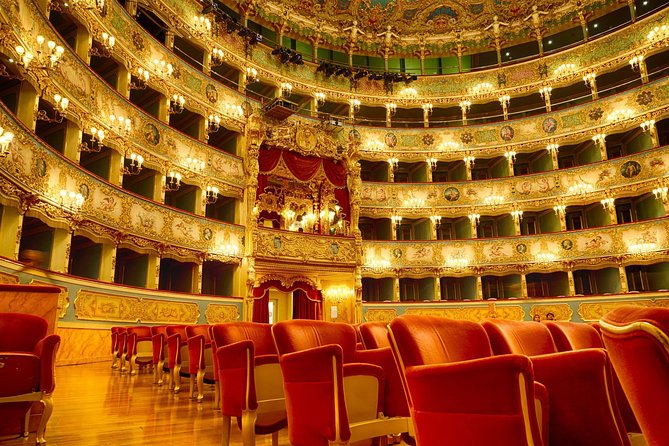
The heart of the tour is the theater’s survival story. You’ll learn that La Fenice was built in the late 18th century, rose as a gathering place for Venice’s cultural elite, then burned to the ground not once, but twice. Each time, the theater returned through restoration work so detailed it had to recreate both the grandeur and the feeling of the original stage.
This is where your visit turns from sightseeing into context. Venice is full of architecture with layers, but La Fenice has a particularly sharp narrative arc: destruction, then obsession with rebuilding. That makes the interior feel like a victory, not just a relic.
There’s also a clever cultural detail to listen for. Because the name is phoenix, the guide can connect the disasters and the restoration to the symbolism people used to describe the theater. It’s a short tour, so the story lands quickly, but it’s enough to change how you look at what’s in front of you.
One standout historical tidbit that has been mentioned during these tours: Napoleon is said to have sat in the Royal Box. Even if you don’t connect with opera, that kind of link makes the room feel linked to European history beyond Venice.




Royal Box and VIP viewing: where status meets design
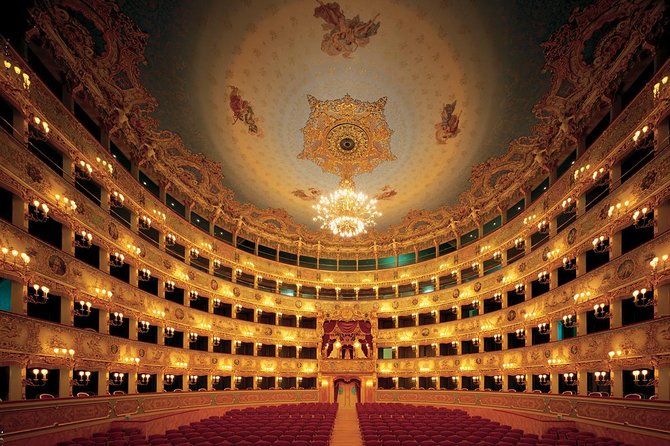
If you want one spot to remember, make it the royal box area. The décor here is part jewelry, part statement. You’ll see the kinds of details that made private boxes the social highlight of a theater night.
What I like about including the royal box in a short, guided format is that it gives you a reference point. Once you see the royal box, you can look back across the auditorium and notice how the room is organized for visibility and prestige. The guide uses this to explain how the theater worked as a public stage for both performance and society.
One important note: the tour experience described is centered on these notable guest areas, not behind-the-scenes access. So for photo lovers, think “architectural angles and ornate interiors” more than “technical theater tour.”
English guide expectations: how to get the most in about an hour
The tour is offered in English, and several guides have been highlighted for clear explanations. Names that came up include Nikko, Vanda, Wanda, and Nicole, and the common thread is that people valued the clarity and the ability to answer questions.
Still, keep your expectations realistic for a 45-to-60 minute experience. This is a guided highlight tour, and time can feel tight. A few people reported that schedules didn’t leave much room to slow down, so if you’re the type who likes to ask follow-up questions, don’t wait until the end.
Also watch for this: one report described English-speaking and Italian-speaking participants combined in the same group, which meant the guide had to repeat information. If you’re traveling in a group and you strongly prefer uninterrupted English, it’s worth confirming that your group composition matches the language you booked.
Your best move: arrive a few minutes early, settle close to your guide if you can, and ask your key questions early while you still have momentum.
Price and value: is $30.04 worth it?
At $30.04 per person, this tour sits in the “worth it if you care about meaning” category. You’re not paying for a long day. You’re paying for a guided way to read a famous building.
Here’s where the value comes from:
- Admission ticket included, so you’re not adding extra costs once you arrive
- A local guide who connects ornament and layout to real stories
- Access to the auditorium and royal box zones, not just a quick photo stop
One thing to keep in mind is that the interior is the whole point. If you’re only looking for a quick glance and you’re happy to use an audio guide at your own speed, you might feel the time limit more sharply. But if you enjoy explanations while you’re standing in the room, this format tends to land well.
Timing in Venice: best way to fit it into your day
Since the tour starts at 12:30 pm and runs about 1 hour (often described around 45 minutes inside), it’s a good midday anchor. It works well if you’re doing a morning walk and want a cultural stop without turning your day into a marathon.
Venice can also surprise you with closures and schedule changes. Some people reported issues when the theater wasn’t open on their chosen day and requested refunds or missed the chance to enter. That doesn’t mean it’s always a problem, but it does mean you should not book this as your single, irreplaceable “must see” if your schedule is rigid.
Also, if you’re coming in for a day trip from outside Venice, note the additional info: an access fee may be required on certain dates for visitors staying outside the city. Check the official details before you go so that you’re not scrambling at the last second.
Who this tour is best for (and who might want a different option)
This experience is ideal if you want:
- A focused look at Teatro La Fenice interiors without planning multiple ticket steps
- A guide to explain what the décor and auditorium layout mean
- A quick way to connect Venice theater culture to famous works
It’s less ideal if you:
- Want backstage access or an orchestra-pit walkthrough (this tour isn’t framed that way)
- Need lots of time to linger for photos without any schedule pressure
- Are sensitive to language pacing or group mixing
If you enjoy architecture, storytelling, and the dramatic history of a place that has risen twice, you’ll get a lot out of this even on a tight schedule.
Should you book this Teatro La Fenice tour?
I’d book it if you want a guided, inside look at a major opera house with the phoenix story front and center. The admission included part and the chance to see the auditorium and royal box make the time feel justified, and the best-rated guides bring the room to life with clear, specific explanations.
I’d think twice if you’re booking this as a make-or-break day with no flexibility, since some people have had problems due to closures or last-minute changes. If your travel plan is fixed, consider building in a Plan B nearby.
If you do book: arrive early, bring your confirmation, and treat the tour like what it is—an efficient “read the building” experience. You’ll walk out knowing why La Fenice deserves its reputation long after the lights go down.
FAQ
What is the price of the Teatro La Fenice tour?
The price is $30.04 per person.
How long is the tour?
It runs for about 1 hour (approx.). Some descriptions note around 45 minutes with admission included.
Is the tour offered in English?
Yes. The tour is offered in English.
Where is the meeting point?
The tour meets at Bucintoro Viaggi travel agency in Campo San Luca (Venice). The start point is listed at Teatro La Fenice, Campo S. Fantin 1965, 30124 Venezia VE, Italy.
What time does the tour start?
The listed start time is 12:30 pm.
What’s included in the price?
A local guide is included, and admission ticket is included as well.
What is not included?
Gratitude (optional) is not included. Hotel pickup and drop-off are also not included.
How big is the group?
The maximum group size is 20 travelers.
What about cancellation?
You can cancel for a full refund up to 24 hours in advance of the start time. If you cancel less than 24 hours before, the amount paid is not refunded.
Do I need to pay a Venice access fee?
If you’re planning a day trip to Venice and staying outside the city, an access fee may be required on certain dates. Exemptions and dates are listed at https://cda.ve.it.