REVIEW · VENICE
Tour of Venice between Art, History, Legend and Secrets
Book on Viator →Bookable on Viator
Venice myths ride shotgun with art and history. This tour strings together legendary Venice and real masterpieces in a tight route from Rialto to San Marco, with stories that make the city feel less like a postcard. I especially love how it uses art in context, tying painters and churches to the people and power behind them.
You’ll also like the practical side: admission tickets are included, so you spend less time hunting entrances and more time listening. Most stops are short (often around 20–30 minutes), which keeps the walking pace lively and the focus sharp. One possible drawback: a couple of past departures had major guide issues, so it’s smart to keep a bit of buffer at the start and have the operator contact handy.
In This Review
- Key highlights you’ll feel in Venice
- Rialto Bridge With the Devil Story, Not Just Pretty Views
- San Giovanni Crisostomo: Bellini, Tullio Lombardo, and Marco Polo Money
- Casa di Marco Polo: Where the Age-12 Turning Point Changes Everything
- Campo Santa Maria Formosa: A Big Square With a War-Against-Padua Edge
- San Zulian (Giuliano): Gold Works and the Painter Trio You’ll Recognize
- Piazza San Marco Finale: Basilica Views, Doge’s Palace, Bridge of Sighs, and the Prison
- Paying $83: What You’re Really Buying (Besides a Guide)
- Timing, Meeting Point, and the €5 Venice Access Fee Possibility
- Who This Tour Suits Best (and Who Might Prefer Something Else)
- Should You Book This Venice Art, History, Legend, and Secrets Tour?
- FAQ
- How long is the Venice tour?
- Is this a private tour?
- What language is the tour offered in?
- Where do I meet, and where does the tour end?
- Are admission tickets included?
- Is the ticket digital?
- Is there an extra Venice access fee?
- What is the cancellation policy?
Key highlights you’ll feel in Venice
- Rialto Bridge legend: the bridge with the Devil-built story attached
- Bellini and Tullio Lombardo inside a working church at San Giovanni Crisostomo
- Marco Polo’s early home life, including the age-12 turning point
- Campo Santa Maria Formosa as a stage for a historical conflict involving Padua
- San Zulian’s gold works linked to Veronese, Bellini, and Palma il Giovane
- San Marco finale with Basilica views plus Doge’s Palace, Bridge of Sighs, and ending at the Prison Palace
Rialto Bridge With the Devil Story, Not Just Pretty Views
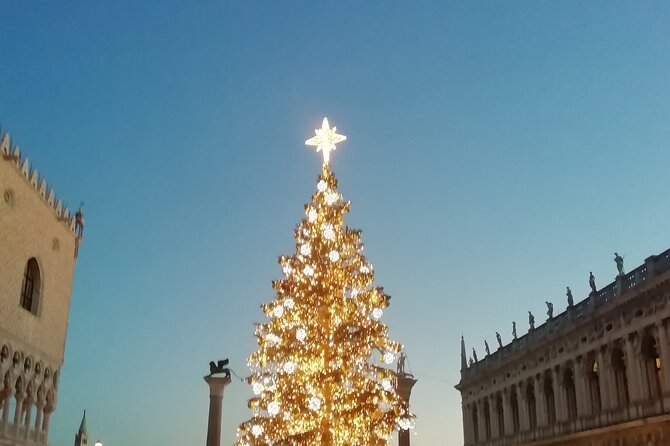
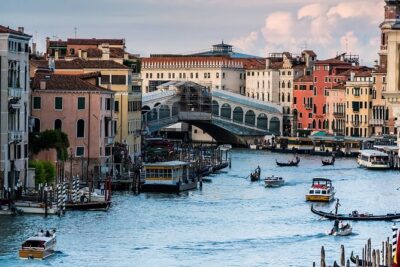
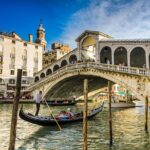
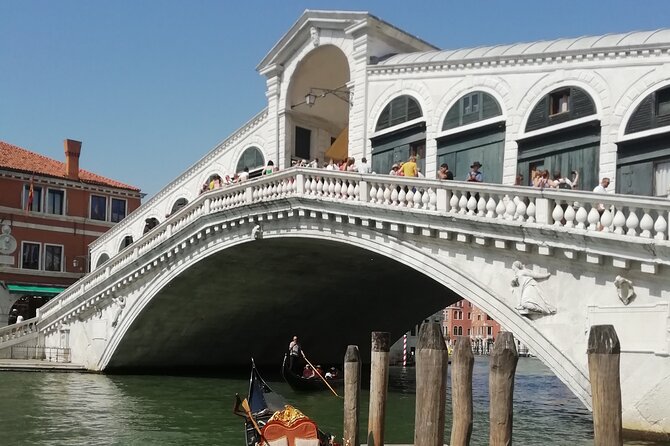
Rialto is the kind of place you think you already know, and then the guide changes how you see it. You’ll start at Ponte di Rialto, where the famous bridge is wrapped in a legend: that it was built with help from the Devil himself. It’s the sort of story Venice loves, and it works because it sets the mood—this city has always mixed commerce, faith, and theatre.
Why this stop matters: Venice’s big sights can feel like a checklist. Starting with a legend gives you something emotional to hold onto while you look at stonework and angles. Plus, Rialto is a perfect orientation point. Once you’re standing there, you get a better sense of how Venice’s waterways and neighborhoods connect.
What to watch for: Rialto can be crowded, and this is a short stop (around 20 minutes). If you want photos, be ready to move quickly. Also, you’ll do a fair amount of standing on this route, so keep that in mind for comfort.
You can also read our reviews of more historical tours in Venice
San Giovanni Crisostomo: Bellini, Tullio Lombardo, and Marco Polo Money
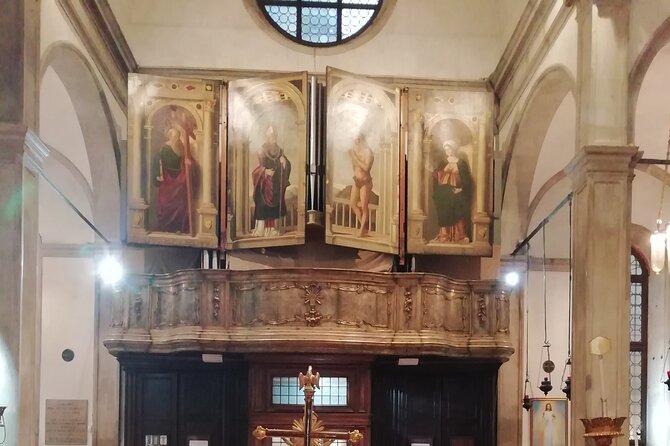
Next comes Chiesa di San Giovanni Crisostomo, one of those Venetian churches where the art feels earned, not decorative. The tour’s explanation centers on a neat connection: the church was built by architect Codiussi, with financial support tied to Marco Polo’s family. That link gives you a fresh way to think about Marco Polo—less superhero travel tale, more real family influence in Venice.
Inside, you’re looking for specific names:
- works by Giovanni Bellini
- and above all, Tullio Lombardo
Why I like this stop for you: the tour doesn’t treat churches as silent background. It gives you names to follow and lets you understand why certain patrons mattered. When you know the patronage story, you usually notice details you’d otherwise skip.
A possible drawback: church visits can involve tight spaces and uneven footing. The stop is about 30 minutes, so you’ll want to move at a pace that keeps you from feeling rushed. If you hate feeling hurried, take your time at the beginning of the visit and let the guide do the guiding through the key points.
Casa di Marco Polo: Where the Age-12 Turning Point Changes Everything
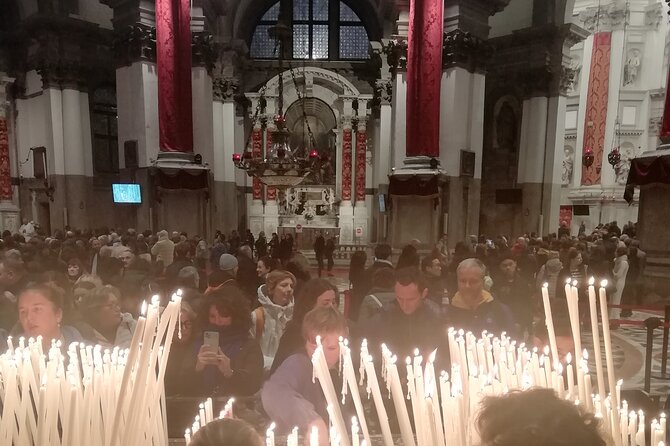
Then you’ll visit the Casa di Marco Polo, described as the place where Marco Polo was born and lived until he was about 12 years old. The tour focuses on a timeline you can actually picture: Marco Polo leaves for Katai with his father Niccolò and uncle Matteo. And then, on his final return, the story turns to his later life—he chooses to end his life in Corte del Milione, where you also visit his second home.
This stop is valuable because it’s not just about “Marco Polo the explorer.” It’s about Venice as the launchpad and the landing spot. You start thinking in chapters: childhood here, departure from here, and then the return to a home base that made sense of his whole story.
What you can expect: the tour gives you a focused look rather than a long museum-style walkthrough. The time is about 30 minutes, which is enough to connect the place to the timeline without turning it into a lecture marathon.
One consideration: sites like this can feel emotional even if you’re not a Marco Polo specialist. If you’re hoping for pure art-hunting or architecture-only, you might want to balance this stop with your own side exploration nearby—because the emotional draw is the story.
Campo Santa Maria Formosa: A Big Square With a War-Against-Padua Edge
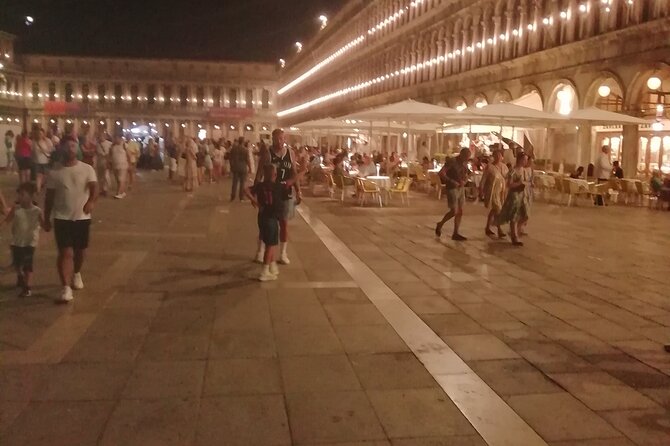
After the more intimate spaces, you get air and open sightlines at Campo Santa Maria Formosa. This is one of Venice’s largest fields, and it’s also framed as a cultural center. The tour points out an episode here tied to conflict—an important event that was part of what led to war involving Padua.
Why this matters: Venice looks romantic in photos, but it’s also political. Standing in a major square and hearing it connected to conflict gives you a truer sense of how power moved through everyday spaces. You stop thinking of Venice as frozen in time and start seeing it as a place where decisions had real consequences.
Time on site is short—around 5 minutes—so treat it like a quick reset. Use it to look around, note nearby architecture, and get your bearings for the church stop that follows.
San Zulian (Giuliano): Gold Works and the Painter Trio You’ll Recognize
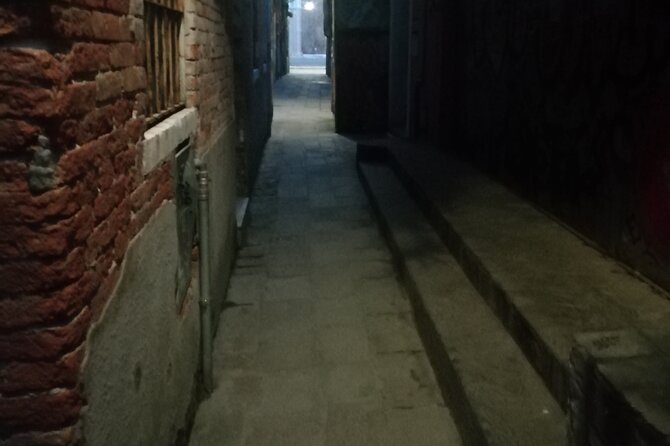
Now for Chiesa di San Zulian, also known as Giuliano. This church is presented as a standout for rich gold works and for the painters associated with the space. The tour name-drops three artists you’ll likely recognize:
- Veronese
- Giovanni Bellini
- Palma il Giovane
This is a strong stop if you like your Venice with names attached. It’s not just that the church has impressive art—it’s that the guide helps you connect why these masters belong in the same conversation.
What to like: if you’ve studied Italian art or just enjoy spotting styles, this is where the tour often clicks. One guide, Alessandro, has gotten special praise for mixing an art-history perspective with humor and energy, which can make these “name” stops feel alive instead of overwhelming.
A consideration: the church stop is about 15 minutes. You’ll likely see the highlights, not every corner. If you’re the type who wants to linger and sketch, make a plan to return after the tour when you have extra time.


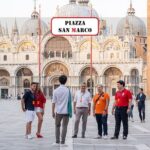
Piazza San Marco Finale: Basilica Views, Doge’s Palace, Bridge of Sighs, and the Prison
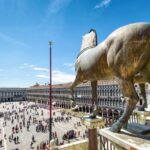
You’ll end with a final walk through Piazza San Marco, described as unique and hard to explain in words. This portion is where Venice becomes theatre again—big stone, big symbolism, and a whole skyline of power.
From the square, you’ll admire:
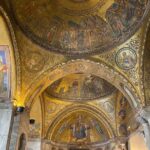
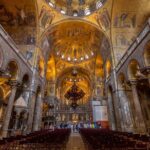
- the Basilica and the bell tower
- plus Doge’s Palace
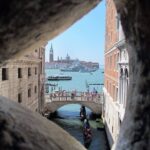
- and the Bridge of Sighs
Then the tour concludes at the Prison Palace. That last step matters because it flips the mood. You go from ceremonial power (the public face) to the consequence side (the prison). Even if you’re not a crime-history fan, it gives weight to the architecture you’ve been looking at.
Time at the finale is short—around 10 minutes—so this is not a slow “soak it in” moment. It’s a guided highlight pass, which is great if you want your day to keep moving. If you want time for interior visits, you’ll need to plan that for after, because this tour’s job is to get you oriented and informed fast.
Paying $83: What You’re Really Buying (Besides a Guide)
At $83 per person for about 2 hours, this tour isn’t positioned as the cheapest way to see Venice. The value comes from two things:
1) Admission tickets are included at multiple stops. Instead of paying separately or missing places due to entry lines, you get a guided route that assumes you’ll go inside key sites.
2) The pacing is built for focus. With multiple stops ranging from about 5 to 30 minutes, the tour keeps you in story-mode rather than wandering in unscripted confusion.
A practical note: the stated duration is about 2 hours, but one account described it taking closer to 3 hours. That’s a big difference in Venice. I’d plan your schedule as if it could run longer, especially if you’re connecting this tour to another timed reservation.
So is it worth it? If you want a guided mix of art, historical context, and Venice legends with included entry, yes, the price feels more like an all-in ticket for an experience than just the cost of a walk.
Timing, Meeting Point, and the €5 Venice Access Fee Possibility
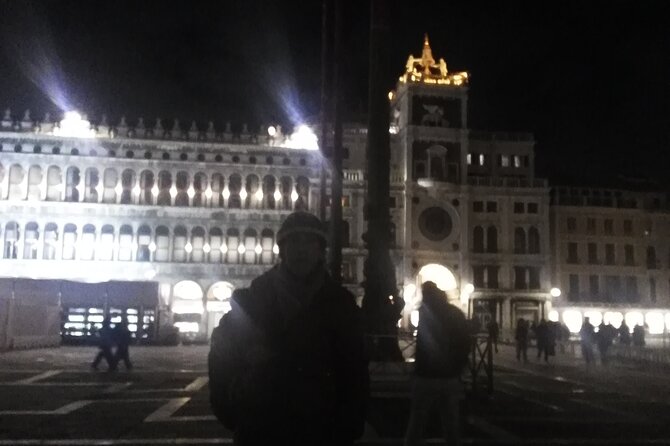
You meet at Campo San Bartolomio (30124 Venezia) and you end at Piazza San Marco, near the clock tower area. The meeting point matters because Venice is confusing when you’re standing still and trying to find a group.
A key practical tip: keep your phone ready and your attention on arrival time. Some past departures had guide no-shows and long waits, which can turn a great plan into a bad day. I’d strongly suggest arriving early, checking your confirmation details, and keeping the operator contact info accessible in case anything looks off.
You’ll also want to know about the €5 access fee. On certain dates, day-visit access fees can apply to people staying outside Venice, with exceptions depending on eligibility. The tour information points you to cda.ve.it for the current rules. If you’re coming from outside Venice for the day, look this up so you’re not surprised.
Finally, the route is near public transportation and service animals are allowed. And yes—most people can participate, but expect lots of standing and navigating old-stone surfaces.
Who This Tour Suits Best (and Who Might Prefer Something Else)
This works especially well if you want:
- a story-driven art and history walk
- a route that connects major names (Bellini, Veronese, Palma il Giovane) to places you can actually stand in
- a mix of legends and real civic/political context
It’s also a good fit if you like a guide who can connect dots quickly. One guide named Alessandro has been praised for an enthusiastic art-historian angle and for keeping the tone enjoyable, not stiff.
If you’re the kind of visitor who needs long breaks, this may feel tight. There’s limited sitting along the way, and the tour’s structure is short, scheduled stops rather than open-ended exploration.
Should You Book This Venice Art, History, Legend, and Secrets Tour?
I think you should book it if you’re after a guided route that uses art + legend to give you a sharper Venice than you’d get from wandering alone. The included admissions help, and the stops are chosen to connect major artistic names to Marco Polo and to Venice’s power centers.
But book with eyes open. Because of the occasional no-show problems reported in the past, I’d only commit if you can manage a little schedule flexibility and you’re comfortable contacting the operator if something seems wrong at the start. If you’re traveling on a tight, unforgiving timetable, you may want a backup plan or a different tour style.
If you do book, go in with the right mindset: this is a focused walk. You’ll leave with names, stories, and connections—then you can return on your own for the deeper lingering.
FAQ
How long is the Venice tour?
The tour is listed as about 2 hours.
Is this a private tour?
Yes. Only your group participates.
What language is the tour offered in?
The tour is offered in English.
Where do I meet, and where does the tour end?
You start at Campo San Bartolomio, 30124 Venezia. You end at Piazza San Marco, near the clock tower.
Are admission tickets included?
Yes. Admission tickets are included for the stops listed on the route.
Is the ticket digital?
You receive a mobile ticket.
Is there an extra Venice access fee?
On certain dates, a €5 access fee may apply to people staying outside Venice who are planning a day visit. You’ll need to check the rules at cda.ve.it for applicable dates and exemptions.
What is the cancellation policy?
You can cancel for a full refund if you cancel at least 24 hours before the experience’s start time. Free cancellation is available.