REVIEW · VENICE
Venice: Natural History Museum Entry Ticket
Book on GetYourGuide →Operated by Venezia Unica by Vela Spa · Bookable on GetYourGuide
Venice has a way of hiding quiet wonders in plain sight. This Natural History Museum sits on the Grand Canal, inside a beautiful 13th-century palazzo, and it’s a smart break from crowds and canal-walking. You’ll spend your time among fossils, prehistoric giants, plants and animals, and a building that feels more like a day trip you’ll remember than a checkbox.
Two things I really like: the palaeontology displays (yes, dinosaurs are the star) and the sheer scale of the collection, around 2 million historical objects. Even if you only have a short window, the museum gives you big payoffs, especially upstairs where the prehistoric items live.
One thing to consider: the experience isn’t built for effortless English-reading. You may run into labels and signage that aren’t in English, and there’s also plenty of taxidermy, which can be a little intense for very young kids.
In This Review
- Key things to know before you go
- A Palazzo on the Grand Canal: what this building does for your visit
- Price and timing: how to plan around opening hours and the Venice Access Fee
- Where your money goes: the museum’s 2 million objects and how they’re presented
- Upstairs is the main event: dinosaurs, prehistoric crocodiles, and those two famous names
- Ouranosaurus nigeriensis: the 7m long moment
- Sarchosuchus imperator: the skull with an African connection
- Dinosaur fossils plus prehistoric crocodiles
- The whale and the quieter natural-world rooms
- The library with 40,000 books: why this room feels different
- Pacing in real life: how long you need (and how to avoid rushing)
- Gardens, courtyards, and why this can be a break, not just a checklist
- Family-friendly, with two honest notes: taxidermy and English support
- Taxidermy can be a factor
- English information isn’t guaranteed
- How to fit this museum into a Venice day without losing time
- Is it worth $11? The value math that actually matters
- Should you book the Venice Natural History Museum entry ticket?
- FAQ
- Where is the Venice Natural History Museum located?
- How much is the ticket?
- How long is the museum ticket valid?
- What are the museum opening hours?
- Is the museum closed on any day?
- Is the museum wheelchair accessible?
- Do I need to pay a Venice Access Fee?
Key things to know before you go
- Grand Canal setting: you’re literally at the water’s edge, with a palazzo you’ll want to photograph
- 2 million objects across natural history, fossils, and ethnographic displays
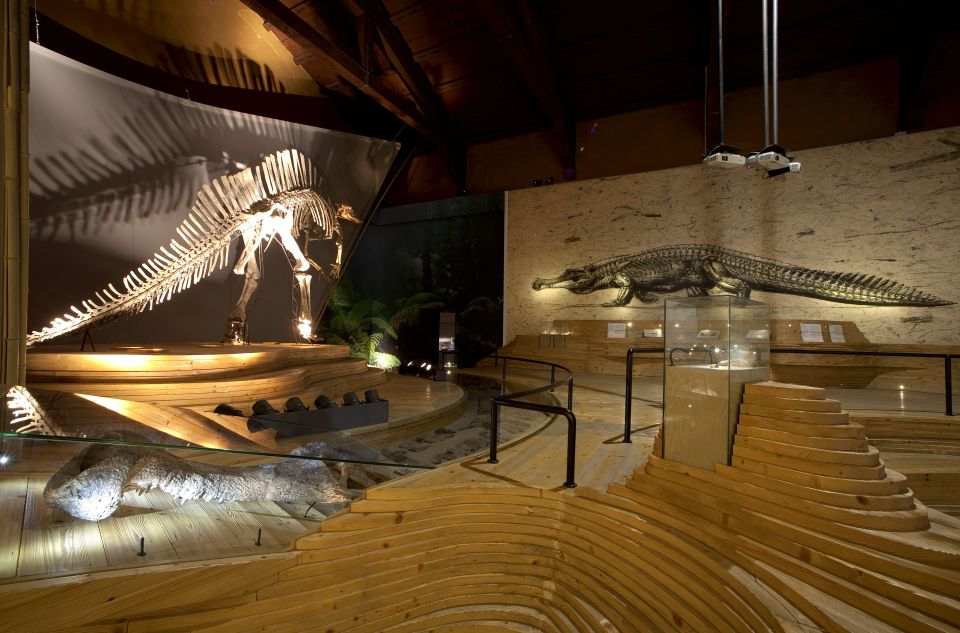
- 7m Ouranosaurus nigeriensis skeleton is a major focal point upstairs
- Sarchosuchus imperator skull brings African prehistoric life into the story
- Library room with 40,000 books adds a different kind of museum magic
- Quiet pacing works well for rainy days, families, and short sightseeing breaks
A Palazzo on the Grand Canal: what this building does for your visit
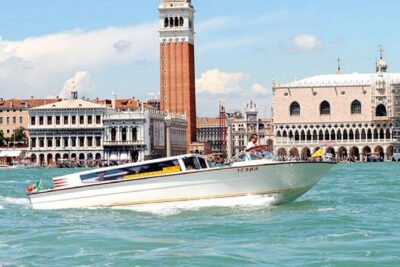
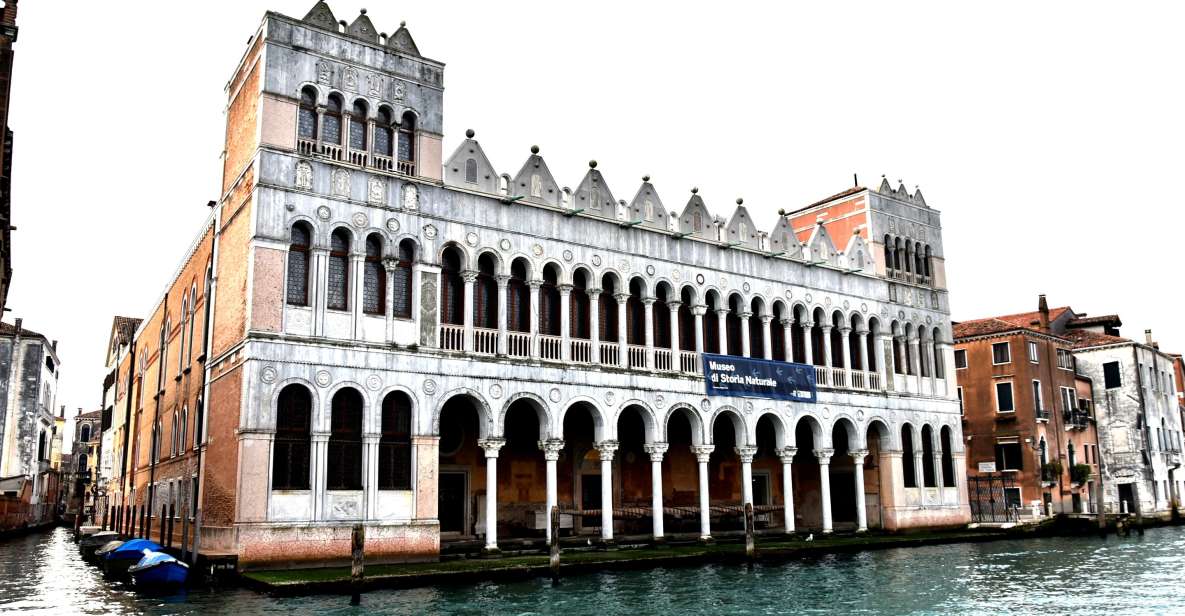
The first impression is the one you’ll keep thinking about later: the museum sits on the edge of the Grand Canal in a palazzo-style 13th-century building. Venice does “scenery” well, but this is still special because you get the photo moment outside and then a calmer, interior museum atmosphere once you’re in.
I like that the setting actually helps you slow down. Venice can feel like you’re always turning a corner to the next view. Here, you can settle into a place built for standing still—looking, reading, and moving at your own pace. One of the nicest practical perks is that it’s in a less frantic area compared with the most tightly packed tourist lanes, so the museum can feel like a breather during your day.
If you care about architecture, plan for a few extra minutes at the entrance and along the canal-facing side. Even if you’re not an Instagram person, you’ll want one clean exterior shot, because the building’s presence is part of the experience.
You can also read our reviews of more tours and experiences in Venice



Price and timing: how to plan around opening hours and the Venice Access Fee
You’re paying about $11 per person for admission, and the value comes from how much you can see in one go. This isn’t a tiny museum where you’re done in 20 minutes. It’s a large natural history venue with multiple themed sections, so your ticket price tends to feel fair when you actually use your time inside.
A few timing basics matter:
- The museum is closed on Monday.
- Hours change by season. Until May 31, it runs 9:00 AM to 5:00 PM, with last admission at 4:00 PM. From June 1, it runs 10:00 AM to 6:00 PM, with last admission at 5:00 PM.
- Your ticket is valid for 1 day, and you’ll choose from available starting times.
Now, a Venice-specific detail you should not skip: between 18 April 2025 and 27 July 2025, Venice may require an Access Fee that you pay directly to the city (with certain exemptions). If your trip falls in that window, check the city’s official info in advance so you don’t get surprised. It’s not included in your museum ticket.
Finally, remember the ticket is non-refundable. So pick the day and time you’re realistically going to use, not a backup plan.
Where your money goes: the museum’s 2 million objects and how they’re presented
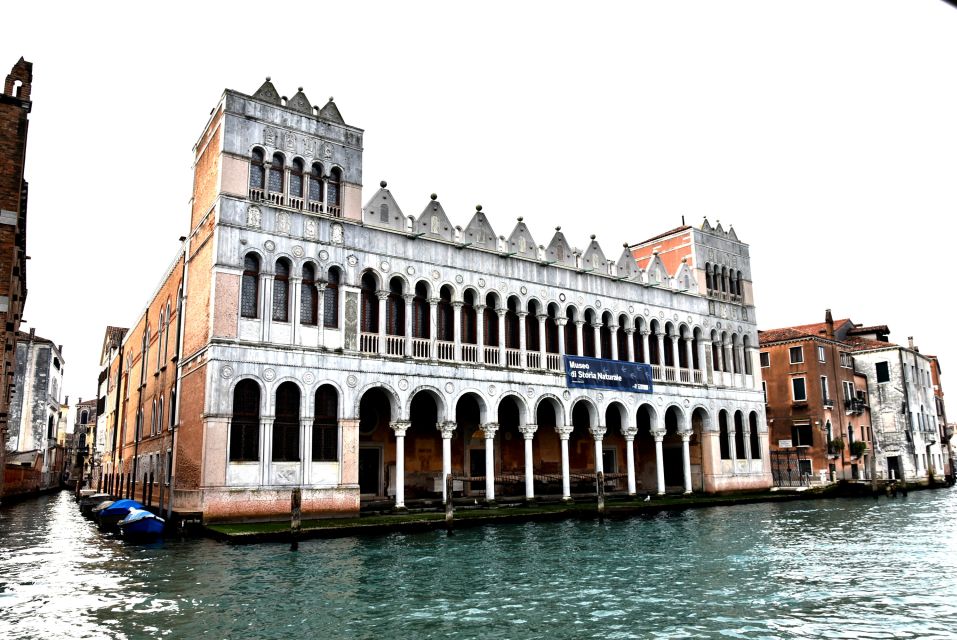
The headline is hard to ignore: the museum houses around 2 million historical objects. That’s a giant number, but what makes it work for you is how the displays are organized into themed rooms rather than one long warehouse of stuff.
The feel of the visit seems to change as you move through the building. One visitor described the early sections as more modern and very strong for palaeontology, then later areas becoming more traditional. That tracks with how natural history museums often balance “specimens and science” with older-style presentation.
You can expect to see:
- zoological specimens
- dinosaur fossils and prehistoric materials
- and ethnographic collections (so the museum isn’t only dinosaurs and bones)
In other words, you’re buying admission to a whole narrative of life—past to present—without needing a background in biology or archaeology. If you’re traveling with kids, this kind of variety helps. If you’re traveling as adults, it keeps the visit from getting repetitive.
Upstairs is the main event: dinosaurs, prehistoric crocodiles, and those two famous names
If you’re coming for the big moments, plan to go upstairs early. That’s where most people’s eyes lock in and where the museum turns into a “how is that even real?” kind of experience.
Ouranosaurus nigeriensis: the 7m long moment
The standout skeleton is Ouranosaurus nigeriensis, with a length of more than 7 meters. Seeing a giant animal skeleton in person hits differently than photos. You start noticing proportions—the scale cues your brain uses to understand what “big” means in the real world.
This is also one of those displays where you can pause and let the museum do its job. You don’t need to read every line. You can just stand back, look, and take a breath. That’s a rare luxury in Venice, where time pressure is often built into the streets.
You can also read our reviews of more historical tours in Venice



Sarchosuchus imperator: the skull with an African connection
Another major highlight is the skull of Sarchosuchus imperator, discovered in Africa. It’s one of those fossils that feels both specific and strangely ancient at the same time. The museum helps connect the dots between where something was found and what it means for understanding prehistoric life.
Together, these displays make a solid prehistoric “arc.” You get both the size of prehistoric life (the long skeleton) and the danger/species-specific details (the skull).
Dinosaur fossils plus prehistoric crocodiles
The dinosaur section isn’t limited to one species. You’ll also see prehistoric crocodiles, and the upstairs route is set up to keep your attention moving. If you’re visiting with family, this is where you can steer the visit without constantly negotiating: everyone ends up looking at bones.
The whale and the quieter natural-world rooms
Not every museum high point has to be a dinosaur. One display that stuck with visitors is a poignant section about the challenges whales face, paired with a whale skeleton that helps you grasp scale. This kind of exhibit works well when you’re trying to balance “wow” with “think.”
I also like how natural world rooms can reset your attention. After a few intense fossil rooms, plants and animals let you switch modes from “ancient power” to “how life works.”
If you’re traveling on a hot day, these indoor rooms are also just more comfortable than long walks. And if it’s raining, this is a place where the weather becomes irrelevant—you can still have a real plan.
The library with 40,000 books: why this room feels different
One of the more charming details is the museum library, where you can discover a collection of over 40,000 books. A library might not sound like a big draw when you’re thinking about skeletons and fossils, but it adds a human scale to the science.
It’s like a reminder that collections aren’t just for display. They’re for study, reference, and the long work of understanding the natural world. If you’re the type of traveler who likes to see how knowledge is stored, not just how it’s shown, this part can be surprisingly satisfying.
Pacing in real life: how long you need (and how to avoid rushing)
Based on visitor experience, a typical visit can take around 40–60 minutes if you focus on the main highlights. That’s a nice target because it makes the museum easy to fit into a day that already includes canals, bridges, and travel logistics.
But I’d give you a gentle warning: it’s easy to underestimate time here. The museum has lots of rooms, and once you’re moving through themed spaces, you can keep finding “one more thing” to look at. One visitor even noted they needed more time than expected.
So here’s the approach I recommend:
- If you have a tight schedule, start upstairs first (dinosaurs), then come back for natural world displays.
- If you want a calmer visit, go through the whole set at your own pace and save the dinosaur rooms for later—though in that case, you should still check last admission so you don’t feel rushed.
Practical comfort upgrades also help pacing:
- You can store your backpack in a locker.
- There’s a small shop, including items for children.
- Toilets are available, which matters when you’re planning a full day in Venice.
Gardens, courtyards, and why this can be a break, not just a checklist
Venice days can blur together. This museum gives you breathing space in a way that feels rare for a city built on constant motion.
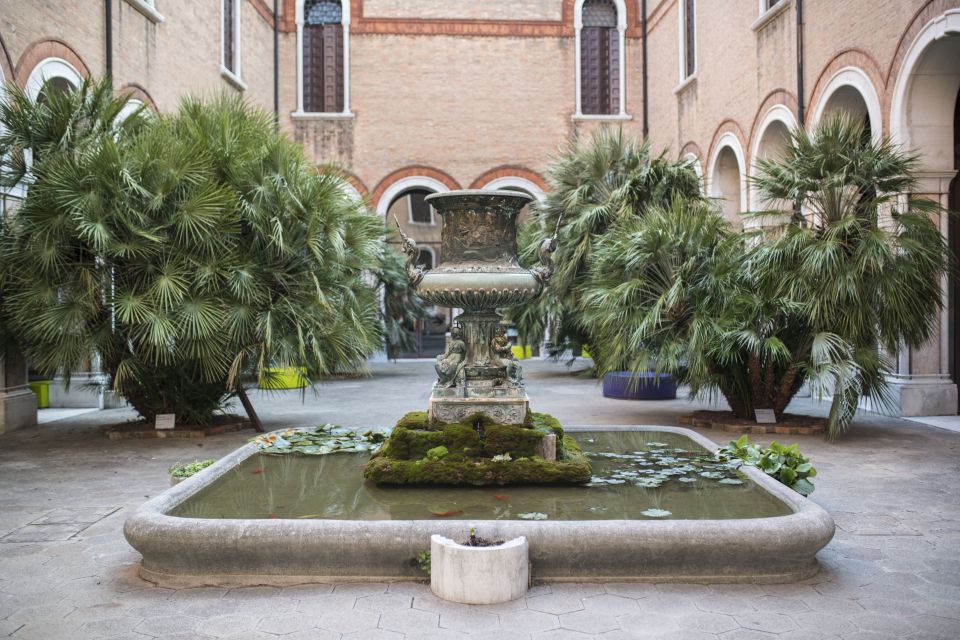
Visitors have pointed out that the museum includes an outside-feeling spot: a terrace with a garden, plus an internal courtyard. That matters because you get a moment outside the flow of crowds without having to commit to another long walk.
One reason people love the museum on rainy days is simple: you can still move around comfortably, then step into a calmer outdoor pocket if conditions allow. If you’re traveling with kids, this break helps them reset their energy, which makes the rest of your sightseeing day smoother.
Family-friendly, with two honest notes: taxidermy and English support
Let’s keep this practical.
Taxidermy can be a factor
Some visitors specifically warned that there are lots of taxidermy animals, and that this can scare younger children. If you’re bringing toddlers or very sensitive kids, keep that in mind when you’re choosing what kind of museum visit they’ll tolerate.
At the same time, many families still find the museum enjoyable, especially because the dinosaur section grabs attention fast. You can make the experience work by focusing on the fossil rooms first.
English information isn’t guaranteed
The museum visit is self-paced, but you might find that information isn’t consistently in English. One visitor noted the wish that more exhibits included English descriptions, and another pointed out they used a translation app when needed.
There is also a helpful option mentioned in reviews: a voice guide that’s in English is available for about $10. If you want more clarity without translating constantly, this is worth considering. Even if you don’t buy it, you’ll still be able to enjoy the physical displays—bones don’t need perfect language support.
How to fit this museum into a Venice day without losing time
Because the museum is on the Grand Canal, it works well as a mid-day anchor. You can spend the morning doing outdoor Venice walking, then come here when you want shade, air conditioning, and seats.
Here’s a simple way to plan:
- Aim to arrive with enough time for last admission, especially if you’re visiting in peak season.
- Spend upstairs time on dinosaurs and prehistoric exhibits.
- Then move through natural world and curiosity-style rooms at a slower pace.
- Finish with any outside courtyard/terrace moments if weather allows.
If you’re the type of traveler who likes “one culture site per day,” this museum fits. It’s educational, but it doesn’t feel like an exam. And because it’s a museum, it doesn’t depend on timing shows or tours the way some sights do.
Is it worth $11? The value math that actually matters
At $11, this is priced for what you get: a big museum, multiple subject areas, and major “wow” displays like the Ouranosaurus skeleton and the Sarchosuchus skull. Most importantly, the ticket price buys you time. If you stay about an hour, you’ll likely feel like you used the admission well. If you stay longer, the collection scale helps you justify the extra time.
The biggest value comes from fit:
- If you want a family activity that doesn’t require constant energy from you, the museum works.
- If you want a rainy-day plan, this is strong.
- If you like science and natural history, it delivers real substance, not just a few fossils in a corner.
The only time I’d hesitate is if you hate animals on display (taxidermy may not be your thing) or if you require fully English-heavy interpretation everywhere. In that case, either bring a translation approach or consider the voice guide.
Should you book the Venice Natural History Museum entry ticket?
Yes, I’d book it if you want a practical, low-stress museum day on the Grand Canal. The dinosaur rooms upstairs are reason enough, but the museum earns more points because it’s laid out in themed spaces, it can be surprisingly calm, and it gives you a full natural history experience instead of just one exhibit.
Book it especially if:
- you’re traveling with kids (the dinosaur pull is real)
- you want a break on a hot or rainy day
- you like museums where you can wander and still feel like you learned something
Skip or plan carefully if:
- your group is very sensitive to taxidermy displays
- everyone needs English interpretation and you don’t want to use translation tools or a voice guide
If you want one Venice day that feels like a real pause—while still being right on the canal—this is a smart choice.
FAQ
Where is the Venice Natural History Museum located?
The museum is on the Grand Canal in Venice. Go to the main entrance and show your ticket on arrival.
How much is the ticket?
The price is listed as $11 per person.
How long is the museum ticket valid?
The entry ticket is valid for 1 day.
What are the museum opening hours?
Until May 31, it’s open 9:00 AM–5:00 PM with last admission at 4:00 PM. From June 1, it’s open 10:00 AM–6:00 PM with last admission at 5:00 PM.
Is the museum closed on any day?
Yes. The museum is closed on Monday.
Is the museum wheelchair accessible?
Yes, the activity is wheelchair accessible.
Do I need to pay a Venice Access Fee?
On certain dates between 18 April 2025 and 27 July 2025, visitors are required to pay a Venice Access Fee to the city, with specific exemptions. Check the official cda.ve.it website for your dates and payment details.