REVIEW · VENICE
Venetian cooking school
Book on Viator →Operated by Venetian cooking class · Bookable on Viator
Seafood shopping, then Venetian cooking. The day centers on the Rialto fish market, where you choose ingredients together with culinary pro Marco, then cook in his nearby Osteria. You’ll learn Venetian traditions like cichetti-style flavors, plus practical techniques for dishes you can re-create at home.
I especially like the hands-on format: you’re not watching from the sidelines. You’ll pick fish and vegetables, build a menu around what you like, cook fish, meat, and seasonal vegetables in an equipped kitchen, and then sit down to eat what you made. The one thing to plan around is the weather: the experience requires good weather, and if it’s canceled due to poor conditions, you’ll be offered a different date or a full refund.
In This Review
- Key things to know before you go
- Rialto fish market: choosing ingredients like a local
- From the meeting point to the kitchen: how the class flows
- The Venetian technique lesson: cichetti, marinades, risotto, pasta
- Building your menu: fish, meat, and seasonal vegetables in one sitting
- What you’ll cook and eat: practical results, not just a meal
- Value check: why $94 can make sense for a private class
- What the small details tell you about the experience
- Who should book this cooking class (and who might skip)
- Should you book this Venetian cooking class?
- FAQ
- What does the class include?
- Where is the class located?
- How long is the cooking class?
- Is this tour private?
- What types of food will you cook?
- Do you cook Veneto or Venetian specialties?
- Is wine included?
- What if the weather is bad?
- What’s the cancellation window?
Key things to know before you go
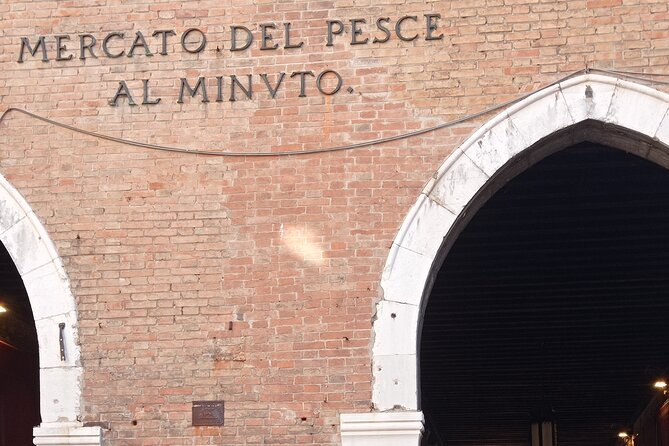
- Rialto market shopping first: you choose the day’s fish and vegetables together
- Marco teaches the why, not just the what: you get technique training from a culinary professional
- A menu you actually build: ingredients drive what you cook, so it’s not cookie-cutter
- Venetian classics with real training: cichetti, risotto, pasta, marinades
- You eat your results: fish and seasonal dishes plus a glass of wine
Rialto fish market: choosing ingredients like a local
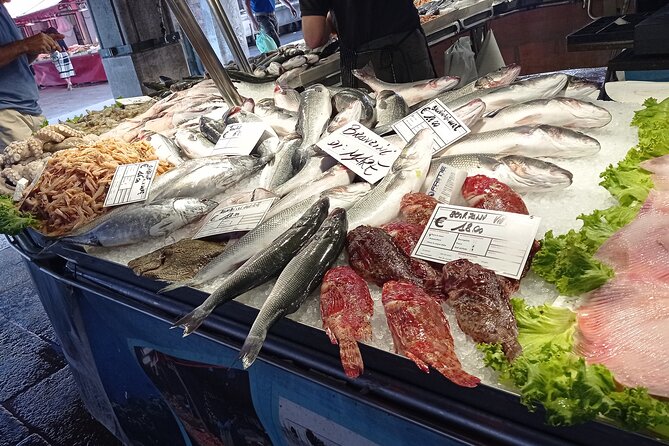
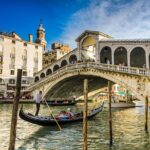
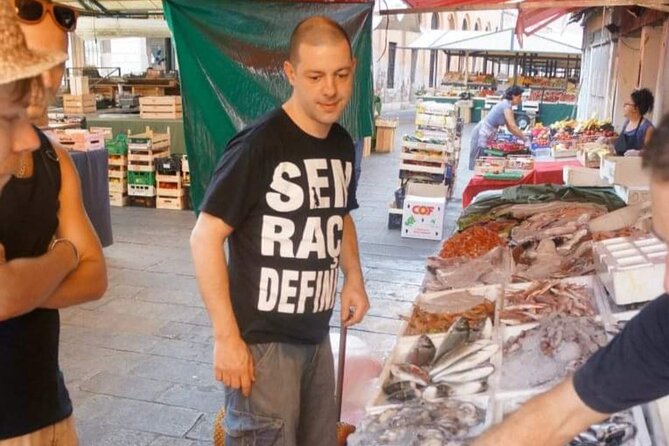
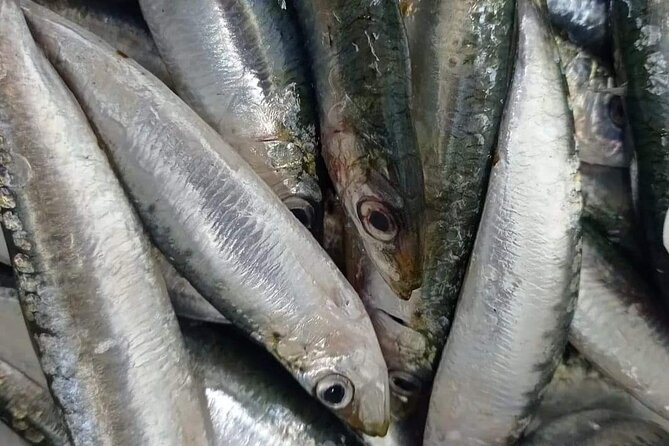
The morning starts with a trip to the fish market area by Rialto, a place where you’ll see seafood treated like the star it is. The approach is simple and very practical: Marco asks what you enjoy eating and what you do not, then helps steer you toward ingredients that fit Venetian cooking.
This matters more than it sounds. Freshness isn’t a marketing word in Venice. For fish, it’s about texture and smell, and for shellfish, it’s about how ingredients handle heat. By choosing together, you’re learning how a local cook thinks: build the menu from the market, then let technique do the rest.
If you’re worried you’ll freeze, don’t. This is a market visit as part of a cooking class plan, not a long wandering tour. Still, arrive ready for the morning flow. Markets move fast. You don’t need speed, but you do need curiosity and a willingness to ask questions.
You can also read our reviews of more cooking classes in Venice
From the meeting point to the kitchen: how the class flows
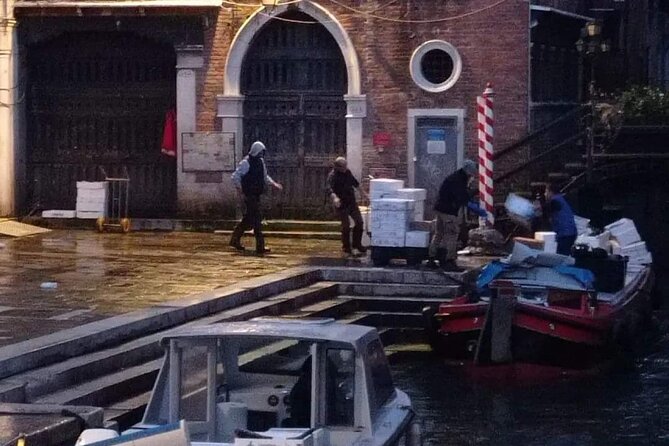
You meet at Calle de le Beccarie o Panateria, 561, 30125 Venezia VE, Italy, with a 9:30 am start. From there, the class moves from ingredient shopping to cooking in an equipped kitchen that’s near enough to keep the day feeling smooth.
What I like about this setup is how it reduces friction. You’re not spending half your morning hunting down tools or figuring out who’s doing what. The day is built around a clear rhythm: choose ingredients, create a menu, cook, then eat.
Marco runs the training in a way that feels like a real working kitchen, not a demo with a script. The kitchen is set up for cooking fish, meat, and seasonal vegetables, so you’re learning multiple directions instead of just one specialty. And because the menu depends on what’s fresh that day, you’re less likely to end up with a meal that feels generic.
The Venetian technique lesson: cichetti, marinades, risotto, pasta
This class is a strong fit if you want more than recipes. Marco teaches typical dishes of the Venetian tradition and focuses on techniques you can repeat at home.
You’ll learn about cichetti in a way that connects flavor to method. In Venice, cichetti isn’t only a snack format. It’s a style of eating that favors bold, simple combinations—think seafood-forward plates with smart seasoning and timing. That translates well to home cooking because it encourages you to build flavor without overcomplicating it.
You’ll also get technical training tied to dishes people actually make:
- Risotto technique: how you handle the cooking process so it turns creamy instead of uneven
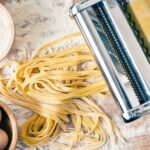
- Pasta technique: how to match pasta with sauce style and ingredient timing
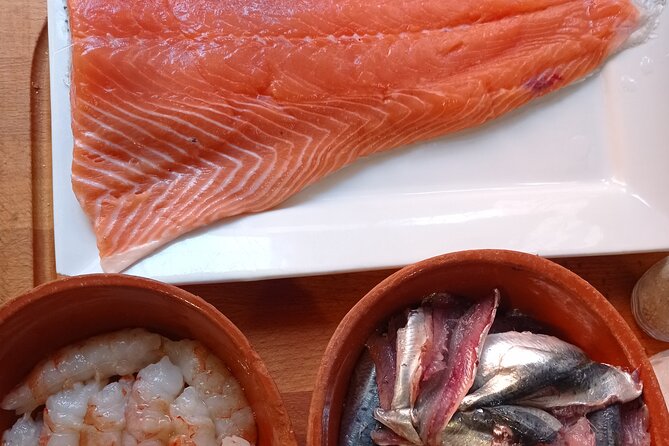
- Marinades and seasoning: how to prepare fish and other ingredients so they taste like they came from a careful kitchen, not a rushed pan
One of the best parts is the range. Fish can be delicate, meat benefits from method, and seasonal vegetables need proper heat so they don’t end up sad or watery. Marco’s instruction helps you move between those challenges without losing your momentum.
And yes, the instructor also keeps it approachable. You’ll be doing the cooking, but you’re not expected to already know everything. If you can follow directions and pay attention to what’s in front of you, you’ll be fine.
Building your menu: fish, meat, and seasonal vegetables in one sitting
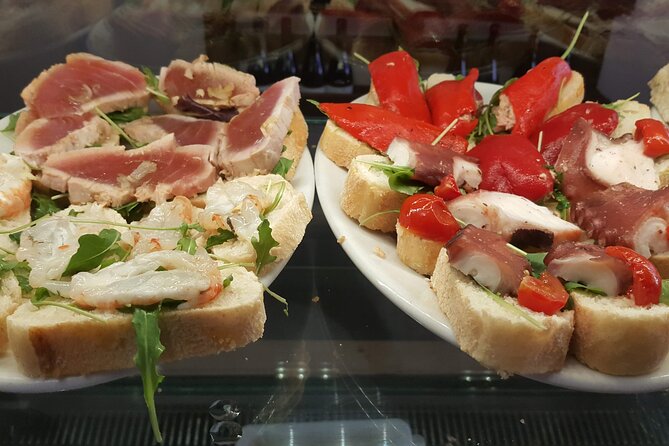
A lot of cooking classes try to do too much without letting you understand what you’re making. Here, the menu is built around what you pick together. That’s why the dishes can change from day to day.
The menu typically includes:
- Fish you choose at the market
- Meat (so it’s not only seafood)
- Seasonal vegetables that match what’s available
This structure gives you two big wins.
First, you learn how to think like a Venetian cook. You start with ingredients, then plan around them. Second, you leave with a set of dishes you can recreate, because you’ll know why those ingredients made it into the menu.
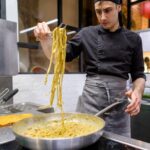
You might also notice the class leaning heavily into seafood pastas and cichetti-style flavors. One example from a previous class was spaghetti alle vongole, showing the kind of dishes you can expect when the market delivers shellfish that day. Even if your menu differs, the technique lessons behind those dishes are what you’ll remember.
What you’ll cook and eat: practical results, not just a meal
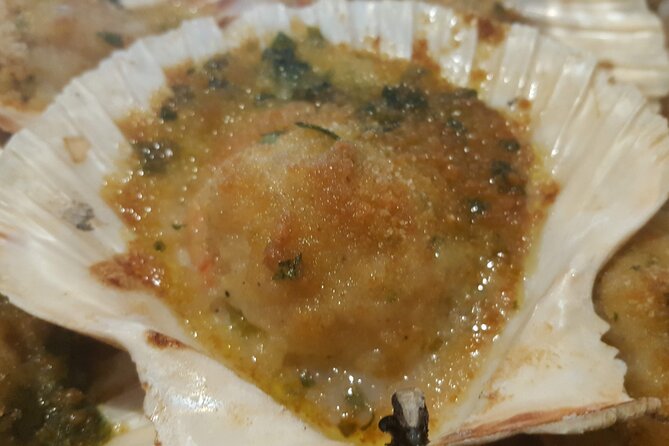
After you cook, you eat what you prepared. That sounds obvious, but it’s not always true with classes that end at the cooking station and never quite become dinner.
Here, the eating part is part of the learning cycle. You get to taste the food while it’s still fresh and then connect it to what Marco taught you. Did the seasoning hold up? Was the cooking timing right? Did the texture feel right? You can answer those questions because you’re eating the results, not samples that disappear in two bites.
You’ll also have wine with the meal—just one glass, but enough to round out the experience. Venice is built on small rituals like this. It’s not a party; it’s dinner with a purpose.
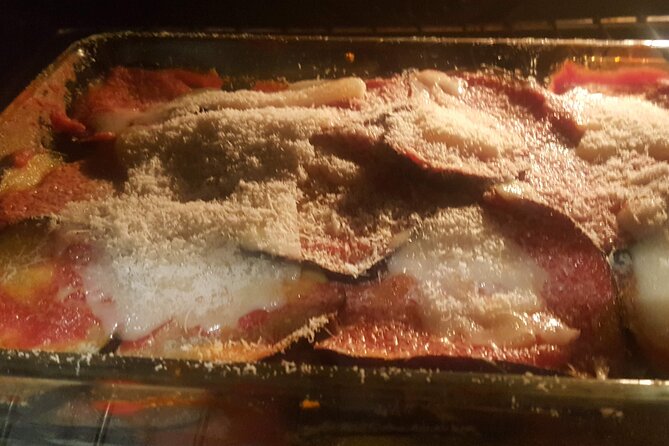
Portions should be satisfying since you’re eating the full dishes you cook. This isn’t a class where you leave hungry and search for a second meal. It’s more like a cooking-focused lunch or early dinner, depending on pacing.

Value check: why $94 can make sense for a private class
At $94 for about 5 hours, this is priced like a small, focused experience rather than a big group show. That matters because you’re getting private instruction for your group.
To judge value, look at what’s included:
- Market shopping as part of the class flow
- Technique training from a culinary professional
- Cooking fish, meat, and seasonal vegetables in a kitchen built for it
- Eating your meal
- A glass of wine
If you’ve ever done a cooking class where you pay for the privilege of watching someone else cook, this one is different. You’re learning by doing, and Marco’s role is more like a mentor than a performer.
The main cost question is timing. Five hours is a real chunk of your Venice day. But if you’re the kind of traveler who likes to take a skill home, that time becomes worth it fast. Your friends will get fed, and you’ll have a menu you can talk through instead of just a list of ingredients you saw.
What the small details tell you about the experience
The class is described as private, so you’re not competing with another group for attention. That helps a lot with technique. In a hands-on course, the difference between good and great is whether your instructor can correct small issues quickly.
Also, the setting is intimate. It’s taught in Marco’s Osteria or cicchetteria atmosphere, so the vibe feels local and close to the way Venice eats. That means you’re not just cooking in a generic classroom kitchen—you’re doing it in a place tied to Venetian food culture.
Another good sign: the menu is flexible and ingredient-driven. That usually means Marco is watching what you select and what the market offers, then shaping the cooking plan accordingly. Translation: you won’t feel stuck with something you don’t like.
Who should book this cooking class (and who might skip)
This is an easy “yes” if you want:
- A Venetian food experience that’s hands-on
- Market-to-plate learning rather than a preselected menu
- A skill you can repeat at home (risotto, pasta, marinades, cichetti-style flavors)
- A private class format
It might be less ideal if you:
- Hate seafood or avoid fish ingredients (the market focus makes seafood central)
- Want a very slow, sightseeing-heavy morning
- Are uncomfortable with an activity that depends on good weather
Should you book this Venetian cooking class?
I think it’s worth booking if you want Venice in your hands and on your plate. The market start gives you context. Marco’s teaching gives you technique. And the fact that you cook and eat what you make turns the whole thing from an activity into a meal you’ll remember.
If you’re choosing between a quick food stop and something that teaches you how to cook Venetian dishes, this is the better trade. Your day will feel more like dinner with a teacher than a scripted tourist event.
Go for it when you can plan around the morning and you’re open to letting the market shape your menu.
FAQ
What does the class include?
You’ll visit the fish market, choose ingredients together, create a menu, cook dishes in an equipped kitchen, and then eat what you prepare. You’ll also have a glass of wine with the meal.
Where is the class located?
It takes place in Venice, Italy. You start at Calle de le Beccarie o Panateria, 561, 30125 Venezia VE, Italy, and the activity ends back at the meeting point.
How long is the cooking class?
It’s about 5 hours.
Is this tour private?
Yes. It’s a private tour/activity, with only your group participating.
What types of food will you cook?
You’ll cook fish, meat, and seasonal vegetables.
Do you cook Veneto or Venetian specialties?
You’ll learn typical dishes of the Venetian tradition, including cichetti flavors and techniques related to dishes like risotto and pasta, plus marinades.
Is wine included?
Yes, you’ll be served a glass of wine with your meal.
What if the weather is bad?
The experience requires good weather. If it’s canceled due to poor weather, you’ll be offered a different date or a full refund.
What’s the cancellation window?
You can cancel for a full refund up to 24 hours in advance. If you cancel less than 24 hours before the start time, the amount paid will not be refunded.