REVIEW · VENICE
Glass Lampwork Workshop and Walking in Murano
Book on Viator →Operated by deTourist Venice Valerio Coppo · Bookable on Viator
Murano still makes glass by hand. This small-group tour led by Valerio pairs a walk through historic streets with real glassmaking time, including lampwork bead making with Monica. You also get to see how Murano stays creative, not stuck in museum mode.
My favorite part is the mix: the factory showroom stop (including the long-running tradition of Murano glass) plus a church walk that gives you context for why the island looks the way it does. One thing to plan for: the hands-on lampwork workshop is optional and costs an extra 30 euro on site if you want to make and take your own bead.
In This Review
- Key things I’d circle before you book
- Murano by Foot With Valerio: meeting at Faro and moving at a human pace
- Palazzo Barovier&Toso: the glass heritage you can actually see
- Chiesa di San Pietro Martire: church stops that make the island make sense
- Duomo di Murano Santi Maria e Donato: Byzantine-style mosaics and why they matter
- Palazzo da Mula: a slower pause between workshops and walking
- The oldest factory showroom and what to look for inside
- Monica’s lampwork experience: making a Venetian bead you’ll actually keep
- The rest of the church walk: Chiesa di Santa Maria degli Angeli
- Price and value for a 2-hour, max-15-group Murano tour
- Logistics that actually matter: timing, transport, and what to wear
- Who should book this tour, and who might skip it
- Final verdict: should you book Glass Lampwork Workshop and Walking in Murano?
- FAQ
- How long is the tour?
- Where does the tour start?
- Where does the tour end?
- Is the hands-on lampwork workshop included in the price?
- What is included in the tour?
- What language is the tour offered in?
- What is the maximum group size?
- Do I need to worry about extra city access fees?
- What’s the cancellation policy?
- Are service animals allowed?
Key things I’d circle before you book
- Small group (max 15) means you’re not herded around.
- Showroom visit of the oldest active glass factory (since 1295) gives you real perspective on how the craft evolved.
- Lampwork tradition, guided by Monica, with a hands-on option to create your own Venetian bead.
- Church stops with mosaic details, including Byzantine-style 12th-century artwork.
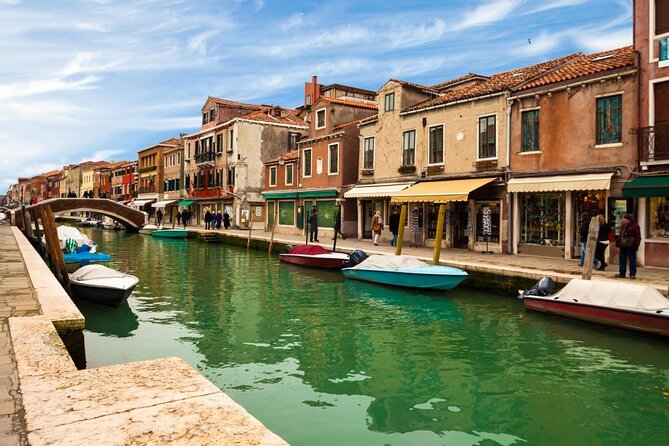
- A practical walking route that moves you beyond the busiest Murano shoreline areas.
Murano by Foot With Valerio: meeting at Faro and moving at a human pace
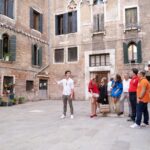
This is the kind of Murano outing that works well when you want more than a quick photo stop. You’ll meet at Faro di Murano, right on the waterfront at Fondamenta Piave F. M., 30141 Venezia VE. From there, you’ll walk the island in a group small enough that the tour leader can actually keep track of everyone.
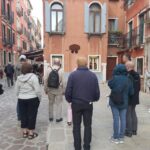
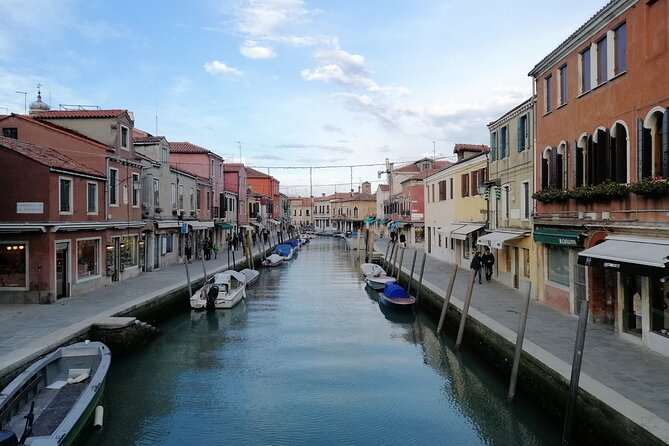
The pacing matters here. Murano can feel touristy at the water’s edge, but once you’re walking inland, you start picking up the island’s rhythm—narrow lanes, local architecture, and the feeling that glass isn’t an exhibit, it’s a job. Having Valerio, a guide connected to Murano life, also changes the tone. You’re not just ticking off sights; you’re understanding why people care about them.
One more practical detail: the tour runs about 2 hours, and it’s in English. You’ll also want shoes that handle cobblestones, because you’re doing a real walk, not a park-stroll.
You can also read our reviews of more walking tours in Venice

Palazzo Barovier&Toso: the glass heritage you can actually see
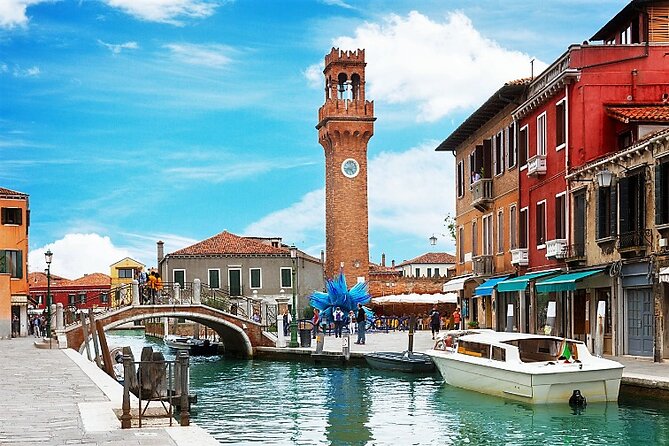
Your first major stop is Palazzo Barovier&Toso. This matters because Murano glassmaking isn’t only about blowing hot glass in a workshop. It’s also about families, showrooms, and the way design language spreads over time.
What you’re doing on this stop is getting your eyes calibrated. You’ll be introduced to how Murano’s reputation grew, and how modern makers keep the visual language of glass while still playing with what’s possible. For you, that means later in the day, when you see different glass styles inside factories and artisan spaces, it won’t all blur together.
Also, this kind of start helps families and first-timers. Kids usually relax when the day shifts from walking to looking at objects, and adults get a calmer entry point before you hit the hands-on part.
Chiesa di San Pietro Martire: church stops that make the island make sense
After the palazzo, the tour moves into Chiesa di San Pietro Martire. A church might sound like a random add-on when the headline is glass, but here it works. Murano’s identity shows up in its religious and artistic buildings, especially through materials and decoration choices.
Think of this stop like a visual translator. Glass is all about light and surface. Churches in Murano also play with light, pattern, and craft. When you see the way these spaces were built and decorated, you start understanding why mosaic art and detailed workmanship are a natural fit on the island.
There’s also a practical benefit: church interiors give you a brief break from walking and weather. If it’s hot, you get shade. If it’s rainy, you get shelter and the tour keeps moving without losing momentum.
Duomo di Murano Santi Maria e Donato: Byzantine-style mosaics and why they matter
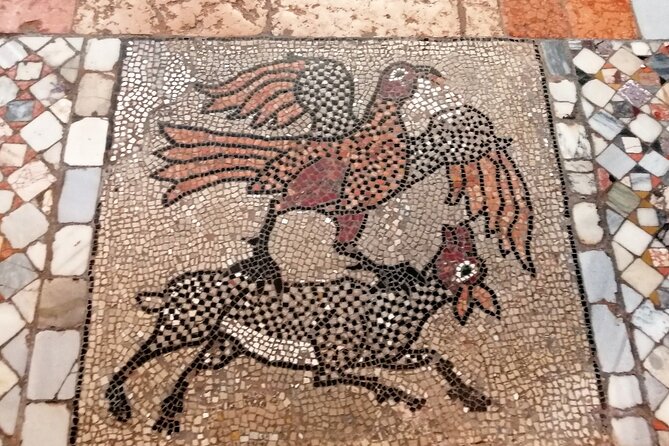
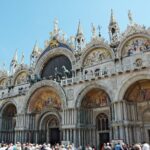
Next up is Duomo di Murano Santi Maria e Donato—the stop where you’ll get the most art-historical payoff. The tour highlights Byzantine-style 12th-century mosaics, which are the kind of details that make you slow down.
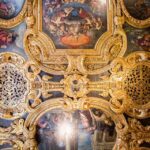
Here’s what’s valuable for you: this isn’t just a pretty church. The mosaics connect Murano to a wider world of Mediterranean art traditions. They also reinforce a theme you’ll keep seeing on the island—small pieces made carefully, assembled with patience, and arranged so they catch and bounce light.
If you like art that rewards close looking, this stop is a great one. You can stand quietly and really take in how the mosaics are laid out, and then connect that attention to the craft you’ll see later in the glassmaking spaces.
Palazzo da Mula: a slower pause between workshops and walking
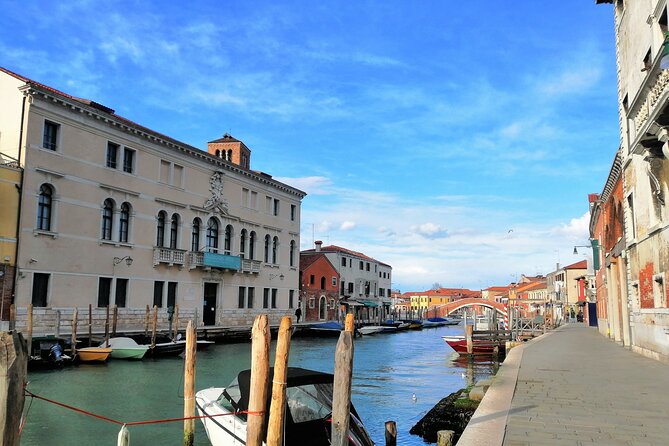
You’ll also pass through Palazzo da Mula. This stop gives the day texture. It helps you notice that Murano is not only about glass factories and churches. It also has a built-up layer of architecture tied to wealth, influence, and the way craftsmanship supported trade.
For many people, Murano becomes a one-note trip: glass, glass, glass. Adding an architectural stop creates balance. It also gives you a breather before the last stretch of walking.
You can also read our reviews of more tours and experiences in Venice

The oldest factory showroom and what to look for inside
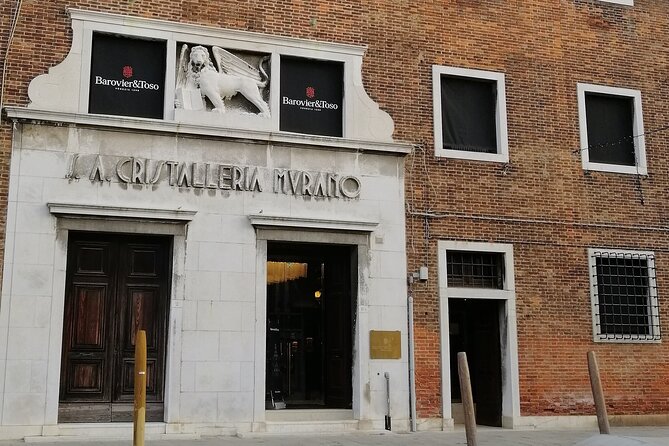
One of the most compelling parts of this tour is the visit to the showroom of the oldest glass factory in the world, active since 1295. That date is a big deal, but the value isn’t just bragging rights. It helps you understand continuity: how long this craft has persisted and how the island kept evolving instead of freezing in time.
In a showroom, you should pay attention to how styles are presented and how contemporary work is shown alongside traditional techniques. The tour description emphasizes how tradition meets contemporary design, and that’s what you’ll want to watch for.
Tip for you: don’t rush your looking time. If you spend even five extra minutes on patterns, finishes, and colors, you’ll get more out of the experience than if you just snap photos and move on.
Monica’s lampwork experience: making a Venetian bead you’ll actually keep
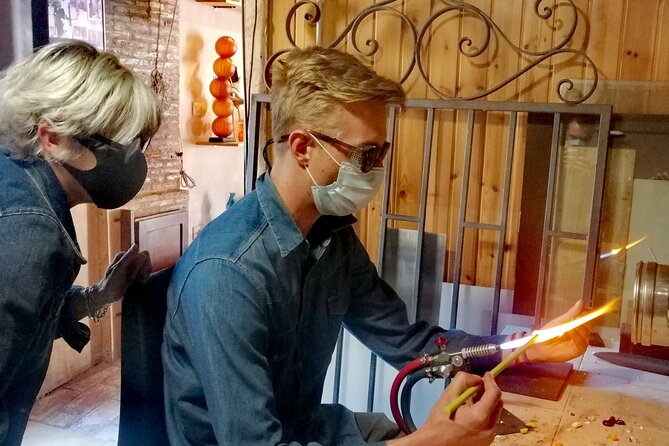
Now for the part most people talk about later: the lampwork tradition. You’ll visit a glass artisan space where lampwork or glass blowing is part of the program. Then comes the optional hands-on moment with Monica, where you can create your own Venetian bead.
Here’s the key planning detail: the hands-on lampwork workshop is not included. If you want to work with the glass yourself, there’s an extra 30 euro paid on site. In exchange, you get a souvenir that’s personal and genuinely handmade, not something purchased in a hurry.
Why lampwork is special: it’s an older technique, described here as part of a practice that kept living in Murano through centuries. The tour frames it as a way the island kept craft knowledge alive, and that’s what you’ll feel when you watch the process and then take a turn yourself.
Also, this is one of those rare tours where your timing matters. A review tip you should absolutely steal: plan a little time afterward for lunch nearby, so your bead has time to cool down properly before you’re juggling bags, drinks, and transport.
The rest of the church walk: Chiesa di Santa Maria degli Angeli
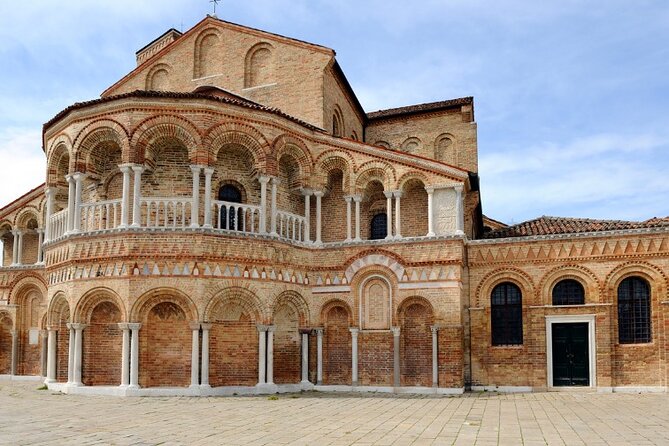
The final church stop is Chiesa di Santa Maria degli Angeli. Together with San Pietro Martire and the Duomo, these stops form a mini route that helps you read Murano as more than a production zone.
By the time you reach this last church, you’ll probably notice a pattern in what you’re being shown: the tour keeps nudging you to connect craft and light. Mosaics, interiors, and architectural details all echo the same theme you see in glass, just using different materials.
Price and value for a 2-hour, max-15-group Murano tour
The tour price is $92.92 per person for about 2 hours. That might sound steep until you break down what you’re actually buying.
You’re paying for:
- a guided walking tour that includes multiple formal stops (not just glass factory frontage)
- a showroom visit tied to the factory operating since 1295
- an artisan visit where you’ll see glass practice (lampwork or glass blowing)
- and the option to add the hands-on lampwork workshop for 30 euro if you want to make something
Where the value really shows up is the small group size (max 15). Large crowds kill conversations and reduce your ability to ask questions. Here, you can actually ask why something is made a certain way, or what makes one maker’s style different.
Also, the tour books fairly ahead on average—about 68 days in advance. If you’re traveling during high season, that’s your signal to lock in your slot early rather than gambling on last-minute availability.
Logistics that actually matter: timing, transport, and what to wear
You’ll get a mobile ticket, and the tour is offered in English. It runs near public transportation, which is a lifesaver on an island where routes can change quickly and walking distance can surprise you.
Weather is also a factor. This is part walk-and-stops. If rain shows up, you’ll want a light rain layer you can pack easily. The itinerary includes indoor components like church interiors and showrooms, so the day won’t completely fall apart, but you’ll still be outdoors between stops.
Finally, for day-trippers: there can be an extra €5 access fee on certain dates if you’re staying outside Venice and visiting for the day. If that applies to your travel plan, check the official guidance for exemptions and applicable dates before you go.
Who should book this tour, and who might skip it
You should book if:
- you want real glassmaking context, not just factory windows
- you want a walkable Murano route that includes churches and mosaics
- you’d like the chance to make your own bead with Monica (and you’re okay with the optional extra cost)
You might skip if:
- you’re only interested in the cheapest possible Murano souvenir experience and don’t care about the cultural stops
- you don’t want to pay extra for the hands-on part and prefer a fully included workshop price up front
Final verdict: should you book Glass Lampwork Workshop and Walking in Murano?
If you want Murano to feel like a place where people still practice craft, this tour is a strong bet. The biggest wins are the pairing of glassmaking (including the lampwork tradition) with a walking route that gives you meaning through the church stops and mosaic art. Add in the small group size and a guide like Valerio, and you get a day that’s structured without feeling rushed.
If you’re going to do the hands-on bead, plan for the 30 euro on site and give yourself a little breathing room after so your bead can cool before you head to lunch or back to Venice. Do that, and you’ll leave with a souvenir that tells a story.
FAQ
How long is the tour?
It runs for about 2 hours.
Where does the tour start?
The meeting point is Faro di Murano, Fondamenta Piave F. M., 30141 Venezia VE, Italy.
Where does the tour end?
The tour ends back at the meeting point.
Is the hands-on lampwork workshop included in the price?
No. The hands-on lampwork workshop is optional, and it costs 30 euro paid on site.
What is included in the tour?
You get a tour leader and nature/interpretive guide, a visit to a glass artisan (lampwork or glass blowing), and a visit to the showroom of the oldest glass factory in the world.
What language is the tour offered in?
It’s offered in English.
What is the maximum group size?
The tour has a maximum of 15 travelers.
Do I need to worry about extra city access fees?
On certain dates, a €5 access fee may apply to some day visitors who are staying outside Venice. Check the official details for which days and exemptions apply.
What’s the cancellation policy?
You can cancel for a full refund up to 24 hours before the experience starts.
Are service animals allowed?
Yes, service animals are allowed.