REVIEW · VENICE
Venice Ghost Stories, Legends and Anecdotes Tour
Book on Viator →Operated by Avventure Bellissime · Bookable on Viator
Venice can feel haunted even on a normal night. This 90-minute ghost stories and legends walk leans into old-town atmospheres, empty squares, and the darker bits of Venetian lore as you move from stop to stop near Rialto. You’ll hear about everything from noble-blooded ghosts in palaces to the medieval butcher-legend of Biasio—the story that keeps popping up in these parts of Venice.
What I like most is how practical it is: a small group (up to 20) on a walk you can actually finish in one evening, with a professional English-speaking guide at your side. I also like the built-in variety of sights: the itinerary mixes story-heavy corners with real architecture, like the spiral Scala Contarini del Bovolo (the famous snail-named staircase). The Bovolo stop alone gives the tour a “wait, look at that” payoff.
One consideration: this isn’t the kind of spooky, cinematic ghost walk where every minute is a terror scene. Some stories are chilling, but the tour overall is more legends and anecdotes than full-on horror, and crowds (especially around Rialto) can make it harder to hear everything clearly.
In This Review
- Key highlights worth clocking
- Why Venice gets creepier after dark
- Meeting point and the Rialto-area start you can actually find
- The first stop: Campo San Bartolomeo and setting the tone
- Scala Contarini del Bovolo: architecture that fits the eerie vibe
- Riva del Carbon: palaces, hotels, and the past still sticking around
- Hidden corners and the Rio’ Tera’ degli Assassini alley moment
- Campo San Beneto: the butcher-family stories you’ll talk about later
- Ponte di Rialto: weird old facts and palace-type hauntings
- Sotoportego e Corte Nova: secret doors, gambling, and escape routes
- Sea-creature legends, cemeteries underfoot, and a torchlit lovers’ secret passage
- Who the guide makes or breaks the experience: named examples
- Price and value: what $42.05 buys you in Venice
- Weather, high water, and what to expect if the city changes
- Should you book this ghost-and-legends tour?
- FAQ
- FAQ
- Where does the tour start?
- How long is the Venice Ghost Stories tour?
- Is the tour in English?
- Do I need to buy tickets ahead of time?
- What happens if it’s high water?
- Can I get a refund if I change my plans?
Key highlights worth clocking
- Biasio the butcher legend, told as part of Venice’s darker folklore (and it’s exactly the sort of story you’ll remember later).
- The Bovolo Staircase at Scala Contarini del Bovolo, with its spiraling stone design and the lore tied to it.
- Rialto-area palaces and old hotel stories at a spot where history has lingered in weird ways.
- Rio’ Tera’ degli Assassini, the street-of-murderers vibe stop for the tour’s grimmer atmosphere.
- High-water flexibility, with the guide adapting the walk if Venice’s tide changes the route.
Why Venice gets creepier after dark
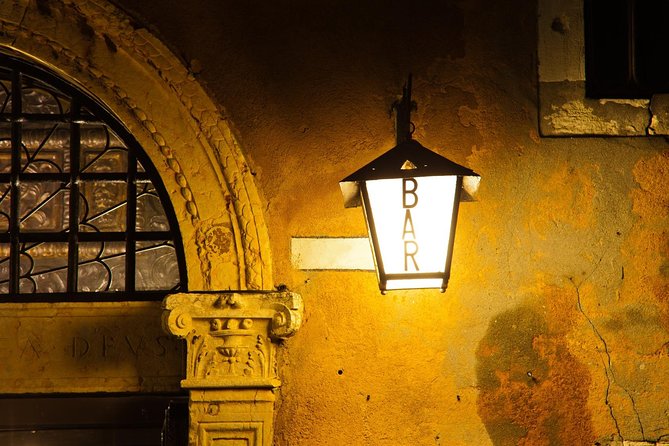
Venice at night is already half the show. The streets go quieter, the squares feel larger than they are, and the city’s odd geometry (those narrow lanes and sudden open spaces) does a lot of the work for your imagination. On this tour, the guide times the storytelling to that mood. You’re not rushing through main sights just to say you did them—you’re walking the in-between places where legends feel more believable.
The tour is short enough to keep it fun. At about 1 hour 30 minutes, you’ll get a concentrated hit of old-world stories without burning half your day. And because it’s a nighttime walk, the “empty square” effect matters. Even if you still see people around Rialto, you’ll get more silence than you do during the day.
If you’re hoping for a cemetery-at-midnight level scare, lower your expectations slightly. The tour’s title tells you the recipe: ghost stories, legends, and anecdotes. That means the mood is dark, but the content isn’t purely jump-scare style.
You can also read our reviews of more tours and experiences in Venice.



Meeting point and the Rialto-area start you can actually find
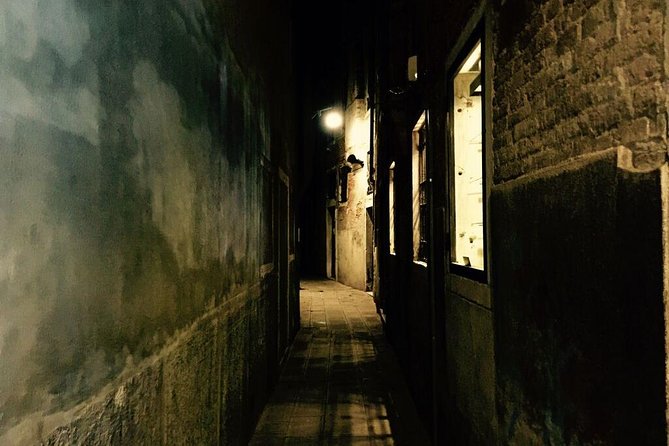
You begin in Campo San Bartolomeo, meeting your guide in the middle of the square by the statue. This is a good setup because it’s a recognizable “square anchor” rather than some vague alley corner where you’ll spend 10 minutes playing detective.
From there, you head into the parts of Venice that feel more like a maze than a postcard: narrow streets, quieter pockets, and small squares that most visitors pass too quickly. The fact that the end point also lands back near Rialto is smart planning. You’re basically getting a story route into old Venice, then you’re free to keep wandering on your own once you’ve got your bearings.
One practical note: this walk involves comfortable footwear because it’s Venice—uneven ground, tight lanes, and plenty of steps. If your legs are sensitive, I’d start your evening by keeping your daytime walking lighter.
The first stop: Campo San Bartolomeo and setting the tone
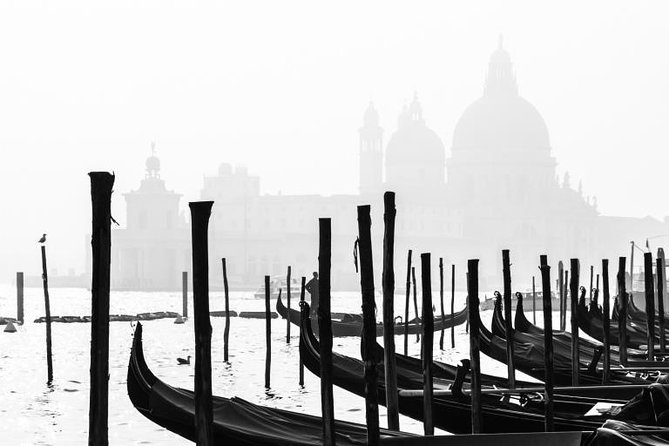
Campo San Bartolomeo is your launchpad. Meeting in the center of the square by the statue gives the guide an easy place to gather the group and set expectations: what kind of stories you’ll hear, and what “kind” of Venice you’re stepping into. This matters because the tour blends sacred and profane tales. Without that tone-setting, the mix can feel random.
From the beginning, you’re being pulled away from the “bright Venice” most people think of. Instead, you get the city framed as a place where rumors became legends, and where architecture became a stage for stories that people kept retelling.
Scala Contarini del Bovolo: architecture that fits the eerie vibe
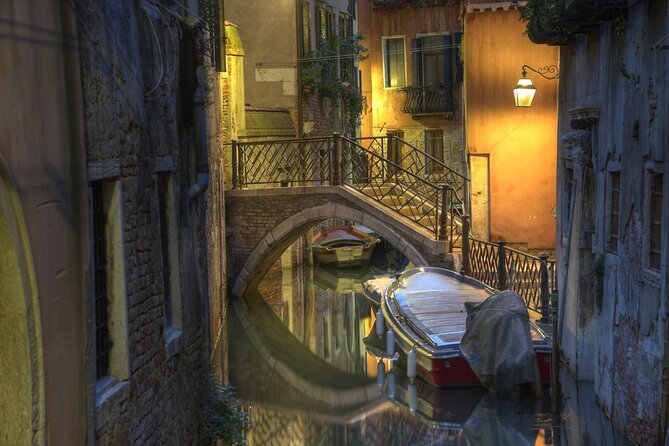
One of the stops you’ll want to slow down for is Scala Contarini del Bovolo—the spiral staircase tied to Contarini Palace. The guide points out how the staircase works as an architectural showpiece, and you’ll also hear the associated legend.
There’s a practical reason I like this stop inside a ghost-themed tour: it’s the rare moment where you can look at something real and instantly understand why it inspired stories. You’re not just hearing “something happened here.” You’re standing in front of a structure that looks like it belongs in a fable.
Also, the staircase’s nickname connects to its shape—Bovolo means snail in Venetian. It’s one of those small language details that makes the tour feel more local and less like a generic ghost walk script.
Riva del Carbon: palaces, hotels, and the past still sticking around

Next you move to Riva del Carbon. This is where the tour leans into palaces that are now different than they used to be—some turned into hotels. Your guide connects that change to the stories of people who once lived in these settings.
This stop tends to work well for two types of travelers:
- If you love urban history, you get a sense of how ownership and use shift over time.
- If you prefer stories tied to place, you’ll like that the guide explains how old buildings keep their reputation even after modern upgrades.
And it’s a nice pace reset. After the more “tight alley” feeling, Riva del Carbon gives you a slightly different perspective of the waterfront-meets-old-palace vibe.






Hidden corners and the Rio’ Tera’ degli Assassini alley moment
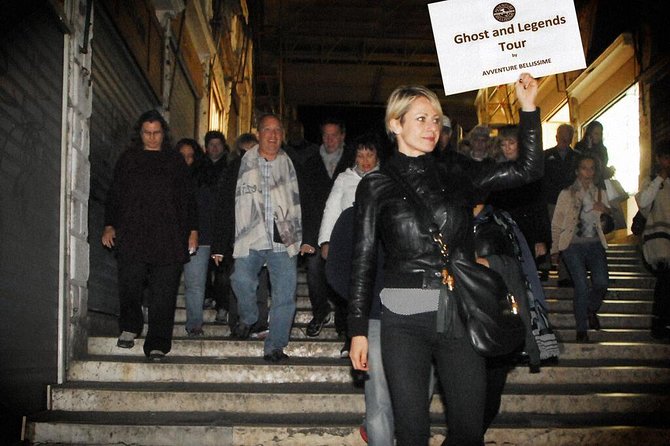
Then comes one of the tour’s most pointedly dark stops: a small alley called Rio’ Tera’ degli Assassini, which translates to something like street of the murderers.
This is the part of the tour where you should lean into the atmosphere. Don’t multitask. When you’re in a narrow lane with echoing footfalls and half-lit stone, the difference between a rumor and a legend starts to blur. The guide uses that setting to deliver the darker “who did what” type stories that fit the alley’s name.
A tip: if you tend to miss details when the group moves quickly, focus on this stop and let the rest be gravy. This alley is the tour’s most clearly “dark mood” target based on the described route.
Campo San Beneto: the butcher-family stories you’ll talk about later
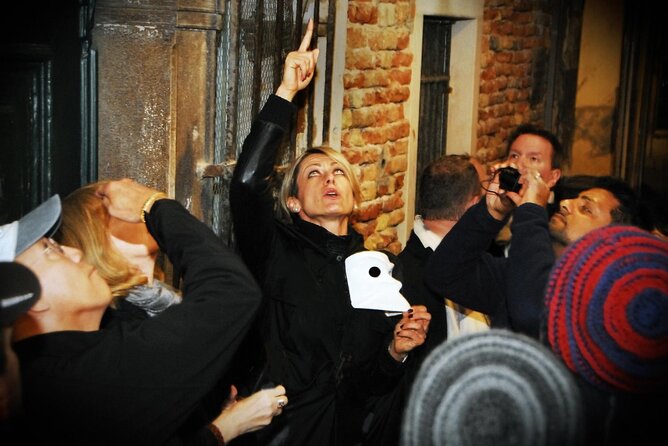
Another key stop is Campo San Beneto, a smaller, less tourist-pounded square. Here, the guide narrates troublesome stories about a butcher family that lived in the area.
This is where the Biasio thread becomes more than a single scary name. You’re getting the idea that the dark legends weren’t random. They’re tied to neighborhoods, work, and the way medieval city life often feels brutal by modern standards.
If you’re the type who likes “one legend, many angles,” this stop works because it adds another layer to the broader lore theme. It also gives you a breather between tight lanes.
Ponte di Rialto: weird old facts and palace-type hauntings
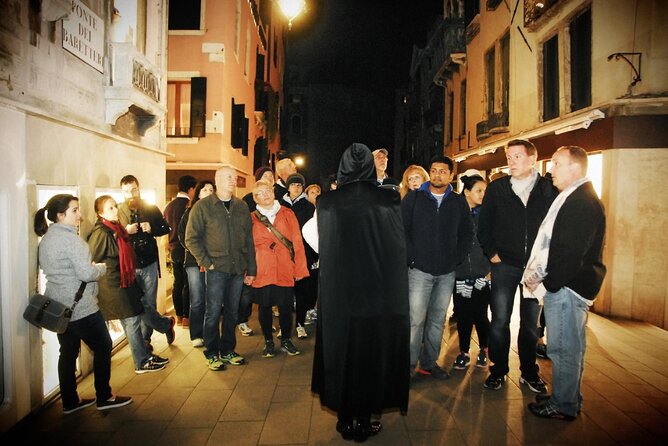
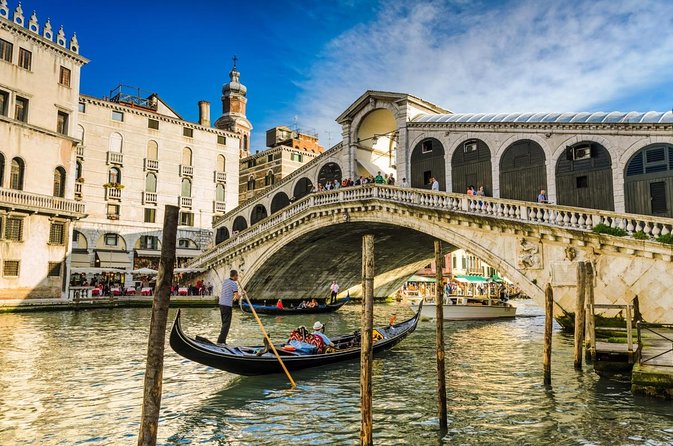
The tour loops back near Ponte di Rialto. There’s a stop by a famous hotel where the guide shares weird facts and stories from the past—stories connected to the idea that the city’s ghosts are still around in the places people spend their nights.
This section often hits well because Rialto is so recognizable. You’ll see the area, then hear how old accounts and rumors attached themselves to specific buildings. It’s a way of “re-reading” a landmark you already know, which makes the tour feel more valuable than just walking without context.
Just know that Rialto also tends to be crowded. If you’re sensitive to audio, don’t expect the guide to talk like you’re in a theater. The city is the sound system here—stone, foot traffic, and lots of people talking at once.
Sotoportego e Corte Nova: secret doors, gambling, and escape routes
At Sotoportego e Corte Nova, you’ll stop by what’s described as a casino of Venice. The guide explains how ladies and gentlemen used to hide away for entertainment, and how there were secret doors used to slip away from unwanted eyes.
This is a different flavor of story compared with the murders-and-ghosts side. It’s still dark in a social sense—privacy, temptation, and the lengths people go to avoid being seen. And because it’s tied to a specific spot, it doesn’t feel like random history trivia.
If you like your ghost stories with a slice of human behavior (not just supernatural stuff), this stop is likely to be a highlight.
Sea-creature legends, cemeteries underfoot, and a torchlit lovers’ secret passage
Your route also includes story moments that don’t always require you to stare at one single object. Instead, the guide gets you to imagine what’s underneath Venice or just out of sight.
You’ll hear about:
- Ancient cemeteries buried beneath the cobblestone streets
- Fearsome sea creatures lurking in Venetian canals
- A secret passageway where forbidden lovers once met by torchlight, if water levels allow
These “you might not see it, but it’s there” legends are part of what makes Venice feel haunted in the first place. They work best when you pause and picture the past layer by layer—city life stacked over older city life, and stories growing teeth because people kept retelling them.
Who the guide makes or breaks the experience: named examples
The quality of storytelling matters on any walking tour, especially one that relies on a dramatic voice and timing. In the feedback for this tour, names that show up for strong performances include Valentin, Lorenzo, Sergio, and guides named Christina and Anna.
That gives you a useful takeaway: you’re not just buying “a route.” You’re buying a storyteller who knows how to tie legend to place. If you get a guide who clearly connects the story beats to what you’re seeing, the stops start to click fast.
And if you end up with a guide who’s still trying to manage a noisy crowd, the tour can feel less sharp. Plan for that by staying focused at the biggest spots: Bovolo, the murderers’ alley, and the butcher-family square stories.
Price and value: what $42.05 buys you in Venice
At $42.05 per person, this tour sits in the midrange for Venice at-night experiences. Here’s why I think it can still be good value:
- It’s short (about 90 minutes), so you’re not spending an entire evening.
- It covers a sequence of story-places instead of just one themed viewpoint.
- It includes a professional English-speaking guide and keeps group size small (up to 20), which matters when sound carries badly.
Where it can feel less like a deal is if your personal definition of a ghost tour is purely scary/acting/terror. This is more legend-and-anecdote storytelling, with some creepy moments rather than nonstop chills. So the value depends on your mood: if you want atmosphere plus macabre lore, it’s priced reasonably. If you want constant scares and theatrics, you’ll likely feel the mismatch.
Weather, high water, and what to expect if the city changes
Venice weather doesn’t ask your permission. The tour operates in all weather, and during high water, the guide may partly adapt the route to conditions.
That’s important because some story stops are described as dependent on water levels (like the torchlit lovers’ passage). So keep a flexible mindset. You’ll still get the tour’s core route and themes, just adjusted in the moment.
My practical advice: dress for walking in damp stone, and bring layers. Even when it’s not cold, night humidity can make everything feel cooler than daytime.
Should you book this ghost-and-legends tour?
I’d book it if you want a compact evening introduction to Venice’s darker folklore, plus real architectural stops like the Bovolo staircase. It’s also a strong pick for first-time visitors who want to see off-the-main-path streets without needing a full private guide.
I’d skip it (or pair it with something more intense) if you only enjoy ghost tours that are heavy on theatrical scares or structured “spooky activities” like cemetery visits. This tour’s brand is legends and anecdotes tied to places, not a nonstop horror show.
If you’re on the fence, one smart move is to go with a clear mindset: come for the stories, stay alert for the best stops, and treat Rialto crowds as the price of being in the heart of Venice.
FAQ
FAQ
Where does the tour start?
The tour starts in Campo San Bartolomeo, where you meet your guide in the middle of the square by the statue.
How long is the Venice Ghost Stories tour?
It lasts about 1 hour 30 minutes (approx.).
Is the tour in English?
Yes, the tour is offered in English.
Do I need to buy tickets ahead of time?
You’ll receive a confirmation at booking time (or within 48 hours if booked within 2 days of travel). A mobile ticket is used.
What happens if it’s high water?
The tour still runs during high water, but the guide may adapt parts of the route depending on conditions.
Can I get a refund if I change my plans?
Yes. You can cancel for a full refund up to 24 hours in advance. If you cancel less than 24 hours before the start time, the amount paid is not refunded.