REVIEW · VENICE
Venice: Grand Canal Boat Tour
Book on GetYourGuide →Operated by Bucintoro Viaggi · Bookable on GetYourGuide
Venice looks different from the water. This Grand Canal motorboat tour gives you fast, front-row views of the city’s most famous landmarks, from the Rialto Bridge to the newer Della Costituzione glass bridge. I especially like the way the guide narrates what you’re passing—so the palazzos and churches stop being names and start making sense as Venetian power, wealth, and faith. I also like the 1-hour pacing: enough time to feel like you saw a lot, without draining your whole day.
One thing to plan for: it’s not suitable for wheelchair users, and depending on the departure, the boat can feel a bit tight for photos and standing room. If you’re sensitive to wind or choppier water, dress for the elements.
At $53 per person for a full Grand Canal sightseeing run, this is one of the better-value ways to get your bearings in Venice—especially if you want architecture over a long, slow glide. No food or drinks are included, so treat it as pure sightseeing time and plan your coffee afterward.
In This Review
- Key highlights you’ll notice right away
- Grand Canal orientation in 60 minutes
- Boarding at Alilaguna near St Mark’s, without the scramble
- The route: from iconic bridges to grand churches
- Rialto Bridge: the historic anchor point
- La Madonna della Salute: faith, scale, and symmetry
- Della Costituzione glass bridge: the modern twist near Calatrava
- Palazzos and power: what you’re actually looking at
- International Venice: Fondaco dei Tedeschi and cultural crossroads
- How the guide narration improves your photos and planning
- Timing: light, crowds, and a better feeling on the water
- Comfort on the motorboat: great views, some tradeoffs
- Price and value: what $53 buys you in Venice
- Who should book this Grand Canal boat tour
- Should you book the Venice Grand Canal Boat Tour?
- FAQ
- What is the duration of the Venice Grand Canal boat tour?
- Where do I meet for the tour?
- What’s included in the ticket price?
- Are food and drinks included?
- Is the tour wheelchair accessible?
- Are there days when the tour doesn’t run?
Key highlights you’ll notice right away
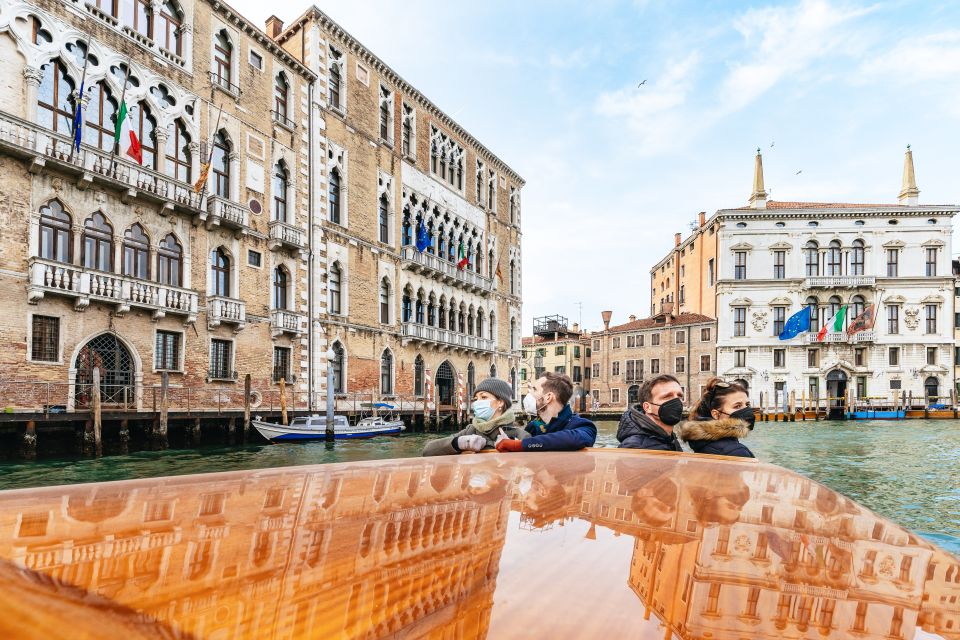
- A motorboat viewpoint that makes the Grand Canal feel like a moving panorama
- Rialto Bridge + La Madonna della Salute on the same loop for maximum sight per hour
- Della Costituzione glass bridge near Calatrava for a modern contrast to the old city
- Palazzo spotting: patrician homes, Ca’ Pisani Moretta, Ca’ Grande, and Ca’ Balbi
- Small-boat feel in many departures, with space to see and ask questions
- English live guide narration that helps you read Venice as you pass it
Grand Canal orientation in 60 minutes
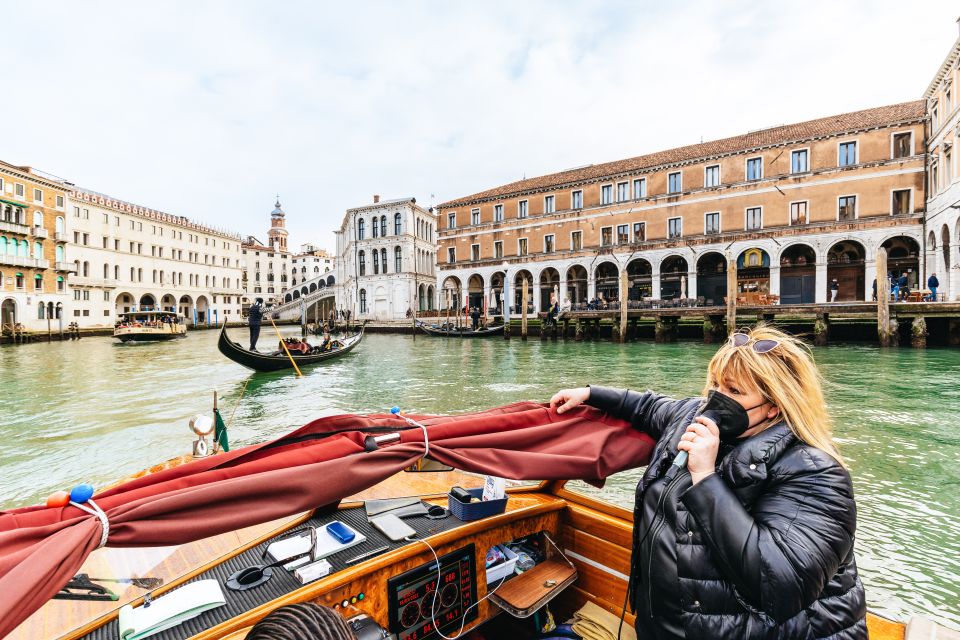
If you only have a day (or even half a day) in Venice, this is the kind of tour that helps you get your bearings fast. The Grand Canal is where you see Venice performing at full volume—waterway traffic, architecture lining both banks, and landmark bridges that pull your attention in every direction.
This tour is built around that reality. You hop into a motorboat and cruise the water route where Venice’s big views live. You come away with a clearer sense of where things are, which makes it easier to choose what to revisit on foot later.
You can also read our reviews of more boat tours in Venice
Boarding at Alilaguna near St Mark’s, without the scramble
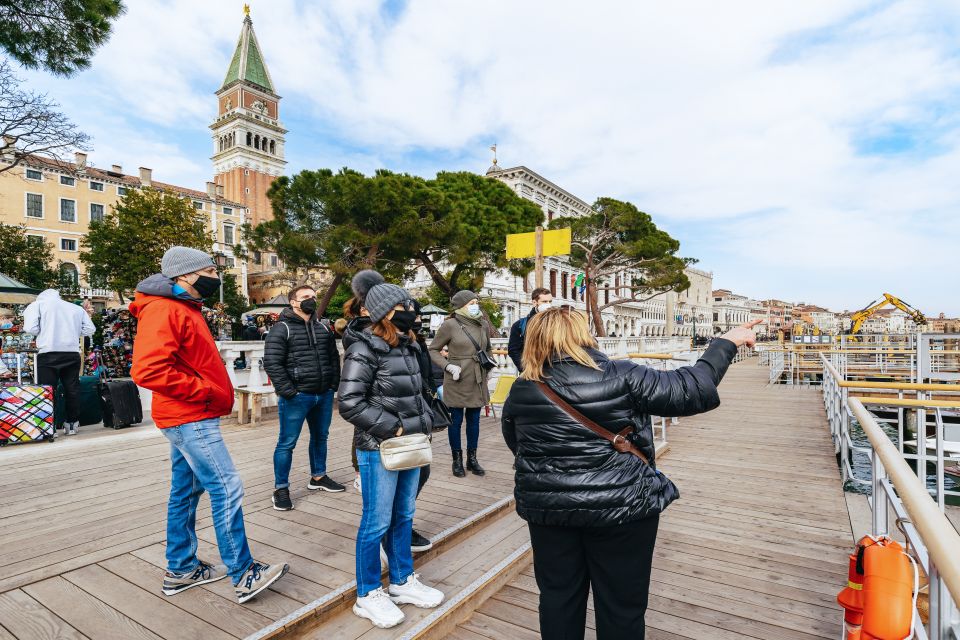
Your meeting point is the Alilaguna ticket office in front of the Royal Gardens, right by St. Mark’s Square. Look on the right side as you leave St. Mark’s Square, then find the ticket office at the far end of the row of souvenir stalls, right in front of the Royal Gardens entrance.
This matters more than it sounds. St Mark’s area is tight, busy, and full of look-alike storefronts. Getting to the correct Alilaguna counter before you’re rushed helps the whole experience start calm.
The route: from iconic bridges to grand churches
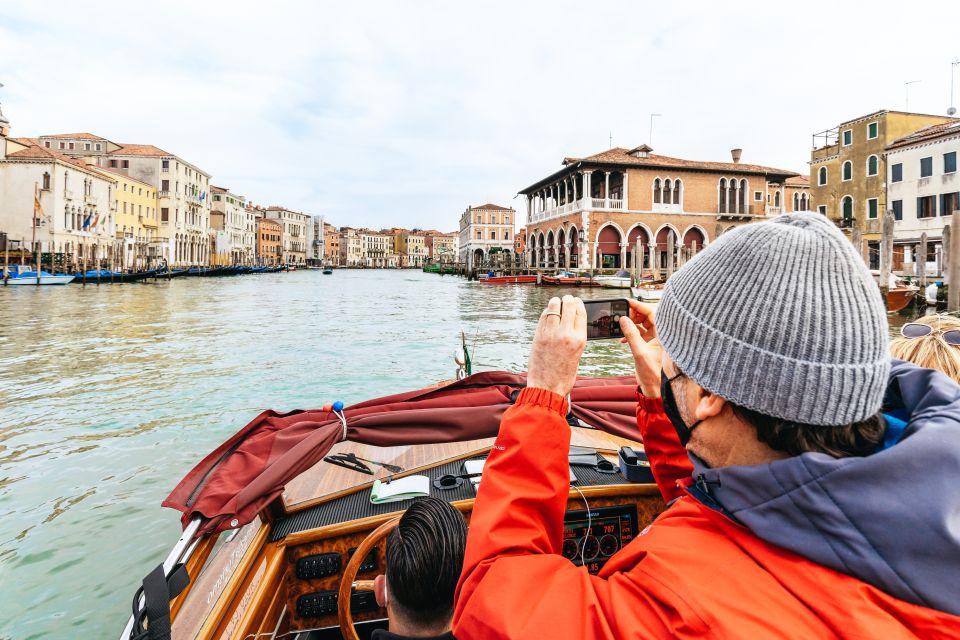
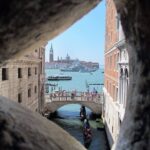
Once you’re underway, the sights come in a steady rhythm. You’ll pass Venetian palazzos and major church fronts, then swing past headline landmarks that anchor the whole Grand Canal story.
Rialto Bridge: the historic anchor point
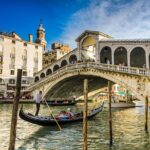
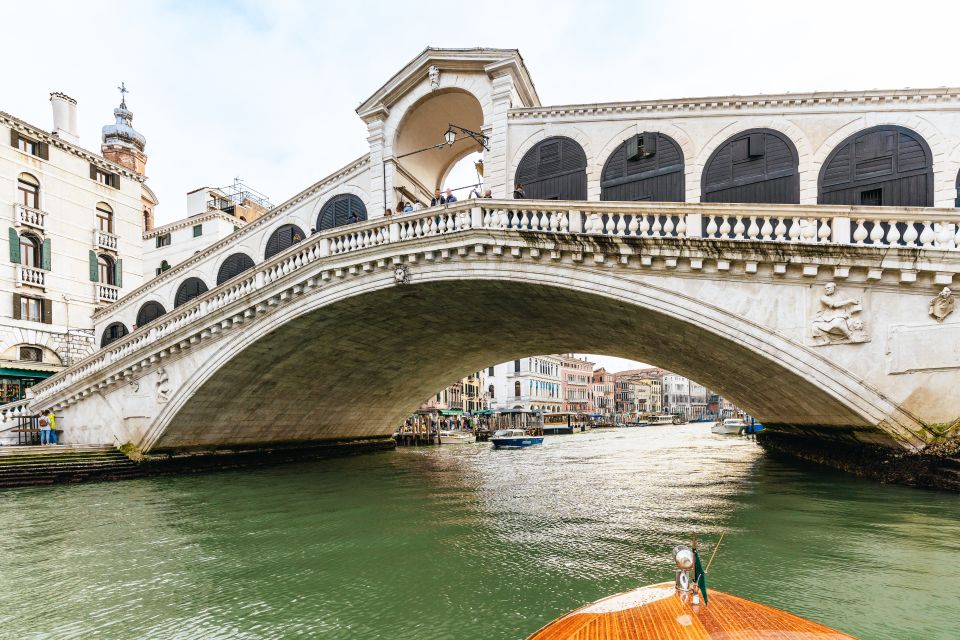
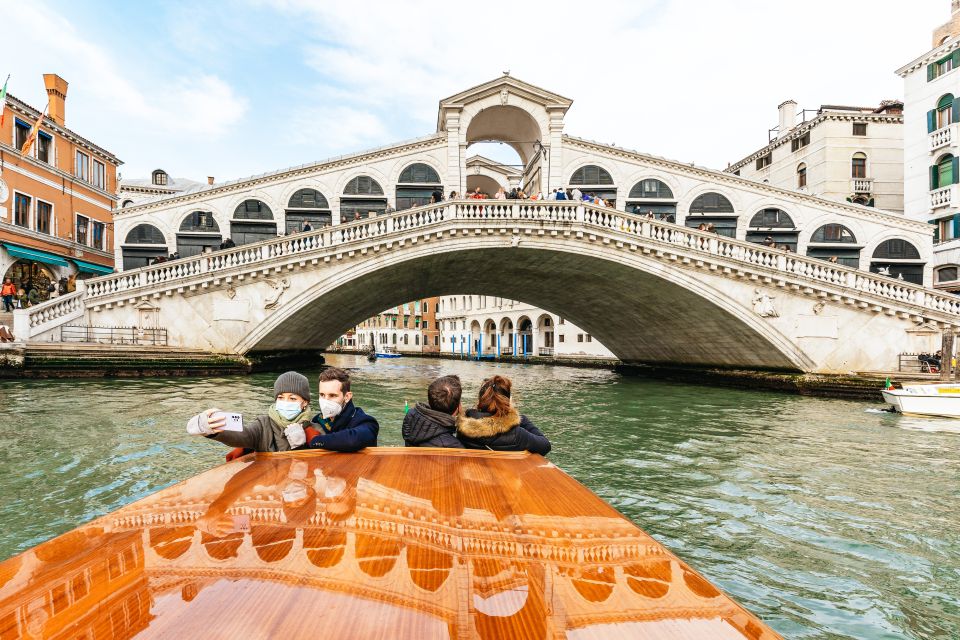
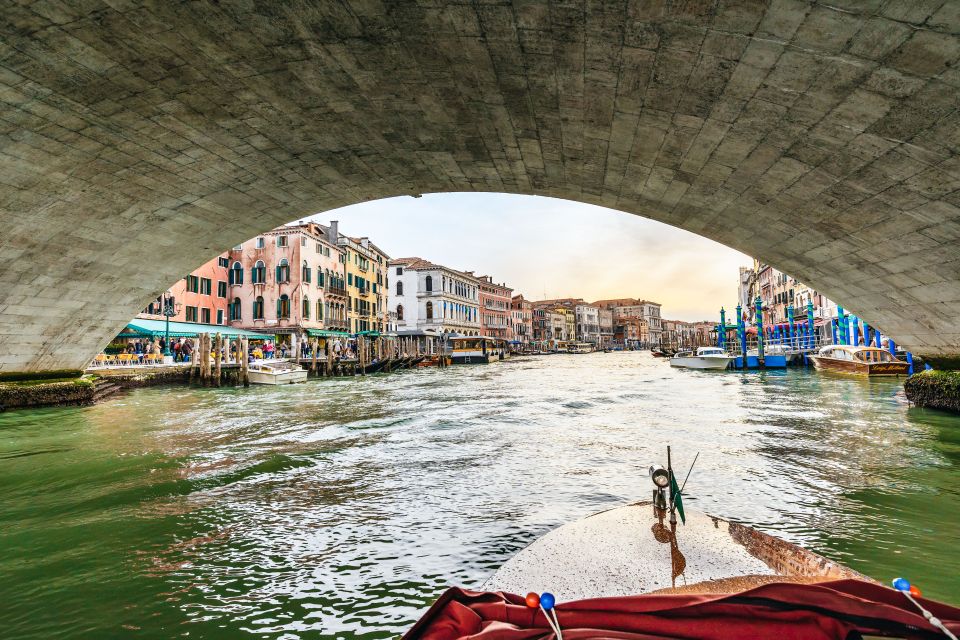
The Rialto Bridge is the one you expect to see, and it’s the one that makes the rest of the canal click into place. As you pass, you get a sense of why it’s remained Venice’s most famous crossing for centuries—because from the water, the bridge feels like a hinge between worlds.
This is also a good moment for photos. Even if you’ve seen the Rialto from land, the canal angle gives you that layered Venice look: buildings, water, and bridge all in one frame.
La Madonna della Salute: faith, scale, and symmetry
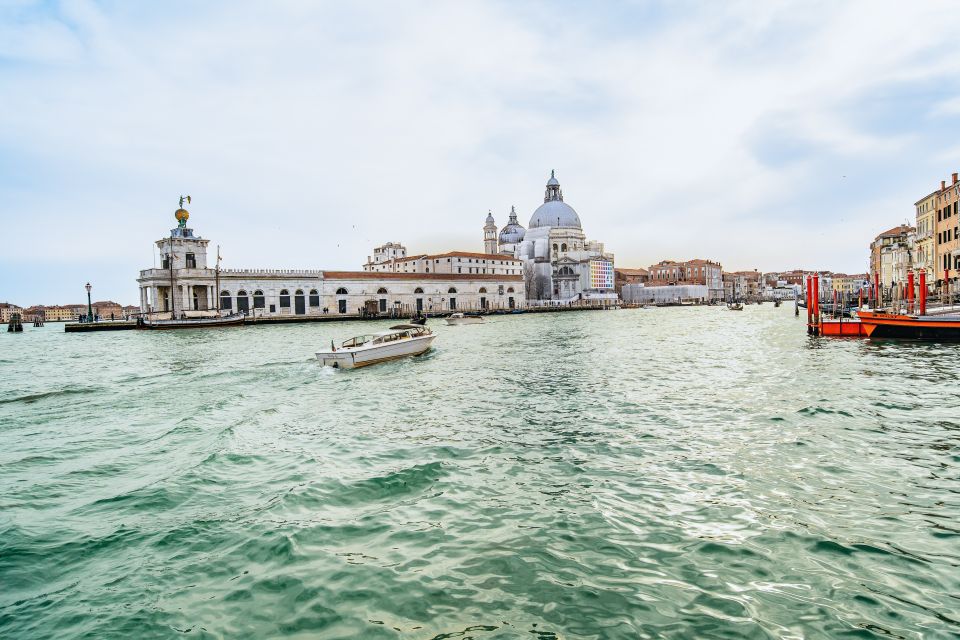
Later, you’ll spot La Madonna della Salute, the grand religious edifice that visually anchors this part of the city. From the water, it doesn’t just look impressive—it looks placed with intention, like it’s been watching over the canal traffic for generations.
If you’re planning church visits during your trip, this stop helps you decide what you want to see up close. It’s easier to commit when you’ve already seen what direction it sits in.
Della Costituzione glass bridge: the modern twist near Calatrava
A major highlight is the newer glass bridge: Della Costituzione, built near Calatrava. Seeing this from the moving water gives you a helpful contrast. You’re not only looking at old Venice—you’re also seeing how the city is changing, and how contemporary design now shares the same canal space.
If you like modern architecture, this is your proof that Venice isn’t frozen in time. If you prefer the old stones, it still works because the bridge frames the older buildings in a new way, like putting a clean edge on a painting.
Palazzos and power: what you’re actually looking at
A Venice Grand Canal tour can turn into random sightseeing if the guide doesn’t explain what you’re passing. This is where the narration becomes the real value.
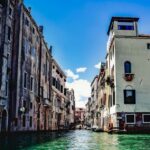
You’ll pass patrician homes and traditional palazzos—houses that were tied to art collections, museums, and education. You’ll also go by major buildings connected to city and state institutions, including Ca’ Grande and Ca’ Balbi, which helps you understand why certain areas feel official, cultural, and influential.
Then there’s the luxury-and-social side of Venice. You’ll see the Hotel Gritti, catch glimpses of the casino at Ca’ Vendramin Caliergi, and pass the soirees’ palace Ca’ Pisani Moretta. Those names matter because they tell you Venice has always been a stage for public life: politics, art, entertainment, and elite gatherings.
International Venice: Fondaco dei Tedeschi and cultural crossroads
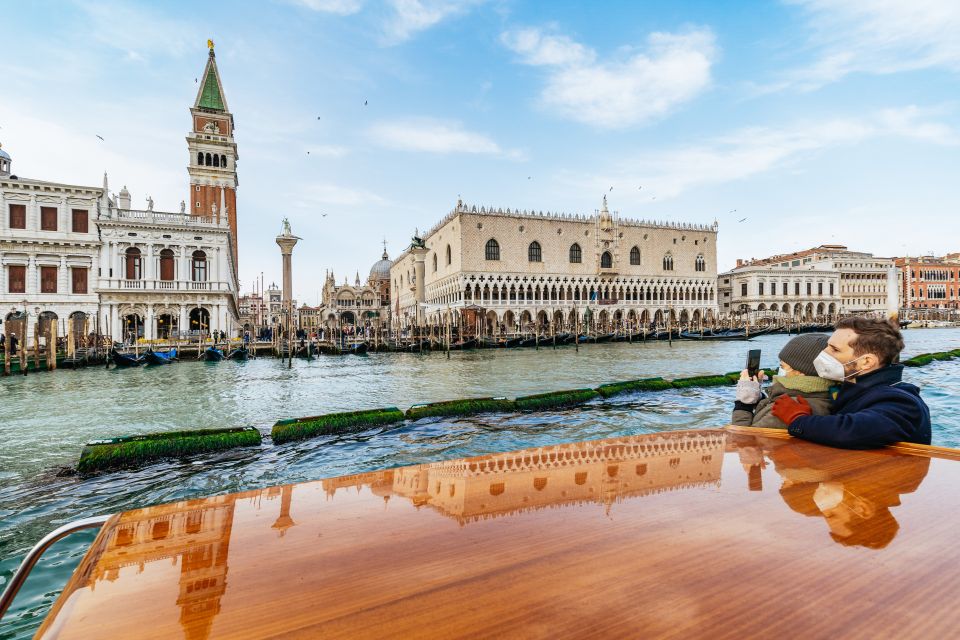
You’ll also get a look at areas tied to international communities, including Fondaco dei Tedeschi. From the boat, these spots feel less like museum labels and more like intersections—places where Venice’s identity formed through trade and travel.
This matters because Venice is often described as isolated, but its canal geography tells a different story. The water routes connect everything, and the canal is the delivery system for culture as much as it is for goods.
How the guide narration improves your photos and planning
This tour stands or falls on one thing: whether the guide helps you interpret what you’re seeing. The good news is that you’ll be in English with live narration, and the commentary tends to be practical: where you are, why a building matters, and what to notice as you pass.
I like that some guides bring humor and warmth into the pacing, which keeps the 1-hour ride from feeling like a lecture. Names I’ve seen associated with this experience include Massimo and Leo, and the general theme is the same: clear orientation and helpful context so you don’t just stare and hope it sticks.
If you want to use the tour as your planning tool, aim to listen for the buildings you might later seek out on foot. The Grand Canal view is wide; your next step is choosing where to zoom in.
Timing: light, crowds, and a better feeling on the water
You’ve got some control over how the ride feels, even with fixed departure times. One helpful tip from experience: an early evening slot around 6:30pm can be nicer because there’s often less pressure on the waterway, plus you may catch the sunset during the second half.
Sunset changes the tone. Buildings that look dramatic in daylight can look almost theatrical after golden hour, and it can make the canal feel slower even though the boat keeps moving.
If you’re visiting in cooler months, plan for temperature swings. Even when you’re not cold inside the boat, you’ll feel wind off the water, and in winter it can creep in fast. Bring a layer you’d actually wear outside.
Comfort on the motorboat: great views, some tradeoffs
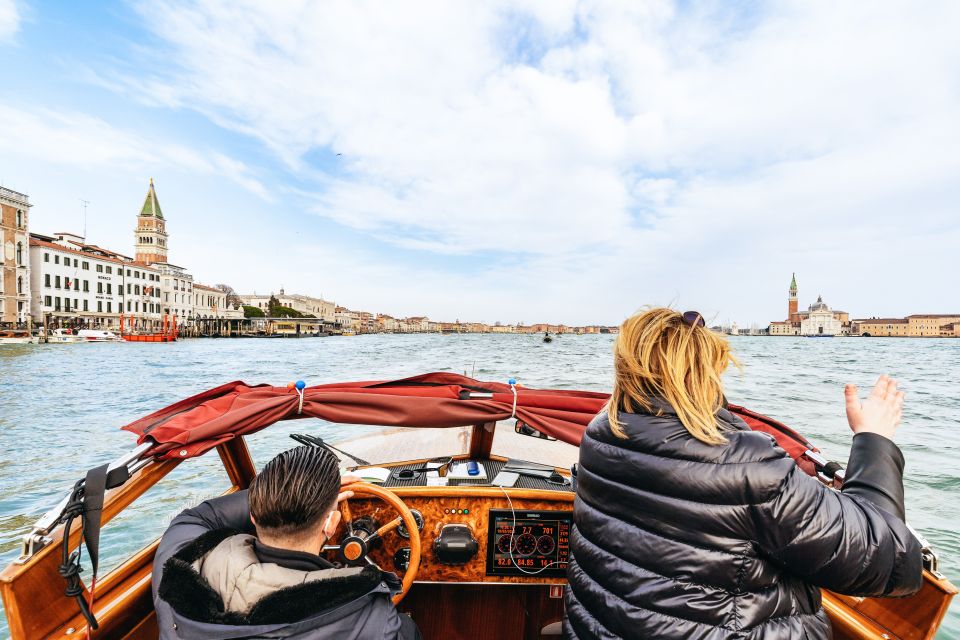
A motorboat on Venice canals gives you speed and angles that a slow glide can’t. You can also switch between inside and outside viewpoints depending on the setup, and many departures allow you to stand for photos once you’re deeper in the Grand Canal.
That said, there are practical tradeoffs:
- Boats can vary in crowding. Some departures run small, but there are also times when a boat can feel snug for a bigger group.
- Windows may not always be spotless. If you’re trying to take photos through glass, you might want to stand when you can.
- Water can get choppy. The ride is usually fun, but in windy or stormy conditions, holding your balance matters and staying layered pays off.
If you’re the type who hates discomfort, you might feel happier choosing a less crowded departure time and arriving early so you’re settled before pushing starts.
Price and value: what $53 buys you in Venice
At $53 per person for a 1-hour Grand Canal tour with live English narration, I see this as value for three reasons.
First, you’re paying for distance. You get the big canal route and a cluster of major landmarks in one go, not just a short canal loop. Second, you’re paying for interpretation. Without narration, the Grand Canal can blur into pretty buildings and water traffic; with narration, it turns into a map you carry in your head. Third, it’s a strong alternative if gondolas are appealing but time is limited.
You won’t be eating or drinking on board. But you also won’t lose half the day to one slow activity. This tour is built for sightseeing efficiency: see, orient, then choose your next move.
Who should book this Grand Canal boat tour
I’d book it if you:
- Want a fast orientation to Venice’s main sights without committing to a full-day tour
- Prefer architecture and landmarks with context over random photo stops
- Like being on the water for the view, even if you’re not doing a classic gondola
- Appreciate live commentary that helps you understand what you’re passing
I’d think twice if you:
- Need wheelchair access (this tour isn’t suitable)
- Hate tight seating or you’re very sensitive to wind and water movement
- Expect food and drinks as part of the experience (they’re not included)
Should you book the Venice Grand Canal Boat Tour?
If your goal is to see the Grand Canal, hit the must-see landmarks like Rialto and La Madonna della Salute, and still have time for the rest of your Venice day, I’d say yes. The 1-hour format is the sweet spot: enough time to cover the big sights without burning your energy.
Book it especially if you want your architecture questions answered while you’re still near the action. If you prefer comfort above all else, choose your time wisely and dress for wind. Either way, this is one of the clearest ways to understand Venice from the waterline.
FAQ
What is the duration of the Venice Grand Canal boat tour?
The tour lasts 1 hour.
Where do I meet for the tour?
Meet at the Alilaguna ticket office in front of the Royal Gardens, near St. Mark’s Square. It’s on the right side when you leave St. Mark’s Square, at the far end of the row of souvenir stalls.
What’s included in the ticket price?
Included are a hostess, the motorboat, and the cruise.
Are food and drinks included?
No. Food and drinks are not included.
Is the tour wheelchair accessible?
No, it is not suitable for wheelchair users.
Are there days when the tour doesn’t run?
Yes. It does not run on Vogalonga (usually in May), on Christmas (Dec. 25 and 26), or on New Year’s Day.