REVIEW · VENICE
Classic Venice: 2-Hour Walking Tour with Basilica Entry
Book on GetYourGuide →Operated by Bucintoro Viaggi · Bookable on GetYourGuide
Two hours, and Venice starts making sense. With a private guide, you’ll walk St. Mark’s Square, focus on the St. Mark’s Basilica experience, and get the big-picture context that makes the sights click fast. One catch: due to restoration, you may not be able to enter the basilica interior, with the tour shifting to the terrace and museum instead.
I like that this is built around the landmark details you’d otherwise miss—Clock Tower proportions, the way the Procuratie buildings frame the square, and why the Bell Tower matters so much. The Bridge of Sighs is another win: it’s quick to reach, but your guide turns it into a real story, not a postcard.
You’ll go in a private group (up to 9), with a professional guide in English, Italian, French, German, or Spanish. It starts at the Alilaguna ticket office in front of the royal gardens gate and finishes right back where you started.
In This Review
- Key things I’d zero in on
- Meeting at the Alilaguna gate and finding your footing in St. Mark’s
- St. Mark’s Square walkthrough: Clock Tower, Procuratie, and the street lines
- Basilica time: what you get now (and what you’d see when the interior is open)
- St. Mark’s Bell Tower: Venice’s height obsession (and the 1902 rebuild)
- The Bridge of Sighs: from prison passage to last-glimpse legend
- How the private 2-hour format really feels on foot
- Price and value: $283.21 per group up to 9
- When the basilica interior is off-limits: how to adjust without disappointment
- A note on guide quality: Elisabetha and the old-meets-new approach
- Should you book this Classic Venice walking tour?
- FAQ
- What does the tour include?
- Can I enter St. Mark’s Basilica during restoration?
- Is the Doge’s Palace included?
- How long is the walking tour?
- Is this a private tour?
- Where do we meet, and where does the tour end?
- What languages are available for the guide?
- Are tours available every day?
- Is it possible to visit the basilica on Sunday morning?
- What’s the ticket and cancellation policy like?
Key things I’d zero in on
- A tight 2-hour St. Mark’s route that keeps you oriented without feeling rushed
- Basilica access priorities, with terrace and museum visits if interior entry isn’t possible
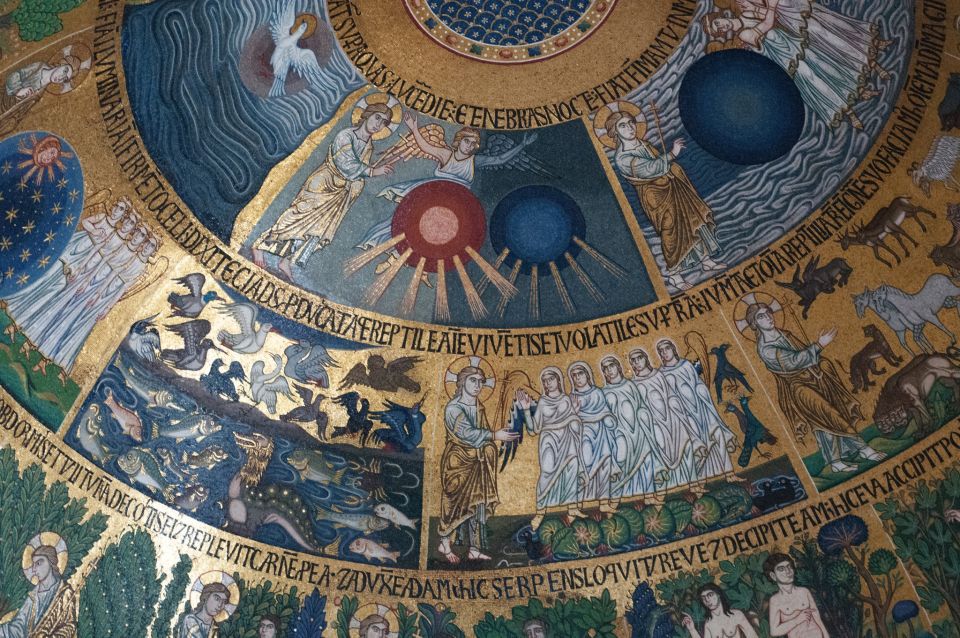
- Bell Tower facts that change how you look at Venice’s skyline (including the 1902 crash and rebuild)
- Bridge of Sighs meaning, connecting the prison and Doge’s Palace with the legend attached
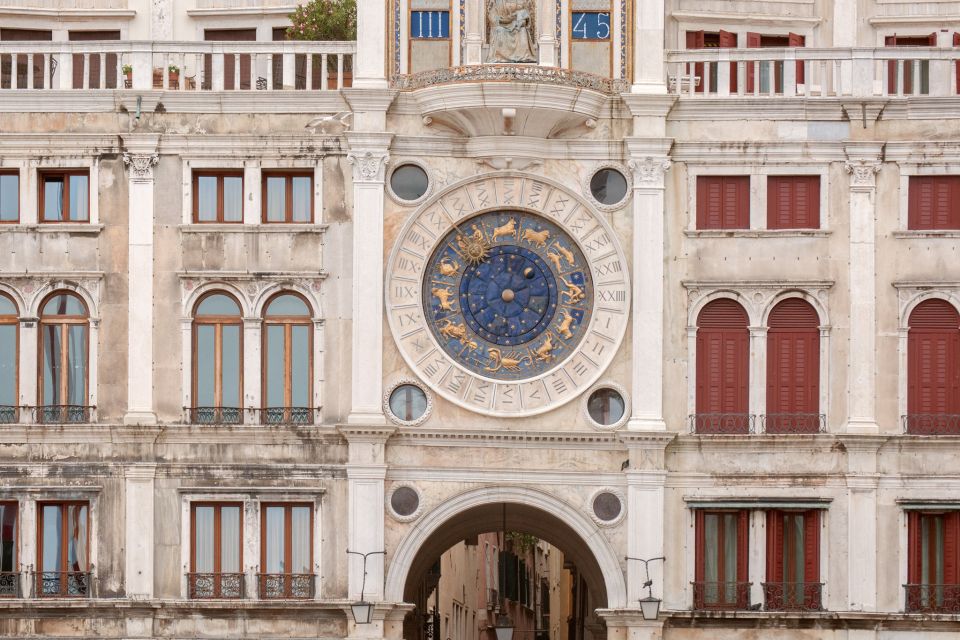
- Architecture lessons in plain language around the Clock Tower, Procuratie, and the Mercerie streets
Meeting at the Alilaguna gate and finding your footing in St. Mark’s
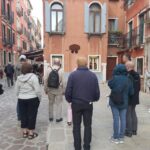
Your tour begins at the Alilaguna ticket office, right in front of the royal gardens gate. That location is smart because it puts you at the edge of the action, close enough to reach St. Mark’s fast, while still giving you a moment to get oriented.
The first minutes matter in Venice. St. Mark’s Square looks simple from afar, but the angles, entrances, and sight lines are what make it work. A private guide helps you move like you belong there, instead of stopping every 30 seconds to re-check where you are.
In a private group (up to 9), you’ll also get more flexibility with pacing. If your group has questions, the guide can answer them immediately, in whatever language you booked (Spanish, French, German, English, or Italian).
You can also read our reviews of more walking tours in Venice

St. Mark’s Square walkthrough: Clock Tower, Procuratie, and the street lines
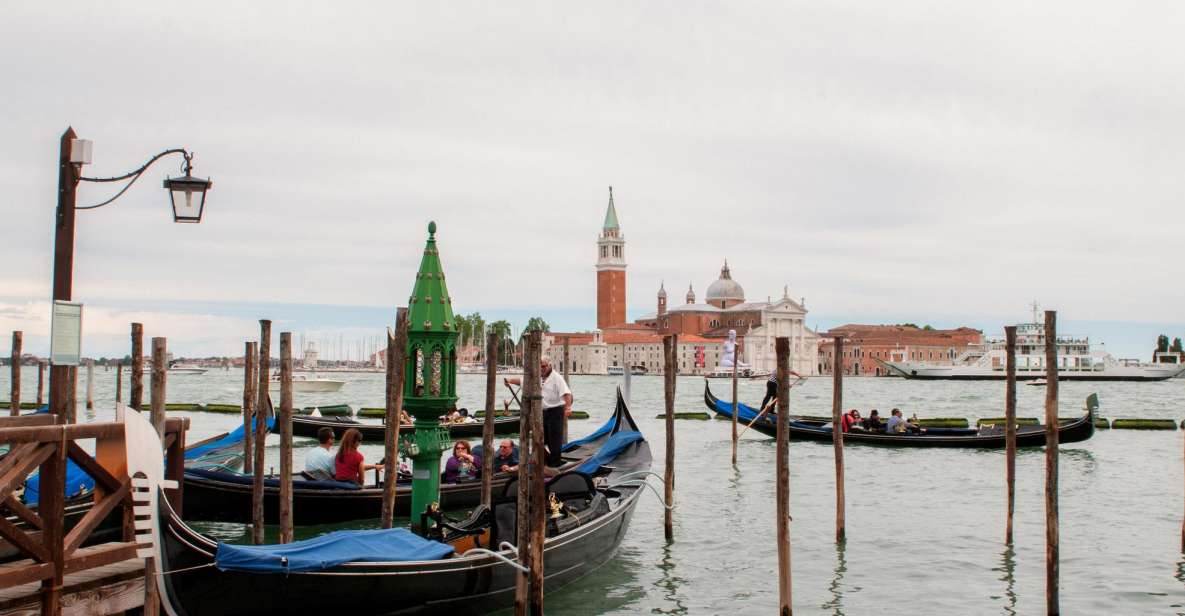
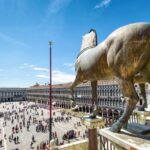
Once you’re in the square, you’re not just walking past famous buildings—you’re learning how they frame the space. The tour focuses on the three-sided backdrop that makes St. Mark’s feel like a stage: the Procuratie Vecchie, Procuratie Nuove, and the wing known as Ala Napoleonica.
You’ll also get context for the 15th-century Clock Tower, which is more than a landmark. Your guide will explain why it sits where it does and how the square’s layout influences what people see while crossing the open area.
One detail I appreciate is how your guide ties it to the street grid. St. Mark’s Square connects to the Mercerie, the commercial streets that run into Venice’s core. Even if you don’t do long wandering afterward, understanding the Mercerie axis helps you plan your next steps.
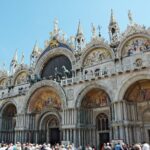
And yes, St. Mark’s Basilica dominates one side of the square. You’ll get oriented to its position relative to the open plaza, so when you look up again later, you’ll know what you’re seeing.
Basilica time: what you get now (and what you’d see when the interior is open)
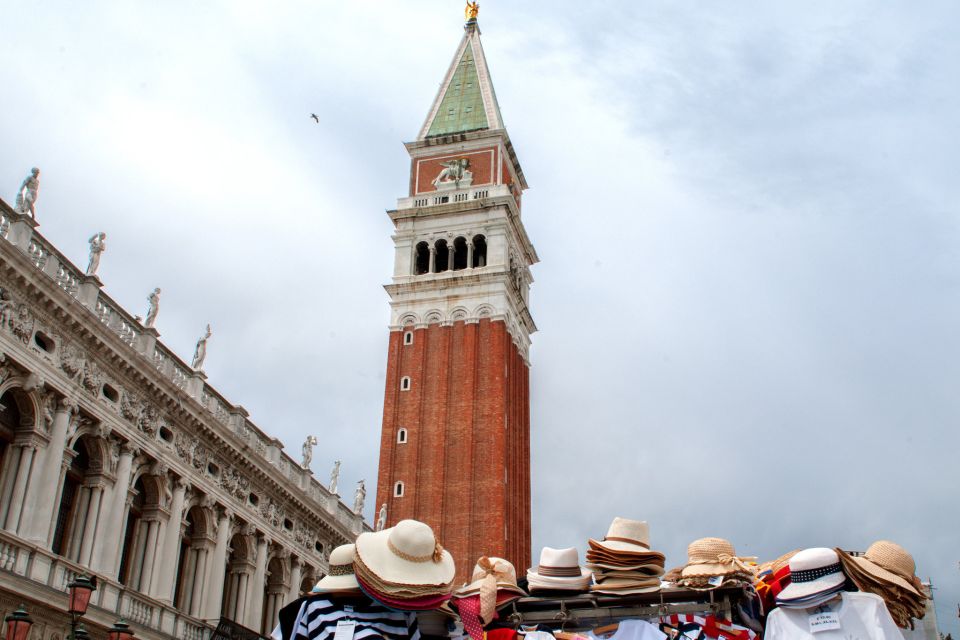
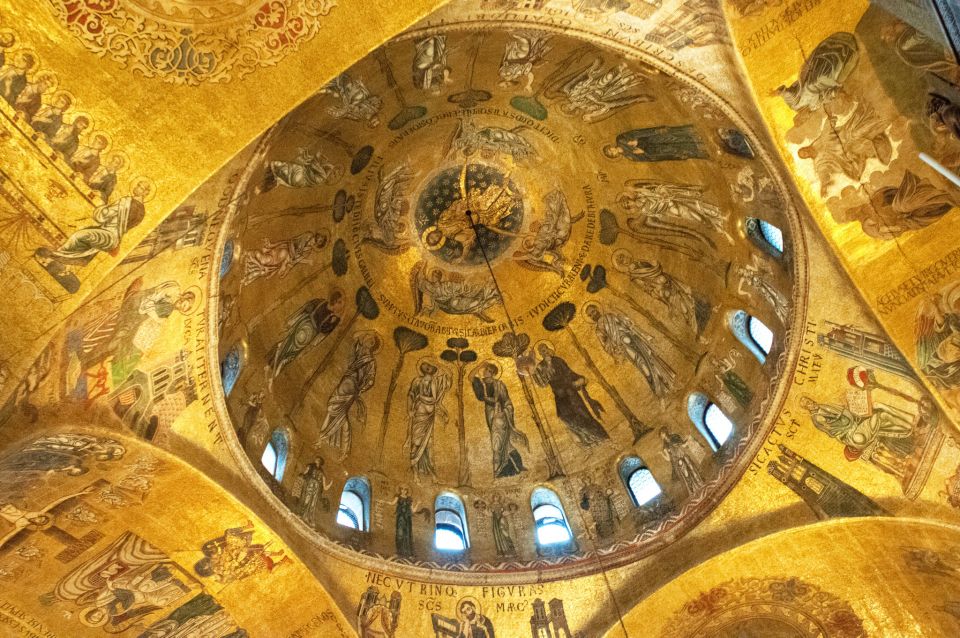
The basilica is the centerpiece, but current restoration changes the on-the-ground experience. Until further notice, interior entry isn’t possible due to restoration work, so the tour shifts to the basilica terrace and its museum instead.
That sounds like a downgrade until you think about what you need from a guide-led visit. The real value isn’t only stepping inside—it’s knowing what to look for and understanding what each treasure represents. Even when you can’t enter the nave the usual way, your guide can still point out major works and explain their significance.
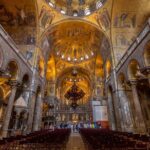
The basilica’s famous highlights include things like the Pala d’Oro, statues, intricate glass, and carvings. When interior access is available, the tour aims to have you admire these in person. Right now, you’ll still get the interpretive story and you’ll see basilica-related pieces through the museum experience and from vantage points tied to the building.
So what does that mean for you? If you’re coming expecting a full “walk-in and explore every room” type of entry, adjust expectations. But if you want to understand why St. Mark’s is so important—both visually and historically—the terrace and museum route can still be very satisfying.
Tip: plan for standing time. Even with a short tour, St. Mark’s weather and crowds can make a terrace or museum stop feel longer than the clock says.
St. Mark’s Bell Tower: Venice’s height obsession (and the 1902 rebuild)
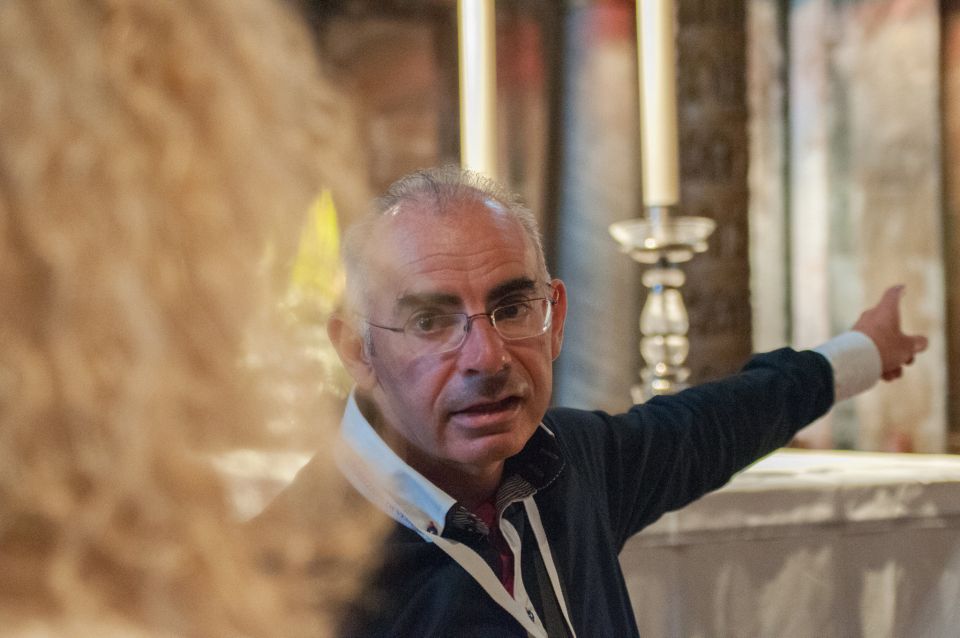
Next up is the St. Mark’s Bell Tower, described for good reason as the highest structure in Venice. That fact alone changes the way you read the skyline. Venice doesn’t build tall often, so when it does, it’s for a reason.
Your guide will cover its timeline, including that it was originally built in the 9th century and rebuilt multiple times. Then comes one of the most useful stories to know before you look: the tower unexpectedly crashed to the ground in 1902, and it was rebuilt following the original design, incorporating the ancient bells.
That’s the kind of detail that makes the architecture feel alive. You stop thinking of the tower as a photo target and start seeing it as a survivor—rebuilt after disaster, shaped by evolving Venice.
This is also where having a guide in front matters. You get the “why” and “how,” not just the “what.” And because the square is such a tight viewing environment, your guide will also help you position yourself for better sight lines without wasting time.
The Bridge of Sighs: from prison passage to last-glimpse legend
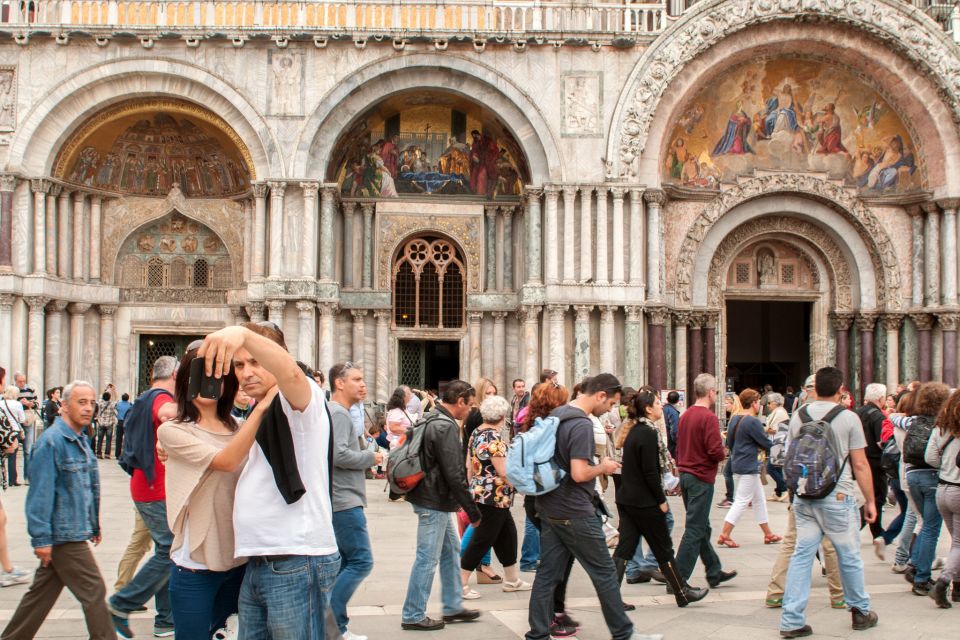
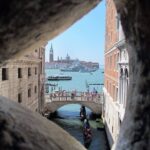
The tour includes the Bridge of Sighs, connecting the Palazzo delle Prigioni (prison) and the Palazzo Ducale (Doge’s Palace). It’s called the Bridge of Sighs because, in earlier times, convicts were forced through this route into prison.
Then there’s the legend. The story goes that when prisoners had their last glimpse of Venice, they’d let out a sigh. Whether you treat legends as literal truth or just human storytelling, it changes your reaction when you stand by the bridge.
Here’s why I think this stop is valuable: it gives you an emotional reference point for architecture. Venice isn’t just pretty. It also has rules, power, and punishment in its bones. Your guide makes that connection clearly, without turning it into a lecture.
One practical note: the tour does not include entrance to the Doge’s Palace itself. The Doge’s Palace ticket is purchased on-site, and your tour ticket only covers basilica entry (when available under current rules).
So you’ll experience the Bridge of Sighs as a story and a sight, even if you don’t go inside the palace rooms.
You can also read our reviews of more tours and experiences in Venice




How the private 2-hour format really feels on foot
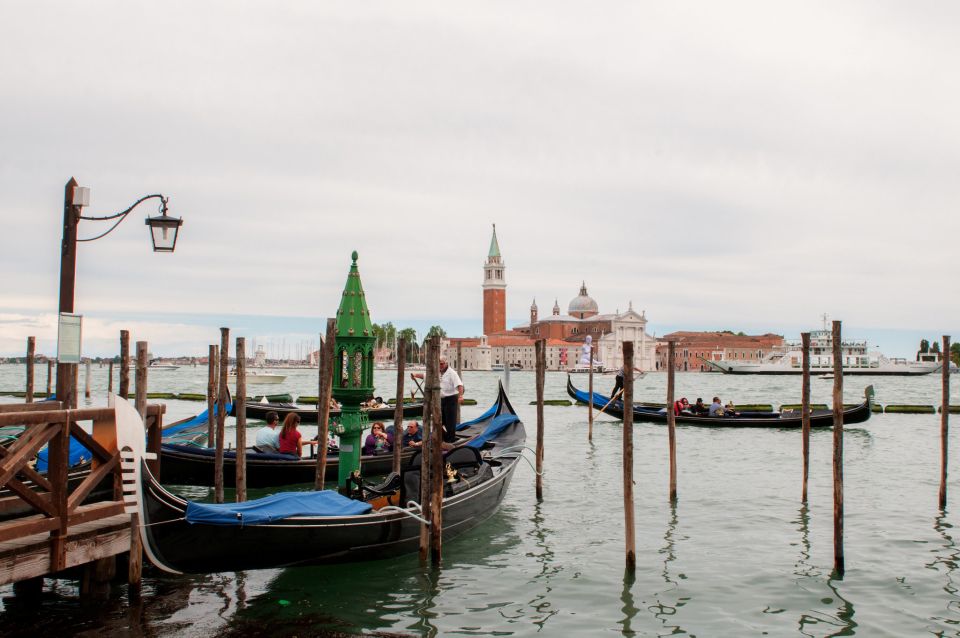
A 2-hour walking tour sounds short, and it is. But it’s the right length for St. Mark’s because the area is dense and confusing if you’re doing it solo. You can easily spend an extra hour just figuring out what’s where.
In this format, the guide handles the pacing and sequencing:
- You start with square orientation.
- You cover the basilica’s key context and museum/terrace experience.
- You move to the Bell Tower story.
- You end with the Bridge of Sighs meaning.
Because it’s private, your group isn’t competing with another group’s pace. That matters if you like photos, have mobility limits, or just need occasional explanations to digest the visual overload.
Also, the tour guide’s language options make a difference. A good guide who can explain concepts clearly in your language helps you avoid that “I heard something, but I missed it” feeling. Guides are available every day except national and religious holidays, with standard service beginning at 09:00.
If you’re hoping for an extra-rich experience, this tour is best when you go in with moderate curiosity. If you want hours inside buildings, pair it with separate time for the Doge’s Palace or other museums.
Price and value: $283.21 per group up to 9
This tour is priced at $283.21 per group (up to 9 people). That changes the math dramatically compared to per-person pricing.
If you’re traveling as a small group—two, three, four, even six—this becomes good value fast, especially because it’s private and includes the basilica entry ticket when it’s available. You’re paying for a guide to:
- save you time on orientation in a crowded zone,
- explain what you see,
- and help you access timed entry with the right advance reservations.
If you’re traveling solo, it’s naturally less “deal-like,” because the cost doesn’t shrink with one person. In that case, decide based on your own style:
- If you like independent wandering and don’t need much interpretation, you might do cheaper on your own.
- If you want the basilica, bell tower context, and the bridge story handled efficiently, the private structure is the point.
Bottom line: this is a money-sensible choice when you have companions to share the group cost, or when you value having a professional interpret the landmarks instead of just collecting photos.
When the basilica interior is off-limits: how to adjust without disappointment
The tour has a clear limitation right now: basilica interior access is not possible due to restoration. Instead, you’ll visit the terrace and museum.
That shift can be a letdown if your main goal is “walk in, explore, take your time.” But it can still be satisfying if you treat the visit as a guided understanding of St. Mark’s rather than a checklist of rooms.
Also, religious functions can affect access. It isn’t possible to visit St. Mark’s Basilica on Sunday mornings or on religious holidays. If your dates land on those windows, your best move is to confirm what the tour can offer on the specific day you book.
This is the kind of situation where a guide’s job matters more, not less. They can keep your experience coherent even when the plan changes, and that’s when good guides really show their skills.
A note on guide quality: Elisabetha and the old-meets-new approach
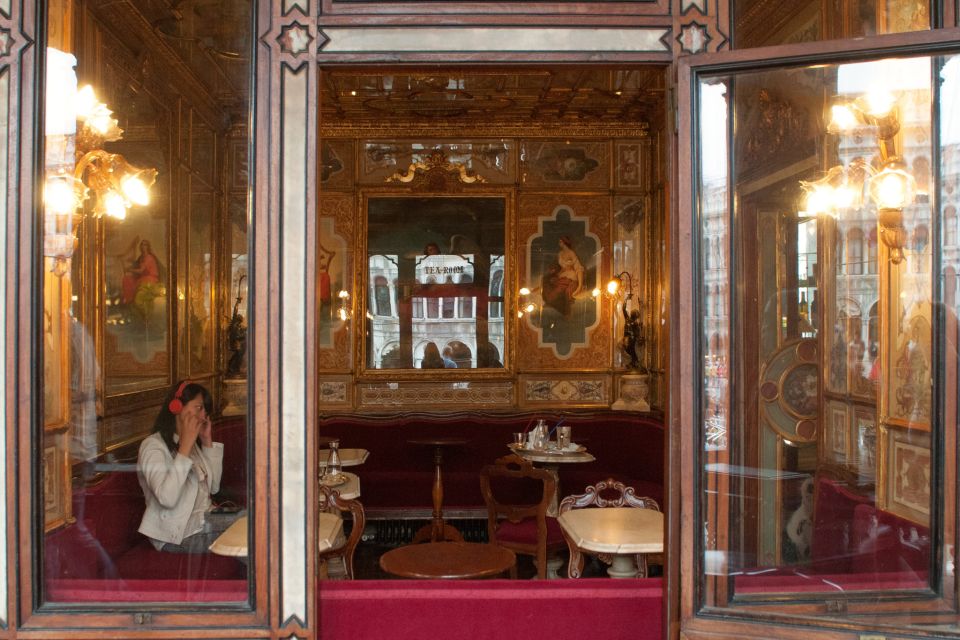
One thing I’d trust in this experience is the guide style. In particular, some guides have a way of explaining both old Venice and modern Venice in a way that feels varied and fun, not like reciting facts.
If you get a guide with that approach—like Elisabetha, who’s been praised for making Venice feel connected across eras—you’ll likely leave with more than photos. You’ll have a mental map: what’s literal, what’s symbolic, and why the city keeps repeating certain design ideas.
Adaptability also matters in St. Mark’s, where crowds and timing can shift fast. A guide who can adjust on the fly keeps your 2-hour window feeling smooth instead of chaotic.
Should you book this Classic Venice walking tour?
Book it if you want a focused, guided orientation to St. Mark’s Square and the stories behind three headline sites: St. Mark’s Basilica (now via terrace and museum), the Bell Tower, and the Bridge of Sighs. It’s also a strong pick if you’re traveling as a group and can split the group cost for private attention.
Skip it or rethink your plan if:
- you specifically need full interior access to St. Mark’s Basilica on your dates, or
- you prefer self-guided wandering and don’t want to pay for narration.
My take: for most people, this is an efficient way to understand Venice’s most famous corner. It’s not a long, slow museum day. It’s a smart “get it all together” walk that sets you up for the rest of your trip.
FAQ
What does the tour include?
The tour includes the entrance ticket to St. Mark’s Basilica (except Sunday morning and during religious feasts; entrance must be reserved in advance). You’ll also visit St. Mark’s Square, see St. Mark’s Bell Tower, and visit the Bridge of Sighs.
Can I enter St. Mark’s Basilica during restoration?
Until further notice, entrance inside St. Mark’s Basilica is not possible due to ongoing restoration work. The tour will instead visit the basilica’s terrace and its museum.
Is the Doge’s Palace included?
No. Entrance ticket to the Doge’s Palace is not included and is purchased at the site. The tour includes seeing the Bridge of Sighs, which connects the prison and the Doge’s Palace.
How long is the walking tour?
The duration is 2 hours.
Is this a private tour?
Yes. It’s a private group tour, with price set per group up to 9 people.
Where do we meet, and where does the tour end?
You meet at the Alilaguna ticket office in front of the royal gardens gate, and the tour ends back at the meeting point.
What languages are available for the guide?
Guides are available in Spanish, French, German, English, and Italian.
Are tours available every day?
Guides are available every day except on national and religious holidays. Standard service begins at 09:00 AM and has a 2-hour duration.
Is it possible to visit the basilica on Sunday morning?
No. It’s not possible to visit St. Mark’s Basilica on Sunday mornings or on religious holidays. The tour’s basilica access follows those rules.
What’s the ticket and cancellation policy like?
You can cancel up to 24 hours in advance for a full refund, and you can reserve now and pay later to keep your plans flexible.