REVIEW · VENICE
Venice: Rialto Bridge & Offbeat Unusual Venice Walking Tour
Book on GetYourGuide →Operated by CITY TOURS CO LTD · Bookable on GetYourGuide
A good Venice walk hides in plain sight. This Rialto Bridge area tour pairs big landmarks with small, weird details you’d miss on your own, including the trail around Casanova. I especially love the way the guide steers you into quieter alleys while still keeping the classics in view, and I like that the optional gondola is built in without turning the whole outing into a rushed ticket grab. One possible drawback: you’ll need solid, comfortable shoes and the route isn’t a good fit for wheelchair users.
You’ll cover key sights around San Marco and Rialto for about 2 to 3 hours, but the real point is what you learn while you’re moving—how Venice’s layout works, what to look for in the stonework, and which spots give you better photos than the usual jam at the bridge. If you get a guide like Valentina (or Francesco or Rosalina, depending on your group), you’re likely to come away with a Venice that feels more lived-in and less like a postcard.
In This Review
- Key things to know before you go
- San Marco and Rialto: why this area works for an offbeat tour
- The 2–3 hour route: what you’ll actually do on foot
- Rialto Bridge: the story you get when you stop staring at it
- Casanova’s House and the Venice of characters
- Scala Contarini del Bovolo: an architectural side quest worth taking
- La Fenice and the art of finding meaning in facades
- Grand Canal photo stops: where better shots start with better angles
- Optional gondola: the short intro and the 30-minute ride
- Pacing, audio gear, and why guide quality changes everything
- Value check: is $28 a good deal for this mix?
- Who should book this Rialto & Offbeat Venice walk
- Should you book it? My practical recommendation
- FAQ
- How long is the Rialto Bridge & Offbeat Unusual Venice Walking Tour?
- Is the gondola ride included?
- Where does the tour start and end?
- What languages are available for the guide?
- What should I bring, and what isn’t allowed?
- Is the tour wheelchair accessible?
Key things to know before you go
- Rialto Bridge meets offbeat Venice: you’ll focus on the San Marco and Rialto neighborhoods, not just the obvious photo stops.
- Big names, small angles: Scala Contarini del Bovolo, Casanova’s House, and La Fenice show up as background clues for deeper stories.
- Grand Canal photo opportunities: the walk is designed to help you find better sight lines for incredible shots.
- Optional gondola that’s timed well: choose the option for a short gondola intro plus a 30-minute ride.
- Audio receivers can matter: if your group is over 10, you’ll use audio gear to hear the guide clearly on busy streets.
- VR/virtual add-on may appear: some groups describe a virtual reality segment as part of the experience, which changes how the time feels.
San Marco and Rialto: why this area works for an offbeat tour
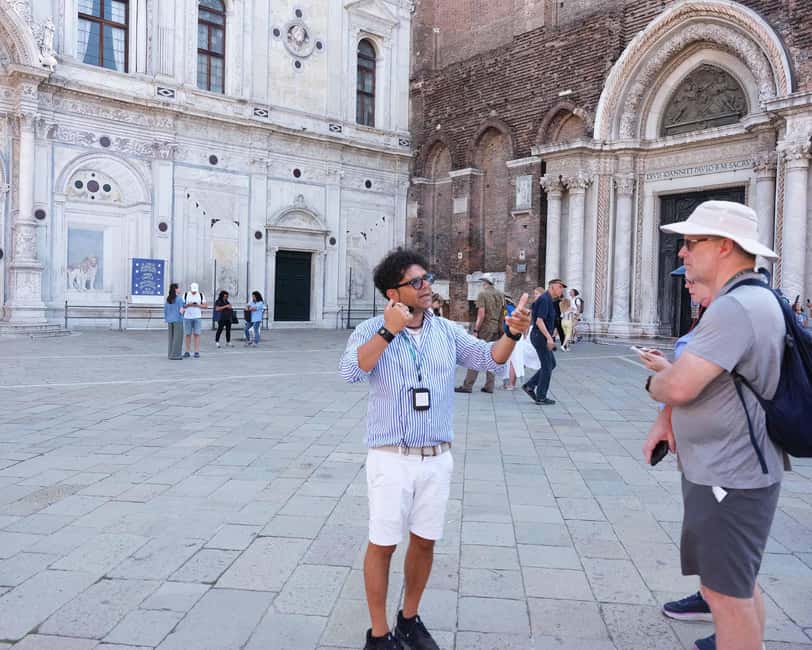
San Marco and Rialto are the high-visibility core of Venice, but they’re also where the city’s contradictions show up fastest. You can stand near iconic views and still slip a few steps away into narrow lanes where life feels quieter, more local, and more practical. That’s exactly what this kind of walk is built for: you get the famous structures as context, then you move into the in-between places where Venice’s charm is hiding.
I like how the tour uses the area like a living classroom. Instead of treating sights like isolated stops, your guide points out the logic of streets, why certain facades catch the light, and how the city’s infrastructure shapes what you see at ground level. In real-world terms, you’ll come away with better bearings—so the rest of your days in Venice feel easier.
There’s also a nice balance in the pace: you get to pass major landmarks without constant stopping, which helps you avoid turning the tour into a slow shuffle at every corner. That matters in Venice, where foot traffic can turn even a short walk into a slow-motion obstacle course.
You can also read our reviews of more walking tours in Venice

The 2–3 hour route: what you’ll actually do on foot
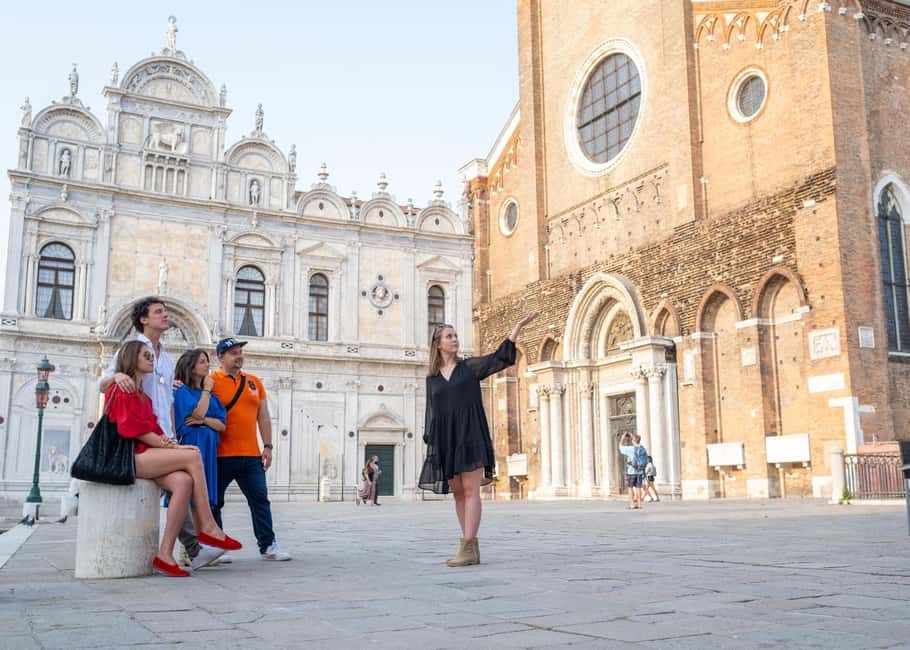
Plan on a 2–3 hour outing that starts and ends back at the meeting point. There’s no hotel pickup, so you’ll want to show up early enough to find the group without stress. The meeting point can vary by option, so don’t rely on memory from previous Venice tours—check the confirmed details when you book.
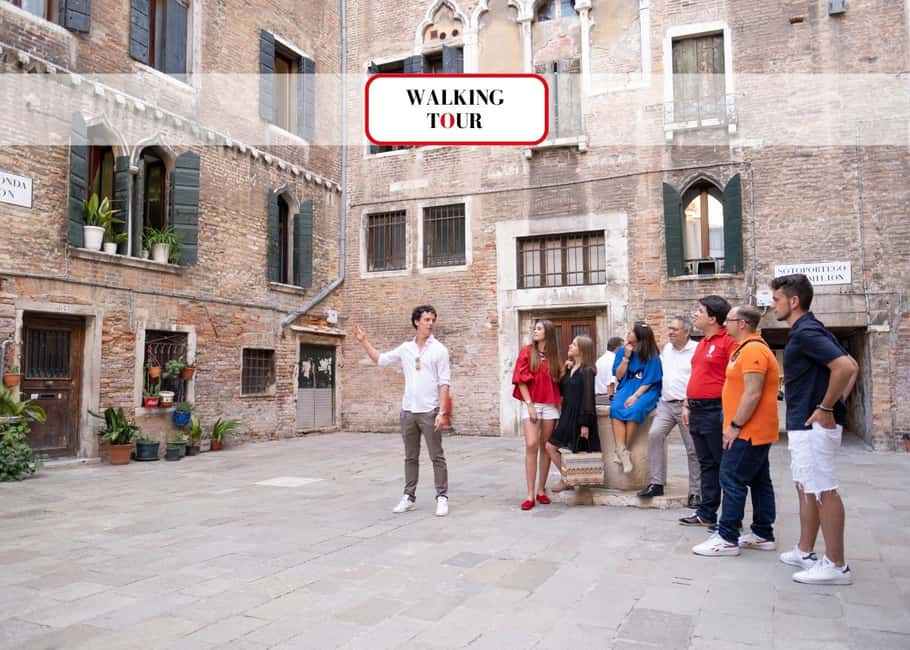
What makes the route work is that it’s structured for movement. You’ll spend time walking through the San Marco and Rialto area while your guide times stories around what you can see. Expect a mix of exterior views, architecture spotting, and small “look closer” moments—things like markings on the street and clues in the stonework that explain how Venice functions day to day.
You should also mentally budget for the optional gondola if you select it. That changes the whole rhythm: the walk becomes part one, then you transition to the water for part two. Some people find the overall experience feels a bit shorter on the walking side depending on how the gondola and any added segments fit together, so keep a little flexibility in your schedule.
Finally, you’ll want to travel light. The tour doesn’t allow luggage or large bags, so pack smart—Venice is already a tight squeeze even without extra bulk.
Rialto Bridge: the story you get when you stop staring at it
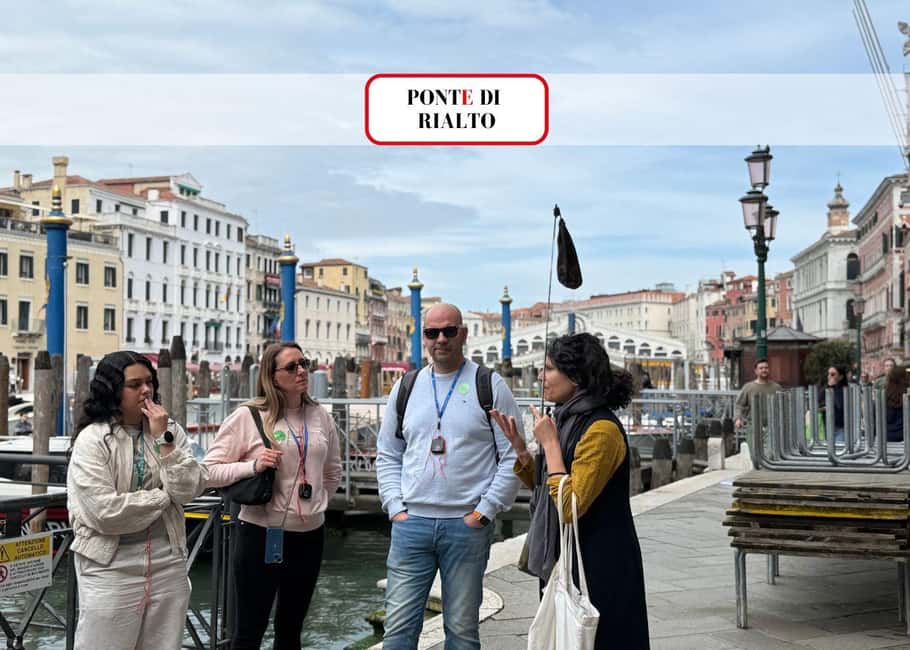
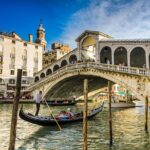
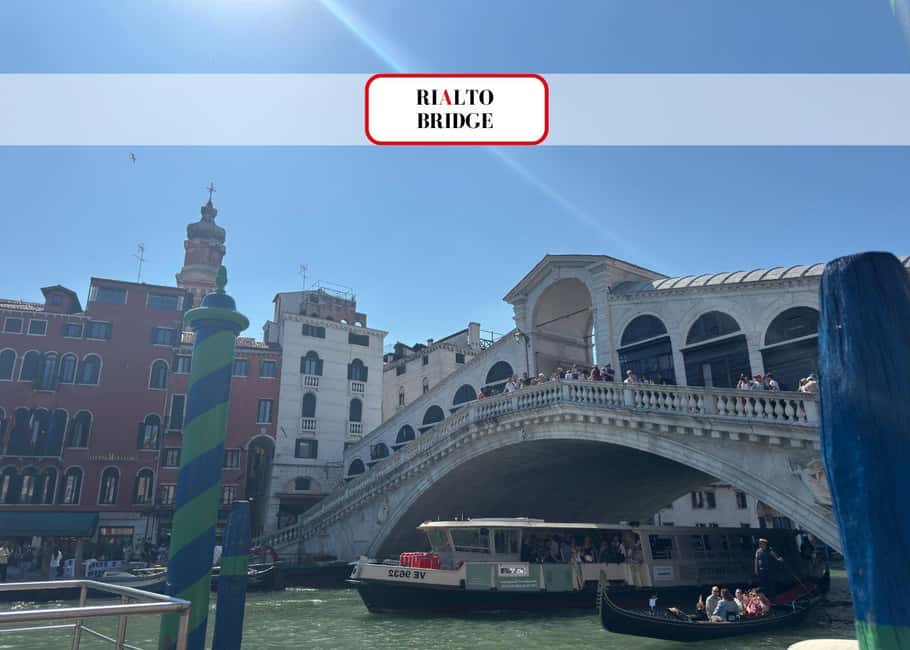
Rialto Bridge is one of those places everyone photographs—then everyone leaves. This tour flips that script by treating the bridge area like a jumping-off point into lesser-visited corners nearby.
As you move around Rialto, you’ll hear the kind of background that makes the bridge feel less like a monument and more like a hub. Your guide helps you connect the dots between the bridge’s role and the surrounding streets, so you start noticing patterns instead of just snapping pictures. It’s the difference between seeing a view and understanding why you’re standing where you’re standing.
You’ll also get guided “insider angles.” That means knowing where to pause for better lines toward the Grand Canal and where to walk to avoid the tightest crowd bottlenecks. If you like photography, this is where you’ll feel the value—because you’re not just looking at the bridge, you’re hunting for the right sight lines.
And yes, the tour is designed to get you off the beaten path. You’ll spend real time in the maze of Venice lanes around the San Marco and Rialto districts, which is where the city’s personality shows up.
Casanova’s House and the Venice of characters
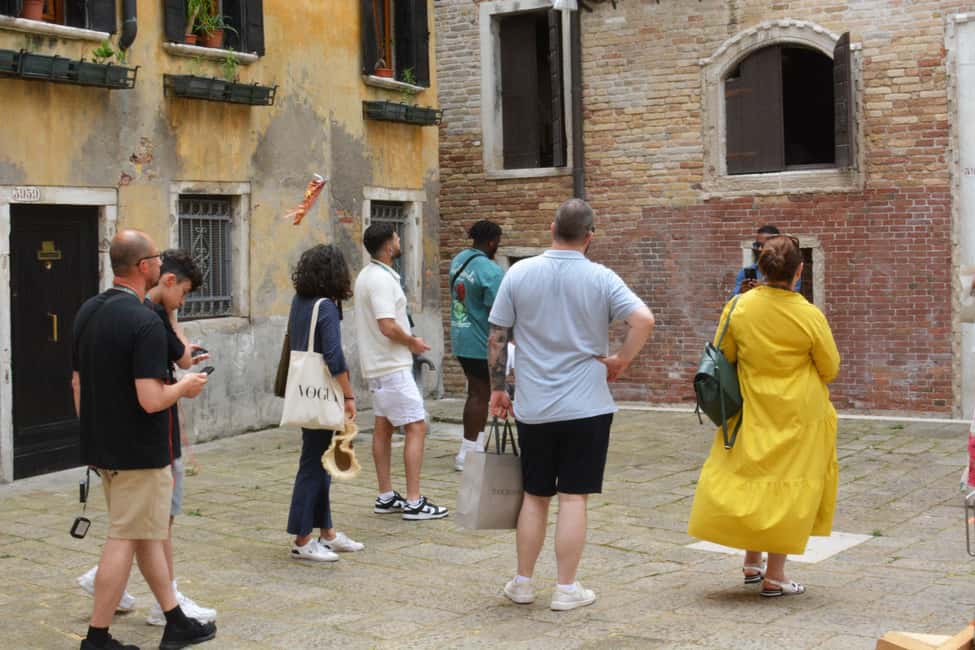
One of the most fun parts is the tour’s focus on Giacomo Casanova. Instead of keeping him as a name on a plaque, the walk points you toward locations tied to his legend—especially around the Casanova House area.
This kind of storytelling works well in Venice because the city’s history is written into details: alley widths, building facades, and the way people historically moved through the city. When a guide connects Casanova’s story to place, you start to see Venice as a stage, not just a set of postcard views. If your guide is the talkative, anecdote-friendly type—people like Valentina, Francesco, and Rosalina get mentioned often—you’re likely to enjoy the blend of architecture and character.
I also like that the tour doesn’t treat history like a lecture. It tends to include lighter, human-scale details that make the city feel more current. You might hear pop-culture detours and everyday notes—like how rainwater collection worked in Venice, plus small street-level observations such as cat lore or the meaning behind certain markings. Those aren’t “extra” facts; they help you read the city while you’re walking through it.
Scala Contarini del Bovolo: an architectural side quest worth taking
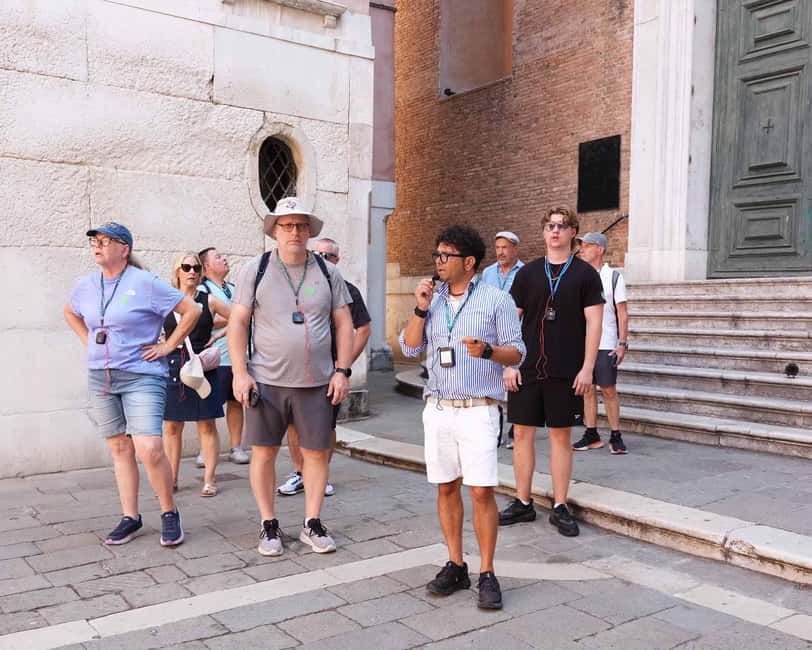
Venice has a way of hiding gems in plain sight, and Scala Contarini del Bovolo is exactly that kind of stop. Your guide brings it up as part of the route, and the key value here is learning how to look at it.
The stair tower—famous for its spiral form—stands out visually, but it’s also a good example of Venice’s mix of practicality and showmanship. This is where you’ll start noticing how Venetian architecture plays with vertical space, because the city can’t rely on wide streets to move people. Instead, it relies on clever design: stairs, bridges, courtyards, and those narrow cuts of passage that funnel you toward views.
Even if you’re not the type who normally geeks out on architecture, you’ll probably appreciate the tour’s pacing around this area. It’s not just “here it is.” You’ll get enough context to understand why the structure looks the way it does and how it fits into the larger neighborhood.




La Fenice and the art of finding meaning in facades
La Fenice Theatre (Teatro La Fenice) shows up in the tour as another landmark that helps you understand Venice’s relationship with drama and craft. You’ll get views around the opera house area, and the guide’s job is to point out the details that make it more than just a famous name.
What I like about including La Fenice on this kind of offbeat walk is that it gives you a change in tempo. You go from quiet alley stories back to a major public space, and that contrast helps the entire city feel more complete. You’ll also get practice in reading Venice visually: where to look for ornament, where to notice building scale, and how facades communicate what used to happen in those spaces.
If your goal is to see beyond the usual checklist, this kind of stop helps. You’re not trying to cram an “attraction day” into a few hours. Instead, you’re collecting small pieces of the city’s identity as you go.
Grand Canal photo stops: where better shots start with better angles
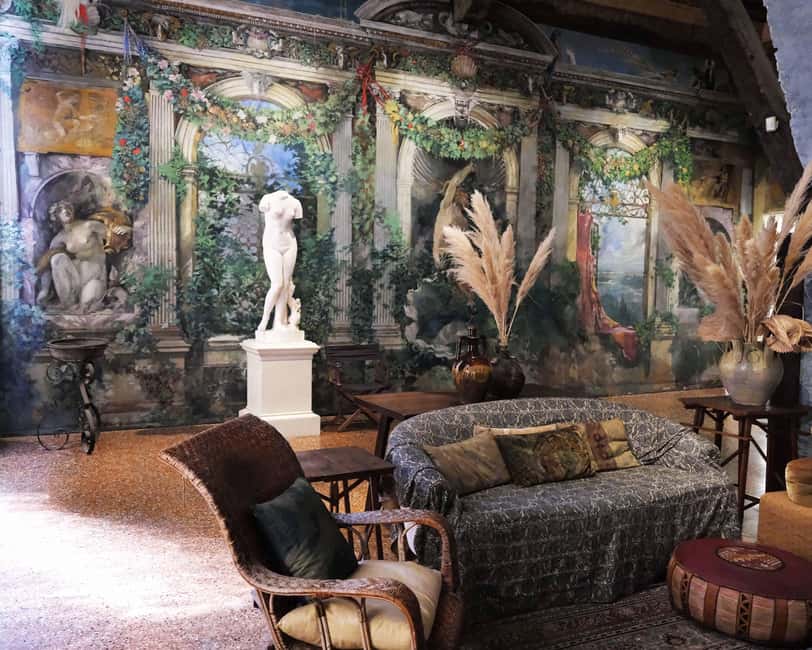
The tour specifically highlights the Grand Canal’s best hidden gems for incredible shots, and that matters more than people expect. In Venice, the “perfect” photo is often less about the location and more about the angle you take before you hit the crowds.
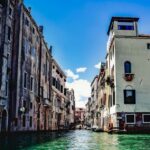
On this walk, you’ll be guided toward sight lines that give you more layered views—frames where buildings stack naturally, water catches light, and bridges create depth. This is the kind of guidance that saves you time. Instead of bouncing around trying to find angles by trial and error, you’re using the route’s structure to get better results with less walking stress.
If you’re traveling with a camera (phone counts), wear clothes you don’t mind getting a little gritty from close-up Venice pavements. You’ll likely stop more than you expect for quick framing adjustments. The upside: by the time you’re done, you’ll have more “Venice that looks like Venice” photos and fewer that look like every other tourist shot.
Optional gondola: the short intro and the 30-minute ride
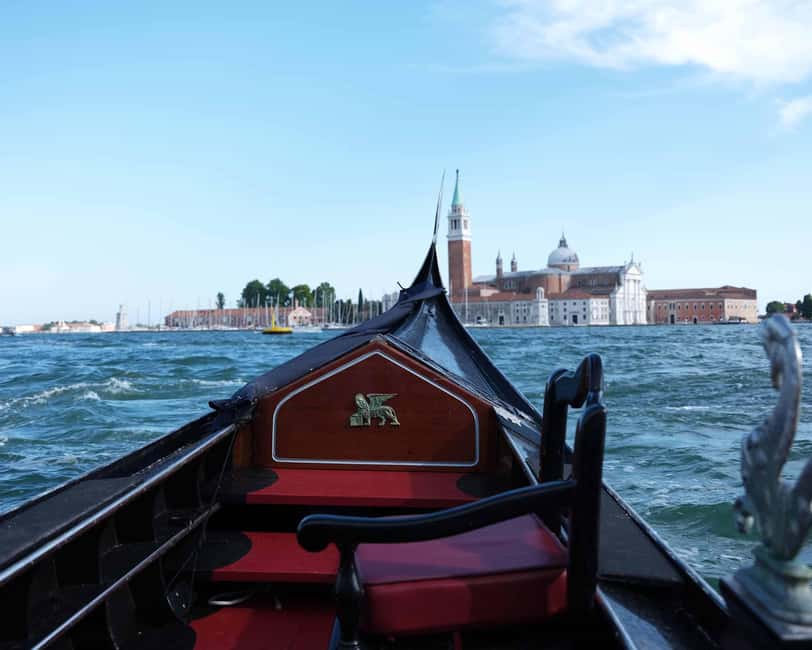
If you select the gondola option, you get a short introduction—about 15 minutes—followed by a guided gondola ride of about 30 minutes. This is a smart setup because it prevents the gondola from feeling like a chaotic add-on. You get oriented, then you’re off on the water.
One practical note: gondola timing can matter. There’s at least one story where a wrong time caused major stress until it got sorted. So do yourself a favor: when you get the exact gondola time, double-check it with the office so you’re not guessing while everyone else is lining up.
On the water, the best part is how the canals change the scale. You get to glide under bridges and see Venice from a perspective that makes the city feel smaller and more human. The ride experience described tends to focus on smooth handling—keeping the gondola close to the canal lines without touching—plus sometimes even singing from the gondolier. You don’t control that part, but it’s the kind of detail that turns a ride into a memory.
And remember: the gondola is optional. If your priority is walking and stories, skip it. If your priority is the classic Venice moment, pay for it and treat it like the highlight it is.
Pacing, audio gear, and why guide quality changes everything
This is the kind of tour where the guide can make or break your experience. The tour runs with a live guide and offers multiple languages: Spanish, German, Italian, French, and English. That language flexibility is helpful if you’re traveling with friends who need a specific language, and it also means you’re more likely to get clear explanations rather than “barely understood” facts.
For groups over 10, you’ll use audio-receiver devices. That’s more important in Venice than it sounds. Streets are noisy, echoes happen, and it can be hard to hear over other pedestrians. When the audio works, the tour feels effortless. When it glitches, it can slow things down—though the guides are used to fixing problems quickly.
As for group size, the operator offers private or small groups. In practice, smaller groups usually mean you can ask follow-up questions and actually hear the answers without playing conversational game of telephone. If you hate feeling like you’re watching a guide from a distance, choose the smaller group option when possible.
Value check: is $28 a good deal for this mix?
At $28 per person, this tour has a simple value proposition: you’re paying for guided time through the Rialto and San Marco neighborhoods plus the chance to add a gondola experience. Venice tours can swing wildly in price, and the big difference is often how much you get beyond walking near famous spots.
Here, the value comes from three areas:
- Location strategy: Rialto and San Marco can be overcrowded. Getting off the main flow is part of the bargain.
- Story density: you’re not only pointing at buildings. You’re learning how people historically lived, moved, and built the city’s infrastructure—like rainwater collection logic.
- Optional gondola without going full private: the gondola intro and ride time can turn a regular walking tour into a complete Venice day slice.
Is it “cheap”? It’s not free, and you are paying for a guided experience in a high-demand area. But it’s also not pricing itself like a private, luxury-only day. If you want a classic Venice element (the gondola) while still keeping the value side reasonable, this combo tends to make sense.
Who should book this Rialto & Offbeat Venice walk
This tour is a good match if you want:
- A guided way to see Rialto and San Marco beyond the obvious
- A photo-focused path that helps you find better angles on the Grand Canal
- Architecture-and-stories balance: Scala Contarini del Bovolo, La Fenice area context, and Casanova-linked history
- Options: you can skip the gondola or add it for the full water perspective
It’s less ideal if:
- You need wheelchair access (it’s not suitable for wheelchair users)
- You’re traveling with large luggage or bulky bags (not allowed)
- You’re hoping for a fully inside-the-building, ticketed attraction day (entry fees aren’t included, and the emphasis is walking and viewing)
Language-wise, you’re covered with English, French, German, Italian, and Spanish, and there’s a note that the tour could be bilingual depending on setup.
Also, Venice tide conditions matter. The tour doesn’t operate in cases of exceptionally high tides; it can be postponed to the next day or refunded in those situations. If you’re visiting during a period with known tidal disruption, build flexibility.
Should you book it? My practical recommendation
Book this tour if you want a Venice experience that feels like it’s designed by locals: practical routes, better photo angles, and stories that connect characters and architecture to place. The $28 price works best when you’re the kind of traveler who enjoys details—street markings, infrastructure notes, and how the city’s layout shapes your walk.
If you only care about the absolute biggest, most famous moments, you might find other Venice tours simpler. But if you want to leave the Rialto Bridge area with a real sense of how Venice is put together, this is the kind of guided mix that makes your next wandering day easier and more fun.
FAQ
How long is the Rialto Bridge & Offbeat Unusual Venice Walking Tour?
The tour lasts about 2 to 3 hours. Starting times vary, so check availability for the exact schedule.
Is the gondola ride included?
It’s optional. If you choose the gondola option, you get a 15-minute introduction and then about a 30-minute guided gondola ride.
Where does the tour start and end?
The meeting point can vary depending on the option booked, and the tour ends back at the same meeting point.
What languages are available for the guide?
The guide is available in Spanish, German, Italian, French, and English.
What should I bring, and what isn’t allowed?
Bring comfortable shoes. Luggage or large bags aren’t allowed.
Is the tour wheelchair accessible?
No. The tour is not suitable for wheelchair users.