REVIEW · VENICE
Private 3 hrs Venice Tour: St Mark’s, Walking tour & Boat tour
Book on Viator →Operated by Avventure Bellissime · Bookable on Viator
Venice can feel like a maze, so it helps to have a guide. This 3-hour private-style tour gets you skip-the-line entry to St. Mark’s and then pairs it with Grand Canal boat time—all with a small cap for a calmer experience. I especially like how the route mixes big-ticket sights with lesser-walked alleyways, so you get both the headlines and the texture of real Venice. One thing to keep in mind: you’ll need to follow the church dress code and be ready for schedule tweaks if St. Mark’s is affected by water or events.
I also like that the tour doesn’t just recite facts—it helps you understand what you’re seeing, from Venetian power to merchant life. Your guide is often a local, and names I’ve spotted for these departures include Christina Pigozzo, Francesco, Adriana, and Arriana. The only real drawback I’d flag is that audio can vary: in a few cases, people noted it could be hard to hear from a boat guide or when headsets weren’t available.
In This Review
- Key takeaways before you go
- Why St Mark’s plus Backstreets plus Boat is a smart combo
- Starting at Giardini Reali, Piazza San Marco: get your bearings fast
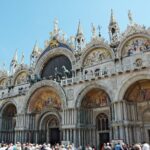
- St. Mark’s Basilica: the real win is the skip-the-line entry
- Piazza and Campo Santa Maria Formosa: more than quick photo stops
- Hidden Venice backstreets in Castello: where the city slows down
- The break between walking and the boat: use it like a local
- Grand Canal boat tour: Rialto and palaces, plus smaller canals
- Group size, guide style, and how to get the best version
- Price and value: $480.59 for a 3-hour mix that can pay off
- When water, dress code, or access rules get in the way
- Who should book this tour, and who should skip it
- Should you book this St Mark’s + Grand Canal tour?
- FAQ
- How long is the tour?
- Is St. Mark’s Basilica skip-the-line entry included?
- What happens if St. Mark’s Basilica is closed?
- Is there a break between the walking part and the boat tour?
- How big is the group?
- What language is the tour offered in?
- What is the meeting point?
- What is the dress code for entering places of worship?
- Do I need ID to enter the basilica?
- Can I cancel for a refund?
Key takeaways before you go
- Skip-the-line into St. Mark’s Basilica helps you beat the worst of the crowd crush
- Max 16 travelers on the walking side keeps your group more manageable than most big tours
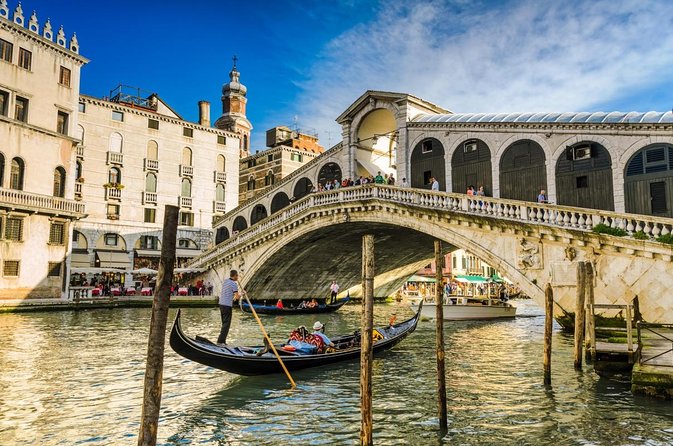
- Grand Canal by boat (about 1 hour) lets you see Rialto and the palace-lined water from the right angle
- A timed break between walking and boating gives you breathing room (length varies by season)
- Castello and Cannaregio back canals add variety beyond the main tourist corridors
Why St Mark’s plus Backstreets plus Boat is a smart combo
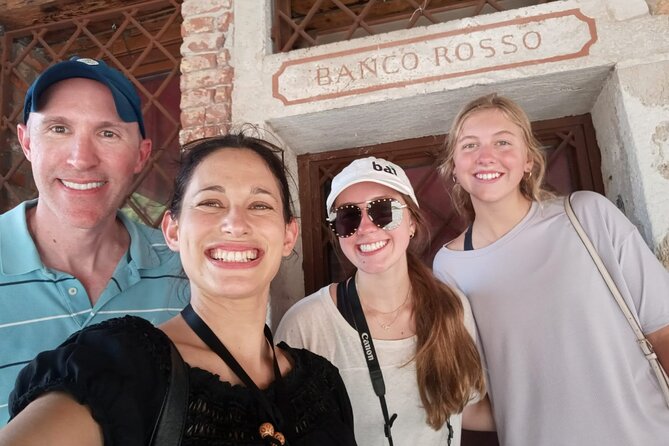
If it’s your first (or second) trip to Venice, you need two things: orientation and context. This tour does both by starting in Piazza San Marco, then moving into alleyways where you can actually picture how Venice worked day to day. The boat portion matters too, because seeing Venice from water teaches you what street views won’t.
I like that the pacing aims for a “great overview” rather than a sprint. You’ll walk to key landmarks, hear stories, and still get a proper water moment afterward. At this length, it also fits well into a short stay where you want value without turning the day into a marathon.
The boat is also one of the best ways to avoid the emotional fatigue of constant walking in tight crowds. Venice is beautiful, but it’s also physical. This structure lets you mix steps with floating.
You can also read our reviews of more walking tours in Venice

Starting at Giardini Reali, Piazza San Marco: get your bearings fast
You begin near Piazza San Marco at Giardini Reali, Piazza San Marco. That location is useful because you’re positioned in the heart of the old city right away, with easy access by public transport. The tour then gives you a quick introduction to Venice history and culture before it sends you into the big draw: St. Mark’s.
The practical tip here is simple: arrive early enough to find your group. A few people have said the meeting-point signage wasn’t obvious, and stress is the last thing you want before entering a major landmark. I’d plan to be there ahead of time and keep your ticket and phone ready.
Another smart part: the guide helps you translate what you’re about to see. St. Mark’s isn’t just a pretty building—it’s tied into Venetian identity, power, and trade. That meaning starts here, not inside the basilica.
St. Mark’s Basilica: the real win is the skip-the-line entry
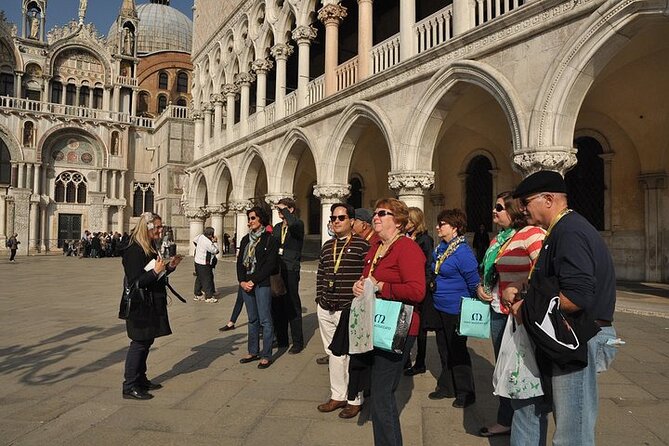
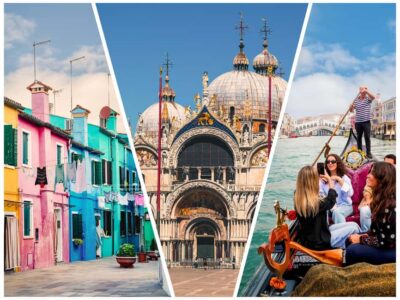
St. Mark’s is one of those places where the line can swallow your whole morning. Here, you get skip-the-line tickets to enter the basilica. In the busiest season (April through October), the tour notes that this skip-the-line access is compulsory due to visitor volume. Off-season is different: the basilica may not offer fast entry in the same way, so don’t expect the same “no-wait” effect every month.
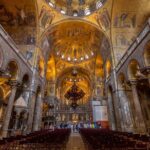
Inside, your guide focuses on the famous mosaics and the ideas behind them. This is where you’ll start to notice that St. Mark’s is more than decoration—it’s visual storytelling. Even if you’ve seen photos before, the scale and detail hit differently once you’re standing in the space.
Time with the basilica is about 30 minutes on the guided portion, plus you explore with your guide while you’re learning. That duration is realistic: it lets you see highlights without turning the experience into a forced rush. You’ll also need to follow the dress code: no shorts, no sleeveless tops, and knees plus shoulders must be covered for worship spaces and selected museums.
One more practical note: your ID card or passport is mandatory for entry. That’s not the kind of rule you can improvise last-minute. Bring it.
Piazza and Campo Santa Maria Formosa: more than quick photo stops
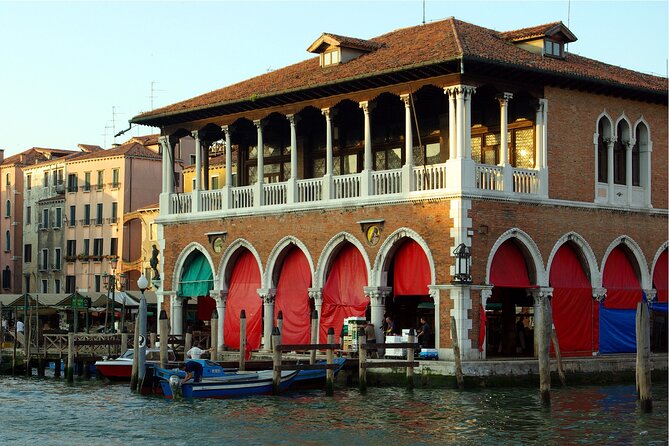
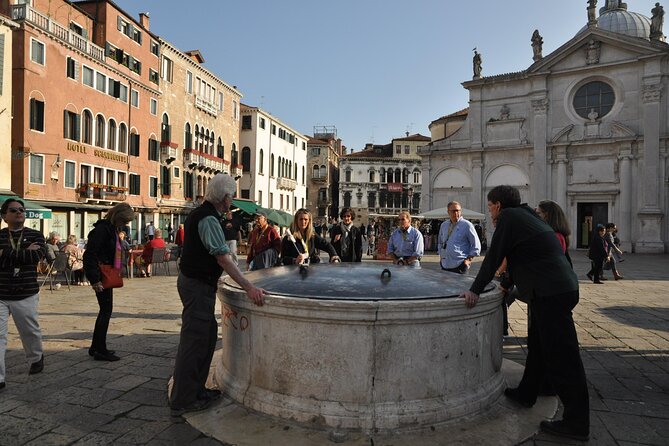
You don’t just sit in front of St. Mark’s and call it a day. The route includes Campo Santa Maria Formosa, where you’ll pass the Renaissance church of Santa Maria Formosa from outside. Even this short stop adds meaning, because your guide connects it to the Venetian street-life vibe—public squares acting like outdoor living rooms.
The tour also highlights language and local identity. For example, you’ll learn the meaning of formosa, a small detail that makes the place feel less like a textbook and more like a living culture. It’s the kind of fact you’ll remember when you’re walking later on your own.
You’ll also move along the way to other landmarks in the center and mid-city areas: Calle del Paradiso, San Zulian, and even a mention of an age-old merchants warehouse and a wellhead that many say is Venice’s most beautiful. That matters because the tour nudges you to look for “the in-between stuff,” not just the famous monuments.
The camera tip: expect time to line up shots around Marco Polo’s House. It’s one of those Venice name-drops that feels less like trivia once you’re near the actual context.
Hidden Venice backstreets in Castello: where the city slows down
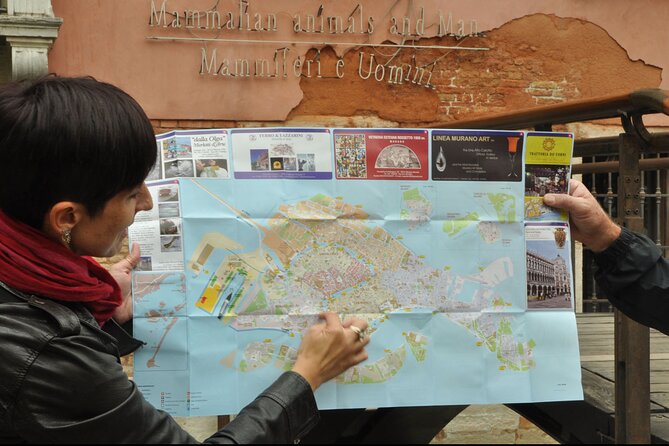
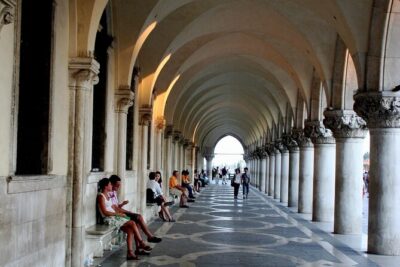
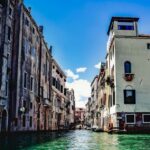
After St. Mark’s, the itinerary starts doing something valuable: it leaves the densest crowds behind. You follow your guide through winding calle alleyways in the Castello district, crossing canals via bridges and moving between sun-bleached palazzos.
This part is where Venice feels most “real,” because the streets aren’t built for rapid sightseeing. They’re built for local life, with narrow passages and corners that reveal layers of Byzantine and Gothic architecture. The tour uses these streets to explain Venice’s history as a trading and maritime power—so the buildings don’t feel random.
A couple of practical considerations based on what people have pointed out: some guides may spend time pointing out shops and artisanal items as part of the story. If you’d rather avoid retail stops, you can still manage it by staying focused on your guide’s architecture and history cues, then stepping away if it turns into a sales pitch.
Also, audio can be spotty in tight alleys depending on noise levels. One person praised the communication system; another suggested headsets would improve things. So if you’re sensitive to unclear audio, positioning yourself closer to the guide helps.
You can also read our reviews of more boat tours in Venice



The break between walking and the boat: use it like a local
There’s an intentional pause between the walking portion and the Grand Canal boat tour. The tour notes there’s a break for you to spend time at leisure, and the length varies by season. In practice, that means you’re not locked into nonstop movement, which I think is a big deal in Venice.
Use this time to reset your legs and choose your next move wisely. If you want to snack or grab a quick coffee, do it during the break rather than rushing later. If you’re planning photos, treat this as your chance to step away from the main pull of St. Mark’s and regain calm.
One practical warning: some people said it would have helped to know the timing of the gap in advance. The good move is to ask your meeting point assistant during check-in for clear details about where and when the boat meets you. That’s the moment to get the schedule locked in.
Grand Canal boat tour: Rialto and palaces, plus smaller canals
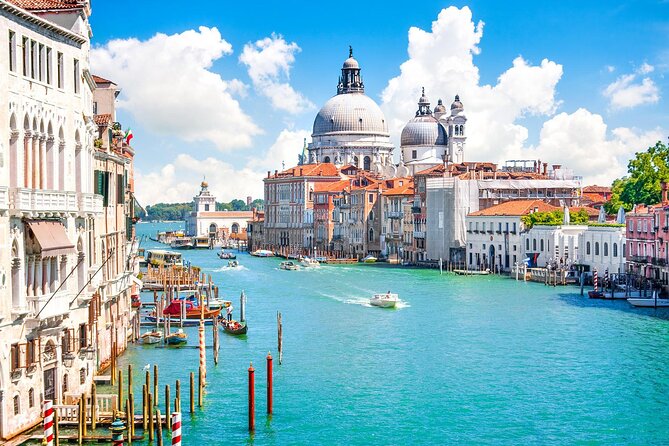
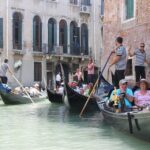
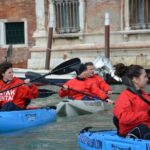
The boat portion is about 1 hour and is designed for small groups—listed as around 8–9 people per boat. That’s important because it affects comfort and photo-taking. A few people noted the boat may be used like a water taxi service, and that the space can be cramped or less flexible for photos than a classic open sightseeing boat would be.
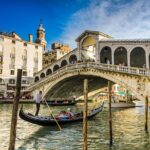
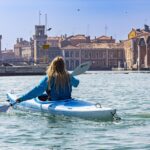
Still, the overall route sounds excellent: you’ll pass near Rialto Bridge while learning about merchant life in the Venetian Golden Age. You’ll also go by Campo San Giovanni e Paolo, then into back canals in Castello. Later, you head through calmer waterways in Cannaregio, where you can spot lively campos and churches from the water.
What you’ll notice from the boat view is how Venice is built around waterways, not roads. Streets look like it’s all about walking, but the boat shows you how power and trade moved. That’s the kind of context that makes the walking part click.
Audio is the wildcard here. A few people said the boat guide’s accent and sound system made it hard to follow. If you’re picky about hearing stories, sit where you can hear clearest, and don’t be shy about asking for a better position if the sound isn’t carrying.
Group size, guide style, and how to get the best version
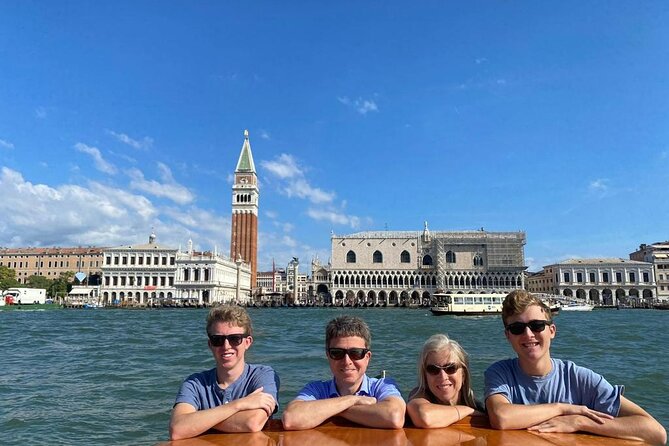
This experience caps at 16 travelers maximum, which is a relief in Venice. Smaller groups mean less waiting at corners and less time squeezed behind other people’s cameras. It also helps with pacing, especially on a route that includes both monuments and narrow lanes.
Guide quality is clearly a strength here. Names people have associated with these tours include Christina Pigozzo, Adriana, Arriana, and Francesco, and the common thread is local perspective and humor. One review example praised a guide who kept an 11-year-old engaged and offered tips for making onward travel in time—exactly the kind of practical thinking that helps when your schedule is tight.
One thing to be aware of: some people mentioned the walk portion felt interrupted by a lot of shop-related stops. That doesn’t mean the tour is bad—it means you should decide what you want from the day. If you want history and architecture, you’ll still get it; you’ll just want to focus on what the guide is explaining as you pass.
And if you’re a “hear every word” person, consider arriving ready to lean in. In Venice, sound travels oddly, and even good guides can struggle when acoustics and crowds fight back.
Price and value: $480.59 for a 3-hour mix that can pay off
At $480.59 per person, you’re paying for a tight mix of three things: premium access (skip-the-line), guided storytelling, and boat transportation. That’s not a cheap “walk-and-take-a-photo” outing. But it can be good value if it helps you avoid the common Venice time traps: long waits, missed context, and wasted time figuring out where to go next.
The math that makes sense is this: you’re buying time and guidance inside the most crowded landmark in the city, then adding a boat route that would be annoying to plan yourself in a short window. If you’re already paying for St. Mark’s entry and you still want a meaningful city overview plus a Grand Canal view, the price becomes easier to justify.
Still, I won’t pretend it’s perfect. Some people said it felt short for the cost, and one mentioned the price was high. If you’re the kind of traveler who wants lots of museum time or a deeper itinerary with more stops, you might prefer a longer day tour.
But if your goal is a focused first-day overview—St. Mark’s, classic Venice landmarks, and a Grand Canal pass—this is built for that exact job.
When water, dress code, or access rules get in the way
Venice comes with rules and surprises. Here are the ones spelled out for this experience:
- Dress code is required for worship places: no shorts, no sleeveless tops, and knees and shoulders must be covered.
- High water (acqua alta) can affect access: the tour notes that St. Mark’s Basilica skip-the-line entrance can remain closed.
- The basilica can be closed due to festivities or religious functions, and in that case your guide will explain from outside.
- There’s also mention of St. Mark’s restrictions, where the itinerary may be amended to offer the best experience possible.
None of this is meant to scare you—it’s just Venice being Venice. The smartest approach is to plan for Plan B without panic. Bring the right clothes, bring your ID/passport, and keep a flexible mindset if your day shifts.
Also note the mention of an access fee (€5) on certain dates for people staying outside Venice, with details and exemptions linked through the local authority. If you’re arriving just for the day, check your date so there are no surprises at entry points.
Who should book this tour, and who should skip it
This tour fits best if you want a time-saving Venice orientation with real context. It’s especially good for first-timers who need help understanding St. Mark’s, learning why it matters, and then seeing how Venice connects by water and street.
I’d also recommend it if you like guided structure. The tour’s pacing includes a planned break, a clear monument focus, then a boat segment that changes your perspective.
You might choose something else if you’re sensitive to audio quality and need flawless sound in every moment. You might also consider a different option if you dislike shop stops or want a longer, more exhaustive deep-dive through multiple neighborhoods and museums.
Should you book this St Mark’s + Grand Canal tour?
I’d book it if you’re trying to do Venice efficiently and you care about getting the meaning behind what you see. The skip-the-line access, the small group cap, and the mix of basilica + backstreets + boat is a strong combination for a short stay.
Before you commit, do these three things:
- Check your travel month so you understand what skip-the-line can realistically mean.
- Plan your outfit around the knees-and-shoulders dress rule.
- Ask at check-in about the exact boat meeting details, since the break timing varies.
If that sounds like your kind of day, this is a practical way to get a first taste of Venice without wasting hours standing still.
FAQ
How long is the tour?
The tour runs for about 3 hours (approx.). The tour includes a guided St. Mark’s portion and a 1-hour Grand Canal boat tour, with a break in between.
Is St. Mark’s Basilica skip-the-line entry included?
Yes. Skip-the-line tickets to St. Mark’s Basilica are included. The tour notes that guaranteed skip-the-line entrance is compulsory from April to October due to high visitor numbers.
What happens if St. Mark’s Basilica is closed?
The tour states that the basilica may be closed due to festivities, religious functions, or high water. In that case, the guide will provide explanation from outside, and depending on restrictions, the itinerary may be amended.
Is there a break between the walking part and the boat tour?
Yes. There is a break between the walking tour and the Grand Canal boat tour for leisure time. The duration varies depending on the season, and meeting location/time details for the boat tour are provided at check-in.
How big is the group?
The walking tour is capped at a maximum of 16 travelers. The Grand Canal boat portion is described as accommodating about 8–9 people per boat.
What language is the tour offered in?
It’s offered in English, with a professional English-speaking guide.
What is the meeting point?
The tour starts at Giardini Reali, Piazza San Marco, 30124 Venezia VE, Italy. It ends back at the meeting point.
What is the dress code for entering places of worship?
You must cover knees and shoulders. The tour specifies no shorts or sleeveless tops for both men and women.
Do I need ID to enter the basilica?
Yes. The tour states that ID cards and passports are mandatory to enter inside St. Mark’s Basilica.
Can I cancel for a refund?
You can cancel up to 3 days in advance for a full refund. If you cancel less than 3 days before the experience’s start time, the amount paid is not refunded.