Venice has a darker side, right here. This private walk through the Venice Jewish Ghetto in Cannaregio connects big ideas—rules, resistance, survival—to real street corners you can stand on today. You also get a guide-led route that goes past the usual picture-perfect drag.
I like the private pacing and how your guide can point out details you’d miss without help. I also love the small human touches: a stop for traditional Jewish cake and local wine, which turns history into something you can actually taste. One drawback to consider: synagogue visits inside and museum options are not included by default, so if that’s a must for you, you’ll want to ask ahead.
In This Review
- Key Points Worth Booking For
- First Jewish Ghetto on Foot: What You’re Really Seeing
- Campo San Geremia: Views, the Word Ghetto, and Daily-Life Rules
- Fondamenta Cannaregio and the Idea of “Gates”
- Calle Ghetto Vecchio: Sephardic Synagogues Outside and the Meaning of Old/New
- Ghetto Ebraico: Holocaust Markers, Stolpersteine, and Living Memory
- Fondamenta Dei Ormesini and Campiello L’Anconeta: Ending Without Losing the Thread
- Price, Group Size, and What You’re Paying For
- Practical Tips for a Comfortable Cannaregio Walk
- Should You Book This Venice Jewish Ghetto Tour?
- FAQ
- How long is the Venice Jewish Ghetto tour?
- Is this tour private?
- What language is the tour offered in?
- Where do we meet and where does it end?
- Are synagogue visits included?
- Is the food and drink included?
- Is there an admission ticket included for stops?
- Do we need to worry about an access fee in Venice?
- What happens if the weather is bad?
- Can I cancel for free?
Key Points Worth Booking For
- Private group up to 6 means fewer crowds and more back-and-forth questions.
- First Jewish Ghetto origin stories connect the word ghetto and Venice’s policies to daily life.
- Stolpersteine and Holocaust monuments add a powerful, place-based layer to the walk.
- Sephardic synagogues (seen from outside) help you understand who lived here and how communities organized.
- Taste stop for Jewish cake + local wine gives the tour a real “pause” instead of nonstop walking.
- On-request synagogue/museum add-ons can be possible, but only at certain days/times—so plan around that.
First Jewish Ghetto on Foot: What You’re Really Seeing
Venice likes to feel light on its surface. This tour is the opposite of that easy story. In about two hours, you walk through a district shaped by restrictions—rules that forced Jewish residents to live with limits, surveillance, and constant negotiation of safety.
The value here is the way the tour stays concrete. Instead of just naming dates, your guide helps you map cause-and-effect onto the neighborhood: where people moved, what institutions stood nearby, and what symbols and markers still signal the past. You’ll also get context for why Venice discriminated against Jews in the first place, and how that policy evolved into a ghetto system that history later learned from.
This is also a good “Venice second look” tour. Cannaregio is often quieter than the most famous lanes, and the walk helps you understand why this part of the city feels lived-in, not staged. If your Venice plan is already packed with art and canals, this tour is the one that adds meaning without turning into a lecture.
Finally, the fact that it’s a private experience matters. You can ask what you’re confused about. You can slow down for photos. And you can tailor the mood—whether you want more history, more daily-life details, or more time at the ends of streets to take it all in.
You can also read our reviews of more private tours in Venice


Campo San Geremia: Views, the Word Ghetto, and Daily-Life Rules
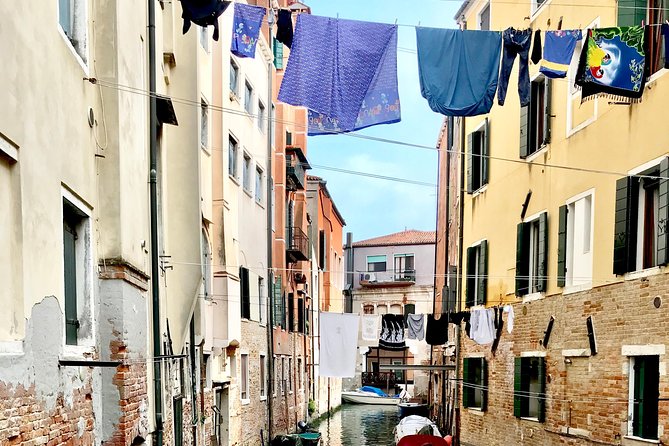
You start at Campo San Geremia, a place that gives you a strong first sense of orientation. This opening stop is where the tour builds its foundation: the history of the Jewish Ghetto of Venice is complex, and your guide works to make it intelligible fast—without flattening it into a simple good-versus-evil story.
Expect a mix of big and small. Your guide will explain:
- how Venice began to discriminate against Jews
- what life under strict rules looked like in practice
- hidden symbols and curiosities you can actually connect to specific corners
One key moment is learning about the origin of the word ghetto. The tour treats the term like something grounded in real policy, not just a modern vocabulary fact. You also get an early look at how the neighborhood functioned during the Republic era, and what that meant for the people living there.
This first stretch is also where the tour sets expectations for the tone. It’s informative, but it doesn’t rush. One of the most praised aspects of the experience is that the guide points out details you’d never notice wandering on your own. That’s especially true in Venice: the city hides meaning in plain sight.
Then you get the taste stop element. The tour can end with a glass of local wine at a favorite bacaro, and some versions also include the option of gelato afterward. Either way, it’s a smart move: you’re not walking until you’re exhausted, and you’re not leaving without something Venetian to carry home.
Fondamenta Cannaregio and the Idea of “Gates”
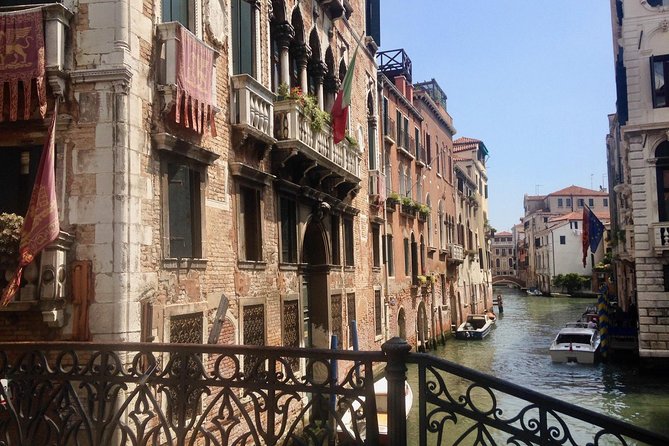
From Campo San Geremia, you move to Fondamenta Cannaregio, one of the places tied to entering the ancient ghetto. This segment is short, but it’s worth it because it frames the neighborhood as controlled space rather than open streets.
Think about what that means. When a district has gates and rules, daily life becomes logistics: where you go, when you go, and how your presence is treated. Your guide points you toward “why here,” not just “what happened there.”
Even if you already know the Holocaust is part of the story, this stop helps you understand a different layer first: the long period where oppression was built into the city’s systems long before modern atrocities.
Calle Ghetto Vecchio: Sephardic Synagogues Outside and the Meaning of Old/New
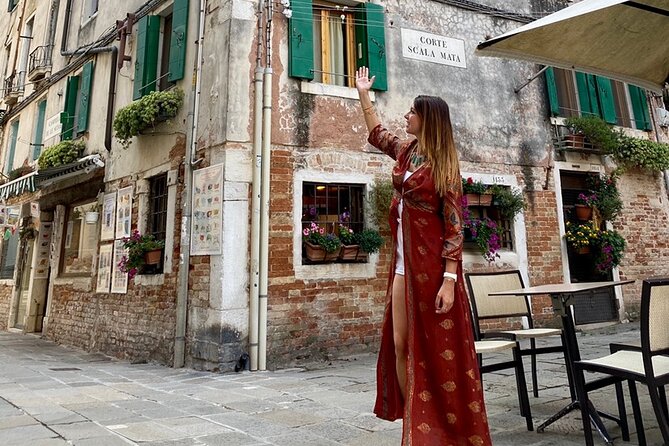
Next comes Calle Ghetto Vecchio—often described as the old but still living Jewish quarter. This is where you start seeing how Venice itself shaped language and identity. You’ll learn about Venetian origins of the word ghetto and how surprising that connection can feel once you look at the neighborhood with fresh eyes.
This stop also introduces the Sephardic story in a visual way. You’ll see two historic Sephardic synagogues from the outside and hear the stories tied to those buildings. The rest of the synagogues are located in the Ghetto Novo area, where the older portion connects to later community evolution.
A practical consideration: if you want to go inside synagogues, the standard tour doesn’t include it. Inside entry is available only on request, and it may depend on access at the time. So if synagogue interiors matter most to you, plan to message in advance.
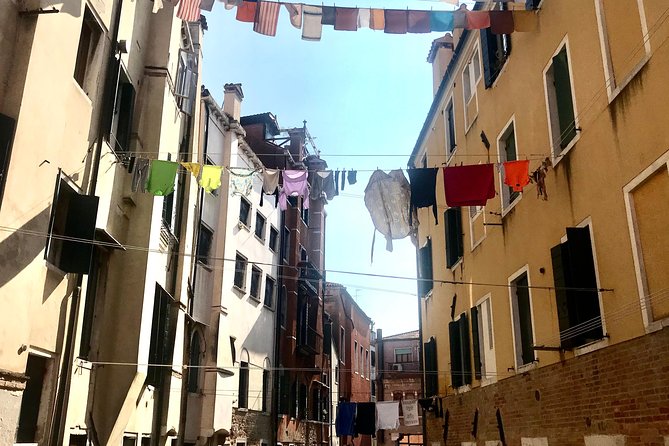
This part of the walk also includes a fun-but-serious Venice twist: the “skyscrapers” of Venice. Your guide explains why those tall-looking buildings exist in this area, and what it took to make that housing reality work. It’s the kind of detail that makes the neighborhood feel like a place, not a museum set.
Ghetto Ebraico: Holocaust Markers, Stolpersteine, and Living Memory
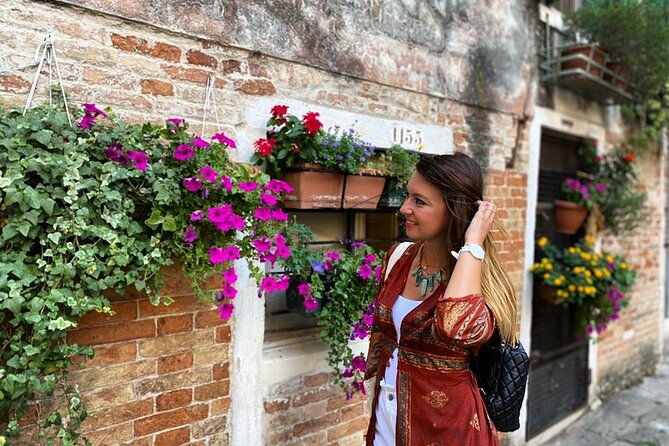
Ghetto Ebraico is the emotional center of the route. You’re walking through the oldest Jewish ghetto in the world, and your guide brings in stories that show both oppression and the people who kept community life going.
Here’s what you can expect at a high level:
- explanations of how Jewish residents lived under oppression
- a discussion of Stolpersteine (stumbling blocks) and how the Holocaust left a deep mark on Venice
- a focus on the links between past and present
You’ll also see Holocaust monuments from the outside, along with special wells and the Chabad of Venice. Even without entering anything, those sightlines matter. They connect grief and memory to the everyday geography of Cannaregio. This is one reason why a guided walk beats reading later: the emotional weight lands while you’re standing where it happened, not after you’ve scrolled past it.
Again, this is where your guide’s pacing matters. The most helpful guides don’t just list names and dates. They help you keep track of place, time, and meaning. Based on the feedback from past tours, that clarity and patience is exactly what people praise most.






Fondamenta Dei Ormesini and Campiello L’Anconeta: Ending Without Losing the Thread
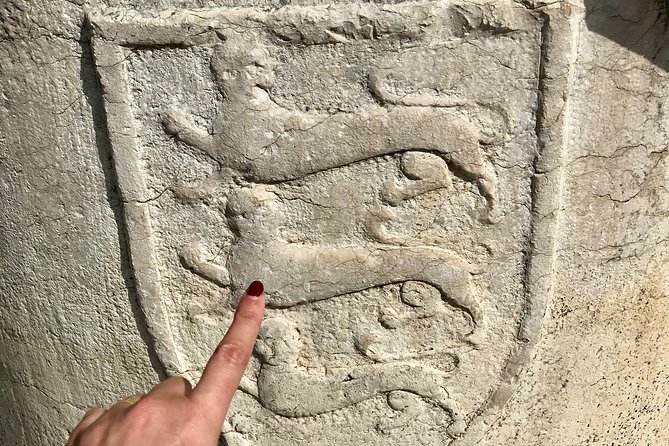
The tour doesn’t just cut you loose at a random landmark. It gradually eases out of the highest-pressure parts of the story and lets you absorb the neighborhood.
Fondamenta Dei Ormesini is a farewell moment in a beloved area of Cannaregio. You’re given a chance to unwind and keep Venice as Venice—not only as history. If you’ve been thinking hard, this is where you can reset.
Then you finish at Campiello L’Anconeta. Your guide provides info and tips to keep exploring even without them. That last handoff is more useful than it sounds. Venice is huge and confusing, so having a local’s direction at the end helps you avoid wandering in circles.
Price, Group Size, and What You’re Paying For
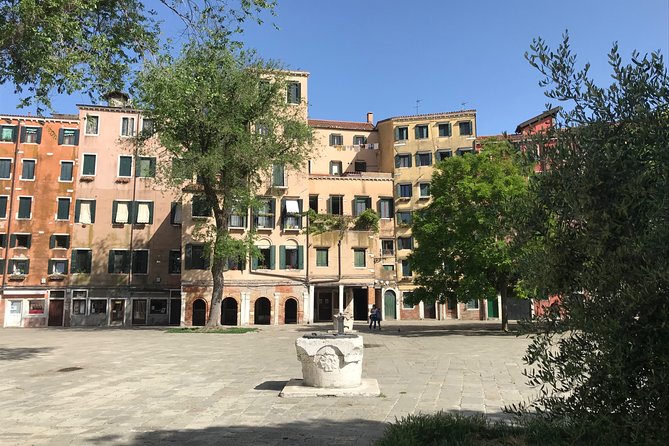
At $372.45 per group (up to 6 people), this is priced for a truly private experience, not a big-bus substitute. You’re paying for:
- a local guide who can answer questions in real time
- a route designed to avoid the most generic “tourist route” feel
- an experience length of about two hours, which is long enough to build context but short enough to fit a normal day
- a taste stop with traditional Jewish cake and a glass of local wine
- a guided look at multiple key points across the ghetto area
Is it expensive? Venice tours can be. But compare what’s included. A private, history-focused walk with food stops and place-based Holocaust context is not the same as a general sightseeing loop. For a group of up to six, the per-person cost can become reasonable, especially if you split it among friends or family.
Also, the tour is offered in English and uses a mobile ticket, which makes last-minute logistics easier than old-school paper tickets.
The real value test is your motivation. If you want a quick postcard loop, this will feel too serious. If you want to understand Venice with real human context and you like guided explanations, you’ll likely feel like you got your money’s worth.
Practical Tips for a Comfortable Cannaregio Walk
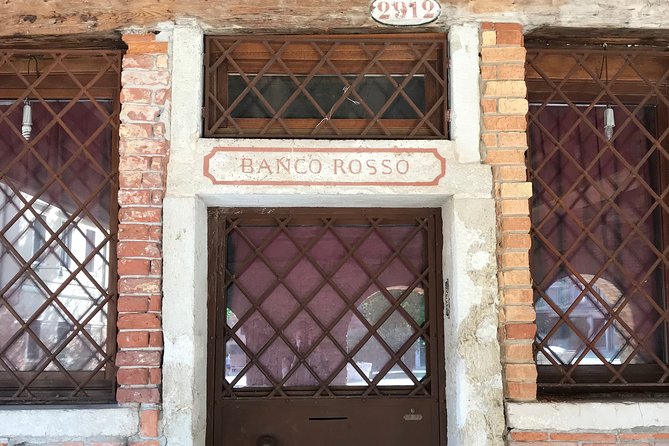
This is a walking tour. So bring the basics:
- Comfortable shoes. Venice streets can be uneven, and you’ll move through a dense neighborhood.
- Expect good weather to matter. The experience requires good weather, and if it gets canceled due to poor conditions, you’ll be offered a different date or a full refund.
- Plan for some flexibility around synagogue interiors. The standard experience does not include entrance to synagogues, though visits may be possible on request on certain days/times.
- If you’re visiting as a day tripper, check the possible €5 access fee on certain dates for people staying outside Venice. Some exemptions may apply, so it’s worth checking before you go.
One small but smart detail: on booking, the guide has helped groups adjust timing to avoid carnival crowds. That’s the kind of local problem-solving you only get with a private guide.
Should You Book This Venice Jewish Ghetto Tour?
Yes—if your goal is to understand Venice beyond the usual canals-and-arches script. This tour is strongest when you want a guided walk through the Jewish Ghetto in Cannaregio that links discrimination, community institutions, Holocaust memory, and everyday streets into one coherent route.
Book it if:
- you like history told through real places
- you want a private group experience that stays conversational
- you want to see Stolpersteine and Holocaust monuments with explanation, not guesswork
- you’re happy with the standard format that focuses on important sights from outside, with optional synagogue access only on request
Consider another option if:
- you need guaranteed synagogue interior access as a non-negotiable requirement (it’s not included by default)
- you only want light sightseeing and don’t want a heavier historical focus
For many people, this is the Venice tour that changes how they see the city.
FAQ
How long is the Venice Jewish Ghetto tour?
It runs for about 2 hours.
Is this tour private?
Yes. It’s a private experience, with only your group participating, up to 6 people.
What language is the tour offered in?
The tour is offered in English.
Where do we meet and where does it end?
You start at Campo San Geremia, 30121 Venezia VE, Italy, and end at Campiello de l’Anconeta, 30121 Venezia VE, Italy.
Are synagogue visits included?
Synagogues are not included in the standard tour. The tour can be tailored on request to include synagogue visits, but entrance is not always possible, and add-ons can be available only on certain days and times.
Is the food and drink included?
The tour includes a traditional Jewish cake and a glass of local wine. Some versions also mention gelato as an option near the end.
Is there an admission ticket included for stops?
Most stops list admission ticket free. One stop lists admission ticket not included, and any synagogue/museum additions are also not included.
Do we need to worry about an access fee in Venice?
On certain dates, visitors staying outside Venice who are visiting for the day may need to pay a €5 access fee. Check the official info for which days apply and if exemptions exist.
What happens if the weather is bad?
The experience requires good weather. If it’s canceled due to poor weather, you’ll be offered a different date or a full refund.
Can I cancel for free?
Yes. You can cancel up to 24 hours in advance for a full refund.