REVIEW · VENICE
Immersive Beauty: A Tailored Private Tour of the Doge’s Palace
Book on Viator →Operated by deTourist Venice Valerio Coppo · Bookable on Viator
Doge’s Palace, minus the crush of crowds. This private, English-language tour is built for people who want the highlights fast and the context that makes the place click. I like that you get fast-track entry from the start, so the building doesn’t feel like a standing-in-line contest. I also like the tailored pacing, with a guide who can steer you toward what you care about while showing corners that general group routes often miss.
One consideration: the tour price covers the guide and ticket help, but entrance tickets to the Doge’s Palace aren’t included, so plan on paying the palace admission separately for your exact fare.
In This Review
- Key takeaways before you go
- St. Mark’s Square sets the stakes before you enter
- Scala dei Giganti: power at the first big reveal
- Loggia views and the Scala d’Oro: architecture as storytelling
- Atrio Quadrato and the four doors: everyday governance, in geometry
- Tintoretto and Veronese energy in the Anticollegio
- Collegio, Senato, and the Council of Ten: the drama of decision-making
- Compass Room: justice meets espionage
- Armoury and the Quarantia: strength and legal order
- Guariento room, elections, and how Venice thought about legitimacy
- Quadreria picture gallery: art as the Republic’s public language
- Bridge of Sighs to the New Prisons: the story turns darker
- Price and value: what $185.43 buys you, and what it doesn’t
- Who this private tour fits best (and who might want something else)
- Should you book it?
- FAQ
- Is this tour private?
- How long is the tour?
- Are Doge’s Palace entrance tickets included?
- Where do we meet, and where does it end?
- What language is the tour offered in?
- Can I cancel for a full refund?
Key takeaways before you go
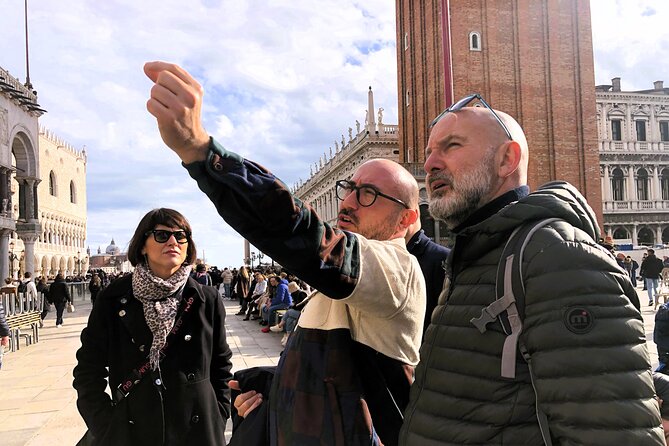
- Fast-track entry right away helps you start the palace visit without wasting precious time.
- Tailored itinerary means you can steer the route toward art, power, justice, or architecture.
- Secret itineraries and hidden corners get attention beyond the usual cookie-cutter stops.
- St. Mark’s Square context first so the palace story has proper stakes.
- Politics meets justice through rooms like the Compass Room and the Council of Ten.
- Bridge of Sighs + New Prisons add the darker side that most visitors only skim.
St. Mark’s Square sets the stakes before you enter
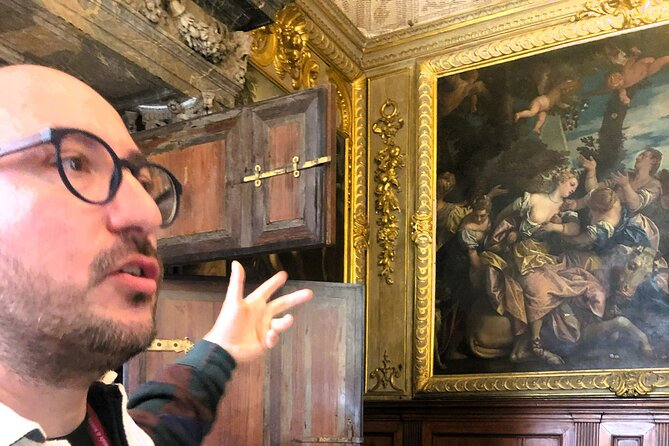
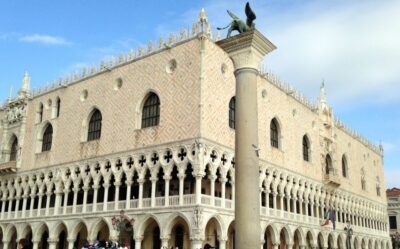
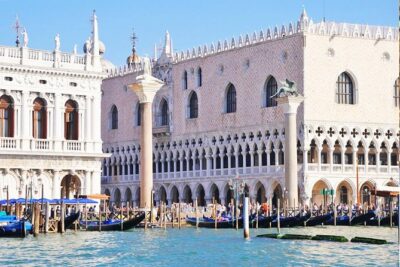
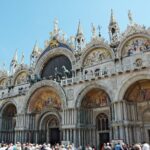
Your tour begins at Caffè Florian, right on Piazza San Marco (57), and it’s a smart opener. St. Mark’s Square isn’t just postcard scenery—it’s the symbolic front room of Venice’s government and identity. Your guide brings you up to speed on how the square developed, what the architecture is communicating, and how the place has hosted cultural life for centuries.
From there, you’re not walking into the Doge’s Palace cold. You’re stepping in with a mental map of what Venice wanted to project: authority, civic pride, and control. Even if you’ve seen photos of the palace façade, this “start at the square” approach helps the interior rooms make sense faster, especially once you hit the political chambers later.
You can also read our reviews of more private tours in Venice


Scala dei Giganti: power at the first big reveal
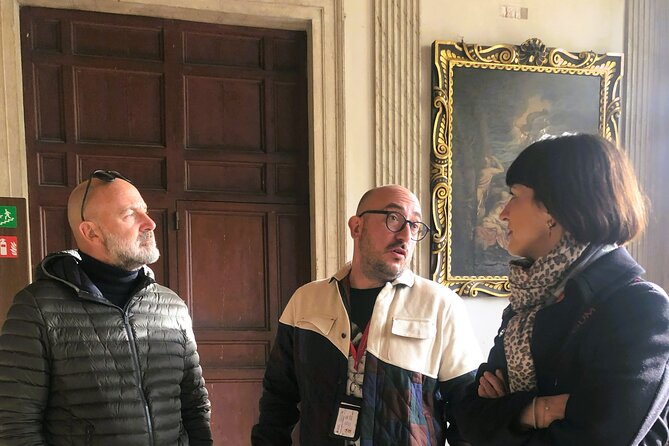
The first major palace stop is the internal courtyard, where the mood changes immediately. The Scala dei Giganti (Giants’ Staircase) is the kind of entrance feature that tells you what this building was for: rule, status, and ceremony.
You’ll stand in front of the staircase and look closely at the sculpted details and the symbolic language in the design. The staircase is more than decoration. It’s meant to impress visitors and reinforce the message of Venetian authority before you even reach the core political rooms.
The only drawback here is timing. The palace is designed for grandeur, and that means you can lose track of minutes if you’re not listening to where to look. The benefit of a private guide is that the pace stays intentional.
Loggia views and the Scala d’Oro: architecture as storytelling
Next you move to the Loggia, an open gallery with arches that frames views of St. Mark’s Basilica and the square below. This stop matters because it connects palace power to the public space outside. You’re seeing how the Doge’s world looked outward—Venice’s leaders weren’t hiding from the city.
Then comes the Scala d’Oro (Golden Staircase). This is pure theatrical opulence, and your guide helps you read it like a political document. Details on the stairway reflect the wealth and prestige associated with the Doge and the Republic. In other words: it’s not just pretty. It’s propaganda made out of stone.
Atrio Quadrato and the four doors: everyday governance, in geometry
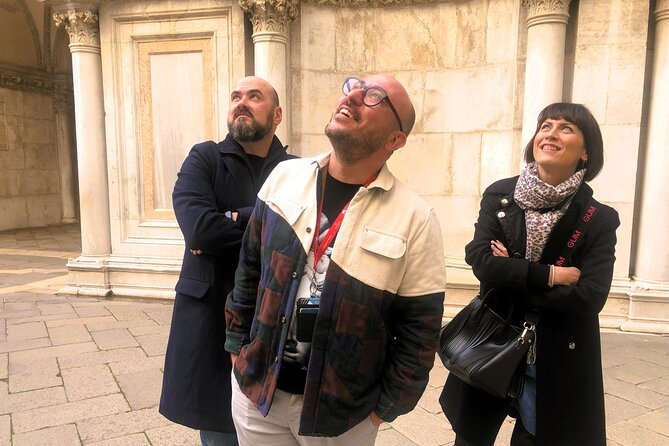
After the big visual hits, the tour shifts into layout and function. You step into the Atrio Quadrato—a square-shaped atrium surrounded by striking architecture—and your guide explains what it was used for and why it matters in the daily life of the palace.
Then you move to the Sala delle Quattro Porte (Room of the Four Doors). The name is simple, but the content isn’t. This room sits in the thick of Venetian political history, and your guide connects the artwork and details to the real decisions and diplomatic affairs that played out here. If you care about how government actually worked—who met, where power moved, how public life was managed—this is a strong anchor stop.
Tintoretto and Veronese energy in the Anticollegio
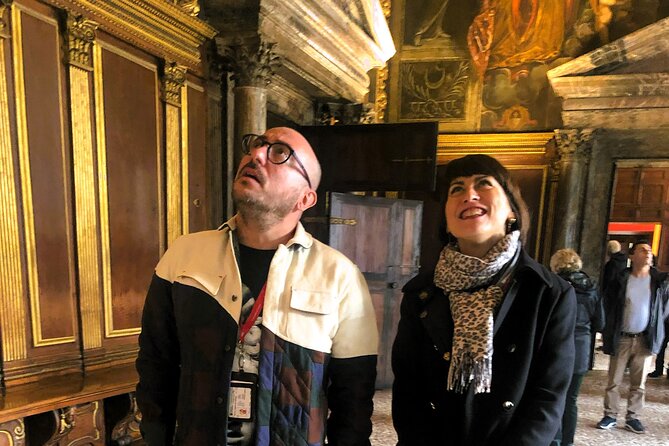
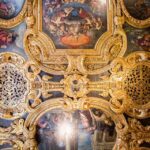
One of the tour’s best “art + power” moments is in the Sala dell’Anticollegio, where you see masterpieces by Tintoretto and Veronese. Your guide uses these works to show how cultural prestige and political legitimacy were tied together in the Republic.
An antechamber might sound like filler, but this one isn’t. It’s positioned right before major governance spaces, and that placement changes the way you see it. The point isn’t only to admire paintings—it’s to understand why art was part of the machinery of authority.


Collegio, Senato, and the Council of Ten: the drama of decision-making
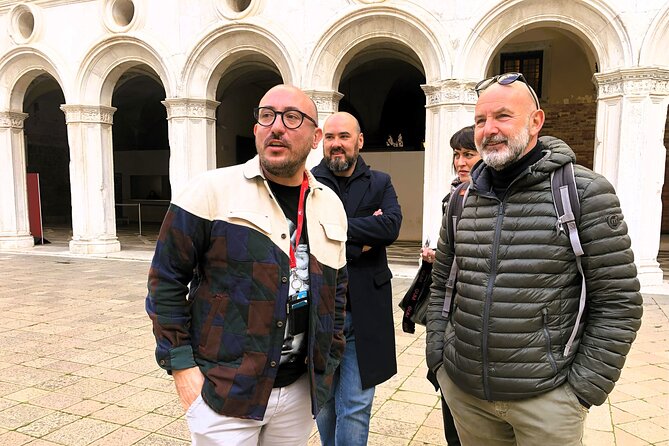
Now you reach the palace “command center” sequence, and the story gets sharper. First, you visit the Sala del Collegio, described as the heart of political decision-making. The setting makes it feel serious, and your guide brings the political drama to life—how choices were made and how those choices shaped the city’s direction.
From there, you explore the Senato, where senators convened to discuss matters of state. This is where your understanding of Venetian government becomes practical: you see that this wasn’t a vague idea of leadership. It was a structure with defined rooms and defined roles.
Finally, you enter the Chamber of the Council of Ten (Consiglio dei Dieci). This council existed to maintain stability and order, and your guide explains how that role helped shape Venice’s history. If you like your history with clear cause-and-effect, this trio of rooms gives it to you.
Compass Room: justice meets espionage
The Sala della Bussola (Compass Room) is one of the standout stops because it pulls the whole palace story into the nervous system of the Republic. You learn how the room connects to justice and espionage, and the name comes from a small window used for anonymous accusations.
In practical terms, this is where you understand how Venice tried to manage risk: suspicious activity could be reported without naming yourself, and that anonymity helped keep the state informed. It’s a chilling concept, and the room’s function makes it feel real rather than historical.
If you’ve ever wondered how a government maintains control without modern systems, this is the moment you’ll remember.
Armoury and the Quarantia: strength and legal order
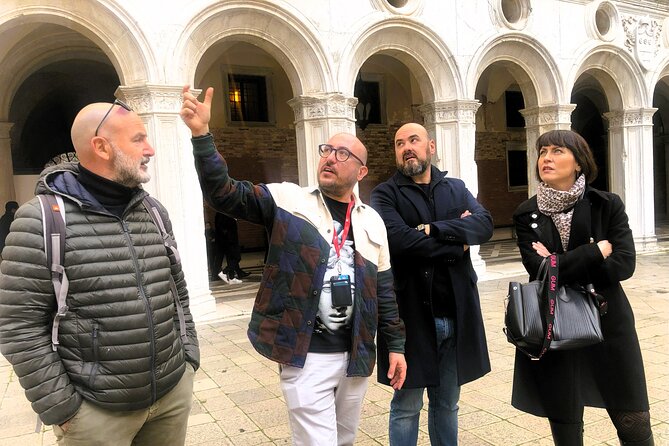
Not all governance here is courtroom drama. You also visit the Armeria (Armoury), where the emphasis shifts to maritime defense and military might. Your guide connects the spaces to battles, strategic alliances, and why a sea power needed real readiness.
Then you step into the Sala della Quarantia Civil Vecchia. This room represents Venice’s justice system, and your guide walks you through how the legal framework worked and why justice mattered to keeping order in the Republic.
Together, these stops balance the emotional tone of the Compass Room. You see control as both threat management and formal legal process.
Guariento room, elections, and how Venice thought about legitimacy
Art returns in the Sala del Guariento, where you admire artwork and get cultural context tied to Venice’s golden age. The point here isn’t that this is a “pretty room.” It’s that the palace included ways to celebrate cultural achievement inside the political framework.
Then you move into the Sala del Maggior Consiglio, the largest chamber in the palace. This is where grand assemblies took place, and your guide explains the democratic principles guiding Venetian political life. After that comes the Sala dello Scrutinio, a room tied to elections and voting processes, including how the electoral system worked.
If you care about political systems, these rooms are the payoff. They show Venice wasn’t just ruled by force—it also built rituals and procedures to claim legitimacy.
Quadreria picture gallery: art as the Republic’s public language
The tour doesn’t stop at paintings as decoration. It includes the Quadreria (picture gallery), where you see an art collection that adds depth to the political story. Your guide links the masterpieces to how art depicted Venice’s cultural and artistic vibrancy.
This stop is great if you want the palace to feel like more than a museum of rooms. You get art that acts like messaging—what Venice wanted seen, remembered, and believed.
Bridge of Sighs to the New Prisons: the story turns darker
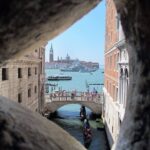
Then comes the iconic Ponte dei Sospiri (Bridge of Sighs). You cross it and hear stories that connect the structure to prisoners and the reality behind the myths. It’s famous for a reason, but your guide gives you the historical reality so it doesn’t stay as just legend.
After that you explore the Prigioni Nuove (New Prisons). This is your “darker side of Venetian justice” segment—learning about the prison system, the people held there, and the judicial processes that led to incarceration.
Even if you generally avoid grim history, this ending makes the earlier justice stops feel complete. The Compass Room explains anonymous accusation; the Bridge of Sighs and New Prisons show what happened after suspicion became a system.
Price and value: what $185.43 buys you, and what it doesn’t
At $185.43 per person, the price is mainly paying for access and interpretation. Here’s what you do get: a licensed local guide, flexible customization based on your interests, and help with purchasing skip-the-line tickets at the best possible rate. You also get a mobile ticket, and the tour includes fast-track entry so you’re not stuck waiting with everyone else.
What you don’t get is the Doge’s Palace entrance ticket itself. That matters for value. If you’re booking on a day when you’d otherwise buy tickets anyway, the guide cost can feel like a smart trade. If you were hoping this package price would cover everything, you’ll want to account for the separate admission fee for your category.
Also, the tour notes group discounts, so if you’re traveling with more people, your per-person value may improve depending on how your group qualifies.
Who this private tour fits best (and who might want something else)
This tour is a strong match if you want three things at once: context, pacing, and access. The “private” format means it’s built around your group only, not a mixed schedule where you’re pulled along whether you’re ready or not. The tour is also offered in English, with a guide who can customize the route to your preferences.
If you’re traveling with kids, the guide’s ability to adjust the tone comes through in the same way you’d hope: the stories can shift to match the group, and the guide can connect themes in ways younger minds follow. One useful sign is that the tour is described as adaptable without losing the main political and art content.
On the other hand, if you already know Venetian politics deeply and want long stays in just a few chambers, the tour duration of about 2 hours may feel tight. It’s designed to cover a lot of key rooms in a single smooth arc, not to become a one-room marathon.
Should you book it?
I’d book this if you want the Doge’s Palace to feel organized in your head, not overwhelming in your feet. The big reason is the combination: skip-the-line help, fast-track entry, and a guide who can steer you toward what matters to you while covering the palace’s most telling rooms—from Scala dei Giganti to the Bridge of Sighs.
I’d think twice if you’re trying to buy only one fixed-price product and you don’t want to handle the separate palace admission. The entrance fee isn’t included, so your total day cost will be higher than the headline rate once you add tickets.
If you’re aiming for a smart, high-value way to see the palace without losing time to crowds, this private guided route is a good call.
FAQ
Is this tour private?
Yes. It’s a private tour/activity, so only your group participates.
How long is the tour?
It’s listed as about 2 hours.
Are Doge’s Palace entrance tickets included?
No. Entrance tickets are not included, and special fares may apply for families, seniors, youth, and students.
Where do we meet, and where does it end?
You start at Caffè Florian, Piazza San Marco 57, Venice and the activity ends back at the meeting point.
What language is the tour offered in?
It’s offered in English.
Can I cancel for a full refund?
Yes, you can cancel up to 24 hours in advance for a full refund. If you cancel less than 24 hours before the start time, the amount paid isn’t refunded.