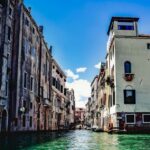
Venice wakes up quietly on this route. You start with local neighborhoods and end in the big-city showpiece of San Marco, with a stop at Rialto and a special view over the Grand Canal. It’s the kind of day where the streets do the storytelling for you—small squares, shop windows, and canal moments that are easy to miss on your own.
I really like how the route threads together Cannaregio, the Ancient Jewish Ghetto, and San Polo, so you get a Venice rhythm that feels lived-in. I also like the pacing: espresso, then a bacaro lunch of traditional cicchetti, and only later do you push into the busiest landmarks. One thing to consider: the group is small, but it can include mixed languages, so your experience will depend on how clearly the tour leader communicates in your language.
Key details that make this tour work
- Quiet-first route from Cannaregio to the Ghetto: start away from the heaviest tourist flow and learn the area’s layout before crowds hit later.
- Rialto Bridge plus Rialto Market time: you don’t just look at the bridge; you also walk into the trading heart beneath it.
- A long, city-feeling lunch: you’ll stop at an ancient bacaro for traditional Venetian cicchetti instead of a quick snack.
- A special Grand Canal viewpoint: you’ll visit a hidden-feeling place designed for a truly exclusive Grand Canal view.
- San Marco plus Bridge of Sighs area: you reach the core landmarks on foot, then finish with a ferry back to the rail station.
- Small group size (max 10): easier movement through narrow streets, more time to ask questions—when everyone’s language matches.
In This Review
- Padua to Venice by train: fewer headaches, more day-light
- Cannaregio and the Ancient Jewish Ghetto: Venice with quieter edges
- San Polo streets: small squares, real bacari energy
- Rialto Bridge and the Rialto Market: where Venice does business
- A Grand Canal viewpoint you don’t usually find alone
- Piazza San Marco, Bridge of Sighs area, and what’s worth planning
- Lunch at an ancient bacaro: cicchetti that actually feel Venetian
- Ferry back to the train station: finish with less stress
- Price and logistics: is $150.49 a good deal for this day?
- Watch-outs: language mix and meeting expectations
- Who should book this Live Venice as a local route?
- FAQ
- FAQ
- Where is the tour meeting point?
- What time does the tour start?
- How long is the experience?
- Is the tour ticket mobile?
- Does the price include transportation from Padua?
- Are entrance fees included?
- Does the tour include Basilica of San Marco?
- What should I wear for churches?
- Is there an access fee to consider for some visitors?
- What if there’s a public transportation strike?
- Should you book this Venice-from-Padua tour?
Padua to Venice by train: fewer headaches, more day-light
This tour is built for travelers starting in Padua, not for people already living in Venice. You meet at Stazione FS di Padova (Piazzale della Stazione, 1) and the experience includes a round-trip train transfer.
Why that matters: Venice is a maze even when you’re trying your best. Taking the train with the tour reduces the “how do we get there?” stress and gives you a clean start time. The tour begins at 9:45 am (departure times are approximate and can shift a bit), so you can land in Venice before the day fully warms up.
It’s also a good fit if you don’t want to gamble on multiple tickets and connections. You’ll receive a mobile ticket, so you’re not stuck hunting for paper tickets at the last second.
Cannaregio and the Ancient Jewish Ghetto: Venice with quieter edges
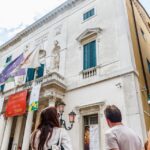
The early part of the day focuses on narrow, calmer streets between Cannaregio and the Ancient Jewish Ghetto. You’ll walk through the Jewish Ghetto Ebraico and spend time absorbing how this part of Venice is structured—small lanes, shop fronts, and a very distinct sense of place.
Then you move through Cannaregio, a sestiere that connects Venice Santa Lucia station toward the Rialto area. It’s not only about transit; it’s also where daily life shows up. You’ll see main shopping streets like Strada Nova and Lista di Spagna, plus the local bar and meeting-place culture in the northern stretch near the Jewish Ghetto and Fondamenta Nuove.
Two practical takeaways for you:
- This is where you get your bearings fast. When you know how Cannaregio funnels toward Rialto, the rest of the walking day feels easier.
- You’re given time to slow down, not sprint. The tour includes moments like antiques shop windows and traditional Jewish shops, so you’re not just passing scenery.
And yes, there’s an espresso stop. You’ll pause at a small coffee shop in Venice known for using the same espresso recipe for almost a century. Even if coffee isn’t your whole personality (no judgment), it’s a smart break. It keeps your energy steady before the day’s bigger landmark stretch.
You can also read our reviews of more tours and experiences in Venice.


San Polo streets: small squares, real bacari energy
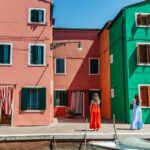
Next comes San Polo, one of Venice’s smaller districts, with a relaxed walking feel. The tour treats this area like a living neighborhood, not a museum hallway, which I appreciate. San Polo has houses and shops where people actually work, and you’ll also run into typical Venetian taverns known as bacari.
Campo San Polo is the anchor here—the largest square after Piazza San Marco. What makes it interesting is the feeling of a people’s square: it’s surrounded by stately palaces, so you get the contrast of grandeur next to everyday public life. It’s the kind of place where you can look up at architecture and still feel like you’re in a neighborhood.
One small warning: San Polo, like most of Venice, rewards comfortable shoes and a steady pace. There’s no getting around the fact that the streets can be uneven and tight.
Rialto Bridge and the Rialto Market: where Venice does business
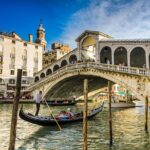
The tour’s big “you have to see this” moment is the Ponte di Rialto. It’s the oldest bridge over the Grand Canal among Venice’s main crossings and historically served as a hub of the city’s economy.
You’ll cross and get the bridge’s story. The stone structure was built between 1588 and 1591, based on architect Antonio da Ponte’s design, replacing an earlier wooden bridge that collapsed twice and burned on several occasions. That historical detail helps you look beyond the postcard view—suddenly the bridge feels engineered, not decorative.
Then you head toward the Rialto Market. This is where the day turns from landmark sightseeing into actual urban life. Even if you’re not planning to buy anything, walking through the market area gives you a sense of how Venice’s commercial pulse has always run through this zone.
A tip for you: slow down at market streets and side stalls. Rialto is where the scents, sounds, and crowds stack up quickly. If you pace yourself, you’ll enjoy the textures instead of feeling swept along.
A Grand Canal viewpoint you don’t usually find alone
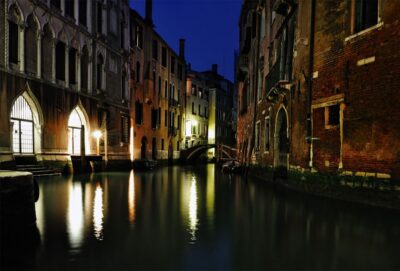
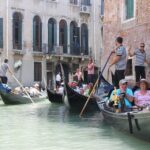
After Rialto, the tour includes a stop at a so-called hidden place for a completely exclusive view of the Grand Canal. The details here are light (you’re not told a specific “famous lookout” name in advance), but the purpose is clear: you’ll get a quieter angle on the water away from the main photo crush.
This part is valuable because Venice can be overly “same angle, same view” if you self-guide. When a guide brings you to a specific vantage, you often get better photos and a better sense of how the canal curves and how the buildings line up.
If you care about pictures, this is the moment to keep your phone charged and your hands free. Venice views look best when you’re not fighting pockets full of junk.
Piazza San Marco, Bridge of Sighs area, and what’s worth planning
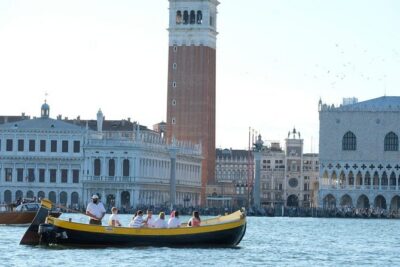
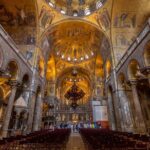
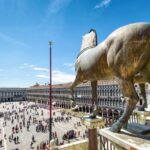
The tour reaches Piazza San Marco as the beating heart of Venice. You’ll be surrounded by the square’s main buildings: Basilica di San Marco, Doge’s Palace, the Correr Museum, the Campanile, and the Clock Tower.
A few facts the tour gives you that help you understand what you’re seeing:
- Piazza San Marco was built in the 9th century and paved in 1177, about 100 years later.
- Piazza San Marco is the lowest area of Venice, so it’s often the first to get hit when water levels rise.
- This open space reads very differently depending on time of day and light.
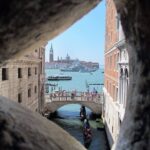
The tour also brings you to the Bridge of Sighs area. That’s a “Venice is dramatic by design” stop—one of those spots that makes you understand why people fall for this city even after they’re tired.
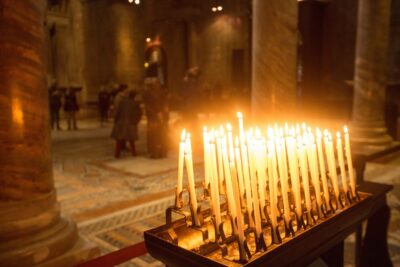
Important note: Basilica of San Marco is listed as not included. You’ll arrive at the area and have the chance to visit on your own, but don’t build your schedule assuming you’ll walk in as part of the tour’s timed program.
Dress code reminder (practical, not picky): if the tour includes stops inside churches, you need covered shoulders and legs.
Lunch at an ancient bacaro: cicchetti that actually feel Venetian
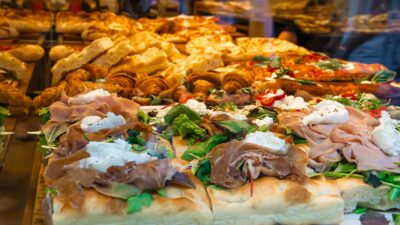
For lunch, you’ll stop at an ancient bacaro hidden among Venice’s narrow calli. The food focus is traditional Venetian cicchetti, which are basically the city’s small-plate way of eating—perfect for sampling without committing to one giant course.
Why this matters for value: a tour that only points at food usually fails you. This one builds lunch into the day, and it does it in a place that’s described as tucked away among the intricate streets. That’s how you avoid the trap of expensive, generic meals right where the crowds park themselves.
Also, cicchetti format fits the walking day. Small plates are easier to manage when you’ve got more canals and bridges coming after lunch. You won’t need a food coma to appreciate the rest of the route.
Ferry back to the train station: finish with less stress
At the end, the tour takes you back via ferry boat to reach the rail station. This is a smart closing move. Once you’ve walked enough that your legs start negotiating with your shoe soles, the ferry gives you a breather and helps you get out without another long maze.
The tour ends back at the meeting point, matching the idea that you’re not left stranded wondering what to do next.
The duration is listed as about 7 hours 30 minutes, so you’ll spend a meaningful chunk of the day on your feet and moving between districts. Bring water and plan for typical Venice walking surfaces.
Price and logistics: is $150.49 a good deal for this day?
The price is $150.49 per person, with an average booking window of about 115 days. For a Venice day trip from Padua, the real value comes from what’s bundled.
You get:
- a round-trip train transfer from Padua,
- a tour leader,
- walking through multiple Venice districts with structured stops,
- and insurance/technical organization by a certified travel agency.
What’s not included:
- anything not clearly listed,
- and entrance fees are not included. It notes that entrance fees are currently not required, though local rules can change.
For you, the biggest planning variables are:
- Church dress code (covered shoulders and legs),
- the possibility of a €5 access fee on certain dates for people staying outside Venice (you’ll want to check cda.ve.it for which days apply),
- and weather. The experience is described as requiring good weather, meaning the tour may be offered a different date or refunded if conditions are poor.
One more logistics detail: confirmation is generally received at booking, but if you book within 2 days of travel, confirmation comes within 48 hours subject to availability. So if you’re booking late, don’t wait until the last minute to confirm.
Finally, group size is capped at 10 travelers, which helps in tight streets. Smaller groups also tend to feel more personal, especially when you want quick explanations of what you’re walking past.
Watch-outs: language mix and meeting expectations
One issue to plan around: language. The tour is described as English, but at least one past experience involved a German and English mix, which slowed the flow because information had to be translated.
So what should you do?
- If language matters a lot, double-check what language the tour you book will run in.
- Be ready for the possibility that some days your group includes multiple language needs.
Also, don’t assume the tour includes a pickup in Venice. The included transfer is described as train from Padua, and the tour’s instructions are built around meeting at Padua station.
Neither of these points is about quality; they’re about matching expectations to how the day runs.
Who should book this Live Venice as a local route?
This tour is a great match if:
- you’re doing Venice as a day trip from Padua and want the train handled,
- you like walking routes that start calmer and build toward the big sights,
- you want traditional Venetian food like cicchetti, not just a photo stop at lunch,
- you enjoy mixing neighborhood context (Cannaregio and the Ghetto) with major landmarks (Rialto and San Marco).
It may be less ideal if you:
- want a long, unstructured museum-style day,
- need a strictly single-language tour without any translation delays,
- or you’re looking for a heavy “skip the line” approach for major sites. Basilica of San Marco isn’t included, so you’d plan that separately.
FAQ
FAQ
Where is the tour meeting point?
You meet at Stazione FS di Padova, Piazzale della Stazione, 1, 35131 Padova PD, Italy.
What time does the tour start?
The start time is listed as 9:45 am, and it can vary slightly.
How long is the experience?
It runs about 7 hours 30 minutes.
Is the tour ticket mobile?
Yes, it’s a mobile ticket.
Does the price include transportation from Padua?
Yes. It includes round-trip transfer by train from Padua station.
Are entrance fees included?
No. Entrance fee details note that fees are currently not required, but may be required in the future.
Does the tour include Basilica of San Marco?
Basilica of San Marco is specifically listed as not included.
What should I wear for churches?
To visit churches, you need covered shoulders and legs.
Is there an access fee to consider for some visitors?
On certain dates, visitors staying outside of Venice may be required to pay a €5 access fee. Check cda.ve.it for applicable days and exemptions.
What if there’s a public transportation strike?
You should contact the provider for alternative arrangements or cancellations. If there are no alternatives, the tour can be canceled and refunded in advance. Train tickets you already purchased would not be refunded.
Should you book this Venice-from-Padua tour?
If you want a day that’s more than just the top 3 postcard stops, I think this is a strong booking. You get a thoughtful neighborhood start (Cannaregio and the Jewish Ghetto), a real food moment with bacaro cicchetti, and then you reach Venice’s big landmark core through Rialto and on to San Marco with the Bridge of Sighs area.
Book it if you’re comfortable walking and you’re okay with the small-group reality: language might be mixed on some dates. If you’d rather avoid that, make your language needs crystal clear before you go.