Venice is better when you walk away from it. This 2-hour, small-group tour threads together quiet neighborhoods and major sights like Rialto, with a local guide who explains what you’re actually seeing and why it matters. You start in Cannaregio at Campo San Geremia, then head toward the Jewish Quarter and onward to the Rialto area for views and classic canal moments.
Two things I really like: you get a break from the main tourist lanes without sacrificing big-name places, and the guide-led storytelling tends to connect old Venice to real everyday life. Names that have led this walk include guides like Nico, Sebastiano, Giovanni, Mateo, and Thomas, and they’re the type who answer questions instead of just reciting facts.
One possible drawback: it’s a walking tour. If your day depends on low effort, or you’re arriving with a long trek just to reach the start, this may feel like too much.
In This Review
- Key things you’ll notice on this walk
- Where the tour starts: Campo San Geremia and Cannaregio’s quieter Venice
- Crossing toward the Jewish Quarter: history that explains the city
- Chiesa della Madonna dell’Orto: Tintoretto and the feel of old Venice
- Palazzo Mastelli del Cammello, aka Camel House
- Squero dei Muti: the gondola factory stop that’s actually useful
- Ponte Chiodo and the view logic of Venice’s bridges
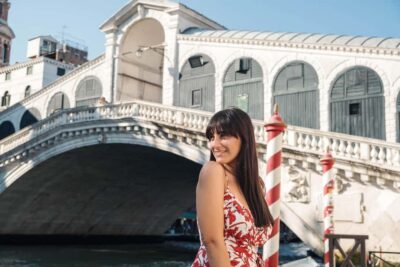
- Rialto Bridge: not just a landmark, but a story engine
- Campo San Giacomo di Rialto and Mercato di Rialto: where daily life used to happen
- What this tour is really good for (and who it suits best)
- Price and value: what $47.16 buys you in Venice time
- Practical tips to make the most of the walk
- Should you book The Real Hidden Venice?
- FAQ
- How long is the Real Hidden Venice tour?
- What group size should I expect?
- Where does the tour start and end?
- Is church admission included?
- Is there any extra access fee in Venice?
- What happens if the tour is canceled?
Key things you’ll notice on this walk
- Campo San Geremia’s oddball comic backstory sets the tone for the whole tour
- The Jewish Quarter connection to the word ghetto gives context you won’t get from a quick stop
- Tintoretto in Chiesa della Madonna dell’Orto and the area’s authentic feel make it more than a photo break
- Camel House at Palazzo Mastelli turns architecture into a story you’ll remember
- Squero dei Muti and gondola-factory history adds a hands-on Venice angle
- Rialto Bridge to Mercato di Rialto ties views to trade and daily movement
Where the tour starts: Campo San Geremia and Cannaregio’s quieter Venice
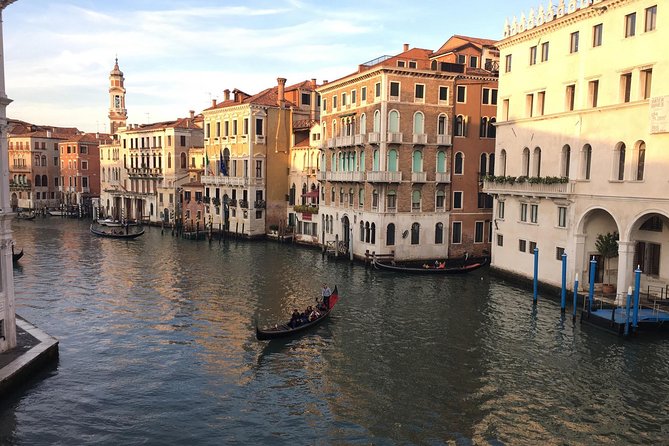
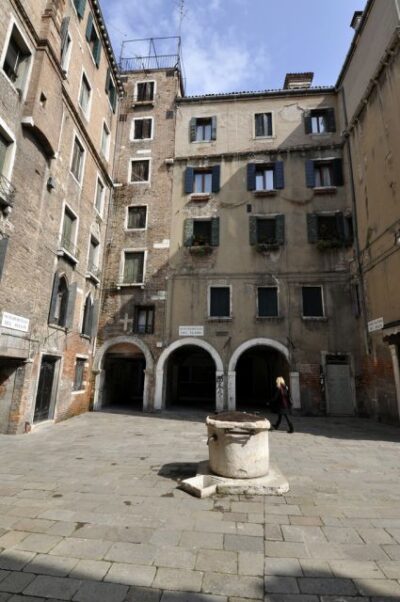
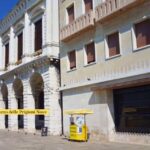
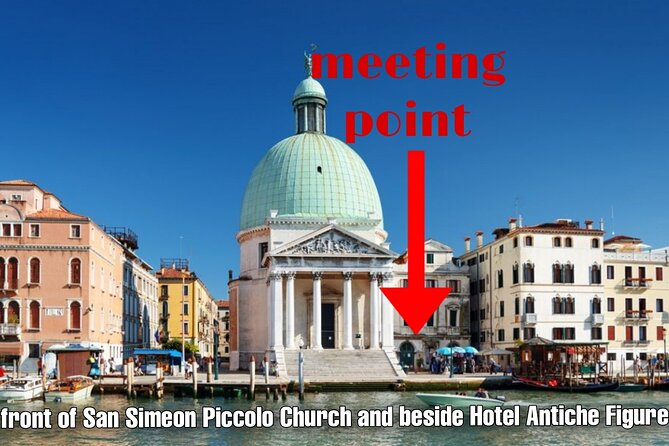
Most Venice tours march you straight toward the loud classics. This one does the opposite. You begin at Hotel Antiche Figure, near the Santa Lucia station area, and then you settle into Campo San Geremia—a small, picturesque square in Cannaregio.
I like that start because it helps you understand Venice as a lived-in city, not a theme park. Campo squares are where neighbors bump into each other, trade gossip, and pause between errands. Here, you also learn the funny history of what makes it a “campo”—one of those details that instantly changes how you read the city layout.
Then comes the first “oh wow” moment: you cross into the quieter canal side streets and foot-bridge crossings. Expect short segments of walking on Venetian paths that can be uneven underfoot. Bring shoes that feel steady, not dressy.
You’ll also be in a small group of up to 15, so you can actually ask why things are arranged the way they are—especially when the guide points out how movement works across water. One of the best parts of the small size is timing. When the guide spots a question forming in your head, they can usually answer it on the spot.
You can also read our reviews of more tours and experiences in Venice.


Crossing toward the Jewish Quarter: history that explains the city
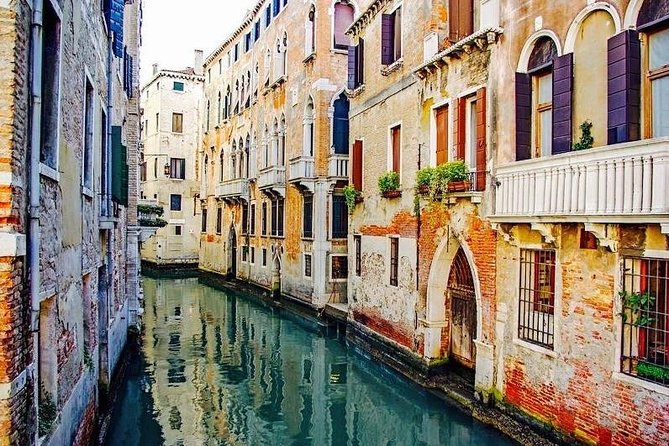
After Cannaregio, you cross into the Ghetto Ebraico area. The tour doesn’t treat this as a checkbox. You’re walked through the neighborhood with context for the term ghetto, so you understand why the area matters beyond names on a map.
This is one of the stops where the storytelling often expands beyond medieval dates. You might hear how Venetian life changed over time, including references that stretch into much more recent history. It’s the kind of perspective that makes a compact neighborhood feel surprisingly layered.
If you’re the type who likes to know what a place is doing in the real world, you’ll appreciate the guide’s approach. Instead of a lecture that says, this is important, the guide explains how it connects to daily life and how Venice functions as a city of neighborhoods separated by water.
A practical note: this section can involve pauses for explanation. If you’re visiting right after arriving (especially early morning), keep your pace flexible and don’t assume you’ll be “moving all the time.” The upside is you’ll walk away with an actual understanding, not just a stroll.
Chiesa della Madonna dell’Orto: Tintoretto and the feel of old Venice
Next up is Chiesa della Madonna dell’Orto. Even if you only catch it for a short visit, this church stop is a strong payoff because of two things:
- you get pointed art context (including Tintoretto paintings)
- you also see a detail linked to the original floor of Venice right in front of the church
This is where the tour can feel like more than walking. A good guide turns a quick stop into a lesson: what you’re looking at, and why this church became famous. Even if you don’t consider yourself an art person, the guide’s job is to help you look.
One consideration: admission is not included. So don’t build your schedule around expecting everything inside to be automatic. If you want to spend extra time here, plan for that extra step.
Palazzo Mastelli del Cammello, aka Camel House
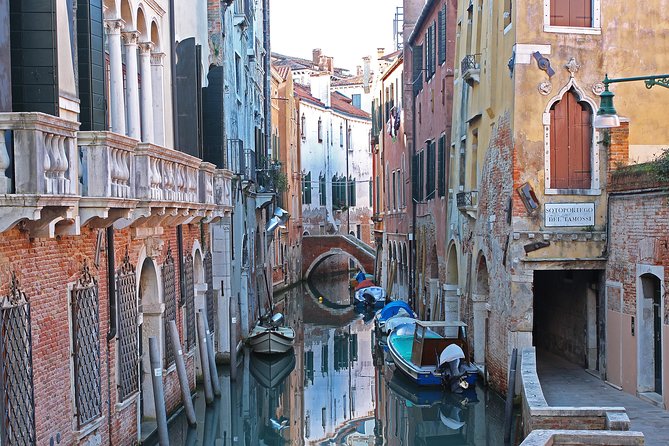
Then you head to Palazzo Mastelli (also known as del Cammello). The facade has a nickname—Camel House—and the guide explains the legend behind it.
This stop is short, but it’s the kind of micro-adventure I love in Venice. Instead of just watching buildings slide by, you learn what to look for: the details on the facade and the way local nicknames form around architecture.
It’s also a reminder that Venice is full of unofficial knowledge. The city is not just preserved in museums—it’s remembered in names, stories, and local jokes. Seeing how guides connect those dots makes the architecture feel alive.
Squero dei Muti: the gondola factory stop that’s actually useful
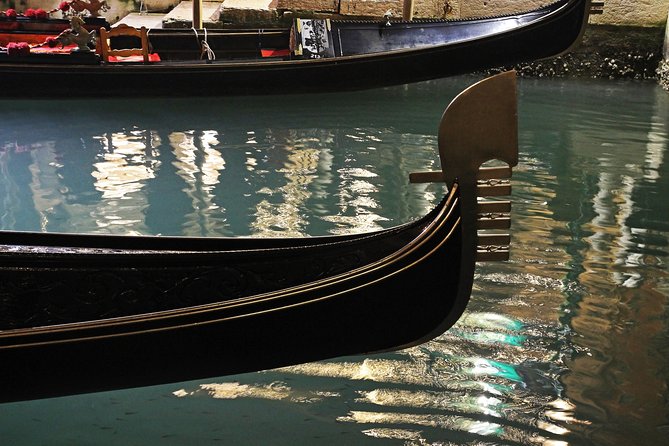
After that, you reach Squero dei Muti, an old gondola factory. This is a big value stop because it gives you a practical lens on Venetian craft.
A gondola is easy to see as a tourist image. A gondola factory is harder to spot on your own, and it gives you context for how gondolas are made and maintained—something you might not think to ask about until you’re already looking at one.
Even better: this stop doesn’t require you to be a history buff. It’s the kind of place that makes you pause and think, okay, this city runs on trades, not just landmarks.
If you’re planning to book a gondola ride later, this stop helps. You’ll already have a mental frame for what parts matter and why the workshop setting feels different from the promenade views.


Ponte Chiodo and the view logic of Venice’s bridges
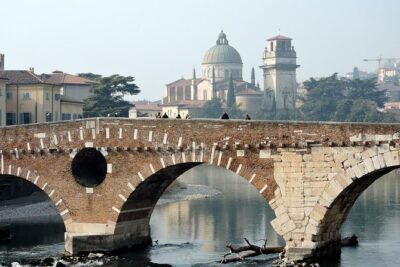
From the gondola-factory zone, the tour continues to Ponte Chiodo, described as the original bridge of the Venetian Republic.
Bridges are more than shortcuts here. They’re how the city connects neighborhoods, and they create vantage points for reading the canal. Even when the tour doesn’t spend long on each bridge, the sequence matters.
You’re likely to notice how Venice uses narrow crossings to manage flow. The guide may point out what the bridge placement tells you about movement and how locals navigate daily routines. This is where small-group walking becomes a cheat code. You’re not just staring at bridges like postcards. You’re learning the city’s rules.
Rialto Bridge: not just a landmark, but a story engine
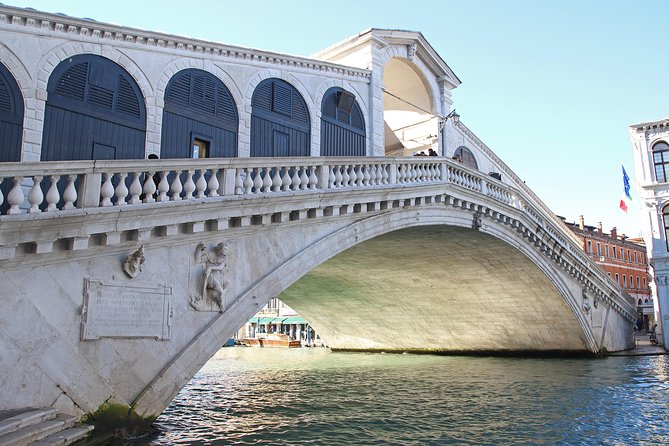
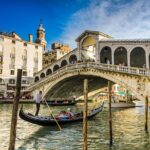
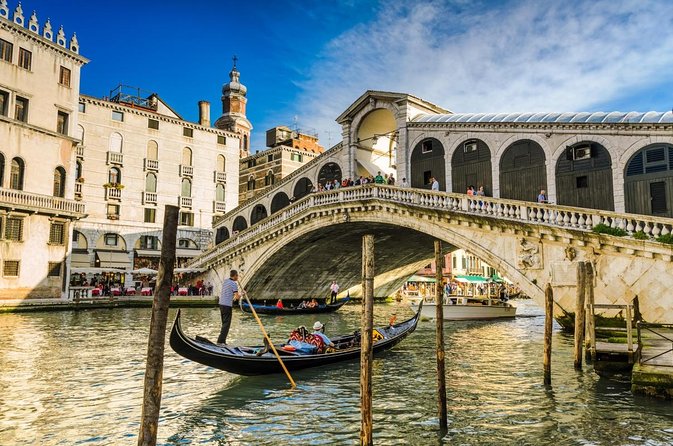
Eventually, you reach Ponte di Rialto. This is the star attraction, and the tour treats it like one—without wasting your time.
You’ll hear the story behind the first bridge built on the Grand Canal, plus legends, traditions, and 16th-century landmark context. You also get an orientation moment: how to look at Rialto from different angles and why the bridge feels like the city’s nerve center.
The best part is that your earlier stops prepare you for this. When you’ve already walked through Cannaregio and the Jewish Quarter, Rialto doesn’t feel like a random big stop. It feels like the place trade and neighborhood life converge.
Take a few photos, but don’t let that become your whole plan. The guide’s goal is to help you understand what you’re seeing so you can keep exploring after the tour ends.
Campo San Giacomo di Rialto and Mercato di Rialto: where daily life used to happen
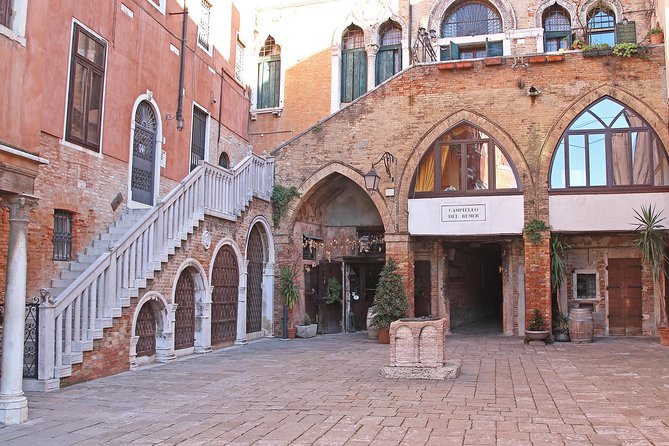
The last stretch walks you through the Rialto area with two stops that shift the focus from monuments to everyday function.
First is Campo San Giacomo di Rialto, described as the first lived island of Venice. That detail matters because it reframes the area. You’re not just looking at a busy zone now—you’re stepping into a location tied to the city’s early settlement idea.
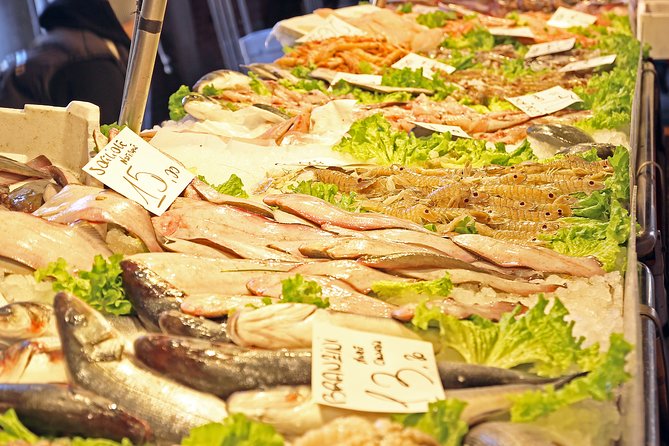
Then comes Mercato di Rialto, the old trade center of the Venetian Republic, La Serenissima. This stop is about movement and economy: where goods changed hands, where people came together, and where rumors and news likely spread as fast as merchandise.
This ending works well because the tour ends near Rialto Bridge, placing you in a highly walkable pocket. You can continue on your own with less aimless wandering.
What this tour is really good for (and who it suits best)
This is a strong first or second day tour, especially if you want:
- off-the-beaten-track Venice without skipping the big sights
- a walk that explains how neighborhoods connect
- a guide who can answer questions about daily life, not just dates
It’s also a great fit for visitors who don’t want the heavy museum day. In about 2 hours, you get a range: squares, bridges, a major church, architecture with a nickname, a gondola factory, and the Rialto core.
If you’re a family traveling together, this small-group size can help reduce stress. One set of visitors mentioned their experience worked well for kids and adults because the guide kept things lively and interactive. If you’re traveling with teens, they’ll likely enjoy the mix of humor and story.
If you’re mobility-limited, treat this as a serious walking commitment. The tour asks for moderate physical fitness, and I’d plan your arrival carefully. One couple ended up disappointed when their ship drop-off forced them into a long walk just to reach the start—so don’t underestimate that “getting there” part.
Price and value: what $47.16 buys you in Venice time
At $47.16 per person for roughly 2 hours, the price is fairly approachable for Venice, where guided experiences often climb fast. The value comes from how the tour spends your time:
- small group (max 15)
- local guide plus local taxes
- a city map per person
- a guided route that strings together major sights and quieter districts
What you’re paying for isn’t just the visit to Rialto. It’s the ability to move between neighborhoods with someone who explains what you’re seeing, and it’s the access to spots that are less obvious when you’re on your own.
Also, you’re getting mobile tickets, which can make the day smoother. And the tour offers group discounts, which can bring the per-person cost down if you’re traveling with others.
My main “check before you buy” point: not everything is fully included. Church admission (specifically for Chiesa della Madonna dell’Orto) is listed as not included, so think of your ticket as covering the guided walking experience, not a full museum pass.
Practical tips to make the most of the walk
Here’s how to get the best experience from this style of tour:
- Wear shoes you can trust on stone and in canal-side damp spots.
- Bring a light layer. Venetian weather can change fast, and this tour requires good weather. If it’s canceled due to poor weather, you’ll be offered a different date or a refund.
- Come ready to ask questions. The tour’s format is designed for interaction, and guides often share helpful restaurant and sightseeing ideas at the end.
- Use the ending as your launch point. Once you hit Rialto Bridge, you’ll be well positioned to keep exploring without needing to reset your bearings.
Should you book The Real Hidden Venice?
Yes—if you want a Venice day that feels local, not scripted. This tour is a smart way to balance quieter districts like Cannaregio with the big gravitational pull of Rialto. The small-group size (15 max) helps you get real answers, not just background noise.
Book it especially if:
- you’re short on time and want maximum context per walking minute
- you hate crowds but still want classic sights
- you like guides who connect history to what you see right now
Skip it if:
- you need a low-walking, sit-every-10-minutes tour
- you’ll arrive late or far from the start and can’t handle a potential scramble to get there
If you’re in the sweet spot, this is one of those Venice experiences that leaves you with more than photos. It leaves you with a better sense of how the city actually works.
FAQ
How long is the Real Hidden Venice tour?
It’s approximately 2 hours of walking.
What group size should I expect?
The group tour has a maximum of 15 travelers.
Where does the tour start and end?
It starts in front of Hotel Antiche Figure in the Santa Croce area, and it ends near Rialto Bridge (Ponte de Rialto).
Is church admission included?
No. The church stop at Chiesa della Madonna dell’Orto is listed as admission not included.
Is there any extra access fee in Venice?
On certain dates, visitors staying outside Venice may need to pay a €5 access fee. You can check which days apply at https://cda.ve.it.
What happens if the tour is canceled?
If it’s canceled due to poor weather, you’ll be offered a different date or a full refund. It can also be canceled if a minimum number of travelers isn’t met, with a different date or refund offered. Free cancellation is available up to 24 hours in advance for a full refund.