REVIEW · VENICE
Venice: Ca’ Pesaro Modern and Oriental Art Museum Ticket
Book on GetYourGuide →Operated by Venezia Unica by Vela Spa · Bookable on GetYourGuide
Two museums, one palace. That’s what makes this Ca’ Pesaro ticket such a smart way to spend a Venice day, starting in a baroque marble palace facing the Grand Canal. I like that you’re not locked into a rigid tour script; you choose the pace while still seeing two major museum stops that cover very different worlds.
I’m especially excited by the modern-art wall of names: Kandinsky and Klimt are both on the bill, along with Chagall, Klee, and other 19th- and 20th-century works. The Oriental Art Museum is the other half of the magic, with Edo-era Japanese art and even Samurai armor-style pieces that feel completely unexpected in Venice.
One consideration: it’s self-guided, so you’ll want to show up with a simple game plan and respect museum timing. Also, it’s closed on Mondays, and the last entrance is 5:00 PM, so you can’t rely on a late start.
In This Review
- Key highlights at a glance
- Ca’ Pesaro on the Grand Canal: a baroque start you can’t ignore
- Your ticket covers two collections in one museum building
- Modern art highlights: Klimt, Chagall, Klee, Kandinsky, and Rodin
- Oriental Art Museum: Edo-era Japan and Samurai armor details
- Time it right: last entrance at 5 PM, closed Mondays, and seasonal access fees
- Price and value: why $11 for two museums can be a smart deal
- Who should book Ca’ Pesaro, and who might not need this
- Should you book this Ca’ Pesaro Modern and Oriental Art ticket?
- FAQ
- Where is the meeting point for the Ca’ Pesaro ticket?
- What is included with the ticket?
- Is a live guide included?
- How long can I spend with this ticket?
- What are the opening hours limits I should know?
- Are children free?
- Is the ticket refundable?
- Is it wheelchair accessible?
- FAQ
- Are there any extra fees to consider during peak season?
Key highlights at a glance
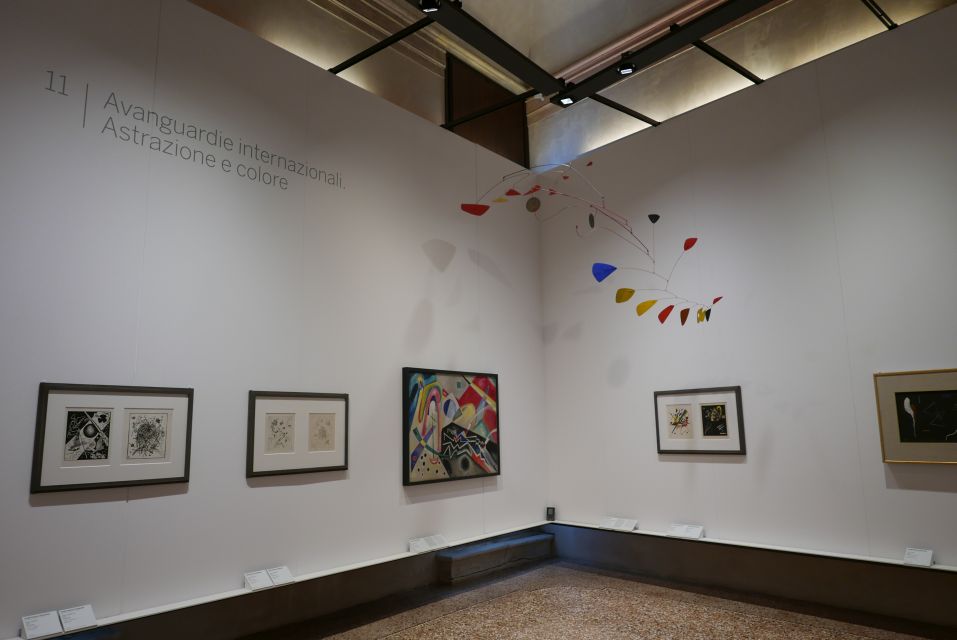
- Two top collections in one visit: Ca’ Pesaro’s modern gallery plus the Oriental Art Museum
- Big-name modern art, plus Italian connections: Klimt, Chagall, Klee, Kandinsky, and more
- Edo-era Japanese art focus: one of the important collections of Japanese art from that period
- Samurai-related displays: Samurai armors shown in the Oriental collections
- A pleasant break on-site: a cafe with Grand Canal views, plus free locker storage
- Easy one-day strategy: valid for 1 day, with last entry at 5:00 PM
Ca’ Pesaro on the Grand Canal: a baroque start you can’t ignore
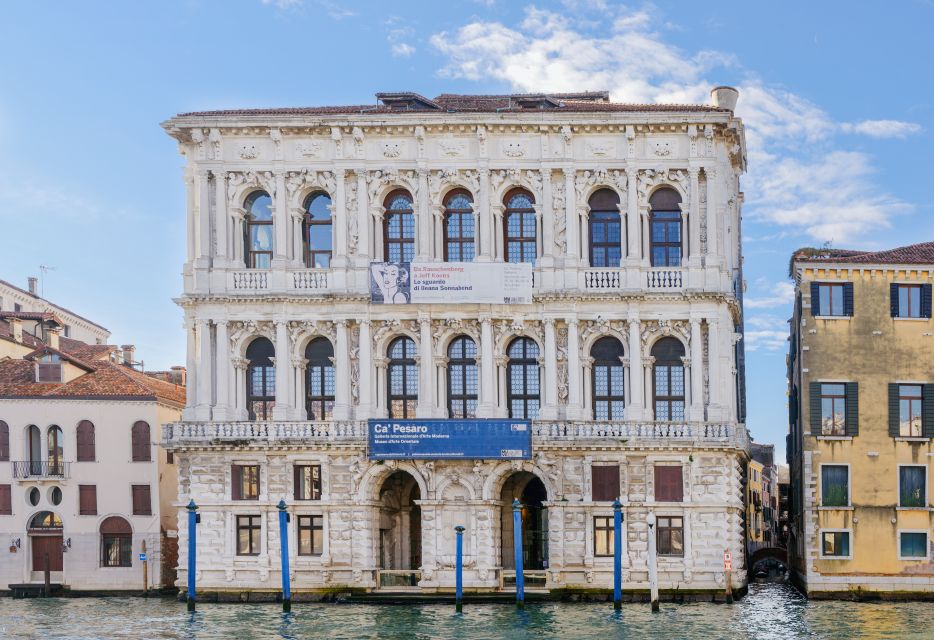
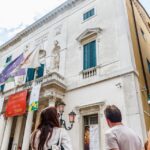
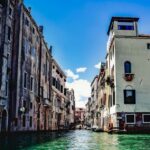
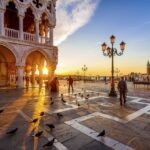
The first thing I’d tell you to do is look up when you arrive. Ca’ Pesaro sits right on the Grand Canal, in a famous baroque marble palace feel, not a plain museum box. Even before you buy into the art, the setting does part of the work: you get Venice atmosphere without stepping away from your plan.
And yes, plan for a pause. There’s a cafe on-site that looks out over the Grand Canal from a veranda or balcony, which is a really good match for a museum day. In practice, that means you can cool down, reset, and keep your energy for the galleries inside. If you’re carrying bags, you’ll also appreciate that lockers are available for free, which makes moving through the museum less stressful.
A small tip that matters: give yourself enough time to enjoy the building arrival. If you sprint in right on time, you’ll miss the best part of the first impression, and that’s the part that sets the tone for the art inside.
You can also read our reviews of more tours and experiences in Venice
Your ticket covers two collections in one museum building
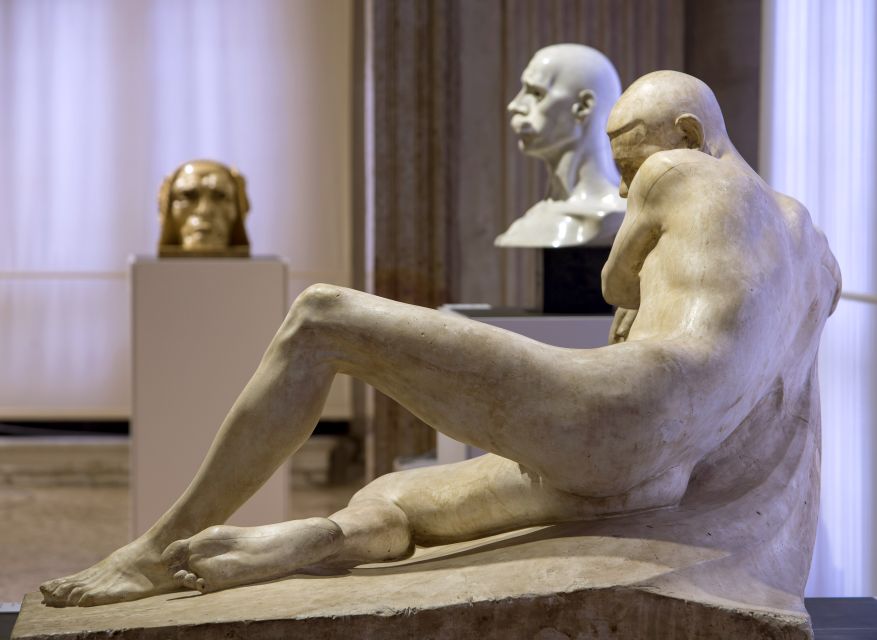
This ticket is for admission to the Ca’ Pesaro International Gallery of Modern Art plus the Oriental Art Museum. It’s designed for a one-day visit, and it’s not tied to a live guide. That’s a plus if you like flexibility. You can linger over a painting you care about, skip what’s not your style, and move at your own tempo.
The museum approach also fits the building. You’re not only going from one gallery to another; you’re switching between two different lenses of art-making:
- modern European art (19th and 20th centuries, with famous names)
- Asian art collections, including Japanese Edo-period pieces and other regional examples
One practical note: you go straight to the Ca’ Pesaro International Gallery of Modern Art. Show your ticket at entry. There’s no separate “meet your guide” moment. If you’re traveling light, it’s even easier—if you’re not, use those free lockers so your visit doesn’t feel like you’re herding luggage.
Also, timing matters. Last entrance is at 5:00 PM, so if you’re trying to pair this with other big sights, build in a buffer. Venice mornings can go fast, and the afternoon sun can make museum breaks feel even more worth it.
Modern art highlights: Klimt, Chagall, Klee, Kandinsky, and Rodin
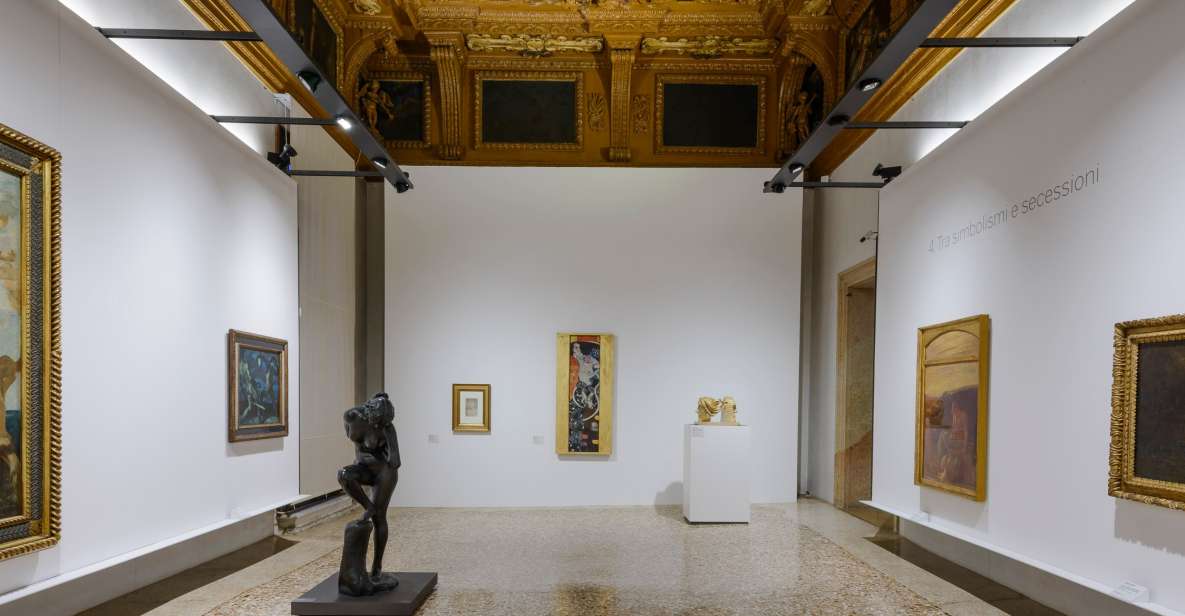
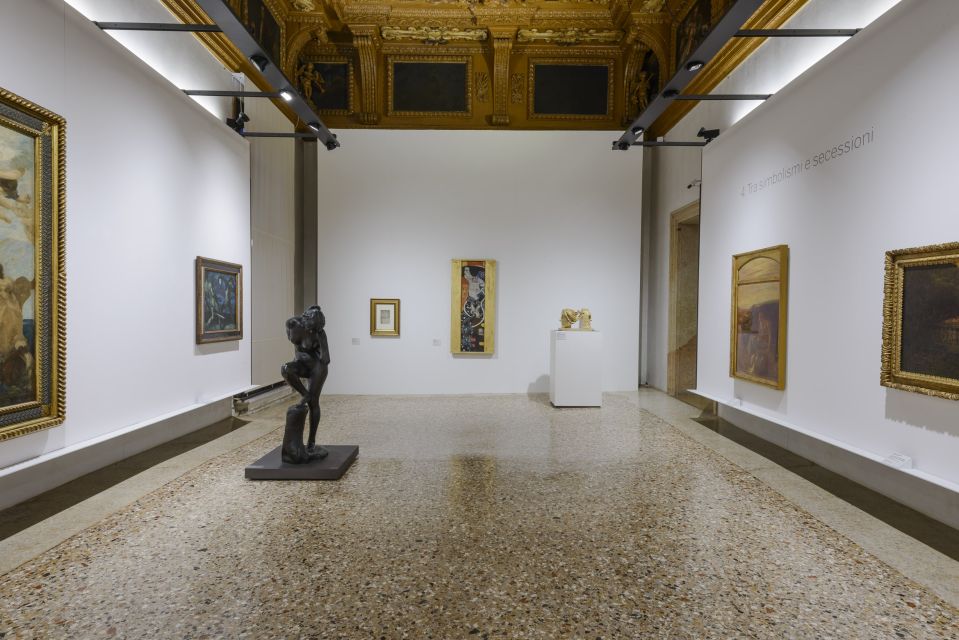
The modern collection is where the museum earns a lot of attention fast—because you don’t just get random examples. You get major artists whose work many people already know, including Klimt and Chagall. You’ll also find work by Klee and Kandinsky, which is a strong sign you’ll see more than one style of modern art.
In practical terms, here’s what that means for your experience:
You’ll recognize names you’ve seen in books, posters, or online. But you’ll also be able to judge them on their own terms—scale, color, composition, and how they sit among other pieces from the same era. That’s usually where a museum becomes more than just “seeing famous stuff.”
One detail I’d flag: the modern art galleries are on the first floor, so you’re not wandering forever to find your main focus. Once you’re there, you can settle into the rhythm of looking: from paintings to sculptures, with 19th- and 20th-century collections across the room.
And there are standout sculpture moments too. A Rodin presence is specifically noted as worth your time. Even if you think of modern art as mostly paintings, sculpture can change the pace in the best way—more physical, more immediate, less about style and more about form.
Now for the balanced part: not every piece in a modern collection will hit the same way for every person. Some works are less famous outside Italy, and that can be a little frustrating if your museum goal is only the biggest crowd-pleasers. But that’s also the point. You’re seeing how modern movements played out in Europe, and part of the value here is discovering names and connections you might not bump into on the usual Venice highlights.
If you want an efficient plan: spend extra time where you have clear anchors (Klimt, Kandinsky, Chagall), then let yourself wander after. That’s how you turn the “I came for the famous names” visit into a “wait, I didn’t expect this” museum day.
Oriental Art Museum: Edo-era Japan and Samurai armor details
Then you switch gears. The Oriental Art Museum is where the museum’s personality gets a little surprising—in a good way.
The big headline is the Edo-era Japanese art focus. The collection is described as one of the most important of its kind, so you’re not just getting a decorative sampler. You’re seeing serious Japanese art scholarship, presented through a museum collection rather than a casual display.
And the museum doesn’t only talk about Japan in theory. Samurai armors are on display, which adds a tangible, high-impact element to the visit. Armor sounds like “costume” until you see the craftsmanship up close: texture, detailing, and the way it was made to be both functional and visually forceful. Even if you’re not into military history, these displays tend to hold attention because they’re physical art.
You’ll also encounter examples from other cultures, including Japanese, Chinese, and Indonesian art. That matters because it keeps the museum from feeling like a one-note specialty shop. You’re getting a broader look at how different Asian art traditions were collected and presented in Venice.
What I like about this half of the visit is how it expands your Venice day beyond the usual postcard route. You can spend years in Venice without thinking much about Asia’s role in art collecting and European museum world. This museum makes that connection concrete, without turning it into a lecture. You simply see the objects.
If you’re the type who likes “show me what to focus on,” put the Japanese Edo section and Samurai armor displays at the top of your priority list. After that, let the rest of the room pull you along.
Time it right: last entrance at 5 PM, closed Mondays, and seasonal access fees
Museums in Venice have their rhythms, and Ca’ Pesaro runs on those rules. It’s closed on Mondays, so if you’re building a week around this stop, don’t gamble. Also remember: last entrance is at 5:00 PM. If you plan to do a canal walk, a photo stop at Rialto, and then sprint to the museum, you’ll be cutting it too close.
Before you go, check the official Civic Museums of Venice website for any changes in opening and closing times. That’s not busywork; Venice schedules can shift, and you don’t want to arrive to a surprise.
One more thing you should know ahead of time: during certain dates between 18 April 2025 and 27 July 2025, an Access Fee is required for everyone visiting Venice (with specific exemptions). The payment method and exemptions are handled through the city’s info site (cda.ve.it). If your trip falls in that window, factor it in early. It’s the kind of detail that can stop your day cold if you only learn about it at the last minute.
Finally, the ticket is non-refundable, so make sure your day is stable before you commit.
You can also read our reviews of more museum experiences in Venice


Price and value: why $11 for two museums can be a smart deal
At about $11 per person for a 1-day entry, this ticket can be good value because you’re paying for admission to two major museum offerings inside the Ca’ Pesaro complex. Instead of seeing one museum and rushing back out, you get modern European art plus Oriental collections in the same day plan.
Value in Venice isn’t only about cost. It’s about reducing friction: fewer transit hassles, fewer “which ticket should I buy” decisions, and less time wasted figuring out where your day goes next. This ticket earns its price by giving you a ready-made art itinerary you can complete in a single block.
Also, kids under 6 get free entry, which can matter for families.
What might reduce the value for you is if your interests are very narrow. If you only care about one type of art—say, only the famous modern names and you’re not interested in Asian art collections—then you might feel like you’re spending time on the other half. But if you’re open to variety, the pairing is the whole point, and the price feels easier to justify.
Who should book Ca’ Pesaro, and who might not need this
I think this ticket suits a few kinds of visitors especially well.
Book it if:
- you want serious modern art without a huge time commitment
- you like the idea of seeing famous names like Klimt, Chagall, Klee, and Kandinsky
- you’re curious about Asian art collections and want Edo-era Japanese art with concrete, physical details like Samurai armor
- you like an on-your-own pacing style more than a group tour structure
You might consider skipping or adjusting expectations if:
- you’re only interested in the most famous Venice landmarks and want art to be secondary
- you need a guided narrative to enjoy museums (this one is not a live-guided experience)
- you’re visiting on a Monday, since the museum is closed
If you’re planning your day, treat it like a balanced art sampler: start with what you recognize (modern art), then let the Oriental museum surprise you. That order tends to keep momentum strong, and you’ll be less likely to hit museum fatigue before seeing the objects that feel most special to you.
Should you book this Ca’ Pesaro Modern and Oriental Art ticket?
If your goal is a quality art day in Venice that isn’t just the standard circuit, I’d say yes—especially at the $11 price point. You get two museums that pull in opposite directions (modern European masters and Edo-era Japanese art), and the contrast keeps the day from feeling repetitive.
The main reason to hesitate is scheduling. With last entrance at 5:00 PM and closure on Mondays, you need to place this stop cleanly on your itinerary. If your timing works, this is one of those rare tickets that turns a “we’ll see a museum” day into a real highlight.
FAQ
Where is the meeting point for the Ca’ Pesaro ticket?
You go directly to the Ca’ Pesaro International Gallery of Modern Art and show your ticket when entering.
What is included with the ticket?
Admission is included to the Ca’ Pesaro International Gallery of Modern Art.
Is a live guide included?
No. A live guide is not included.
How long can I spend with this ticket?
The ticket is valid for 1 day.
What are the opening hours limits I should know?
The museum is closed on Mondays, and the last entrance is at 5 PM.
Are children free?
Children under 6 years old get free entry.
Is the ticket refundable?
No. The activity is non-refundable.
Is it wheelchair accessible?
Yes. The activity is wheelchair accessible.
FAQ
Are there any extra fees to consider during peak season?
Yes. During certain dates between 18 April 2025 and 27 July 2025, an Access Fee is required to be paid to the City of Venice for visitors, with some exemptions. Check cda.ve.it for details.