REVIEW · VENICE
Venice: Secret City Gardens Walking Tour
Book on GetYourGuide →Operated by deTourist Valerio Coppo · Bookable on GetYourGuide
Venice has a green side most people miss. This Venice Secret City Gardens walking tour slips behind elegant facades and high walls to show you palazzo-linked hideaways, monastery gardens, and terrace views you won’t spot on the main drag. I loved the lagoon-view terrace run by a nunnery, where the whole mood changes from city noise to quiet.
I also like how the tour leans hard into the senses. You’ll breathe in the aroma of medicinal plants and fruit trees, then see a flower nursery stop where people buy cyclamens and geraniums to decorate balconies. That mix of private calm and everyday Venice is exactly why this works.
One consideration: this is a true walking tour through uneven streets and garden paths. It’s not suitable for wheelchair users or people with mobility impairments—and it runs rain or shine.
In This Review
- Key highlights I’d target on this tour
- Start at Fondamenta Gasparo Contarini: the meeting point that keeps it simple
- How the 2-hour pace fits Venice heat (and why it’s not just pretty scenery)
- Behind the walls: how “secret” gardens work in Venice
- A nunnery-run terrace over the lagoon: the moment the city quiets down
- Medicinal plants, fruit trees, and the smell test you can’t fake
- Cannareggio and a nursery stop: where everyday Venice meets balcony life
- Renaissance villa, in-nature theatre, and contemporary art in plant-filled spaces
- Public parks and the calm-to-street contrast (and why it’s part of the value)
- Price and value: is $93 for 2 hours worth it?
- Who should book this Secret City Gardens tour, and who should skip it
- Should you book the Venice Secret City Gardens Walking Tour?
- FAQ
- Where does the tour meet?
- How long is the Venice Secret City Gardens walking tour?
- How much does it cost?
- What’s included in the price?
- Is hotel pickup or drop-off included?
- What languages are available with the guide?
- Does the tour run in bad weather?
- Is the tour accessible for wheelchair users or people with mobility impairments?
- What’s the cancellation policy?
- Is food and drinks provided?
Key highlights I’d target on this tour
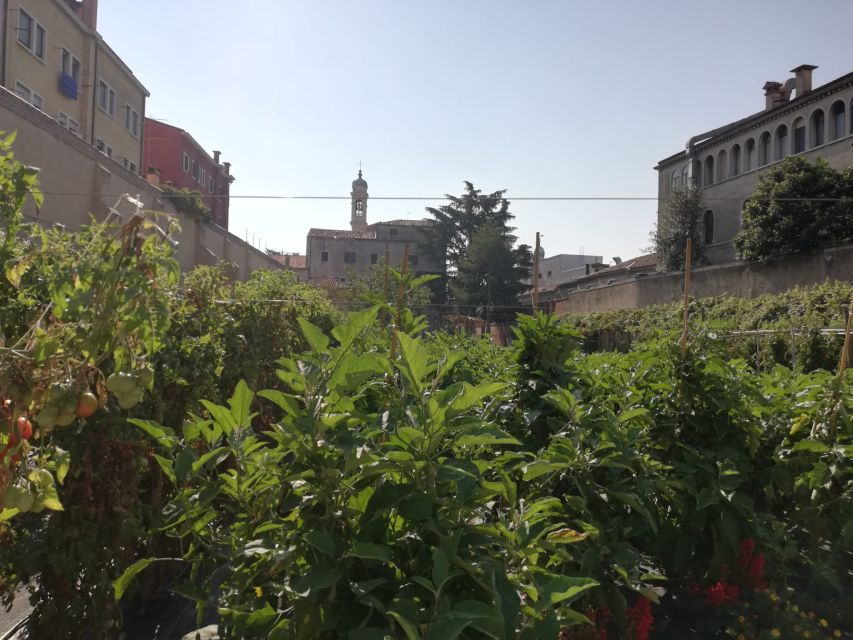
- Hidden gardens behind palazzo facades that feel off-limits at first glance
- Terrace views over the lagoon from a garden connected to a nunnery
- Scent-and-story stops focused on medicinal plants, fruit trees, and local uses
- A working nursery where Venetians buy cyclamens and geraniums for balconies
- More than lawns: a Renaissance villa, an in-nature theatre, and garden-based contemporary art
Start at Fondamenta Gasparo Contarini: the meeting point that keeps it simple
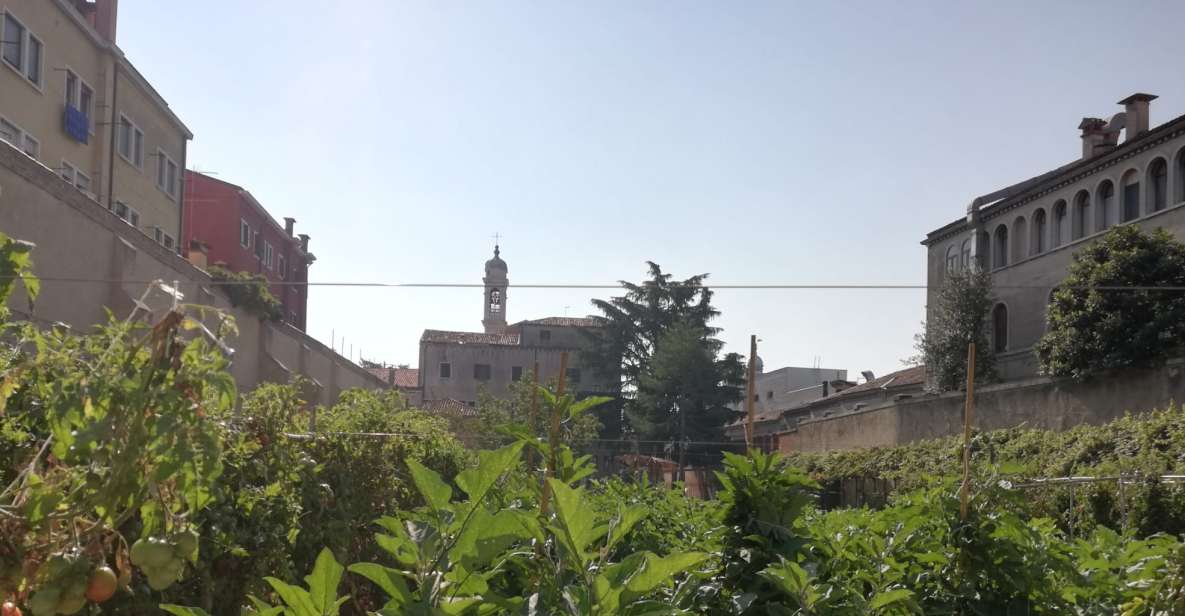
Your tour meets at Fondamenta Gasparo Contarini, near the bridge. This matters because Venice tours can be scattered and confusing. Here, you get a fixed waterfront start that’s easier to orient around, especially if you’re arriving by vaporetto or wandering in from a museum day.
Once you’re there, your guide keeps the group moving at a comfortable walking pace for a focused 2 hours. The big win is that the route is built for short “aha” moments rather than long sightseeing marathons. You’re not hunting for your next photo spot every minute.
You can also read our reviews of more walking tours in Venice



How the 2-hour pace fits Venice heat (and why it’s not just pretty scenery)
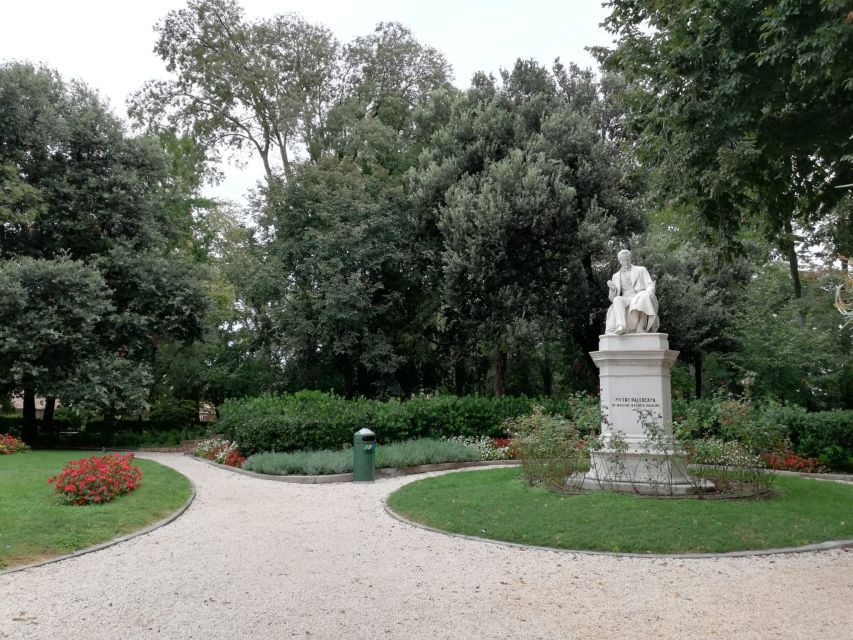
This is a 2-hour walking tour, so it’s ideal when you want something meaningful without burning half your day. Venice in summer can be brutal, and the tour design helps: one review noted that the gardens provide shade for most of the walk, with only a few between-garden transfers exposed to the sun. Even if you don’t care about shade, that rhythm keeps you from getting overheated and cranky.
You should still plan like a “walking day” person. The tour includes internal courtyards, garden paths, and steps or uneven surfaces at times—Venice does what Venice does. If you like to move slowly and look closely, you’ll be in your element here. If you hate stairs and cobbles, you’ll feel it.
Behind the walls: how “secret” gardens work in Venice
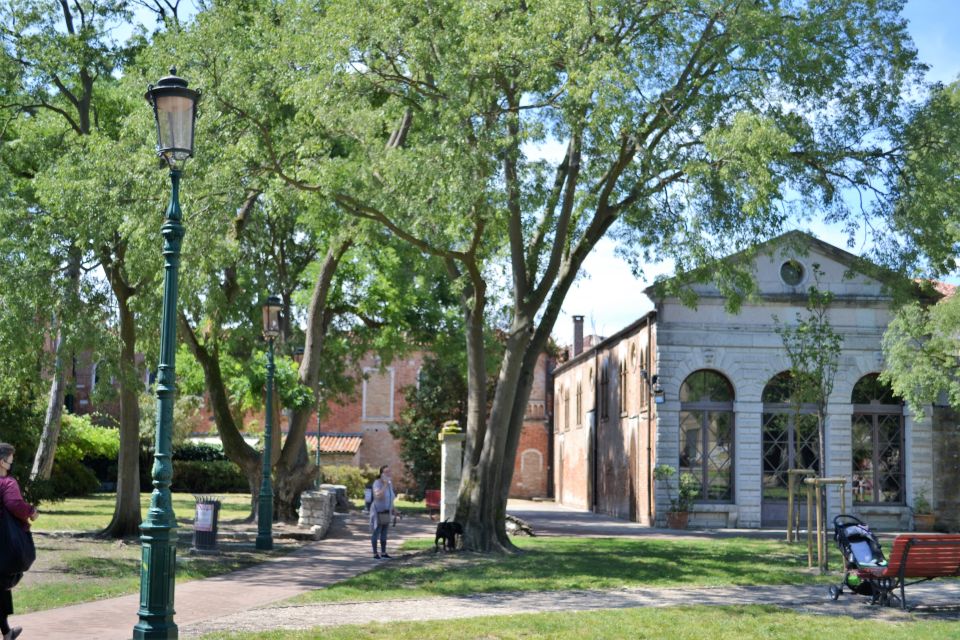
The tour’s core idea is simple: Venice hides its greenery in places most visitors never enter. You’ll follow your guide from public streets into pockets of calm—spaces behind facades and high walls belonging to private villas, monasteries, and garden-linked parks.
What I found practical is that the gardens are also a lens for understanding Venice. Your guide doesn’t just point at flowers. You’ll get stories that explain how this city developed a life shaped by water, land limits, and private space. It’s a different angle on Venice beyond canals and crowds.
You’ll also get a sense of scale. The city is known for its bridges, but the tour plays up something many people forget: there are hundreds of green spaces within the urban fabric. That perspective makes Venice feel less like a museum and more like a lived-in city with residents who care about small outdoor worlds.
A nunnery-run terrace over the lagoon: the moment the city quiets down
One stop is a true mood shift: a terrace garden overlooking the lagoon that’s run by a nunnery. This is where the tour earns its “secret” label. You don’t just see plants—you feel the atmosphere change when you step into a space designed for calm.
From practical to poetic, that lagoon view is why the tour isn’t only about botanical details. The sea horizon gives you that classic Venice “big picture,” but framed through garden walls and leaves instead of boat traffic and street noise. It’s a view that looks slow.
The drawback here is also simple: if it’s crowded inside, you may have to wait a moment for your angle. That’s not the tour’s fault—it’s Venice. But the stop is worth it if you enjoy quiet perspective shifts during your trip.
Medicinal plants, fruit trees, and the smell test you can’t fake
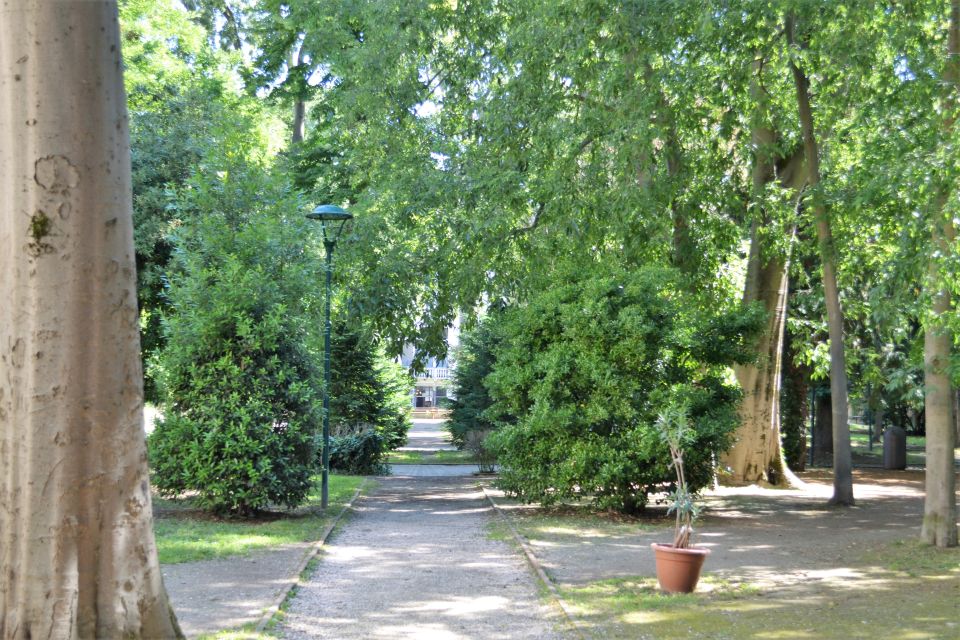
Venice gardens are often described as pretty, but this tour goes further into how plants are used and why residents care. You’ll get close enough to really notice the aromas: medicinal plants and fruit trees show up as living tools, not just decoration.
I like this because it changes your viewing style. Instead of moving from garden to garden like a checklist, you start asking: what is this plant for, and how did Venetians bring it into their daily outdoor life? Your guide ties these choices to the city’s tradition of tucked-away spaces and the way gardens can serve both pleasure and practical needs.
Even if you’re not a garden person, the sensory angle helps. You’ll remember the smell long after you forget most building facades. And for a city famous for art and architecture, that’s a refreshing break.
You can also read our reviews of more city tours in Venice




Cannareggio and a nursery stop: where everyday Venice meets balcony life
The tour includes time in less-touristy Venice areas, including Cannareggio, where locals spend time with families. That’s a useful contrast to the garden world. It reminds you that these green spaces aren’t staged for visitors—they fit into real neighborhoods and routines.
Then comes one of the most practical and fun stops: a nursery where people buy flowers to decorate their balconies. You’ll see cyclamens and geraniums, the kind of color that makes Venetian streets look like they’re constantly wearing costumes.
Why this stop matters for your trip: it gives you a “real-world souvenir.” After you see how residents pick and place these plants, you start noticing balcony boxes and window pots differently as you wander on your own. It also helps you spot the difference between touristy displays and the kinds of arrangements locals actually choose.
Renaissance villa, in-nature theatre, and contemporary art in plant-filled spaces
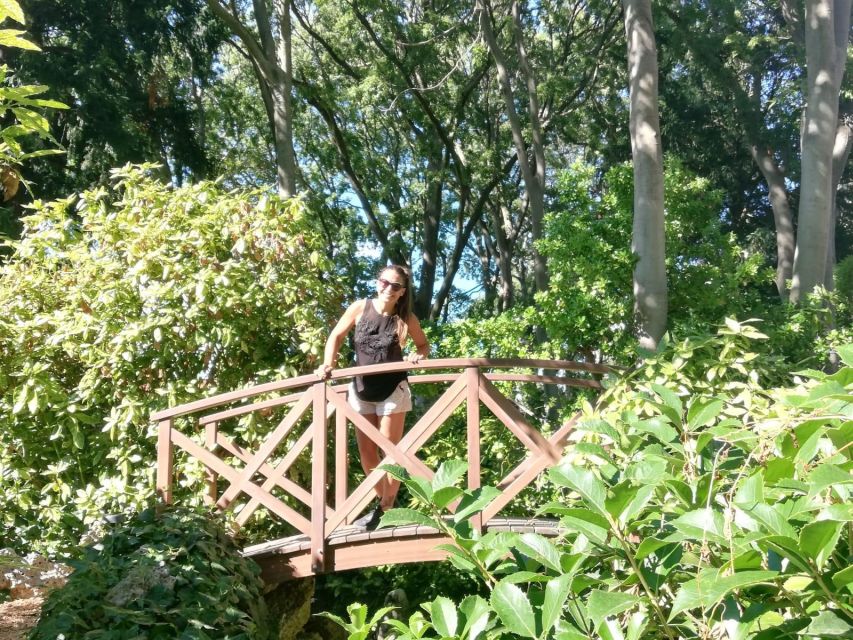
The tour doesn’t freeze gardens in the past. You’ll pass or visit a Renaissance villa, which adds architecture and timeline context to the green spaces. You also get an in-nature theatre, which is exactly the kind of Venice contradiction I love: a formal cultural element shaped by the natural setting around it.
And yes, you’ll also encounter contemporary art placed in a garden atmosphere. That matters because it keeps the tour from feeling like you’re just studying old walls and old roses. Venice gardens can be living spaces, not relics.
If you’re traveling with someone who doesn’t care much about plants, this section can still land. It turns the tour into more than botany: you’re seeing how creative Venice keeps changing, even inside quiet corners.
Public parks and the calm-to-street contrast (and why it’s part of the value)
Along with the private and monastery-linked areas, the route includes a public green space as well. That balance is important. Private gardens can feel mythic and unreachable, but public parks show what everyday green life looks like in Venice.
One review called out a mismatch between price and one public park stop. That’s a fair caution. If you’re extremely focused on “secret private-only” spaces, you might wish every garden stop had the same wow factor. Still, the public piece helps you see the city’s green side as something you can experience without an invitation.
Think of it like this: private terraces give you the fantasy. Public green spaces give you the repeatable idea—how to find calm again later, on your own.
Price and value: is $93 for 2 hours worth it?
At $93 per person for a 2-hour walking tour, the cost isn’t low. So you should judge it on access and interpretation, not on time. This tour includes a licensed guide plus entrance fees to the gardens, so part of what you pay goes directly to getting inside places you’d otherwise miss or can’t access easily.
Where the value shows up:
- You get guided storytelling that connects plants, architecture, and Venice life.
- You’re shown multiple garden environments, including lagoon terrace views and a working nursery.
- You save time hunting entrances and you get a route that’s designed for seeing the “green heart” of the city, not just taking random strolls.
Where the value might feel thin:
- If you expect only private, jaw-dropping gardens with zero “okay” stops, you may feel let down by any less-impressive public park portion.
- If you’re extremely sensitive to walking on uneven ground, you may not enjoy the experience even if the gardens are great.
My take: this is worth it if you like Venice off the postcard map and you want someone to connect dots between what you’re seeing and how Venetians live. If your plan is mostly a tight sightseeing checklist with minimal walking, you might choose a different format.
Who should book this Secret City Gardens tour, and who should skip it
This tour is a strong match for you if you:
- love Venice but want a side that’s quieter, greener, and less crowded
- enjoy short, guided walks with clear storytelling and multiple garden stops
- want a practical bonus stop—like learning about balcony flowers from a nursery
Skip it if you:
- use a wheelchair or have mobility limits that make uneven walking hard
- hate walking in rain, since the tour runs in rain or shine
- only want big-ticket landmarks and don’t care about gardens, terraces, and small spaces
If you’re visiting in summer, I’d lean toward booking. The garden settings and shaded sections can make a hot day feel much more manageable.
Should you book the Venice Secret City Gardens Walking Tour?
If your Venice plan includes classic sights already, this is the kind of experience that changes the texture of your trip. I’d book it when you want access, not just scenery—especially for that lagoon terrace moment, the nunnery connection, and the nursery stop that makes the flowers feel like part of daily Venetian life.
If you hate walking on uneven surfaces or you’re hoping for a nonstop parade of only private spectacular gardens, you may want to reconsider. For the right traveler, though, this is a smart way to spend two hours seeing Venice as a living city with a green pulse.
FAQ
Where does the tour meet?
Meet at Fondamenta Gasparo Contarini, near the bridge.
How long is the Venice Secret City Gardens walking tour?
It lasts 2 hours.
How much does it cost?
The price is $93 per person.
What’s included in the price?
You get a licensed tour guide, the walking tour, and entrance fees to the gardens.
Is hotel pickup or drop-off included?
No, hotel pickup and drop-off are not included.
What languages are available with the guide?
The tour offers live guiding in Spanish, English, German, and Italian.
Does the tour run in bad weather?
Yes. It takes place rain or shine.
Is the tour accessible for wheelchair users or people with mobility impairments?
No. It is not suitable for people with mobility impairments or wheelchair users.
What’s the cancellation policy?
You can cancel up to 24 hours in advance for a full refund.
Is food and drinks provided?
No. Food and drinks are not included.