Venice can feel like a puzzle—this tour helps you fit the pieces. In just 2 hours, you’ll connect Rialto Bridge and St. Mark’s Basilica to the wider story of power, art, and everyday life on the lagoon.
What I like most is the way you get a guided path built around your interests, not a fixed script. You also get real on-the-ground value: directions, context, and practical suggestions for what to do next.
One thing to consider: if you’re expecting lots of truly offbeat stops, you may leave wanting more side streets and fewer major landmarks. Also, if you were promised extra info by your guide, don’t assume it will be sent later—ask for it in person during the walk.
In This Review
- Key highlights worth your attention
- Why this 2-hour Venice walk works (and who it’s for)
- Starting point at Campo S. Bortolomio: getting oriented fast
- Rialto Bridge: the obvious stop that still deserves the explanation
- Teatro La Fenice: art and power in the same breath
- St. Mark’s Basilica: don’t just see it, understand why it matters
- Doge’s Palace and the Bridge of Sighs: power, secrecy, and the story arc
- Venetian Arsenal: the practical side of Venice (with guidance)
- Customizable private tours: choose your pace and focus
- What’s included, what’s not, and why that matters
- Guide quality: the small details that change everything
- Languages, accessibility, and group options
- Price and value: is $29 a fair deal?
- When you should book this walking tour
- Should you book?
- FAQ
- FAQ
- How long is the Venice highlights and walking tour?
- Where do we meet the guide?
- Which sights are included on this tour?
- Is this tour private or group-based?
- What languages are the guides available in?
- What’s included and not included?
- Is the tour wheelchair accessible?
Key highlights worth your attention
- A local guide who can steer the route to your pace
- High-impact stops in a tight 2-hour window, including Rialto and Doge’s Palace
- Photo-friendly timing around recognizable Venice backdrops
- Helpful food and orientation tips in the flow of the tour
- Ticket support for visits the guide recommends (when needed)
Why this 2-hour Venice walk works (and who it’s for)
This tour is built for people who want structure without feeling trapped. Venice is famous, but it can also be disorienting fast. A walking guide gives you the city’s logic: where the landmarks connect, why different neighborhoods mattered, and how to move between famous points without wasting time.
At $29 per person for a 2-hour guided experience, the value comes from what you’re buying: interpretation plus logistics help. Venice’s top sights can turn into a checklist if you’re there alone. With a guide, each stop becomes a “why it matters” moment, and you leave with a clearer plan for the rest of your day.
This format is also ideal if:
- it’s your first time in Venice and you want quick orientation
- you’re short on time but still want the major landmarks explained
- you prefer a paced walk where you can ask questions
It may be less ideal if you want a long, museum-style visit with extended interior time, or if you’re hunting for lots of tiny, secret-feeling spots at every turn.
You can also read our reviews of more walking tours in Venice


Starting point at Campo S. Bortolomio: getting oriented fast

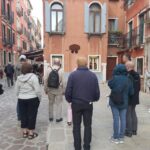
You start at Campo S. Bortolomio, 5313, meeting your guide near the Carlo Osvaldo Goldoni Statue. That matters more than it sounds. Meeting in a real piazza area helps you begin the walk with clear direction, and it sets you up for Venice’s layout: short distances can still feel like a maze, so starting in the right place saves energy.
Also, you’ll get that first morale boost early: your guide can orient you on how the walking flow works, what to expect around the big sights, and where crowds typically cluster. If you hate wasting time looking for the next stop, this kind of start helps.
Practical tip: wear comfortable shoes. Venice walking isn’t just distance—it’s uneven surfaces and frequent turns.
Rialto Bridge: the obvious stop that still deserves the explanation
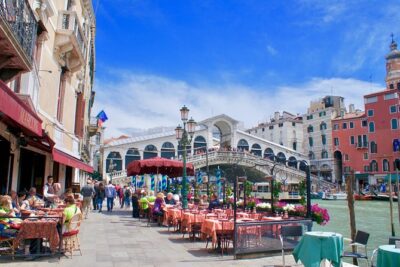
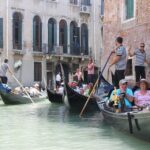
The tour first heads to Rialto Bridge. Even if you’ve seen it in photos, having a guide point out the city’s priorities makes a difference. Rialto is one of those Venice locations where you can feel the weight of commerce and movement.
What to look for during your time here:
- how the bridge connects important parts of the city
- how Venice’s waterways and architecture shape what people can do
- why certain viewpoints are always packed, and how to time your photos
This is the kind of landmark where a guide’s context helps you avoid just standing there. You’ll likely understand what you’re looking at in a more grounded way.
Teatro La Fenice: art and power in the same breath
Next up is Teatro La Fenice. This stop works well because it shifts the mood. If Rialto is about movement and trade, La Fenice introduces the cultural side of Venice—how performance, patronage, and prestige fit into the city’s identity.
Your guide’s job here is to connect the building to the broader story: why Venice poured energy into institutions like this, and how art ties into civic pride and status.
Photo note: even without going deep into interior details, the exterior area gives you plenty of framing options if you pause at the right moments.
St. Mark’s Basilica: don’t just see it, understand why it matters
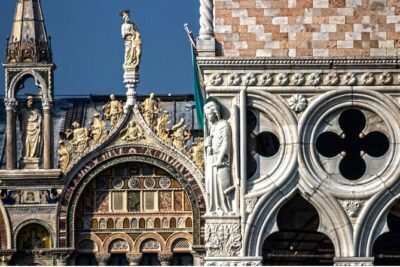
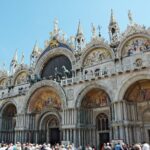
Then you reach St. Mark’s Basilica. It’s famous for a reason, but it can feel like sensory overload if you don’t have any context. A guide can help you focus on what’s meaningful instead of what’s merely impressive.
This part of the walk tends to be a highlight because the guide can shape the experience:
- what this site represents in Venetian life
- how to read the vibe of the place as more than a landmark
- what stories connect it to other stops you’ll see soon
Expect opportunities for photos against that recognizable Venetian backdrop. And don’t worry about getting stuck too long without breaks—this tour is designed with comfortable pacing and restroom breaks.
You can also read our reviews of more guided tours in Venice




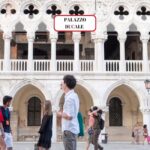
Doge’s Palace and the Bridge of Sighs: power, secrecy, and the story arc
After Basilica, you’ll visit Doge’s Palace and then the Bridge of Sighs. This pair is a smart move because it turns the walk into a mini narrative: civic authority and the dramatic contrast between public life and what happens behind the scenes.
Doge’s Palace is the kind of place where you can easily feel overwhelmed by the scale. A guide helps you keep it simple: what you’re seeing, who it connected to, and how Venice ran its political life.
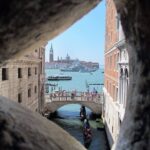
Then the Bridge of Sighs lands like a plot twist. Even if you’ve heard the name before, the explanation makes it feel more real. It’s the bridge that people talk about because it suggests drama, movement, and secrecy—all wrapped in a Venice visual that’s instantly recognizable.
If you like history that you can actually picture, this section is where the tour often feels strongest.
Venetian Arsenal: the practical side of Venice (with guidance)
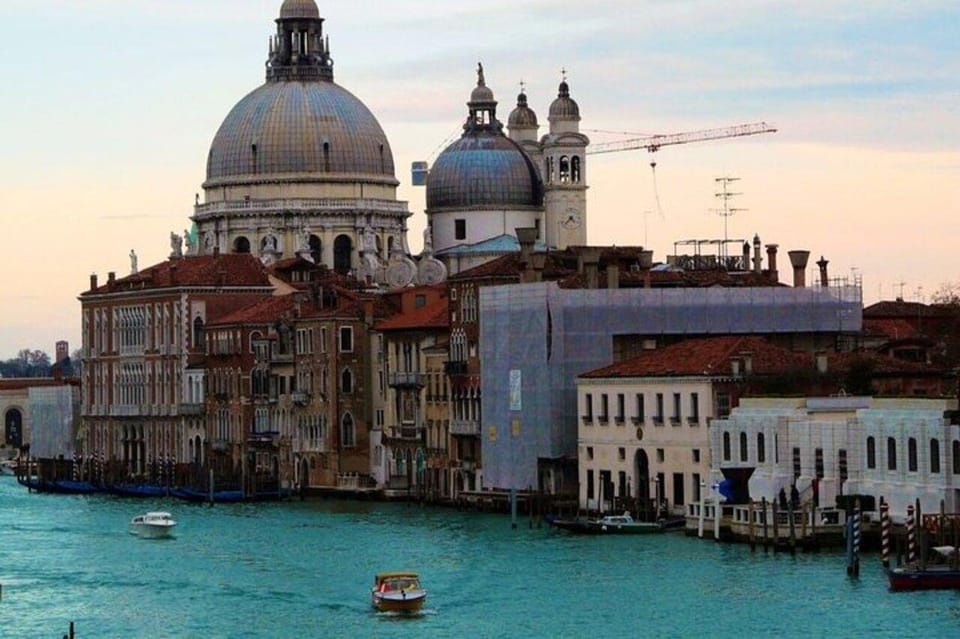
Finally, you’ll reach the Venetian Arsenal. This is a great closing stop because it shifts you away from the postcard Venice vibe. Arsenal sites help you remember that Venice wasn’t only art and ceremony—it needed practical infrastructure to last.
During your time here, your guide’s familiarity with the area should help you connect:
- what the site suggests about Venetian industry and organization
- how this kind of place supports everything else you’ve seen
- why it fits naturally after the power stops earlier in the walk
Even if the Arsenal isn’t as visually “iconic” as Rialto or Basilica, it can be the stop that gives you a calmer, more grounded understanding of how Venice worked.
Customizable private tours: choose your pace and focus
This experience offers a private option and customization if you select it. That’s one of the best reasons to book, because Venice rewards personalized pacing. If you want more time at the places that catch your eye, you can ask.
A useful clue comes from past feedback: some guides are described as adjusting to schedules and real conditions. That’s exactly what you want in Venice, where plans can collapse under crowds or weather.
If you’re traveling with someone who gets tired faster, a private format can make the tour feel less rushed and more useful. And if you’re traveling solo, private can still be worth it if you want time for questions instead of watching the group move on.
What’s included, what’s not, and why that matters
Here’s the deal with value: you pay for guidance and timing. You don’t pay for meals.
Included:
- Private tour if you choose that option
- Customization for private tours
- Help from the team to book tickets for the visits you want
Not included:
- Food and drinks
So plan to snack on your own, or pair the tour with an earlier or later meal. The best strategy is to treat this as the orientation layer first, then let your guide’s suggestions help you pick where to eat after you’ve seen the main sites.
You should also know the tour has restroom breaks, which is quietly important in Venice. It keeps you from turning the experience into a sprint.
Guide quality: the small details that change everything
The biggest driver of satisfaction here is the guide. The tour info promises a live guide, and the reviews back up that some guides are especially helpful in the day-to-day ways that matter.
In feedback, I’ve seen:
- Fabio described as very kind and as explaining the most important points, plus indicating where to eat
- Maria praised for helping people get oriented from different angles and adapting to the group’s reality
- Ouisem noted for precise, accurate commentary
- Others simply said it was a super guide or very good
That’s the sweet spot: not just reciting facts, but guiding you around Venice in a way that makes the city easier to live in for the rest of your trip.
Possible drawback to keep in mind: one review noted disappointment that there weren’t many hidden gems and that the guide didn’t send information as promised. If you care about written notes or follow-up suggestions, ask during the tour. It’s an easy fix.
Languages, accessibility, and group options
The tour guide is available in English, French, Italian, and Spanish, which makes it easier to get real understanding rather than guessing.
It also notes wheelchair accessibility, which is a strong plus for travelers who need a route that can work physically. Still, because this is a walking tour, you’ll want comfortable readiness—bring any mobility aids you use and plan for the reality of Venice’s streets.
Group options include a private group available route, and the meeting point is clearly defined. That helps reduce the usual Venice chaos of wondering where to meet.
Price and value: is $29 a fair deal?
For $29 per person and a 2-hour duration, the value depends on what you want out of Venice.
You’re paying for:
- a guided route connecting major landmarks
- local explanations at key sites
- helpful navigation and advice for what comes next
- ticket-booking support for desired visits
- at least some customization if you choose private
If you’re the type who likes to understand what you’re seeing, this price can feel like a bargain. If you just want photos and don’t care about context, you could spend less doing it on your own.
A good rule: if you’ll ask questions and want guidance, it’s worth it. If you prefer to wander without any structure, you might find it too “guided.”
When you should book this walking tour
Book it if:
- you want fast orientation in Venice
- you’re drawn to the landmarks it covers: Rialto, St. Mark’s Basilica, Doge’s Palace, Bridge of Sighs, Teatro La Fenice, and the Arsenal
- you like a guide who can answer questions and give next-step advice
- you want a tour that can be customized if you choose private
Skip or reconsider if:
- your priority is finding lots of small offbeat corners at every turn
- you’re expecting a long, sit-down museum experience
- you’re uncomfortable with a walking format, even though wheelchair accessibility is listed
Should you book?
Yes—if you want the quickest path to understanding Venice. This tour is priced for value, covers major landmarks that can otherwise feel disconnected, and comes with real guidance that helps you plan what to do next.
If you’re picky about hidden, lesser-seen Venice moments, message your guide (or choose private and clarify your expectations) before you start. Venice rewards specifics, and a small conversation upfront can turn a good walk into a much better one.
FAQ
FAQ
How long is the Venice highlights and walking tour?
It lasts 2 hours.
Where do we meet the guide?
Meet your guide near the Carlo Osvaldo Goldoni Statue at Campo S. Bortolomio, 5313.
Which sights are included on this tour?
The tour includes Rialto Bridge, Teatro La Fenice, St. Mark’s Basilica, Doge’s Palace, the Bridge of Sighs, and the Venetian Arsenal.
Is this tour private or group-based?
You can choose a private group option. The tour can also be a standard guided walking tour.
What languages are the guides available in?
The live tour guide is available in English, French, Italian, and Spanish.
What’s included and not included?
Included: private tour if selected, customization if private is selected, and help booking tickets for the desired visits. Not included: food and drinks.
Is the tour wheelchair accessible?
Yes, it is listed as wheelchair accessible.