REVIEW · VENICE
Venice Palazzo Mocenigo: History of Textile, Costume and Perfume
Book on Viator →Operated by Weekend in Italy · Bookable on Viator
Venice can feel like nonstop scenery, but Palazzo Mocenigo gives you a quieter look at how people dressed and smelled. This is a small museum focused on textiles, costume, and perfume, tied to Venice’s long obsession with fabric, style, and scent. It’s the kind of stop where you can slow down—watch details, read at your pace, and spend as little or as long as you want.
I like that you don’t waste time at a ticket window thanks to pre-booked entry, and you can pick a time that fits your day. I also like the museum’s focus: costumes reaching back to the Baroque era, plus perfume history and displays that connect clothing and scent the Venetian way.
One heads-up: it’s not a giant fashion museum. Some visitors felt the displays lean toward a few standout costume pieces (like waistcoats) and mannequin presentations, so if you want wall-to-wall original garments, this might feel a bit short on what you expect.
In This Review
- Key highlights at a glance
- Palazzo Mocenigo: A different kind of Venice museum stop
- Ticket value and what $18.52 per person really covers
- Using pre-booked entry to save your Venice time
- Inside Palazzo Mocenigo: what your self-guided visit feels like
- Costume and textiles: Baroque clothing, waistcoats, and fabric details
- Perfume in Venice: scent as culture (and sometimes hands-on)
- Location and timing: fitting Palazzo Mocenigo into a Venice day
- What to expect from the museum experience—and the friction points
- Who should book Palazzo Mocenigo (and who might skip it)
- Should you book Palazzo Mocenigo tickets?
- FAQ
- How long is the Venice Palazzo Mocenigo Museum visit?
- Is the visit self-guided?
- Does the ticket include admission to the museum?
- What’s the price per person?
- Do I choose my entry time?
- Where is Palazzo Mocenigo located in Venice?
- Is public transportation nearby?
- How far in advance is it usually booked?
- Is there an extra access fee for some day visitors?
- Is this experience refundable if I cancel?
- Is it good for families or kids?
Key highlights at a glance
- Pre-booked entry helps you skip the ticket window and keep your schedule intact
- Flexible entry times let you match the museum to your Venice pacing
- Baroque-era costumes and rare textiles focus on clothing as a craft and a status symbol
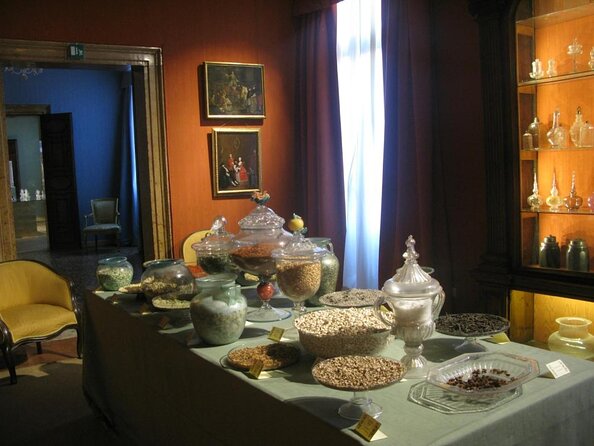
- Perfume exhibits and a perfumery workshop feel part of the story (including hands-on scent experiences in some formats)
- Self-guided rooms mean you can linger where you care most, without a hurry
Palazzo Mocenigo: A different kind of Venice museum stop
If your Venice plan is all canals and landmark photos, this is the kind of museum you’ll appreciate once you want a more personal angle. Palazzo Mocenigo centers on three things that Venetians practically turned into an art form: cloth, clothing design, and perfume. Instead of chasing paintings or glass, you’re looking at the details people wore—and the smells people wanted to carry.
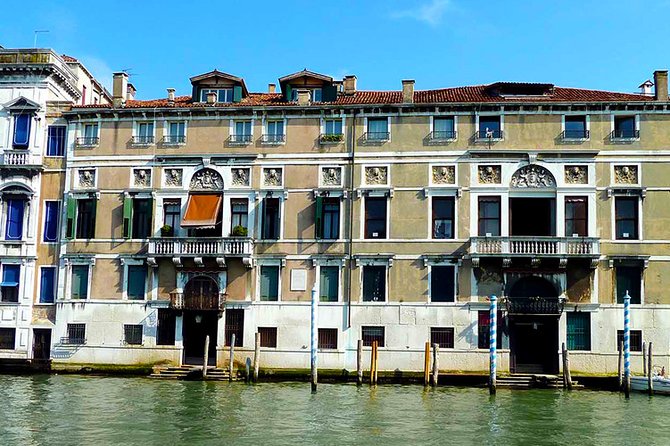
The museum sits in the Santa Croce district, on the salizada of San Stae. It’s an address that feels more local than the postcard loops, which is part of why it often reads as calm and unhurried.
This is a self-guided visit. That matters because the museum’s appeal is very “choose your lane.” If you love costume history, you’ll spend longer in the rooms with garments and related textiles. If you’re more curious about perfume, you’ll naturally gravitate to the scent-focused areas.
You can also read our reviews of more historical tours in Venice
Ticket value and what $18.52 per person really covers
At $18.52 per person, the ticket price is fairly accessible for a dedicated museum experience in central Venice. What you’re paying for isn’t a tour guide voice—it’s admission to a focused collection housed inside a historic palazzo.
The visit duration is listed as about 1 to 3 hours, which is realistic for a museum of this size and style. If you do a slow read of the displays (and pause for scent-related areas), 1.5 to 3 hours is a comfortable window. If you skim quickly, you can still see the key rooms without turning it into a marathon.
Timing also affects value. This is an attraction people book fairly ahead of time (on average 31 days in advance), so pre-booking helps you avoid losing time later. And since you can select entry times, you can line it up when Venice crowds are at their least helpful—early morning or later in the day, depending on your route.
Using pre-booked entry to save your Venice time
Venice days get eaten by logistics: finding entrances, waiting at windows, and detouring because of crowds. Pre-booked entry tackles the most annoying part—no standing in line at the ticket window.
You’ll receive confirmation within 48 hours of booking, subject to availability. Once you’re confirmed, you’re free to go at your selected time and move through the museum at your own speed.
Small practical tip: the museum experience includes areas where information may be presented digitally (QR-style). Bring a working phone, and make sure it’s charged enough for a couple of scannable screens. One review specifically flagged that QR info wasn’t practical, so plan for the possibility that you’ll do more guessing from what’s on display and less from wall text than you might hope.
Inside Palazzo Mocenigo: what your self-guided visit feels like
Your main “itinerary” is really the palace itself—room after room of costume-and-textile displays plus perfume-focused exhibits. The museum is centered on the study of textile, costume, and perfume, and it’s housed in Palazzo Mocenigo, a Venetian building tied to the Santa Croce area.
A major point to understand: the museum doesn’t try to show everything it has. The information notes that the museum’s important library and a larger textile collection are geared toward scholars, while displays show a selection of rare textiles and significant costumes. That’s not a flaw—it’s just the museum’s structure. It can also explain why some visitors want more “quantity” and feel surprised if what’s on display is more selective than they expected.
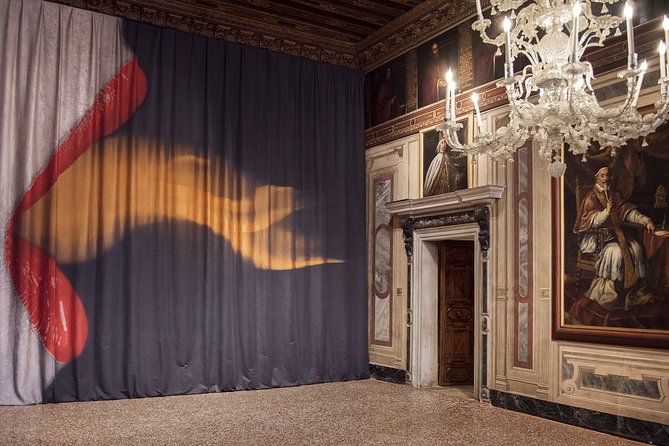
In the rooms, you’ll see period pieces and mannequin presentations. There are repeat mentions in feedback about the room layouts and the fact that the palazzo interiors make the experience feel like you’re walking through a real Venetian home environment, not a generic box museum.
Costume and textiles: Baroque clothing, waistcoats, and fabric details
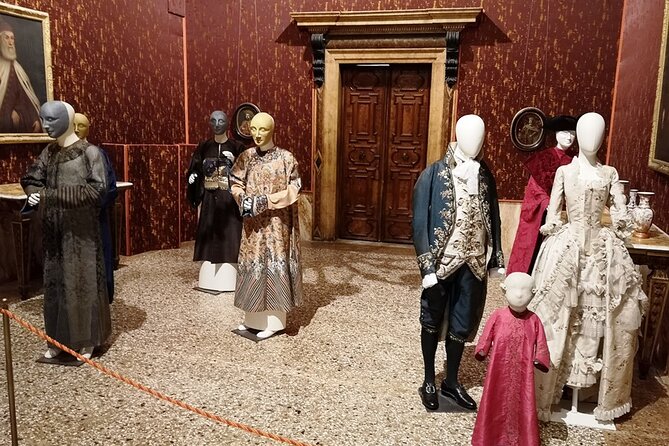
The museum is explicitly about clothing history, and the displays are described as including costumes dating back to the Baroque period. That alone makes it worth your attention if you care how fashion signals class, occupation, and taste.
In particular, multiple visitors called out waistcoats from the 18th century as beautiful and worth lingering over. That’s a useful clue: don’t expect an endless runway of every garment style. Expect standout items presented clearly, with focus on how they’re made and what they communicate.
If you love textiles as material—threads, pattern logic, and craftsmanship—you’ll probably enjoy the museum more than someone expecting only finished outfits in large numbers. The setting helps. The displays are inside a historical palazzo, so the clothing details feel grounded in an environment that matches their time period.
The drawback angle is straightforward: some visitors felt the museum wasn’t heavy on original costume variety, describing it more like several rooms with a small costume selection plus mannequin drapery. If your dream museum is large and garment-dense, you might leave wishing there were more items.



Perfume in Venice: scent as culture (and sometimes hands-on)
Venice doesn’t just do romance; it does fragrance planning. The museum frames perfume as important in Venetian life, and the exhibits are tied to the palace’s identity and the museum’s overall mission.
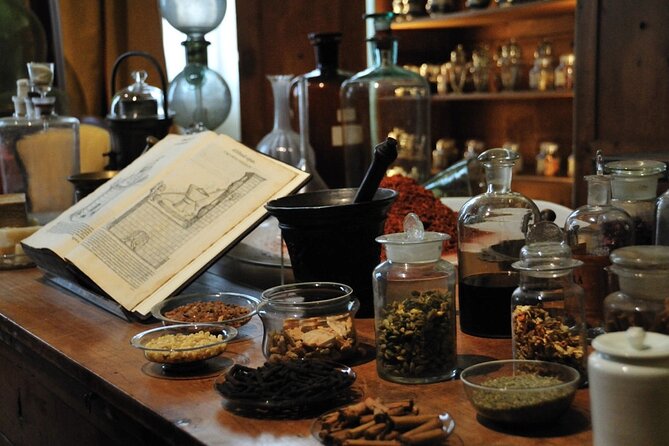
You can expect perfume-related learning through displays and scent history, plus areas that feel like a working perfumery. One review highlighted a perfumery workshop/lab feel and even an organ-like device used by the perfumer for composing scents. Another review from a family with kids described an experience where they learned about different scents, smelled multiple fragrances, and then made their own perfume.
I can’t promise that hands-on perfume making happens every single visit in the exact same way, but the museum’s format includes perfume as more than just a display case. If you’re the type who likes interactive science-with-style experiences, this part is often the reason people feel they got real value.
What to do while you’re there: treat the perfume section like a mini lesson. Slow down, compare scents if the museum invites that, and take notes mentally on which notes you like. Even if you don’t buy anything afterward, your brain will remember the differences.
Location and timing: fitting Palazzo Mocenigo into a Venice day
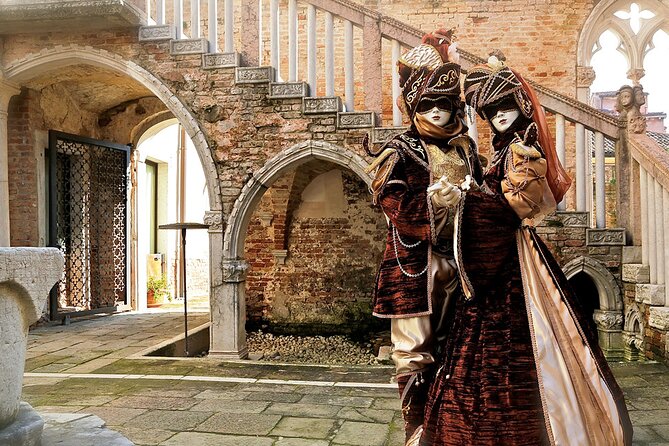
Palazzo Mocenigo is in Santa Croce, along the salizada of San Stae. It’s near public transportation, which matters because Venice isn’t about “parking close.” Getting there smoothly helps you protect time for other sights.
You’ll also want to think about the day-tripper rhythm. There’s a note about an additional €5 access fee for some people staying outside of Venice who plan to visit for the day, depending on date. The details and exemptions are linked to the city website (https://cda.ve.it). If you’re doing a day trip, check that page before you lock your museum time so you don’t get surprised at the last step.
On a practical level, this museum works especially well when:
- you want a calmer indoor break from canal-side crowds,
- you’re passing through Santa Croce anyway,
- you like museum stops that are focused and self-paced rather than lecture-heavy.
If you’re doing Venice in “big landmark mode,” consider pairing this with another nearby indoor stop or planning it as your mid-afternoon reset.
What to expect from the museum experience—and the friction points
Most visitors seem to love the quiet and the fact that it’s a smaller stop rather than a stampede. Reviews describe it as a calm, unassuming place with interesting temporary displays. One person also mentioned a mix of costumes and palace furnishings that helped them understand the lived-in feel of Venetian interiors, not just the objects themselves.
Still, there are a few friction points worth knowing:
- Information style: Some signage or explanations may rely on QR codes. If you dislike scanning on your phone, you might feel under-informed unless you’re okay reading less.
- Scale vs. expectation: If you expect a huge clothing archive, you could feel disappointed. The museum’s selection is real, but it may not match a bigger fashion-museum mental picture.
- Entry hiccups (rare, but real): One review described being turned away because the museum couldn’t scan the booking at the moment, despite having a booking number and confirmation. The takeaway isn’t “don’t go”—it’s to have your confirmation ready on your phone and consider keeping any booking details accessible offline in case cell service acts up.
Who should book Palazzo Mocenigo (and who might skip it)
Book this if you:
- want a focused museum on textiles, clothing design, and perfume rather than broad art history,
- enjoy period costume details like waistcoats and materials,
- like slower, self-guided rooms where you can linger,
- would enjoy scent learning and possibly hands-on perfume activity.
You might consider skipping (or at least lowering expectations) if you:
- want a large volume of garment displays all at once,
- need lots of wall text in a traditional format (QR-only explanations may not be your thing),
- are only interested in high-level art or grand palace rooms with major “wow” scenes.
Should you book Palazzo Mocenigo tickets?
I think Palazzo Mocenigo is a smart buy if your Venice day includes time for something different: a museum where clothing history and perfume culture share the same stage. With pre-booked entry and a self-guided format, it’s low-stress—no waiting around, and you can match your pace to your interests.
If you’re on the fence because you worry it might be too small, use the upside logic: at 1 to 3 hours, you’re unlikely to feel trapped. And if perfume or textile detail is your thing, you’ll likely feel like you learned something practical and slightly unexpected about Venetian life.
FAQ
How long is the Venice Palazzo Mocenigo Museum visit?
The experience is listed as about 1 to 3 hours.
Is the visit self-guided?
Yes, it’s described as a self-guided visit, so you can linger as long as you like.
Does the ticket include admission to the museum?
Yes. The entrance ticket is included.
What’s the price per person?
The price is listed as $18.52 per person.
Do I choose my entry time?
Yes. There’s a choice of entry times to suit your schedule.
Where is Palazzo Mocenigo located in Venice?
It’s in the Santa Croce district, located along the salizada of San Stae.
Is public transportation nearby?
Yes, it’s near public transportation.
How far in advance is it usually booked?
On average, it’s booked about 31 days in advance.
Is there an extra access fee for some day visitors?
On certain dates, some visitors staying outside of Venice who plan to visit for the day may need to pay a €5 access fee. Check https://cda.ve.it for the exact rules and exemptions.
Is this experience refundable if I cancel?
No. It’s non-refundable and cannot be changed, so your payment will not be refunded if you cancel.
Is it good for families or kids?
Some visitors describe it as enjoyable for kids—one family mentioned their kids loved learning scents and making their own perfume.