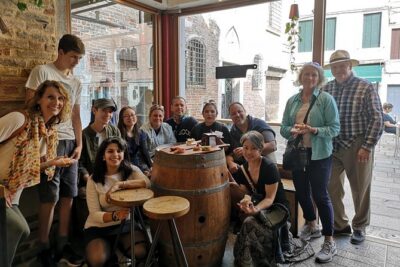
Venice can feel like a maze. This private, customizable walk helps you move with purpose while still leaving room for surprises. I like that your local expert guide (for example, Lara) nudges you off the most obvious routes, so you end up in streets and corners you would miss alone. I also love the mix of “big-name” sights with an arts-forward shift into Dorsoduro, capped off with the boatyard where gondolas are handcrafted.
One thing to consider: this tour’s flexibility can feel a little light on structure if you want a rigid, stop-by-stop plan with no conversational detours.
In This Review
- Key Things That Make This Tour Work
- Why a Private, Customizable 2-Hour Walk Is Good Value Here
- Meet at the Two Columns: How the Tour Starts Smoothly
- St. Mark’s Square to Rialto: The Best Way to Get Oriented
- Bovolo Staircase and Teatro La Fenice: Architecture Meets Culture
- Dorsoduro: The Art District Part That Actually Changes Your Venice
- Squero di San Trovaso: Gondola Craft Where the Tour Ends
- How Customizable Is This Tour in Real Life?
- What’s Included, What’s Not, and What You Should Plan For
- Who This Tour Is Best For (and Who Might Prefer Something Else)
- Should You Book This Venice Private Tour?
- FAQ
- Where is the meeting point for this tour?
- How long is the private tour?
- Is the tour private?
- What languages are available for the guide?
- What’s included in the price?
- Are entrance tickets included?
- Is the tour wheelchair accessible?
Key Things That Make This Tour Work
- A local guide who can tailor the route to what you care about on the day
- St. Mark’s and Rialto first, then a smarter turn toward quieter Venice
- Bovolo Staircase (Palazzo Contarini del Bovolo) as a photo-friendly change of pace
- Teatro La Fenice on the schedule, tying architecture and performance culture together
- Dorsoduro art time, including Santa Maria della Salute and Zattere viewpoints
- Squero di San Trovaso to see gondola craftsmanship up close
Why a Private, Customizable 2-Hour Walk Is Good Value Here
At $202.78 per person for a 2-hour private tour, the price only makes sense if you’ll use the guide for what Venice is hardest at: choosing the right streets, keeping your route efficient, and pointing out what’s worth your attention.
Here’s the value angle I see. You’re not just collecting photos. You’re getting a sequence that starts with the iconic anchor points (St. Mark’s Square and Rialto) and then flows into more local-feeling areas, especially the Dorsoduro district. That matters because Venice isn’t one “thing.” It’s lots of tiny worlds stitched together by canals and alleys. A guide helps you spend your time where your feet will actually earn the views.
Also, the tour is built to be customisable. On a tight trip, that’s a big deal—you’re not stuck with a fixed checklist when you realize you’d rather spend an extra few minutes at one spot (or swap in another interest). Your guide will even take requests on the day, so the tour can fit your energy level rather than the other way around.
Drawback: entrance tickets and food aren’t included, so you’ll need to decide ahead of time whether you want to pay for any monuments you might stop at. But for many people, that’s a feature, not a bug: you control what you pay for during the walk.
You can also read our reviews of more city tours in Venice
Meet at the Two Columns: How the Tour Starts Smoothly
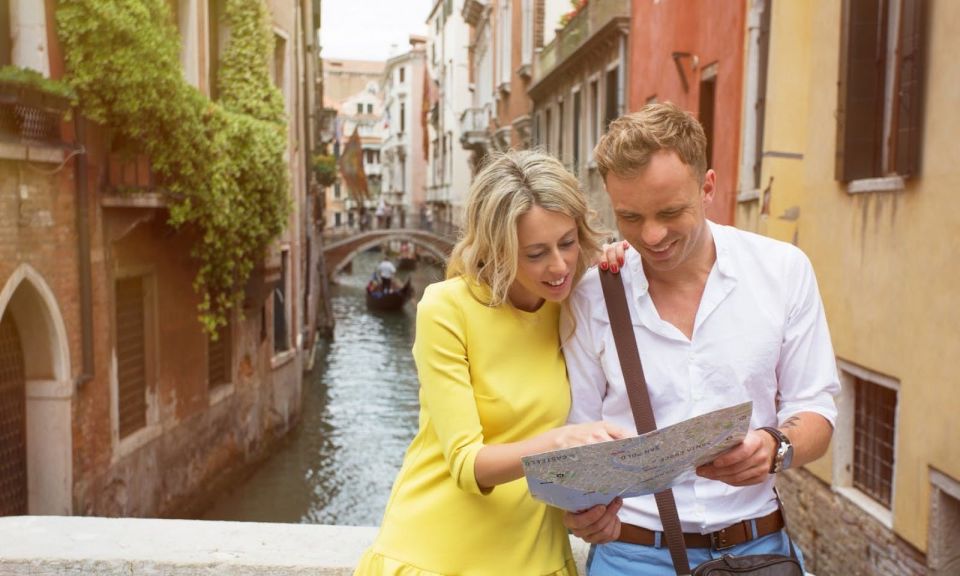
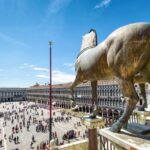
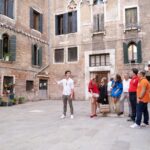
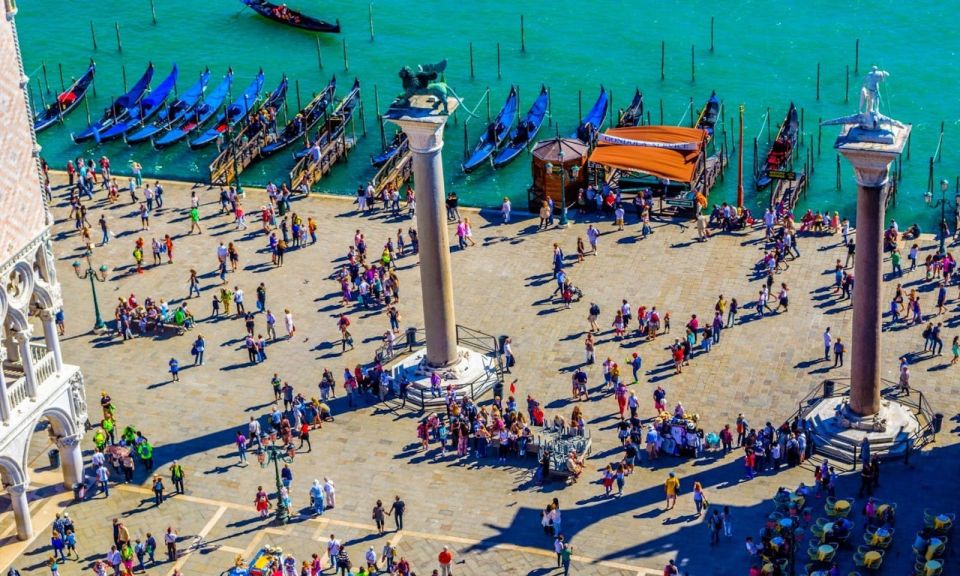
The meeting point is in St. Mark’s Square, between the two large columns: the Column of Saint Theodore and the Column of Saint Mark. The guide will be holding a TUI sign, and you’ll want to arrive at least 10 minutes early.
That early buffer is not a small detail in Venice. It can take time to find the exact spot because crowds and narrow access routes can slow you down. Getting there early means you’re not rushing at the start, and you can start the walk with your head in the right place: watching, listening, and getting your bearings.
What to bring is simple: comfortable shoes (non-negotiable for uneven paving and lots of turning) and some water, especially on hot days. If you’ve been planning Venice in one of its warmer months, this is the kind of tour where hydration can save your afternoon.
And yes, it runs even when it rains. If there’s exceptionally high tide or heavy rain, the tour may be cancelled and you’ll get a full refund—so you have a safety net if conditions get serious.
St. Mark’s Square to Rialto: The Best Way to Get Oriented
The tour kicks off at St. Mark’s Square after starting near the columns. From there, you move through a cluster of landmarks that act like mental map pins.
Stop: St. Mark’s Square
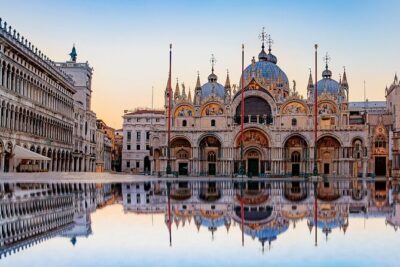
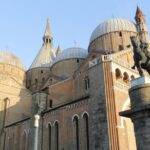
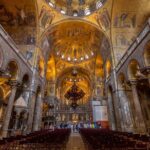
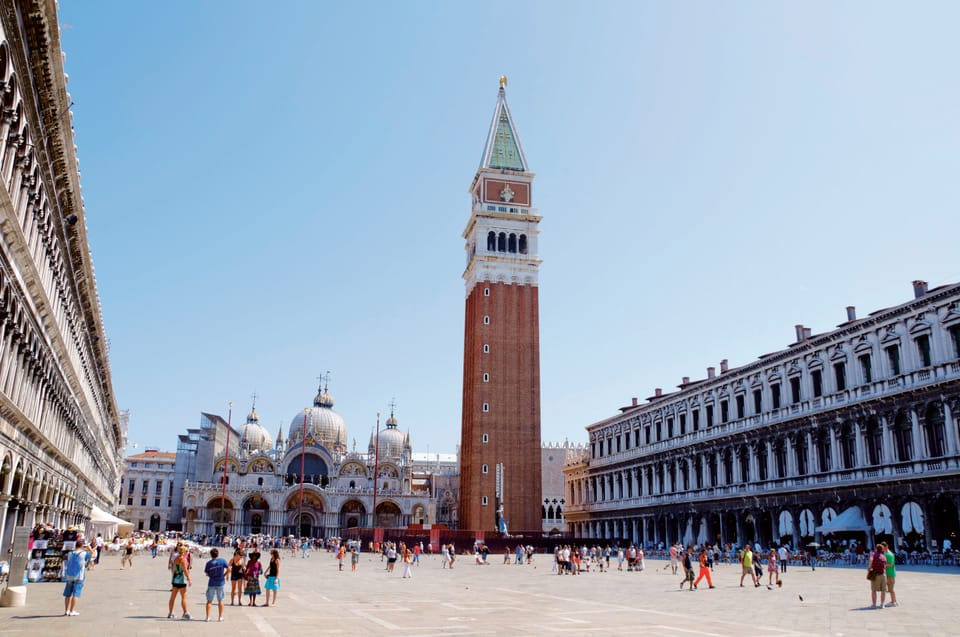
This is where you’ll pass by and walk toward the core icons your trip is probably built around: St. Mark’s Basilica, Doge’s Palace, and St. Mark’s Campanile. Even if you don’t plan to go inside, these points help you understand the geography of Venice fast—where the big canal-facing views are, and how the streets feed into the square.
Stop: Doge’s Palace and the Campanile
These are stops where a guide’s commentary can change the experience from sightseeing to “I get how it all fits.” You’ll pass by on foot, so you’re not trapped in ticket lines or detours. It’s a smart pace for a 2-hour window.
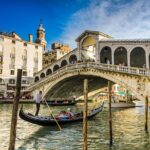
Stop: Rialto Bridge
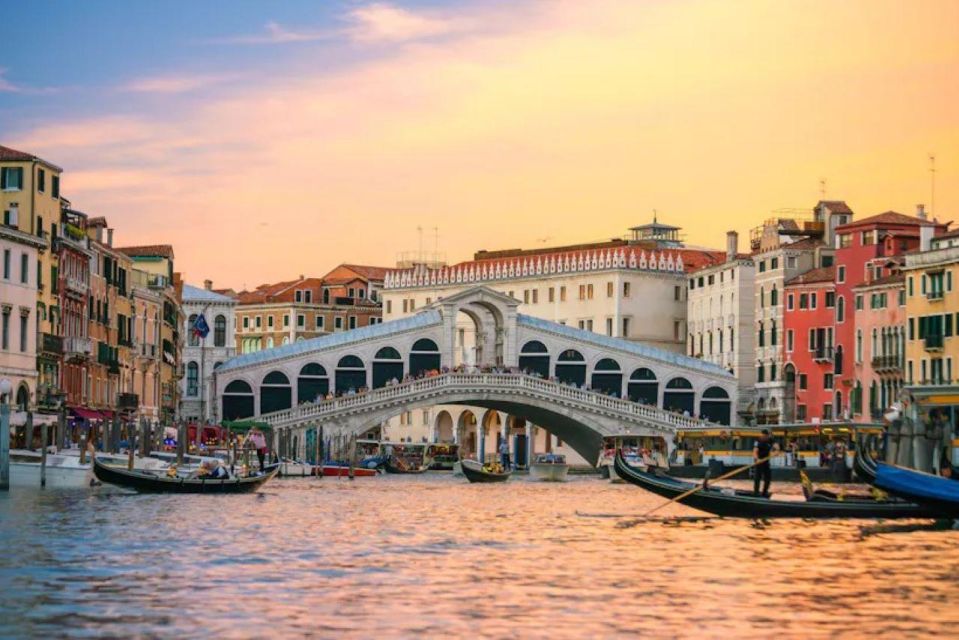
Next comes Rialto Bridge, which you’ll walk past. Rialto is busy, but the practical win here is timing and guidance: instead of letting the crowd push you into the wrong alleys, you’re walking with a route that tries to keep you moving and noticing things along the way.
One consideration: Rialto and St. Mark’s areas can be crowded. A private tour won’t remove crowds, but it often makes crowds easier by giving you a plan for where to go next rather than wandering.
Bovolo Staircase and Teatro La Fenice: Architecture Meets Culture
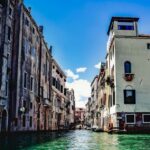
After the big squares and bridge area, the tour adds a shift in tone. You go from landmark-dense Venice into streets where the city feels more like a lived-in maze.
Stop: Palazzo Contarini del Bovolo
This is the spot tied to the Bovolo Staircase. If you’re the type who likes seeing a building detail that most people skip, this is your moment. It’s also a great “breather” stop: you’re not just looking at a wide plaza—you’re noticing how architecture threads through the city.
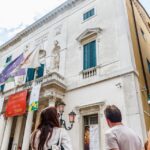
Stop: Teatro La Fenice
Then you reach Teatro La Fenice, an opera house. The tour framing includes the idea that its history is as dramatic as the performances. Even if opera isn’t your top interest, it helps you understand why Venice attracts artists and storytellers. This stop also breaks up the walking rhythm, because theatre exteriors give you a strong visual focal point before you move into the art district.
If you’re trying to photograph as you go, these two stops are practical: stair details and a theatre facade are easier to shoot than constantly changing canal angles. Just keep your eyes on your footing.
Dorsoduro: The Art District Part That Actually Changes Your Venice
Here’s where the tour differentiates itself. Instead of spending the whole time in the most famous postcard zones, you move into Dorsoduro, a district known (in the context of this tour) for art galleries and museums.
Stop: Dorsoduro
During the Dorsoduro segment, you’re walking through an area where the city’s artistic side comes forward. You’ll get help spotting the kinds of treasures you’d otherwise overlook—especially if you’re the sort of traveler who likes to match architecture with meaning, not just location with photo.
Stop: Santa Maria della Salute
Next is Santa Maria della Salute. The tour notes something specific: on November 21st, it comes alive with Venetian traditions. Even if you’re visiting on another date, the point is useful. Your guide can help you connect what you see to the rhythms of local life, not just the stones.
Stop: Zattere promenade
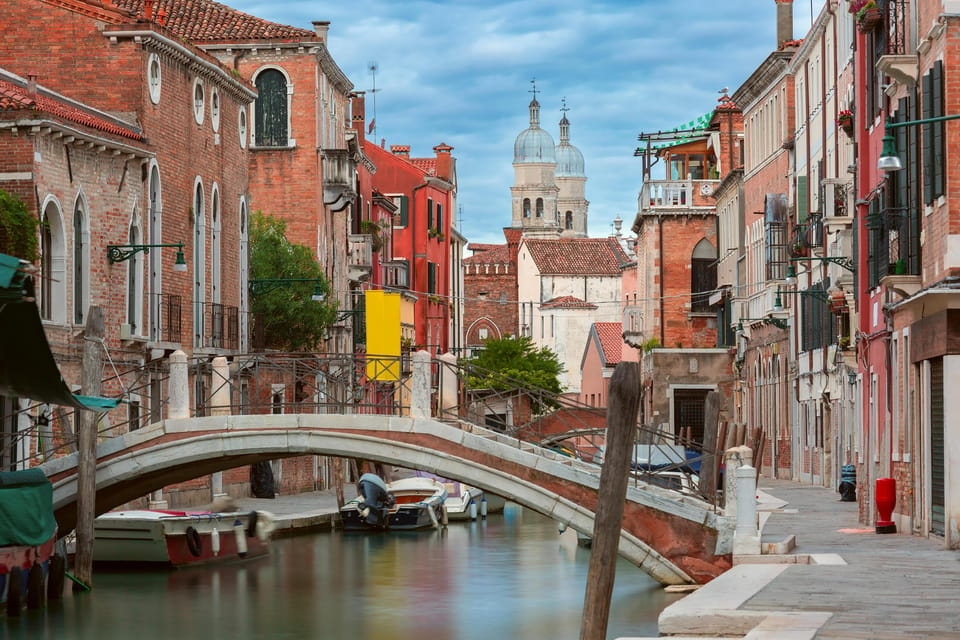
Then you reach Zattere, where you get views of the Giudecca Canal. This is a great zone for photos because you’re looking across water rather than down a narrow street. It also tends to feel like a calmer pause before the tour ends.
Local touch: Gelateria Nico
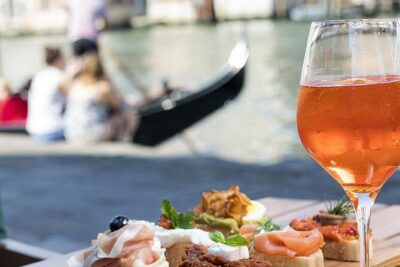
Your guide points out Gelateria Nico as a local favorite. Food isn’t included on this tour, but the recommendation is still valuable: you get a real name, not a generic suggestion. If you want a gelato without hunting, this is where you’ll feel the benefit.
You can also read our reviews of more private tours in Venice
Squero di San Trovaso: Gondola Craft Where the Tour Ends
The final stop is Squero di San Trovaso, described as a boatyard where gondolas are handcrafted.
This is a smart ending because it brings Venice back to work and craft. You started near the big ceremonial power zones of the city. Now you finish with a practical, hands-on Venetian tradition. Even if you’ve seen gondolas all your life (or from afar), seeing the working space conceptually changes how you understand that iconic image.
Also, ending here can help your last hour in Venice later. You’ll leave with a sense of where the craftsmanship lives, not just where the tourists line up.
How Customizable Is This Tour in Real Life?
Customisable tours can mean anything from “we’ll adjust by 5 minutes” to “we’ll change direction based on your interests.” Here, you’re told you can add your own unique touch, and that you can ask your guide about specific things you want to see on the day.
In practice, I’d use that flexibility in a simple way:
- If you’ve already done inside visits elsewhere, ask your guide to emphasize quieter streets and viewpoints.
- If you’re more art-focused, lean into the Dorsoduro time and any art galleries or museums your guide highlights.
- If your main goal is photos, prioritize stops like the Bovolo Staircase and the Zattere canal views.
Languages are also handled well for international visitors: your guide can operate in Spanish, English, French, German, or Italian. That matters because good routing plus good explanations are what turn a walk into a learning experience. (And yes, the experience can vary depending on the guide’s approach—flexibility is great, but some people prefer a more structured flow.)
One practical consideration: there’s at least one less-than-perfect outcome when a tour feels too unstructured for certain tastes. If you’re the type who wants a tight, predictable cadence, you may want to set expectations at the start. Ask your guide for a clear order of priorities so you know what the tour will focus on.
What’s Included, What’s Not, and What You Should Plan For
Included:
- A local expert guide
- A 2-hour private tour
Not included:
- Entrance fees or tickets to monuments
- Food and drinks
- Transportation to the meeting point
So plan your budget like this: if you want any interiors, set aside money for tickets separately. If you don’t care about interiors, you can still get a lot out of the walk because you’ll pass by major landmarks and then shift into more locally revealing areas.
And because food/drinks aren’t included, treat the gelato recommendation at Gelateria Nico as a voluntary add-on rather than a guaranteed stop.
Also note the tour is not suitable for wheelchair users. The route is on foot through areas that likely involve steps and uneven walking surfaces. If mobility is an issue, it’s best to look for an accessible alternative.
Who This Tour Is Best For (and Who Might Prefer Something Else)
This is a strong fit if:
- You’ve been to Venice before and want new streets without losing time.
- You like art and want Dorsoduro to be more than a name on a map.
- You want a guide to handle the flow so you don’t spend your trip making decisions every 5 minutes.
- You’re okay with a walking tour that balances icons with local context.
It may be less ideal if:
- You want a strict timeline with zero flexibility.
- You need wheelchair accessibility.
- You expect the tour price to cover entrance fees, meals, or transport.
If you’re on a short stay, you’ll probably like the structure: it’s compact enough to fit into a day, but varied enough that it doesn’t feel like you’re only repeating postcards.
Should You Book This Venice Private Tour?
Yes, if your goal is a smarter Venice walk: icons first, then art district time, plus a craft-focused ending at Squero di San Trovaso. The value comes from having a local guide guide you through Venice’s hardest part—choosing the right path through a maze—while still giving you room to steer based on your interests.
Book it especially if you want to leave with more than photos. You want names, neighborhoods, and a few places like Gelateria Nico that help you keep exploring after the tour ends.
Before you go, do one small thing that makes the whole tour better: decide what you’ll ask Lara (or your guide) at the start. Pick one priority—Dorsoduro art time, architecture like Palazzo Contarini del Bovolo, or the craft element at Squero—so the customisation feels focused instead of loose.
FAQ
Where is the meeting point for this tour?
You meet your guide in St. Mark’s Square between the two big columns: the Column of Saint Theodore and the Column of Saint Mark. The guide will be holding a TUI sign.
How long is the private tour?
The tour lasts 2 hours.
Is the tour private?
Yes, it’s a private group tour.
What languages are available for the guide?
The guide can run the tour in Spanish, English, French, German, and Italian.
What’s included in the price?
You get a local expert guide and the 2-hour private tour.
Are entrance tickets included?
No. Entrance fees or tickets to monuments are not included.
Is the tour wheelchair accessible?
No, the tour is not suitable for wheelchair users.