Venice can feel like a puzzle. This San Marco highlights tour turns the maze into a route you’ll actually remember, with standout stops like Scala Contarini del Bovolo and San Moisè Church. I like that it mixes big Venice icons with quieter lanes and canal glimpses, so you get context fast. One possible drawback: the tour pace is quick in places, and if you’re sensitive to accents or you miss a bit of audio, you may not catch everything.
What makes this one worth your time is the two-part approach. You get a live local guide for orientation, then you continue on your own with a mobile app and multilingual audio for 100+ points of interest—so the tour doesn’t end when the walking does. Just come ready with comfortable shoes and weather-appropriate clothing, because this is a true street-and-steps experience.
In This Review
- San Marco Hidden Gems: What Makes This 2-Hour Walk Work
- Getting Oriented Fast: Campo San Gallo to the First Quiet Lanes
- Scala Contarini del Bovolo: Venice’s Staircase That Everyone Forgets (Until You See It)
- Rialto Bridge Without the Chaos: Icon Views With Local Focus
- Campo Manin: A Square That Helps You Breathe
- Calle Dei Avvocati and Campo Sant’Angelo: Where Venice Gets More Personal
- Teatro La Fenice: The Theater Presence You Can Feel Even From the Street
- San Moisè Church: Baroque Drama in Plain Sight
- The Audio App After the Walk: How to Keep Sightseeing Without Getting Lost
- Languages, Radio-Style Audio, and Why Pace Can Feel Tricky
- What’s Included (and What You’ll Need to Budget Separately)
- Value Check: Is $31 for 2 Hours Actually Worth It?
- Who Should Book This San Marco Walk?
- Should You Book This Tour?
- FAQ
- How long is the Venice San Marco walking tour?
- Where do I meet the guide?
- How much does it cost?
- What languages are available for the live guide?
- What’s included in the tour?
- Is entry to attractions included?
- Do I need to bring anything?
- Do I need to download the app in advance?
- Is there free cancellation?
San Marco Hidden Gems: What Makes This 2-Hour Walk Work
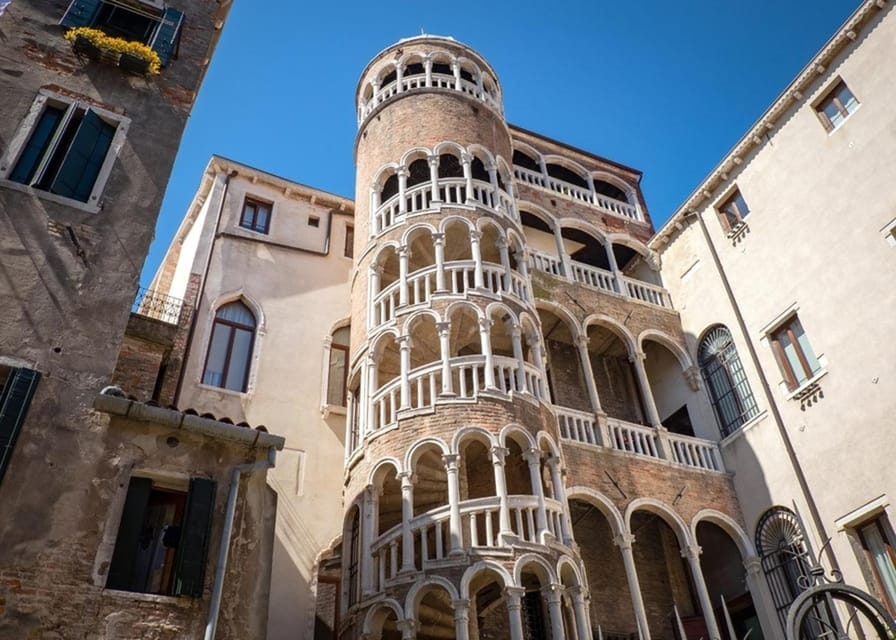
- Scala Contarini del Bovolo: the spiraling staircase that looks like it belongs in a storybook, and is a perfect example of Venice’s playful architecture.
- San Moisè Church: a Baroque moment with sculptures that’s easy to miss if you’re only chasing the obvious big sights.
- A guide-led route through real neighborhoods: Campo Manin and Campo Sant’Angelo add breathing space beyond the most crowded streets.
- Live commentary plus audio support: you’ll have multilingual audio (including Chinese) and a self-guided structure after the walk.
- A clear start point near San Marco Square: meeting at Campo San Gallo keeps it practical instead of making you hunt for the group.
Getting Oriented Fast: Campo San Gallo to the First Quiet Lanes
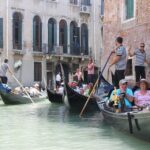
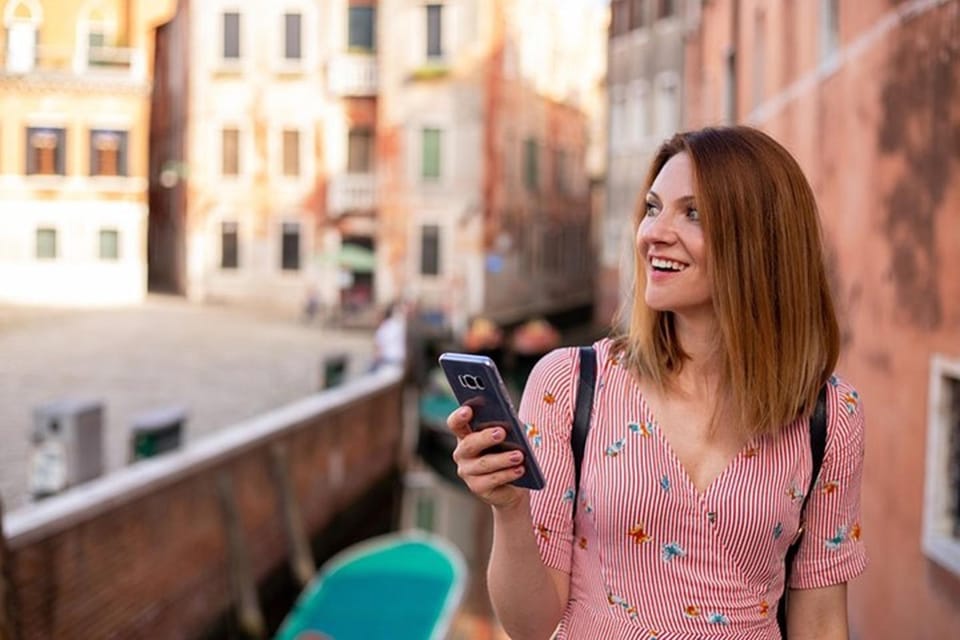
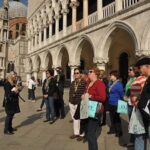
The tour starts in the San Marco district, where Venice can swing between postcard views and tangled alleyways in the same block. I like that this walk gives you handles on the neighborhood: where the squares sit, how lanes connect, and which canals and facades are worth slowing down for.
You meet at the Venice Tours office at Campo San Gallo (San Marco 1093/B), near San Marco Square, and the address is listed as Calle S. Gallo, 1093. Your guide wears a dark blue Vox City uniform, which helps if you arrive a little early (and you should—5 minutes is smart so you don’t feel rushed right at the start).
Right away, you’re not just walking from landmark to landmark. You’re learning the rhythm of the area: turn corners, watch water-bound views appear between buildings, and notice how Venice’s street life clusters around small open spaces. For a city that loves to confuse first-timers, that’s a real value.
You can also read our reviews of more walking tours in Venice

Scala Contarini del Bovolo: Venice’s Staircase That Everyone Forgets (Until You See It)
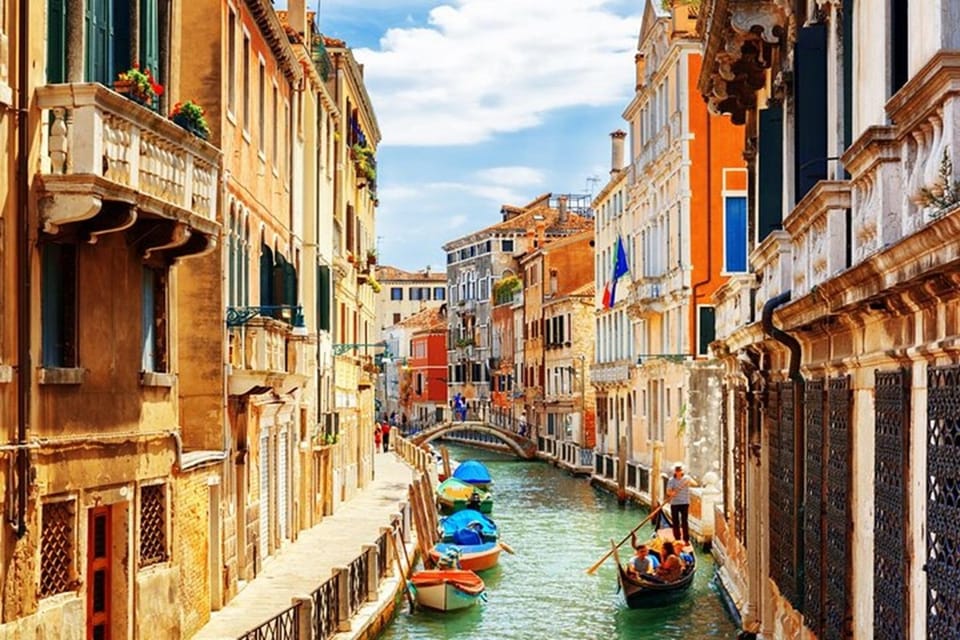
One of the most memorable early stops is Palazzo Contarini del Bovolo. This is where the tour earns its “hidden gem” label—because unless someone points it out, you can pass right by the area without spotting what makes it special.
Scala Contarini del Bovolo is famous for its spiraling form. The structure isn’t just decorative; it’s a signal that Venice has always treated architecture like theater—something designed to be seen from street level and from the corner of your eye. When you reach it as part of a guided route, you also get the surrounding context: why this type of detail shows up here, and how you might spot similar design choices elsewhere in the city.
If you like photos, this is the kind of stop where you’ll want a few attempts from different angles. The guide’s route helps you move to positions that make the staircase read as a single shape, not just a bunch of stone curves.
Rialto Bridge Without the Chaos: Icon Views With Local Focus
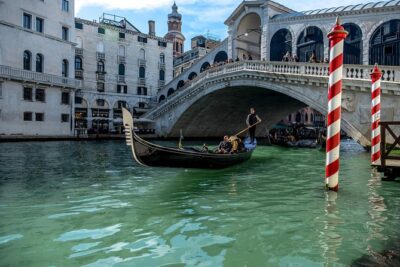
Next up is Rialto Bridge. Rialto is one of those places you might think you know already—but in Venice, knowing a postcard doesn’t mean you understand what you’re looking at.
This stop works because the guide folds it into neighborhood context rather than treating it like a standalone monument. You’ll pass through an area where streets tighten, then open. You’ll notice how sight lines work from the bridge toward nearby buildings. And you’ll likely learn how Venice’s layout turns movement into a sightseeing tool: you don’t just look at the city, you’re carried through it.
Practical tip: if you’re the type who gets overwhelmed by crowds, Rialto can be a lot. Having a guide keep the group moving at a good pace helps you enjoy the views without getting stuck waiting for the perfect moment while everyone else mills around.
Campo Manin: A Square That Helps You Breathe
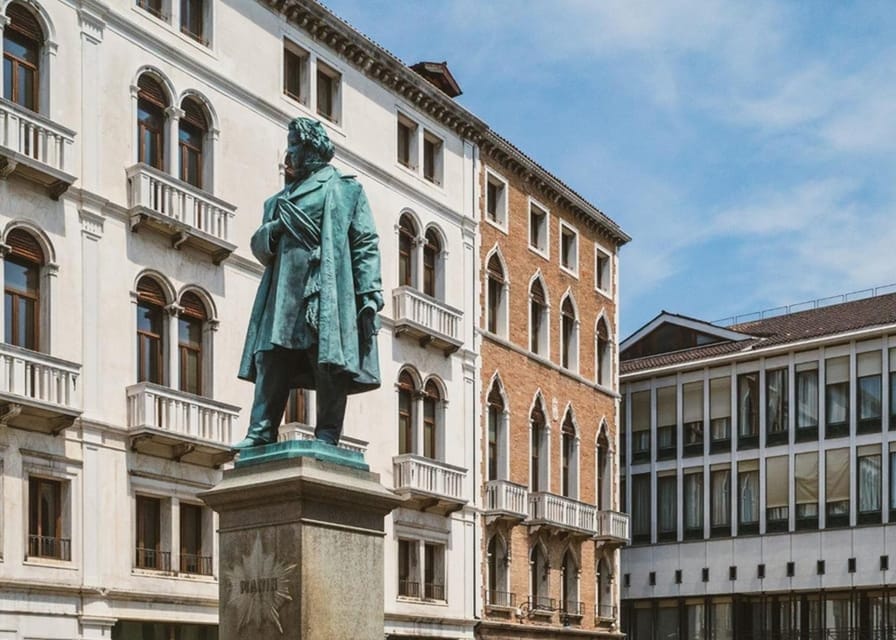
Campo Manin is one of those squares that makes Venice feel livable instead of just dramatic. Here’s why I like this kind of stop: it resets your brain. After a big icon like Rialto, you need a calmer pocket to absorb the city.
In the tour flow, Campo Manin is also a “connector.” You see how the square relates to the surrounding lanes, and you start understanding why locals could spend real time in these open spaces. In Venice, the squares aren’t just scenery—they’re where people orient themselves.
If you want to take a moment before the next stretch of walking, this is a good place to do it. You’ll feel less rushed, and you’ll be ready to appreciate what comes next.
Calle Dei Avvocati and Campo Sant’Angelo: Where Venice Gets More Personal
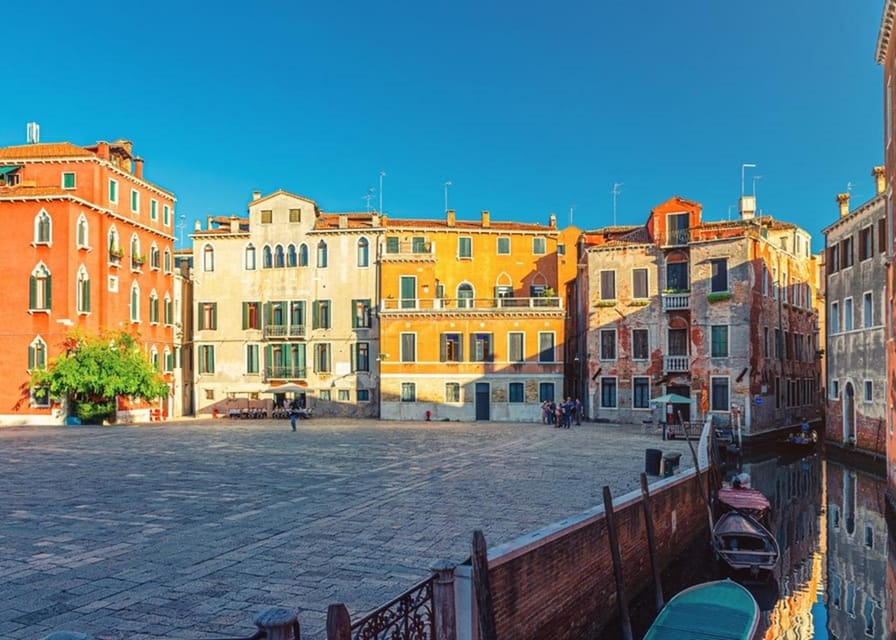
Two more stops—Calle Dei Avvocati and Campo Sant’Angelo—lean into the neighborhood feel that makes San Marco more interesting than the busiest routes.
Calle Dei Avvocati gives you that “real street” sensation. Venice’s charm is often in the small details: doorways, small bridges, and the way buildings frame canal or street views. A guided pace here matters. Without it, it’s easy to either slow down too much and get separated, or rush through and miss what makes the alleyway feel distinct.
Then Campo Sant’Angelo brings the square back. This isn’t just a break—it’s a chance to compare spaces. You see what feels similar to other campos and what feels different. You also get a better sense of how the district is layered: big landmarks pull you in, but the small squares teach you how the city actually works day to day.
You can also read our reviews of more city tours in Venice




Teatro La Fenice: The Theater Presence You Can Feel Even From the Street
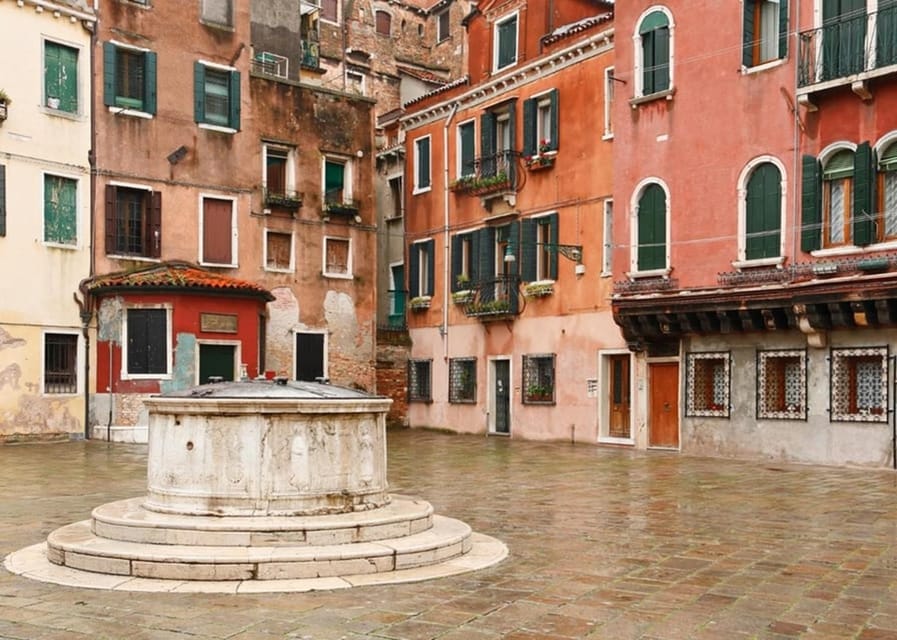
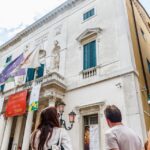
The route passes by Teatro La Fenice. Even if you’re not going inside, the building gives Venice a different mood. It’s one of those landmarks that makes you understand how the city’s identity isn’t only about churches and canals—it’s also about performance, patronage, and public life.
If you’re into art and architecture, this is a nice turning point. One of the strongest impressions from guides on this kind of walk is that they don’t just list what you’re seeing. They connect it to the culture behind the walls—how Venice’s society shaped buildings and why public spaces mattered.
It also helps pacing. The tour keeps you moving, but it slows your attention just enough to make you look up.
San Moisè Church: Baroque Drama in Plain Sight
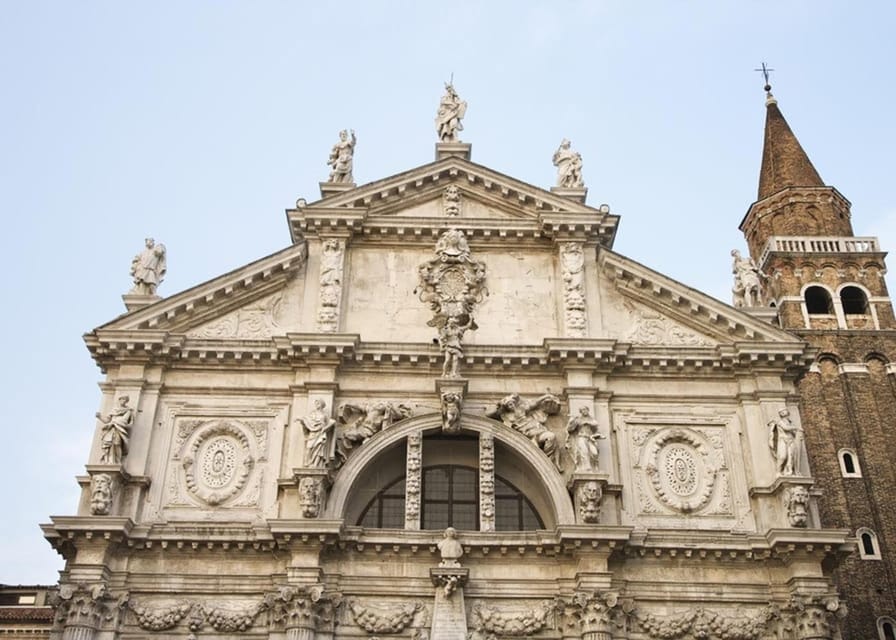
San Moisè Church is where the tour really pays off for architecture fans. You’ll likely pause for its Baroque character, including sculptures that add texture and depth beyond the typical “front facade” view.
Baroque in Venice isn’t loud for the sake of loudness. It’s dramatic in a controlled way—meant to catch light, frame devotion, and add storytelling to the building’s surface. When you see it with a guide, you’re not just admiring details. You’re learning what those details are trying to do.
This stop also matters because it teaches you a habit you’ll use all over Venice. Instead of treating churches like quick photo stops, you’ll start looking at how art is placed to guide your eyes.
If you’re short on time, don’t skip this moment. It’s the kind of place where the tour gives you a reason to slow down, and slowing down is how Venice gets personal.
The Audio App After the Walk: How to Keep Sightseeing Without Getting Lost
The best part of ending after 2 hours is that you’re not stuck with only your memory. The tour includes a sightseeing mobile app with self-guided walking routes of 100+ points of interest, plus multilingual audio commentary in English, Italian, French, Spanish, German, and Chinese.
Before you go, you’ll scan the QR code on your voucher to download the app and audio guide. Do it ahead of time if you can. In Venice, connectivity and battery life can be unpredictable, and you don’t want to burn your sightseeing energy fighting a phone.
After the guided portion, the app helps you connect back to the bigger “must-see” Venice sites at your own pace—think St Mark’s Basilica and Doge’s Palace, plus other landmarks around the area. That’s a smart way to travel: the guide gives you the map, then you decide how long to linger.
Practical approach for using the app:
- Pick one route segment for the next hour rather than trying to “do it all.”
- Use the app to choose what you’ll actually care about later, not what you feel you should see.
- If you’re tired, stop early. The app will still be there.
Languages, Radio-Style Audio, and Why Pace Can Feel Tricky
This tour offers live commentary in multiple languages (English, Spanish, Italian, German, French depending on selection). The audio system also supports multiple languages during the walk, and you can expect strong street-noise conditions—Venice is not quiet.
One theme that matters: some people don’t love using the radio-style audio delivery, even if it makes the guide easier to hear. If you prefer natural conversation without devices, you might find it takes getting used to. Still, on narrow streets, it’s often the difference between catching details and missing them.
Pace is another consideration. Some guides run with energy, and the walking can feel quick at points. That’s usually a good thing—this tour is only 2 hours—yet it can be tough if your listening language is close but not perfect, especially when accents are strong.
If you’re sensitive to these things, pick your language carefully at checkout and arrive on time so you start focused, not flustered.
What’s Included (and What You’ll Need to Budget Separately)
Included:
- Guided Venice walking tour (San Marco focus)
- Live commentary in your selected language
- Sightseeing mobile app with self-guided routes and multilingual audio (including Chinese)
Not included:
- Entry tickets to attractions
- Mobile device and earphones
That means you’ll want to plan entrances separately if your route leads you to specific museums or paid sites. The app can point you toward what to do next, but the tour itself doesn’t bundle entry costs.
One small wrinkle worth noting: a review mentioned the ticket may include a drink at a bar during the visit and museum Fortuny entry later. Your best move is to check your voucher details so you know exactly what you’re getting.
Value Check: Is $31 for 2 Hours Actually Worth It?
For many first-timers, the real Venice problem isn’t money—it’s decision fatigue. You want to see great stuff without wasting hours trying to figure out which lanes connect to where.
At $31 per person for a 2-hour guided introduction, the value is in the mix:
- You get a local guide for direction and context (not just movement).
- You get an app-based follow-up with 100+ points of interest, so the tour extends beyond the two hours.
- You get access to multiple languages, which matters if you’re traveling with mixed-language comfort levels.
If you already know Venice well and you hate guided groups, you might prefer a self-guided route. But if you want a smart first pass through San Marco that helps you return later with better instincts, this is a solid deal.
Who Should Book This San Marco Walk?
This tour fits best if:
- You’re seeing Venice for the first time and want a structured intro to San Marco.
- You like architecture details—especially places like Scala Contarini del Bovolo and San Moisè Church.
- You want an easy way to keep exploring after the guided segment ends.
It may feel less ideal if:
- You dislike radio-style audio devices and prefer purely conversational experiences.
- You get lost in fast-paced settings or struggle to follow strong accents.
- You’re expecting a long, stop-and-go walking day with lots of paid entries—this is a guided walk, not a museum-ticket package.
Should You Book This Tour?
If your goal is to get bearings in Venice quickly and leave with a repeatable route through San Marco, I’d book it. The combination of two hours of live guiding plus an app with 100+ points of interest is exactly what helps you avoid the classic Venice trap: walking all day, seeing a lot, and still feeling like you didn’t learn the city.
If you’re picky about audio clarity or you know you’ll feel rushed in tight time windows, choose your language carefully and plan to arrive early. Then treat the 2 hours as your orientation layer. After that, let the app guide the rest of your day—at a pace that fits you.
FAQ
How long is the Venice San Marco walking tour?
The tour lasts 2 hours.
Where do I meet the guide?
Meet at the Venice Tours office in Campo San Gallo, San Marco 1093/B, near San Marco Square. The listed address is Calle S. Gallo, 1093.
How much does it cost?
The price is $31 per person.
What languages are available for the live guide?
Live commentary is available in English, French, and German, and you can select from languages at checkout (English, Spanish, Italian, German, or French).
What’s included in the tour?
You get the guided walking tour, live commentary in your chosen language, and a sightseeing mobile app with self-guided routes plus multilingual audio commentary.
Is entry to attractions included?
No. Entry to attractions is not included.
Do I need to bring anything?
Wear comfortable shoes and bring weather-appropriate clothing. A mobile device and earphones are not included.
Do I need to download the app in advance?
Yes. Scan the QR code on your voucher to download the sightseeing app and audio guide before arrival.
Is there free cancellation?
Yes. You can cancel up to 24 hours in advance for a full refund.