REVIEW · VENICE
Venice: Share Your Pasta Love in a Local’s Home
Book on GetYourGuide →Operated by Cesarine · Bookable on GetYourGuide
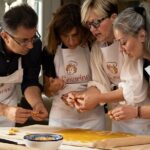
Pasta night in a Venetian home beats the tour. You get a hands-on pasta lesson in a real local kitchen, then you eat what you shape at a shared table with wine. I love that it feels like you’re being welcomed in as a guest, not processed like a ticket number, and I also love the specific pasta focus (bigoli, tagliatelle, or ravioli) that makes the skills feel practical. One thing to consider: the class happens in a private home, so the exact address comes after booking, which means you’ll want to plan a calm arrival and read your host message carefully.
This is also a small-group setup, limited to 10 people, with an instructor who speaks English and Italian. Expect a warm start with an aperitivo and appetizer, a guided stretch of mixing and kneading, and then a meal that pairs your pasta with local wine and espresso. If you’re looking for a quick photo-stop or a huge crowd scene, this won’t match that mood. If you want the kind of evening where you leave with flour on your sleeves and a new rhythm in your cooking brain, it will.
In This Review
- Key Things That Make This Venice Pasta Class Special
- A Venetian Kitchen, Not a Demo Room
- The 90-Minute Flow: Aperitivo, Pasta Dough, and a Shared Table
- Learning Fresh Pasta Skills That Actually Stick
- The Meal Part: Wine, Espresso, and a Real Finishing Touch
- Price and Value: Is $93 Worth It in Venice?
- Who Should Book This Class (And Who Should Think Twice)
- Practical Tips for a Smooth Night In a Host’s Home
- Should You Book This Venice Pasta Class?
- FAQ
- Where does the pasta-making class take place?
- How long is the experience?
- How much does it cost?
- What’s included in the price?
- Do we eat the pasta we make?
- What wine is included?
- What pasta will we learn to make?
- Is the class suitable for beginners?
- What languages does the instructor speak?
- What is the cancellation policy?
Key Things That Make This Venice Pasta Class Special
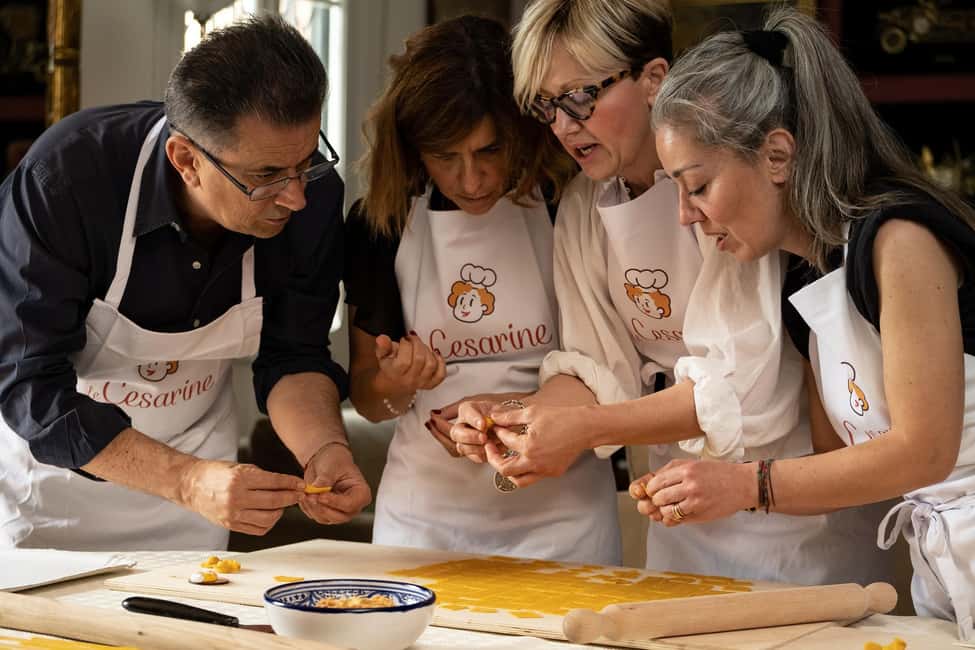
- Local-home experience where privacy keeps it intimate, not staged
- Small group (up to 10) so you actually get attention while you shape pasta
- Aperitivo start with a small appetizer and a refreshing drink
- Concrete pasta types like bigoli, tagliatelle, or ravioli you’ll practice making
- Eat what you make with homemade pasta, local wines, plus espresso
A Venetian Kitchen, Not a Demo Room
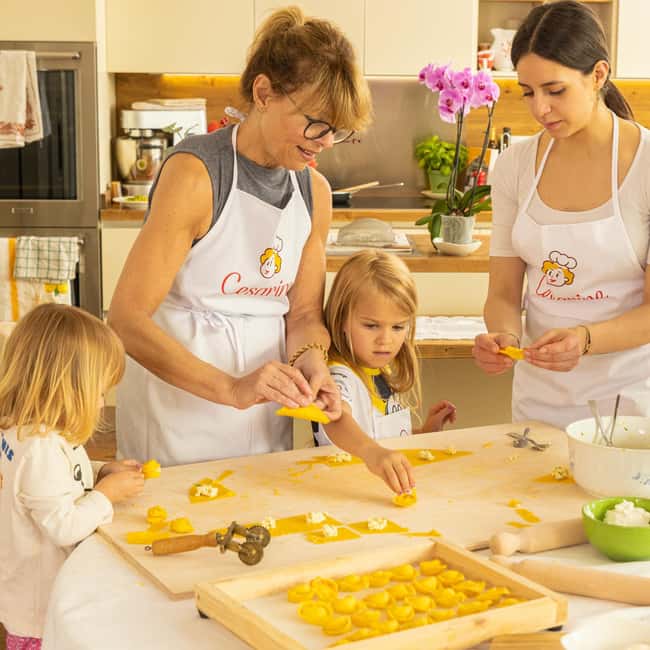
Venice can be a lot of sparkle and crowds. This class flips the script by putting you inside a Venetian household atmosphere, the kind where conversation happens while food happens. You’re not wandering a museum-like kitchen. You’re working at the heart of someone’s daily life, and that changes the feel fast.
I like that the host experience is designed to make you feel like a guest. From the way people describe these evenings, the best moments are the warm welcome, the laughter at the table, and the relaxed pace of cooking together. Names that come up often include hosts such as Nicolo and Mauro, and in one case a class took place in an apartment setting where you might meet the host’s daughter and even a dog—proof that it can feel like real life, not a set.
The tradeoff is simple: you’re going to a private address. After you book, you receive the full location of your host. That’s part of the charm, but it also means you should treat it like an appointment, not a stroll.
You can also read our reviews of more cooking classes in Venice
The 90-Minute Flow: Aperitivo, Pasta Dough, and a Shared Table
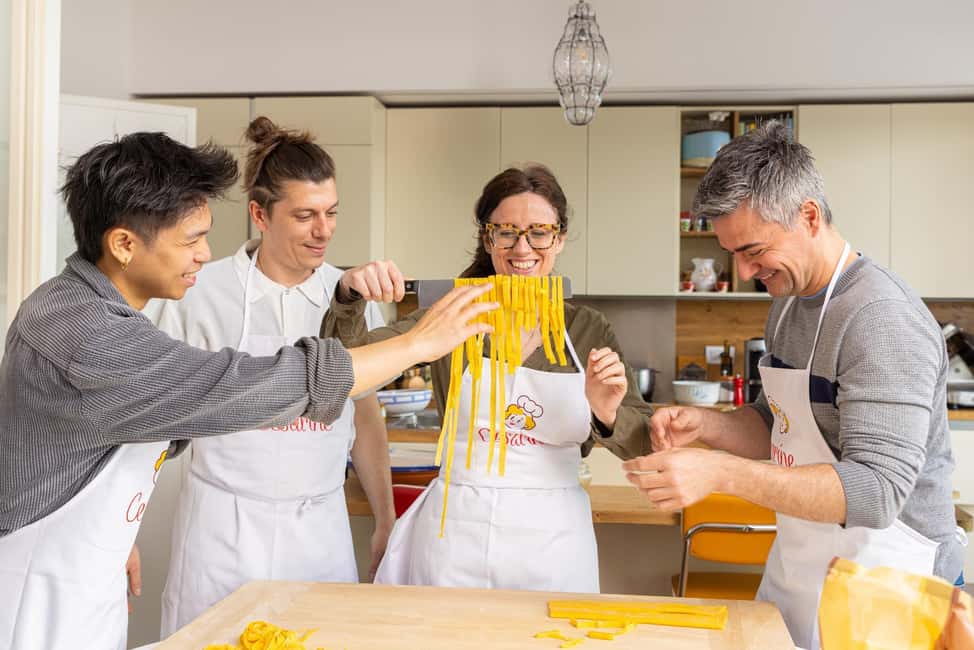
The timing is built so you get a full evening arc without it turning into an all-night commitment. It runs about 1.5 hours, so you’ll start, learn, cook, and eat within one concentrated block.
First comes the welcome: an aperitivo with a small appetizer and a refreshing drink. This is more than a snack. It’s the social on-ramp—your chance to settle in, meet the group, and get comfortable with the kitchen and your host before flour starts flying.
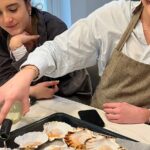
Next, your host introduces fresh pasta techniques you can actually use. Then you get hands-on: you mix, knead, and shape pasta. The specific shapes can include bigoli, tagliatelle, or ravioli, and the point isn’t just to make something edible—it’s to learn the logic behind the dough and the shaping step.
Finally, you sit down to enjoy the meal. You’ll eat the pasta you made, and you’ll toast with wine. The class includes beverages such as water, local wines, and espresso. Wine is served as a bottle split across the group—one bottle per three guests—so you get the vibe of a celebratory table without turning it into a heavy drinking session.
For me, the genius here is how the meal happens immediately after the work. You don’t eat an afterthought. You eat your results, while the lesson is still fresh in your hands and head.
Learning Fresh Pasta Skills That Actually Stick
A lot of cooking classes teach you to watch. This one teaches you to do. You’re mixing, kneading, and shaping—skills that matter because they’re repeatable. Once you know how the dough feels and how shaping changes the outcome, you can rebuild the process later.
I especially like that the class is positioned for both beginners and food lovers. That doesn’t mean it’s a “no-skill required” experience. It means the host is bringing you into the process step-by-step, and the format of a small group helps you get corrections before mistakes get too baked in.
Also, you’re not stuck learning just one form. Practicing shapes like bigoli, tagliatelle, or ravioli keeps the lesson grounded in real Italian pasta variety. Even if you don’t replicate the exact shape at home on day one, you’ll understand what changes when you make a dough, how you handle it, and what to look for as you shape.
One detail that comes up in people’s descriptions is the quality of instruction. Hosts like Mauro and Tessa are praised for being friendly and informative, with a teaching style that feels patient and practical. That matters, because pasta dough punishes confidence—if someone rushes you, it shows in the texture. A calm, clear guide makes the difference.
The Meal Part: Wine, Espresso, and a Real Finishing Touch
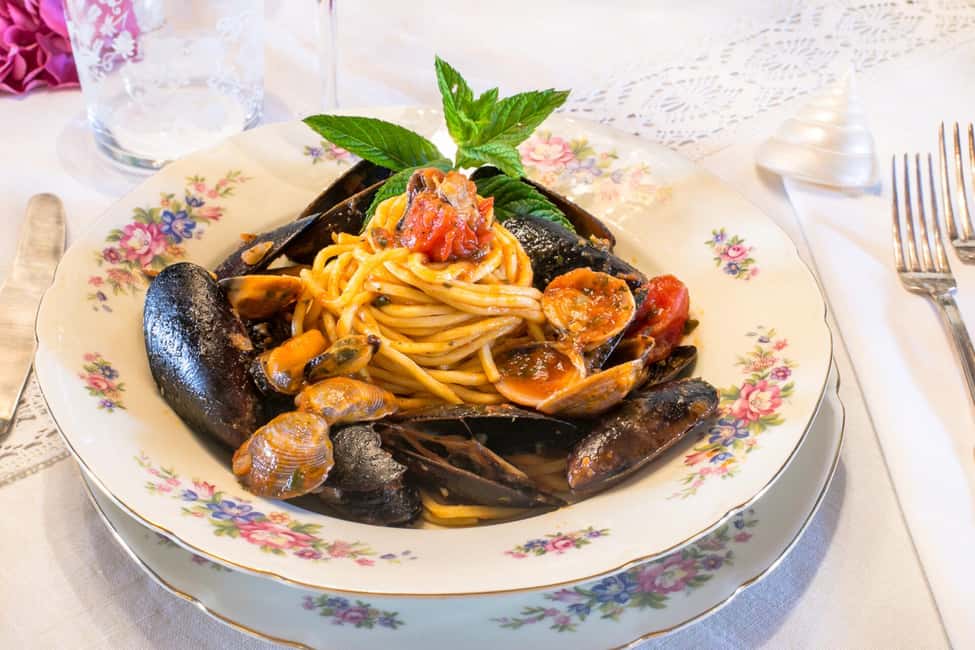
The meal isn’t tacked on like a refund for your time. It’s the closing act of the entire experience. After shaping your pasta, you gather around the table and enjoy the dish you created.
You can expect a celebratory setup: toast with wine, then sit together and eat. Local wines are included, and you’ll also get water and espresso as part of the beverage plan. One practical reason this matters: it makes the class feel complete. You’re not leaving the kitchen wondering if the evening was worth it. You taste the outcome immediately.
This is also where the “local home” aspect shows up most clearly. You’re not just consuming food. You’re sharing a meal in a setting that feels lived-in, and that shifts the whole memory from task to connection. That’s why so many people come away saying it was one of the best meals in Venice—because it turns cooking into a story you can tell later.
Price and Value: Is $93 Worth It in Venice?
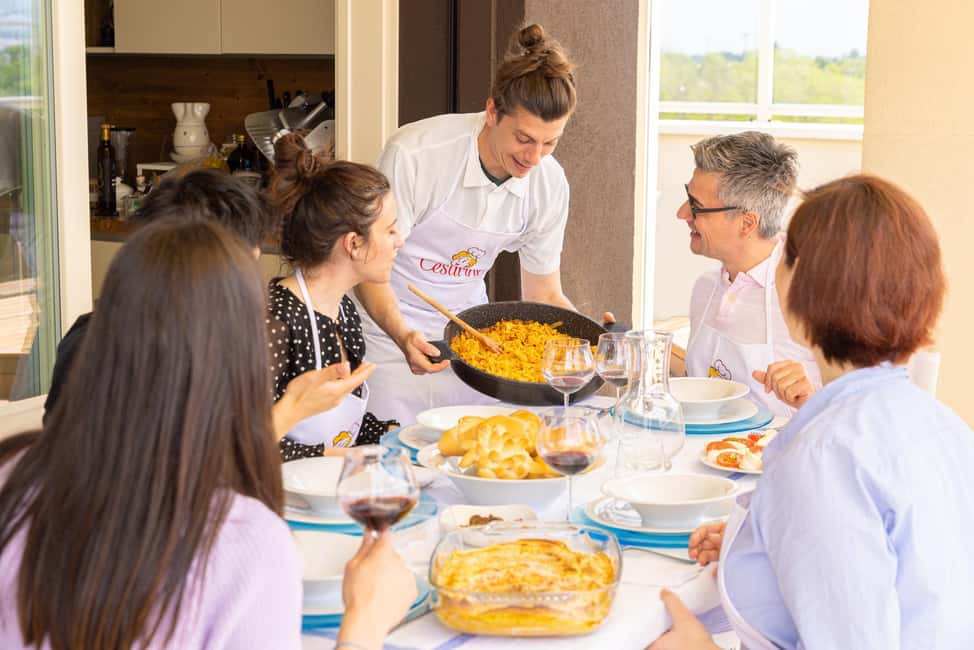
Let’s talk money with your eyes open. The price is $93 per person for a 1.5-hour class that includes:
- Welcome aperitivo and appetizer
- A hands-on pasta-making session
- Beverages (water, local wines, espresso)
- A homemade pasta meal paired with wine
In Venice, it’s easy to spend money on dining where you pay for the view, the location, or the line. Here, you’re paying for three things at once: instruction, ingredients and meal, and the fact that it happens in a private home setting with a small group.
Is it a budget activity? No. But it’s also not just a meal ticket. You’re getting time with a host, a structured lesson with a limited group size, and a finished dish that you made yourself. For people who really enjoy food—especially if you like learning rather than only eating—this is one of those prices that can feel like good sense.
If you’re only looking for a quick snack, you’d be better with something less structured. But if your idea of value includes leaving with skills, confidence, and a meal you helped create, $93 starts looking more reasonable than it first appears.




Who Should Book This Class (And Who Should Think Twice)
This experience fits best if you want a real Venice evening that isn’t built around landmarks. You’ll likely enjoy it if you:
- Love food and want to learn how it’s made
- Prefer small-group interactions over large tours
- Like meeting hosts in a relaxed, home-style environment
- Are happy doing hands-on work for a short, focused session
It might not be ideal if you:
- Want a purely observational experience with no active cooking
- Dislike the idea of being in someone’s private home environment
- Need a highly predictable, landmark-based meeting point (because the full address is provided after booking)
The upside is that it welcomes beginners. The host-led structure means you’re not expected to arrive as a pasta expert. You’re expected to show up curious and willing to work.
Practical Tips for a Smooth Night In a Host’s Home
Because you’re going to a private residence, you’ll get the address after booking and should use the contact details in your confirmation voucher if you have questions. That means the best move is to plan for a calm arrival window so you can find the place without stress.
Also, treat the evening like cooking, not like sightseeing. Pasta-making can mean dough on your hands and a bit of mess. Wear clothes you’re comfortable working in, and don’t be surprised if you end up with a souvenir you didn’t pay for: a little flour on your sleeves and a big smile.
Finally, since the class is limited to 10 participants and offered in English and Italian, come ready to ask questions. Hosts often shine when guests are engaged, and with a small group you can actually get answers instead of hearing only a general talk.
Should You Book This Venice Pasta Class?
Yes, you should book it if you want a Venice experience that feels personal and tasty, with real participation. The combination of small-group intimacy, a hands-on pasta lesson, and a shared meal you made yourself is exactly the kind of value that cuts through the usual tourist pattern.
I’d skip it only if you’re trying to fill every hour with structured sightseeing stops or you strongly prefer a drop-in experience with zero hands-on cooking. Otherwise, this is one of the more memorable ways to spend 1.5 hours in Venice—especially if fresh pasta is on your list of must-do food memories.
FAQ
Where does the pasta-making class take place?
It’s held in a local family’s home in Veneto. For privacy, you receive the full address after you book.
How long is the experience?
The class lasts about 1.5 hours.
How much does it cost?
It costs $93 per person.
What’s included in the price?
The experience includes a welcome aperitivo and appetizer, the hands-on pasta-making class, beverages (water, local wines, and espresso), and a homemade pasta meal with wine.
Do we eat the pasta we make?
Yes. After making the pasta, you sit down to enjoy the homemade pasta meal you created.
What wine is included?
Local wines are included, and wine is served as a bottle shared across the group—one bottle per three guests.
What pasta will we learn to make?
You may make classic pasta dishes such as bigoli, tagliatelle, or ravioli, depending on the class.
Is the class suitable for beginners?
Yes. It’s designed for both beginners and food lovers.
What languages does the instructor speak?
The instructor speaks English and Italian.
What is the cancellation policy?
You can cancel up to 24 hours in advance for a full refund.