REVIEW · VENICE
Venice: St Mark’s Basilica and Doge’s Palace Private Tour
Book on GetYourGuide →Operated by ItalianVista · Bookable on GetYourGuide
Venice gets easier when it has context. This private 3-hour tour pairs priority access at two top sights with an art historian guide who explains what you’re looking at, from St Mark’s mosaics to the palace’s political drama.
I especially like the calm pace: you’re not just snapping photos and moving on. You’ll meet in Piazza San Marco, learn what makes this public square so important, then step inside and understand the religious symbols and power behind the walls.
One heads-up: you’ll need to follow the dress and behavior rules closely. No shorts or sleeveless tops (knees and shoulders covered), you can’t bring large bags or backpacks, and photos are restricted in St Mark’s, which can feel strict if you’re used to wandering freely.
In This Review
- Key Highlights You’ll Actually Notice
- Where the Tour Starts: Piazza San Marco and the Logic of Venice
- Priority Entry at St Mark’s and Doge’s Palace: Time You Can Spend Better
- Entering St Mark’s Basilica: Gold Mosaics, Altars, and What They Mean
- The Move to Doge’s Palace: From Sacred Power to Venetian Government
- Government Rooms, Private Apartments, and Paintings by Italian Masters
- The Prison Complex and the Bridge of Sighs: Where Venetian Power Got Dark
- How the Art Historian Guide Changes the Whole Experience
- Dress Code, Photo Rules, and What to Leave at Home
- The 3-Hour Timing: What You’ll Fit and What You Might Miss
- What You’re Paying for: The Value Behind $396.50 Per Person
- Who This Tour Suits Best (and Who Should Choose Something Else)
- Should You Book This St Mark’s and Doge’s Palace Private Tour?
- FAQ
- What’s the duration of the Venice St Mark’s Basilica and Doge’s Palace private tour?
- Where do we meet the guide?
- Do entry tickets cost extra?
- Is this tour private?
- Which languages are available?
- What’s the dress code?
- Are photos allowed inside the sites?
- What items are not allowed?
Key Highlights You’ll Actually Notice
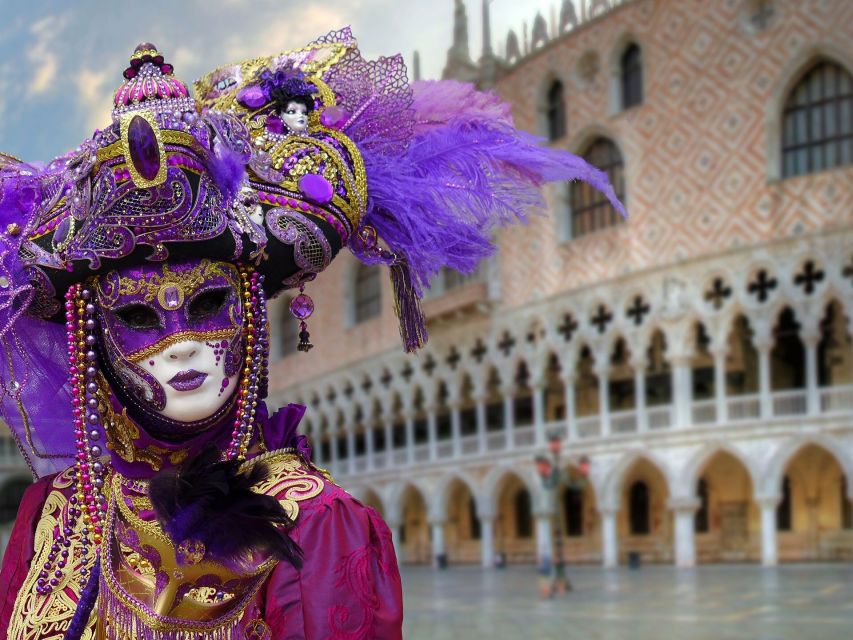
- Priority access through a separate entrance helps you avoid long entrance lines at both sites
- St Mark’s Basilica symbolism explained, including the meaning behind the golden mosaics and altars
- Doge’s Palace access to major spaces, including government chambers, private apartments, and the prison complex
- Art you can connect to names like Tintoretto, Titian, and Veronese as you move through the rooms
- Bridge of Sighs experience as the palace’s darker side comes into focus
- Private-group pacing with a guide who has time for questions, plus real examples from guides like Chiara, Laura, and Lucia
Where the Tour Starts: Piazza San Marco and the Logic of Venice
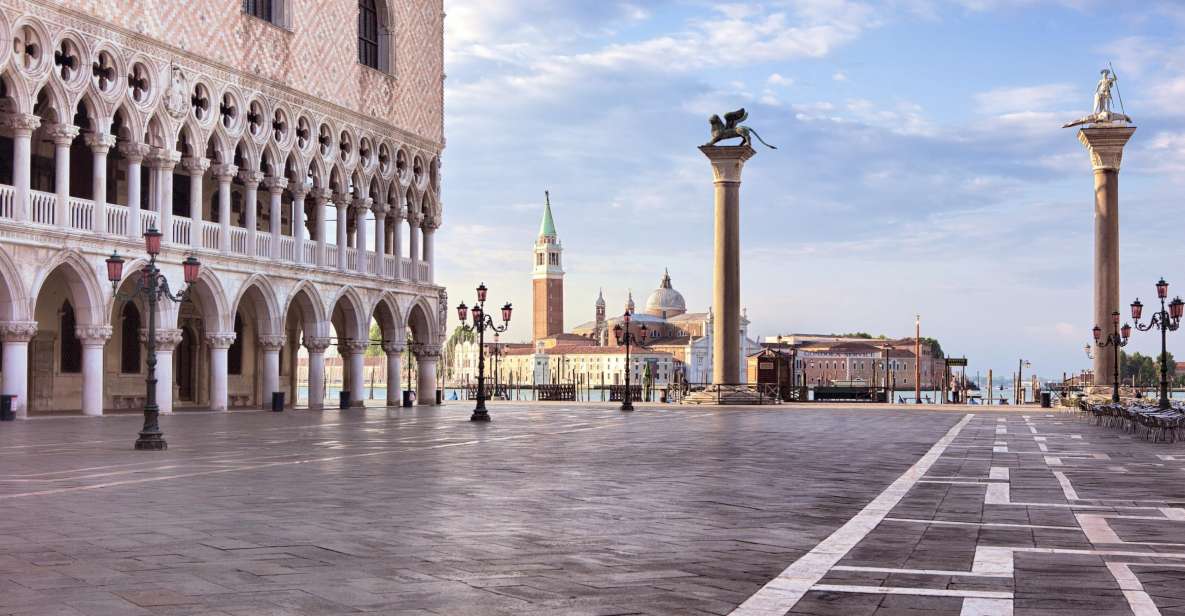
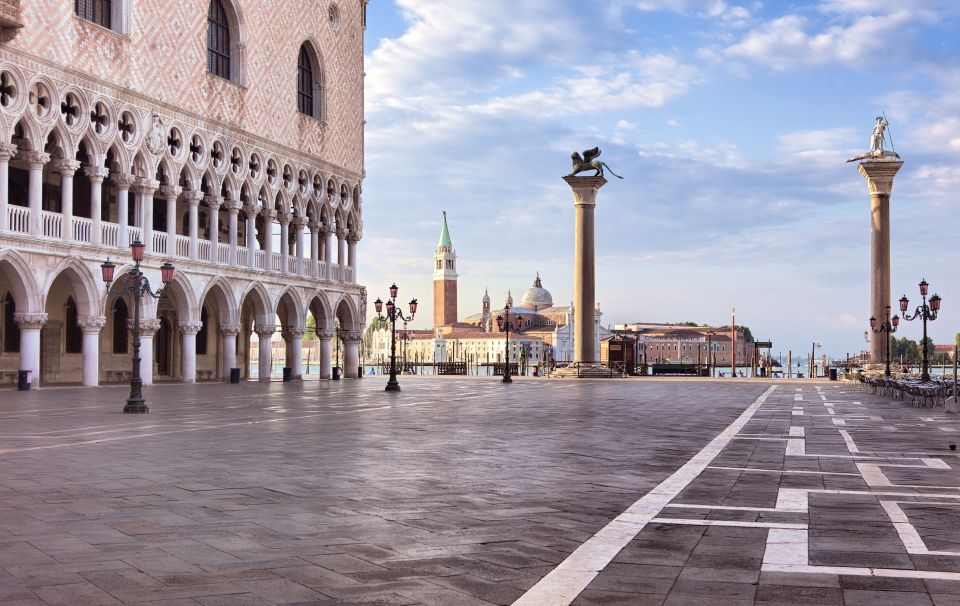
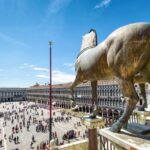
You begin in Piazza San Marco, right by the column topped with a lion. That sounds simple, but it matters, because this piazza is the stage Venice built for itself. If you show up without any frame, the monuments can blend together; with a guide, you start seeing the city’s messaging in the architecture.
Your guide will talk through why this is Venice’s grand public piazza and what key monuments are doing here. It’s not just trivia. It helps you notice alignments, scale, and the way St Mark’s Basilica dominates the scene.
You’ll also get oriented before the crowds hit the doors. By the time you move toward the basilica, you’ll know what to expect and why it matters, so your time feels purposeful instead of reactive.
You can also read our reviews of more private tours in Venice


Priority Entry at St Mark’s and Doge’s Palace: Time You Can Spend Better
These are two of the most visited sites in Venice, which is exactly why priority access is the heart of this tour. The tour is designed so you skip the long lines using a separate entrance, so you’re not burning your best energy waiting in queues.
This matters more than it sounds. Venice has a way of turning “a quick wait” into “where did the morning go.” Here, you’re buying back that lost time so you can spend it inside, where the guide’s explanations actually land.
You should still plan to arrive ready. You’ll be dealing with dress code checks and museum rules once you get close to the entrances, and those moments add friction if you’re scrambling.
And since there’s no hotel pickup, you’ll want to be on time for the start meeting point in the square. In Venice, timing is everything, even when you’re moving quickly.
Entering St Mark’s Basilica: Gold Mosaics, Altars, and What They Mean
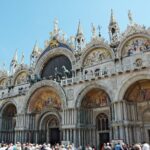
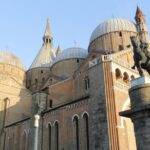
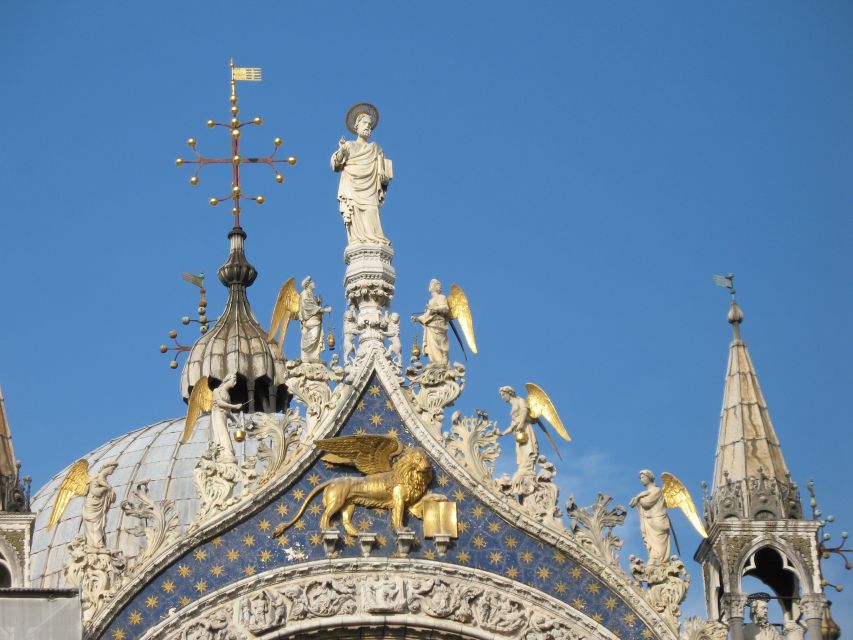
Once you’re at St Mark’s Basilica, you’ll approach the opulent, Italo-Byzantine exterior and then head inside with priority entry. The big shift here is that the guide doesn’t treat St Mark’s like a pretty stop. They treat it like a story in materials and symbols.
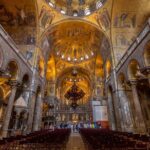
Inside, you’ll see the cathedral’s intricate, gold-plated mosaics and glittering altars. The guide explains the significance behind them, so you’re not just staring at gold and calling it ornate. You start connecting religious themes with how the basilica communicates visually.
This is also where an art historian guide really earns their keep. They’re helping you interpret the religious motifs you’re seeing, including what they were meant to express and why Venice invested in this kind of visual language.
Practical reality check: you cannot take pictures inside St Mark’s Basilica. If you’re the type who likes to save images for later study, plan to rely on memory and notes instead. The experience is still worth it, but you’ll want to pay closer attention in real time.
The Move to Doge’s Palace: From Sacred Power to Venetian Government
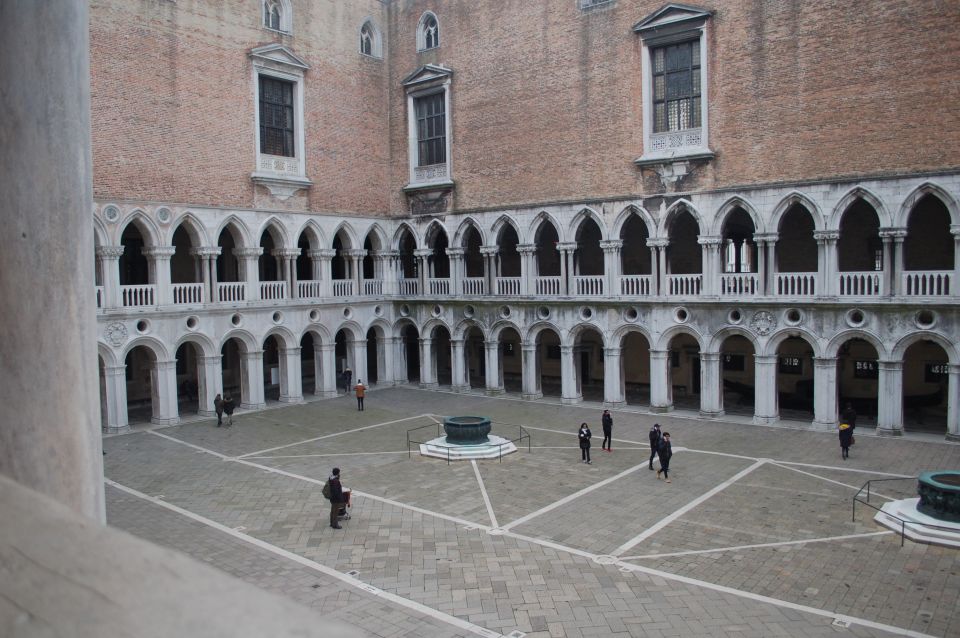
After St Mark’s, you’ll continue to the nearby Doge’s Palace (Palazzo Ducale). The tour keeps the momentum going by using priority access again, so you’re not resetting your day with another long wait.
Doge’s Palace is different from the basilica in feel, even if both are tied to Venice’s image. Here, the guide shifts from religious symbolism to government and control, including stories and scandals about the powerful doges who once ruled the Venetian Republic.
That change of lens is one of the best parts of the tour because it shows Venice as more than scenery. It’s a machine that ran on influence, law, and public display. You’ll see that through the palace spaces you enter.
Government Rooms, Private Apartments, and Paintings by Italian Masters
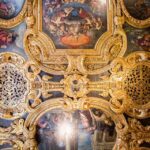
Inside the palace, you’ll explore spaces tied to how leaders actually lived and ruled: government chambers and private apartments. Seeing both types of rooms is valuable, because it shows power at two levels. There’s the official side and the personal side, and the atmosphere changes as you move between them.
As you walk through, you’ll also admire historic furnishings and major paintings by artists including Tintoretto, Titian, and Veronese. The guide helps you look at the art as part of the palace’s function, not as museum wallpaper.
This is where I think the “private” part matters. A private-group format gives the guide room to answer questions as they come up, instead of sticking to a rigid script.
I like tours where you come out understanding what you saw and why it was placed there. This one aims for that, and it tends to stick better because you’re moving through rooms with a consistent interpretive thread.


The Prison Complex and the Bridge of Sighs: Where Venetian Power Got Dark
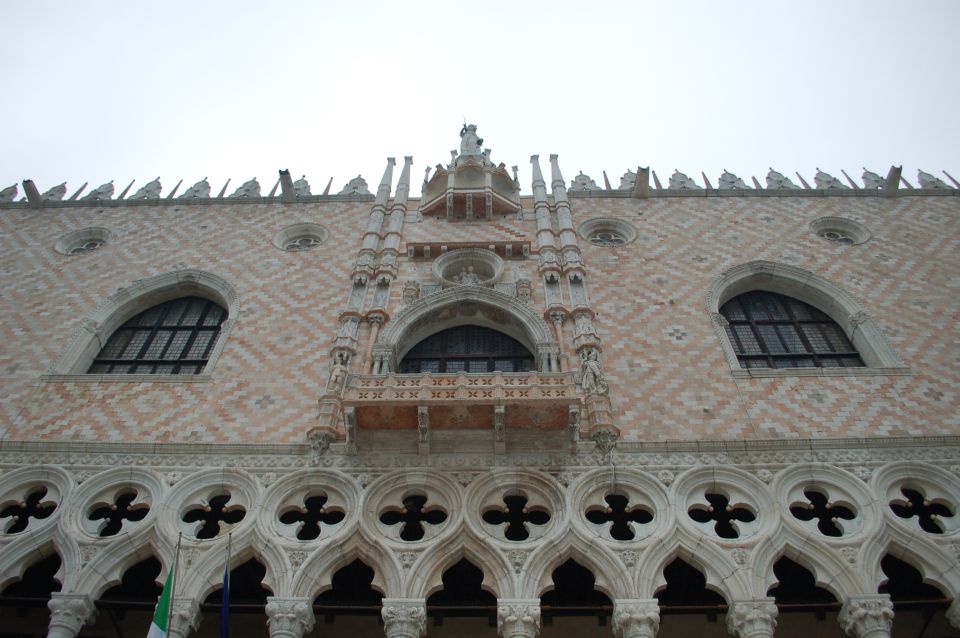
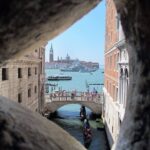
The tone shifts again when you reach the palace’s darker side. You’ll cross the Bridge of Sighs into the prison complex, and you’ll hear the darker context as part of the story of how governance worked.
This portion is a strong emotional counterweight to the grandeur you saw earlier. St Mark’s Basilica shines; Doge’s Palace explains how Venice handled conflict and control. The bridge turns that from abstract history into something you experience physically.
When you emerge back into daylight, it feels like you’ve been on a complete loop: public glory, private rule, and then the consequence side of power. It’s the kind of contrast that makes the tour more memorable than a checklist of famous rooms.
In the palace, photo rules are also stricter than in many places: pictures are only allowed if flash is off. If you use a phone camera for quick reference shots, keep it on without flash and don’t expect to capture everything.
How the Art Historian Guide Changes the Whole Experience
The guide is the glue here. Since this is a private tour with an art historian, the conversation stays tied to what you’re seeing—especially the meaning behind mosaics and the role of spaces inside Doge’s Palace.
In past tours, names like Chiara, Laura, and Lucia have led groups, and the consistent pattern is clear: they spend real time explaining history and answering questions. You’ll feel the difference between a guide who recites facts and one who connects symbols to real-world choices Venice made.
I also like the pacing style that shows up in these tours: you see the highlights without feeling rushed. That matters in Venice, because crowds can push you into “fast mode,” where nothing sticks.
If you’re traveling with someone who wants both beauty and explanation, this format is a good match. It helps you slow down in places you’d normally speed through.
Dress Code, Photo Rules, and What to Leave at Home
Before you go, read the rules like you mean it. The basilica and museums can be strict, and the tour is built around getting you in smoothly. If you show up dressed wrong, you risk getting refused entry.
Here’s what to plan for:
- No shorts and no sleeveless tops. Knees and shoulders must be covered for both men and women.
- Avoid large bags and backpacks, since they’re not allowed.
- Oversize luggage is also not allowed.
- No photos inside St Mark’s Basilica.
- In Doge’s Palace, photos are allowed only if flash is off.
- Food and drinks aren’t allowed in museums or churches.
This is less fun than it sounds, but it’s also part of why priority entry works. The staff can move you through faster when everyone follows the same rules.
My practical tip: pack like you’re going to a church service, not a music festival. Bring comfortable layers for walking, but keep your outfit within the requirements so you don’t waste time at the threshold.
The 3-Hour Timing: What You’ll Fit and What You Might Miss
The tour runs about 3 hours, which is a sweet spot. Long enough to experience both sites with explanation, short enough that you still have energy afterward to explore on your own.
St Mark’s Basilica and Doge’s Palace together are massive mentally, even if you move efficiently. A 3-hour private tour helps you focus on the essentials and the interpretive meaning behind them, instead of trying to do everything.
There is one potential consideration that came up: you may not get as close as you hoped to Pala d’Oro (the famous altarpiece). That kind of up-close access can depend on separate viewing areas or other ticketing choices. If getting face-to-face with that specific artwork is your top priority, it’s smart to check whether your tour route includes that access.
Still, even without that one element, you’ll come away with a clearer understanding of St Mark’s visual program and the way Doge’s Palace functioned as the government center.
What You’re Paying for: The Value Behind $396.50 Per Person
At $396.50 per person for a private 3-hour tour, you’re not paying for a generic guide. You’re paying for three practical things: priority entry, a specialist art historian, and enough time to see two major attractions without turning your day into a line-crawling contest.
If you go without priority entry, both sites can eat up a big chunk of your schedule. In Venice, that’s the real cost: time and energy. This tour trades money for saved waiting, which is often the better exchange if you’re only in town for a short stretch.
You’re also not just buying entry tickets. The tour is built to connect what you see with why it exists: golden mosaics and altars at St Mark’s, and chambers, apartments, and the prison story at Doge’s Palace.
Is it worth it? If you love art, symbols, and political history, you’ll get more out of this than a quick walk-through. If you just want photos with minimal talking, a private art historian may feel like overkill. Most people who book this style want context, not just crowds.
Who This Tour Suits Best (and Who Should Choose Something Else)
This tour is a strong fit if you:
- Want two major Venice sites in one efficient block
- Like guided interpretation, especially art and symbolism
- Prefer private pacing and time for questions
- Need a structured plan starting from Piazza San Marco
It may be less ideal if you:
- Want a super flexible, self-guided route with no rules
- Are traveling with large luggage or backpacks you can’t leave behind
- Are hoping for an itinerary built around lounging for hours between stops
On physical effort, you should have moderate physical fitness. The tour includes walking around the sites and moving through indoor spaces, so plan for steady movement rather than sightseeing at a crawl.
The good news: it’s listed as wheelchair accessible, which makes a private, structured experience more realistic for visitors who need that support.
Should You Book This St Mark’s and Doge’s Palace Private Tour?
I think you should book it if your goal is to understand Venice as you see it, not just collect stamps at famous monuments. The priority access is a real advantage, and the art historian guide turns both St Mark’s Basilica and Doge’s Palace into something you can explain afterward.
Skip it only if you’re chasing a purely self-guided photo spree, because the rules and structured path are part of the experience. If you’re okay following dress and photo guidelines and you want the story behind the gold mosaics and the palace power plays, this is a smart way to spend a short visit.
FAQ
What’s the duration of the Venice St Mark’s Basilica and Doge’s Palace private tour?
The tour is listed as 3 hours.
Where do we meet the guide?
You meet in Piazza San Marco, by the column with a lion on top. The tour ends back at the same meeting point.
Do entry tickets cost extra?
No. Entry ticket to St. Mark’s Basilica and entry ticket to Doge’s Palace are included.
Is this tour private?
Yes, it’s described as a private group.
Which languages are available?
Live guide languages include English, French, German, Italian, and Spanish.
What’s the dress code?
For places of worship and selected museums, you must cover knees and shoulders. No shorts or sleeveless tops are allowed.
Are photos allowed inside the sites?
In St Mark’s Basilica, pictures are not allowed. In Doge’s Palace, pictures are allowed only if flash is off.
What items are not allowed?
The tour info says oversize luggage, luggage or large bags, backpacks, and sleeveless shirts are not allowed, along with shorts under the dress rules.
If you want, tell me your travel dates and whether you’re visiting in the morning or later in the day, and I’ll help you pick the best start time for your schedule around Piazza San Marco.