REVIEW · VENICE
Venice: Ticket to Scuola Grande San Giovanni Evangelista
Book on GetYourGuide →Operated by Scuola Grande San Giovanni Evangelista · Bookable on GetYourGuide
Venice has another kind of masterpiece. A visit to the Scuola Grande San Giovanni Evangelista lets you see why this “scuola” matters, from its founding in 1261 through centuries of art and architecture. I love the way the rooms move you from Gothic solemnity to Renaissance grandeur, and then into Baroque religious drama.
I especially like two moments: the Mauro Codussi Renaissance staircase and the Oratory Hall’s relic-centered story around the true cross (dated 1369). The one drawback to note is that this is a ticket-only entry with no guide included, so you’ll get more from it if you’re comfortable reading the room details as you go (or asking staff on-site for quick help).
In This Review
- Key highlights worth your time
- Why this Scuola feels different than Venice’s usual sights
- Ticket, timing, and what you’re really buying
- Step-by-step: how the building tells its story
- Marble septum: where attention becomes ritual
- Gothic Columns Hall: assemblies, not just viewing
- Chapter Hall: the brotherhood’s meeting heart
- Mauro Codussi’s staircase: the Renaissance showpiece
- Baroque painting moments in the Chapter and oratory spaces
- Oratory Hall and the True Cross relic (1369)
- The artists you’ll likely encounter (and why they matter here)
- Price and value: why $9 is such an easy win
- Who should book this, and who might not
- Quick do-this, don’t-do-that advice
- Should you book the Scuola Grande San Giovanni Evangelista ticket?
- FAQ
- How much does the ticket cost?
- How long is the experience?
- Is a guide included with the ticket?
- Where do I show my ticket?
- What are the main things I can see?
- What’s special about Mauro Codussi’s staircase?
- When was the Scuola Grande San Giovanni Evangelista founded?
- What relic will I see?
- What languages are available?
- Do I need to pick a time?
Key highlights worth your time
- A 1261 lay brotherhood with 800 years of visible change across art and architecture
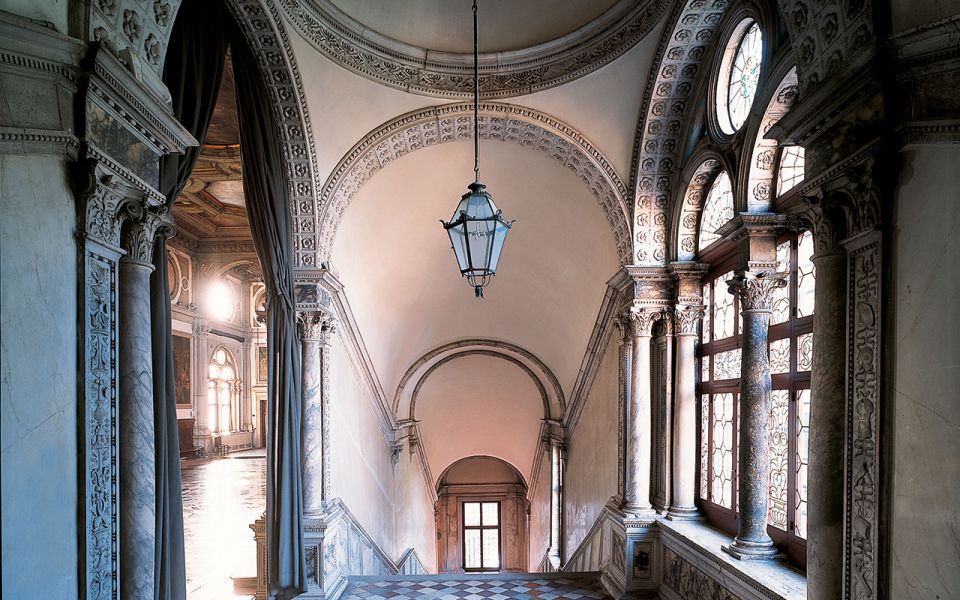
- Codussi’s Renaissance staircase (added in 1498)—monumental, but still very human in scale
- Gothic Columns Hall and Chapter Hall—the architecture supports the brotherhood’s public rituals
- Big-name paintings and artists including Domenico Tintoretto, Giandomenico Tiepolo, and Jacopo Marieschi
- Oratory Hall and the True Cross relic (1369) with the related Cycle on the Miracles of the Cross
Why this Scuola feels different than Venice’s usual sights
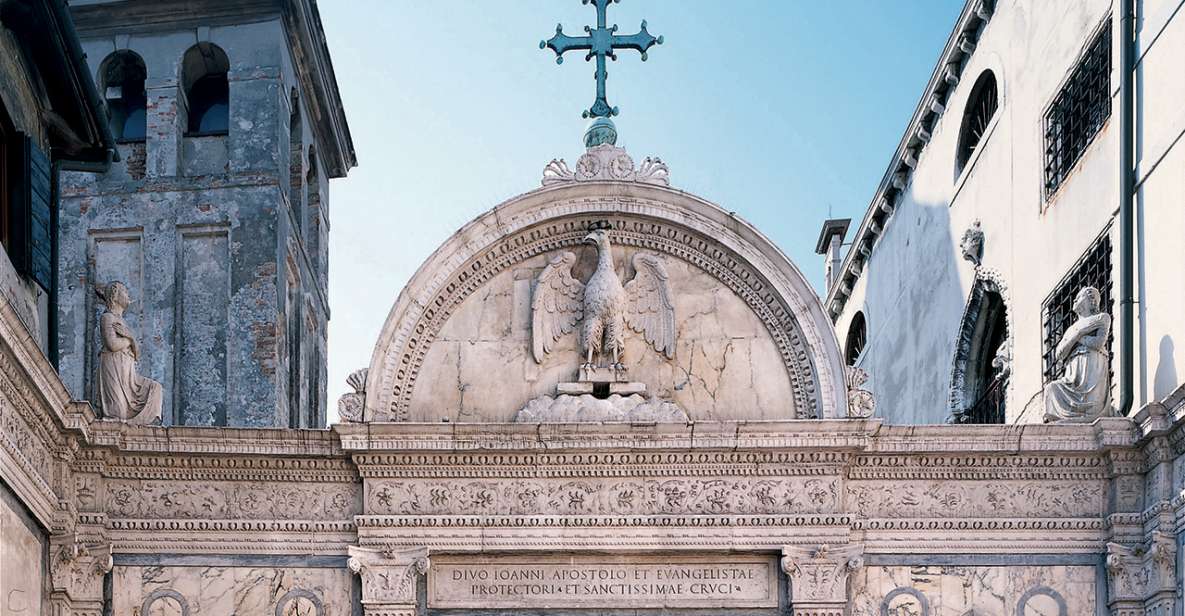
Most first-time Venice days funnel you toward the obvious headlines: churches with world-famous facades, or museums with blockbuster galleries. The Scuola Grande San Giovanni Evangelista goes another way. It’s not trying to be your one grand photo stop. It’s more like a living time machine built into rooms.
You walk into a building shaped by a lay brotherhood—a scuola—that dates back to 1261. That matters, because the art and architecture weren’t just decorative. They supported assemblies, devotion, and the social life of members and visiting pilgrims. You feel that purpose in how the spaces are planned.
I also like that this is a place where you can shift your focus. If you’ve grown tired of racing through Venice’s biggest landmarks, this is slower. It gives you a chance to study craftsmanship: marble elements, room proportions, and the way staircases choreograph movement through the building.
You can also read our reviews of more tours and experiences in Venice
Ticket, timing, and what you’re really buying
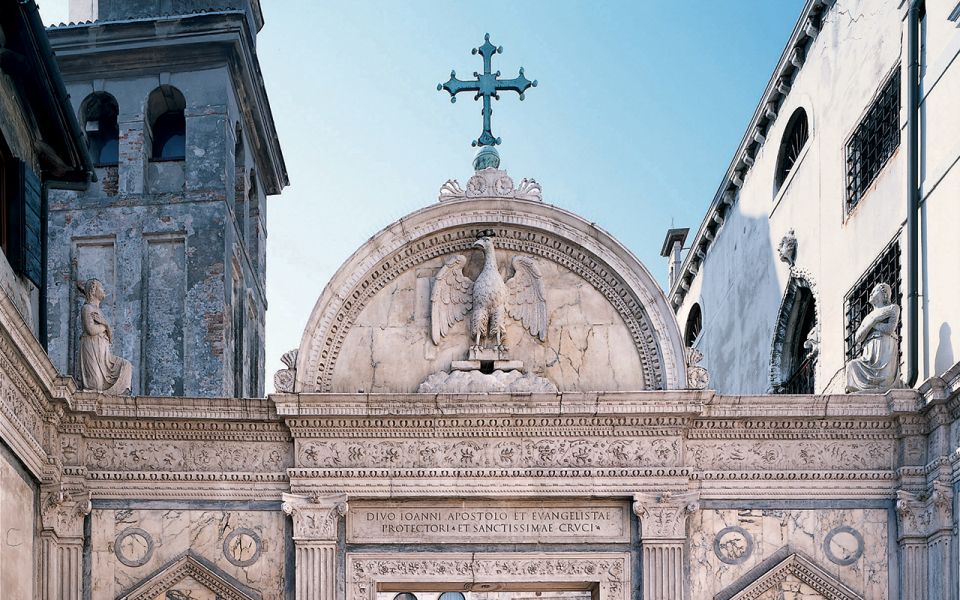
This experience is simple: you’re buying entry to the Scuola Grande San Giovanni Evangelista. The ticket is $9 per person, valid for one day, and you should check availability to see your starting time. There’s no guide included, so you’re essentially doing a self-paced visit through the building’s highlights.
Meeting point is straightforward: show your ticket at Scuola Grande San Giovanni Evangelista di Venezia. If you like to plan ahead, reserve early so you can match a time window that works with your day (especially if you’re combining this with other nearby stops).
Since it’s ticket-only, think of the value as threefold:
1) you’re paying for access to a very specific Venice site, not a generic area,
2) you’re seeing art spanning multiple periods in the same building, and
3) you can go at your own speed, stopping to look longer when a room catches your eye.
Step-by-step: how the building tells its story
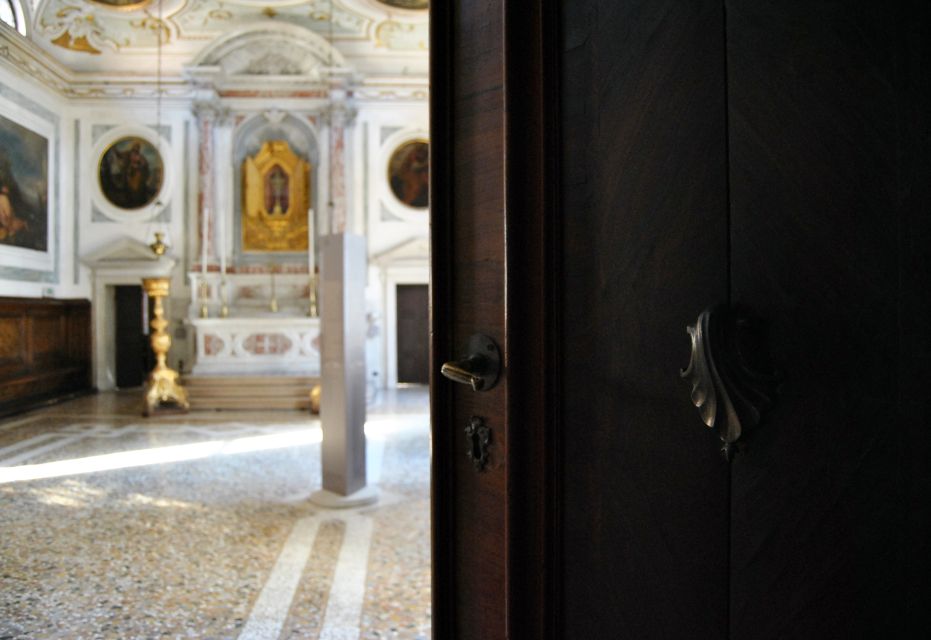
Your visit follows the building’s logic, moving from the more public, civic-religious spaces into the more devotional ones. As you go, you’ll see a shift in style and emphasis: Gothic forms, then a major Renaissance renovation moment, then the Baroque drama of religious painting.
Don’t expect a single linear “tour” feeling. Instead, think of each hall as a chapter. That’s why it works well even for short visits: one hour can still feel like multiple experiences if you slow down between rooms.
Marble septum: where attention becomes ritual
One of the first architectural features you’ll notice is the marble septum. It’s described as an extraordinary marble partition, and the point isn’t just decoration. This is the kind of element that signals movement: where you stand, where you look, and how you transition from the broader hall spaces into more focused areas.
If you’re the type who likes to understand the why behind design, this is a good place to pause. Even without a guide, you can read the building’s intention here: it’s organizing space for gatherings and for what mattered most to the brotherhood.
Practical tip: give yourself a minute or two before rushing onward. The septum helps you “tune in” to the building’s rhythm.
Gothic Columns Hall: assemblies, not just viewing
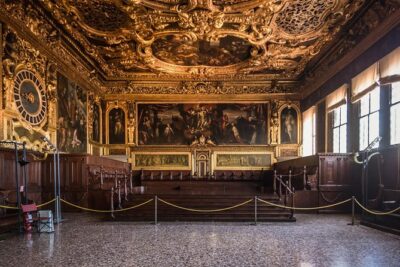
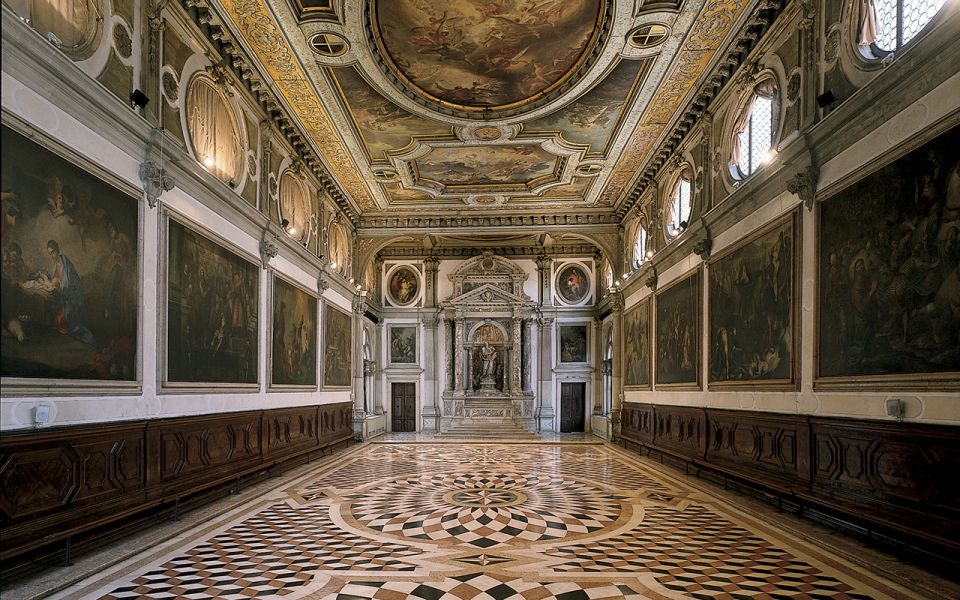
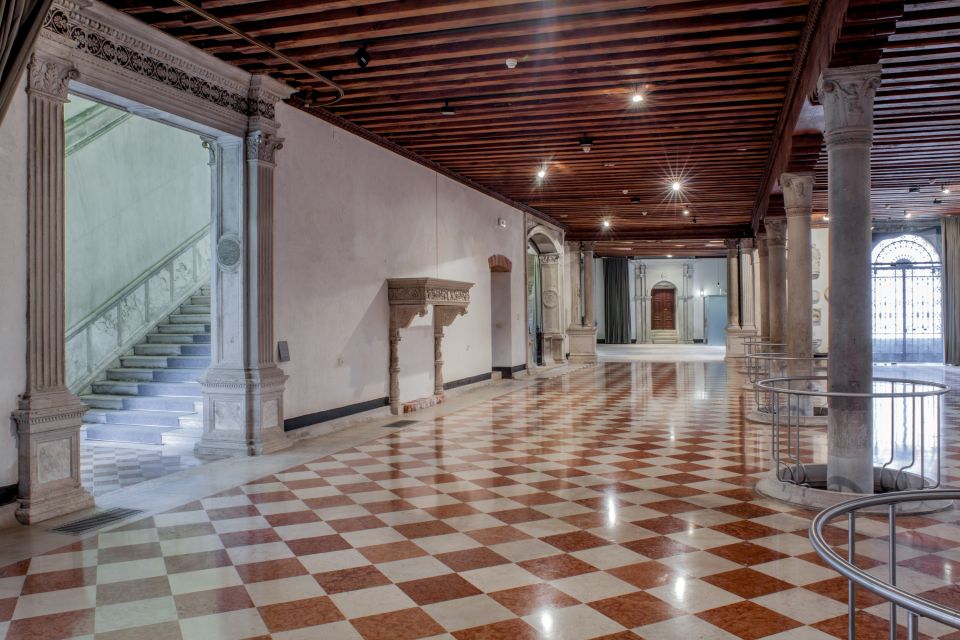
Next comes the Gothic Columns Hall, intended for welcoming assemblies of the brothers and pilgrims. In other words, this isn’t a quiet corridor. It’s a space built for people arriving, gathering, and participating.
The architecture does a lot of work here. Gothic columns and the hall’s structure create a feeling of order and solemnity, like the room is holding a pose even when it’s empty. If you like medieval design, this is where your eyes will start to “read” the space instead of just the artwork.


Chapter Hall: the brotherhood’s meeting heart
From the Gothic side, you move into the Chapter Hall. The building’s guideposts here are about function: this is where the brotherhood’s shared life would have played out. It’s also part of why the Scuola feels more grounded than some big-ticket museums. You’re seeing rooms that were designed for community rhythms.
This is also a good moment to look for the transition into later periods. You’re not just walking through history—you’re walking through changing tastes, changing religious emphasis, and changing art styles.
Drawback to consider: because this is self-paced, you might miss how each room connects unless you intentionally slow down and read. If you’re the type who likes context, spend a little time with the room information as you move.
Mauro Codussi’s staircase: the Renaissance showpiece
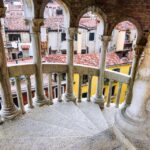
Now for the star act: ascending the monumental Renaissance staircase by Mauro Codussi. The staircase was added in 1498, and it’s the kind of architectural upgrade you feel in your body. You’re not just looking at a staircase; you’re experiencing how it controls pace and perspective.
Renaissance staircases often do two things at once: they show confidence and they guide movement. Here, the size and presence of the staircase make it feel like the building’s center of gravity shifts upward. You’ll likely find yourself stopping mid-way, even if you tell yourself you’re not going to.
This is one of the reasons the Scuola Grande San Giovanni Evangelista is worth your time even if you’re not chasing every painting by name. You can still appreciate craft and design at full scale.
If you visit in a hurry: you might climb without noticing details. If you can, slow down on the ascent.
Baroque painting moments in the Chapter and oratory spaces
As you continue, the focus shifts into the Baroque splendor associated with painters like Domenico Tintoretto and Giandomenico Tiepolo, along with Jacopo Marieschi. Baroque art isn’t subtle by nature. It aims for emotional clarity and religious impact, often using strong composition and heightened storytelling.
What I like about seeing Baroque in a historical building like this is that it doesn’t feel like a random museum collection. The room energy gives the paintings a job to do. You can imagine why certain works would have landed well with pilgrims—art that helps people feel, not just look.
You might notice that not every “major Venice art” piece is here at once. One of the useful insights from people who know Venice well is that some famed works linked to this broader tradition are now elsewhere (like the Accademia). Even if you’ve seen related canvases in other settings, this building still delivers because the architecture and selection of works here give you the full atmosphere in one place.
Oratory Hall and the True Cross relic (1369)
The last big emotional stop is the Oratory Hall, where you’ll see the relic of the true cross, dated 1369. The information also notes that this relic inspired the Cycle on the Miracles of the Cross. That detail helps you connect what you’re seeing to a religious narrative, not just art history trivia.
This is the part of the visit where the Scuola feels most focused. Earlier rooms supported assemblies and gatherings. Here, the building becomes more devotional and story-driven. Even if you’re not traveling for faith, the way the relic anchors the artwork makes the whole experience feel coherent.
If you like “object-based” history (where one physical thing shapes everything around it), this is a highlight. The relic isn’t just a background idea—it’s a reason the building developed the kind of art cycle it did.
The artists you’ll likely encounter (and why they matter here)
The Scuola Grande San Giovanni Evangelista isn’t just architecture. It’s also an art site with recognizable names connected to Venice’s painting tradition. Among the artists highlighted for this building are:
- Domenico Tintoretto
- Giandomenico Tiepolo
- Jacopo Marieschi
You’re seeing these artists in a context that’s different from a large museum. The paintings land inside rooms designed for a brotherhood’s religious and social life. That changes how you read the works. Instead of asking only what technique is used, you also start asking what the art was meant to do for people present in the space.
Price and value: why $9 is such an easy win
At $9 per person for a 1-day ticket, the math is hard to beat. Venice can be expensive fast, and entry fees add up even when you’re being strategic. This ticket is cheap enough that you can take it seriously without treating it as a “splurge decision.”
The value comes from the mix you get in one visit:
- multiple architectural styles in one building (Gothic to Renaissance to Baroque)
- a standout experience element (Codussi’s Renaissance staircase)
- a clear devotional centerpiece (Oratory Hall and the true cross relic)
And there’s a bonus for art lovers: even without a guide, the site gives you enough structure—named halls, clear artistic periods, and a strong narrative anchor—to make your self-guided visit feel purposeful.
Who should book this, and who might not
Book this if you want something more thoughtful than the usual Venice checklist. It suits you if you like:
- historic interiors and architectural details
- a self-paced art visit where you can pause and look longer
- religious art and the stories behind it
Skip it (or at least don’t treat it as a top priority) if you only want the most famous, crowd-heavy Venice landmarks. This is quieter, more “local Venice” in feel, and you’ll appreciate it more if you’re happy looking beyond the biggest names.
It’s also a good choice for repeat Venice visitors. People who know the city well often realize they missed this kind of place, even after years in Venice. That tells you the Scuola has the right mix of depth and under-the-radar appeal.
Quick do-this, don’t-do-that advice
Do plan on spending enough time to enjoy the staircase and at least the main hall sequence (Columns Hall, Chapter Hall, Oratory Hall). This works best when you don’t sprint.
Don’t assume a guide is included. If you want background on the specific rooms and art cycles, you’ll need to read what’s available on-site and ask the greeter for help where you can. The on-site team supports Italian and English, and they can help you get oriented quickly.
Should you book the Scuola Grande San Giovanni Evangelista ticket?
Yes, if you want a high-value Venice stop with real variety in one building. The $9 price makes it easy to justify, and the combination of Gothic architecture, Mauro Codussi’s staircase, and the Oratory Hall relic of the true cross (1369) gives you a visit that feels more layered than a typical short entry.
You might pause before booking if you’re hoping for a guided explanation or a fully interpretive experience. But if you’re comfortable self-guiding—slow down, read the room details, and let the building do the storytelling—this ticket can be a standout part of your Venice day.
FAQ
How much does the ticket cost?
The price is $9 per person.
How long is the experience?
The ticket is valid for a 1-day visit.
Is a guide included with the ticket?
No. A guide is not included.
Where do I show my ticket?
Show your ticket at Scuola Grande San Giovanni Evangelista di Venezia.
What are the main things I can see?
You can see Gothic and Renaissance architecture, Baroque art, and the Oratory Hall relic of the true cross (1369), along with highlights like the Mauro Codussi staircase.
What’s special about Mauro Codussi’s staircase?
It’s a monumental Renaissance staircase, added in 1498.
When was the Scuola Grande San Giovanni Evangelista founded?
It was established in 1261.
What relic will I see?
You’ll see the relic of the true cross, dated 1369.
What languages are available?
Italian and English.
Do I need to pick a time?
Availability includes starting times, so you should check what’s offered for your visit day.