REVIEW · VENICE
Venice: Vivaldi Baroque Concert Ticket and Free Music Museum
Book on GetYourGuide →Operated by INTERPRETI VENEZIANI · Bookable on GetYourGuide
Two stops, one unforgettable sound. This Venice ticket links the San Maurizio Music Museum with an evening Baroque concert featuring original playable instruments, and you walk away feeling like you heard Vivaldi the way it was meant to sound. One thing to plan for: the rules are strict, including no cameras and no large bags, so pack light if you’re combining this with other sights.
I like that the program is built around the real nuts and bolts of sound: Italian violin tradition, instrument making, and how Baroque music works in performance. It’s not just listening in a generic hall; you’re shown the world behind the music, including the School of Stradivari connection at the museum.
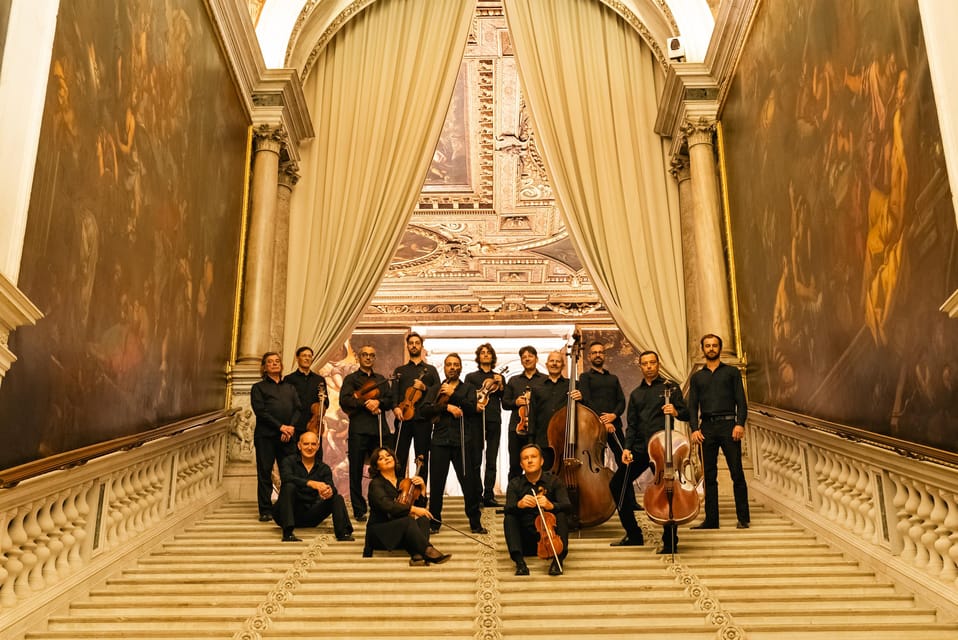
The 80 minutes move fast in a good way. The musicians (INTERPRETI VENEZIANI) bring serious accuracy, but they also keep the energy up, so the time tends to disappear. If you’re hoping to record or take lots of photos inside, you’ll be disappointed.
In This Review
- Key highlights you will actually feel
- San Maurizio Music Museum and a Vivaldi Concert in the Same Breath
- Meeting at San Vidal: the easiest way to plan your walk
- The free Music Museum experience: Stradivari, violin technique, and 200 instruments
- Why the “School of Stradivari” matters (even if you’re not a violin expert)
- What to focus on during your museum visit
- The 80-minute Baroque concert: hearing Vivaldi with original instruments
- How the performance tends to feel
- The payoff of “original instruments”
- The composers and Venetian flavor: why this program clicks in Venice
- Practical rules and comfort tips (so you’re not scrambling)
- Price and value: what $44.41 buys you (and why it feels fair)
- Who should book this Venice Baroque concert?
- Should you book this Vivaldi Baroque Concert?
- FAQ
- FAQ
- How long is the Vivaldi Baroque concert?
- Where do I meet for this experience?
- Is the Music Museum admission free?
- Are cameras or recording allowed during the concert?
- What composers can be included in the concert?
- Is it wheelchair accessible?
Key highlights you will actually feel
- Free Music Museum entry: you can visit the Music Museum in San Maurizio on your own time
- 200 playable instruments: spanning the 1500s to the 1900s, so you hear a long arc of tradition
- Italian violin-making focus: learn the techniques behind the instruments, not just the music
- School of Stradivari angle: a named connection to one of the most famous violin legacies
- A concert centered on Vivaldi and Venetian composers: with other Baroque masters in the mix
- Original instruments in performance: you’re meant to hear them play, not just look at them
San Maurizio Music Museum and a Vivaldi Concert in the Same Breath
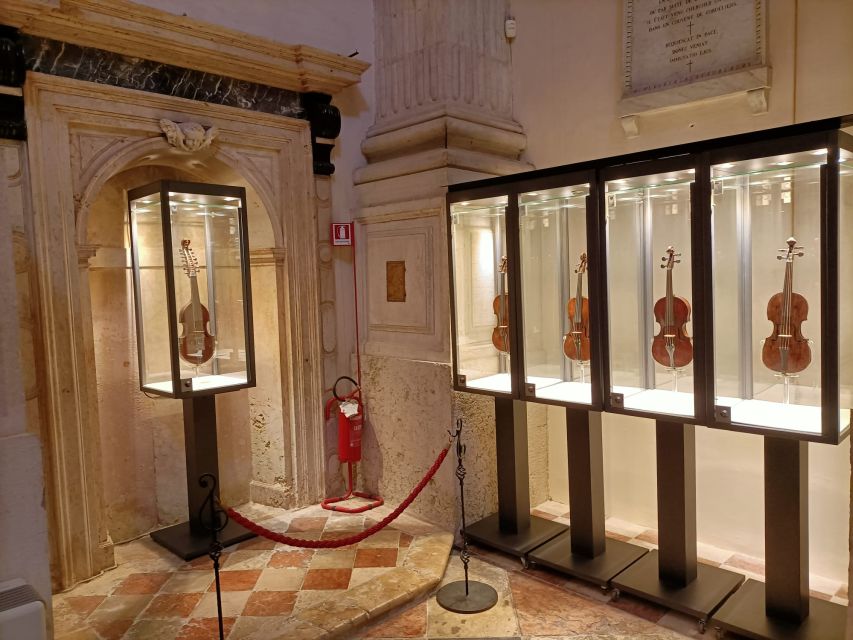
Venice has plenty of classical concerts that feel like a standard ticket item. This one feels different because the music museum isn’t an afterthought. It’s part of how the experience explains what you’re about to hear.
The Music Museum is in the San Maurizio Church area, and it gives you a direct line into the Baroque sound world. Instead of treating instruments like decorations, the museum experience centers on the craft—how instruments are made and why that matters for tone and technique.
Then, in the evening, the concert follows the same idea from the other direction: the musicians perform live on instruments from the museum collection range. That “you learn first, then you hear” structure is where the value lives.
You can also read our reviews of more tours and experiences in Venice
Meeting at San Vidal: the easiest way to plan your walk
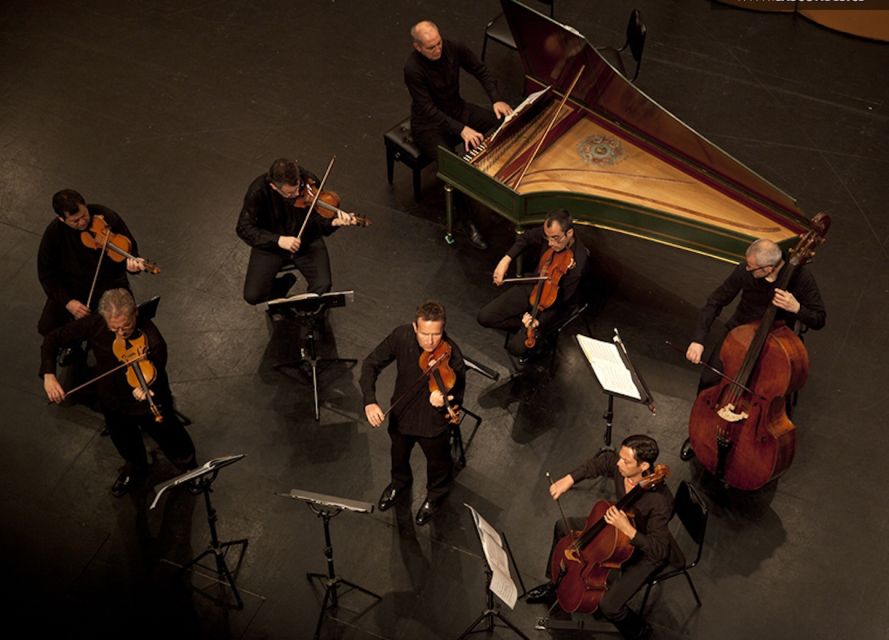
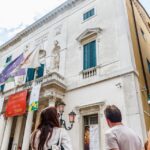
Your meeting point is the Church of San Vidal, close to the Accademia Bridge in Campo Santo Stefano. From there, you’ll be on the way toward the St. Mark’s Square area for the evening performance.
Why this matters: if you’re sightseeing all day, this location is a practical anchor. You’re not stuck crossing the entire city at the last second, and it sits near one of the natural pedestrian corridors that many visitors already use (the Accademia Bridge area).
The experience is about 80 minutes, and start times vary, so check what time fits your day. If you plan to visit the museum too, I’d treat the day as a slow build: museum earlier, concert later.
The free Music Museum experience: Stradivari, violin technique, and 200 instruments
A key detail that boosts the value: admission to the Music Museum is free. You can go whenever you choose, which makes this ticket less stressful than many timed museum add-ons.
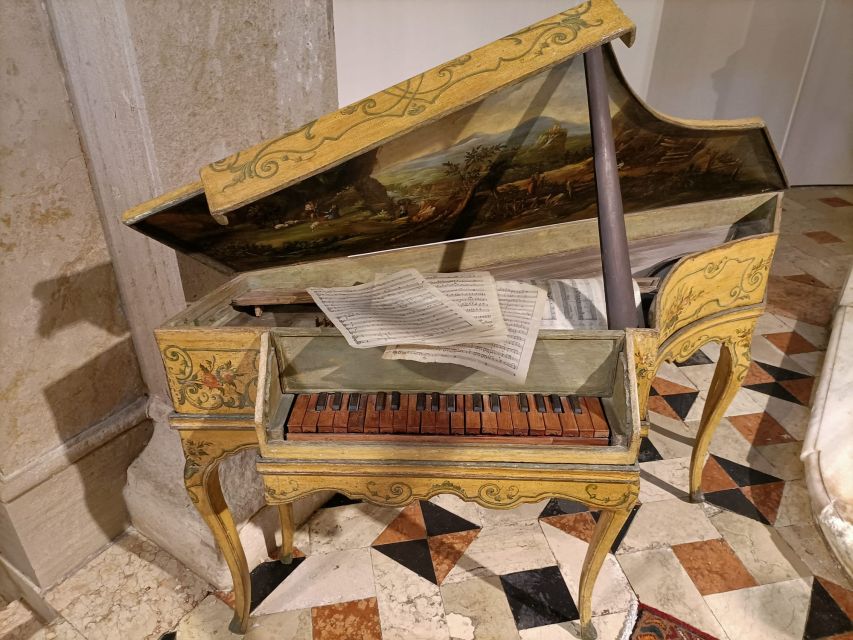
Inside, the museum’s big appeal is the scale and the range. The experience highlights 200 musical instruments that are playable, covering roughly the 1500s through the 1900s. Even if you don’t know your way around Baroque instruments, the museum helps you connect names and shapes to real sound.
Why the “School of Stradivari” matters (even if you’re not a violin expert)
The museum also points you toward the School of Stradivari aspect, which is more than a marketing line. Stradivari is tied to the idea of tradition and precision in violin-making. When the museum explains the techniques behind making instruments, you start to hear the differences instead of only hearing the melody.
If you’ve ever wondered why one violin (or one recording) can sound bright, direct, or surprisingly warm, this is the kind of place that helps you understand what changes in construction and setup can do to tone.
What to focus on during your museum visit
You won’t need to study every label like a textbook. Instead, do a quick pass and pay attention to two things:
- The kinds of instruments that show up in Baroque music (especially strings and violin-family instruments)
- The explanations around making technique and how that impacts what the instrument can do
This is the part that makes the concert more satisfying later, because you start predicting what you’ll notice in live performance.
You can also read our reviews of more museum experiences in Venice


The 80-minute Baroque concert: hearing Vivaldi with original instruments
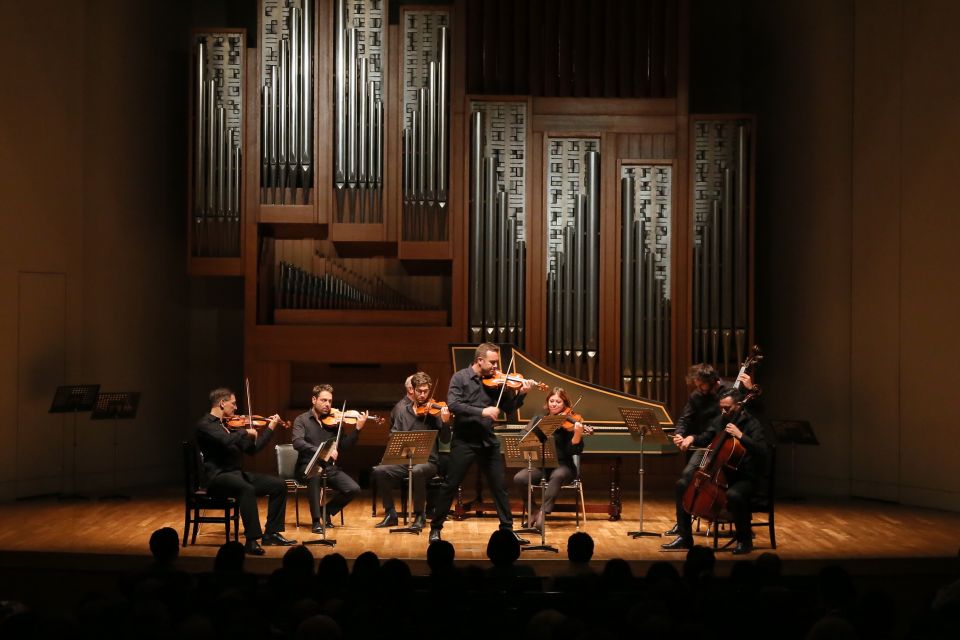
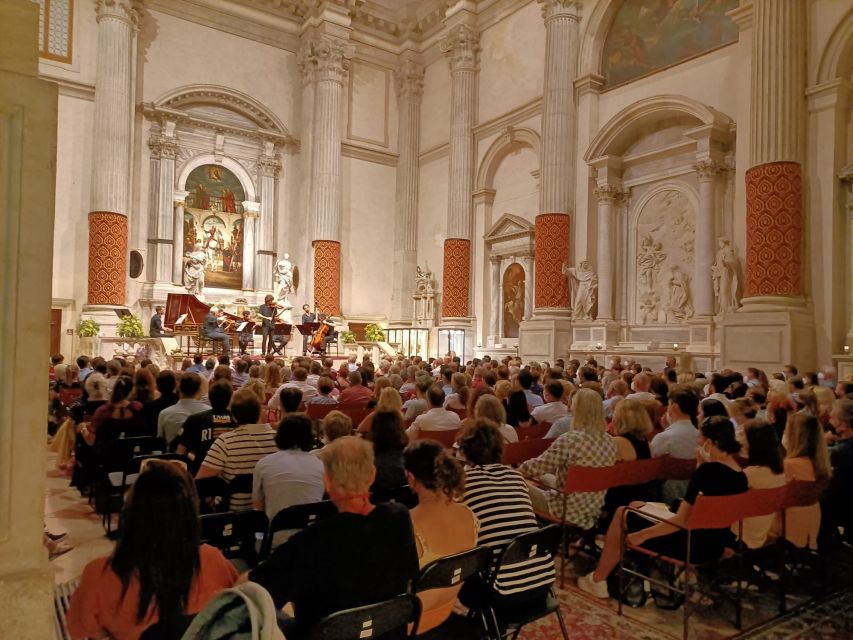
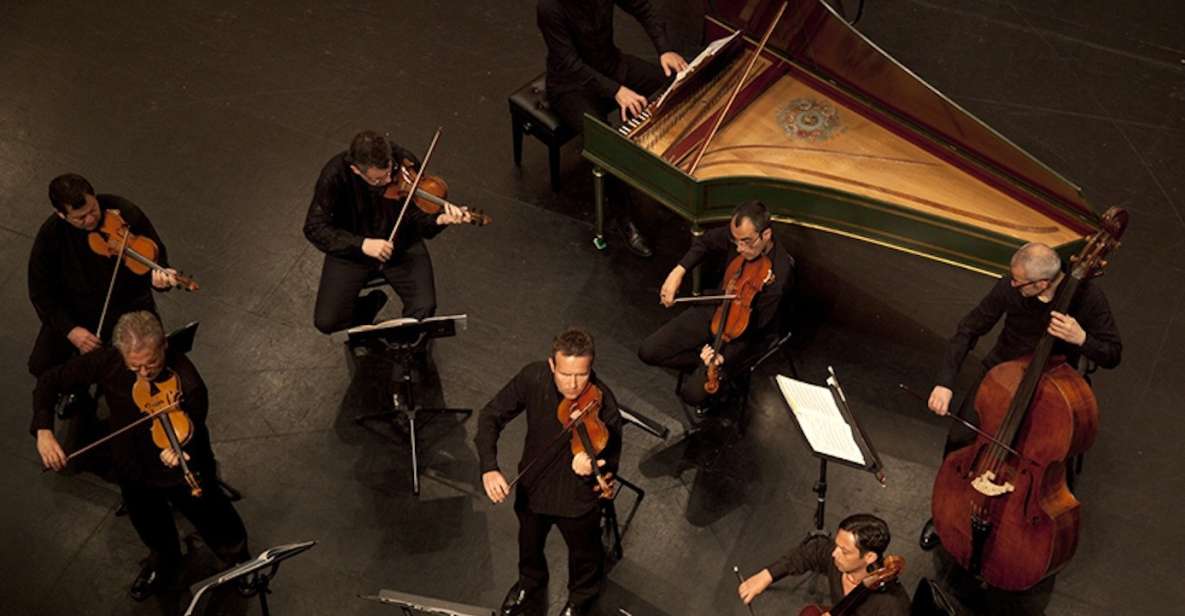
After the museum visit, the evening performance is built around live sound from original instruments—meant for you to hear, not just observe. The concert centers on Antonio Vivaldi and Venetian composers, with additional Baroque pages by composers you’ll likely recognize.
The program can include music by Bach, Mozart, Albinoni, Tartini, Marais, and Boccherini alongside Vivaldi and Venetian voices. That mix gives you a satisfying shape: Vivaldi’s expressive energy at the center, then other composers that orbit the same Baroque world.
How the performance tends to feel
What stands out most is the balance of precision and emotion. You’re not just getting background music. The live setting is a real performance moment, and the musicians’ energy makes the 80 minutes fly by in the best way.
If you’re a first-timer to live classical music, this is the kind of show that can convert you fast. The music is melodic and direct, but the musicians also keep the craftsmanship visible through how they play.
The payoff of “original instruments”
This part is underrated. Modern instruments can sound excellent, but original Baroque instruments often carry a different kind of bite, color, and responsiveness. That difference is what makes you feel like you’re stepping into the era rather than listening to an imitation of it.
You’ll especially notice this if you’ve only heard Vivaldi through recordings. Live sound plus period-style instruments tends to make the phrasing feel more alive and less “smoothed over.”
The composers and Venetian flavor: why this program clicks in Venice
Venice isn’t just a backdrop for Baroque music. The city’s musical identity shows up in how the concert frames Venetian composers alongside Vivaldi.
Vivaldi’s work is famously connected to motion, rhythm, and vivid contrasts. In this kind of performance setting, those qualities don’t stay on paper. You hear them in the interplay between instruments, in the way lines rise and fall, and in the sharpness (and softness) of the sound.
And because the museum taught you instrument-making basics, the concert lands with extra meaning. You stop thinking only about the composer’s name and start noticing the instrument voices.
Practical rules and comfort tips (so you’re not scrambling)
The experience has a firm set of “no” rules. Plan ahead so you don’t end up stressed at the start.
Not allowed:
- Cameras
- Flash photography (and photography inside)
- Video recording
- Audio recording
- Selfie sticks
- Smoking
- Drinks
- Alcohol and drugs
- Large luggage or large bags
- Pets (assistance dogs allowed)
- Touching exhibits
- Unaccompanied minors
Also note: it’s listed as wheelchair accessible, which is a big plus for planning. If you use a wheelchair, it’s worth arriving early enough to settle comfortably before the concert begins.
My practical advice: travel light and keep valuables secure. If you want a memory, rely on what you can remember and what you can sketch on your phone in your notes app afterward (since audio and photo recording are not allowed, don’t count on typical documentation habits).
Price and value: what $44.41 buys you (and why it feels fair)
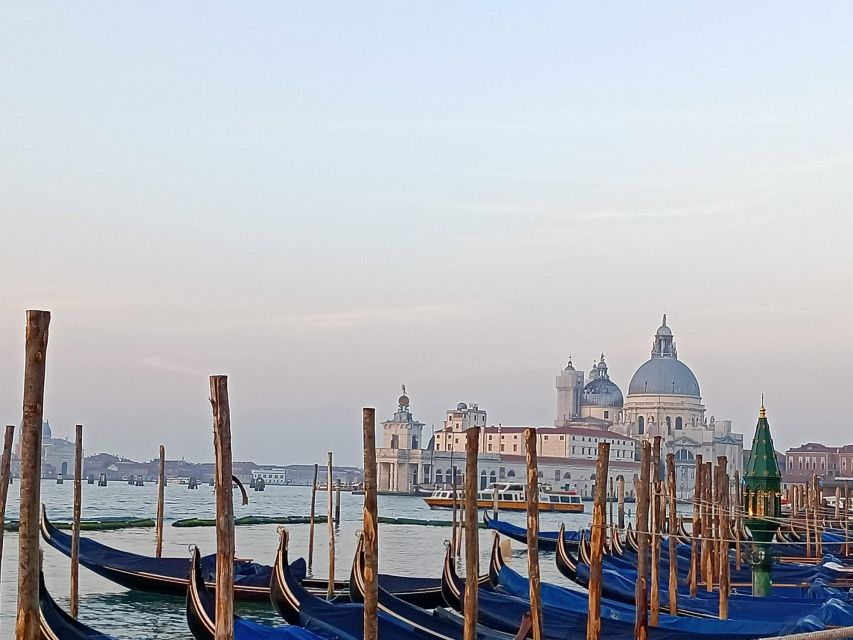
At $44.41 per person, this ticket is priced in the range where you have to ask: is it worth it? For this experience, the honest answer is yes—because you’re paying for live performance plus an educational context that’s strongly connected to what you hear.
You’re getting:
- A live concert featuring Vivaldi, Venetian, and Baroque music
- Live performance using instruments tied to the museum’s collection theme
- A format that pairs learning (museum) with hearing (concert)
And the best part for value: Music Museum admission is free. Even if you already know you want the concert, the museum option makes the day feel complete. It turns a single evening ticket into a fuller cultural visit without forcing you into an extra paid add-on.
If you’re comparing this to concerts that only offer a performance with no context, this has an advantage: you get the “why” before the “wow.”
Who should book this Venice Baroque concert?
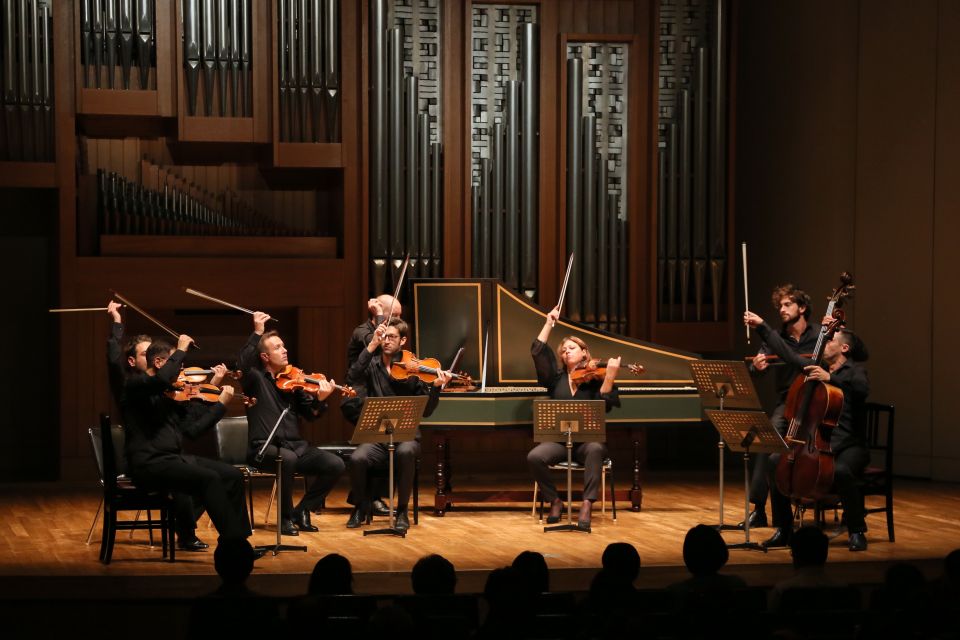
This experience is a strong match if:
- You want a classic Venice evening that’s not just a walk-by attraction
- You care about Vivaldi, violin sound, and the history behind how instruments are made
- You want an introduction to classical music that feels approachable, energetic, and focused
It may be less ideal if:
- You strongly want photos or videos during the performance
- You’re traveling with lots of luggage
- You’re hoping for a casual drop-in museum plus a generic concert without extra instrument focus
If you’re visiting with family, it’s also the kind of show that can work across ages because the performance is designed to be engaging, and the music is direct rather than academic.
Should you book this Vivaldi Baroque Concert?
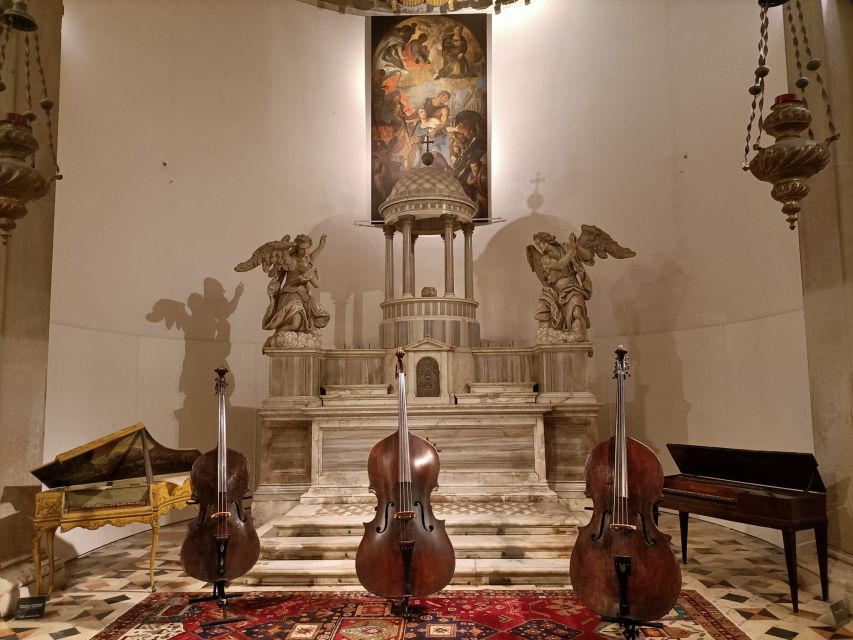
If you like the idea of hearing Vivaldi with original playable instruments and you don’t mind strict rules about recording and bags, I’d book it. The value comes from the two-part experience: free museum access in San Maurizio plus a focused concert night that’s built around the violin world and Baroque sound.
Choose this especially when you want your Venice time to feel specific, not generic. You’ll leave with more than melodies in your head—you’ll understand a bit more about why the instruments matter.
FAQ
FAQ
How long is the Vivaldi Baroque concert?
The concert duration is 80 minutes. Start times depend on availability.
Where do I meet for this experience?
The meeting point is the church of San Vidal, near Accademia Bridge in Campo Santo Stefano.
Is the Music Museum admission free?
Yes. Admission to the Music Museum in San Maurizio Church is free.
Are cameras or recording allowed during the concert?
No. Cameras are not allowed, and photography, video recording, and audio recording inside are also not allowed.
What composers can be included in the concert?
The experience includes Vivaldi and Venetian composers, with music by Bach, Mozart, Albinoni, Tartini, Marais, and Boccherini listed as part of the program.
Is it wheelchair accessible?
Yes, the activity is wheelchair accessible.