REVIEW · VENICE
9-Day Private Tour of Venice, Florence and Rome
Book on Viator →Operated by Firebird Tours · Bookable on Viator
Venice greets you with a water taxi right away. This 9-day private journey strings together private local guides, boutique 4-star hotels, and premium-class high-speed trains so you spend less time figuring things out and more time looking.
Two things I really like: you get guided time with the big-ticket sights in each city, and you also get moments designed to help you understand how the places work (quiet Venice streets, the Duomo complex layout, and Rome’s sites in story order). One thing to consider: the pace is built around major landmarks, so you’ll want to be okay with a full calendar and a big budget commitment up front.
In This Review
- Key highlights at a glance
- Why This Private Venice–Florence–Rome Plan Is So Easy to Live With
- Arrival in Venice: Water Taxi Transfer and Getting Oriented Fast
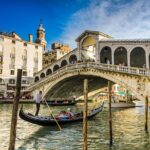
- Rialto to St. Mark’s: Venice’s Real Layout and the Best View Angle
- Florence by Premium Train: Time Saved, Jet Lag Reduced
- The Duomo Complex Ticket You Can Actually Use (72-Hour Flex)
- David, Ponte Vecchio, and Oltrarno Craft Life in One Guided Flow
- A Real Free Day in Florence (Use It for Food and Slow Walking)
- Rome Arrival and Your First Guided Sweep: Steps, Trevi, Pantheon, Navona
- Roman Forum and the Colosseum: Seeing the Story in the Right Order
- Vatican Museums and St. Peter’s: Private Apartments and Dome Views
- Private Transportation and Boutique Hotels: Where the Value Shows Up
- Price and What You Actually Get for It
- Who This Tour Fits Best (and Who Might Feel Pressured)
- Should You Book This Private Tour of Venice, Florence, and Rome?
Key highlights at a glance
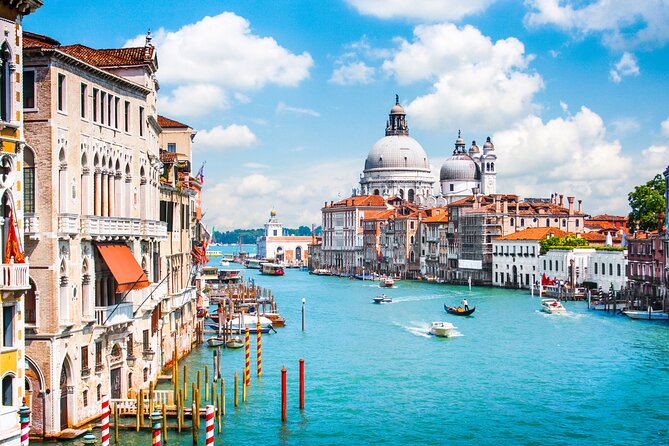
- Water-taxi and private arrival in Venice to get you off the airport treadmill quickly
- Rialto plus St. Mark’s with views from Loggia dei Cavalli, not just the postcard route
- Grande Museo del Duomo access that lets you revisit within 72 hours
- Michelangelo’s David at Galleria dell’Accademia plus Oltrarno crafts and Santo Spirito
- Rome guided route that hits Spanish Steps, Trevi, Pantheon, and Piazza Navona
- Vatican Museums and St. Peter’s with guided time in Julius II apartments and key basilica highlights
Why This Private Venice–Florence–Rome Plan Is So Easy to Live With
If your ideal trip has you walking, looking, and learning without constantly checking maps, this format fits. You’re not just buying sightseeing tickets—you’re buying transport + guides + time management that keeps you from losing hours to logistics.
I also like that the tour is truly private: it’s only your group, so the guide can adjust pacing to how fast you move and what you want to linger on. And you’re placed in boutique 4-star hotels, with breakfast included (8 breakfasts total), which adds up on a week-long trip.
The tradeoff is cost and commitment. At nearly $9,938 per person for a 9-day private experience, you should be sure these cities and this pace are your kind of vacation. If you’re the type who wants long unplanned afternoons every day, you might feel slightly “scheduled.”
You can also read our reviews of more private tours in Venice
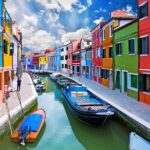
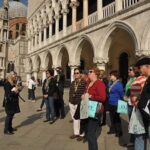
Arrival in Venice: Water Taxi Transfer and Getting Oriented Fast
Your trip starts at Marco Polo Airport, with pickup arranged for a private transfer. Your driver meets you in the arrival hall holding a sign with your name, then you head to the hotel by private vehicle and water taxi for check-in.
That little detail matters. Venice is a city where getting from A to B can be confusing even when you’ve done your homework. A pre-arranged water-taxi transfer cuts stress immediately and helps you start thinking like a Venice walker instead of an airport navigator.
After you check in, you get the rest of the day free. That’s a smart buffer if you’re tired from flying, or if you’d rather do a low-key first evening stroll while the city is still settling into night.
Rialto to St. Mark’s: Venice’s Real Layout and the Best View Angle
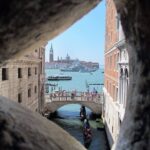
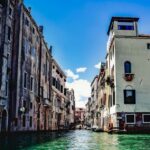
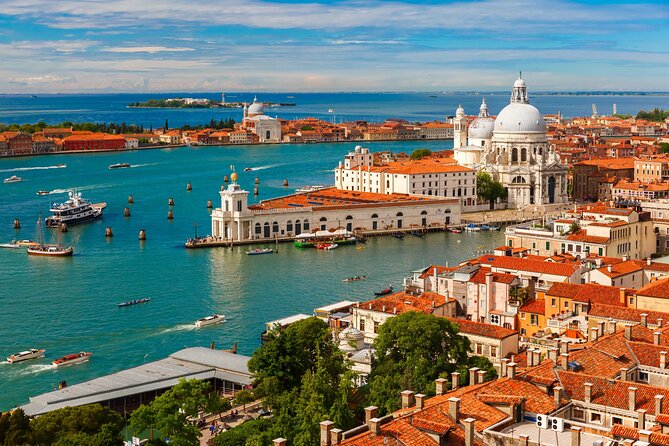
On your second day, you meet your guide in the hotel lobby and start with a walking tour designed to show you more than the obvious lines. You’ll see the Rialto Bridge and pass the Rialto fish market area, then move through quieter streets and peaceful canals that most first-timers don’t naturally wander into.
The point of this style is orientation. Venice isn’t just one big “pretty place”—it’s a network of canals, bridges, and neighborhoods with distinct moods. Walking with a local guide helps you understand why certain streets feel calm and others feel crowded, and it gives you an easy mental map for later.
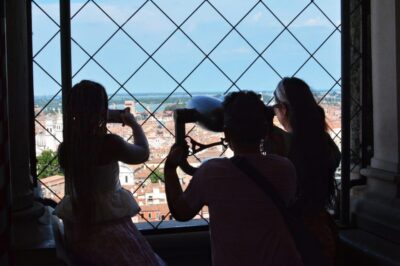
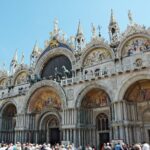
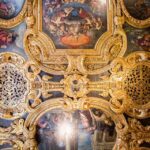
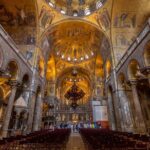
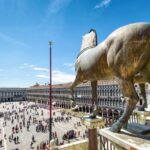
Later, you’ll shift into the showpiece zone with St. Mark’s Basilica. You’ll see the stunning Pala d’Oro altar, then go up to the Loggia dei Cavalli for some of the best panoramic views over St. Mark’s Square. That view is a great payoff because you’re not stuck only staring at facades; you’re seeing the whole stage from above.
Florence by Premium Train: Time Saved, Jet Lag Reduced
The move from Venice to Florence is handled with a private transfer to the station and a high-speed train ride in Premium Class seats (about 2 hours). When you arrive, your private driver meets you at the station and takes you to your hotel for check-in.
This is one of those choices you feel later. Moving between major cities by fast train means fewer hours “in transit,” and premium seating usually makes that time easier on your body. On a 9-day trip with serious sightseeing, you’ll appreciate not arriving in Florence worn out.
That evening is free. I like that you get breathing room here—Florence is best when you can wander a little on your own, then come back ready for the next morning’s museums and churches.
The Duomo Complex Ticket You Can Actually Use (72-Hour Flex)
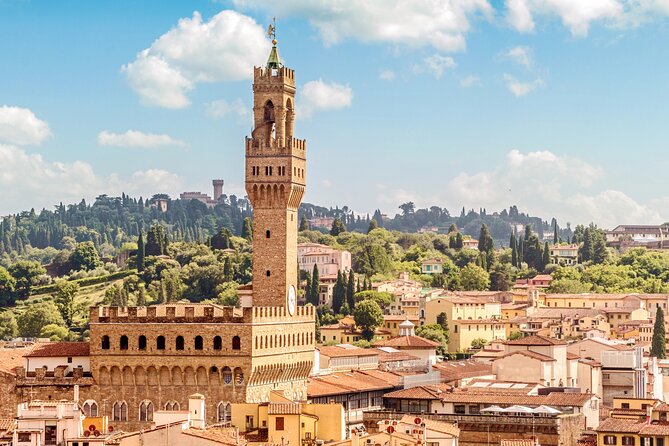
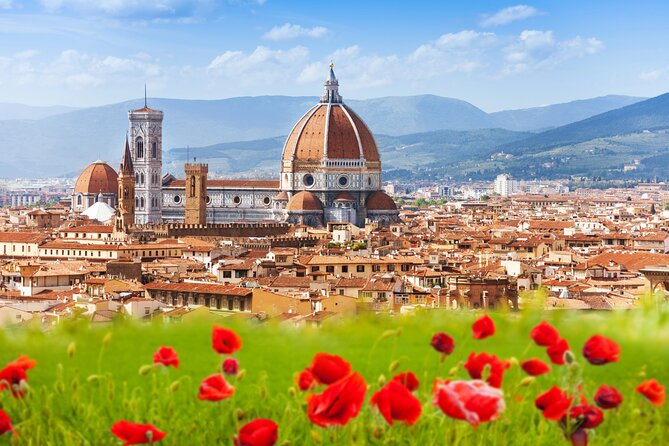
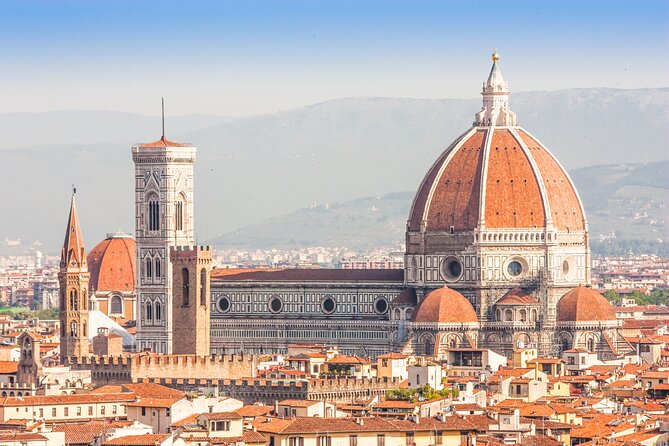
Florence’s highlight day starts with a guided walk focused on the Piazza del Duomo. You’ll visit the Baptistery dedicated to St. John the Baptist, then explore the square’s main monuments with a ticket to the Grande Museo del Duomo.
What I love here is the built-in flexibility. Your ticket lets you visit the Cathedral itself, the famous Dome, the Bell Tower, and the Cathedral Museum within 72 hours. That means you’re not boxed into one rigid slot. If you want to revisit for a different light angle or you want to trade one interior visit for another day’s energy level, you can.
Your guide also sets you up for the rest of the city with a stroll to Piazza della Signoria. You’ll pass landmarks like Piazza della Repubblica and Strozzi Palace, then continue through via Tornabuoni, a street known for its fine shops—more “Florence current life” than pure sightseeing.

David, Ponte Vecchio, and Oltrarno Craft Life in One Guided Flow
Later in Florence, you visit Galleria dell’Accademia to see Michelangelo’s David. The experience works best when you’re not rushing. A guided visit helps you focus on what you’re actually looking at—proportions, symbolism, and why this statue became so famous in the first place.
After that, you cross the Arno on Ponte Vecchio to reach the Oltrarno district. This is where the day takes on a more local texture. You’ll pass through areas with craftsmen shops and see Santo Spirito Church and Convent, tied to the Augustinians.
You also get the chance to connect Michelangelo to his early years, with an early work referenced from when he was just 17. It’s not just big-name art; it’s a story arc. That’s what makes a guided stop like this feel worth it.
A Real Free Day in Florence (Use It for Food and Slow Walking)
Day five is intentionally left open. You check nothing off, you chase nothing scheduled. For me, that’s the best kind of rest day—your legs get a break, and you can roam Florence at your own speed.
If you want a simple plan, the tour recommends a visit to Mercato Centrale for a taste of local foods. That’s a practical move because it’s not a long commute to “think about food.” You can eat without turning the day into a logistical puzzle.
Use this day to do one neighborhood you didn’t get to see much of yet, then return to central streets for an easy dinner. With this kind of sightseeing-heavy week, a free day helps the whole trip feel balanced.
Rome Arrival and Your First Guided Sweep: Steps, Trevi, Pantheon, Navona
After breakfast, you check out and take the train to Rome (about 1.5 hours). Your driver transfers you downtown, then you meet your guide and start discovering the Eternal City with a focus on the iconic ancient-to-Baroque chain.
Your guided time includes the Spanish Steps, Trevi Fountain, Pantheon, and Piazza Navona, including the famous Fountain of the Four Rivers. You’ll also see references to major artists tied to Bernini and Borromini’s legacy.
Then you get additional targeted stops: the Pantheon with a local guide, and time at the Spanish Steps. This works because the first guided sweep helps you get bearings, and the later stops give you deeper meaning at specific spots instead of spreading attention too thin.
One quick practical note: Rome can feel like a lot of stone in a day. Pace your walking. Stop for water, sit for a few minutes when your feet ask, and let the art sink in instead of trying to “win” the day.
Roman Forum and the Colosseum: Seeing the Story in the Right Order
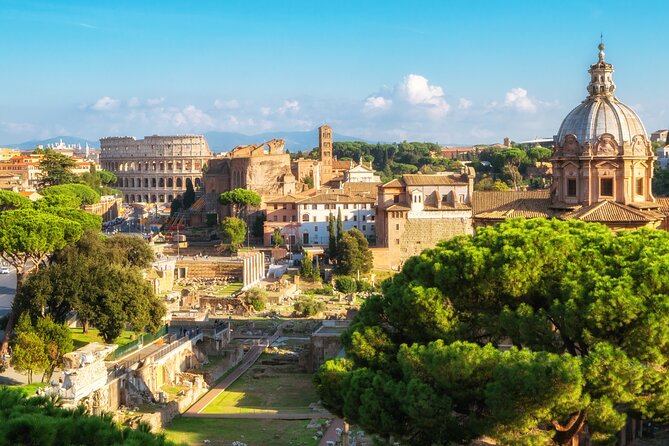
Day seven is a morning walking tour centered on ancient Rome. You start with the Roman Forum, between the Palatine and Capitoline hills, described as the political and ritual center of ancient Rome dating back to the 3rd century A.D.
You’ll see columns and remains of ancient temples, arches, and buildings such as the Temple of Caesar and the Arch of Septimius Severus. Then you connect that setting to the nearby Palatine Hill, associated with Rome’s first settlements.
That order matters because the Forum doesn’t work as isolated ruins. It’s a context zone—once you understand what the spaces were for, the Colosseum feels less like a standalone monument and more like the next chapter.
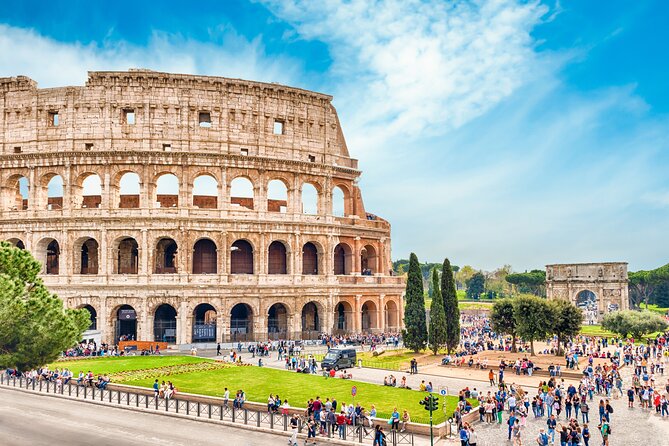
Next comes the Colosseum, where you’ll learn its original name as the Flavius amphitheater and why it dominated the Roman world. You’ll also get the basic scale: up to 70,000 spectators and designed as an arena for gladiatorial fights.
Tickets and reservation details for the Colosseum are included, including the reservation fee. That’s one less thing for you to chase when booking windows and time slots are often the hardest part.
Vatican Museums and St. Peter’s: Private Apartments and Dome Views
Vatican day is a big one, and it’s planned with structure. You meet your guide in the morning and head into the walled enclave of Vatican City, described as the world’s smallest independent state.
Inside, you visit the private apartments of Julius II, the Pinecone Courtyard, and galleries including the Maps, the Tapestries (described as woven hangings here), and the Candelabra. This matters because it breaks up the museum day. You’re not only rushing from one painting room to another—you’re walking through designed spaces tied to how the Vatican curated power and taste.
You then proceed to the Sistine Chapel with enough time to admire Michelangelo’s frescoes and learn about the intense relationship between Pope Julius II and Michelangelo that fueled the work.
After that, you walk to the hotel area with your guide and enjoy a photo stop at Castel Sant’Angelo, originally a mausoleum and later used by the popes as a fortress, refuge, and prison.
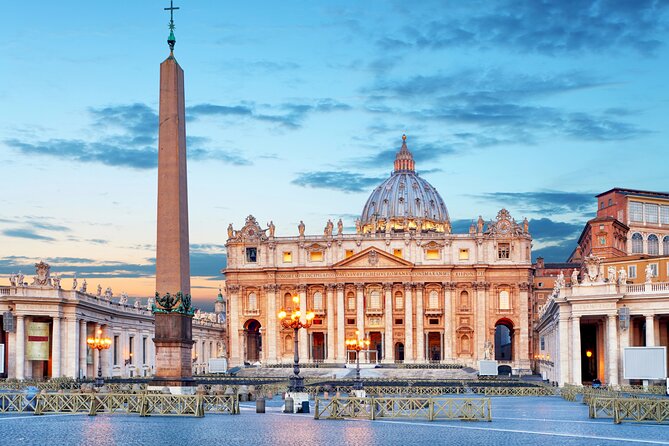
The tour also includes time in St. Peter’s Basilica, where you’ll see Michelangelo’s Pieta and Bernini’s Papal Canopy, then ends back in St. Peter’s Square for views of Michelangelo’s dome and Bernini’s colonnades.
If you like art more than crowds, this guided structure helps you focus. If you’re not an art person, you’ll still get the big religious and architectural landmarks in a way that feels organized rather than chaotic.
Private Transportation and Boutique Hotels: Where the Value Shows Up
The value here isn’t only the attractions. It’s the amount of decision-making removed from your trip.
You get private transportation between major points, including airport-to-hotel in Venice and station-to-hotel transfers in Florence and Rome. Your guide meets you at the hotel lobby before tours, which reduces guesswork about meeting points and timing.
And based on feedback patterns, the hotels are placed in spots that make it easier to walk to major sites. On a trip like this, that can be the difference between enjoying evenings and feeling like you’re constantly commuting.
This is also a trip with built-in support. When the plan stays flexible, it’s easier to handle small hiccups without turning your schedule into a stress spiral.
Price and What You Actually Get for It
At about $9,938 per person for a 9-day private experience, you’re not paying for bus tours. You’re paying for:
- Boutique 4-star hotel stays in a private room (single or double occupancy)
- Premium Class high-speed train seats for Venice–Florence and Florence–Rome
- Professional local guides in Venice, Florence, and Rome
- Entrance fees listed on the program, including Colosseum entry and reservation costs
- Private transportation and all fees and taxes tied to the services listed
- 8 breakfasts included
What’s not included is also important: flights, tips, and personal expenditures. You’ll want to budget for lunches, dinners, and any extra museum stops not covered.
As for commitment: the published cancellation policy says the experience is non-refundable and cannot be changed for any reason. That’s a big deal, so only book if your dates are firm and you can handle that risk.
Who This Tour Fits Best (and Who Might Feel Pressured)
This works best if you want:
- Guided time at top sights without feeling like you’re on your own
- Comfort-focused logistics, especially with private transfers and premium-class trains
- A mix of masterpieces and “how the city works” walking time
It’s also a solid fit if you appreciate art and architecture and want those connections explained—especially in Florence and the Vatican.
If you’re the type who hates schedules, this may feel tight. Even with free time in Florence, most days are built around major sites. You’ll need to go with the flow and treat downtime as a feature, not a missing ingredient.
Should You Book This Private Tour of Venice, Florence, and Rome?
I’d book it if you want a high-comfort, guide-led week that hits the essential masterpieces with smart sequencing and less friction between cities. The mix of premium trains, boutique hotels, and paid-in-advance access (including Duomo complex flexibility and Colosseum reservation) is where the value lives.
I’d think twice if budget is your main limit, or if you’re not confident about keeping your dates. With a non-refundable structure, this is a trip you plan when you’re ready to commit.
If your dream Italy trip sounds like walking, learning, and not sweating logistics, this one has a strong case.