REVIEW · VENICE
Cesarine: Market Tour & Cooking Class at Local’s Home in Venice
Book on Viator →Operated by Cesarine: Cooking Class · Bookable on Viator
Great pasta starts at the Rialto market. This Cesarine market tour and cooking class turns shopping into a cooking plan, with a small group and a real Venetian home kitchen led by a Cesarina (hosts like Nadine, Rosana, Patrizia, or Giulia show up on different dates). I especially like the hands-on format, because you’re not just watching recipes happen.
The second reason I’d do it again is the food payoff: you learn three recipes and then sit down to a 3-course meal with local red and white wines. One possible drawback: it’s a shared class with no hotel pick-up, so you need to get yourself to the meeting point and you won’t get a private, custom-only schedule.
You’ll start at 10:00 am and finish back at the same meeting point, for a total of about 4 hours 30 minutes. The group is limited to 10 travelers, and the class is offered in English.
In This Review
- Key highlights you’ll care about
- Rialto Market Walk: where Venetian ingredients start
- Shopping with a Cesarina: quality you can actually taste later
- Cooking at home: the 3-course rhythm in a Venetian kitchen
- Starter: a Venetian start, not just something quick
- Fresh pasta: where the skill sticks
- Dessert: the sweet side of Venice
- What you’ll eat: wines, espresso, and the “sit down” part
- The day’s flow: timing and stops without the sightseeing overload
- Price and value: what $239.12 covers (and why it may feel fair)
- Who this suits best (and the one thing to watch)
- Should you book Cesarine in Venice?
- FAQ
- What is the duration of the Cesarine market tour and cooking class in Venice?
- How much does it cost, and is the price per person?
- Is this experience offered in English, and what group size should I expect?
- What do I cook and eat during the class?
- What’s included in the meal and drinks?
- Is there any access fee for day visitors staying outside Venice?
Key highlights you’ll care about
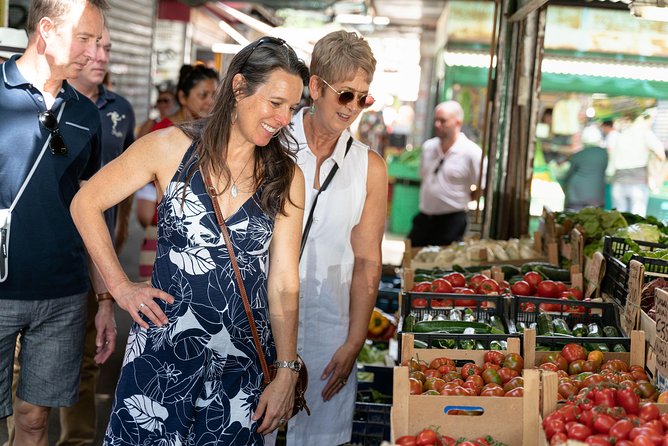
- Rialto bridge to Mercati di Rialto: a straight-to-the-source walk for Venetian ingredients.
- Small-group cooking at a Cesarina’s home: a real kitchen setup, not a big demo room.
- Three recipes with a full meal: starter, fresh pasta, and dessert, plus wines and espresso.
- Venetian favorites you might make: bigoli, risi e bisi, gnocchi, plus classic desserts like tiramisu.
- Hosts can adapt to needs: some classes have handled milk-free requests and recipe swaps.
- Max 10 people, shared experience: friendly energy, but not a private class.
Rialto Market Walk: where Venetian ingredients start
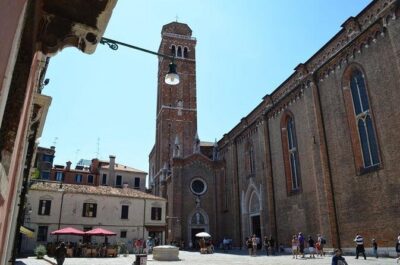
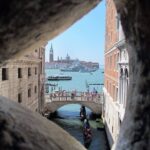
Your morning kicks off near Ponte di Rialto, then shifts into the Mercati di Rialto area. Even if you know Venice well, this is a different angle on the city: you’re not just sightseeing, you’re training your eye to what makes Venetian cooking taste like Venice.
What I like about starting here is simple. Venice food can feel mysterious when you’re eating out. Markets fix that fast. You see the produce and seafood in front of you, and your Cesarina uses that real shopping context to explain what to look for and why it matters. In past sessions, people have noted fish and produce vendors as part of the day’s flow, and that’s exactly the point: you’re building a mental map of ingredients before the first pot goes on.
One practical thing: the day is built for a cooking rhythm, not for a long wander. So if you want to treat the Rialto area like a full museum day, this experience won’t replace that. It’s better as a food-focused block you can build around.
You can also read our reviews of more shopping tours in Venice
Shopping with a Cesarina: quality you can actually taste later
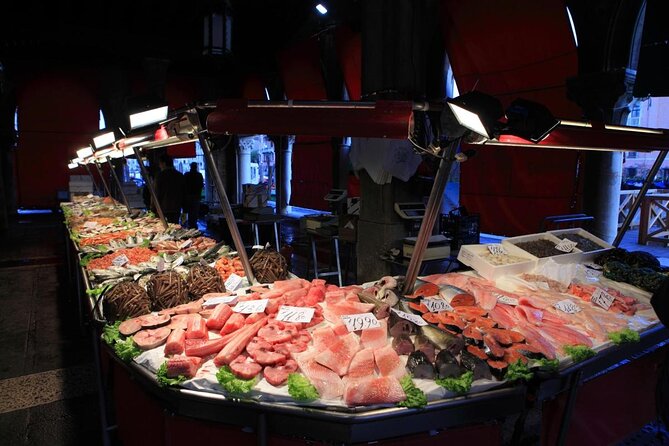
After the initial walk, you shop with your Cesarina at local markets and traditional food shops. This part is where your money starts to make sense, because the prices you pay in restaurants don’t tell you what the ingredient quality is worth. Here, the Cesarina points you toward what matters, from the kind of pasta shape you’ll use to ingredients that affect flavor in a big way.
You’ll also get the kind of guidance that’s hard to replicate on your own. Sure, you can buy ingredients in Venice. But you’ll likely miss the subtle choices—what is freshest, what is worth buying for this specific dish, and what pairs well with the meal you’ll cook next.
Small group size matters here. With up to 10 people, you aren’t stuck watching from the back. You can ask questions, see what others pick up, and follow the logic of the meal instead of getting lost in a crowd.
Cooking at home: the 3-course rhythm in a Venetian kitchen
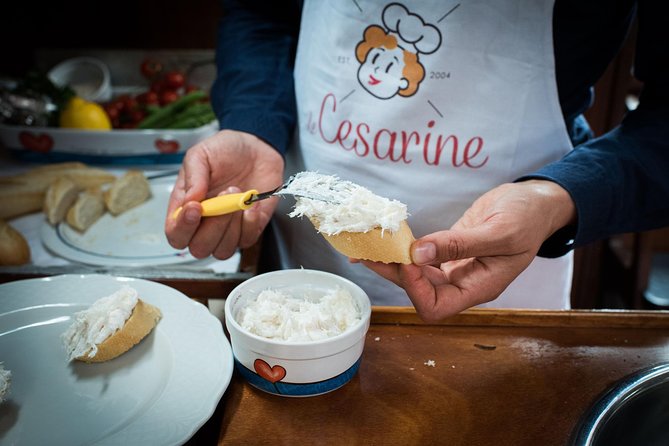
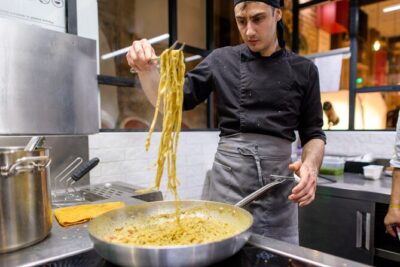
The class moves from market into the Cesarina’s home, and that shift is a big part of why this experience feels special. A home kitchen gives you a sense of how locals cook day-to-day, including how they set up the workspace and how they teach techniques you can repeat later.
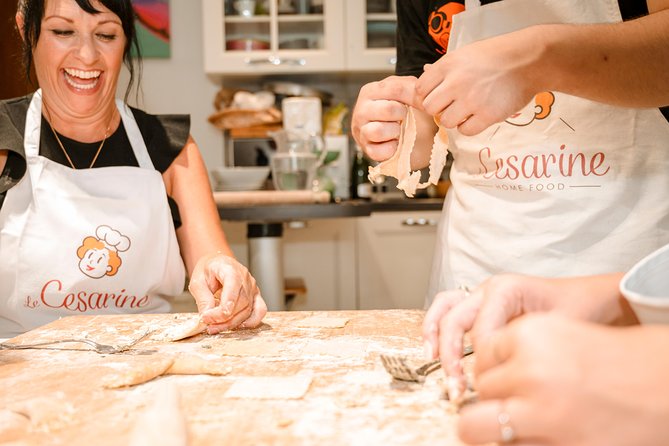
This is not a sit-and-watch show. You’ll do real prep and cooking as a shared class. That means you’ll handle ingredients, follow steps, and learn what makes each dish work. Past participants have highlighted how relaxed and patient hosts like Patrizia and Giulia were, which matters when you’re learning pasta and trying not to turn dinner into modern art.
Starter: a Venetian start, not just something quick
The menu includes a starter described as a seasonal starter. That’s useful because Venice cuisine leans on what’s good right now. Instead of forcing one dish regardless of season, the class adapts, and you’ll learn how to think like a local: choose what the market is rewarding today.
Fresh pasta: where the skill sticks
The main event is fresh pasta. Sample pasta dishes can include bigoli, risi e bisi, or gnocchi. Even if you’ve eaten these in restaurants, cooking them is a different story. You’ll learn technique and pacing—how pasta dough behaves, what a correct texture feels like, and how sauce or finishing ties into the shape.
Bigoli, in particular, is a classic Venetian choice. It’s a noodle style that works beautifully with local flavors. Risi e bisi is another standout because it’s not just pasta-with-sauce thinking; it’s about the rhythm of cooking rice with peas and getting the right consistency. Gnocchi teaches you how to handle the dough gently so the final result is tender, not heavy.
In some sessions, people have mentioned making extra items beyond the core recipes. You might find your class includes more than the minimum three recipes, depending on the Cesarina and group.
You can also read our reviews of more tours and experiences in Venice


Dessert: the sweet side of Venice
For dessert, the class uses a Venetian option such as baicoli biscuits, Moro chocolate pastry, Zaeti biscuits, or tiramisu (or something similar typical for the region). If you choose this class for the dessert, you’ll likely be happy. Venetian sweets often feel less fussy than many big-city pastry traditions, but still deeply satisfying.
There’s also room for tweaks. One class described an alternative tiramisu version using lemon instead of coffee, which is a good reminder: if you don’t love coffee, ask. You may be able to swap flavors while still keeping the dessert style Venetian.
And if you have dietary needs, it’s worth asking early. One past experience noted a cow’s milk-free approach for a milk allergy, which suggests some flexibility. Don’t assume every session can handle it, but you should know that it’s been done before.
What you’ll eat: wines, espresso, and the “sit down” part
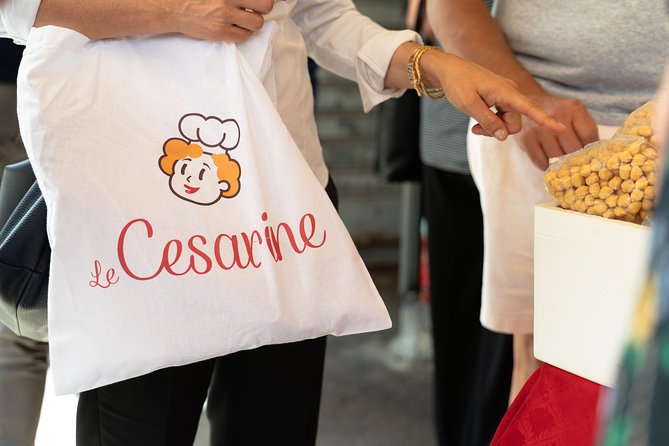
After cooking, you sit down for the meal: three courses paired with local red and white wines. Water is included too, along with espresso. This matters more than it seems. In many cooking classes, the food is rushed and the lesson is the main event. Here, the tasting is built in, so you get to evaluate what you made while it’s still fresh and while the Cesarina can explain what you’re tasting.
The wine pairing is also a smart touch for learning. You can connect flavors in your finished dishes to the wines you’re drinking, which is hard to do when you’re just eating at a restaurant and moving on.
One note: this is a small group meal, so you’re not trapped with strangers for hours of forced conversation. It tends to feel like a shared dinner with teaching built in.
The day’s flow: timing and stops without the sightseeing overload
You’ll spend about 4 hours 30 minutes total. The experience starts at 10:00 am and ends back at the same meeting point. That makes planning easier because you’re not guessing where the day will dump you afterward.
The stops are short and practical:
- You begin near Ponte di Rialto
- You then visit Mercati di Rialto
- Then you head to the Cesarina’s home for cooking and the meal
This format is a strong match if you want food learning without turning the day into a full-on walking tour. It’s also a good strategy if Venice feels like sensory overload. Instead of chasing every landmark, you get a focused mission.
If you’re thinking about adding other sights, I’d keep the rest of your day flexible. Venice streets can be unpredictable, and you don’t want to schedule a tight bridge-to-bridge plan right after cooking.
Price and value: what $239.12 covers (and why it may feel fair)
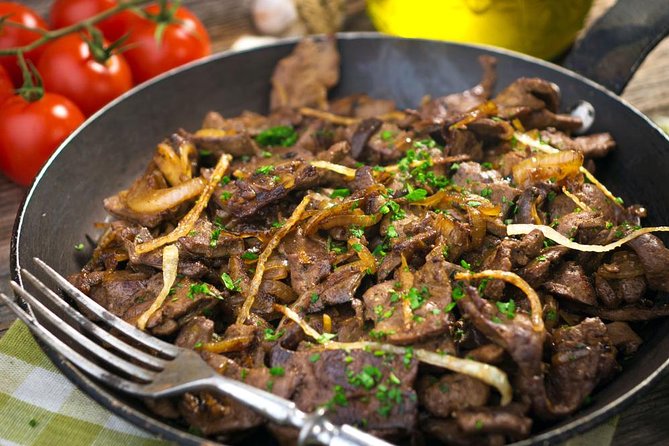
At $239.12 per person for about 4 hours 30 minutes, this isn’t a budget activity. But the value is clearer once you break down what’s included:
- A small-group guided market tour
- A hands-on shared cooking class
- Learning and tasting 3 recipes
- Local wines (red and white), plus water and espresso
You’re paying for more than ingredients. You’re paying for someone to teach you how to pick ingredients, guide your cooking steps, manage a home-kitchen workflow, and then host a full sit-down meal.
Also, the group size ceiling (10 people) helps justify the cost. If it were a large group, you’d lose time and personal attention. Here, you can usually ask questions and get feedback while you cook.
One more value angle: you leave with skills. You’ll know how dishes like bigoli, risotto-style choices, or gnocchi are built, plus the logic behind Venetian-style flavors. That’s not the same as buying a cookbook and hoping it fixes dinner later.
Who this suits best (and the one thing to watch)
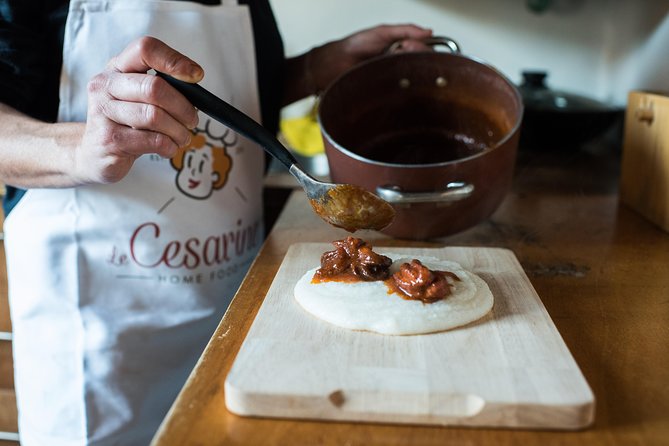
This experience is a great fit if you like food as a learning tool. You’ll enjoy it most if you:
- enjoy markets and ingredient shopping
- want hands-on cooking time
- want to eat what you make, with wine and espresso included
- like a small group setting rather than a big bus tour
The biggest drawback to keep in mind is that it’s not private and there’s no hotel pick-up/drop-off. So if you’re hoping for a door-to-door, tailor-made day, you’ll likely feel constrained. Plan to arrive on your own near the meeting point and expect a shared kitchen with other participants.
Also, if you’re not staying in Venice and are doing a day visit, you might run into the €5 access fee on certain dates. The city’s rules can include exemptions, so check the official info listed on the Venice access fee page before you commit.
Should you book Cesarine in Venice?
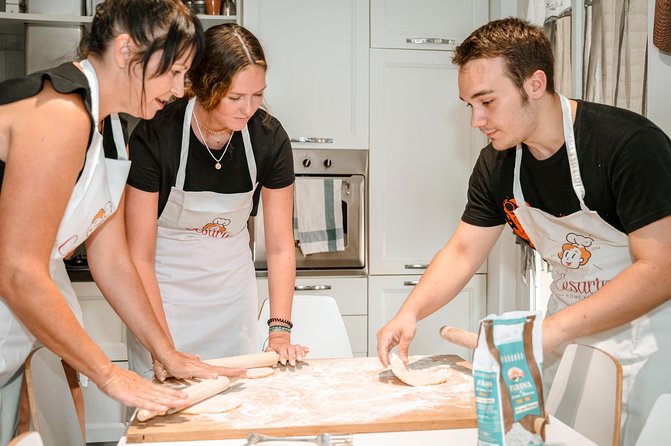
I think this is worth booking if you want a Venice day that’s practical, tasty, and skill-building. You get a market context near Rialto, then you cook and eat a real three-course meal in a local home, with wines and espresso included. That combination is hard to beat if you like learning by doing.
Skip it only if you truly dislike cooking or you want a classic sightseeing schedule instead. And if you’re trying to travel with zero planning, remember there’s no hotel pick-up, so you’ll need to handle getting to the meeting point yourself.
If you book, go in with a “hands on” mindset. You’ll learn faster, ask better questions, and you’ll enjoy the meal even more because you’ll understand what created each flavor.
FAQ
What is the duration of the Cesarine market tour and cooking class in Venice?
It runs about 4 hours 30 minutes.
How much does it cost, and is the price per person?
The price is $239.12 per person.
Is this experience offered in English, and what group size should I expect?
It’s offered in English, and the class has a maximum of 10 travelers.
What do I cook and eat during the class?
You learn and taste three recipes: a seasonal starter, fresh pasta (examples include bigoli, risi e bisi, or gnocchi), and a Venetian dessert (examples include baicoli biscuits, Moro chocolate pastry, Zaeti biscuits, tiramisu, or a similar typical dessert).
What’s included in the meal and drinks?
You get water, local wines, and espresso along with the three-course meal you prepare.
Is there any access fee for day visitors staying outside Venice?
On certain dates, people staying outside Venice and visiting for the day may need to pay a €5 access fee. Check the official details and exemptions on the Venice access fee page at https://cda.ve.it.