REVIEW · VENICE
Venice Street Food Tour with Local Guide with Local Food Market Visit
Book on Viator →Operated by Raphael Tours & Events · Bookable on Viator
Cicchetti here come with smart local context. I like how this tour has a guide doing the heavy lifting, so you don’t waste time figuring out where to go next, especially around the Rialto Market area. You’ll also get a proper introduction to cicchetti—those bite-size Venetian snacks—plus a walk past major sights like Campo San Bartolomeo and Basilica dei Frari.
Two things I’d specifically point out: first, the guide-led route is practical (no map gymnastics), and second, the food stops are the kind you’d miss if you only follow the loud tourist route. One consideration: the pace can feel brisk, and some tasting stops are tight, so plan for limited chances to pause.
In This Review
- Key highlights worth your time
- Meeting Near Rialto Bridge: the part you’ll feel immediately
- Rialto Market stop: seafood and produce with local context
- Cicchetti in historic campos: how the snack culture really works
- What you’ll taste: cheese, cakes, and biscuits (not just pasta vibes)
- Dietary fit: who this works for and who should look elsewhere
- The guide matters: from Tony to Ana to Denys
- Walking pace and comfort: what to expect on your feet
- Food tour logistics that affect your day (without the fuss)
- Price check: is $53.21 worth it for food and a local guide?
- Using the tour tips after you finish
- Who should book this Venice street food tour?
- Quick decision: should you book?
Key highlights worth your time
- Guide-led navigation so you don’t get lost in Venice’s loops
- Rialto Market visit to see what locals buy and eat
- Cicchetti tastings plus regional cheeses, cakes, and biscuits
- Historic-sight walking through areas like Campo San Polo and Campo San Bartolomeo
- Small groups up to 14 for faster moving and easier ordering
- Tailored tips for your next meals so the tour helps beyond the tour
Meeting Near Rialto Bridge: the part you’ll feel immediately
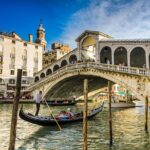
Your tour starts at Campo San Bortolomio, near the Rialto Bridge area, and ends at Campo Santa Margherita. You’ll be given a mobile ticket, and you should arrive at least 5 minutes early. That matters in Venice, because “we’ll wait” is not how the city runs—streets are narrow, and groups move.
This one runs on a small group size (max 14), which is a big deal in Venice. Fewer people means quicker transitions at food stops, and it’s easier to hear the guide while you’re ordering. Also, it’s English-speaking, so you’ll get clear, practical explanations of what you’re eating and how locals talk about it.
If you like to start your first night with something useful—rather than just sightseeing—this format helps you get your bearings fast.
You can also read our reviews of more food & drink experiences in Venice
Rialto Market stop: seafood and produce with local context
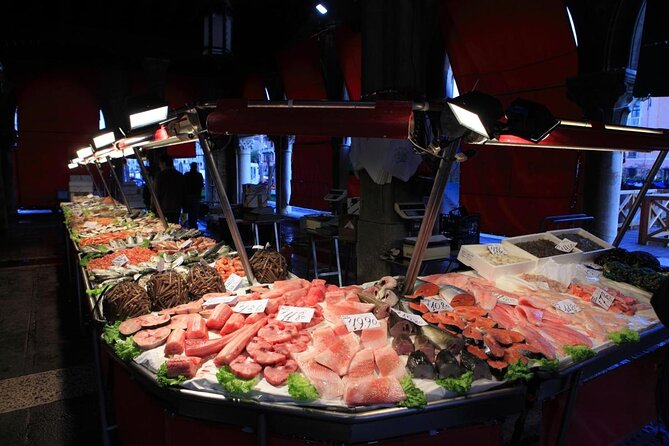
A major early moment is the visit to Mercati di Rialto (30 minutes). You’ll see colorful stalls selling seafood, vegetables, and fruit, and you’ll also get a sense of how Venetian eating works: not one big meal, but snacks, conversation, and timing.
It’s also worth knowing the market can change. On Mondays, on festive days, and on certain afternoons, the fish market is closed. That doesn’t mean the tour stops are useless—it just means your market sights may be less fish-forward than usual. If you’re visiting on one of those days, you’ll still get the food-and-sight walking, but manage expectations about what portion of the market you’ll actually see.
And because the guide is leading, you won’t just stare at stalls—you’ll learn what to look for and what people actually buy for daily life.
Cicchetti in historic campos: how the snack culture really works
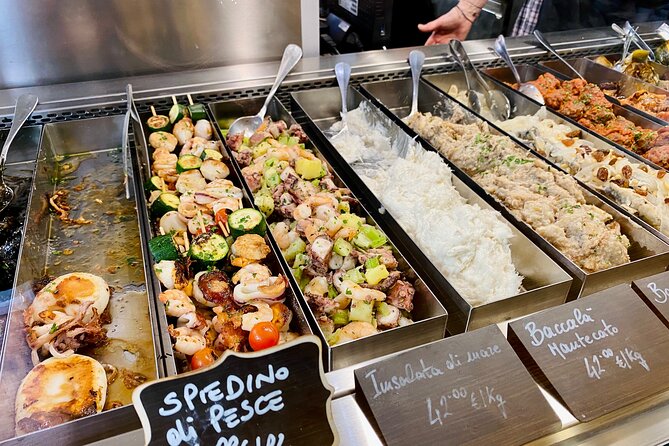
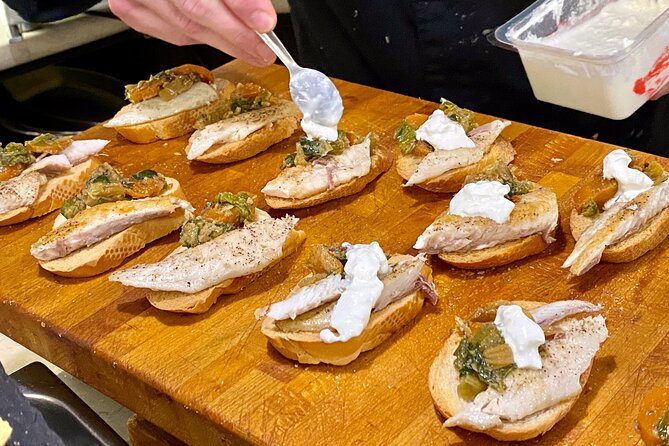
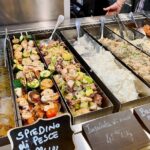
Venice is great at making simple food feel like a ritual. The core of this tour is tasting cicchetti—little Venetian “tapas-like” snacks served at bars around the city. The big idea is that cicchetti aren’t just party food. They’re a way Venetians meet friends after work, grab a drink, and snack before dinner.
During your walk, you’ll pass through classic areas like Campo San Bartolomeo and Campo San Polo. Seeing these spots on foot is one of the tour’s strengths: you get the practical sense of how neighborhoods connect, not just the postcard view. Along the route, you’ll also see landmarks such as Basilica dei Frari, so your snack stops come with real place context.
Cicchetti ordering is also where the tour pays off. Instead of guessing what to ask for (and then stalling at the counter), the guide helps you understand the snack style and makes it easier to choose.
What you’ll taste: cheese, cakes, and biscuits (not just pasta vibes)
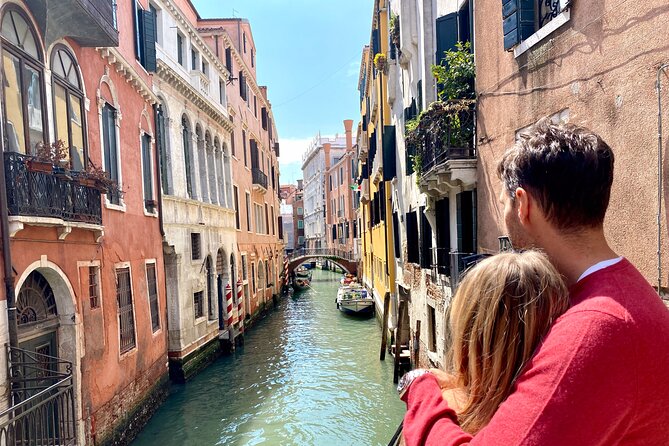
Here’s the honest value proposition: all food is included in the tour. Drinks are not included, so budget for whatever you want to sip on your own.
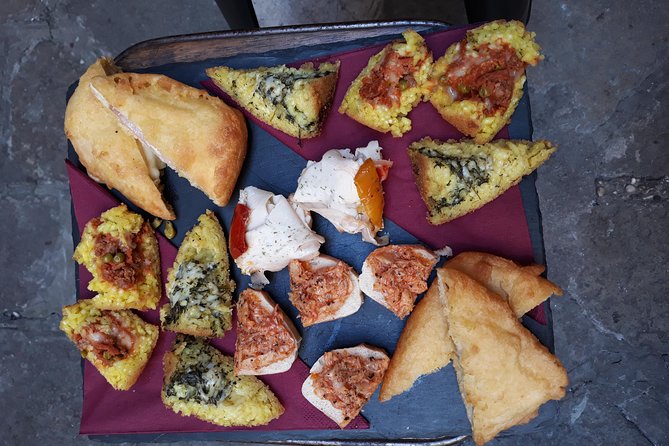
Food variety is part of what makes this work, because Venice doesn’t eat the way many visitors expect. In addition to cicchetti, you’ll sample things like regional cheese, traditional cakes, and buranelli biscuits. That mix helps you understand the broader food culture: seafood is often central, but it’s not the only story.
If you’re the kind of traveler who worries you’ll get stuck with the one thing you don’t like, you’ll be glad to know the tastings tend to offer choices at stops. One guide-led group experience I saw described a last tasting where you could pick two from about ten cicchetti. That’s not guaranteed for every departure, but it does match the overall approach: you’re guided to options, not forced into a single track.
Also: if you have allergies, take this seriously. The tour notes cross-contamination risk for nuts and dry fruits. And it doesn’t promise a fully vegan or dairy-free/gluten-free swap system (more on that next).
Dietary fit: who this works for and who should look elsewhere
This tour is a solid match if you eat typical Italian foods and seafood. It’s not designed for vegans, and it also doesn’t accommodate gluten-free and dairy-free participants. Vegetarians can be accommodated only if you advise in advance.
So use this like a checklist:
- If you’re comfortable with dairy and gluten, you’ll likely have an easier time.
- If you need vegan, gluten-free, or dairy-free care, you’ll probably be disappointed here because the tour doesn’t support those needs.
- If you’re vegetarian, tell the operator ahead of time and don’t wait until you’re standing at the first bar.
- If nuts or dry fruits are an issue, assume cross-contamination risk because you’ll be tasting in real busy food environments.
I like that the guides are described as proactive about preferences and allergies in practice. People highlighted guides who adjusted and found options for different eaters. Still, the tour’s stated limits are the limits—so make your decision based on your dietary requirements, not on hope.
You can also read our reviews of more tours and experiences in Venice

The guide matters: from Tony to Ana to Denys
What really stood out in the experiences described is the human factor. The route and the market are good, but it’s the guide who turns it into something you remember.
I’ve seen strong feedback tied to specific guides—people name-check Tony/Toni, Denys, Vanessa, Ana, Emma, and Shantal. Across those accounts, the same themes repeat: guides make it fun, they explain what you’re tasting, and they help people feel included—even when food preferences get tricky.
That’s practical. In Venice, you can’t easily “figure it out” at every stop. A good guide does three things:
1) keeps the group moving,
2) helps you order with confidence,
3) gives just enough context that the snack makes sense.
Walking pace and comfort: what to expect on your feet
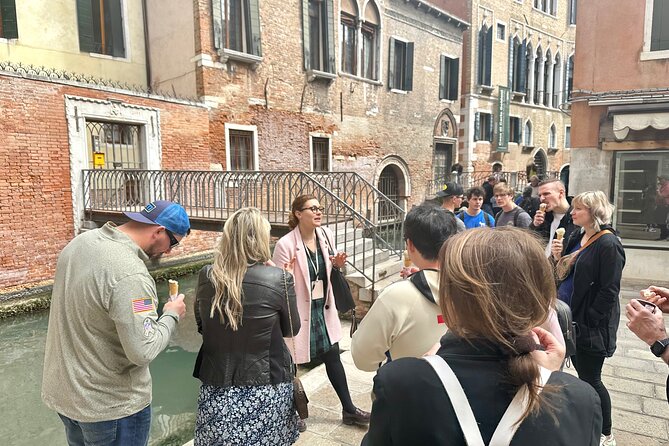
This is a 2 hours 30 minutes walking tour, and it asks for moderate physical fitness. Venice streets are not flat, and the group moves between stops. In most cases that’s fine—this isn’t an all-day marathon—but one caution from experiences shared is that it can feel rushed for some people, especially if you prefer slower breaks.
Another common practical issue: there may be limited bathroom access during the stretch. One account specifically mentioned no bathroom available until over an hour in, and tasting stops can be small, with limited options to sit. So don’t treat it like a relaxed stroll with long pauses.
My advice is simple: go to the bathroom before you meet, wear comfortable shoes, and bring a small amount of patience for crowds and narrow streets. If you’re doing this on your first day, plan one calm block afterward.
Food tour logistics that affect your day (without the fuss)
A few nuts-and-bolts details can change how smooth your tour feels:
- No hotel pickup and no drop-off included. You’re meeting near Rialto and ending in another central area, so plan your next move around that.
- Drinks are extra. You can order what you like, but don’t assume the tour price covers everything you sip.
- Mobile ticket means you won’t need to hunt for paper, but keep your phone charged.
- Free cancellation exists up to 24 hours before departure for a full refund—use that if your schedule is flexible.
Also watch for the €5 access fee that some day visitors may need to pay on certain dates if you’re staying outside Venice. It’s tied to local rules, so check before you arrive.
Price check: is $53.21 worth it for food and a local guide?
At $53.21 per person, the best way to judge value is by what’s included. Here you get:
- Food tastings as part of the price
- A local guide
- A market visit (Mercati di Rialto entry is free in the tour context)
Because drinks aren’t included, you can keep your total cost under control by deciding what you truly want to have. But even if you add one drink, you’re still likely getting a good deal compared to piecing together multiple cicchetti stops on your own.
The most convincing value signal is what people say about leaving full and finding places they wouldn’t have gone otherwise. When a tour helps you eat like a local—especially around snack culture—it’s not just about quantity. It’s about saving time and avoiding wrong turns.
If you’re trying to avoid a Venice trip built only on pizza, pasta, and overpriced masks-on-a-stick souvenirs, this is a smart use of your evening.
Using the tour tips after you finish
The tour includes tailored tips for what to go back for and what to order next. That’s especially helpful because Venice dining is scattered: a good plan is often a list of a few repeatable snack bars, not one “perfect” restaurant.
A nice strategy is to treat this as your research night. If you return to one or two places you liked, your trip suddenly feels less random and more like you have a rhythm.
Who should book this Venice street food tour?
Book it if you:
- want a first-night intro that mixes food and city orientation,
- like street snacks more than formal sit-down meals,
- enjoy learning what’s normal for Venetians (not just what’s trending for visitors),
- appreciate a guide leading the route so you can focus on eating.
Skip it or compare options if you:
- need a tour that is vegan, gluten-free, or dairy-free (this one doesn’t accommodate those needs),
- rely on lots of seating or very frequent bathroom stops,
- prefer very slow pacing through neighborhoods.
Quick decision: should you book?
I think this is a strong buy for most visitors because you get real local food culture plus easy navigation through central Venice. The Rialto Market stop and the cicchetti bar circuit give you a mix of shopping-energy and snack-happy neighborhood life. If you’re okay with brisk walking and you can eat standard Venetian fare, this tour is one of the most practical ways to start eating well in Venice.