REVIEW · VENICE
Venice: Rialto Market Tour, Cooking Class, and Lunch
Book on GetYourGuide →Operated by Timonfaya Travel Lanzarote · Bookable on GetYourGuide
Rialto Market turns into your dinner table. You meet at the Al Mercà wine shop, walk the stalls at Rialto with a chef-guide (like Lorenzo), then head to a real kitchen to cook a full meal from scratch. I love the way this turns the market from sightseeing into ingredient know-how, and I also love the hands-on part where you actually make the food you’ll eat.
You’ll practice key Italian techniques while you build a menu that usually includes tiramisù, homemade pasta, and a tomato-based sauce. One possible drawback: Venice is Venice, so you’ll be walking on cobbles, and the transfer from the market to the kitchen can feel long—rain can make it more noticeable.
In This Review
- Key things you’ll enjoy on this Rialto food day
- Rialto to the kitchen: how the day really works
- Meeting at Al Mercà wine shop: the logistics that save time
- Rialto Market lesson: what you’re meant to learn in the stalls
- Ingredient shopping turns into cooking choices
- The cooking class: tiramisù, tomato sauce, and real technique
- Homemade pasta: knead, roll, shape (and stop buying dry pasta)
- The second course: fish, parmigiana, or risotto based on what’s fresh
- Lunch with unlimited wine: what the meal feels like
- Price and value: is $146 a fair deal in Venice?
- When this fits best (and when it might not)
- Should you book this Rialto market cooking class?
- FAQ
- Where do I meet for the Rialto Market tour and cooking class?
- Does the afternoon option include a visit to the market?
- What dishes are included in the cooking class lunch?
- How many people are in the group?
- What happens on Sundays or Italian holidays?
- Do I get recipes to take home?
Key things you’ll enjoy on this Rialto food day
- Meet at Al Mercà wine shop at Rialto Market, an easy landmark to find
- Small group size (up to 8) means more attention while you cook and ask questions
- Market shopping with a local chef-guide who points out what’s in season and where it comes from
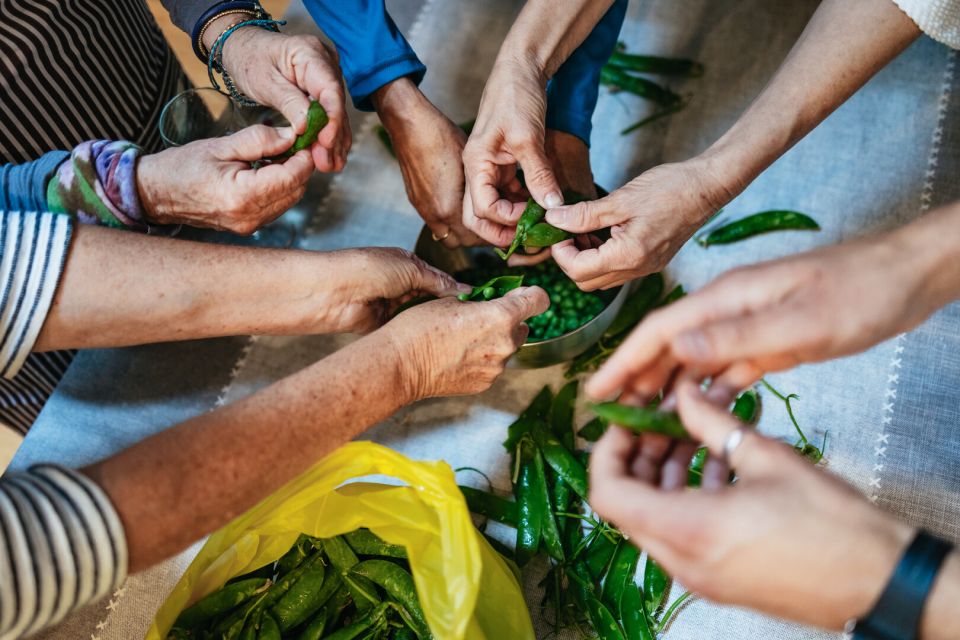
- Hands-on cooking for tiramisù, tomato sauce, and fresh hand-made pasta
- Lunch plus unlimited wine served at the end in a convivial home-kitchen setting with music
Rialto to the kitchen: how the day really works
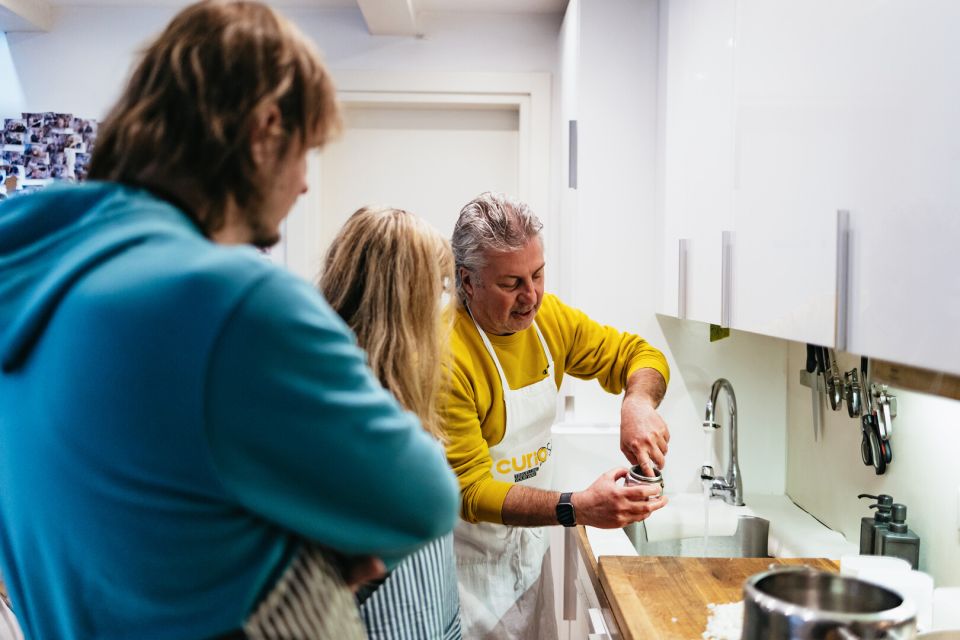
This is the kind of Venice food experience that makes sense fast. You start at Rialto Market, you learn how people buy real ingredients there, and then you cook your way through that knowledge in an actual kitchen. The payoff is simple: you eat a 3-course meal made by your own hands, with wine flowing while you’re at it.
The structure matters. If you do only a market walk, it can turn into photos and wandering. If you do only a cooking class, it can feel disconnected from where the food starts. Here, the ingredients come first—then you learn the cooking moves that make them taste like Venice.
This is also a format that works well in a small group. You’ll be limited to 8 participants, and that’s a big deal when you’re rolling pasta dough and kneading sauces while everyone else waits their turn. It’s much easier to stay involved when your group isn’t huge.
You can also read our reviews of more shopping tours in Venice
Meeting at Al Mercà wine shop: the logistics that save time
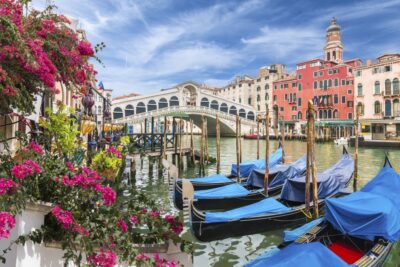
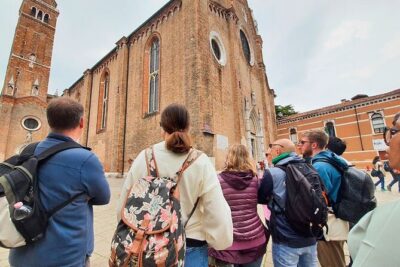
Your day starts at the meeting point: meet your chef/guide in front of the Al Mercà wine shop at the Rialto Market. That’s helpful because Rialto can be a maze of streets and alleys, and the tour begins where you can actually orient yourself.
The activity ends back at the meeting point, so you’re not left figuring out how to get from the home kitchen back to the main area. You’ll still be walking, though. Venice requires walking for everything worth doing, and this experience is no exception.
Also pay attention to the timing options. The afternoon option does not include a market visit, and the 6:00 PM class does not include the market tour either because the market is closed. If you’re doing this for the full market-to-cooking story, choose the option that includes Rialto first.
Rialto Market lesson: what you’re meant to learn in the stalls
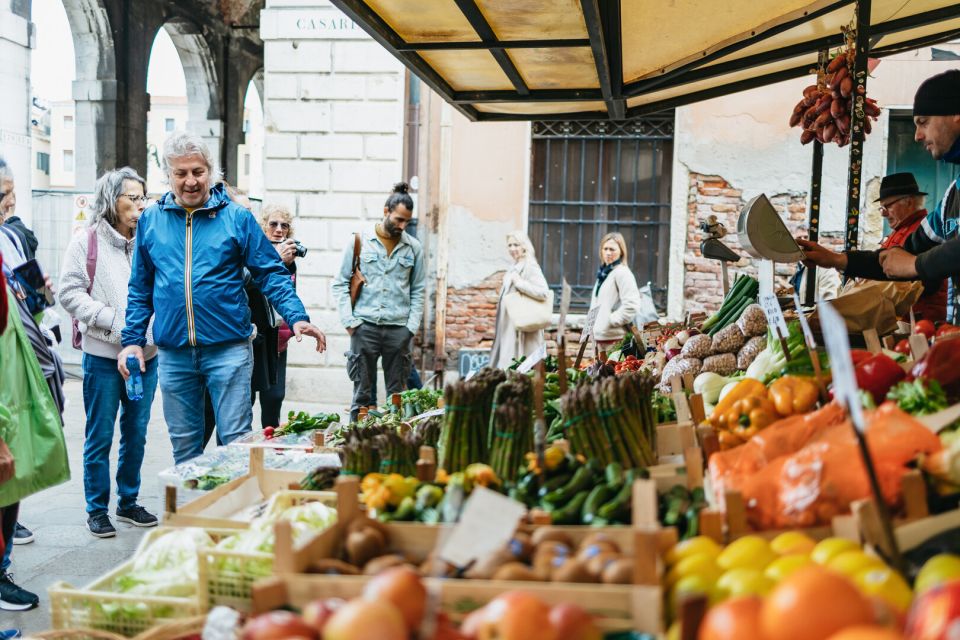
Rialto isn’t just one big produce section. It’s a working food system—seafood counters, fruit and vegetable stalls, spices, and the kinds of ingredients that show up in Italian home cooking. With your guide, you don’t just look; you learn how to buy.
What I like about this part is the practical angle. You’re guided through what to look for and how to judge items on the spot, not how to recite facts. The chef-guide will talk about what’s local, what’s in season, and how that affects the menu you’ll cook later.
In reviews, chefs like Lorenzo and guides like Rosanna were described as knowing the shopkeepers and telling you where foods come from. That matters because it turns the market into a map: you learn why one ingredient is chosen over another, and you start to understand the rhythm of Venetian buying.
One more point: when the market is closed—like on Sundays and Italian holidays—the experience adjusts. You won’t get the full market walk, and instead you’ll have a longer cooking class. It’s not the same “go shop, then cook” arc, but it keeps the day worthwhile.
Ingredient shopping turns into cooking choices
At the market, you’re not just browsing. You’ll have the chance to select ingredients for your class menu. That’s part of why this feels different from many “cooking demos” where you watch and take notes.
Depending on the season and what’s available, your second course may be fish, parmigiana, or risotto. You’ll also be working with the core Italian staples that show up in most Venetian and regional cooking: pasta, tomato sauce, dairy for desserts like tiramisù, and whatever vegetables or proteins are freshest that day.
The chef-guide’s role is to translate the market chaos into simple decisions. You’ll likely talk about what to pick and how to handle it. And because the group is small, you can ask questions without feeling like you’re waiting for your turn.
If you’re the type who likes to shop like a cook—looking at tomatoes, smelling herbs, scanning for quality—you’ll have fun here. If you’re mostly there for pretty streets and a quick snack, you might find the market portion more focused than expected. This one is built for food people.
The cooking class: tiramisù, tomato sauce, and real technique
Once you leave Rialto, you head to the chef’s home kitchen. Plan on a walk between the market area and the home—some days reviews mention around 20 minutes, but the exact pace depends on where you’re starting from and conditions like rain. Venice cobblestones don’t care about your cooking plans.
In the kitchen, the class becomes very hands-on. You’ll start with tiramisu, including the technique of combining mascarpone with cookies. Desserts in Italy often come down to texture and timing, and this gives you a concrete, repeatable method you can take home.
Then you work on an authentic tomato sauce. You’ll learn the logic behind building flavor rather than just “follow these steps.” This is the sauce that helps your pasta and gives the meal its Italian backbone.
And throughout, the chef-guide teaches while you cook. That’s what makes it more than a meal. You’re learning why you do things a certain way—like how to manage heat or how to shape dough—so the food tastes right and you can repeat it.
You can also read our reviews of more tours and experiences in Venice


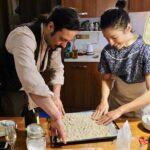

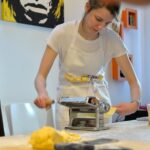
Homemade pasta: knead, roll, shape (and stop buying dry pasta)
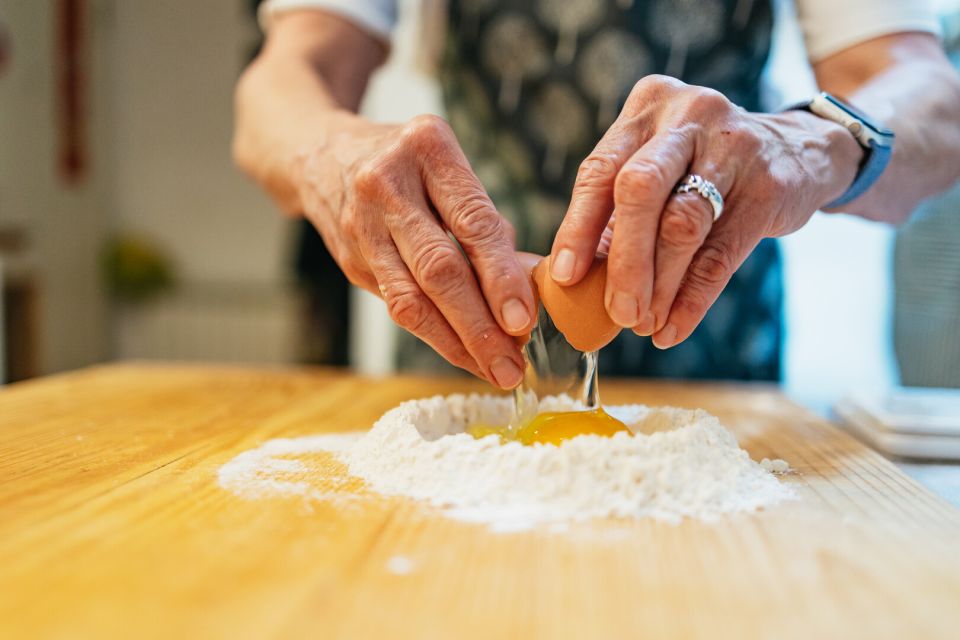
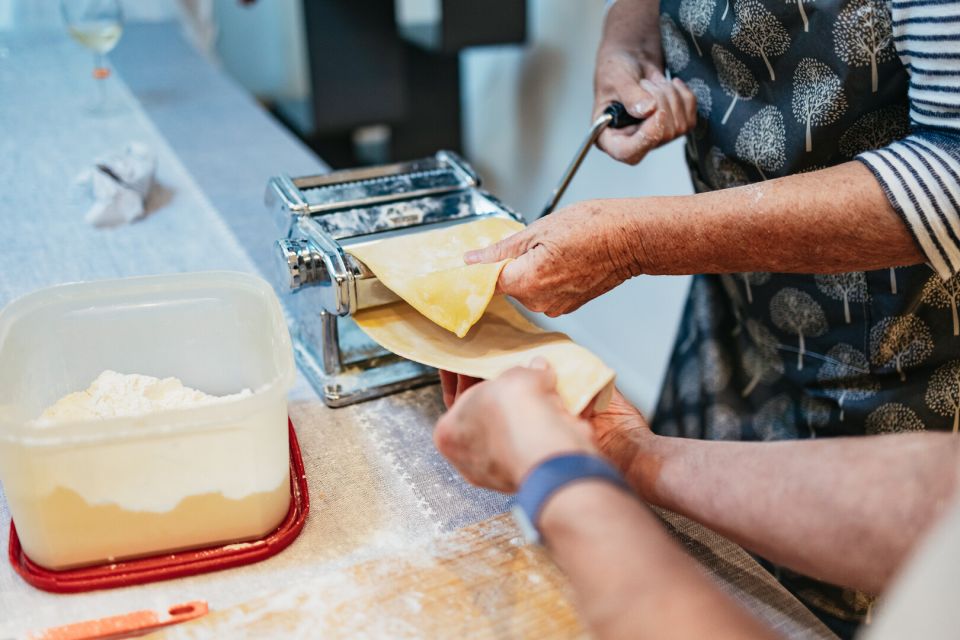
One of the most satisfying parts of this class is the fresh pasta work. You’ll learn to make hand-made pasta from scratch: kneading, rolling, and shaping the dough. The point isn’t to turn you into a professional pasta maker by lunchtime. The point is to understand the fundamentals so the result feels real.
When you roll and shape dough with guidance, you notice the small changes that matter—how the dough responds, when it’s ready, and how to keep things manageable. Even if you’ve never cooked pasta before, you’ll get a workable sense of the process.
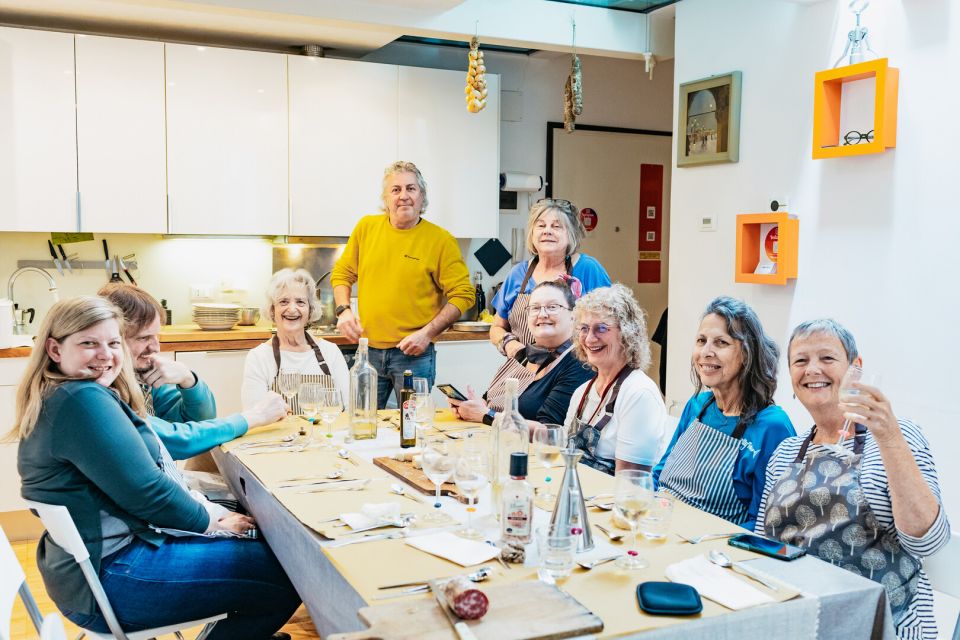
I also like that the class includes both skill-building and teamwork. In a small group, everyone can get hands-on time instead of standing around. Some people even describe the teaching as patient for beginners, while others were comfortable enough to jump in more fully.
You’ll then use your pasta as part of the meal, so the lesson doesn’t end when class ends. You eat your work soon after, which makes the techniques stick.
The second course: fish, parmigiana, or risotto based on what’s fresh
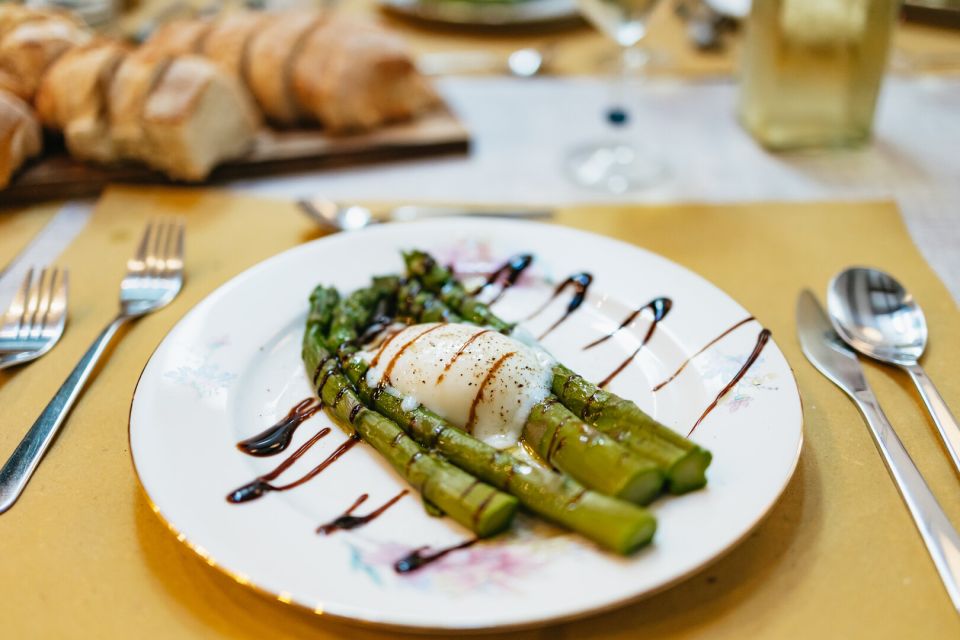
Your menu isn’t always identical. The second course depends on season and availability. You might cook fish, parmigiana, or risotto—so the class adapts to what the market can provide.
That’s a big part of the value. Italian home cooking is seasonal. When the chef builds the menu around what’s available, you see how cooks think. It also means your experience won’t feel like a copy-paste performance.
In some days, the group choices can also influence what you prepare, since you’ll discuss the menu with your chef-guide before you cook. That helps you feel like you have input instead of being stuck with whatever the schedule dictates.
If you’re picky about fish or prefer vegetarian options, it’s worth checking with the provider when you book. The details above show that options exist, but the specific dish depends on day-to-day ingredients.
Lunch with unlimited wine: what the meal feels like
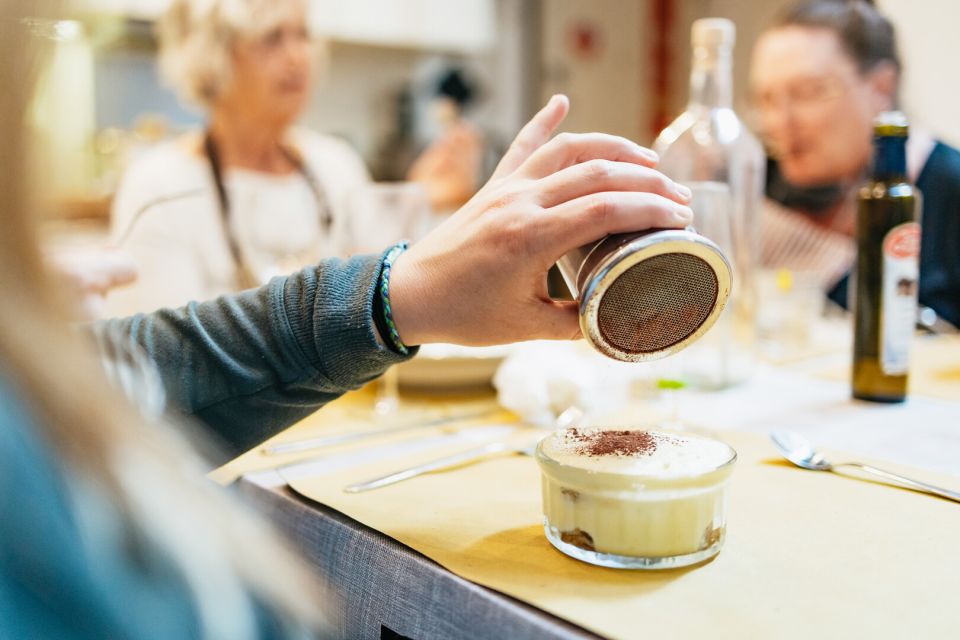
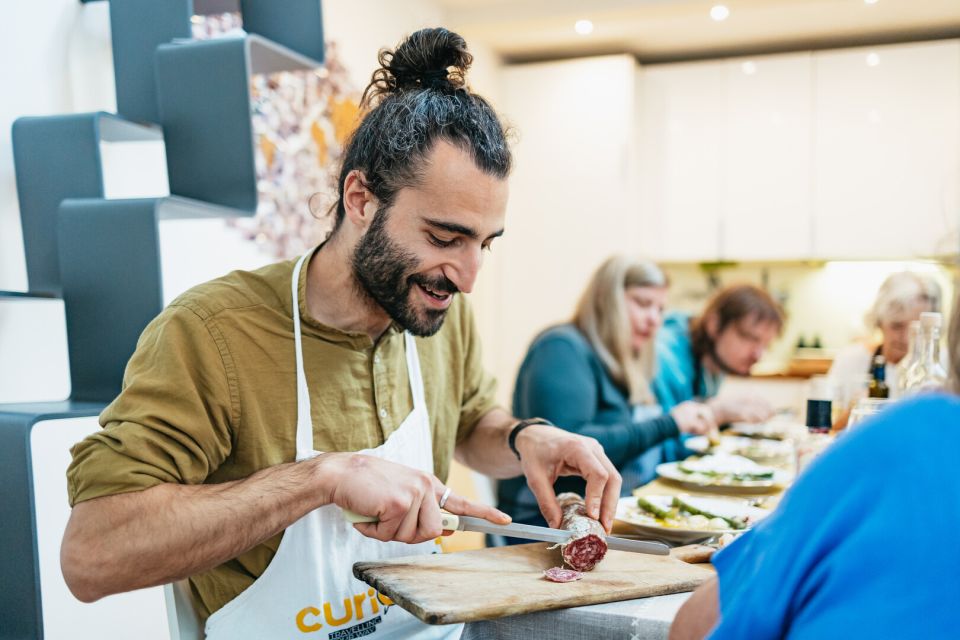
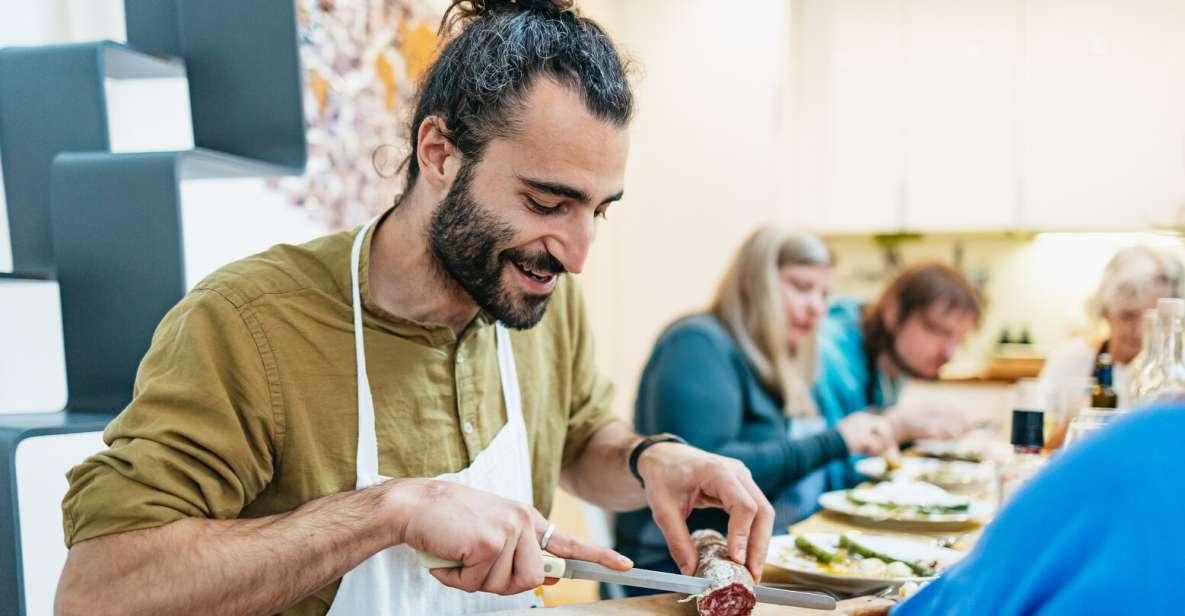
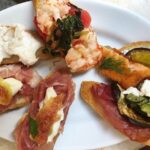
After the cooking, you sit down and eat. This is a 3-course meal: a pasta first course, a fish or vegetable second course, and tiramisù for dessert. You also get plenty to drink—unlimited wine and unlimited water.
The vibe is home-kitchen friendly. Some descriptions mention music playing while people cook and eat, and the atmosphere is meant to be relaxed rather than formal. With a small group, it’s easier to chat with each other while you enjoy the meal you made.
This matters if you want Venice to feel lived-in. It’s not just tasting food; it’s sharing a moment with a local food routine. And because you cooked the food yourself, you’ll pay attention to flavors more than you would at a restaurant.
One practical note: you will eat a lot. Between the courses and the sides and bread that often show up with an Italian meal, you might want to plan your evening lightly.
Price and value: is $146 a fair deal in Venice?
At $146.14 per person, this isn’t the cheapest thing you can do in Venice. But it’s also not just a market walk and a quick bite. You’re paying for three big ingredients—literally and figuratively: guided market shopping, hands-on instruction, and a full meal with wine.
Compared with a generic food tour, you get actual cooking time and technique. Compared with a basic cooking class, you get the ingredient sourcing piece at Rialto. That combination is what justifies the price.
You’re also capped at a small group size, you get digital recipes, and the class is run by an English/Italian-speaking instructor/chef-guide. For many people, that’s the sweet spot: less crowds, more personal teaching, and take-home value through the recipes.
If your goal is to eat great food and learn how it’s made, you’ll feel good about the cost. If your goal is just to tick off Rialto and get a photo with no commitment, you might decide it’s more time and structure than you want.
When this fits best (and when it might not)
This tour fits well if you want to understand Italian cooking beyond taste alone. You’ll like it if you care about ingredient quality, you enjoy learning hands-on, and you want a meal that feels specific to Venice and the season.
It also seems to work for a range of ages and experience levels. People describe it as fun for families and for beginners who just want to participate, not compete. If you’re traveling with teenagers, you’ll probably appreciate the mix of market talk and practical cooking.
The main reason to think twice is physical comfort. You’ll be walking from Rialto to the kitchen, and the cobblestones plus rain can make that part less pleasant. If you have mobility concerns, this needs extra thought. Also remember that certain time slots won’t include the market walk, so check the schedule you choose.
Finally, if you’re already overloaded with food experiences, this might feel like a lot. It’s a full day in a structured format, ending with wine and a full 3-course lunch.
Should you book this Rialto market cooking class?
If you want a Venice day that connects shopping to cooking and then to a meal you made, I think you should book it. The strongest reason is the pairing: Rialto market lessons plus hands-on work on tiramisù, tomato sauce, and fresh pasta—then you eat it with unlimited wine. That makes it feel like an actual skill-based experience, not just entertainment.
Book it especially if you love food shopping and you want to bring home practical recipes. You’ll get digital recipes, and some chefs also provide recipes online after class, which can help you repeat what you made.
Skip (or choose carefully) if the market walk is a must for you and you’re considering the afternoon or 6:00 PM options—those don’t include the market. Also consider the walking part, since the transfer can feel long.
If you want, tell me your travel dates and whether you prefer fish or vegetarian. I can help you pick the best time slot for the full Rialto-to-kitchen experience.
FAQ
Where do I meet for the Rialto Market tour and cooking class?
You meet your chef/guide in front of the Al Mercà wine shop at the Rialto Market. The activity ends back at the meeting point.
Does the afternoon option include a visit to the market?
No. The afternoon option does not include a visit to the market. It includes a meeting point closer to the chef’s house.
What dishes are included in the cooking class lunch?
You’ll have a 3-course meal: a pasta first course, a fish or vegetable second course (depending on season and availability), and tiramisù for dessert.
How many people are in the group?
It’s a small group limited to 8 participants.
What happens on Sundays or Italian holidays?
On Sundays and Italian holidays, the entire market is closed. There will be a longer cooking class on these days.
Do I get recipes to take home?
Yes. Digital recipes are included.