REVIEW · VENICE
Eat Like a Local: Venice 3-Hour Small-Group Food Tasting Tour
Book on Viator →Operated by J&H Enterprises, LLC · Bookable on Viator
Venice food starts with a coffee ritual. This small-group tasting tour turns Venice’s snack culture into a guided walk you can actually follow, starting near Rialto and finishing by the Bridge with dessert. You’ll move through several local bars and restaurants, learn why people eat the way they do, and taste regional hits like seafood, Venetian wine, and artisan gelato.
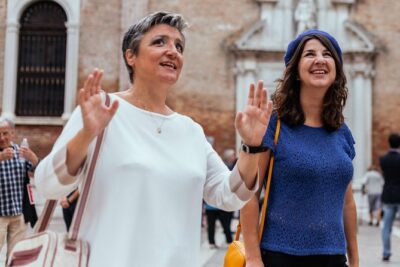
I especially like the format: eight stops with real cicchetti snack-and-sip pacing, plus storytelling from guides such as Marianna and Anna, who come off more like friendly hosts than museum guides. And I like the sheer variety—coffee and pastries, cured meats and cheese, 5–6 types of fish, then cookies and gelato—so you don’t have to guess what to order later.
One thing to consider: this is a walking food tour with lots of standing between tastings, and you’ll want a moderate fitness level. Also, the group can run a bit larger than the stated maximum in rare high-demand situations, with compensation by adding more food and wine.
In This Review
- Key things I’d circle before you go
- Getting Oriented at Campo San Giacomo di Rialto
- Coffee and pastries first: a Venetian warm-up
- How cicchetti and wine bars work in Venice
- The Rialto market area: where the walk feels local
- Old bacari charm and why it matters
- Pastry stops and why Venice loves sweets
- Cured meats and cheese stop: more than a snack
- Seafood tasting: fish varieties and sarde in saor
- Pasta or risotto + the day’s fish special
- Cannaregio or Castello: more cicchetti and a second neighborhood feel
- Gelato and cookies to close the loop
- Price and value: what $107 buys you in Venice
- Group size, guide style, and pacing you can feel
- Who should book this food tasting tour
- Should you book this Venice food tour
- FAQ
- How long is the Venice Eat Like a Local food tasting tour?
- Where does the tour start and end?
- What food and drinks are included?
- How many stops are there?
- Is the tour offered in English?
- Do I need a physical ticket?
- Does the tour run in bad weather?
- What if I have dietary restrictions?
- How does cancellation work if I need to change plans?
Key things I’d circle before you go
- Start near Rialto with coffee and pastries so you’re fueled before the bar-hopping part begins.
- You’ll taste cicchetti the Venetian way: snack first, wine paired naturally, not as a lecture.
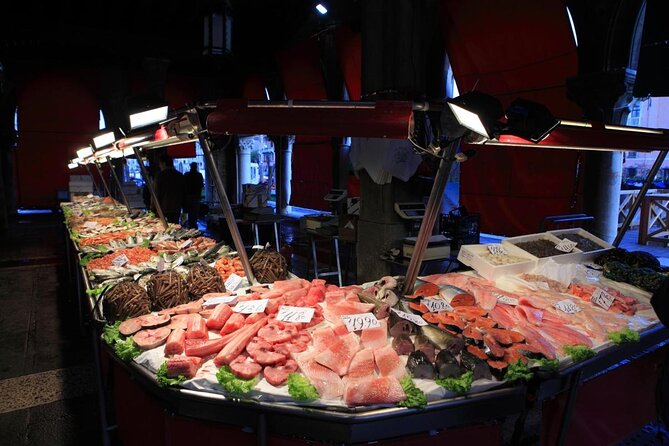
- Seafood is a core theme, including multiple fish tastings and the local favorite sarde in saor.
- The pace is built for variety, not speed, with enough time at each stop to actually enjoy it.
- Dessert is part of the system, not an afterthought: cookies and artisan gelato close the loop.
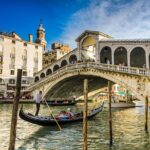
- You finish near Ponte di Rialto, which is useful because it leaves you in the middle of the action for your next walk.
Getting Oriented at Campo San Giacomo di Rialto
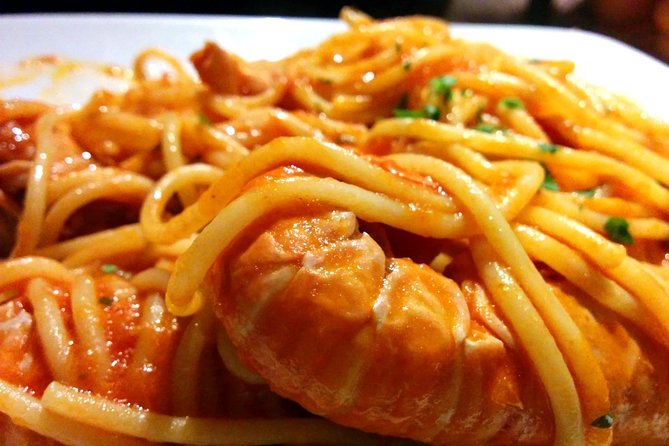
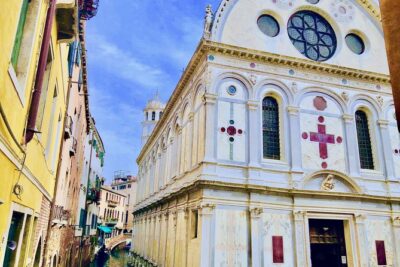
The meeting point makes sense for first-timers: you start at Campo San Giacomo di Rialto, right by the steps of the Chiesa San Giacomo di Rialto, and it’s close to the famous Ponte di Rialto. That’s a smart way to begin, because you get your bearings early. Venice is disorienting at the start, and a guide-led route helps you learn what’s where without doing a whole planning project.
This tour is designed as a moving tasting circuit, not a single long meal. Expect roughly 2 hours 30 minutes to 3 hours 30 minutes, depending on the flow of stops and what’s fresh. The provider also says the order of stops can change depending on daily market availability, but the overall amount of food stays the same.
You’ll also want to plan for how Venice feels in real life. You’re on foot most of the time, and you’ll encounter short standing-room tastings outside bars. The upside is you get that street-level Venice vibe. The tradeoff is you should wear comfortable shoes and don’t schedule anything tight right after, especially if you’re dealing with crowds around Rialto.
You can also read our reviews of more food & drink experiences in Venice
Coffee and pastries first: a Venetian warm-up
The tour begins with coffee and pastries, and that matters more than it sounds. In Venice, breakfast-and-sweet isn’t just a morning routine; it’s part of the day’s rhythm. Starting this way means you’re not trying to eat heavier seafood or salty cicchetti on an empty stomach.
You’ll get that first hit at Mercati di Rialto (a classic place to slow down and watch how the market area functions). The tasting includes Venetian-style pastries tied to the city’s pastry tradition, which connects to Venice’s historical trade routes and the idea of Eastern ingredients influencing local sweets. The point isn’t trivia. It’s that you taste how Venice turns luxury imports into everyday treats.
This first stop also sets the tone. Guides (often named in past departures like Marianna or Anna) tend to keep the energy light while explaining what you’re eating and why it fits here. You’ll pick up practical cues you can reuse later, like how to read a bar’s menu vibe and what to expect when you see the snacks paired with wine.
How cicchetti and wine bars work in Venice
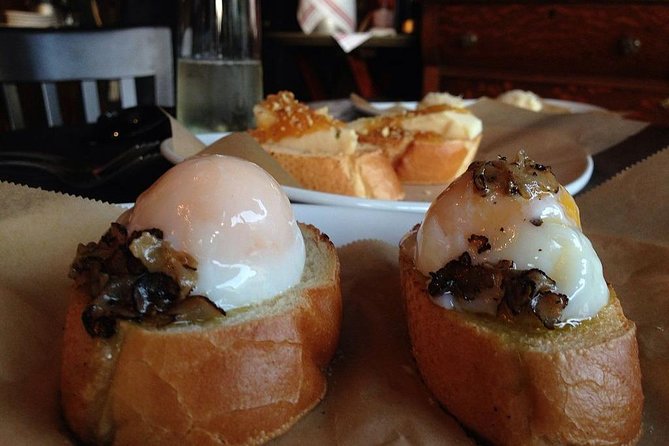
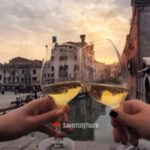
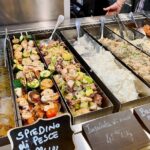
After the pastries, the tour shifts into the bacaro world—the Venetian tradition of going bar to bar for small plates and wine. This is the heart of the experience, because cicchetti are not an American appetizer. They’re a whole culture: people snack, sip, chat, and sometimes stand at a counter like it’s perfectly normal.
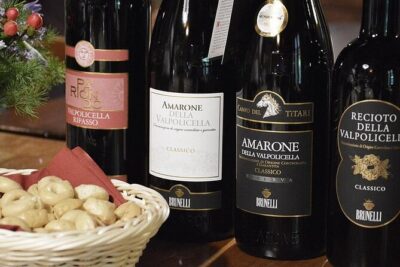
In the itinerary flow, you’ll hit wine bars and cicchetti stops where you pair typical snacks with Venetian wines. One stop is described as visiting the oldest bacaro in Venice, with a story tied to Casanova, and another involves more cicchetti in different districts. Even when the specific bar choices shift day to day, the structure stays the same: small tastings, frequent resets, and a guide explaining how each bite belongs to Venice.
What you’ll learn, and why it’s valuable:
- You don’t just taste. You learn how cicchetti are ordered and how locals pace their evening.
- You get context for what counts as local versus tourist-friendly menu choices.
- You learn how to talk about food with confidence, which helps you order later without feeling awkward.
The Rialto market area: where the walk feels local
Starting near Rialto isn’t just convenient. It’s strategic. You begin in the part of the city that acts like a stage: market life, nearby snack bars, and the constant movement of people weaving between landmarks. The tour’s first zone includes walking through the Mercati di Rialto area and then moving into nearby bacari-style spots.
This kind of neighborhood routing is where the guide’s local knowledge really shows. Past guides named in departures—Marianna, Anna, Sara, Carlo, and others—are praised for taking people to places they might not choose on their own. That matches what this format does best: it turns sightseeing into a working knowledge of where to eat and how to fit into Venice’s rhythm.
A small practical note: Rialto can feel intense in peak times. Your advantage is that you’re not trying to navigate it alone while also hunting down food. You’ll just follow the route, taste along the way, and let the guide handle the timing.
Old bacari charm and why it matters
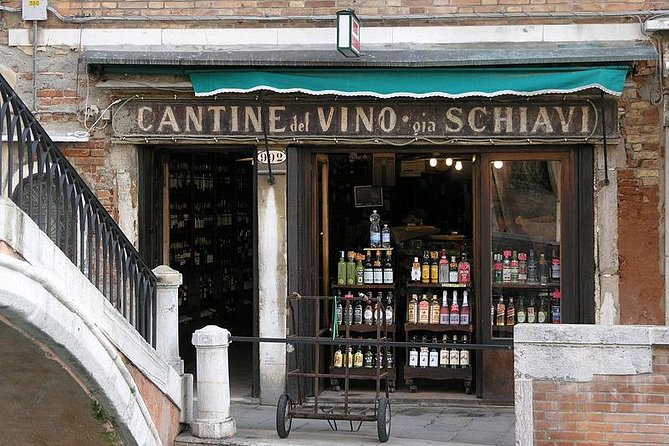
One of the most atmospheric stops in this experience is the visit to an older bacaro with old-world details—wooden beams, copper pots, and a standing-only counter where locals and visitors mingle. That setting is more than decor. It helps you understand why Venice’s snack culture works. The bar layout and pace naturally push people into a social, casual mode.
This stop includes cicchetti tastings, and the guide adds stories that connect the bar to Venetian legends and personalities. Stories like the Casanova connection are exactly the kind of thing that makes a tasting feel like a place, not a list of foods.
If you’re someone who likes to learn through context—why this place exists, how people behave there—this tour is built for that. The tastings are the star, but the guide narration is what stitches it together so you remember more than just flavors.
You can also read our reviews of more tours and experiences in Venice

Pastry stops and why Venice loves sweets
Venice has a deep pastry tradition, and this tour gives it time instead of treating dessert like a quick checkmark. You’ll visit a family-owned pastry shop as part of the route. The focus is on how Venetian sweets reflect the city’s trading history and celebration culture—sweets designed for festivals and special moments.
This matters because when you only eat gelato at the end, your understanding of Venetian food stays shallow. Here, the pastry chapter teaches you how sweet flavors and spices shaped the city’s candy and celebration culture. You’ll taste pastries with that background baked in.
As a practical tip for your taste buds: if you know you get overwhelmed by too much sugar early, you can pace yourself at this segment. The tour is designed to keep you well-fed later, so you don’t need to rush every bite.
Cured meats and cheese stop: more than a snack
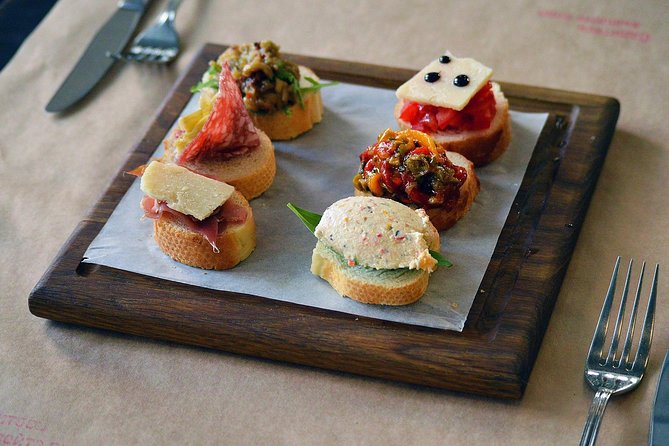
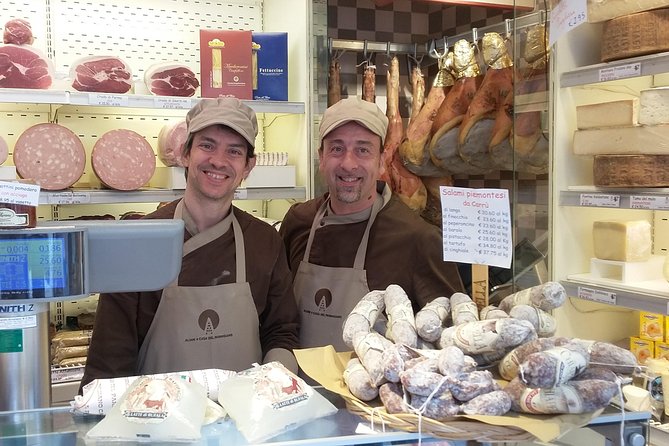
At one of the mid-route stops (Santa Croce in the sample flow), the owner prepares a selection of regional cured meats and cheese. The guide explains how they’re made and how to tell what you’re looking at.
This is a useful stop for two reasons. First, cured meats and cheese are a Venice staple, but they can look similar across tourist menus. Second, this is a chance to practice how to evaluate quality locally. You’ll get cues for what to look for and what makes these products taste like they belong in this city.
It’s also a balance point. Earlier you’ve had sweet and wine; later you’ll go heavier on fish. This cured-meat segment gives you savory structure in a way that helps you keep tasting comfortably without going to sleep halfway through the day.
Seafood tasting: fish varieties and sarde in saor
The tour’s seafood phase is a big reason people rate it so highly. You’re set up for 5–6 kinds of fish across stops, plus local cured meats and cheese. The goal isn’t to make you an expert on seafood. The goal is to taste Venice’s coastal soul.
One restaurant stop is explicitly tied to trying sarde in saor, and it’s described as a top place for this classic dish, served with wine. If you’ve never had sarde in saor before, it’s the kind of Venetian comfort food that tastes like it has a story behind it—sweet-sour notes and anchoring flavors that feel unmistakably local.
A quick reality check: if you don’t eat fish, this is a tougher fit unless the tour can accommodate you. The tour notes that if you have dietary restrictions like no fish, no meat, or gluten free, you need to tell the provider at least 24 hours in advance or the restaurant won’t be able to accommodate as well.
Pasta or risotto + the day’s fish special
Another key restaurant stop is where you’ll have a sit-down dish from the day’s menu—pasta or risotto and a freshly caught fish of the day. That’s important for value and variety. You’re not stuck on only bite-sized snacks. You get a more substantial dish as part of the tasting rhythm.
This is also where the tour becomes easier for your body. After a lot of standing and short tastings, a sit-down moment resets you. It’s one of those small design choices that makes the difference between a tiring food walk and a day you actually enjoy.
You’ll pair this segment with wine, and the guide helps connect what you’re eating to how Venetians think about food. That’s why this tour feels like more than eating: you’re learning how people choose meals in this city.
Cannaregio or Castello: more cicchetti and a second neighborhood feel
Depending on the day, the tour routes include Cannaregio (or possibly Castello) for additional cicchetti tastings. This is good because it prevents the whole tour from feeling like a single neighborhood bubble.
Cannaregio is a different vibe than the Rialto area—less postcard-sameness and more local daily life. Even if you don’t know Venice’s geography yet, the neighborhood shift helps you start mapping the city in your mind.
And if gelato is your top priority, the tour notes you might get gelato in this district or another. They say they can try to accommodate a particular interest if you message in advance, which is a nice “you’re not locked into one plan” touch.
Gelato and cookies to close the loop
The tour finishes with dessert, and it doesn’t treat gelato as an optional add-on. You’ll try artisan gelato and also get cookies as the final sweet hits. This structure is smart: you end with flavors that feel light and celebratory after the savory and wine you’ve had earlier.
The guide also explains how gelato is made and how to spot a good artisan place in Venice. That last part is practical. Once you learn what to look for, you can avoid the places that churn out average gelato just because they’re near a landmark.
If you’re worried about eating too much, don’t be. The tour’s promise is that it’s designed to leave you full. Past experiences with these tours often lead to people feeling stuffed by the end, and the provider says they’ll add more food and wine if you’re still hungry at the end.
Price and value: what $107 buys you in Venice
At about $107.10 per person, this isn’t a budget snack. It is, however, priced like a guided experience that includes real food, not just a tasting sampler.
Here’s what you’re paying for, in plain terms:
- Many stops (7–8) plus a full snack flow that keeps you eating through the experience.
- Cicchetti, wine, and desserts included, so you don’t keep paying for small items.
- A guide who explains what you’re eating, which saves time and helps you avoid mistakes later when you’re choosing restaurants on your own.
- A guarantee to leave you full, supported by the setup of multiple tastings across the route.
If you were planning to pay for a wine bar crawl plus multiple meals solo, the value can make more sense quickly. Also, Venice is expensive, and a guided route reduces the time you might spend hunting menus and second-guessing what to order.
My balanced take: it’s a great value if you want a shortcut to local food confidence. If you only want one or two snacks and don’t drink wine, you might feel the price more than the food.
Group size, guide style, and pacing you can feel
This tour is built as a small-group walk, listed as a maximum of 15 people, with a note that high demand can push it up to as many as 19. If it runs larger, the provider compensates by giving more food and wine, and they state a refund is possible if you don’t participate after seeing the group size and you’re unhappy. That’s worth knowing so you don’t get surprised in a busy city.
The pacing is another big strength. Guides named in past departures—Anna, Marianna, Greta, Sara, Martina, Carlo, Mercedes—are consistently described as fun, organized, and warm. The emphasis is on keeping things light while still making the food and culture make sense.
One practical detail: the tour requires meeting 15 minutes before start time, so plan a little buffer. Venice can slow you down, and you don’t want to rush at the start when you’re about to eat.
Who should book this food tasting tour
I’d point you toward this tour if you:
- Want your first or second day in Venice to feel easier, because you’ll learn where and how to eat.
- Like cicchetti and don’t mind standing at bar counters sometimes.
- Want a structured intro to Venetian flavors—coffee and pastries, seafood, cured meats, wine, and artisan gelato.
- Appreciate a guide who explains the stories behind food, not just the ingredients.
I’d think twice if you:
- Don’t eat fish and haven’t arranged dietary needs in advance.
- Hate walking or standing for stretches of time.
- Want a quiet, sit-down-only meal with minimal movement.
Should you book this Venice food tour
Yes, book it if you want a fast route to local eating confidence. This tour’s strongest feature is the combination of guided cicchetti culture and a well-timed spread of food types: pastry, wine bars, cured meats, fish varieties, pasta or risotto, then gelato and cookies. It’s designed so you don’t spend your Venice time stuck deciding what’s worth it.
Before you commit, do two smart checks:
- Message about dietary needs at least 24 hours before if you need fish-free, meat-free, or gluten-free options.
- Plan comfortable shoes and a relaxed schedule afterward, because this is a walking tasting circuit.
If you’re the type who loves to learn by tasting, this is one of the best ways to start eating like you know the city.
FAQ
How long is the Venice Eat Like a Local food tasting tour?
It runs about 2 hours 30 minutes to 3 hours 30 minutes, depending on how the stops and tastings flow that day.
Where does the tour start and end?
You meet at Campo San Giacomo di Rialto near the steps of the Chiesa San Giacomo di Rialto, close to Ponte di Rialto. The tour ends near Ponte di Rialto.
What food and drinks are included?
The tour includes cicchetti food, wine, coffee and pastries at the start, cured meats and cheese, fish tastings, and dessert like cookies and artisan gelato.
How many stops are there?
You’ll visit about 8 stops, with the tour designed around multiple bar and restaurant tastings.
Is the tour offered in English?
Yes, the tour is offered in English.
Do I need a physical ticket?
No. You’ll use a mobile ticket.
Does the tour run in bad weather?
It operates rain or shine. If it’s canceled due to poor weather, the provider says you’ll be offered a different date or a full refund.
What if I have dietary restrictions?
If you have dietary restrictions such as no fish, no meat, or gluten free, you should tell the provider at least 24 hours in advance so restaurants can accommodate you as well as possible.
How does cancellation work if I need to change plans?
You can cancel for a full refund up to 24 hours in advance. If you cancel less than 24 hours before the start time, the amount paid is not refunded.