REVIEW · VENICE
Lio Piccolo: Flamingos & Birdwatching Bike Tour in the Lagoon
Book on Viator →Operated by deTourist Venice Valerio Coppo · Bookable on Viator
A bike ride in Venice is common. A bike ride into flamingo country is not. This 5-hour lagoon tour takes you out through the northern Venetian Lagoon, with a guide who helps you read the marsh, mudflats, and water channels so the birds feel real, not random.
What I really like is the focus on birdwatching with context—you’re not just told there are flamingos, you learn why they’re there and how the lagoon supports them. I also like the practical setup: bike rental is included, groups stay small, and you can pick between tandem, city bikes, or an e-bike if you want extra help.
One consideration: you’ll depend on the weather and daylight, and the ride involves wetlands and uneven lagoon paths, so wear shoes you trust.
In This Review
- Quick hits you’ll care about
- Leaving Venice behind: Fondamente Nove to Treporti
- Choosing your bike (tandem, city bike, or e-bike)
- Lio Piccolo at flamingo hour: valli da pesca and feeding shallows
- More than flamingos: ducks, herons, waders, and 300 species
- Cycling through Via delle Mesole and Al Notturno
- Timing, duration, and what the tour feels like in real life
- Price and value: what you’re paying for
- Who should book this (and who might not)
- Tips to make your birdwatching better
- Should you book this Venice lagoon bike tour?
- FAQ
- What is the duration of the Lio Piccolo flamingos and birdwatching bike tour?
- Where does the tour start?
- Is bike rental included in the price?
- How much does an e-bike cost?
- Are the flamingos guaranteed?
- Do I need a water-bus ticket?
- What happens if the weather is bad?
Quick hits you’ll care about
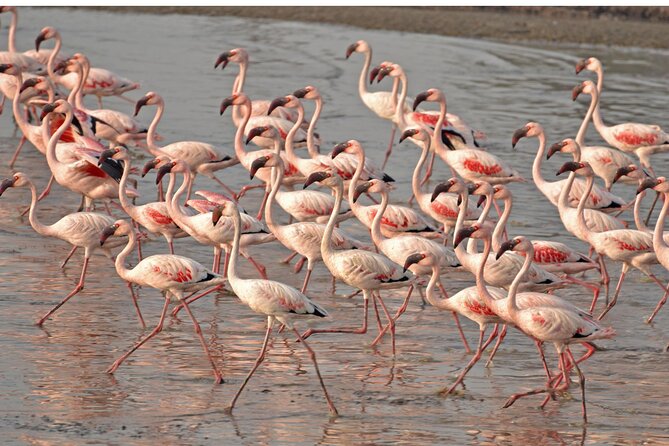
- Small group (up to 10, with eight travelers aimed for) means you can actually spot birds instead of getting swept along.
- Short water-bus hop from Fondamente Nove to Treporti saves time and gets you into the real lagoon fast.
- Bike rental included removes a big hassle, and e-bikes are available for an extra cost.
- Lio Piccolo is a flamingo hotspot with thousands wintering there, plus other wading birds close by.
- The guide teaches the why: valli da pesca fish-farm shallows, tides, and feeding behavior.
- Binoculars help a lot—one recent group noted they saw more species because they brought a scope.
Leaving Venice behind: Fondamente Nove to Treporti
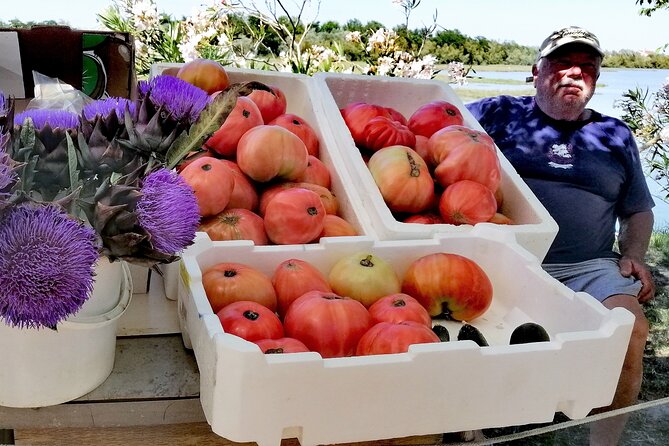
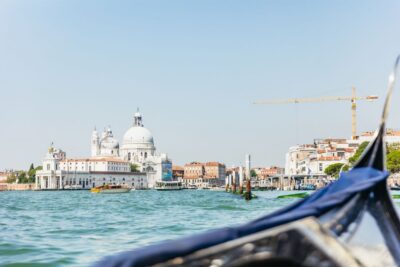
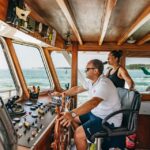
You meet at Fondamente Nove, then head north through the lagoon by water bus. The point here isn’t luxury—it’s speed. In just a short stretch, you move away from the center noise and into the watery edge where the lagoon actually works.
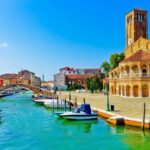
You’ll also get that early “wait, this is Venice?” feeling. Lagoons have an in-between vibe: water that looks calm, but isn’t still; land that looks empty, but is alive with movement. Your guide uses this transition well, setting up what you’re about to see at Treporti, where the bikes are waiting.
Practical note: the tour includes the water-bus ride as part of the route from the meeting area, but a water-bus ticket to Punta Sabbioni is listed as not included. In plain terms, build a little time and budget for public-transport details around your arrival.
You can also read our reviews of more cycling tours in Venice
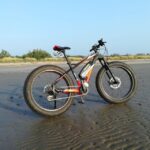
Choosing your bike (tandem, city bike, or e-bike)
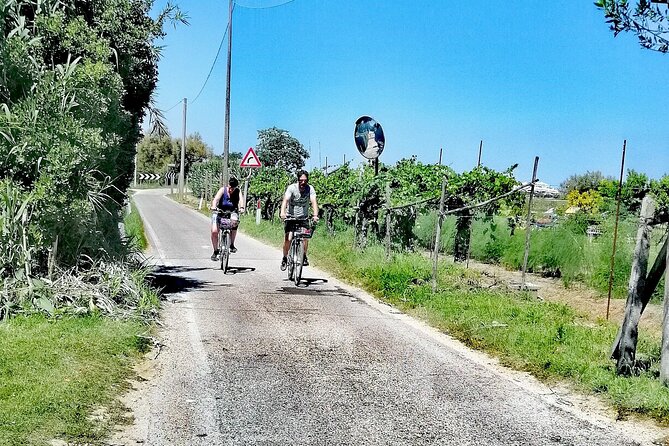
Once you land at Treporti, you start cycling around Lio Piccolo and the surrounding lagoon areas. You choose your bike type on site: a tandem or city bike comes in the package, while e-bikes are an extra rental cost (around €20) and are booked and ready for you.
This choice matters more than it sounds. Lagoon birdwatching rewards patience—stopping, looking, scanning, then moving a bit farther. If you’re prone to fatigue, an e-bike can keep you focused on spotting birds instead of working the pedals. If you’re comfortable on a regular bike, the city bike option keeps things simple and light.
Also, since you’re in a natural setting, your bike handling matters less than your eyesight. Your guide’s job is to help you aim your attention efficiently—where to look, what silhouettes mean, and what the feeding sites usually look like.
Lio Piccolo at flamingo hour: valli da pesca and feeding shallows
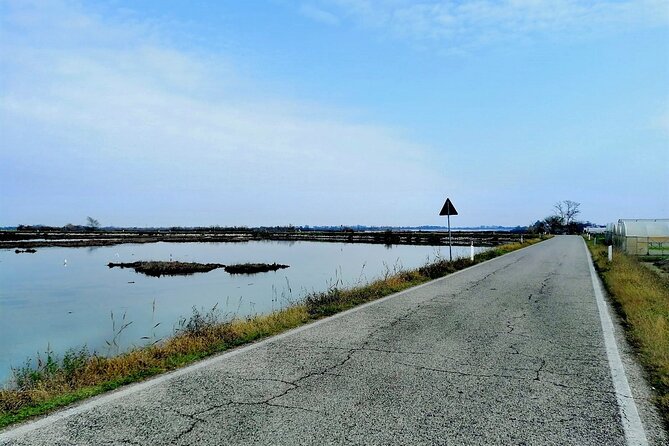
The heart of the tour is Lio Piccolo, and it’s a good place to have your expectations recalibrated. Flamingos aren’t only a far-away travel photo. In this part of the Venetian Lagoon, they’ve been settling for over a decade, with more than 8,000 flamingos wintering in the area. Some stay for the whole year.
Your guide explains why those birds show up here: the lagoon offers shallow, muddy waters in places that function like fish farms, called valli da pesca. The shallow water and mud are not random. Flamingos filter-feed, and those conditions make feeding possible in ways deeper water can’t.
What to expect during your time here: you’ll likely see confident, close-to-the-water birds moving through shallows. Even when you don’t get a perfect view of every bird, the key is that the area gives you repeated chances—look once, reposition, and you often see something new.
If you want to maximize your odds, bring binoculars. A recent group specifically called out that having a spotting scope helped them identify many species, even in what they described as not the best season.
More than flamingos: ducks, herons, waders, and 300 species
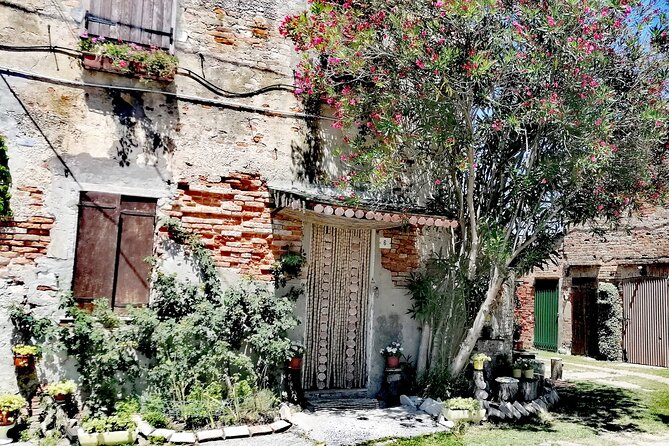
The lagoon is a moving system. Birds use it because it’s productive—tides, marsh edges, and sea influence create different feeding zones. This tour’s second Lio Piccolo stop is built for exactly that.
You’re told to expect a lot beyond flamingos, because the lagoon supports around 300 bird species. Ducks may include types like mallards, teals, pintails, wigeons, and shovelers. You can also see herons, seagulls, and a wide mix of waders and shorebirds—the birds that work the edges of mudflats and shallow water.
And there’s a time-and-history angle, too. The tour info points out that flamingos once migrated routes like Tunisia to France and then to Sardinia, but now thousands are described as staying more consistently in the lagoon and nearby areas. The result is less guesswork for you as a visitor: the birds are often there in predictable patterns.
One extra bonus: the recent bird list from a German-speaking group reads like a checklist of the lagoon’s variety—stilt-type waders, sandpipers, curlew-like birds, plus ibis, herons, flights of tern/river-tern types, and even cormorants arriving from places like Poland, Sweden, or Denmark. You’re not guaranteed every species every day, but the tour is designed to push you through the right habitats so your chances are high.
Cycling through Via delle Mesole and Al Notturno
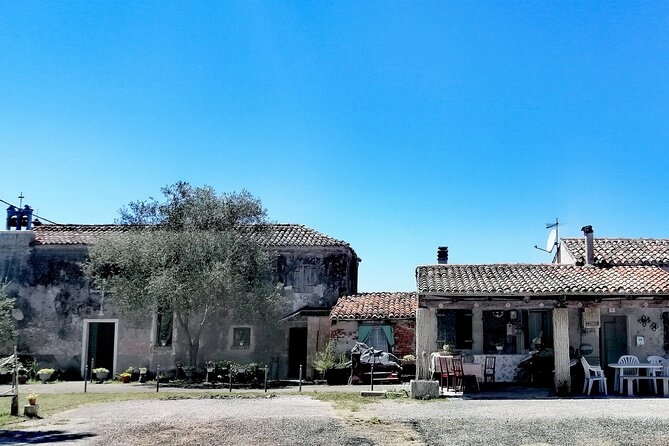
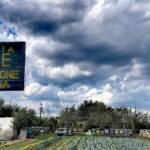
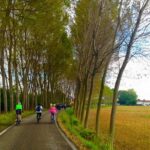
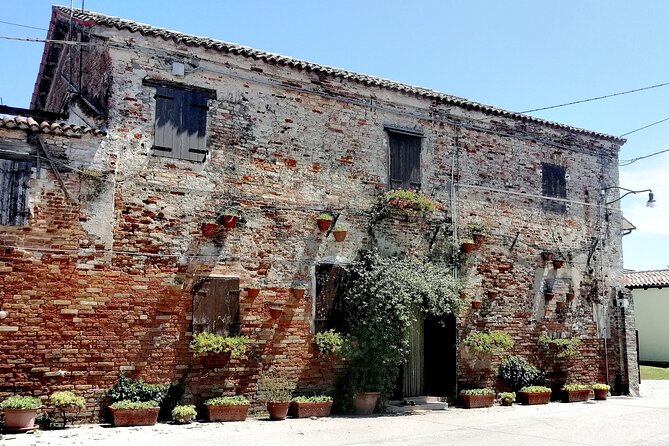
After the main bird areas, the ride turns into the “why the lagoon looks the way it does” portion. At Via delle Mesole, you cycle past changing settings around the Adriatic and lagoon water. The route is described with sand dunes, vegetable patches, canals, sandbanks, mudflats, and fishing valleys—plus the sense that the skyline of Venice still feels close in the distance.
This section is useful even if you’re mostly here for birds. Why? Because birdwatching isn’t just spotting; it’s understanding where birds can exist. When you see dunes, marsh edges, and the logic of water channels, you start to recognize why certain species show up where they do.
Then you reach Al Notturno, which is guided in a more interpretive way. The tour frames it through three elements that coexist in this territory: land, fresh water, and salt water. That mix shapes what grows, how shallow waters behave, and where birds choose to feed and rest.
If you like tours that teach you how to look—rather than only where to look—this stop is a payoff.
Timing, duration, and what the tour feels like in real life
The tour is about 5 hours total, with multiple short stops rather than one long slog. That structure is smart for lagoon birdwatching. Birds don’t show up on command, and your guide doesn’t try to force it. Instead, you move through habitats, and time is used for scanning and repositioning.
The group size supports the format. With small numbers, you’re more likely to hear bird calls and see birds without constant obstruction. It’s easier for the guide to keep an eye on everyone’s pace and make sure people aren’t stuck staring at the wrong spot.
You should also plan for the fact that this is a nature outing, not a museum with steady indoor lighting. Weather matters, and the cancellation policy notes the experience requires good weather. In practice, that means you’ll want a flexible mindset and bring a layer even in mild seasons.
Price and value: what you’re paying for
At $203.07 per person for roughly five hours, the price can look steep until you break it down. This tour includes bike rental plus a tour leader and nature/interpretive guide. For birdwatching, that guide component is the real value: it’s what turns random sightings into meaningful ones.
Your main add-on is transportation to the water-bus point mentioned in the info. The listing specifies that a water-bus ticket to Punta Sabbioni is not included, with daily passes available if you ask, at €9.50 per person.
Then there’s the bike option. If you choose an e-bike, you’re paying extra (around €20). If you choose a city bike or tandem, you’re covered.
The provider in Venice is listed as deTourist Venice (Valerio Coppo), so you’re not dealing with some anonymous operator. You’re getting a local team that focuses on the lagoon, not just a generic tour route.
Bottom line: if you’re staying in Venice for a few days and want one outing that feels like you actually escaped the city, this is a strong value. You’re paying for expert help finding birds in the right places, plus the effort saved by getting north by boat first.
Who should book this (and who might not)
This tour suits you if you:
- want a serious birdwatching angle without needing to plan all the logistics yourself
- like small-group tours where you can stop and look without feeling rushed
- enjoy “learning while you walk” style guiding, especially around ecology and tidal habitats
It might be less ideal if you:
- want a purely casual sightseeing ride with no scanning time
- get motion-sensitive on water-bus transfers
- have a strong preference for indoor comfort all day
It’s a great match for photographers, bird lovers, and anyone who’s tired of Venice being only buildings and canals. Here, Venice becomes the waterfront that leads you into a working ecosystem.
Tips to make your birdwatching better
Bring binoculars if you have them. One recent group specifically highlighted how their Fernglas helped them identify many species.
Wear shoes that handle damp ground and uneven paths. You’re cycling and stopping in wetland environments, so even when the ride is manageable, the terrain can be slick.
Finally, keep your expectations flexible. The tour covers flamingos and a broad mix of lagoon birds, but animal sightings vary by day and conditions. The best attitude is to enjoy the guide’s method for finding birds fast—and let the lagoon surprise you.
Should you book this Venice lagoon bike tour?
I’d book it if you want one outing that feels genuinely different from typical Venice time. The combo of small group, a true nature guide, and a ride built around habitats makes it more than a bike rental with a vague promise.
Skip it only if your priority is city-style sightseeing. This is an outdoor, birdwatching-focused route, and the best parts come from paying attention—especially at Lio Piccolo.
FAQ
What is the duration of the Lio Piccolo flamingos and birdwatching bike tour?
The tour lasts about 5 hours.
Where does the tour start?
You meet at Fondamente Nove in Venice.
Is bike rental included in the price?
Yes. Bike rental is included, and you can choose a city bike or tandem. E-bikes are available for an extra cost.
How much does an e-bike cost?
An e-bike costs around €20 (extra rental expense).
Are the flamingos guaranteed?
The tour is designed around the lagoon habitats where flamingos and many other birds live, but sightings depend on conditions. The area has thousands of flamingos wintering there.
Do I need a water-bus ticket?
A water-bus ticket to Punta Sabbioni is not included. A daily pass option is listed as €9.50 per person if you ask.
What happens if the weather is bad?
The experience requires good weather. If it’s canceled due to poor weather, you’ll be offered a different date or a full refund.