REVIEW · VENICE
Murano: Glass Lampwork Workshop and Walking Tour
Book on GetYourGuide →Operated by deTourist Valerio Coppo · Bookable on GetYourGuide
Murano glass is personal here. This 2-hour visit mixes a glass factory showroom and live artisan demonstration with a relaxed walking loop around the island’s most meaningful sights, including churches with 12th-century Byzantine-style mosaics. I like that you’re not just watching behind glass—you get a real feel for how lampworking works, and you’ll learn how tradition connects to modern design. One thing to plan for: the hands-on bead making isn’t automatically included in the base ticket, so your final cost may rise if you want to make and take home your own Venetian bead.
I also like the tone of the experience. The tour is led by deTourist Valerio Coppo, and the way he explains the process is patient and easy to follow, even if you’re visiting with teens or people who usually get bored on tours. You’ll be walking with a guide, not rushing from stop to stop.
The main practical consideration is simple: this isn’t built for wheelchairs or limited mobility. Also, since the core tour is short, you’ll need to pace yourself and decide up front whether you want the optional bead session that’s offered on-site.
In This Review
- Key highlights I’d circle first
- How the tour flows: Murano Faro to a working factory, then back on foot
- Inside Murano’s glass world: what a factory visit since 1295 actually means
- The lampworking demonstration: where you learn the craft language fast
- Making your own Venetian bead: optional, but the best souvenir option
- Murano on foot: churches, Byzantine-style mosaics, and quieter stops
- Price and value: is $81 a smart buy, or just a pricey factory stop?
- Who this tour suits best (and who should consider other options)
- Should you book this Murano glass workshop and walking tour?
- FAQ
- Where is the meeting point?
- How long is the tour?
- What’s included in the price?
- Is the Venetian bead workshop included?
- What languages is the tour offered in?
- Is it wheelchair accessible?
Key highlights I’d circle first
- Factory visit tied to lampworking tradition, active since 1295
- Artisan glass demonstration that shows the craft in action
- Optional Venetian bead workshop (extra €30) to make a souvenir
- A walking tour that goes beyond the first photo spots
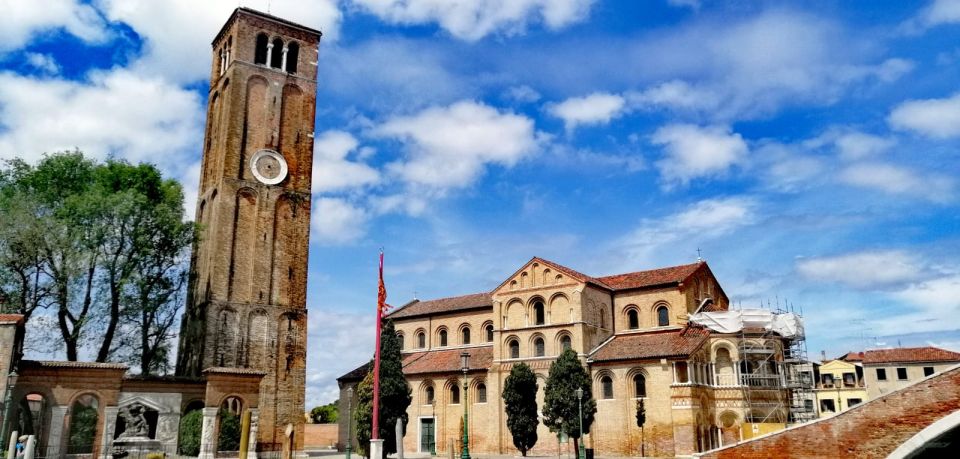
- Church mosaics including Byzantine-style 12th-century works
- Small groups or private tours, in Italian, English, German, or Spanish
How the tour flows: Murano Faro to a working factory, then back on foot
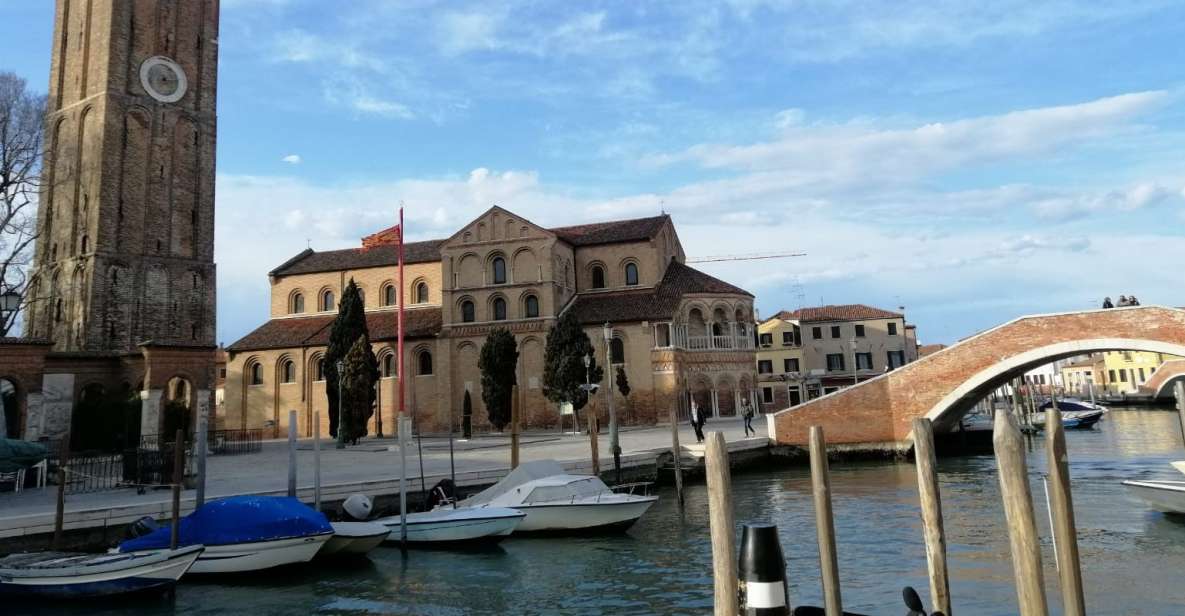
The tour starts at Murano Faro, near the lighthouse. It’s a good meeting point because it helps you get oriented fast on the island, and you’re already in the right place to connect with both the glassmaking side and the sightseeing side.
From there, the experience is paced for a short visit: you’ll head into the glassmaking world first. Expect a showroom-style factory visit plus an artisan glass demonstration. This order matters. Seeing how materials and tools work makes the later sightseeing feel more alive. Instead of Murano being just a scenic stop, it becomes a place where you understand why the buildings and churches look the way they do—and why people have cared about glass for centuries.
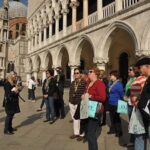
Then comes the walking portion. You’ll finish with a guided stroll around Murano, including less-frequented church areas. The route is designed to keep you moving but not sprinting. Since the total duration is 2 hours, you’ll want to show up ready to walk and to absorb what you’re seeing without expecting lots of free time to wander off alone.
You can also read our reviews of more walking tours in Venice


Inside Murano’s glass world: what a factory visit since 1295 actually means
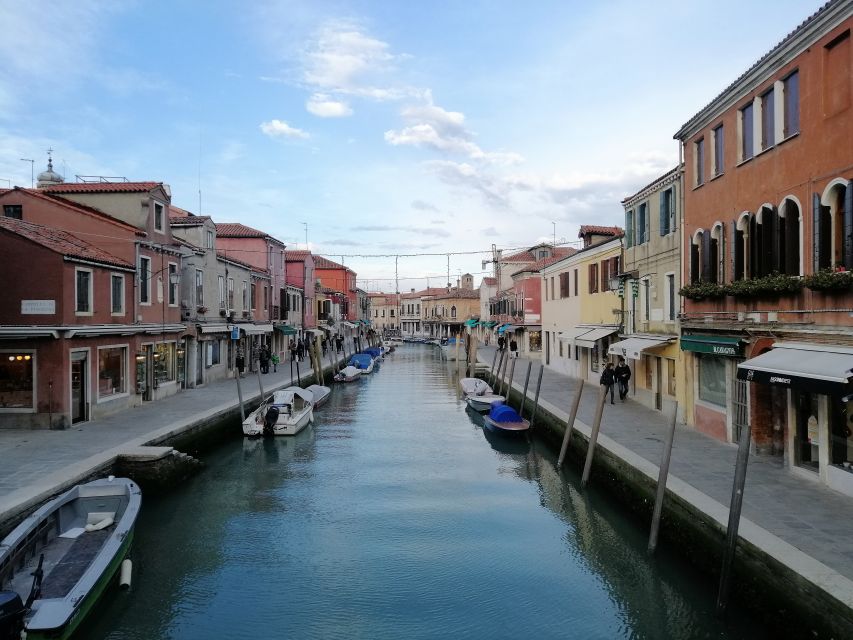
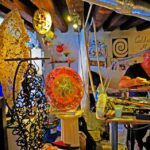
Murano’s reputation is real, but it can also turn into a blur of shopfronts and souvenir displays. What I like here is that the tour is built around a factory visit—and specifically one that has been active since 1295.
That date is not trivia for trivia’s sake. It signals that you’re stepping into a place where glassmaking isn’t a themed attraction. You’re seeing how a craft can be passed down as a working practice, while still adapting to contemporary tastes. During your visit, you’ll get a showroom visit and then watch the demonstration, which helps you connect the dots between what you see in the room and how the process happens at the workbench.
A practical note: factories have their own rhythms. The goal isn’t to let you roam freely for an hour. You’ll follow a guided flow that’s meant to show the key parts clearly: the tools, the materials, and the technique. This is great if you want real context in a compact time window.
Also, you’ll hear enough explanation to understand why lampworking matters. Lampworking is one of the older techniques that still feels central to Murano’s identity. It’s not just about making something pretty—it’s about controlling heat, movement, and timing to shape glass.
The lampworking demonstration: where you learn the craft language fast
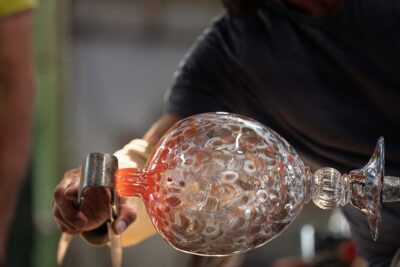
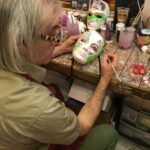
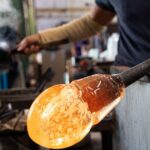
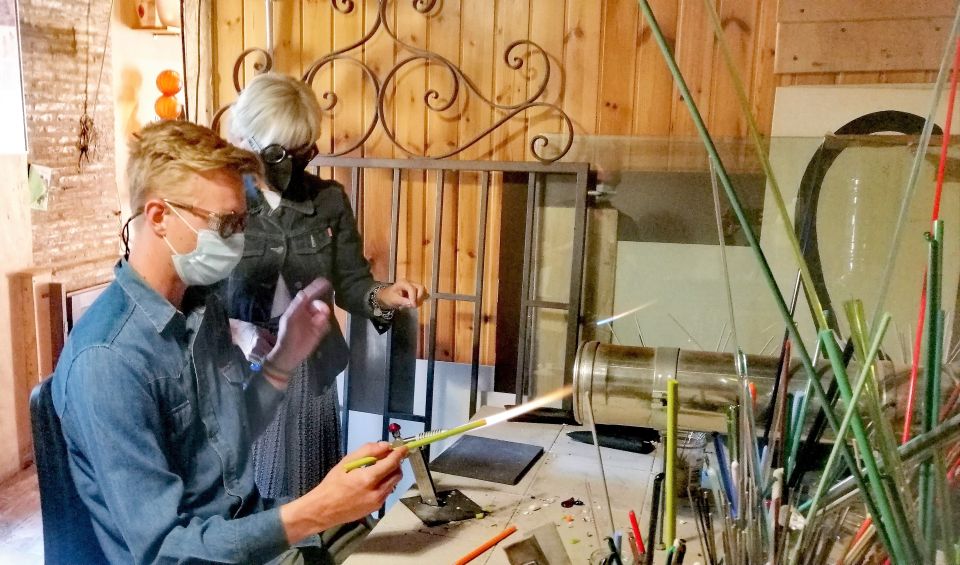
After the initial orientation, you’ll watch a glass artisan demonstration. This is where the tour earns its place in your itinerary, because seeing the process visually changes how you think about glass.
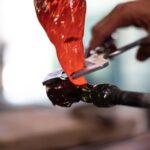
In a well-run demo, the guide doesn’t just point at the finished product. You’ll learn how the tools and the working steps fit together—how artisans shape molten glass using lampworking equipment, and how the craft is still connected to older methods while being shaped by modern creativity. The tour also emphasizes safety: tools and an oven are used along with safety and protection equipment.
Why this matters for you: if you’ve never seen lampworking before, a demonstration gives you a basic framework you can carry into the rest of your day. Suddenly, Murano glass isn’t only a store item. It’s a process with decisions—heat control, shaping, and finishing.
And if you like creative activities, this section is also a confidence-builder. Even if you’re not planning to make anything, you’ll understand what you’re looking at when you see beads and ornaments later.
Making your own Venetian bead: optional, but the best souvenir option
Here’s the split that you should plan around. The base experience includes a showroom visit and an artisan demonstration, but the hands-on bead workshop is optional.
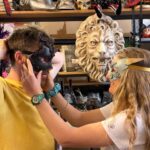
If you choose to do it, you’ll take part in making a Venetian bead with lampworking tools and an oven. The cost for this add-on is €30 per person, paid on-site. The most important takeaway: you’ll be able to take your created beads home as a souvenir.
The tour says lampworking is tied to a 17th-century artistic practice, and that’s exactly what the workshop experience feels like—part craft lesson, part tradition carried forward. You’re participating in a practice that island artisans have kept alive through generations.
Is it worth adding? In most cases, yes, if you want a Murano item with a story that’s about more than money. A factory-made bead is beautiful. A bead you made yourself carries a memory attached to technique—especially after you’ve watched the demonstration first.
Time reality check: since the whole tour lasts 2 hours, the bead workshop can slightly shift your pace. If you like to linger and take photos, you may want to decide ahead of time whether you’re doing the workshop, so the rest of the walk doesn’t feel rushed.
Murano on foot: churches, Byzantine-style mosaics, and quieter stops
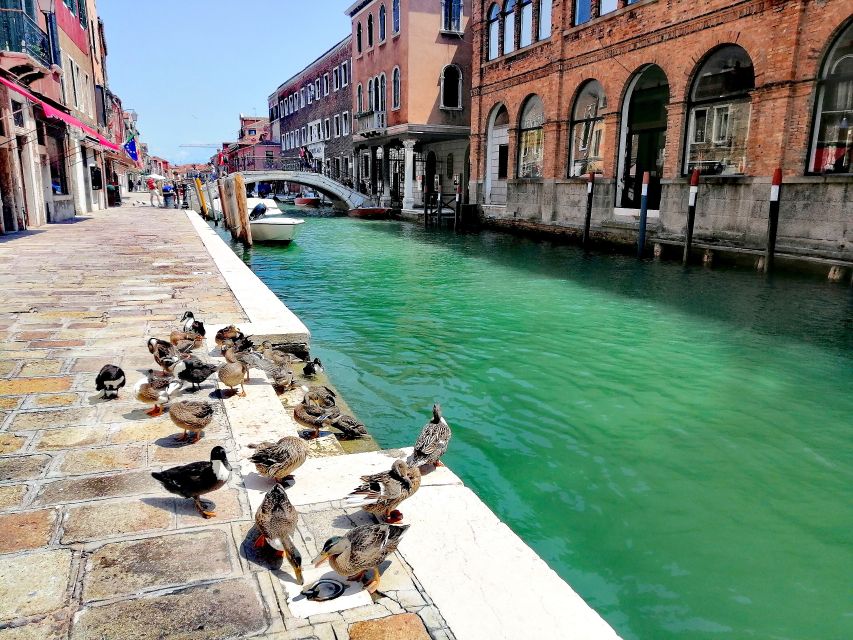
After the glass portion, you’ll get a guided sightseeing walk around Murano. This is where the tour becomes more than crafts. Murano is a small island, and it’s easy to stay on the main lanes where the photos are the same every time.
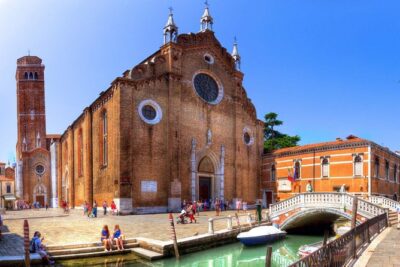
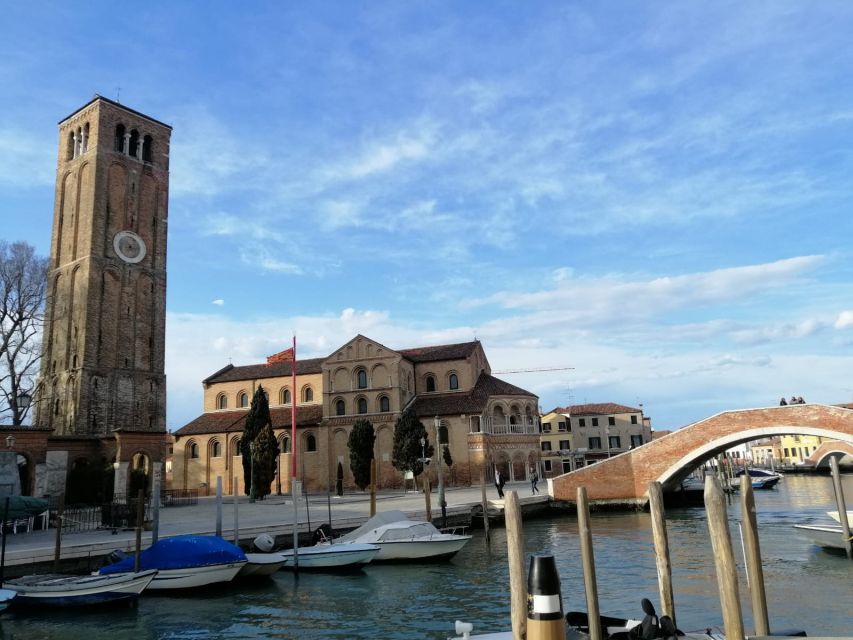
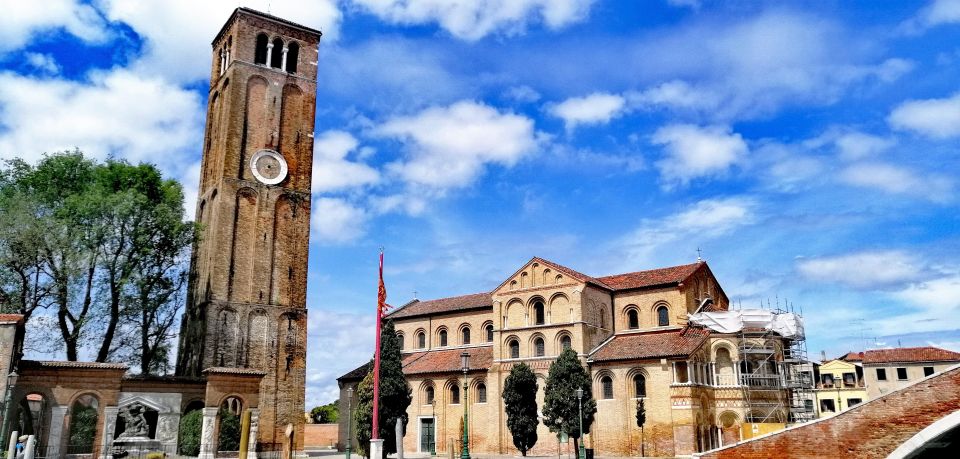
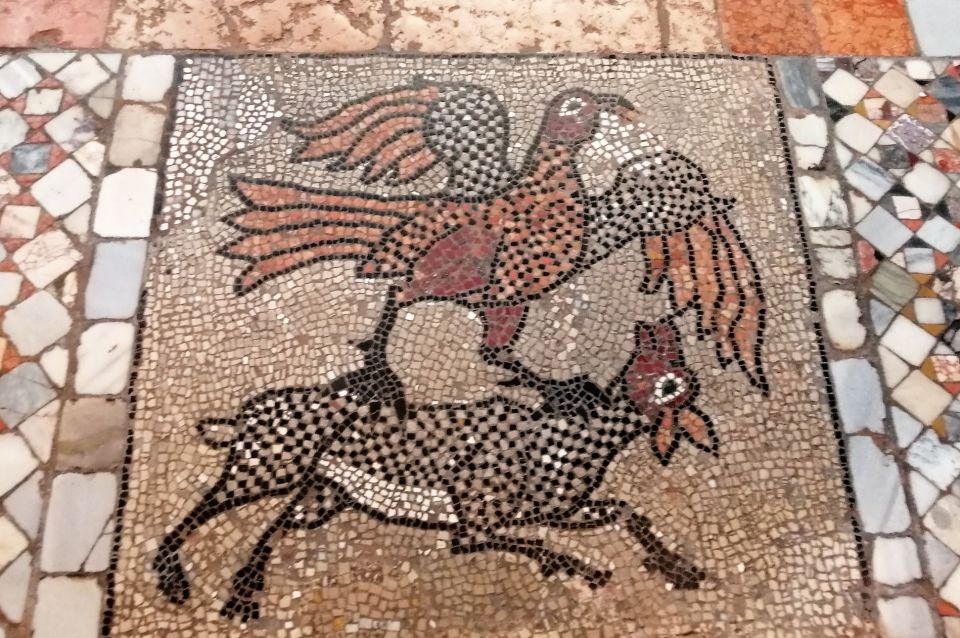
This tour aims to go off-the-beaten-track. That means you’re more likely to see areas and viewpoints that feel less like a theme park and more like lived-in island life. The walk also includes churches with Byzantine-style 12th-century mosaics—a highlight if you enjoy art beyond glass.
Those mosaics matter because they connect Murano’s identity to broader Venetian-lagoon culture. Glass is the headline, but the churches add the spiritual and artistic context that helps you understand why communities invested in high-detail decorative art in the first place.
What to expect during the walk:
- You’ll follow a guide through key Murano sights rather than collecting them randomly.
- You’ll get interpretive context so the mosaics and church details don’t just become background decoration.
- You’ll cover enough ground to feel like you saw the island, without needing a full day.
Since the tour is short, keep your expectations realistic. You’re not trying to do every church on Murano. You’re getting the most meaningful points guided in a tidy sequence.
You can also read our reviews of more tours and experiences in Venice

Price and value: is $81 a smart buy, or just a pricey factory stop?
At $81 per person for a 2-hour experience, the value comes from what’s included and how much you’ll get done in one tight window.
What you get in the base price:
- A tour leader/interpretive guide
- A walking tour
- A glass factory showroom visit
- A glass artisan demonstration
That’s a pretty solid bundle for Murano, because you’re combining two parts people usually do separately: factory access and island sightseeing. If you’ve ever tried to stitch those together on your own, you know it’s not always smooth—scheduling and finding the right workshop setting can take time.
Then there’s the optional upgrade:
- Venetian bead workshop: €30/person, paid on-site
So your real cost depends on what kind of souvenir you want. If you care mostly about watching and learning, the base tour is strong. If you want a hands-on creation, you should budget for the workshop add-on.
One more value point: group size. The tour offers private or small groups available. Smaller groups usually mean fewer people to crowd the demo and more room for questions during the explanation.
Also, the experience includes live guiding in Italian, English, German, and Spanish, which makes it easier to get real meaning from what you see. With glasswork, the details matter.
If you like flexibility, the offer includes free cancellation up to 24 hours in advance and a reserve now, pay later option. Those details won’t replace good planning, but they can help if your day in Venice might shift.
Who this tour suits best (and who should consider other options)
This experience is best for you if:
- You want a short, structured Murano visit that blends craft and sightseeing
- You like hands-on creativity, and you’re considering the optional bead workshop
- You want clear guidance around the island’s church art, not just photos
- You enjoy tours led by a guide who can keep the story flowing for different ages
It may be a mismatch if:
- You need wheelchair access or have mobility limitations, because the tour is not suitable for people with mobility impairments and isn’t designed for wheelchair users
- You’d rather spend the entire day browsing glass shops at leisure—this is built to be efficient, not open-ended
- You don’t want any extra on-site costs. The hands-on bead making is optional, and that’s where the extra €30 is tied in
A practical tip for your planning: if you’re using Murano as a break from busy Venice, give yourself a bit of breathing space before and after the 2-hour tour. People who treat it like a quick stop sometimes feel rushed. Treat it like a mini reset on the lagoon and you’ll enjoy it more.
Should you book this Murano glass workshop and walking tour?
Yes—if you want the Murano experience to feel real and connected. The mix of factory access, a live demonstration, and a guided walking route hits a sweet spot: you get the craft side without turning Murano into a shop hunt.
Book it especially if you’re the type who likes to understand what you’re looking at. Watching lampworking makes the final products mean something. And if you add the €30 bead workshop, you’ll leave with a souvenir that represents more than a purchase.
One “wait, think first” moment: decide whether you want the optional workshop before you show up. If you’re on a tight budget or short on time, you can still enjoy the base tour. If you want the hands-on memory, plan for the extra €30 and treat that time as part of the main event.
FAQ
Where is the meeting point?
Meet your guide at Murano Faro, near the lighthouse.
How long is the tour?
The duration is 2 hours.
What’s included in the price?
The included items are the tour leader/interpretive guide, walking tour, glass factory showroom visit, and a glass artisan demonstration.
Is the Venetian bead workshop included?
No. The Venetian beads workshop is optional and costs €30 per person, paid on-site.
What languages is the tour offered in?
The live guide is available in Italian, English, German, and Spanish.
Is it wheelchair accessible?
No. The tour is not suitable for wheelchair users or people with mobility impairments.
If you want, tell me your travel month and whether you plan to do the optional bead workshop—I can help you time it so the glass part and the church mosaics both feel unrushed.