REVIEW · VENICE
Prisons’ Palace: Maleficia, Inquistion torture tools
Book on GetYourGuide →Operated by CITY TOURS CO LTD · Bookable on GetYourGuide
The topic is dark, but the setting is real. In Venice’s Prisons’ Palace, Maleficia uses documents and torture-instrument displays to show how the Holy Office tried to stamp out witchcraft.
I especially like the way it sticks to a tight theme—what was used, what was condemned, and what people were accused of. I also like that the visit is short and organized for a one-hour stop, so you get meaning without losing your whole day.
One heads-up: it’s not a gentle museum. The exhibition includes objects presented as torture tools (for example a garrote and a whipping post), so you’ll want to be emotionally ready for difficult subject matter.
In This Review
- Key things that make Maleficia worth your time
- A Short, Focused Stop Inside Venice’s Prisons’ Palace
- Finding the Right Entrance Near Doge’s Palace
- What You’ll See in the Maleficia Exhibition
- Torture Instruments, but With a Justice Lens
- Casanova, Accusations, and the Surprise Names
- How the Audio Guide Helps You Stay Oriented
- Included Ticket Value for an 11-Dollar, One-Hour Mission
- Who Should Book Maleficia (and Who Might Skip It)
- Opening Hours and Timing Your Visit
- Quick reality check: the building + the topic combo
- FAQ
- How long is the Maleficia visit at Prisons’ Palace?
- Where is the Prisons’ Palace meeting point?
- What’s included with the ticket?
- Is the audio guide available in English?
- Can I skip the ticket line?
- What are the opening hours?
- How much does it cost?
- Is the activity suitable for people with mobility impairments?
- Is free cancellation available?
- Should You Book Maleficia at Prisons’ Palace?
Key things that make Maleficia worth your time
- Prisons’ Palace location: you’re in the historic court-prison complex by San Marco, right beside Doge’s Palace.
- Audio guide included: English, French, Italian, and Spanish keep you oriented for the full hour.
- Artifacts tied to the Holy Office: ancient-style documents and objects connect accusations to the tribunal.
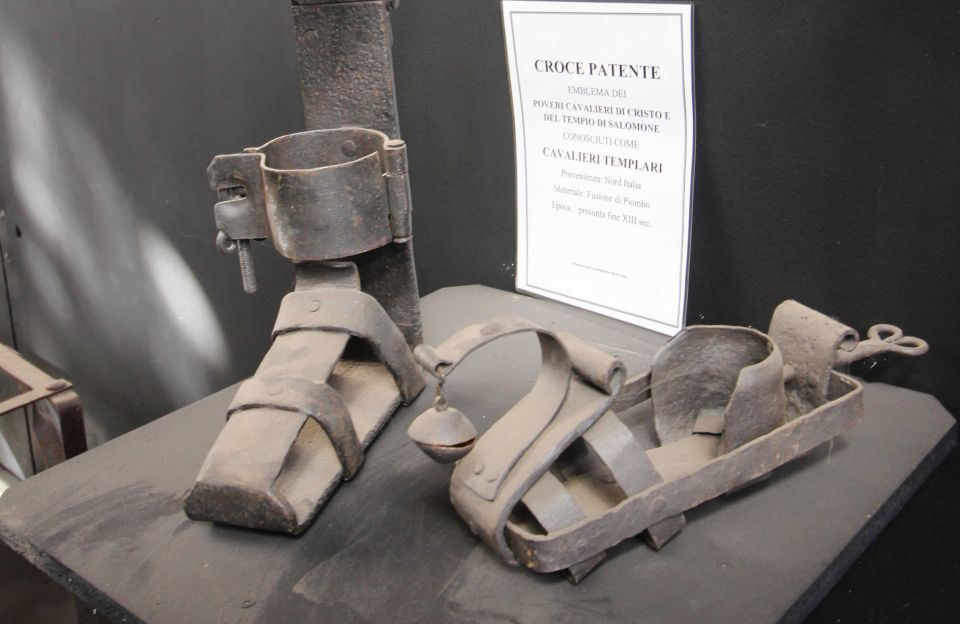
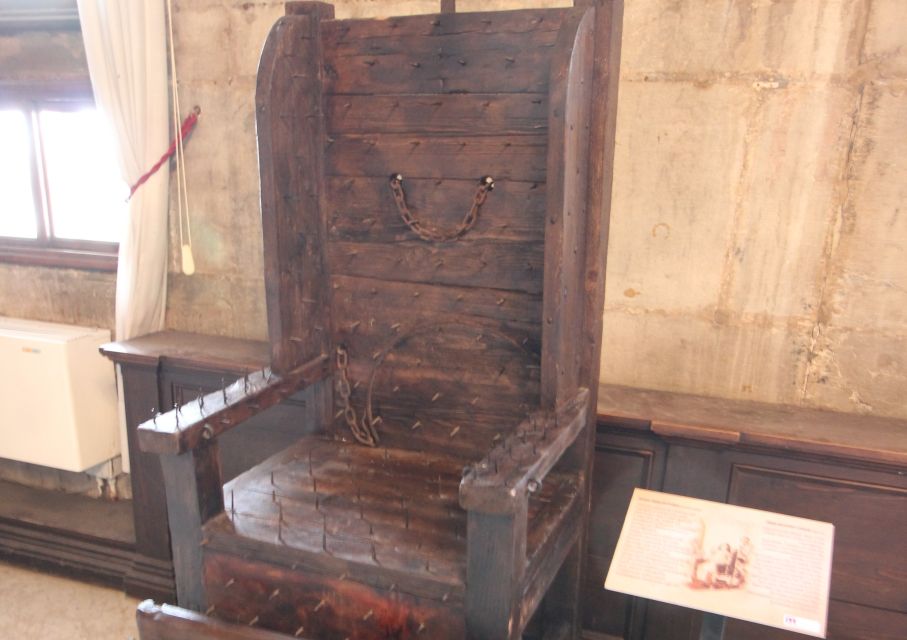
- Specific torture-instrument displays: you’ll see items shown as garrote, a head-crusher type device, and a whipping post.
- A women’s cell theme: the exhibition includes a cell for women accused of witchcraft.
- Names you recognize: it even references Giacomo Casanova being accused of magic or occult practices.
A Short, Focused Stop Inside Venice’s Prisons’ Palace
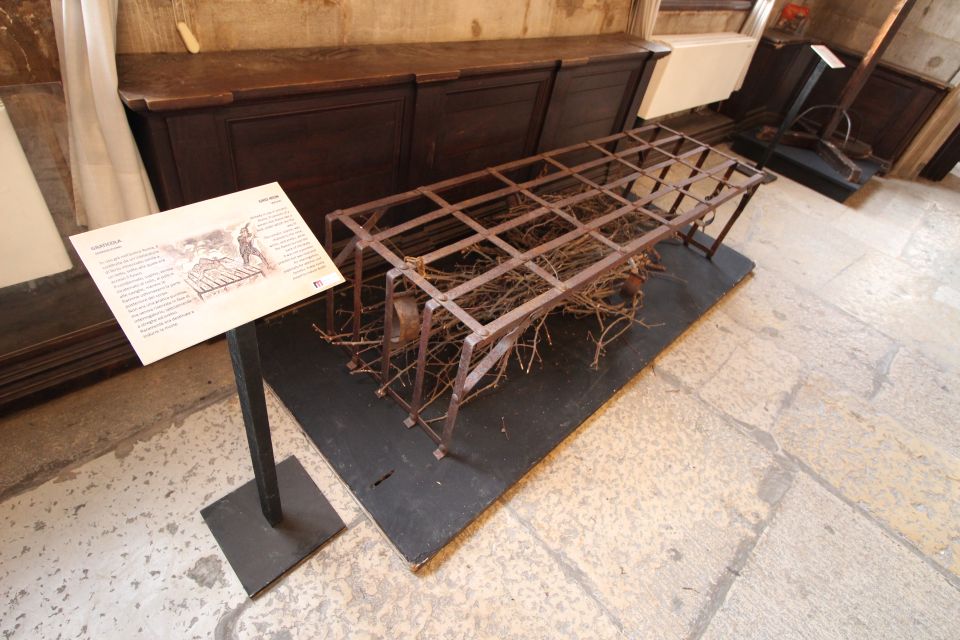
Maleficia is one of those Venice experiences where the building does half the work for you. You’re visiting the Prisons’ Palace, close to San Marco Square, in the same area that draws visitors for art and power. Here, though, the atmosphere is redirected toward justice, fear, and punishment.
The visit runs about 1 hour, which matters more than it sounds. You can do it between other sights without turning your day into a slow drag. Also, a tight duration helps keep the exhibition’s message clear: this isn’t a long wander through everything about the Inquisition. It’s a guided, thematic presentation of witchcraft persecution and the tools used or described in that system.
The biggest win, in my view, is how the exhibition uses multiple forms of material—documents, reproductions, and exhibit objects—so you’re not just seeing props. The displays are meant to explain a chain: accusations → tribunal handling → punishment instruments. That structure makes it easier to follow, even if you don’t know the background going in.
The trade-off is emotional. If you’re sensitive to depictions of violence or historical torture, you might not love this kind of “museum realism.” The exhibition is designed to make you reflect, not to shock for fun. Still, it includes items presented as torture tools, and you should treat that seriously.
You can also read our reviews of more tours and experiences in Venice.


Finding the Right Entrance Near Doge’s Palace
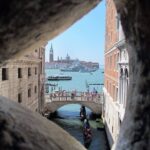
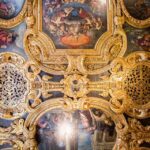
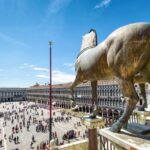
Logistics in this area can trip people up, so I’d start with your bearings. The Prisons’ Palace is close to San Marco Square, beside Doge’s Palace. The key detail: don’t head for the Doge’s Palace entrance. To get to the Prisons’ Palace, cross the bridge on the right side of the entrance of Doge’s Palace.
That one instruction saves time and stress. Venice’s big monuments can funnel you toward the wrong door if you’re navigating fast. When you’re dealing with a one-hour visit, arriving smoothly matters.
Best practical approach: give yourself a small buffer from San Marco. The area is compact but busy. Once you locate the correct bridge and route, the rest is straightforward—this is a ticketed museum-style experience, not a vague street-level stop.
What You’ll See in the Maleficia Exhibition
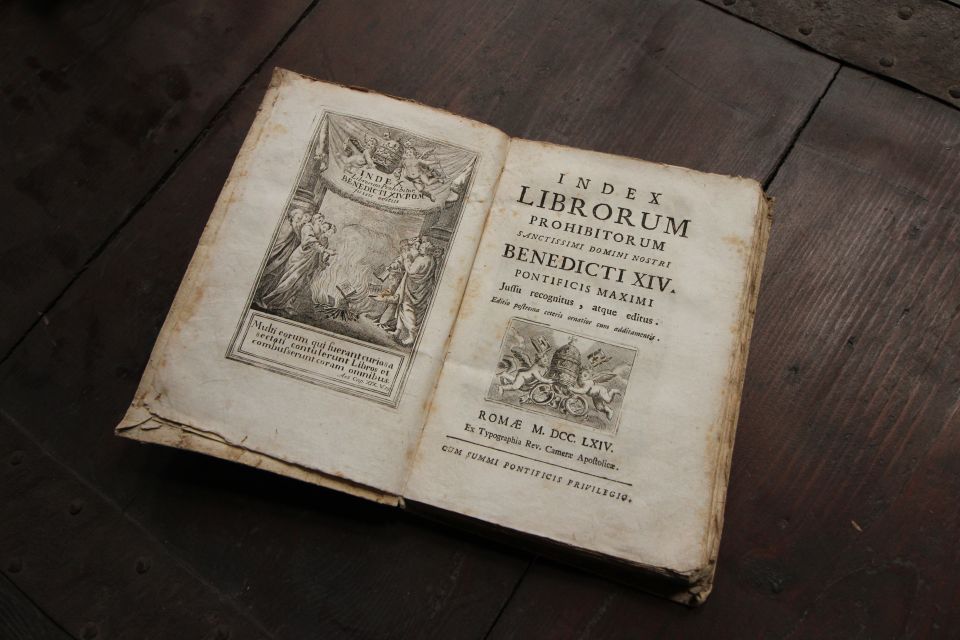
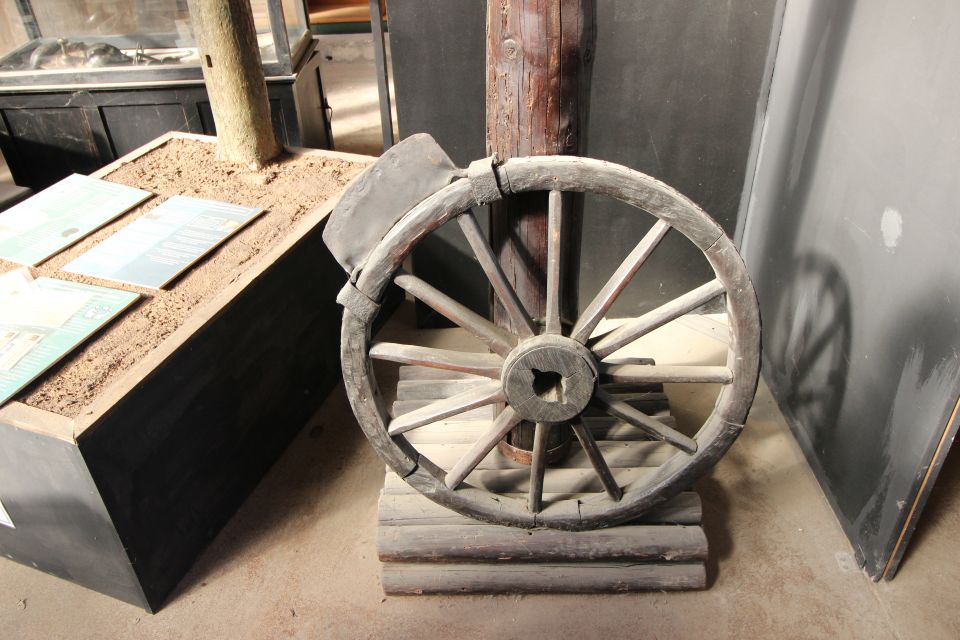
Maleficia is housed in the Prisons’ Palace and focuses on centuries of witchcraft persecution tied to the Holy Office. The exhibition is built around “suggestive testimonies, documents, and objects,” plus reproductions alongside historically themed materials.
Here’s what you can expect to encounter in the exhibition spaces:
First, there are documents used by the Holy Office in persecuting witchcraft. Even when you’re looking at reproductions, the intent is to show the kind of paperwork and official framing behind accusations. The goal isn’t to turn history into a thriller; it’s to show that these actions were treated as formal justice.
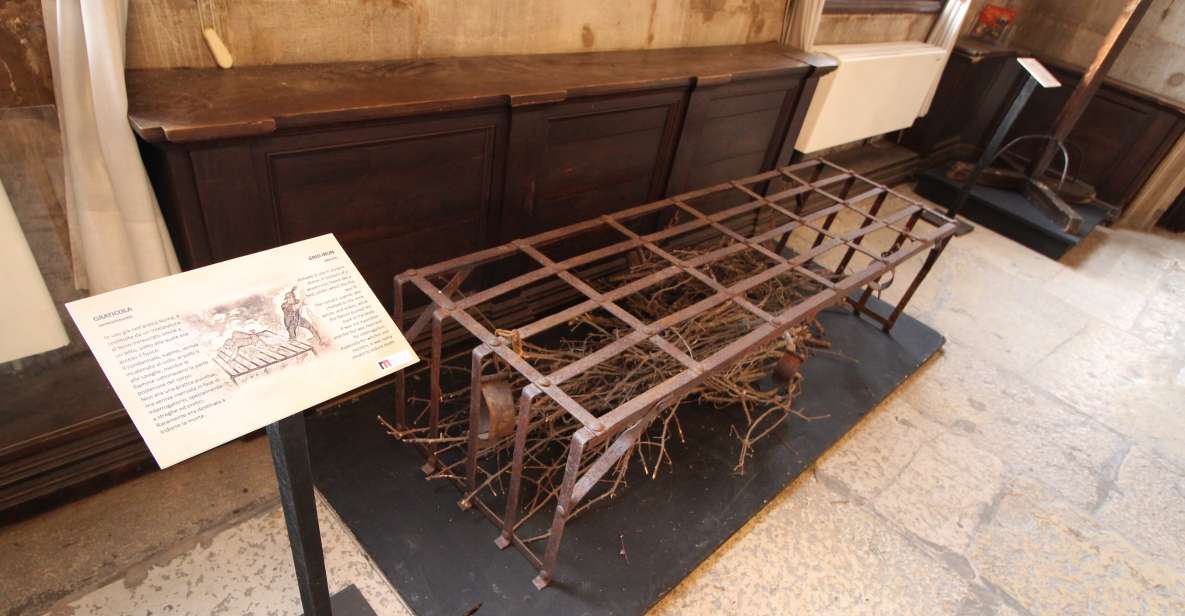
Next, you’ll meet the exhibition’s most memorable set pieces: instruments of justice and torture connected to the tribunal’s methods. The displays include items shown as:
- a garrote
- a head crusher style device
- an authentic whipping post presentation
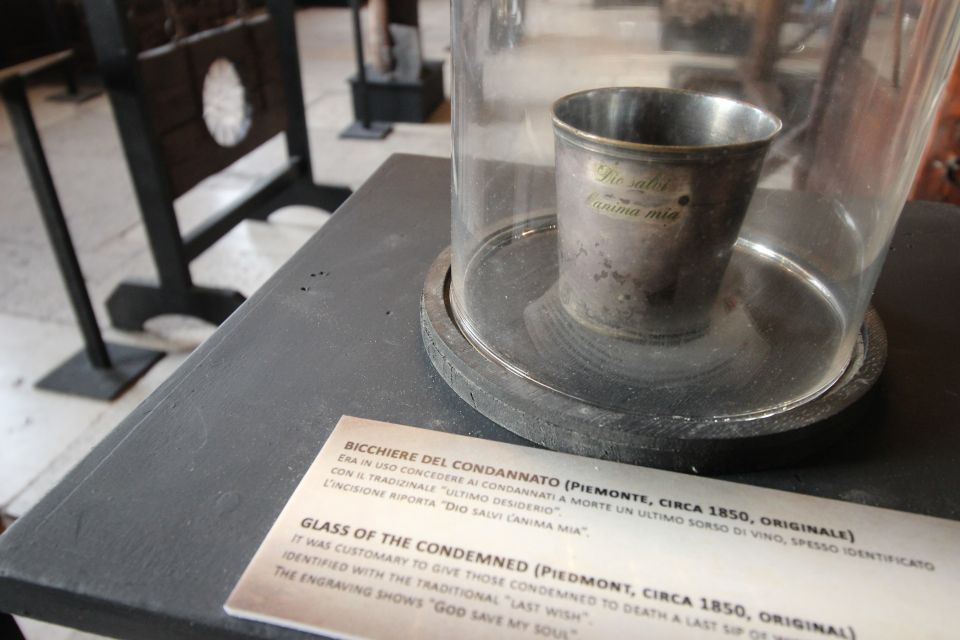
It’s important to read this as the exhibition presenting how the system punished. The presence of these items makes the justice theme feel physical, not abstract. You’re not just hearing about the Inquisition; you’re seeing objects described as what condemned people faced.
Finally, the exhibition includes a thematic human-scale piece: a cell for women accused of witchcraft. That detail is one reason the exhibition hits harder than a generic history display. It shifts the story from “a tribunal” to “people who were confined.”
Torture Instruments, but With a Justice Lens
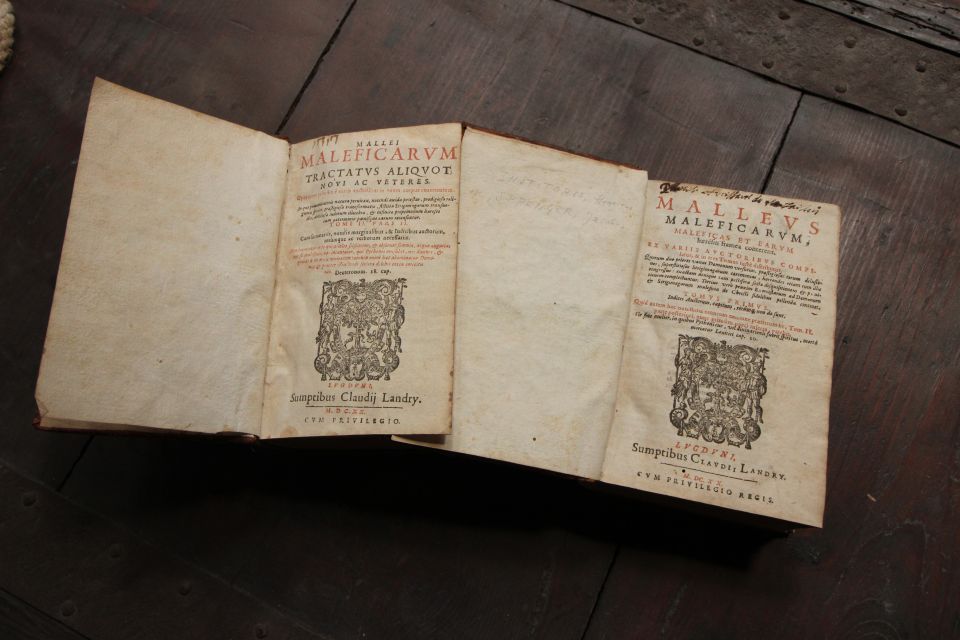
The exhibition’s language centers on instruments of justice used against witchcraft. That’s a key framing choice. You’re meant to see these devices as tools in a system that believed it was correcting wrongdoing.
Why that matters for you: it’s easy to reduce this topic to shock or sensational images. But Maleficia pushes you to consider how institutions justify violence through “order,” “truth,” and “evidence.” The Holy Office is presented as operating with authority, and the artifacts help you understand how power gets translated into procedure and punishment.
When you see displays like the garrote and the head-crusher type device, don’t just treat them as metal or mechanisms. Use the audio guide to keep the focus on what the exhibition is trying to explain: how accusations moved toward condemnation, and how the tribunal’s authority was expressed through physical means.
Also, take a breath and watch your own reaction. A lot of people walk into this kind of exhibit thinking it will be quick “dark history sightseeing.” Maleficia doesn’t exactly let you off the hook that easily. Even if you don’t linger, the objects and documents are set up to make you reflect on suffering and injustice in past eras.
If you’re traveling with kids or friends who avoid heavy topics, it’s worth deciding in advance whether this is the right stop. This one isn’t about mild curiosity.
Casanova, Accusations, and the Surprise Names
One of the exhibition’s most interesting hooks is that it doesn’t keep history limited to anonymous victims. It references Giacomo Casanova, noting that he was accused of dabbling in magic and the occult.
That kind of name-drop can be a double-edged sword. On one hand, it pulls you in because you recognize the name. On the other, it’s a reminder that accusations didn’t always require an obvious stereotype. Maleficia uses that surprise to underline a broader point: witchcraft persecution operated through suspicion and official interpretation, not just folk beliefs.
If you like historical context that connects to real people, this is a good moment in the visit. It turns the tribunal from a distant institution into something that could touch someone famous and connected.
And if you’re the type who likes building a timeline, the exhibition’s period framing—between the 15th and 18th centuries—helps you keep the story anchored. Even with only a one-hour visit, you get the sense that this wasn’t a single incident. It was a repeated system across generations of the Serenissima Republic.


How the Audio Guide Helps You Stay Oriented
Maleficia includes an audio guide commentary with languages listed as English, French, Italian, and Spanish. That’s a big quality-of-life feature here because the exhibition covers multiple types of materials—documents, reproductions, and instrument displays—and you’ll get more out of it if you understand what each section is aiming to show.
For you, the audio guide is the difference between seeing a room of objects and understanding the narrative the exhibition is building. In a museum like this, captions alone can feel thin because the tone is intentionally reflective. The audio helps connect the items into a coherent story: the Holy Office, the witchcraft accusations, and how justice was enacted through specific “instruments.”
Practical tip: as you enter, don’t rush straight to the most intense display. Start with the early sections first, even if your eyes want to jump ahead. The exhibition’s order is designed to build context. If you skip that, you’ll feel like you’re looking at devices without the surrounding framework.
Included Ticket Value for an 11-Dollar, One-Hour Mission
At $11 per person, Maleficia is priced like a focused museum stop rather than a big full-day attraction. The ticket includes:
- entrance ticket to the Maleficia Museum
- audio guide commentary
So you’re paying for access plus guided interpretation, and you’re getting a complete loop in around an hour. In Venice, that kind of time efficiency is a real value. You can do other things the same day without feeling chained to a long itinerary.
Now, the exhibition topic is heavy. That’s not a complaint—it’s simply part of the product. If you’re comfortable with historical punishment as a subject, the value is strong because you’re getting themed structure, included guidance, and a historic setting.
If you’re expecting a light, entertaining show, you might feel underwhelmed. In fact, it’s the kind of attraction where expectations matter a lot. The content is intentionally specific: Holy Office witchcraft persecution, documents, and instruments of justice.
Who Should Book Maleficia (and Who Might Skip It)
Maleficia is a good fit if:
- you like history that’s anchored to real institutions and real locations
- you want a short, structured activity near San Marco
- you’re curious about how authority and punishment operated, not just famous personalities
It might not be the right choice if:
- you’re easily disturbed by depictions or representations of torture tools
- you prefer museums that stay purely educational without dark visual elements
- mobility is an issue, since it’s not recommended for people with limited mobility
The exhibition also isn’t marketed as a kid-friendly stop. Even if the audio guide exists, the content includes a cell for women accused of witchcraft and items presented as instruments of punishment. For many families, that’s enough to decide against it.
Opening Hours and Timing Your Visit
The museum is open 10:00 AM to 5:00 PM. Since the duration is listed as 1 hour, you can plan it like a clean “block” within your day.
A smart strategy is to schedule it when you’re not rushing between long-distance walking segments. This area is walkable, but Venice crowds and your attention span fluctuate. If you’re tired or hungry, the subject matter can feel heavier than it needs to. Plan it for when you can concentrate.
Also remember: the ticket is described as letting you skip the ticket line. That’s helpful here because you’re in a high-demand zone. Use that advantage—don’t arrive late and assume you’ll still get in comfortably.
Quick reality check: the building + the topic combo
This is one of those experiences where the venue matters. Prisons’ Palace already signals authority, confinement, and punishment. Maleficia then adds the “how” with the Holy Office focus and the instrument displays.
If you’re the type who likes thoughtful historical experiences, you’ll likely appreciate how the exhibition nudges you toward reflection. If you want only uplifting art, this may feel like the wrong tone for your day.
FAQ
How long is the Maleficia visit at Prisons’ Palace?
The duration is listed as 1 hour.
Where is the Prisons’ Palace meeting point?
It’s close to San Marco Square beside Doge’s Palace. Don’t use the Doge’s Palace entrance; cross the bridge on the right side of the entrance of Doge’s Palace to reach the Prisons’ Palace.
What’s included with the ticket?
You get an entrance ticket to the Maleficia Museum and an audio guide commentary.
Is the audio guide available in English?
Yes. Audio guide languages listed are English, French, Italian, and Spanish.
Can I skip the ticket line?
Yes, the activity includes skip-the-ticket-line access.
What are the opening hours?
Opening hours are listed as 10:00 AM to 5:00 PM.
How much does it cost?
The price is listed as $11 per person.
Is the activity suitable for people with mobility impairments?
It’s not recommended for people with limited mobility.
Is free cancellation available?
Free cancellation is listed, with cancellation allowed up to 24 hours in advance for a full refund.
Should You Book Maleficia at Prisons’ Palace?
If you want a short, focused Venice stop near San Marco that connects the Holy Office and witchcraft persecution to real historic spaces, Maleficia is a strong pick. The included audio guide, the Prisons’ Palace setting, and the specific displays (including the garrote, head-crusher style device, whipping post, and women’s cell theme) make it more than just a generic “dark history” label.
Skip it if you’d rather avoid torture-related subject matter or if mobility is a concern. Otherwise, book it when you can give the hour your full attention—you’ll get a sharper, more meaningful visit.