REVIEW · VENICE
Venice Walking Tour and Gondola Ride Combo
Book on GetYourGuide →Operated by Venetoinside - Insidecom · Bookable on GetYourGuide
Side canals and history in one smooth loop. This combo tour is a smart way to see Venice from land and water, with a guide-led stroll through the in-between streets, not just the postcard stops. I like that the walk targets the maze between St Mark’s Square and the Rialto area, and I like that the gondola time pushes you into smaller canals off the Grand Canal.
My main heads-up is practical: the route includes narrow lanes and uneven surfaces, so it may not work well if you use a wheelchair or you have mobility limits. If you’re sensitive to timing, also plan for some flexibility—canal traffic can affect exactly how long you spend on board.
In This Review
- Key highlights you’ll actually feel
- What you get in 3 hours: St Mark’s to Rialto, then canals by gondola
- Meeting at Calle larga de l’ Ascension and what to plan for
- St Mark’s Square area: learning Venice without drowning in crowds
- Campo Santa Maria Formosa, Marco Polo, and the theatre stops
- Mercerie lanes: the trade street that explains Venice’s money
- The 30-minute gondola off the Grand Canal: what to expect from the water
- Bonus view: Basilica della Salute and St Mark’s Basin on the way back
- Timing reality: weather suspensions, canal bottlenecks, and group splitting
- Price and value: why $80 can be a smart way to manage gondola costs
- Choosing the right slot: languages, winter rules, and audio clarity
- Who this tour fits best (and who should consider another plan)
- Should you book this Venice walking tour and gondola combo?
- FAQ
- How long is the whole tour?
- Where do we meet for the tour?
- What’s included in the price?
- What languages are available for the live guide?
- Is there narration during the gondola ride?
- Can the gondola ride be canceled?
- Is the tour wheelchair accessible?
- How many people can fit in one gondola?
- What is the cancellation policy?
- Is the tour bilingual at certain times of year?
Key highlights you’ll actually feel
- A guided orientation loop from St Mark’s Square toward Rialto, so Venice stops being a blur
- Hidden street connections between major sights, including the market-area lanes
- Marco Polo and Venetian Republic stories told in context, not as a list
- Mercerie narrow streets where trade goods from far away were sold
- A 30-minute gondola in side canals, with views back toward St Mark’s Basin
- Flexible gondola group limits since each gondola can host up to 5 people
What you get in 3 hours: St Mark’s to Rialto, then canals by gondola
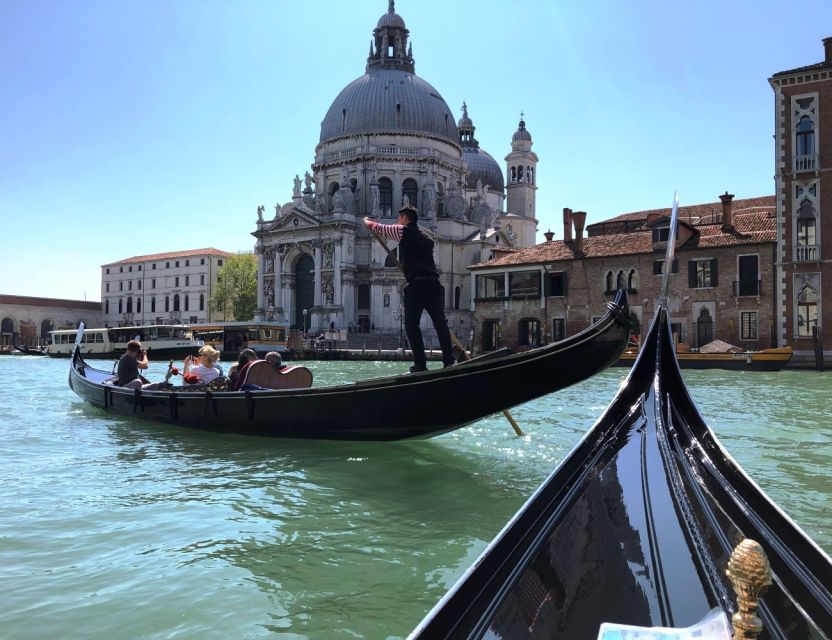
This is built for first-time Venice—or for anyone who wants a fast “best of” without spending the whole day zigzagging on your own. The format is simple: you get a 1.5-hour walking tour that sets the city’s layout in your head, then you switch modes and spend about 30 minutes floating through quieter waterways.
The value part is that you’re not paying separately for a guided introduction and then a gondola. At $80 per person, the deal tends to compare well against booking a gondola on its own, especially if you want a guide to point out what you’d otherwise miss.
You can also read our reviews of more walking tours in Venice
Meeting at Calle larga de l’ Ascension and what to plan for
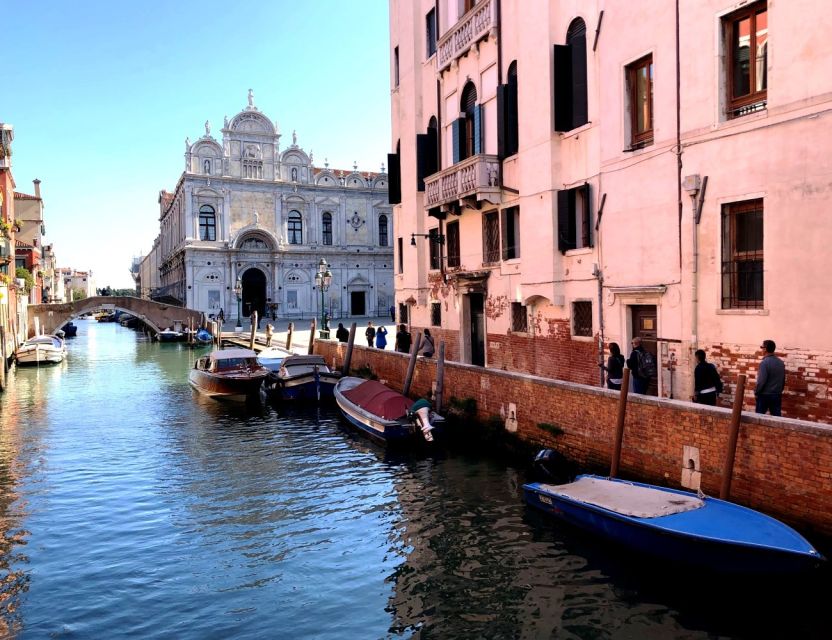
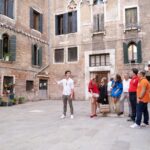
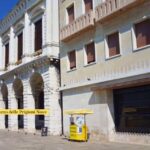
You’ll meet at Calle larga de l’ Ascension, near the post office and behind the Correr museum, where a TURIVE staff member checks your voucher. That meeting spot matters because it’s in the St Mark’s orbit—so you’re already positioned for the kind of walking loop the tour is built around.
Come prepared for Venice walking basics: good shoes, water if it’s warm, and a bit of patience for crowds around St Mark’s. The walking part is short enough to feel manageable, but it’s still Venice—small steps, bridges, and tight lanes.
St Mark’s Square area: learning Venice without drowning in crowds
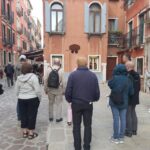
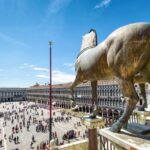
The walk starts at St Mark’s Square, the old heart of the Venetian Republic. From there, the guide takes you past major landmarks in a way that’s meant to help you understand how the city worked, not just photograph it.
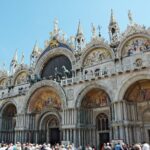
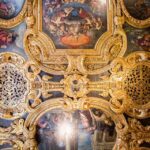
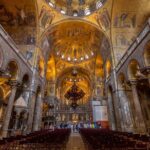
You’ll admire the Byzantine façade of St Mark’s Basilica and see the imposing Doge’s Palace before you move on. Even if you don’t go inside, getting these shapes and locations into your brain early helps later, when you’re wandering independently and wondering how everything connects.
Campo Santa Maria Formosa, Marco Polo, and the theatre stops
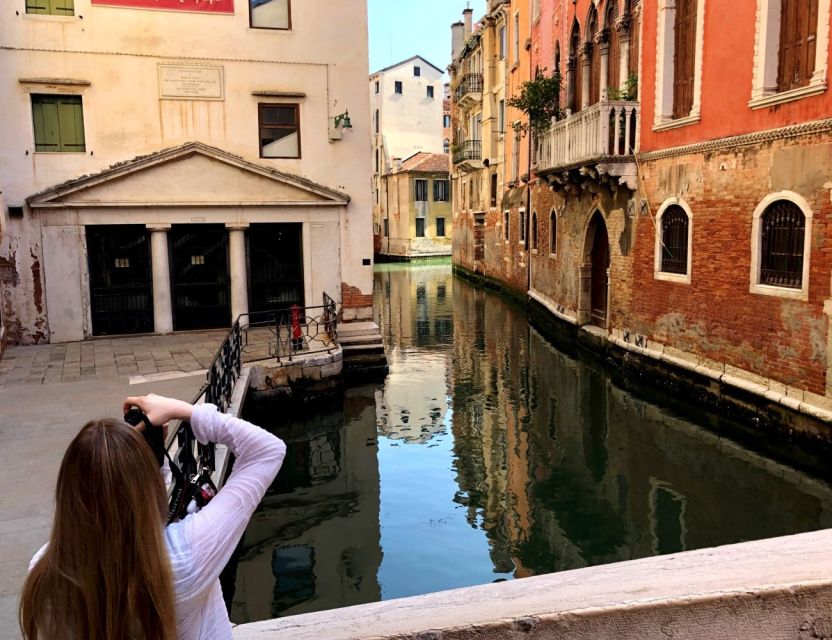
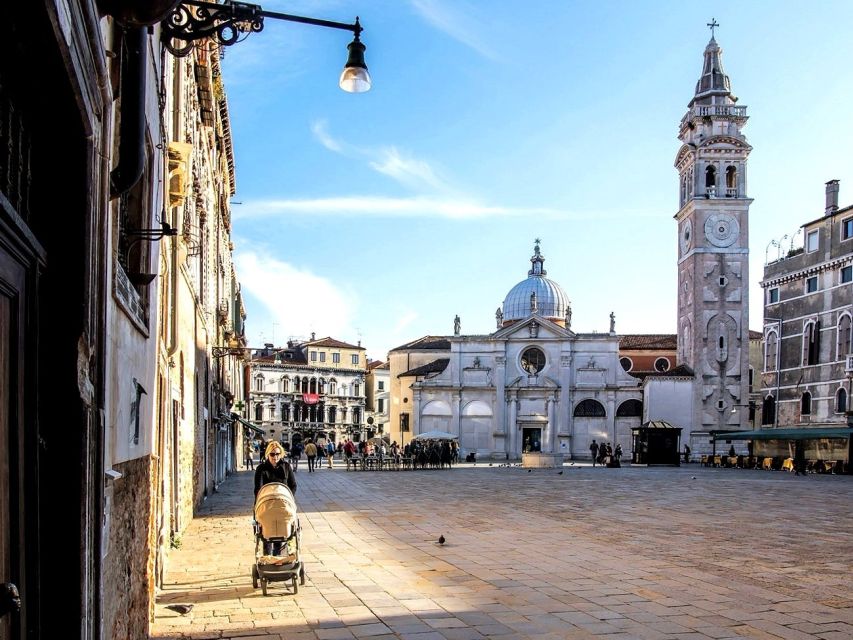
After St Mark’s, you head toward Campo Santa Maria Formosa, where you’ll hear the story behind one of Venice’s beautiful churches. This is a key shift in the tour: it moves you away from the famous front doors and into the rhythm of squares and small streets that Venetians used every day.
Then the tour threads in a few big names and cultural anchors:
- You’ll see the former home of Marco Polo, which adds a human scale to the Republic-era legends.
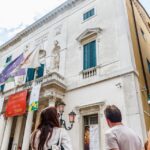
- You’ll pass the Malibran Theatre, noted for having an extravagant stage.
- You’ll also get the unusual façade of La Fenice Opera House in the mix, which is a nice reminder that Venice isn’t only about churches and palaces.
If you love history, this part works because it’s tied to where you are. The guide is doing the important job of connecting the city’s power to its people and its entertainment.
Mercerie lanes: the trade street that explains Venice’s money
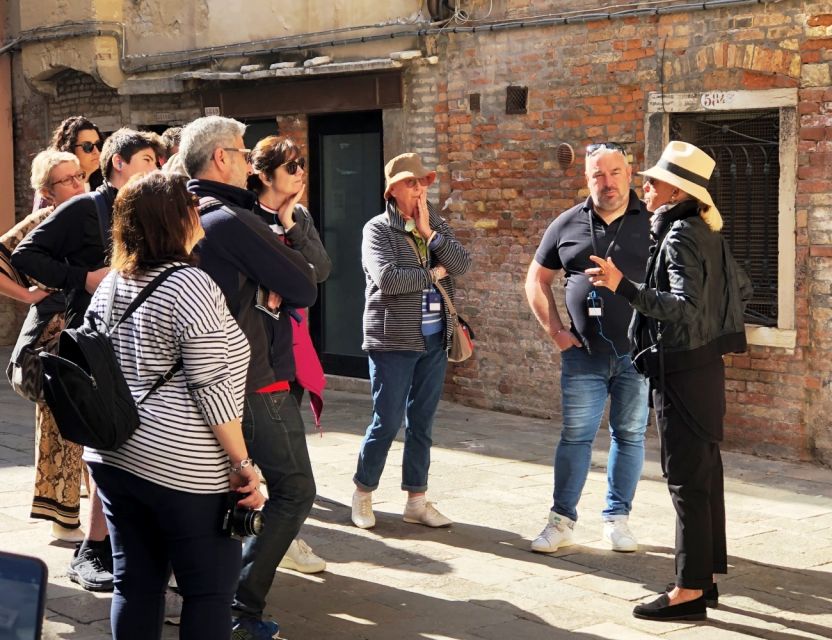
One of my favorite parts of any Venice orientation walk is learning why the city looked the way it did. Here, you’ll reach the Mercerie, Venice’s narrow shopping streets where valuable goods brought in from distant markets were sold.
This is more than a photo walk. You’ll get a sense of how money and goods moved through the city—why streets are where they are, why buildings face the right directions, and why so many lanes feel built for commerce. Venice’s glamour always had a practical engine behind it, and the Mercerie stop helps you spot that engine.

The 30-minute gondola off the Grand Canal: what to expect from the water
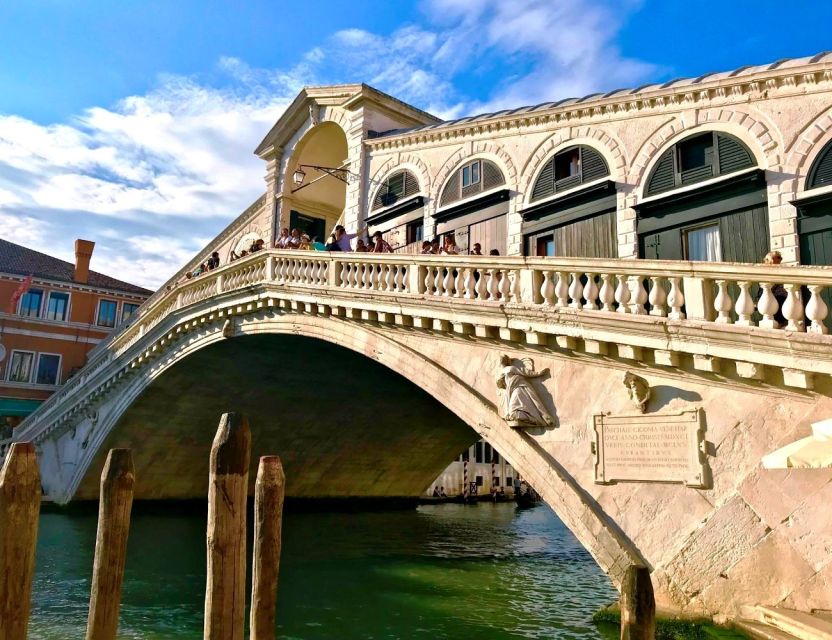
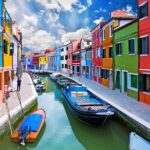
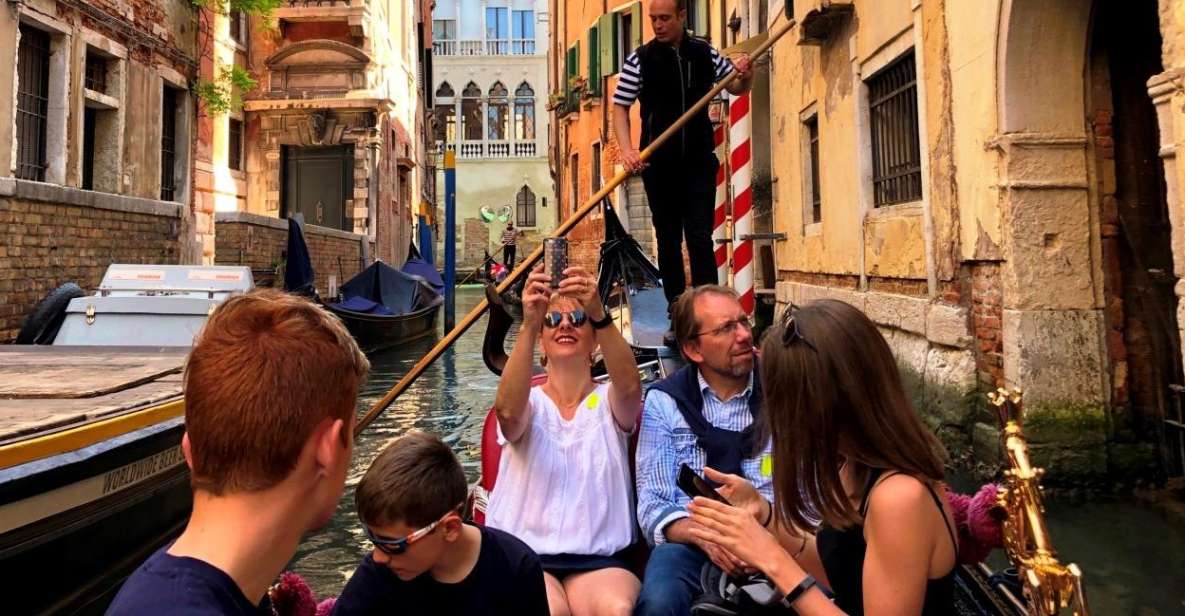
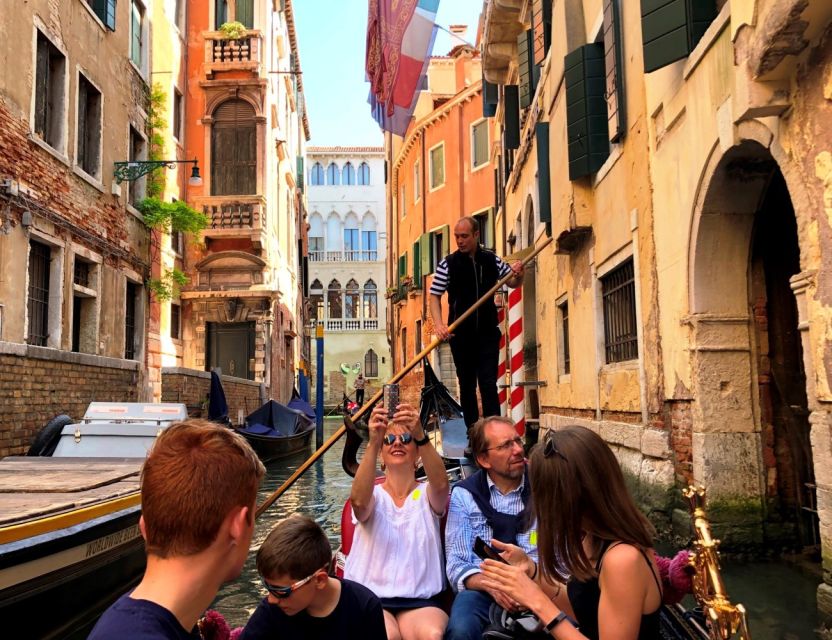
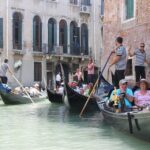
After the walking portion, it’s gondola time: a 30-minute ride on Venice’s canals. The tour aims you toward the smaller waterways off the Grand Canal, so you’re not stuck staring at the busiest main channel the whole time.
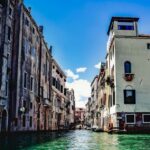
You’ll glide through minor canals where the water feels calmer and the buildings look closer. The ride is described as coasting past quaint corners and majestic palaces from a different perspective, and that change is real: from the water, the city’s layers make more sense.
Bonus view: Basilica della Salute and St Mark’s Basin on the way back
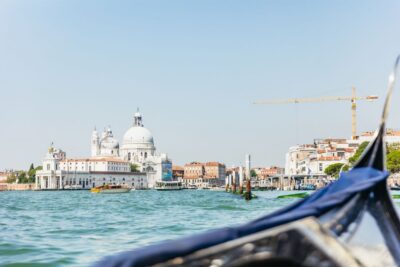
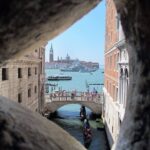
A nice touch is the way the ride frames the ending. As you move toward St Mark’s Basin, you’ll admire Basilica della Salute while the gondola gently lines up with the wider water scene.
This matters because it brings your walking orientation together. You started at St Mark’s Square area, you moved through the streets toward Rialto-market lanes, and then the water ride gives you the return sightlines toward the Grand Canal zone—so your map in your head clicks faster.
Timing reality: weather suspensions, canal bottlenecks, and group splitting
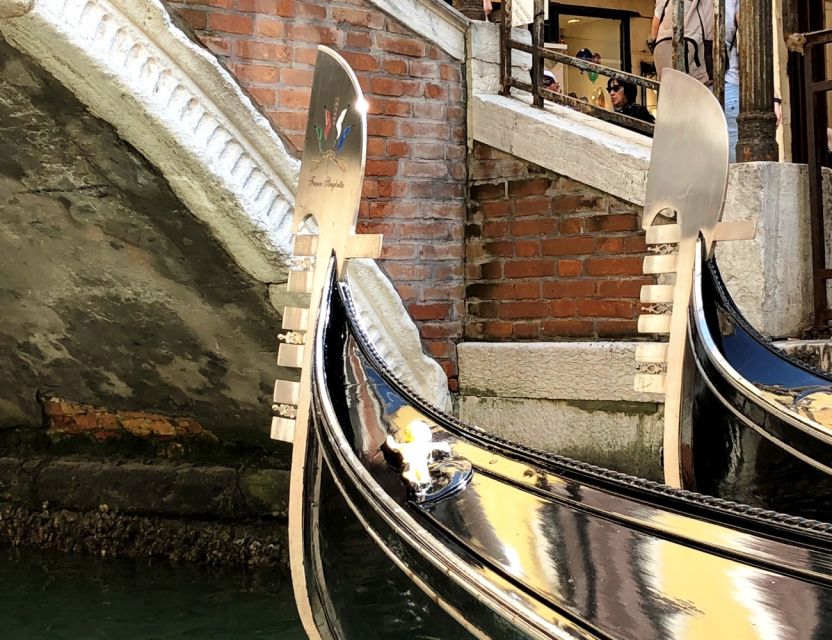
This combo tour runs on the reality of Venice canals. The gondola ride might be suspended in bad weather, so don’t plan anything tight immediately afterward.
Also, if you’re the type who needs the timing to be exact: keep expectations flexible. In real canal conditions, getting on and off can be slower, and canal traffic can shorten the feeling of your ride even when the planned time is 30 minutes.
One more practical point: a gondola can host up to 5 people. If your reservation group is larger, you’ll be divided into smaller gondola groups. That usually works fine, but it does mean you might not all match each other perfectly in timing.
Price and value: why $80 can be a smart way to manage gondola costs
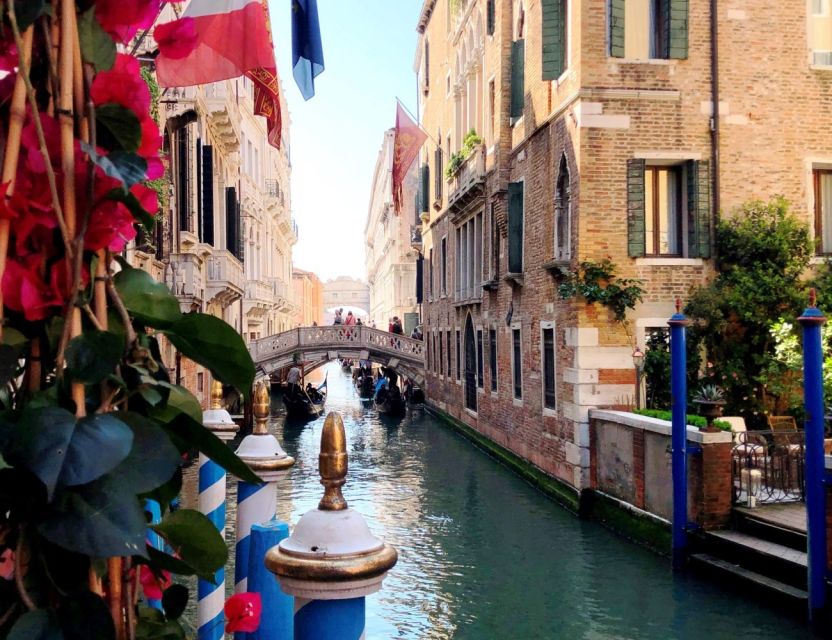
A gondola is one of those Venice expenses that can feel pricey when booked alone, especially once you compare what’s included. The strength here is that your money doesn’t just buy transport—it buys a guide-led route first, so you arrive at the gondola with context.
At $80 per person for the full 3-hour experience, I think this is best viewed as a time-saving package: you compress orientation + gondola into one planned block. If you were already thinking gondola anyway, combining it with a guided walk is usually the better value choice.
Choosing the right slot: languages, winter rules, and audio clarity
The live guide operates in English, Spanish, French, and German. If you can, pick a departure that matches your comfort level with the guide’s language. The tour is short, so language clarity affects how much you get out of it.
During the winter period (Nov 1 to Mar 31), the tour is bilingual, and no explanations are provided during the gondola ride. That’s a big difference from what you might expect in warmer months, so decide whether you’re okay with the gondola being mostly scenic rather than narrated in winter.
Finally, there’s one practical tip I’d give without drama: if the tour uses an audio system for the guide, and your device sounds hard to hear, say something right at the start. You’ll get more from a short tour if you’re not guessing at key details.
Who this tour fits best (and who should consider another plan)
This combo is ideal for:
- First-timers who want a clear Venice orientation quickly
- People who enjoy guided stories about how the city functioned
- Anyone who wants the gondola experience without committing to a full half-day
It’s less ideal if:
- You need wheelchair access or you have significant walking difficulty, since the route may not be accessible
- You want a longer gondola ride than 30 minutes (this one is designed for a quick taste)
If you’re visiting with kids, the structure can work well because it doesn’t drag. Just remember: the canals control the pacing more than you do, so they should be prepared for a bit of waiting around boarding areas.
Should you book this Venice walking tour and gondola combo?
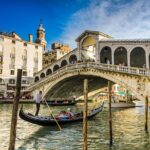
I’d book it if your priority is getting your bearings fast, then rewarding yourself with a gondola glide through quieter canals. The walking loop sets context around St Mark’s, Rialto, Marco Polo, and the trade lanes of the Mercerie, and the water portion gives you the perspective that makes Venice feel real.
I’d think twice if mobility is a concern or if you’re expecting the gondola to feel perfectly timed to the minute. In Venice, logistics can nudge the exact experience. But if you go in with flexible expectations, you’ll likely leave with a clearer mental map and a genuinely different look at the city than you’d get from photos alone.
FAQ
How long is the whole tour?
The total duration is 3 hours, with a 1.5-hour walking tour plus a 30-minute gondola ride.
Where do we meet for the tour?
You’ll meet at Calle larga de l’ Ascension, near the post office and behind the Correr museum. A TURIVE staff member will check your voucher.
What’s included in the price?
The tour includes a guide and the 30-minute gondola ride.
What languages are available for the live guide?
The live guide is offered in English, Spanish, French, and German.
Is there narration during the gondola ride?
During the winter period (Nov 1 to Mar 31), no explanations are provided during the gondola ride.
Can the gondola ride be canceled?
Yes. The gondola ride might be suspended in case of bad weather.
Is the tour wheelchair accessible?
The whole itinerary may not be accessible to wheelchair users and those with walking difficulties.
How many people can fit in one gondola?
A gondola can host up to 5 people. If your reservation includes more than 5 people, your group will be divided into smaller groups.
What is the cancellation policy?
You can cancel up to 24 hours in advance for a full refund.
Is the tour bilingual at certain times of year?
Yes. During the winter period from Nov 1 to Mar 31, the tour is bilingual.