REVIEW · VENICE
The gems of the lagoon. Torcello Burano Murano
Book on GetYourGuide →Operated by ANDREAPAOLO BARBINI TOUR LEADER · Bookable on GetYourGuide
Torcello to Murano is a quick lesson in how Venice became Venice. This tour strings together three lagoon islands with very different vibes, then gives you the practical time to see them without feeling rushed. I especially like the focus on Murano glass production you can watch up close, and the calm, almost time-warp feeling at Torcello’s archaeological area and tower views.
The big caution is logistics: the tour price does include key entries, but you still need your own ACTV vaporetto 24h ticket for the waterbus days. If your day plan is tight, that extra step can be the one thing you’ll want to sort before meeting.
In This Review
- Key highlights worth your attention
- Meeting at Fondamente Nuove and riding the lagoon’s original waterbus
- Torcello: the quieter island with ruins, a tower view, and living history
- Burano’s color and craft: lace making, canal life, and lunch time
- Murano’s glass factory street: what “seeing the process” actually means
- Price and value: where the tour price really goes
- How the guide shapes the experience: AndreaPaolo Barbini in practice
- A realistic game plan: timing, pacing, and what to bring
- Should you book the Murano, Burano, Torcello trip?
- FAQ
- Which islands does this tour include?
- What’s included with the tour price?
- Do I need an ACTV vaporetto ticket?
- How long is the tour?
- Where do we meet?
- Are there different pickup options in Venice?
- Who leads the experience?
- What languages are used?
Key highlights worth your attention
- Family-run Murano glass visit where you see production, then watch masters at work in a factory setting
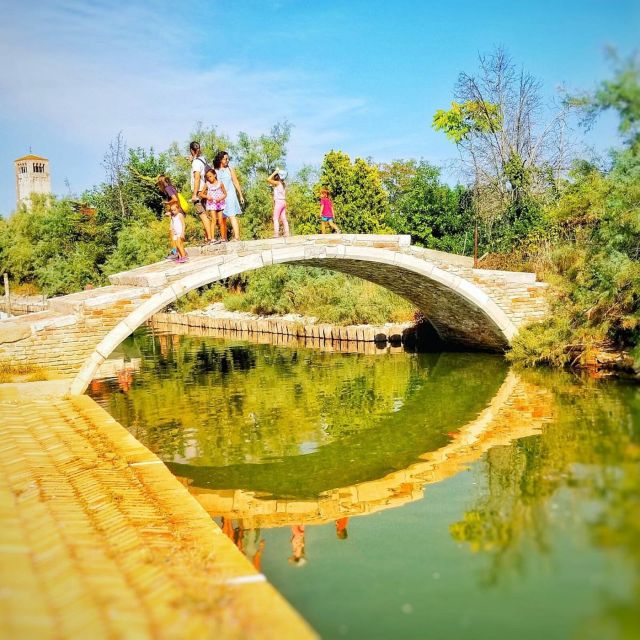
- Torcello’s tower viewpoint over the lagoon, plus a surprisingly quiet island feel
- Burano’s lace tradition with time set aside to visit a lace workshop where handmade work is still happening
- Small-group energy that can help you get in smoothly and keep questions flowing with guide AndreaPaolo Barbini
- Midday Burano break for seafood lunch so you’re not forced into a quick stop-and-go meal
Meeting at Fondamente Nuove and riding the lagoon’s original waterbus
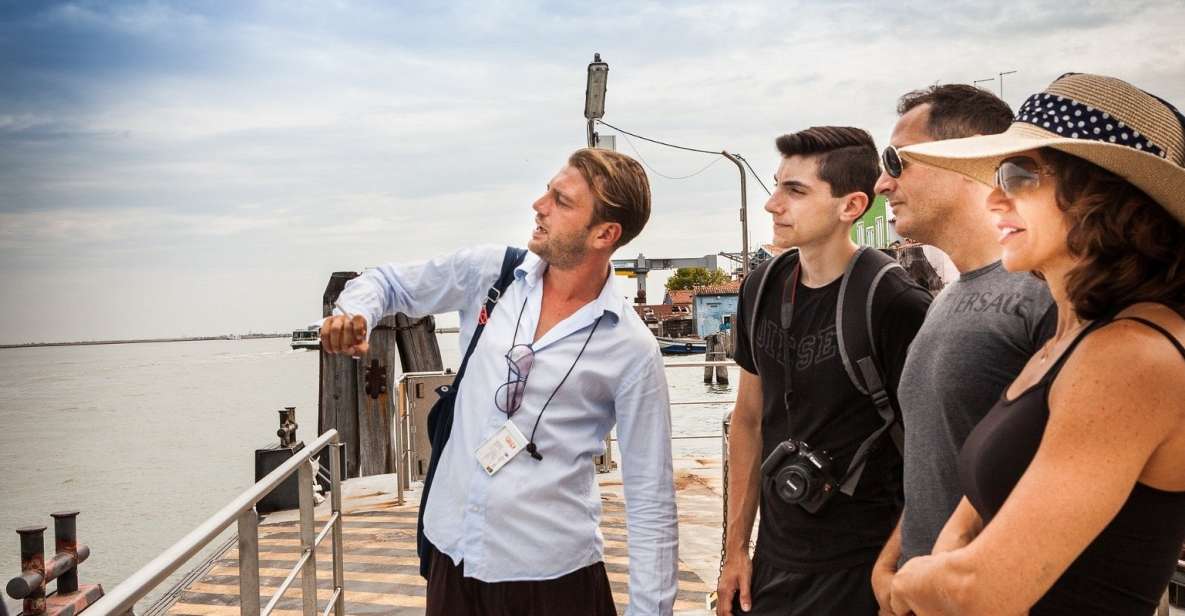
The tour starts around Fondamente Nuove (meeting point is in front of the ticket shop, Gate B). That location is handy because it puts you right where lagoon transport connects well, and you avoid that stressed “where do we even go from here” feeling that can hit during a fast-paced Venice visit.
You’ll travel on the vaporetto, Venice’s workhorse waterbus system. It has been running since 1895, and it’s still the most “Venice” way to move between islands. You also get that scenic travel time between islands, which matters here because Torcello, Burano, and Murano don’t just look different from the water, they feel different.
What I like: even with a planned route, the ride itself is part of the experience. If you’re the type who likes watching the lagoon from the right angle, you’ll appreciate the time you get to look, not just hop off and rush on.
You can also read our reviews of more tours and experiences in Venice.
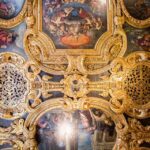


Torcello: the quieter island with ruins, a tower view, and living history
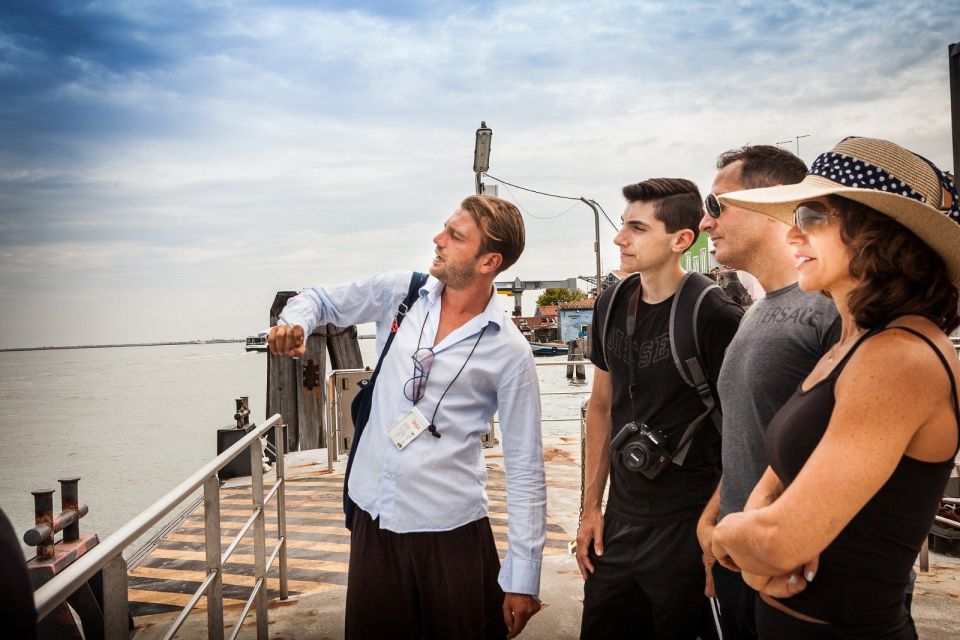
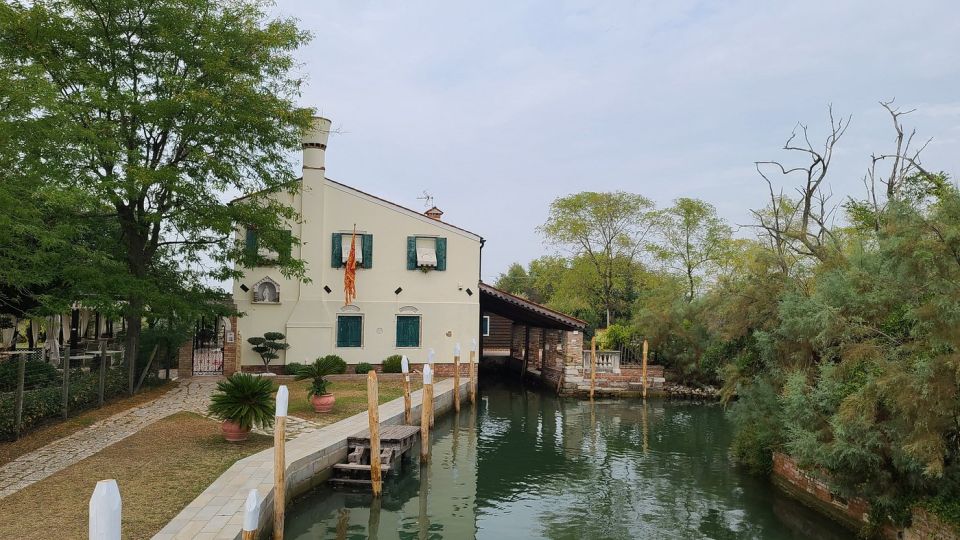
Torcello is the island that slows everything down. It’s the area you’ll visit that traces back to the very first Venice community, and today it feels remarkably removed from the busier parts of the lagoon.
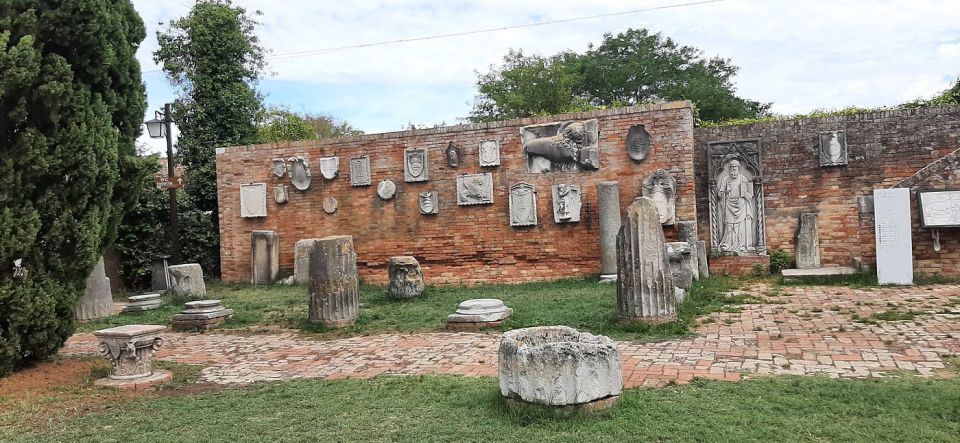
Your stop centers on the archaeological area. Entry is included in the tour price, which is a nice detail because it means you’re not mentally juggling “did we remember that ticket” at the moment you’d rather be looking around. This is also one of those places where the landscape and buildings don’t try to entertain you. They just sit there, and you understand why people describe it as untouched.
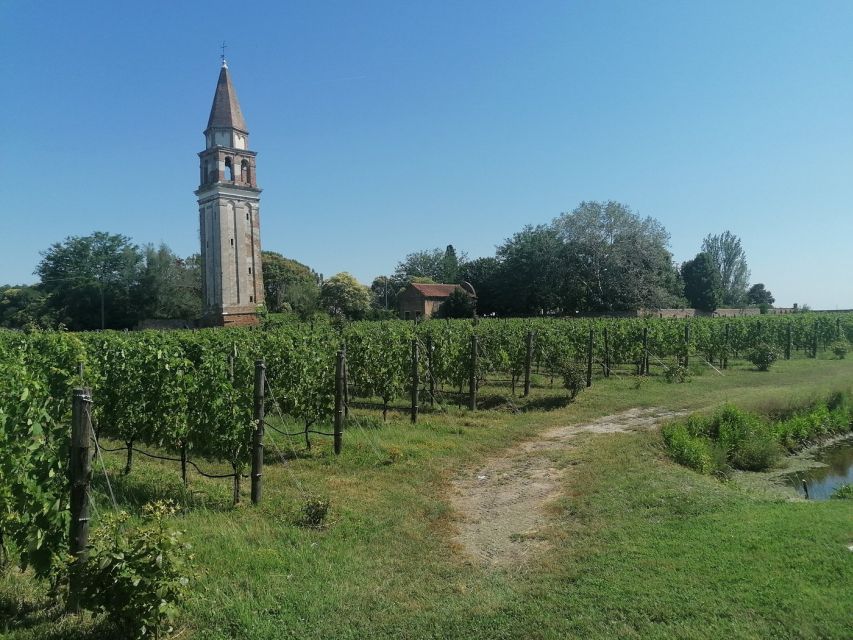
Then you get the payoff view: from the top of the Romanesque tower, you can look out over the lagoon. Even if you’ve already seen Venice from bridges, this view is different because you’re not staring at the dense city texture. You’re seeing the open water world that Venice was built around.
One practical note: Torcello’s charm is tied to its stillness. If you come expecting nonstop action, you might feel the pace is gentle. But if you want a breather island in the middle of your Murano and Burano plans, Torcello is the perfect counterweight.
Burano’s color and craft: lace making, canal life, and lunch time
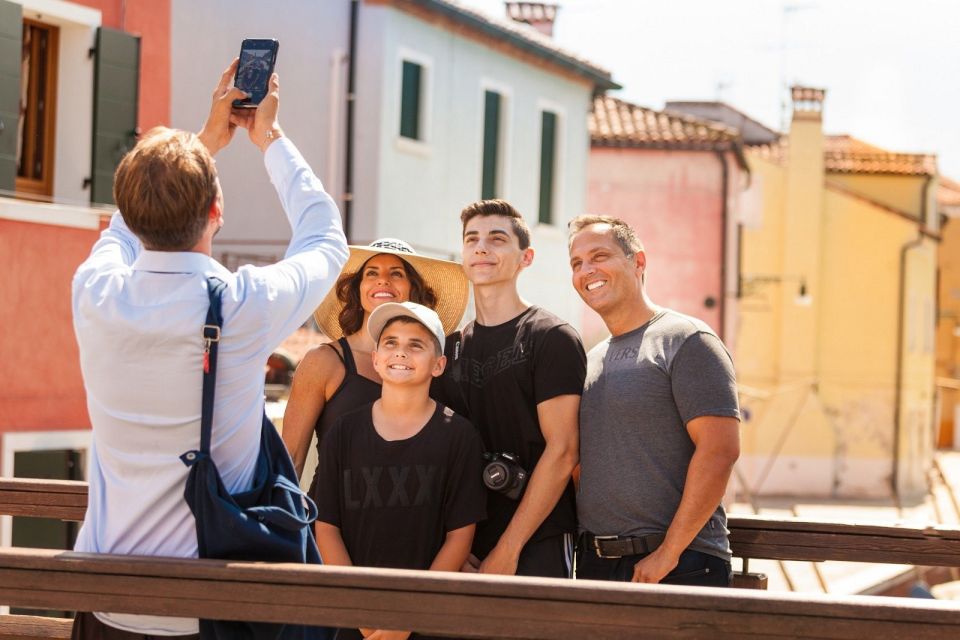
Burano is where the day starts to look like a postcard, but there’s more going on than bright buildings. This is a fishing community with a long-running identity shaped by trade, water, and craft.
The highlight here is the lace tradition. You’ll visit a lace factory where skilled workers still do the handmade work that has been part of Burano for a very long time. The tour doesn’t treat it like a quick photo stop. You get time to see the craft process and understand why it’s still protected as a real skill rather than just a souvenir story.
You also get a scheduled window for free time and lunch, and this is where Burano makes its case as a food stop. Around midday, the plan sets you up to eat locally, and the local focus here is seafood. If you want a simple win, go where the locals are most comfortable to sit and eat slowly, not where you have to compete for a seat next to a gift shop line.
What to watch for: Burano is famous, which means it can feel crowded at peak moments. The trade-off is that the island’s colors are best seen up close, and you’ll have enough time to walk the town on foot. If you’re sensible with your timing, Burano rewards you fast.
Murano’s glass factory street: what “seeing the process” actually means
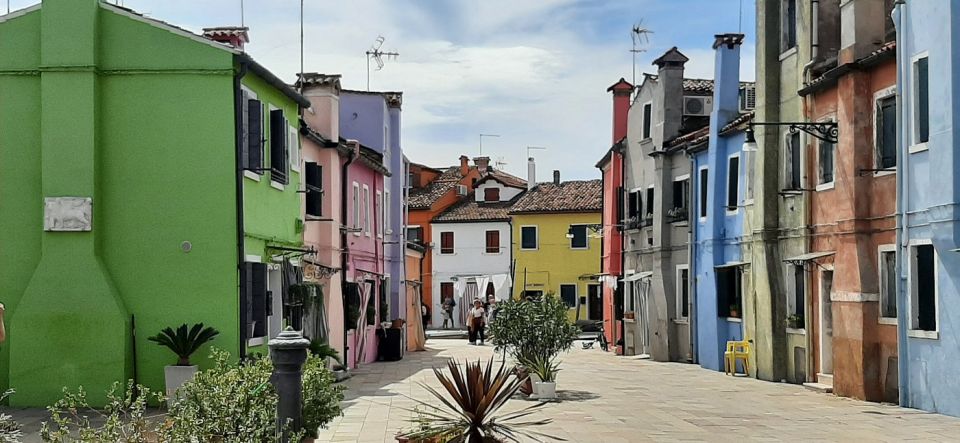
Murano is the island most people imagine first, mostly because glass has become its calling card. This tour gives you the best part of that story: you don’t just see glass in a shop window, you see glass production in action through a factory visit.
The glass visit is included (the tour lists it as an 8 euro component). You’ll also walk through a glass-maker area that feels like a working neighborhood, often described as a Glasser’s Street style of route. That’s valuable because Murano isn’t only about what’s displayed. It’s about how the work is made, and how the families keep it going.
Inside, you’ll see a real glass factory setting, including a family art gallery component and masters working. This is one of the reasons the tour tends to get high marks: you get access to the working side, not only the finished souvenirs.
The “how it still lives” detail is part of what makes Murano click. The plan notes that the last production families continue working in a way tied back around a thousand years. That doesn’t mean you’ll meet a medieval artisan in a cloak. It means the craft has held onto fundamentals, and you can see the continuity in the way the process is explained and demonstrated.
If you like photography, Murano can be a bit tricky because indoor lighting and crowd flow can limit your shots. But if you’re here for understanding—why glass looks like glass, why it takes skill—you’ll feel more satisfied than if you only planned to buy something and leave.
Price and value: where the tour price really goes
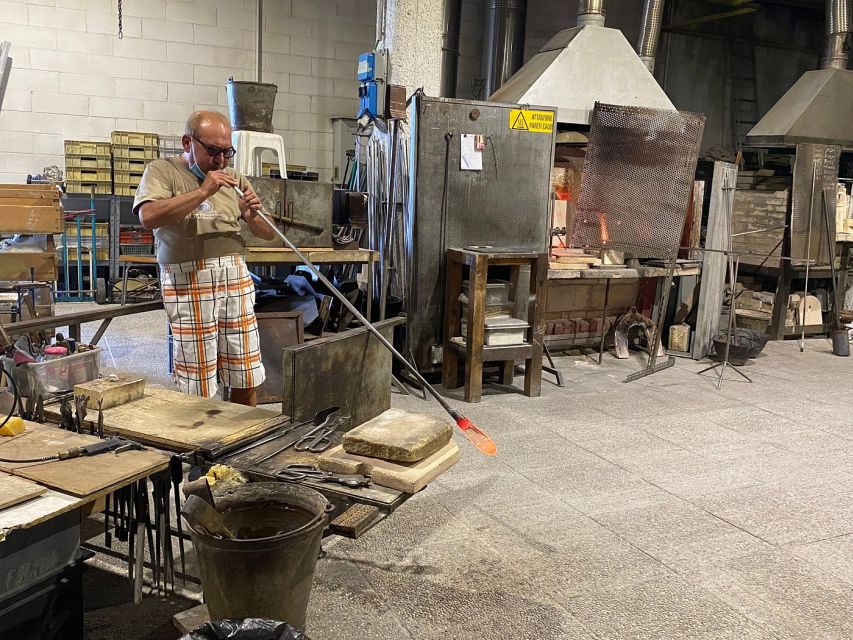
The tour is listed at $65 per person for about a half-day plan, with an itinerary that includes travel between islands and included entry fees for Murano and Torcello.
Here’s where the value comes from:
- Included glass production visit (8 euro listed component). That’s often the most expensive-looking part of these island plans because factory entry and guided access can add up fast.
- Included Torcello archaeological area entry (5 euro listed component). It’s not huge money, but it helps the day run smoothly.
- The tour bundles a guided flow so you’re not trying to figure out island order and ticket timing while your time in Venice disappears.
Your extra cost is straightforward: you must buy the 24h ACTV vaporetto ticket for water transport (listed as 25 euro). The key here is not to treat that as a penalty. It’s the actual price of moving around this lagoon the normal way. If you already planned to use public water transport during your stay, the ticket becomes less of an add-on and more of an efficiency move.
Also, the experience listing shows a duration of 1 hour, while the route plan indicates around 5.5 hours of visiting and sightseeing. When you book, treat this as a half-day activity and build your schedule with that longer window in mind.

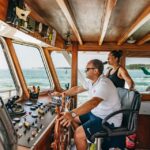
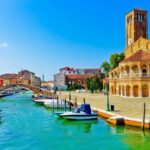
How the guide shapes the experience: AndreaPaolo Barbini in practice
The named guide for this experience is ANDREAPAOLO BARBINI. His approach shows up in the feedback in a very consistent way: people like the balance of big-picture context and small, human stories. In a day built around three islands, that balance matters. Without it, you risk turning Venice’s lagoon into a simple checklist of places.
Another praised point: he can help you avoid wasted time. One highlight from a recent review described a very small group and getting into key parts quickly instead of waiting in line. That’s the kind of difference you feel when you have limited hours and you want your island time to start sooner.
Language is the one practical factor to consider. Reviews note English is used, but some people found it hard to catch everything if they weren’t already comfortable with accents or faster speech. If you’re not confident in English, don’t panic—this is a guided tour and you’ll have enough context to follow the major points—but you might want to brush up on a few basic phrases.
Finally, rain happens in Venice. At least one review mentioned the tour continuing in heavy rain with the guide staying helpful. That’s a good sign: you’re not going to be left stranded if the weather turns gray.
A realistic game plan: timing, pacing, and what to bring
This is a tour that’s built for movement. You’ll ride between islands, walk during stops, and handle transitions with a group. So your best strategy is to travel light and dress for changes in wind off the lagoon.
A few practical things I’d plan for:
- Footwear for walking on uneven or worn surfaces, especially around older island centers
- A light layer for breeze and possible rain, since lagoon weather can change quickly
- A compact plan for snacks or water, since you’re out moving for a good chunk of time
Pacing-wise, the day is structured so each island’s personality is clear: Torcello slows you down, Burano brightens the mood, then Murano gives you the craft payoff. That order is smart because you finish with the most “process” and “visual wow” stop.
If you’re someone who likes to shop, Murano will tempt you. If you’re someone who likes to learn, Torcello and the glass factory visit will give you the most satisfying stories per minute.
Should you book the Murano, Burano, Torcello trip?
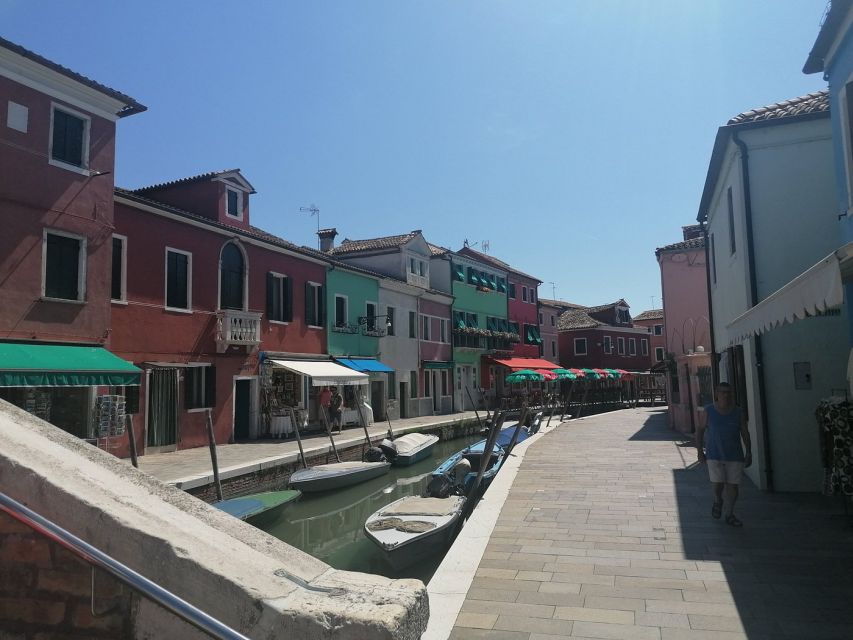
Book it if you want a single guided path through three lagoon islands that actually explains what makes each one distinct—Ruins and origins at Torcello, craft and color at Burano, and the working side of glass at Murano. The strongest reason to choose this specific format is the access to included visits where production and place details matter, not just scenery.
Skip it only if you strongly dislike public-transport ticket logistics, or if you’re hoping for a tour that’s purely “long walking and constant stops.” Torcello is quiet by design, and the day works best when you accept some gentler pacing.
If your goal is to see the lagoon islands without turning your Venice trip into a puzzle, this is a solid, value-minded way to do it—especially with AndreaPaolo Barbini steering the story and keeping the day moving.
FAQ
Which islands does this tour include?
It includes Murano, Burano, and Torcello.
What’s included with the tour price?
The tour includes a Murano glass industry visit (listed as 8 euros) and a visit to the Torcello archaeological area (listed as 5 euros). Entry for the Torcello area is included in the price as part of the tour offer.
Do I need an ACTV vaporetto ticket?
Yes. The 24h ACTV vaporetto ticket is mandatory and is not included in the tour price (listed as 25 euros). It’s required for joining the waterbus portion.
How long is the tour?
The experience is listed as 1 hour, while the route plan indicates about 5.5 hours for the Venice portion. Plan on a half-day outing.
Where do we meet?
You meet in front of the Fondamente Nuove ticket shop (Gate B).
Are there different pickup options in Venice?
Yes. The tour lists two starting locations: Hotel Vecellio and Fondamente Nove.
Who leads the experience?
The experience provider lists ANDREAPAOLO BARBINI as the tour leader.
What languages are used?
The tour lists English and Italian (and the driver also lists English and Italian).