REVIEW · VENICE
Venice: Fondazione Querini Stampalia Entry Tickets
Book on GetYourGuide →Operated by Fondazione Querini Stampalia onlus · Bookable on GetYourGuide
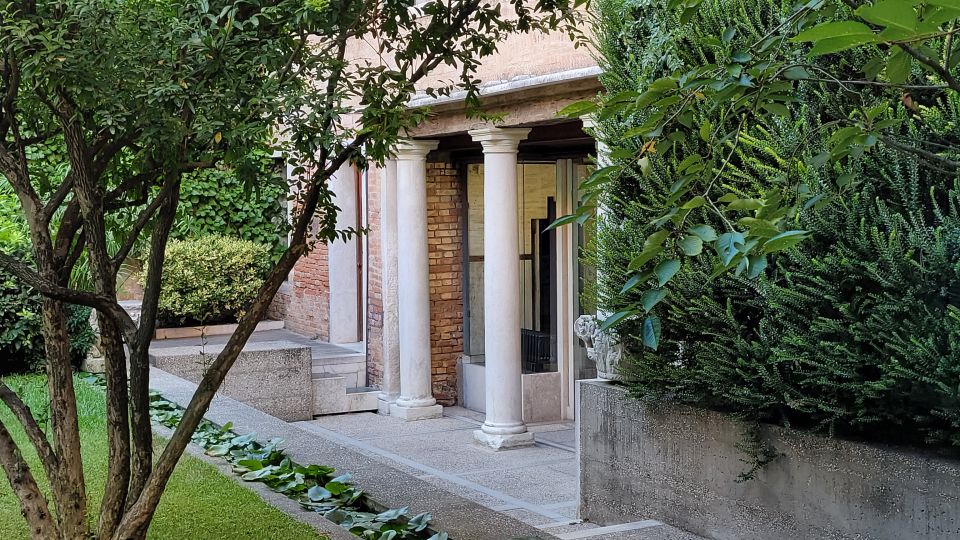
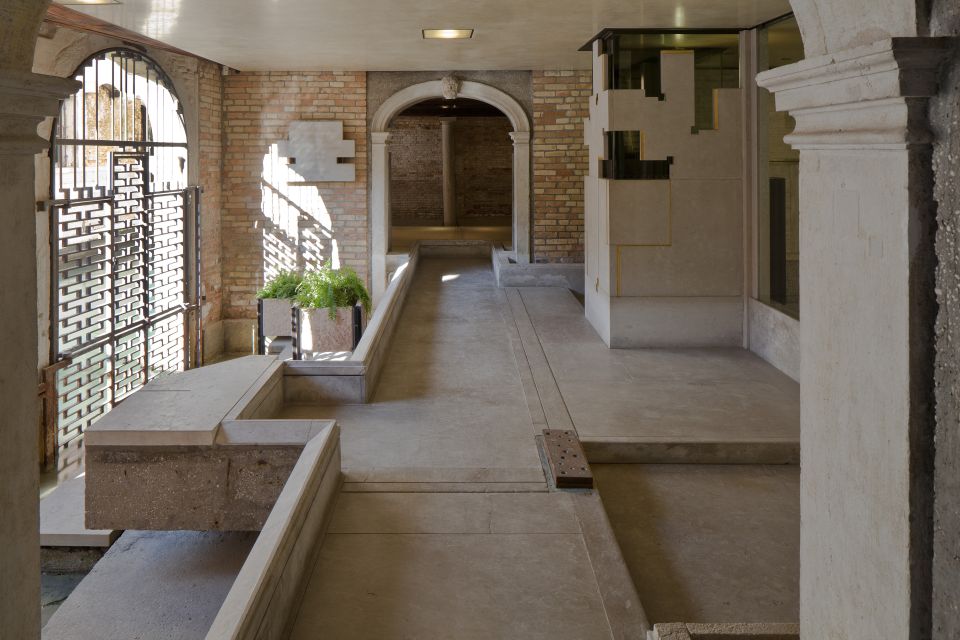
Venice can feel like open-air theatre, but this visit is quieter. Fondazione Querini Stampalia turns an aristocratic home into a walk-through art experience, from old Venetian masters to modern big names. I like the way it lets you move at your own pace through historic rooms, and I also love the contrast of the palace interior with the garden designed by Carlo Scarpa.
If you’re hoping for a full-day roam, the museum works best when you plan around its hours: open 10 AM–6 PM, and the last admission is at 5:30 PM. One practical heads-up: no luggage or large bags are allowed, so travel light or plan storage elsewhere.
In This Review
- Key reasons to love Fondazione Querini Stampalia
- A patrician palace where art and architecture share the floor
- Timing your visit: 10 AM–6 PM, last entry 5:30, closed Mondays
- Getting inside: what your entry ticket actually covers
- The palace rooms: an easy self-guided flow with the audio guide
- Venetian masters you can actually connect to the room
- Contemporary artists, including Carlo Scarpa, inside a historic shell
- Carlo Scarpa’s garden: the “slow down” portion of your day
- Café, bookshop, and places to rest between rooms
- Value check: is the $14 ticket worth your Venice time?
- Who should book this ticket?
- Should you book Fondazione Querini Stampalia entry tickets?
- FAQ
- How long is the ticket valid?
- What are the opening hours and last admission time?
- Is the museum open on Mondays?
- What’s included with the ticket?
- Where do I exchange my voucher?
- Is the museum wheelchair accessible?
- Are large bags or luggage allowed inside?
- Are pets allowed?
- Can I cancel and get a refund?
Key reasons to love Fondazione Querini Stampalia
- Historic house museum feel inside Count Giovanni Querini’s aristocratic palace, not a white-wall gallery
- Carlo Scarpa’s garden, a designed outdoor pause that changes how you read the art inside
- Old masters to contemporary artists in the same ticketed visit, including Bellini and Joseph Kosuth
- Audio guide included, so you can actually connect names, dates, and design choices without rushing
- Space to slow down, with a café, bookshop, and places to rest between rooms
A patrician palace where art and architecture share the floor

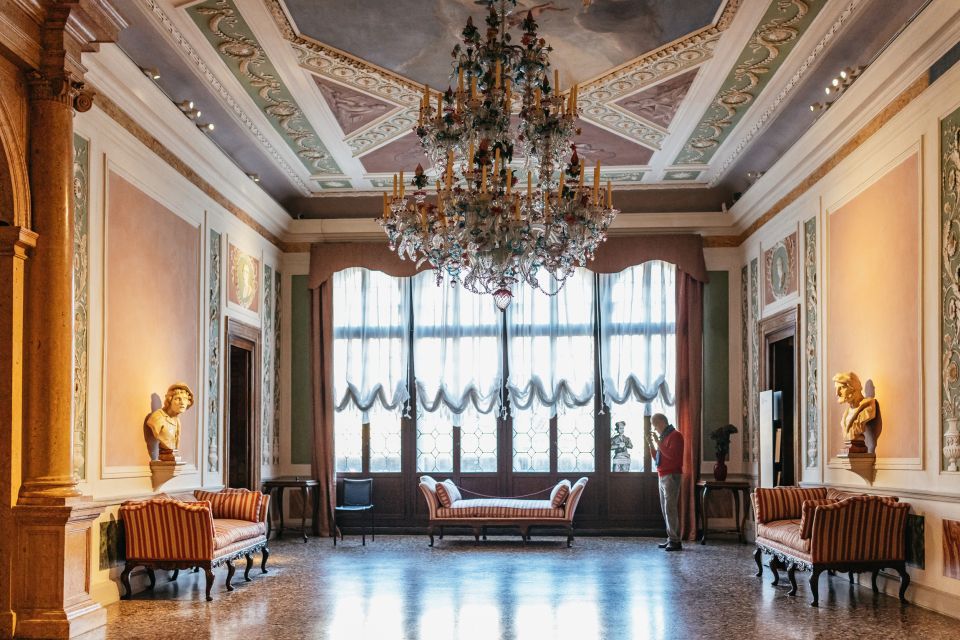
Fondazione Querini Stampalia is one of those Venice places where the building matters as much as the artwork. You’re walking through the kind of refined, private-world residence that the Venetian Republic’s elite would have recognized instantly. That context turns the collections from just “things on the wall” into evidence of taste, status, and daily life.
The ticket gives you access to both permanent and temporary exhibitions, plus the audio guide. That mix is a big deal: the permanent collection helps you build a baseline for Venetian art across centuries, while temporary displays keep the visit from feeling frozen in time.
The palace also lets you experience scale in a way that typical museums don’t. Some spaces feel made for conversation and lingering; others push you to slow down and look carefully. Even when you’re only stopping briefly, the architecture guides you toward the next “wait, look at that” moment.
You can also read our reviews of more tours and experiences in Venice


Timing your visit: 10 AM–6 PM, last entry 5:30, closed Mondays
This is a one-day ticket, valid for the day of your entry, so timing matters more than you’d think. The museum is open 10 AM–6 PM, with the last admission at 5:30 PM, and it’s closed on Mondays.
If you want the calmest experience, plan for earlier in the day. You’ll have more room to breathe as you move from rooms to garden, and you won’t feel pressured to beat the clock. Later in the afternoon still works, but treat it like a focused route: decide what you want most, then let the rest fill in the gaps.
Because the museum is inside a historic home, it’s not the kind of place you can zigzag endlessly if you’re on a tight schedule. A better approach is to choose a rhythm: one main collection focus, one architecture focus, and a break built in.
Getting inside: what your entry ticket actually covers
Your entry ticket is a full-day pass, but you only need to arrive during opening hours. Once you’re in, you can explore the permanent and temporary exhibitions at your own pace. The audio guide is included, which helps a lot in a museum like this where context makes the art easier to follow.
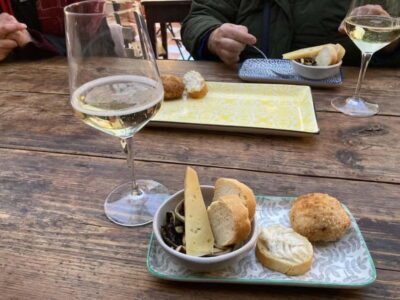
You’ll also find a café and a bookshop on-site. This matters because the museum isn’t just about seeing; it’s about lingering in the mood. The bookshop lets you take the Venice feeling home with you, and the café gives you a natural reset between indoor rooms and the garden.
Temporary exhibits are part of the package, so you get more than just the “core story.” If you like museums that change over time, this increases your odds of getting a visit that feels fresh.
The palace rooms: an easy self-guided flow with the audio guide
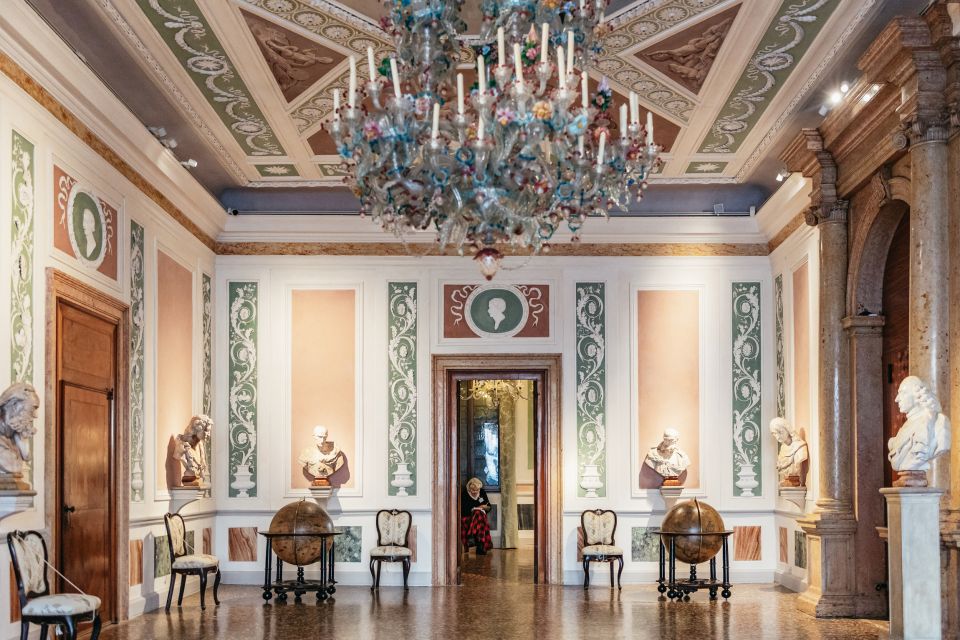
The heart of this experience is moving through rooms that were built for a private life. The advantage is that you don’t feel like you’re trapped in a crowd funnel. Instead, you get a sequence of spaces—each with its own light, layout, and mood—that makes you slow down and connect ideas.
Using the audio guide helps you do that without turning the day into homework. You’ll get a steadier sense of what you’re looking at: who an artist was, why the work fits the setting, and how different centuries speak to each other in the same building.
A simple strategy: don’t try to hear everything in one go. Let the audio guide pick the pace while you choose when to pause. If a room clicks for you, stay a bit longer. If it doesn’t, move on. The “right” visit here is the one that matches your attention span.
There’s also value in the fact that this place is set up for exploring multiple zones—rooms, garden, and quiet breaks—so you can build your own mini-itinerary inside the day.
Venetian masters you can actually connect to the room
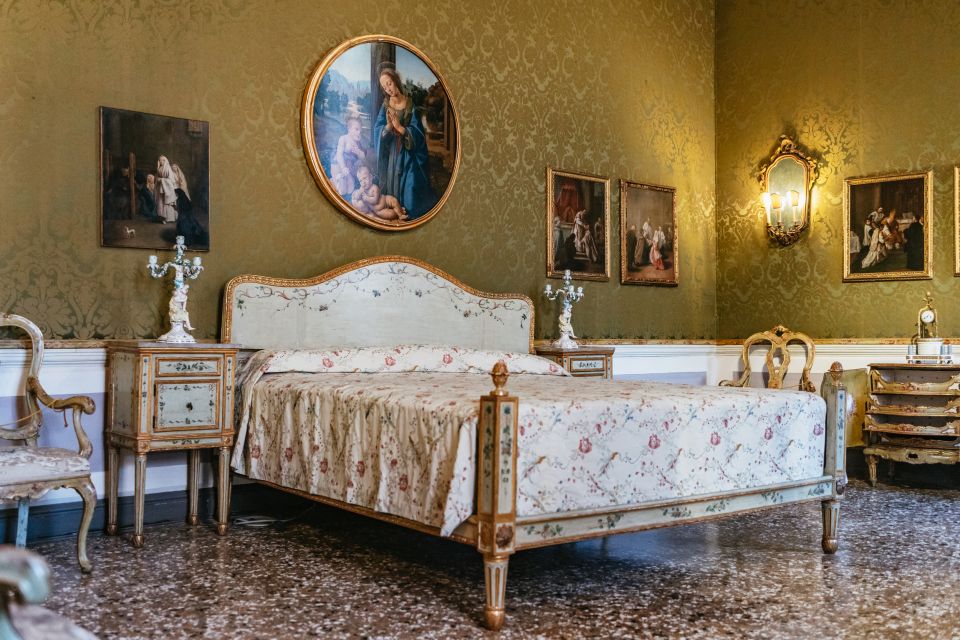
A lot of museums show you famous works; fewer help you feel how they relate to a specific setting. Here, you can see masterpieces spanning the 14th to the 20th centuries, which is a big stretch of time to experience without leaving the building.
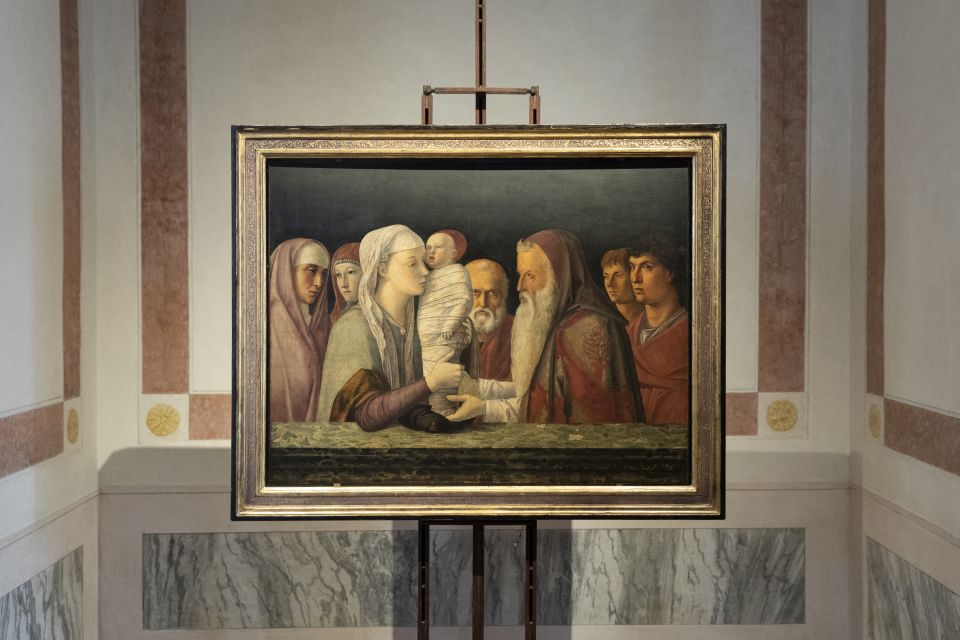
The collection includes major names such as Giovanni Bellini and Palma il Vecchio, along with works by Pietro Longhi and Giambattista Tiepolo. When you’re standing in these rooms, it’s easier to understand why Venetian art isn’t just about religious scenes or myth; it’s about display, identity, and the kind of visual persuasion that mattered in the Republic.
What I like about mixing centuries in one visit is that it changes your eye. You start looking for how styles evolve, yes, but also how certain themes keep getting reinterpreted. Even if you don’t know the full biography of every artist, you can still pick up the shifts in technique and mood.
If your focus is classic Venetian painting, this is one of the better ways to spend your time because you’re not only watching art—you’re watching how the residence frames it.





Contemporary artists, including Carlo Scarpa, inside a historic shell
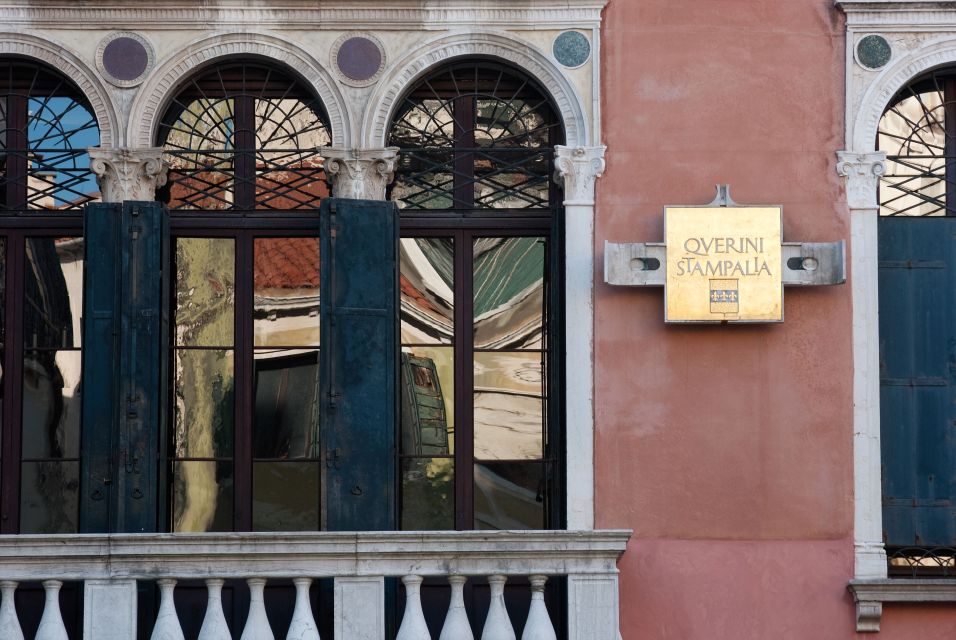
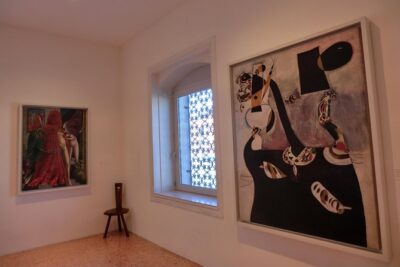
One reason this visit feels more modern than you might expect is that it doesn’t treat contemporary art as an afterthought. The experience highlights works by artists including Joseph Kosuth, Mario Botta, Valeriano Pastor, and Michele De Lucchi. It also includes Carlo Scarpa in both the design and artistic conversation.
This matters in Venice, because the city is full of old stone. When contemporary work is placed in a historic home with intentional design, you get a sharper sense of how architecture carries ideas. You can walk through the space and see how design can be both respectful and challenging.
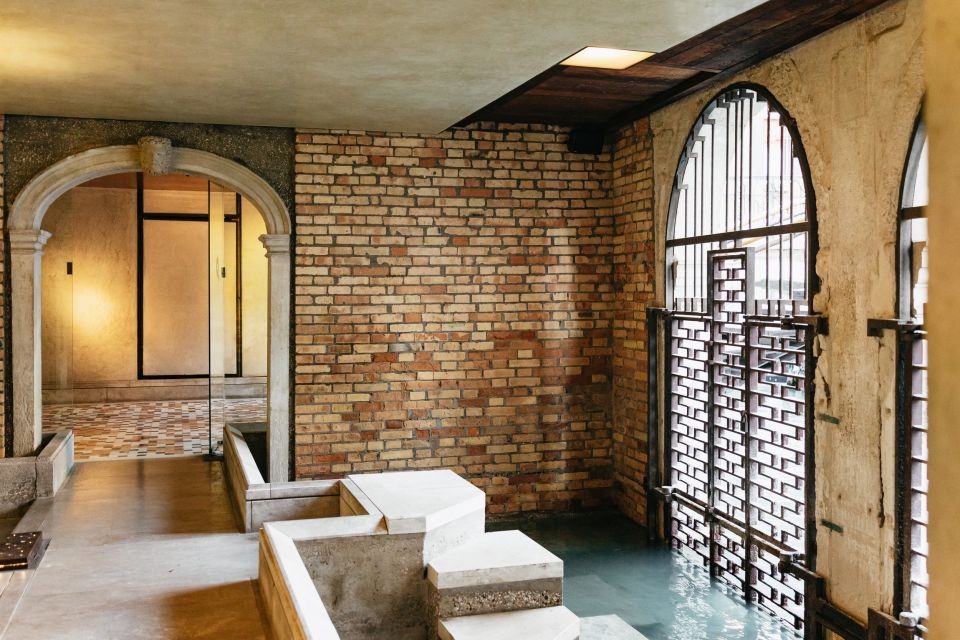
With Scarpa especially, the building connection is the point. Even when you’re not staring at a single sculpture or painting, the way light and pathways work can make you think differently about what you’re seeing.
If you’re someone who sometimes finds modern art museum visits too abstract, this setting can make the gap smaller. The environment gives you a reference point: what’s constant, what changes, and what you can compare.
Carlo Scarpa’s garden: the “slow down” portion of your day
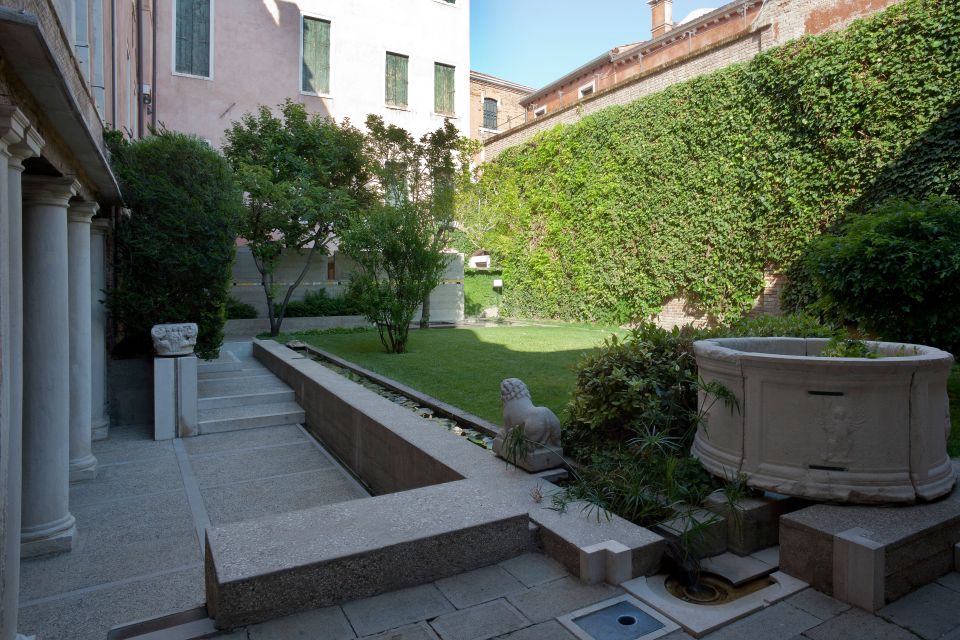
Then comes the part that many people end up talking about most: Carlo Scarpa’s garden. It’s not just a courtyard you pass through on your way somewhere else. You’re meant to treat it like a section of the museum experience, with time to absorb the design.
This is the moment where the visit shifts from looking at art to experiencing space as art. The garden gives you a break from indoor lighting and wall-to-wall viewing, and it changes your perception of the palace spaces when you return. You’ll notice details you might have missed earlier, because your eyes have reset.
If you like having a planned pause built into your visit, this is it. And you don’t have to rush back into the galleries immediately; the garden acts as a natural transition.
Café, bookshop, and places to rest between rooms
What makes a museum day feel good isn’t only what you see—it’s how you recover between rooms. Here, you can take a real break thanks to the on-site café and bookshop.
There’s also space to move around and sit in communal areas, including a central courtyard with seating. That kind of pause is more useful than it sounds. Venice travel can wear you down fast, and taking five to ten minutes to sit keeps the whole experience from turning into a marathon.
If you want value, think of the café and bookshop as part of the ticket’s return. You’re not just paying for entry; you’re paying for a place where you can stop, regroup, and enjoy the atmosphere without leaving the property.
And because the day is self-paced, you can decide when to do the break. I like using the café midway, then finishing the day with the rooms that grabbed me most.
Value check: is the $14 ticket worth your Venice time?
At about $14 per person for a full day, this ticket can be a strong value—especially if you plan to actually use the audio guide and take advantage of the garden, temporary exhibits, and the resting spaces.
The key is how you compare it with other Venice options. Venice can eat your budget through constant short entries. This one ticket buys you a whole-day plan that’s mostly walking through indoor galleries, plus an outdoor designed garden, plus places to sit and refresh. That’s a lot of experience packed into one stop.
It’s also a good pick if you like variety. You get Venetian painting names you’ve likely heard before, and you also get contemporary artists in the same overall story. That mix reduces the risk of arriving expecting one thing and leaving with disappointment.
One note on planning: avoid trying to show up weighed down. Since large bags and luggage aren’t allowed, you may want to travel with a small day bag only. If your Venice day includes bigger carry-ons, factor in how you’ll handle them before you head to the museum.
Who should book this ticket?
This is a great match if you:
- want a Venice experience that’s quieter than the major crowds, without feeling empty
- like art history that spans centuries in one setting
- enjoy architecture and design, especially Carlo Scarpa’s work
- want a museum day with built-in breaks, not just a sprint between rooms
It’s also worth choosing if you’re traveling solo or with a small group that wants flexibility. The self-guided pace makes it easy to pause where you care, and skip what you don’t.
Should you book Fondazione Querini Stampalia entry tickets?
Yes, if you want a smart-use-of-time museum day with real atmosphere. The combination of a historic house museum, major Venetian masters, contemporary artists, and Scarpa’s garden gives you multiple ways to enjoy the same ticket.
Book it especially if you’re the type who likes to slow down—watch light change on the walls, take a break at the café, then return to art with clearer eyes. If you’re short on time, consider whether you can arrive early enough to enjoy both indoors and the garden before the last admission at 5:30 PM. And if you’re traveling with luggage or big bags, plan storage ahead of time so the no-large-bag rule doesn’t derail your day.
FAQ
How long is the ticket valid?
The entry ticket is valid for 1 day, so you can explore during opening hours for that day.
What are the opening hours and last admission time?
The museum is open from 10 AM to 6 PM, and the last admission is at 5:30 PM.
Is the museum open on Mondays?
No. The museum is closed on Mondays.
What’s included with the ticket?
Your ticket includes entry to permanent and temporary exhibitions and an audio guide.
Where do I exchange my voucher?
The group leader must exchange the voucher at the ticket counter.
Is the museum wheelchair accessible?
Yes, the museum is wheelchair accessible.
Are large bags or luggage allowed inside?
No. Luggage or large bags are not allowed.
Are pets allowed?
Pets are not allowed, but assistance dogs are allowed.
Can I cancel and get a refund?
Yes. You can cancel up to 24 hours in advance for a full refund.