REVIEW · VENICE
Venice: Lords of the Night Prison’s Palace Cells & Tortures
Book on GetYourGuide →Operated by CITY TOURS CO LTD · Bookable on GetYourGuide
Venice does not do quiet. This small-group visit to Piazza San Marco’s old prison complex turns the spotlight on how justice worked in the Venetian Republic, from courtroom to cellblock to punishment rooms. I love that you can actually walk through dark prison cells and see the small details—like graffiti—up close. I also like the way the tour weaves in famous names and power politics, including the Lords of the Night and the Casanova jailbreak story.
One practical consideration: this is a morbid, high-emotion subject. The tour includes torture-related exhibits and devices, so if that kind of content is hard for you, go in with your expectations set—or skip it.
The overall vibe is history-forward and fast-moving, usually around an hour, and it’s well suited to people who want something different than more churches.
In This Review
- Key things you’ll notice on this prison tour
- Venice’s Palazzo delle Prigioni: why this prison sits by San Marco
- Where you meet (and how to find the Prison Palace fast)
- The actual prison route: courtroom to cells to punishment rooms
- The cells and graffiti: the details that make it feel real
- Torture devices: how to handle the heavy parts without switching off
- Casanova’s jailbreak and the Lords of the Night: the story hook
- The secret 1500s passage: what makes this tour feel different
- Two floors, a short visit, and time to look again
- Language and guide style: who you’ll likely hear from
- Audio guide vs guided tour: what to pick
- Price and value: why $11 can make sense in Venice
- What’s included—and what you shouldn’t confuse it with
- Who should book this and who might skip
- Should you book: my practical take
- FAQ
- How long is the Venice prison cells and tortures tour?
- How much does the tour cost?
- Does the ticket include skip-the-line entry?
- Is the Bridge of Sighs included?
- Is the Doge’s Palace included?
- What languages are available?
- Is it suitable for people with mobility impairments?
Key things you’ll notice on this prison tour

- Skip-the-line entry helps you get inside without wasting your Venice time waiting in queues
- Dark cells + real prisoner graffiti make the experience feel more human than theatrical
- Torture rooms with period devices show how punishment was staged and explained in the past
- Casanova’s arrest and jailbreak gives the story a sharp hook beyond general prison life
- A secret passage from the 1500s connects prison areas you’d usually never see
- Small-group tours mean you can ask questions and hear the guide’s explanations clearly
Venice’s Palazzo delle Prigioni: why this prison sits by San Marco
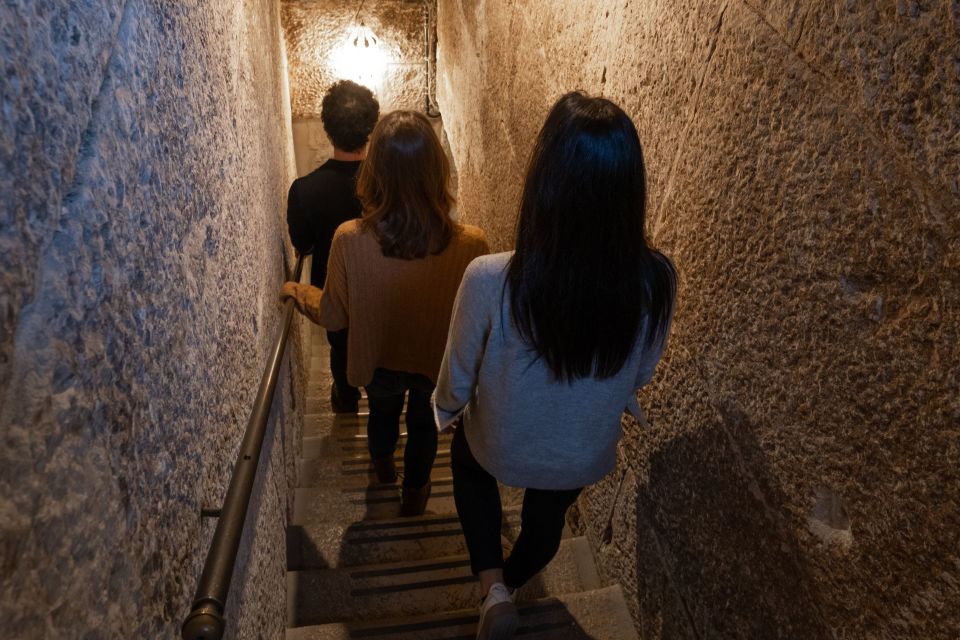
Right by Piazza San Marco, you’re surrounded by postcard Venice—yet inside this prison complex you get a completely different side of the same city. The Venetian Republic ran an organized system of law and punishment, and the prison near the Doge’s orbit was part of how that system kept order.
What makes this stop interesting is that it isn’t just a museum of scary objects. You move through spaces that served specific roles: courtroom areas, then cell spaces, then rooms tied to punishment. The layout helps you understand the flow of the justice process instead of treating it like a collection of horror props.
And yes, it’s tied to the big names. You’ll hear about the Lords of the Night, including how the Council of the Ten oversaw justice across Venetian territories. That political framing matters because it shows why punishment was so central to Venice’s power.
You can also read our reviews of more evening experiences in Venice



Where you meet (and how to find the Prison Palace fast)
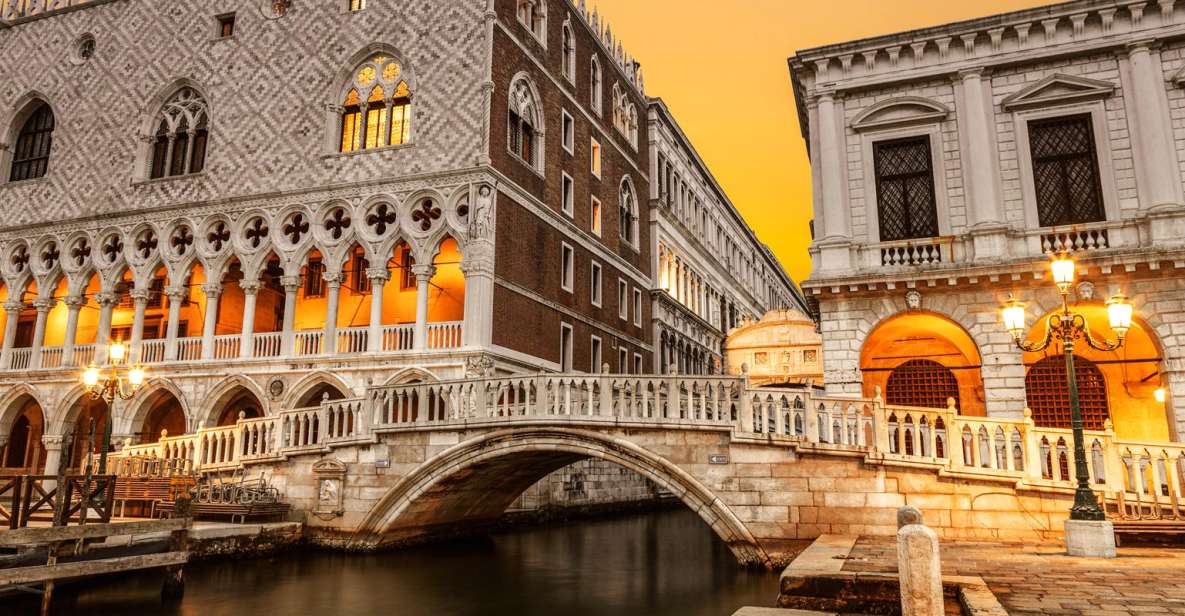
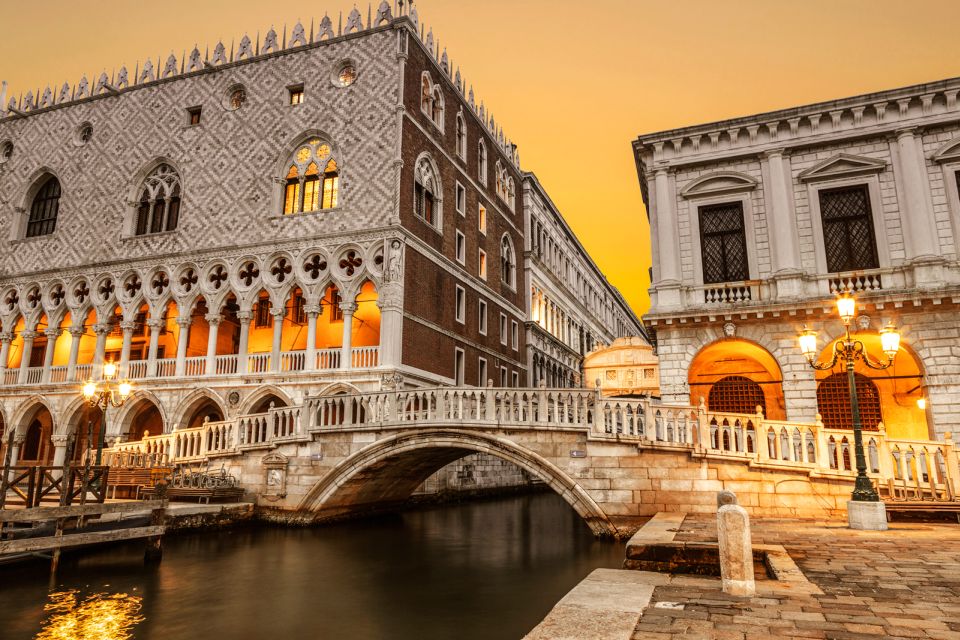
Meet at the Prison Palace close to San Marco Square. If you’re standing with the Doge’s Palace in front of you and the San Marco basin behind you, you’ll head right, cross the bridge, and look for the entrance of the Palazzo delle Prigioni on your left.
A small detail that helps: the Prison Palace entrance is close enough that people often assume it’s part of the Doge’s Palace ticket route. It isn’t. The meeting point and the “cross the bridge” instruction keep you from wandering around the wrong buildings.
This matters because the tour runs on specific entry flow, and you want to arrive in time to start smoothly. Opening hours are 10:00 AM to 5:00 PM, so aim for earlier in the day if you don’t love crowds.
The actual prison route: courtroom to cells to punishment rooms
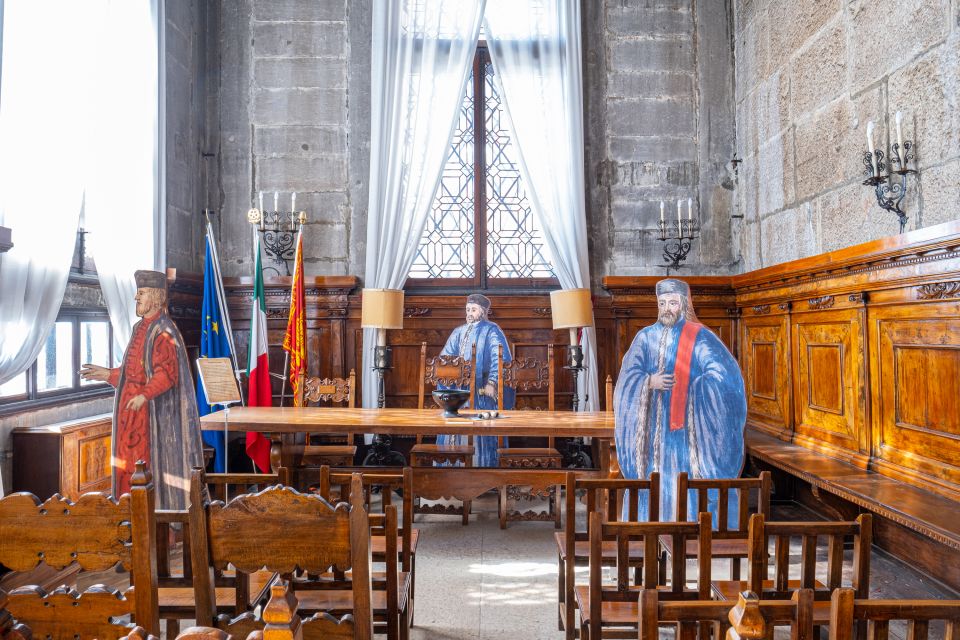
The tour route is built like a story you can walk through. You start in areas connected to judgment—an imposing courtroom—then you transition into the confinement spaces.
From there, you enter the old cells, and that’s usually where the experience clicks for most people. The guided explanation turns ordinary details—sleep spaces, conditions, daily routines—into a picture of what it meant to be detained in Venice.
After the cell visit comes the punishment-focused rooms, including exhibits connected to the tortures room and the devices used there. In the reviews, people often mention seeing a clear display across two floors, with torture instruments shown from at least the 17th century timeframe, which matches the way this site presents its collection.
If you want the tour to make sense, don’t rush the middle portion. The cell section is where the human-scale reality lives.
The cells and graffiti: the details that make it feel real
Venice prisons are easy to treat as a spooky curiosity. The cells here fight that tendency. You see actual graffiti left by inmates, and it changes the tone from “history lesson” to “people really lived here.”
This is also where the guide storytelling becomes practical. You’ll hear what prisoners ate, drank, and where they slept, which is important because those basics are what separate a set of exhibits from an understanding of imprisonment.
One note: the prison complex isn’t huge in floor area compared with some Venice attractions. Even so, it’s dense. People often describe the visit as short—around 45 to 60 minutes—so the guide choices about what to prioritize make a real difference.
If you’re the type who likes reading every placard, you might feel there’s less time than you’d want. But if you prefer a spoken narrative that pulls threads together, the time usually feels right.
Torture devices: how to handle the heavy parts without switching off
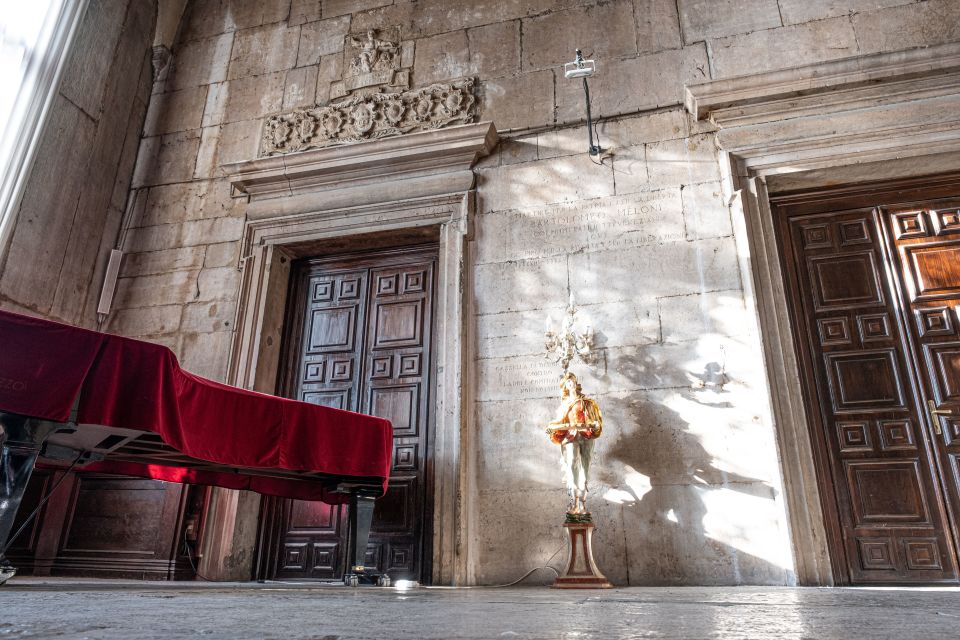
This prison tour includes torture-related exhibits. That’s not a vague warning. You’ll be shown rooms and displays connected to the idea of punishment and interrogation, and some of the devices are graphically presented.
I recommend you decide before you go how you want to experience it. If you can handle it, you’ll come away with a clearer picture of how the system used fear as a tool. If you can’t, you may still like the courtroom and cell sections, but the torture room content may put you off.
The guides seem to handle this balancing act in a way that keeps attention on context—why the devices existed, how the justice system worked, and what the prison environment meant. People also describe guides making the tour engaging in tone, even when the subject is grim.
In other words, the exhibition doesn’t ask you to ignore the horror. It gives you the historical frame so you’re not just staring at objects.






Casanova’s jailbreak and the Lords of the Night: the story hook
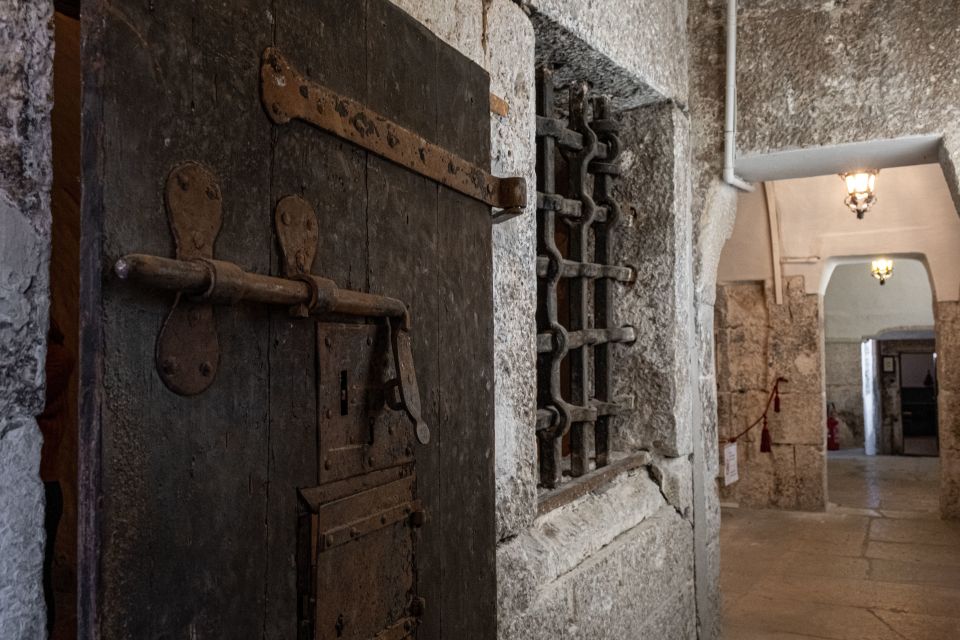
Casanova’s name pulls people in fast, and this tour uses that magnet well. You’ll hear about his arrest and the jailbreak story connected to this prison setting.
But the best part for me is what happens next: the story is placed inside the system. You learn about the Council of the Ten and how it functioned as Venice’s high-level overseer for justice. That transforms Casanova from a single famous escape into a case study inside a larger governance machine.
You also hear about myths and legends that still live in the cold walls and cells. That’s a reminder that Venice crime stories don’t die when the era ends. They get retold, reinterpreted, and stuck to the place.
If you want crime-and-culture history with a readable narrative arc, this section is the payoff.
The secret 1500s passage: what makes this tour feel different
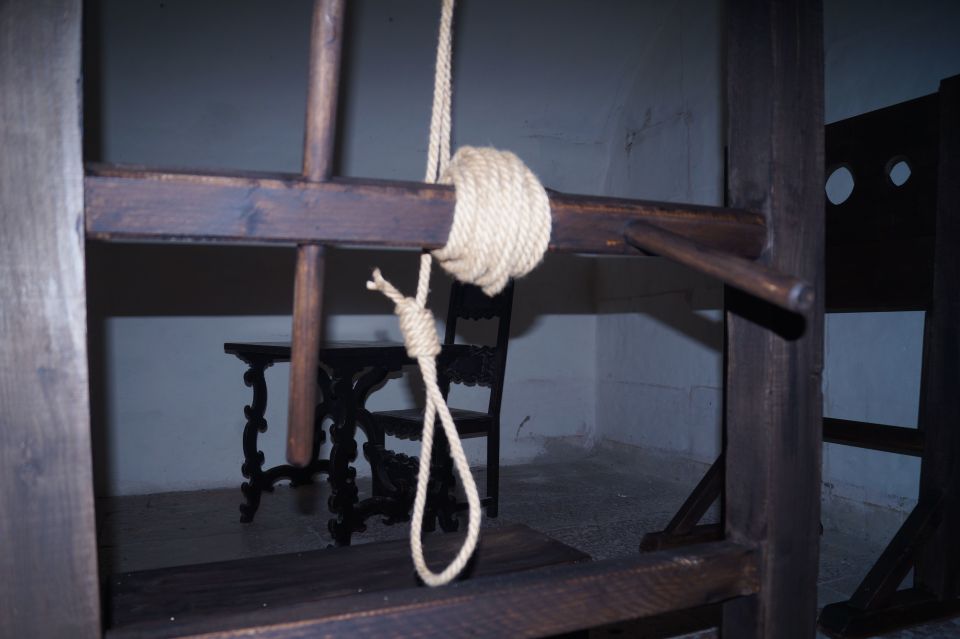
One of the most distinctive claims here is a secret path between prison areas from the 1500s, and it hasn’t been open to the public in the past in the way this tour presents it.
That matters because Venice is full of famous sights. You already know what’s visible in the open-air world. The “secret passage” concept is a way to add real novelty: a corridor-like connection that feels like a functional design choice, not just a display case.
Even if you don’t get a dramatic Hollywood moment, you’ll still feel the logic of the prison layout. The passage helps you see how different areas could connect behind the scenes—exactly what you want from a tour that goes beyond standard museum wandering.
Two floors, a short visit, and time to look again
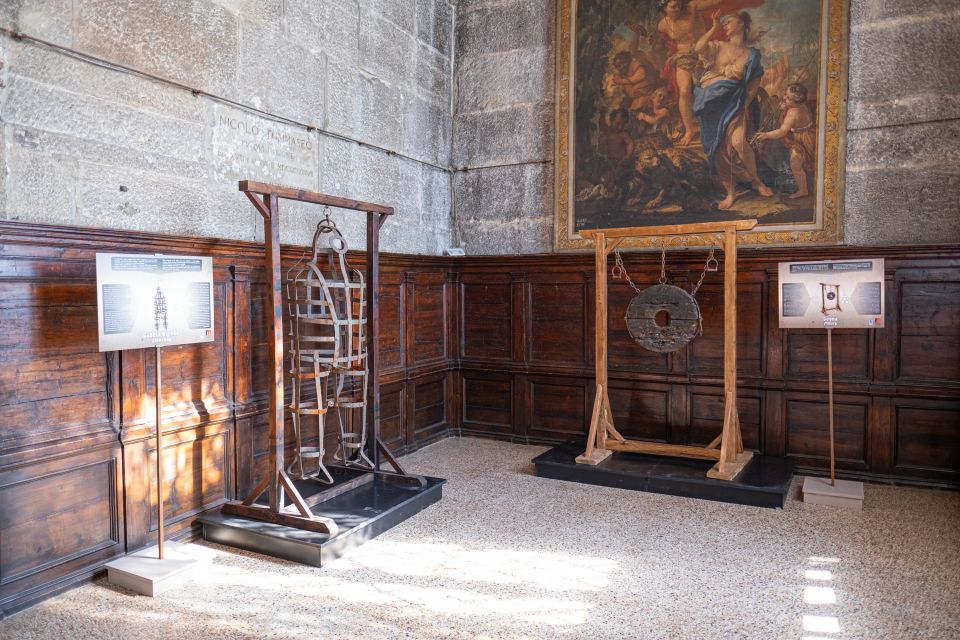
This is the kind of attraction that’s built for a short visit with high intensity. Many people mention it lasts about 45 minutes to an hour, and the rooms are arranged to keep you moving without feeling rushed.
One perk: at the end, you can usually walk around and explore more if you want to linger over something you missed. That’s helpful because the main route may move quickly, while the cells and torture rooms can invite extra staring.
Because it’s compact, I’d plan this as an add-on that fits into your day around San Marco. Don’t schedule it as the first stop when your energy might be low. Start with it when you can focus.
Also, note the tour can be bilingual, so you may hear explanations tailored to English and Italian needs depending on the group.
Language and guide style: who you’ll likely hear from
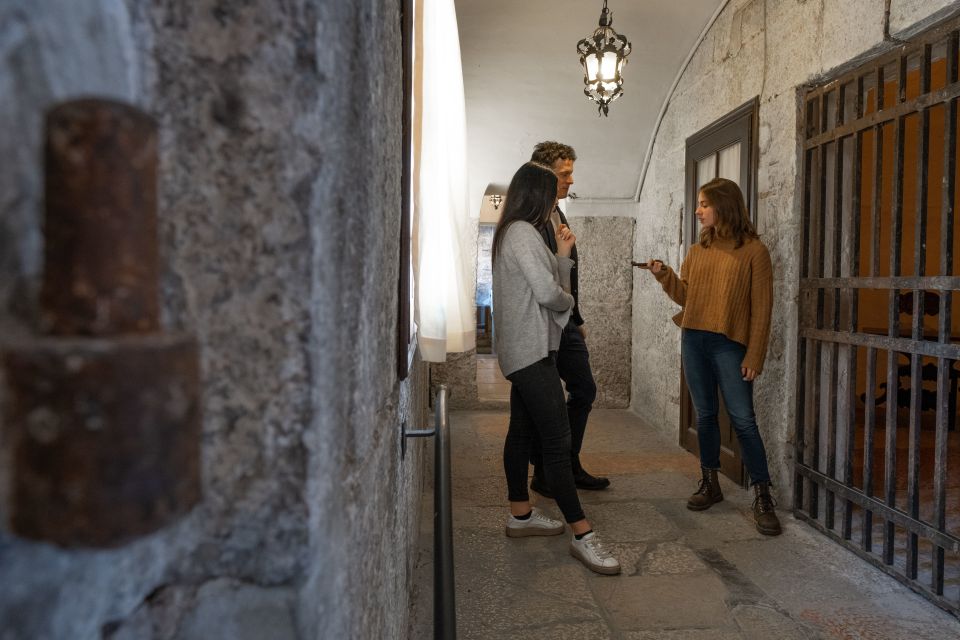
The tour includes a live guide (Italian and English are mentioned), and the experience may be bilingual depending on the group. People sometimes describe guides giving explanations in both languages within the same tour flow.
I saw several named guides in the feedback: Julia, Greta, Kristian, Charlotte, Tiziana, and Christian. Different personalities change the tone. Some people highlight that their guide answered questions in real time and explained objects that didn’t have much signage. Others liked that the guide kept it focused and not overwhelming.
So if you’re choosing between guided and self-guided, consider your style:
- If you like questions answered and context placed around the exhibits, go guided.
- If you want to move at your own pace, the audio option can work, too.
Audio guide vs guided tour: what to pick
There are situations where choosing audio makes sense. Maybe you’re traveling with someone who wants more time reading than listening, or you prefer quiet observation.
If you go with the audio guide option, you can choose among languages: English, French, Spanish, and Italian. The audio guide link is provided by the operator, and it’s available through Easy Guide.
Still, live guidance seems to be a major reason people rate this experience so highly. Guides can interpret artifacts on the spot, explain how spaces connected, and bring the Casanova and Lords of the Night material to life. If your goal is story plus clarity, live is the stronger fit.
If you’re sensitive to the torture-device content and want tighter control over pacing, audio lets you slow down or skip sections more easily. But the tour route is part of the package, so you’ll be making that choice inside the building.
Price and value: why $11 can make sense in Venice
At $11 per person, this is one of the cheaper ways to get into a site that feels like more than a photo stop. You’re getting skip-the-line entry to the Prison’s Palace, and if you choose the guided option, you also get a live guide and optional audio support depending on what you select.
For Venice, the value is in the combination:
1) prime location by San Marco
2) access inside prison spaces (cells and court-related rooms)
3) storytelling that connects famous history with the physical layout
Also, the time length works in your favor. A one-hour activity means you’re not buying a full-day commitment in a city where time costs a lot.
If you’re here for major sights like St. Mark’s and Doge’s Palace already, this is the darker counterpart that adds variety. If you’re already burned out on ticketed interiors, it might feel like a lot of emotional weight for the time.
But if you want something real, specific, and well placed in the city, the price-to-experience ratio reads as solid.
What’s included—and what you shouldn’t confuse it with
This experience includes skip-the-line entry to the Prison’s Palace. If you pick the guided option, you also get a live guide and, if selected, an audio guide.
What’s not included is access to the Bridge of Sighs and access to the Doge’s Palace. Those are separate ideas in the same general neighborhood, and it’s easy to assume they come as a package because the buildings are nearby.
So treat this as the prison complex experience. If you specifically want the Bridge of Sighs interior viewpoint, plan another ticket or option that includes it.
Who should book this and who might skip
This tour fits best if you like:
- Venice history that goes beyond art and architecture
- crime and justice stories with real settings
- short, guided visits that keep moving
It’s also a good choice if you enjoy unusual history and like learning how a system worked—Council of the Ten, Lords of the Night, and the way punishment was presented.
You might skip it if:
- the torture-device exhibits feel too intense
- you dislike dark-history topics
- mobility is limited, because it’s stated as not recommended for limited mobility
And if you’re traveling with kids, some reviews mention kids in the group and describe the tour as engaging. Still, because the content is explicit about punishment devices, you know your family better than any brochure.
Should you book: my practical take
Yes, I’d book it if you want a Venice experience that feels specific and not interchangeable. The mix of cells, graffiti, and Casanova, plus the talk of the Lords of the Night and Council of the Ten, makes it more than a quick fright stop.
Skip it if you’re seeking light, pretty sightseeing only, or if torture exhibits would ruin your day. Otherwise, plan it near San Marco, give yourself room to wander afterward, and let the story do its job.
You’ll leave with a different mental map of Venice: not just the city of canals, but the city of courts, confinement, and power.
FAQ
How long is the Venice prison cells and tortures tour?
The activity is offered for a one-day schedule, and the visit itself is typically about 45 to 60 minutes based on how long people describe it.
How much does the tour cost?
The price listed is $11 per person.
Does the ticket include skip-the-line entry?
Yes. Skip-the-line entry to the Prison’s Palace is included.
Is the Bridge of Sighs included?
No. Access to the Bridge of Sighs is not included.
Is the Doge’s Palace included?
No. Access to the Doge’s Palace is not included.
What languages are available?
The live tour is available in Italian and English. The optional audio guide is available in English, French, Spanish, and Italian.
Is it suitable for people with mobility impairments?
It is not suitable for people with mobility impairments, and it’s also noted as not recommended for limited mobility.