REVIEW · VENICE
Venice: Off the Beaten Path Private Gondola Ride
Book on GetYourGuide →Operated by TUI Musement · Bookable on GetYourGuide
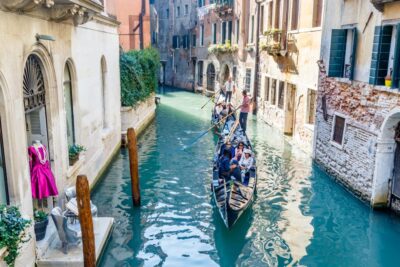
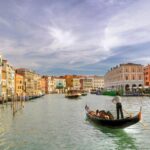
Venice goes quiet when you sit low on water. This private gondola ride lets you float past palaces, churches, and bridges with a local gondolier, and you’ll often hear detailed canal craft from people like Fabio. I love that it’s private—your group has the boat and the narration—so the ride feels personal instead of rushed.
What I also like is the flexible route: you can keep it short in the calmer San Paolo area or spend longer weaving toward bigger sights like Rialto and St. Mark’s. The one drawback to plan around: this experience isn’t suitable for wheelchair users or people with mobility impairments, since getting on and off a gondola can be difficult.
In This Review
- Key Things I’d Bet Your Trip On
- Why a $94 Private Gondola Ride Can Still Feel Like Value
- How the Route Changes: 30 Minutes vs 1 Hour vs 1.5 vs 2 Hours
- 30-minute option: San Paolo focus
- 1-hour option: Grand Canal enters the story
- 1.5-hour option: Rialto Bridge area and markets
- 2-hour option: St. Mark’s loop and the big set pieces
- San Paolo Canals: Zenobio, Carmelitani, and Canal-Facing Architecture
- Degli Scalzi Bridge and Ca’ Foscari: The Grand Canal Without the Stress
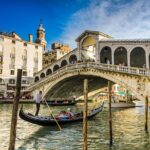
- Rialto Bridge and Mercato di Rialto: Merchant City Energy
- St. Mark’s Square Loop: Bridge of Sighs and Doge’s Palace from the Water
- Gondoliers Like Fabio and Stefano: How the Narration Makes the Ride
- Practical Tips That Make or Break Your Gondola Time
- Who Should Book This Private Gondola Ride (and who shouldn’t)
- Should You Book This Off-the-Route Private Gondola Ride?
- FAQ
- How long is the gondola ride?
- Where does the 30-minute tour go?
- Is transportation to the meeting point included?
- How many people can be on each gondola?
- Can I choose whether to get a commentary during the ride?
- Is this activity suitable for wheelchair users or mobility impairments?
Key Things I’d Bet Your Trip On
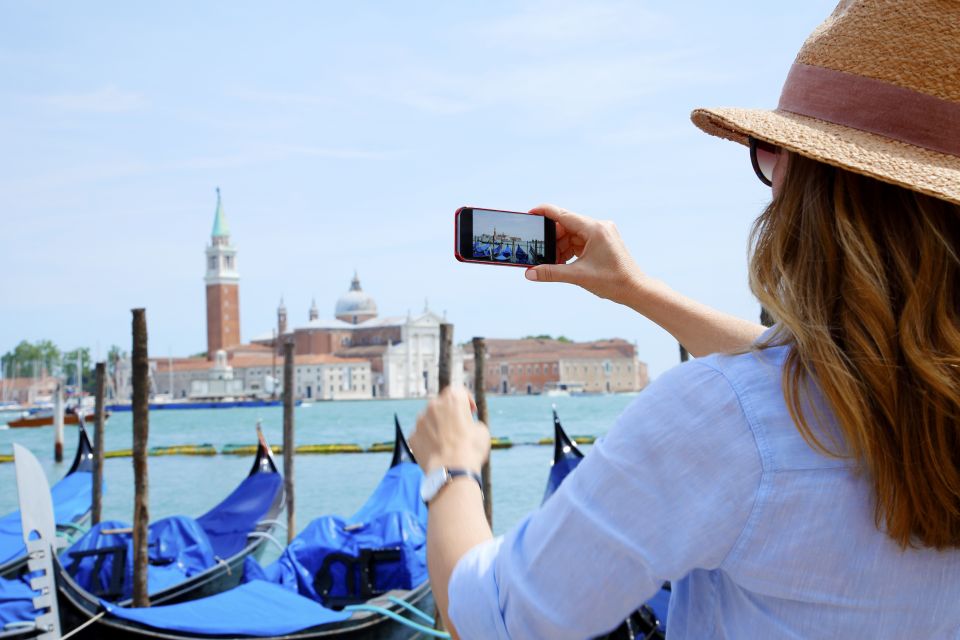
- 400+ hours of training for a gondolier license, so you get real canal know-how, not just sightseeing talk
- Pick your route length: 30 minutes stays closer in; 2 hours reaches the famous sights
- Grand Canal access in the longer options, including under Degli Scalzi Bridge
- Architectural stories you’ll actually remember, like why Venice buildings face the canal
- Commentary control: you can choose narration or a quieter ride with just the water sounds
- Maximum 5 people per gondola, keeping the experience intimate even with families
Why a $94 Private Gondola Ride Can Still Feel Like Value
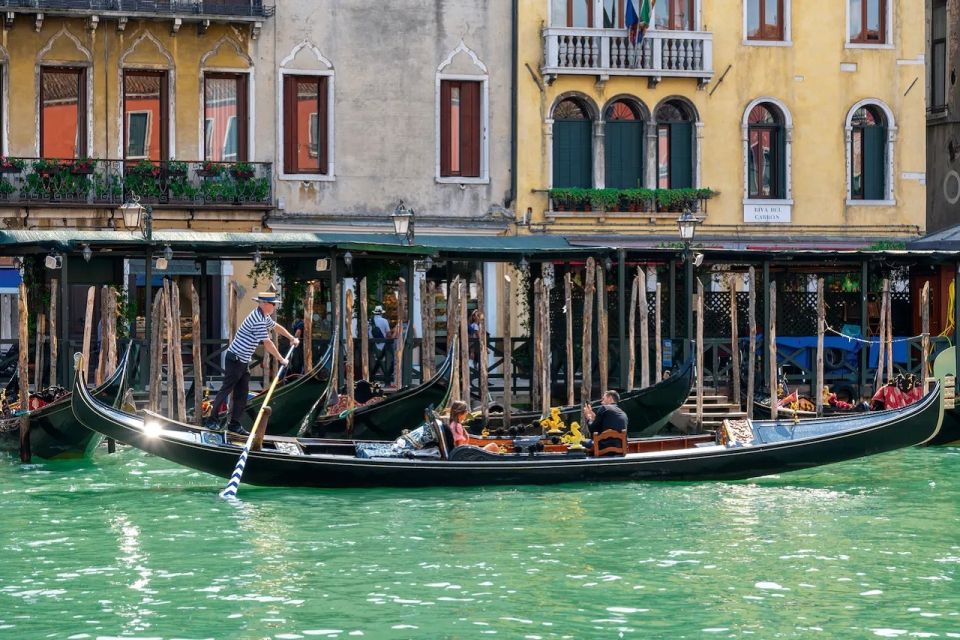
At $94 per person, this isn’t a “cheap thrill” add-on. But you’re paying for two things that matter in Venice: a private boat and a local gondolier who can read the canals like a map. Venice is famous, yes—but it’s also a maze. A private gondola turns that maze into a calm route where you don’t have to keep stopping, checking your phone, and guessing where to go next.
The pricing also makes more sense when you think about what you’re avoiding. If you try to DIY similar views, you’ll spend time walking back and forth between bridges, then waiting in lines at the busiest areas. Here, the boat does the heavy lifting. Even the included skip-the-ticket-line detail hints at the same idea: less time queued up, more time moving through the city.
One more practical value point: you’re not just “seeing sights.” Your gondolier can explain what you’re looking at—palace fronts, church placement, canal-facing façades—so the ride turns into a short crash-course you’ll still be able to describe later.
You can also read our reviews of more private tours in Venice
How the Route Changes: 30 Minutes vs 1 Hour vs 1.5 vs 2 Hours
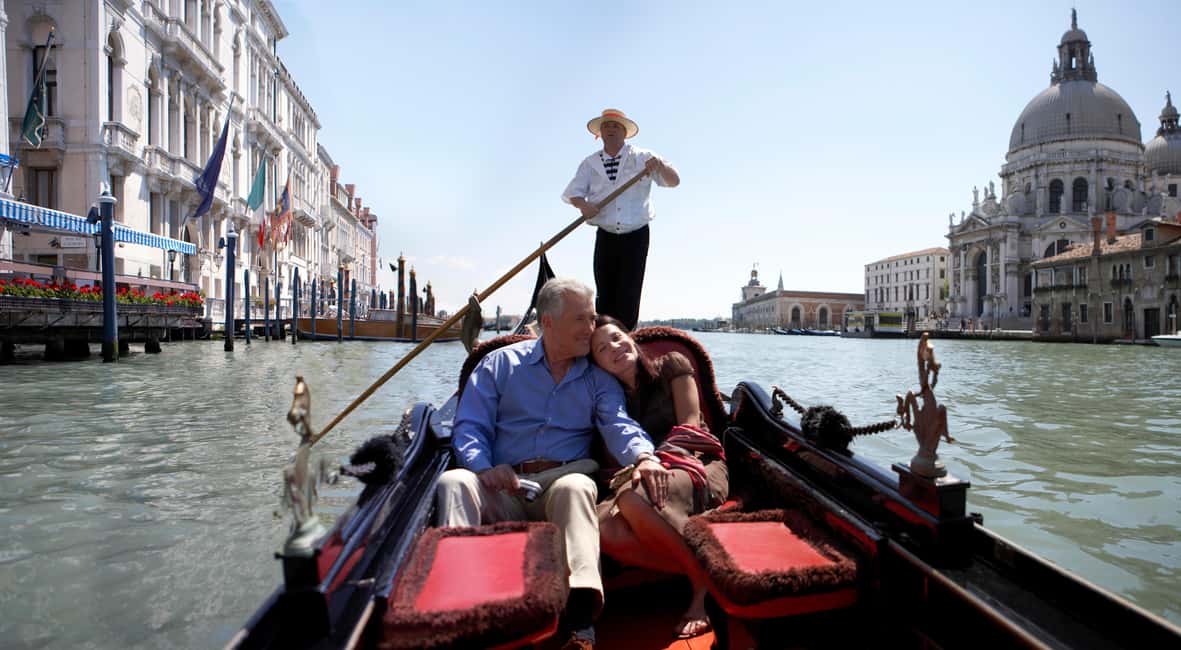
This is one of those Venice choices that quietly decides your whole mood. Pick a duration based on what you want most: calm back canals, a taste of the Grand Canal, or the big central hits.
30-minute option: San Paolo focus
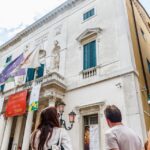
The shortest ride targets an intimate slice of Venice around the San Paolo district. You’ll pass by things like Zenobio Palace and Carmelitani Church (and you’ll end up near Palazzo Briati / Palazzina Briati, depending on the exact timing of your selected run). This is the option for “I want the gondola feeling, without sprinting.”
You’ll still get canal views worth paying attention to, especially the way older buildings present themselves to the water since canals were the city’s main routes before streets really took over.
1-hour option: Grand Canal enters the story
After the start in the San Paolo side, the ride continues toward the Grand Canal, passing under Degli Scalzi Bridge. This is where the atmosphere changes. The water feels busier in the visual sense—you’re closer to the big-name architecture—but it’s still controlled because you’re in a private gondola.
Your gondolier will point out sights like Ca’ Foscari (including Palazzina Briati) and Ca’ Pisani Moretta. If you’ve come to Venice for the iconic canal drama, this hour is often the sweet spot.
1.5-hour option: Rialto Bridge area and markets
The 1.5-hour route adds the Rialto Bridge area. You’ll also pass near Mercato di Rialto, so you get a sense of what Venice looked like when it was a working merchant city, not just a postcard.
This is a good choice when you want iconic scenery but still want time to experience those less-screaming back stretches between the headline zones.
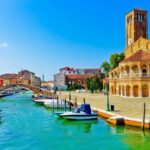
2-hour option: St. Mark’s loop and the big set pieces
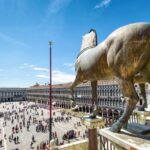
The longest option is the full sweep, including St. Mark’s Square, the Bridge of Sighs, Doge’s Palace, and Santa Maria della Salute—and you head back toward Piazzale Roma. If your Venice trip is tight on time, this is the one that best reduces “we should’ve seen that” regret.
San Paolo Canals: Zenobio, Carmelitani, and Canal-Facing Architecture
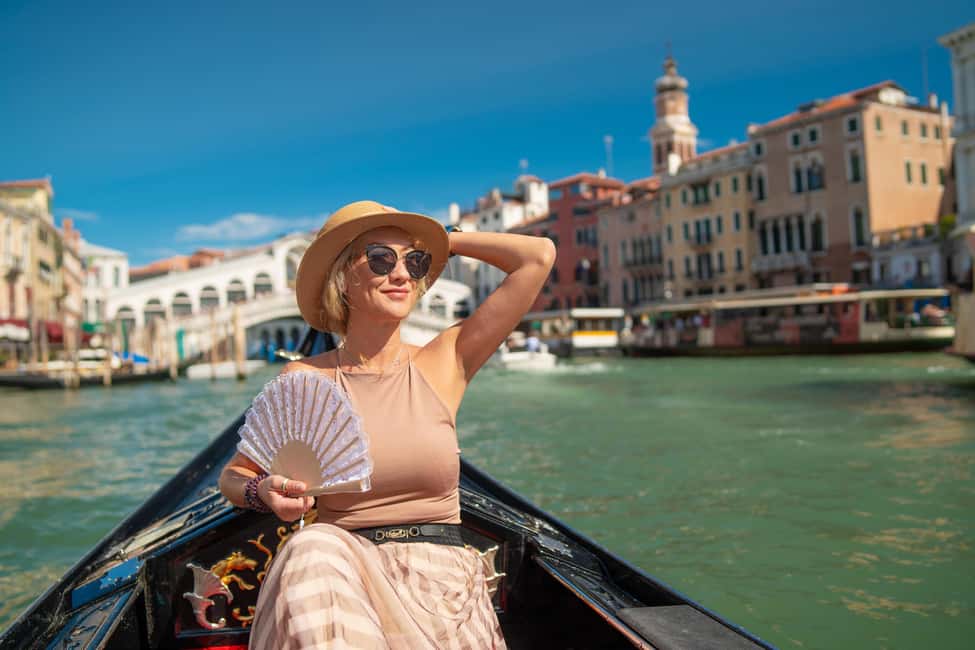
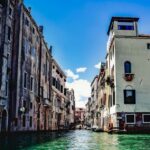
In the short ride, you’re not trying to conquer Venice. You’re savoring it. The San Paolo approach keeps you away from the worst of the crowd pressure, so the gondola feels more like a glide through someone’s neighborhood than a tourist channel.
One of the most useful parts here is the architecture lesson your gondolier can give. Venice canals weren’t just for boats. They were the city’s streets. That’s why you’ll notice canal-facing façades—building fronts designed to be seen from the water, with style and status written into the stone and openings. When your gondolier explains that, the buildings stop being random eye-candy and start feeling like evidence of how people lived and sold and traveled.
As you pass Zenobio Palace and nearby church architecture like Carmelitani Church, I’d expect you to slow down your own pace mentally. You’re in a place where details matter more than scale. If you’re the kind of visitor who likes looking up at windows, stone trim, and small bridges, this option rewards you.
Degli Scalzi Bridge and Ca’ Foscari: The Grand Canal Without the Stress
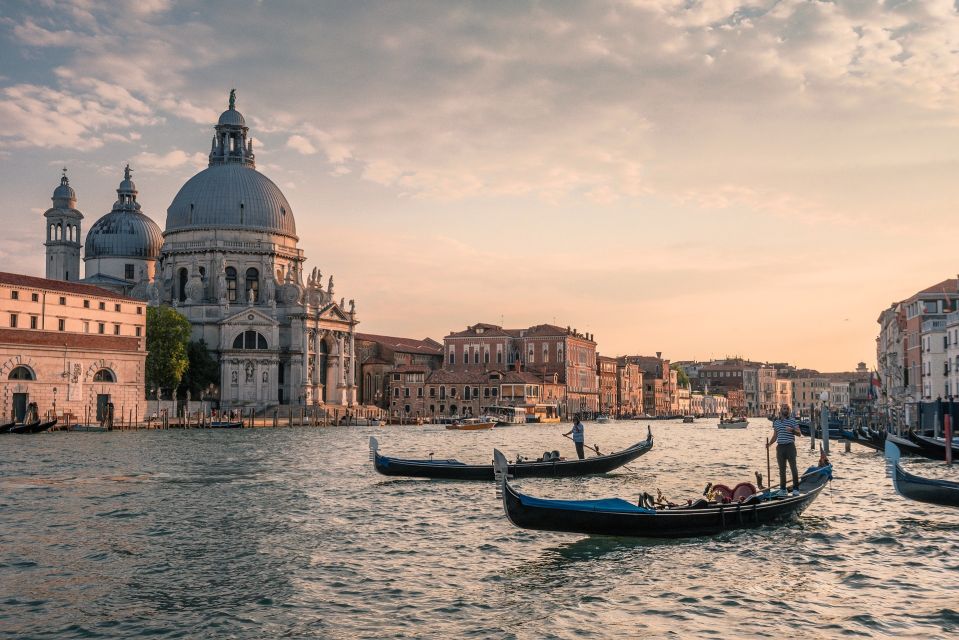
The Grand Canal can be a lot—big scenery, lots of boats, and plenty of places where you might feel like you’re standing in the wrong spot. The advantage of this private ride is that you don’t have to choose a perfect viewing angle on foot. Your gondola positions you so you can see the buildings as you go, with your gondolier guiding the story.
Under Degli Scalzi Bridge, you’ll get that “oh, this is why Venice is Venice” moment. It’s also a helpful waypoint: it visually signals that you’re entering the core waterway of the city.
Then come the architecture stops your gondolier is likely to call out, including Pisani-Moretta Palace and Ca’ Foscari. Ca’ Foscari is particularly interesting because it’s not just a landmark—it’s an educational institution, so you can look at the buildings and think about how Venice keeps functioning, not only how it looks from the outside.
If you’re doing Venice in winter or shoulder season and want the glamour without the crush, I’d seriously consider the 1-hour option first. It’s long enough for drama, short enough to feel easy.
Rialto Bridge and Mercato di Rialto: Merchant City Energy
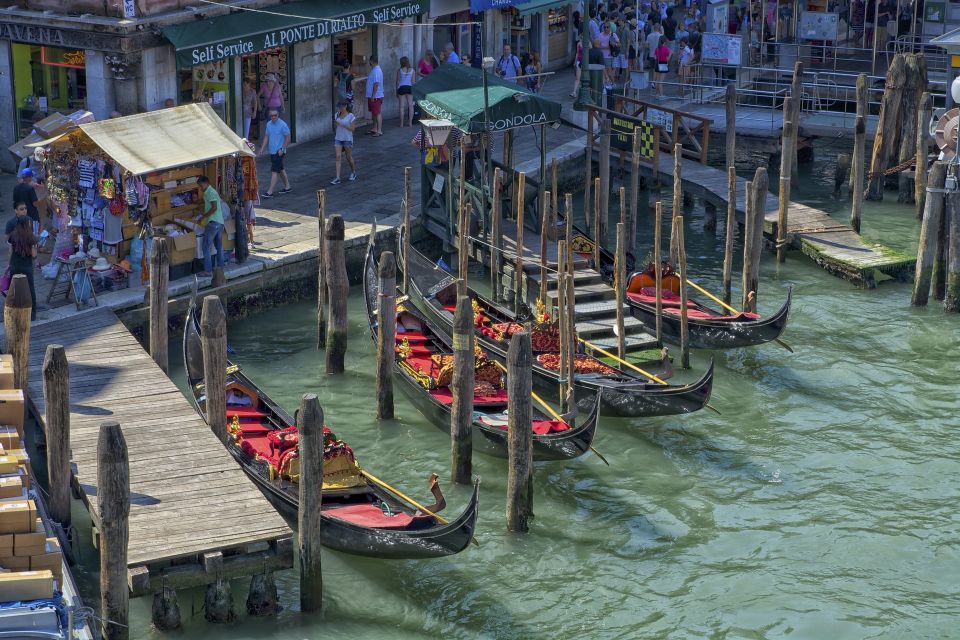
When the ride heads into the Rialto zone, the vibe shifts from elegant façades to a place that feels tied to trade. You’ll pass through the Rialto Bridge area and near Mercato di Rialto—the sort of setting where you can imagine the movement of merchants, goods, and daily life.
This part works best if you want context, not just scenery. Your gondolier can talk about Venice’s past as a merchant city and what everyday life looked like when water access determined business success. That framing changes how you see what’s around you. Buildings start to look like they were designed for commerce and visibility. Streets feel like they were planned around canal travel.
Even if you’ve seen photos of Rialto before, the gondola perspective makes it more dimensional. You’re not only looking at the bridge—you’re seeing the surrounding canal edges where daily traffic would’ve mattered.
St. Mark’s Square Loop: Bridge of Sighs and Doge’s Palace from the Water
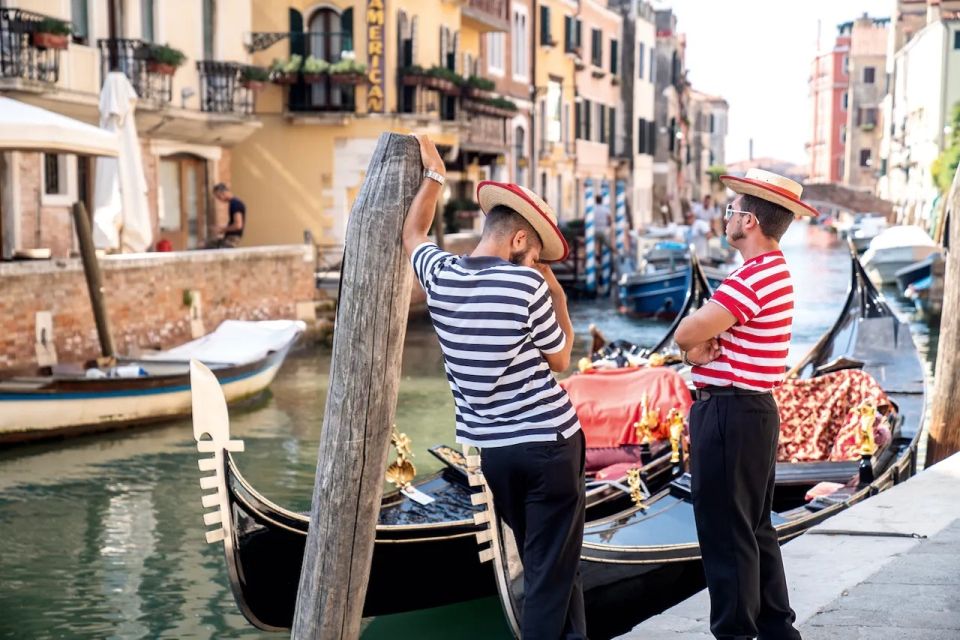
The 2-hour route is the full “big Venice” set, but with a key twist: you’re viewing these icons from the canals, not from a crowded walkway.
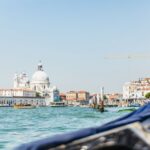
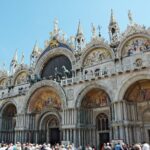
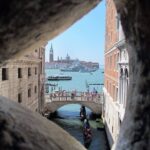
The ride brings you past Bridge of Sighs, then toward Doge’s Palace, and on to Santa Maria della Salute. You’ll also reach San Marco and St. Mark’s Square. These are famous for a reason, but the water-level approach changes your relationship to them.
From the gondola, you get a slower pace to take in scale, and you can connect the story your gondolier tells to the physical layout you’re seeing. Even if you already know the names, it’s different to link the bridge and palace to how Venice functioned—power, law, movement—without having to fight your way through the busiest foot-traffic corridors.
If St. Mark’s is your must-see, the question isn’t whether you’ll enjoy it. The question is whether you’ll enjoy your whole afternoon. This longer option gives you a single guided route that hits the biggest icons while keeping the experience calm.
Gondoliers Like Fabio and Stefano: How the Narration Makes the Ride
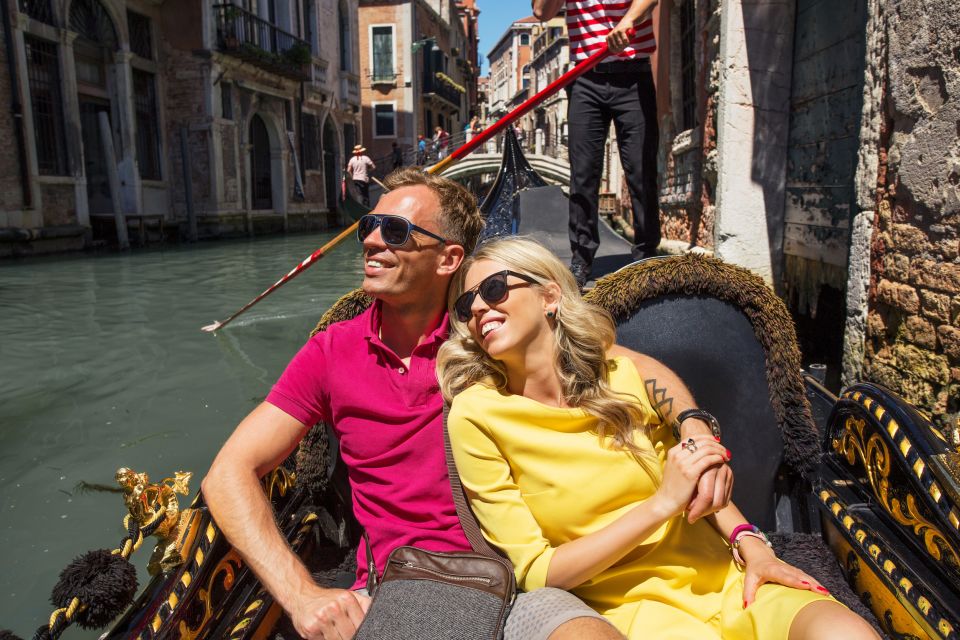
The gondolier is the product. The boat is the vehicle; the real skill is what happens while you glide.
Fabio’s approach is a good example of what you can hope for. He emphasizes that a gondolier license requires over 400 hours of training—learning the canals, Venetian art and history, and even language skills. His point is simple: gondoliers aren’t just “drivers.” They’re city historians with a working knowledge of water routes.
In the same spirit, you might also meet gondoliers like Stefano, described as passionate about preserving Venetian culture and sharing personal perspectives, not only facts. That personal angle is worth something in Venice, where a lot of tours can feel like recited scripts.
One practical detail I like: your gondolier asks whether you want commentary during the experience or prefer silence and scenery. If you’re tired from walking, having the option to switch to quieter sightseeing is a real quality-of-life upgrade.
Practical Tips That Make or Break Your Gondola Time
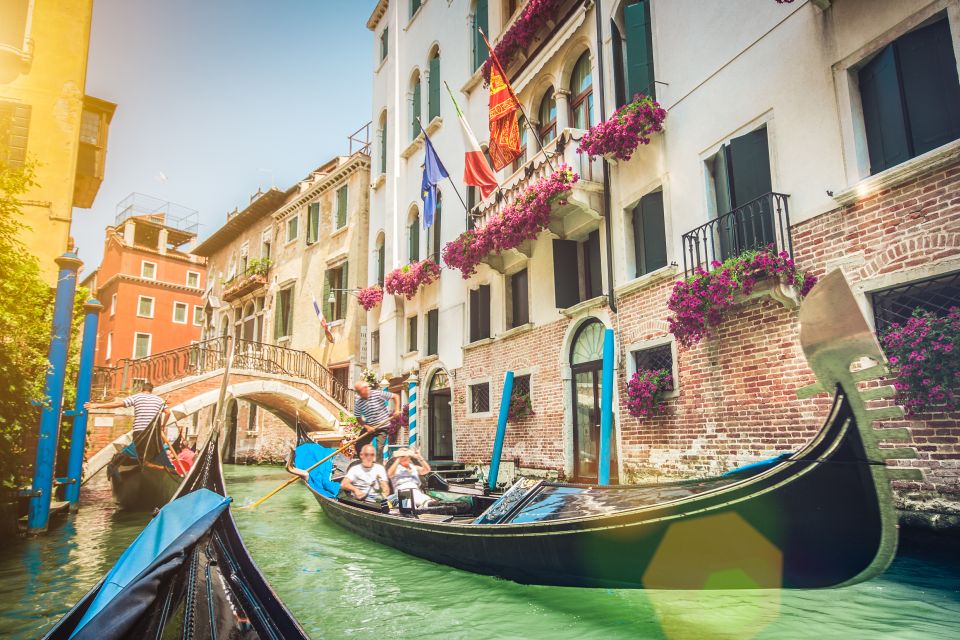
A few details here will save you hassle and frustration.
- Wear comfortable shoes. You’ll be on Venetian ground before you board, and the ride doesn’t fix bad foot comfort.
- Go light. Luggage or large bags aren’t allowed, so plan for a small bag only.
- Arrive 10 minutes early. If you’re late, the ride can be shortened, and missing the window by more than 15 minutes counts as a no-show.
- Know the boat limits. Each gondola carries a maximum of 5 people (children count as adults, and babies count as adults too). If your group is bigger, you’ll be divided among multiple gondolas.
- Dogs are allowed and don’t count toward the person limit.
- Rain or shine. The ride runs in bad weather too, but it can be canceled in cases like exceptionally high tides or heavy rain, with a full refund.
Also note the languages: your host or greeter can work in English and Italian, so you shouldn’t feel locked out if your Italian is rusty.
Who Should Book This Private Gondola Ride (and who shouldn’t)
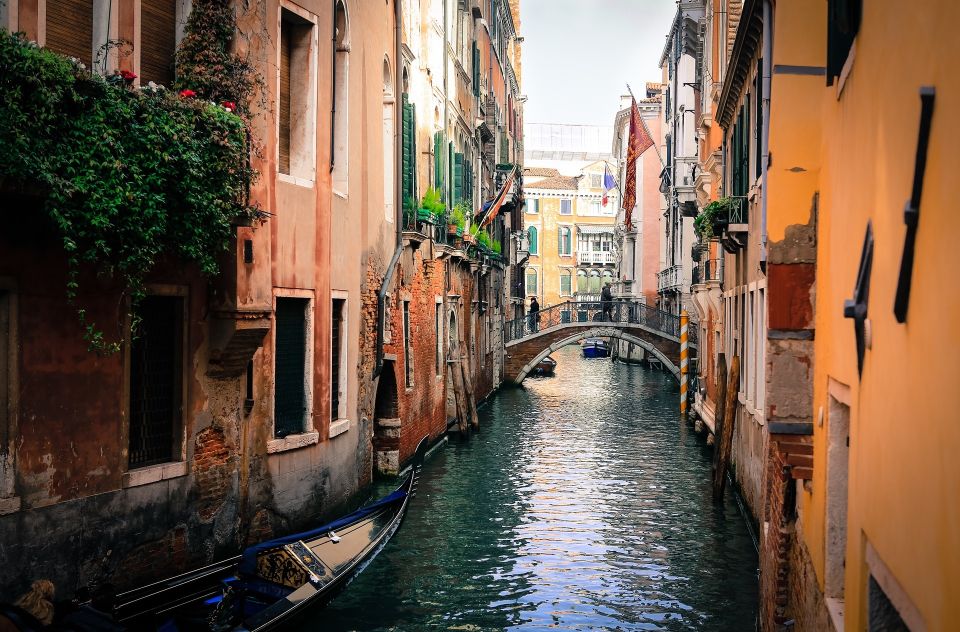
This experience is a great match if you want Venice without the chaos of constant walking and crowd bottlenecks. It also fits well if you care about learning—especially architecture and why certain buildings face the canal.
It’s best for:
- Couples and small groups who want real private time
- Visitors who like guided context tied to what they’re literally passing by
- Travelers who want a quieter canal experience, but still want the chance to reach bigger sights
Skip it if:
- You have mobility impairments or need wheelchair access, since it’s not suitable for wheelchair users
- You’re traveling with lots of bulky luggage
- You expect a fixed route with zero variation—your pickup and exact path depend on your selected option
Should You Book This Off-the-Route Private Gondola Ride?
I’d book it if your Venice priorities include calm, local storytelling, and a ride that matches your time. The big decision is duration.
- Choose 30 minutes if you want the gondola feeling quickly and you’re happy staying in a quieter corner like San Paolo.
- Choose 1 hour if you want the Grand Canal moment under Degli Scalzi Bridge and a strong hit of places like Ca’ Foscari.
- Choose 1.5 hours if Rialto matters and you want something with working-city energy near Mercato di Rialto.
- Choose 2 hours if St. Mark’s, Bridge of Sighs, and Doge’s Palace are on your must-do list.
If you want a Venice highlight that feels personal rather than crowded, this is one of the cleanest ways to get it.
FAQ
How long is the gondola ride?
You can choose from 30-minute, 1-hour, 1.5-hour, or 2-hour private gondola options.
Where does the 30-minute tour go?
The 30-minute tour goes to Palazzo Briati and stays focused on the San Paolo district.
Is transportation to the meeting point included?
No. Transportation to the meeting point is not included.
How many people can be on each gondola?
Each gondola carries a maximum of 5 people. Children count as adults, and babies also count as adults.
Can I choose whether to get a commentary during the ride?
Yes. Your gondolier will ask if you want commentary, or if you prefer to enjoy the sights silently.
Is this activity suitable for wheelchair users or mobility impairments?
No. It is not suitable for people with mobility impairments or wheelchair users.