REVIEW · VENICE
Creative Venice: Artisan Excellence and Craftsmen Workshops
Book on Viator →Operated by deTourist Venice Valerio Coppo · Bookable on Viator
Venice is best when it’s made by hand. This tour strings together artisan workshops and traditional craft shops across central neighborhoods, guided by Valerio Coppo. You get behind-the-counter access to how objects are actually produced, not just how they look in a showroom.
I love the pace: it stays leisurely and lets you ask questions without feeling herded. I also like the variety—textiles, Murano glass, ancient paper, ceramics, and even shoes made from recycled materials. One thing to consider: because this is a private, small-group style experience with many short stops, you’ll want to stay present and ready to move between points rather than treat it like a slow stroll.
In This Review
- Key Points That Matter Before You Book
- Artisan Venice Starts at Campo San Giacomo di Rialto
- Rialto’s Fish Market: Where Venice Sounds Like It Should
- San Polo and Rural Ceramics Made for Real Meals
- The Ponte di Rialto Shoe Shop: Recycling Turned into Style
- Campo Manin’s Hat Shop and Ecuadorian Panama Imports
- Campo Santo Stefano: A Master Marmorizer and Paper That Looks Alive
- San Salvador Atelier: Glass Flowers, Cut Iron, and Sculptures in a Cozy Room
- Murano Glass Jewelry: Beads Hand-Made by Local Workshops
- Cannaregio Textile Company: Soprarizzo Velvet on 18th-Century Looms
- What You Actually Get From a Private Craft Tour (Not Just Shopping)
- Logistics That Affect Your Comfort
- Price and Value: $182.17 for Crafts That Cost Time to Learn
- Should You Book Creative Venice? My Practical Take
- FAQ
- How long is the Creative Venice craft tour?
- What does the tour cost?
- Where do we meet the guide?
- Is pickup available?
- Is the tour private?
- What language is the tour offered in?
- What’s included in the price?
- Do I need to buy tickets for the stops?
- Is there a mobile ticket?
- Is free cancellation available?
Key Points That Matter Before You Book
- Private, just your group experience with a licensed guide (Valerio Coppo).
- Multiple workshop stops focused on making: from textiles and paper to glass jewelry.
- Free admission at each listed stop, so you’re not scrambling for ticket costs mid-walk.
- Valerio’s style is described as entertaining, anecdote-filled, and adapted to the people in the group.
- No pressure to buy is specifically called out in feedback.
- Pickup is limited: only available if you book a private group; otherwise you meet at Campo San Giacomo di Rialto.
Artisan Venice Starts at Campo San Giacomo di Rialto
You begin at Campo San Giacomo di Rialto, in the center, in front of a church that’s traditionally considered the oldest in town. It’s a good opener because it anchors you fast: this city isn’t only about landmarks; it’s about long-running local life.
The stop is brief, around 15 minutes. That short window is actually helpful on a craft tour—you want to get your bearings, then get moving toward the hands-on work.
You can also read our reviews of more tours and experiences in Venice
Rialto’s Fish Market: Where Venice Sounds Like It Should
Next comes Mercato del Pesce al Minuto, the Rialto fish market. This is one of those places where Venice feels raw and immediate: fish arranged on icy stalls, seagulls circling, fishmongers calling out the catch, and locals browsing in two market halls.
Plan for noise and motion. You’re not there for a quiet photo op. You’re there because markets helped shape skills, materials, and trades for centuries, and this one still runs like an actual working place.
San Polo and Rural Ceramics Made for Real Meals
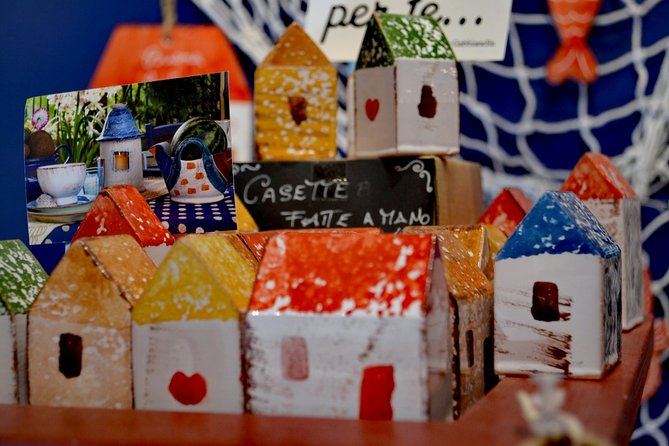
In San Polo, you visit a local artisan producing traditional rural products, using typical materials and manufacturing techniques that don’t survive in industrial production. The idea isn’t just the object—it’s what it represents: gathering with family, setting the table, preparing food, celebrating at home.
You’ll see ceramics made in Italy with bright colors and lively patterns. These are described as hand crafted in a warm, rustic-yet-refined style—more “lived-in elegance” than mass-produced prettiness. The downside: if you’re hoping for a high-speed shop tour focused on specific techniques only, this stop leans more toward tradition and meaning than technical workshop demonstrations.
The Ponte di Rialto Shoe Shop: Recycling Turned into Style
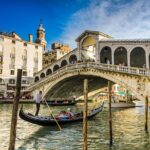
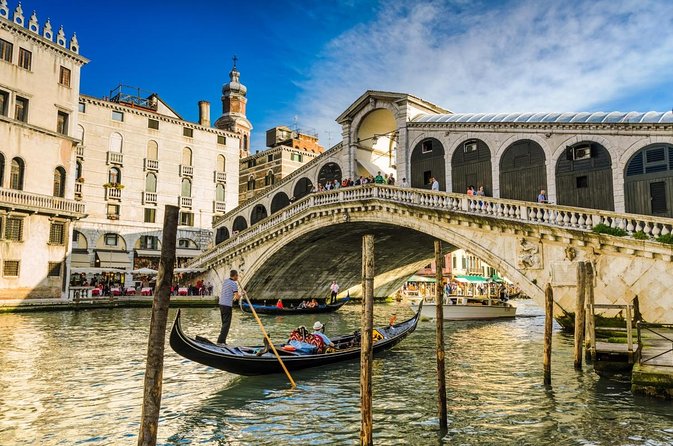
Crossing to the Ponte di Rialto area, the tour shifts to footwear. In this shop, the story is about necessity becoming virtue: old bicycle tires used as waterproof, hardwearing soles; jute sacks (from seeds and grains transport) turned into linings; and even fabrics and rags from old clothes reused for uppers.
If you care about craft as a response to resources—this is the kind of detail that makes the city feel practical, not just picturesque. You’ll also hear about the Veneziane style, inspired by the eighteenth-century splendor of the Serenissima republic, with hand-sewn options like velvet or bright oriental silks. Expect craftsmanship that’s built to last, not a trendy one-season product.
Campo Manin’s Hat Shop and Ecuadorian Panama Imports
At Campo Manin, you meet Giuliana’s tiny hat shop, packed with hats for different Venetian moments: Panama hats, gondolier hats, Carnevale styles, waterproof options, wool hats, and even wedding hats. The standout detail here is the direct supply chain: since 1980, Giuliana has imported Panama hats directly from Ecuador.
This shop is also officially recognized as a historic place of the Veneto Region. That matters because it signals continuity—craft and commerce here weren’t “one big redesign,” but something that kept its identity.



Campo Santo Stefano: A Master Marmorizer and Paper That Looks Alive
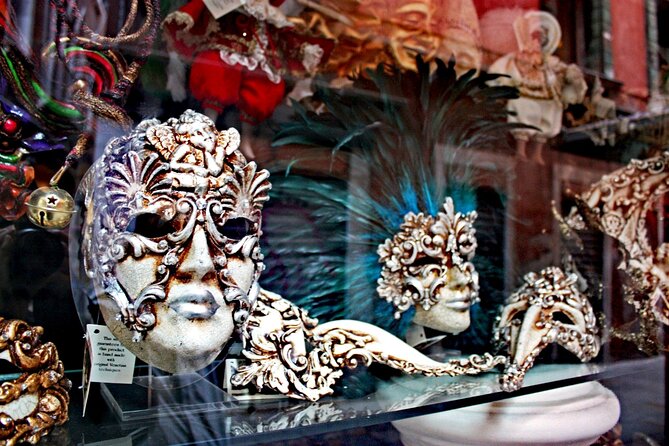
In Campo Santo Stefano, you meet a maestro marmorizzatore—an expert papermaker focused on ancient paper techniques still practiced in Venice. The word maestro matters in a local way too, used for respectful greetings, which fits the shop vibe: teacher, expert, and craft authority.
The pieces you’ll see depend on the water’s color shifts through the Lagoon, translated into the surface patterns this technique can produce. You might come across floral themes like tulips, roses, and trees, plus an original series of fish that smile, petrified on paper like fossils.
This stop is short at 15 minutes, but it’s one of the most visually “wow” moments on the route. If you’re the type who likes to understand how a surface pattern is made—not just what it looks like—this is where you’ll feel the most satisfaction for your time.
San Salvador Atelier: Glass Flowers, Cut Iron, and Sculptures in a Cozy Room

At Chiesa di San Salvador, you visit an atelier of artists working since 2007 in a precious, cozy space between Rialto Bridge and St. Marco square. The focus is the relationship between the object and the viewer, which shows up in the variety: sculptures and jewelry, delicate glass flowers, dreamlike cut iron shapes, and even “reborn trees” made from wood.
You’ll also see nomadic landscapes and visions described as from the abyss. That kind of phrasing is clearly meant to get you to look slowly, not skim for the most obvious piece. Because the stop is only about 15 minutes, I’d keep your questions ready—ask what materials they use, and what they build first, not last.
Murano Glass Jewelry: Beads Hand-Made by Local Workshops
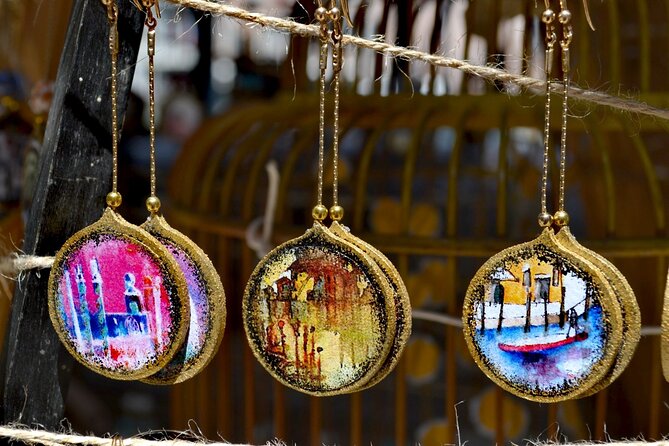
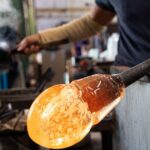
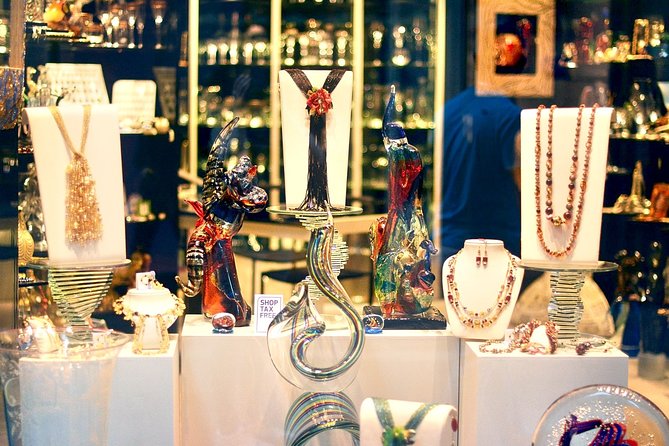
At Ponte di Rialto again, you visit a shop producing jewelry in Murano glass, made entirely by hand using refined Venetian traditions. The beads are hand-made by smaller local workshops with experience in Murano glass making, glass blowing, and lamp-working techniques.
This is a great moment to slow your eye down to scale. Small glass beads can look identical from far away, but hand production typically means tiny differences you can only spot up close. The value here is practical: you learn what “hand-made” really implies, and you’ll know what to ask about if you decide to buy later.
Cannaregio Textile Company: Soprarizzo Velvet on 18th-Century Looms
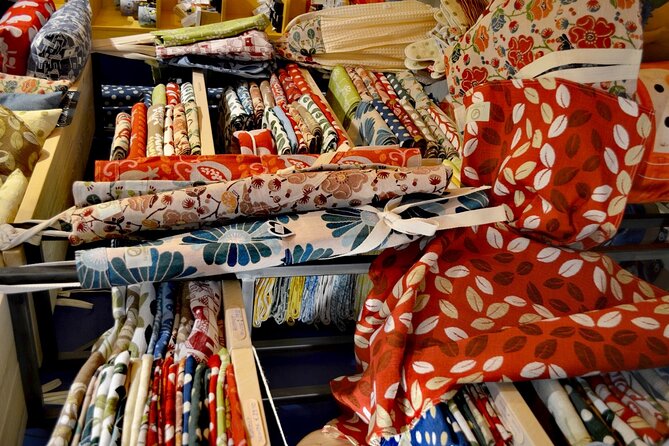
The last major craft stop is in Cannaregio at a textile company producing fine fabrics for furnishing and high fashion—velvets, damasks, lampases, brocatelles, plus their special soprarizzo velvet. What makes this stop concrete is that soprarizzo is still hand made and produced on 18 looms of the 18th century, previously belonging to the silk guild of the Republic of Venice.
That’s the kind of detail that separates a craft stop from a generic shop visit. You get a direct line from old production systems to something that still functions today. If you like textiles—or if you’re the kind of traveler who can’t resist fabric names—you’ll probably find yourself reading labels and asking how the fabric is constructed.
What You Actually Get From a Private Craft Tour (Not Just Shopping)
A lot of Venice tours are basically walking to views. This one uses walking to get you to making. That changes the whole feel of the city. You’re learning how materials behave, how techniques survive, and how small workshops keep going.
It also helps that feedback highlights how Valerio handles pacing and attention. People describe the tour as not rushed, with a guide who’s personable and full of city anecdotes. One detail I’d trust: the tour is described as adapted based on the people in the group, which usually means you’ll get the version of Venice that fits your interests rather than a fixed script.
And if you worry about being pressured to buy: at least one review specifically says there was no mandatory purchase or commercial pressure. That’s important on an artisan route where it’s easy for shops to take over the mood.
Logistics That Affect Your Comfort
The tour lasts about 3 hours, with 15-minute stops listed at each point. That means you’ll cover a chunk of central Venice on foot while still getting enough time at each workshop to look, listen, and ask questions.
You’ll want to plan around standing and crowd energy—especially at the fish market. Also note the meeting point: Campo San Giacomo di Rialto, in front of the church near the fountain in the middle of the square. The tour ends in Zattere (30133 Venice), so you’re not closing the loop back at the start.
Pickup is only mentioned as possible for a private group. If you’re booking shared tour style, assume you’ll meet at the main point.
Price and Value: $182.17 for Crafts That Cost Time to Learn
At $182.17 per person for roughly 3 hours, this isn’t a bargain-basement option. But you’re paying for what matters on a craft-focused itinerary: access, context, and an in-the-know guide.
Here’s the value logic:
- You get several different workshops/shops, each with a distinct craft story (paper, textiles, glass, recycled shoes, ceramics, jewelry, and more).
- The itinerary lists free admission tickets for the stops, so your money goes toward the experience and guidance rather than entry fees piling up.
- The tour is private for your group, which usually improves the quality of questions and reduces the “watch without talking” feeling.
If you’re the type who likes buying souvenirs with a real story—or who simply enjoys seeing how things are made—this price starts to make sense quickly.
Should You Book Creative Venice? My Practical Take
I’d book this if you want Venice in a different key: craft work, workshop access, and material stories rather than only big sights. It also fits well if you like guided context, since Valerio is repeatedly praised for knowledge and pacing that feels relaxed.
I’d think twice if you want a long, slow sightseeing walk with minimal stops inside shops. This route is structured: short stops, a lot of craft focus, and you’ll likely spend more time looking at hands and materials than at architecture.
FAQ
How long is the Creative Venice craft tour?
It lasts about 3 hours.
What does the tour cost?
The price is $182.17 per person.
Where do we meet the guide?
You meet at Campo San Giacomo di Rialto, in front of the church near the fountain in the middle of the square.
Is pickup available?
Pickup is personalized only if you book a private group. Otherwise, you should meet at the general meeting point.
Is the tour private?
Yes. It’s described as a private tour/activity, meaning only your group participates.
What language is the tour offered in?
The tour is offered in English.
What’s included in the price?
A licensed tour guide is included.
Do I need to buy tickets for the stops?
The tour notes that admissions are free for the listed stops.
Is there a mobile ticket?
Yes, it includes a mobile ticket.
Is free cancellation available?
Yes. You can cancel up to 24 hours in advance for a full refund.
If you want, tell me your travel dates and whether you’re booking as a couple or a small group—I can help you decide if the timing and format fit your style of Venice.