REVIEW · VENICE
Morning Walking Tour of Venice with Mini Cruise
Book on Viator →Operated by Consorzio Vidali Group · Bookable on Viator
Venice rewards early starts. This 2-hour morning walk plus mini cruise hits the big sights in a tight route, then slows down for neighborhoods with real stories. I like how it’s built for first-timers, not people who already know the city.
I also like the balance: you see the classic showpieces at Piazza San Marco and Rialto, then you get context for how Venice actually works, including the Jewish Ghetto.
One thing to consider: the tour can run longer in mixed-language groups, and some people find it harder to hear without good audio.
In This Review
- Key highlights you’ll feel right away
- A morning that actually helps: why this route works
- What you get for the price (and where extras show up)
- Start at Riva degli Schiavoni: the Venice you see before you even enter the crowds
- Piazza San Marco: the big square, the biggest pressure test
- Ponte di Rialto and Canal Grande: classic views with quick timing
- Chiesa di Santa Sofia and the gondola choice
- Strada Nova: where you learn Venice is more than postcards
- Antico Quartiere Ebraico: the story stop that changes your Venice lens
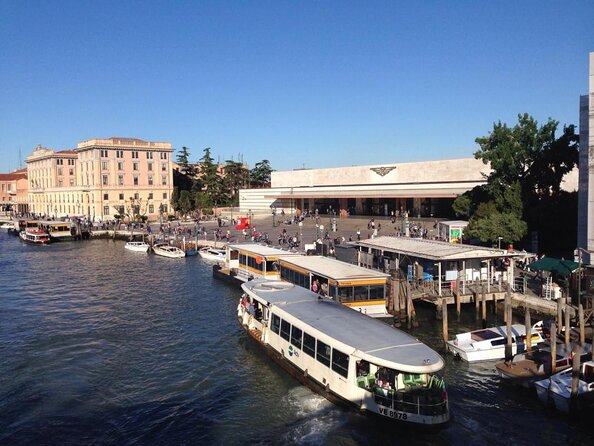
- Finish near Stazione di Venezia Santa Lucia: daily life talk at the edge of the city
- Mini cruise and water transport: the part that makes the morning feel special
- Group size and timing: why your experience might feel faster or slower
- Guides matter: names you might encounter (and what they suggest)
- Who this tour is best for (and who should skip it)
- Should you book this morning walking tour?
- FAQ
- How long is the Morning Walking Tour of Venice with Mini Cruise?
- What’s included in the price?
- Is the gondola ride included?
- Where does the tour start and where does it end?
- What time does the tour run?
- Is the tour offered in English?
- Does the tour depend on weather?
Key highlights you’ll feel right away
- Piazza San Marco and Rialto in one efficient morning so you don’t waste time hunting on your own
- Grand Canal crossing by boat (and a gondola add-on option nearby, for a small fee)
- Jewish Ghetto stop with the origin story behind the word ghetto
- Canal views without long waits thanks to the included transport moments
- Small group size (max 25) which usually means less chaos on narrow streets
A morning that actually helps: why this route works
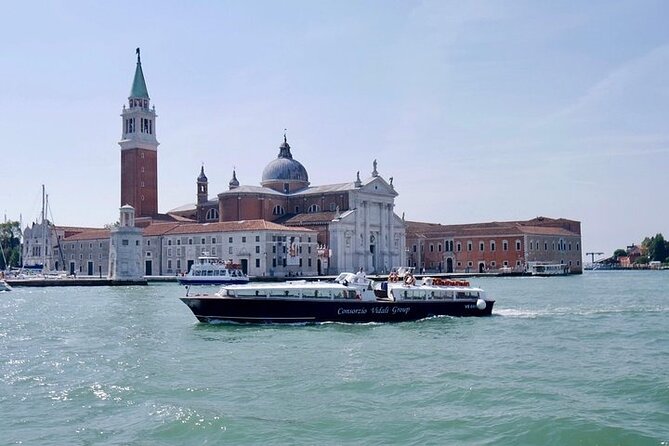
Venice is gorgeous, but it can also be disorienting. Streets bend, bridges pop up like surprises, and landmarks can look close on a map but feel far in real life. This tour is designed to solve that problem. You start in the San Marco basin area and move through the core highlights in a way that helps you build your mental map fast.
The best part is the pacing. You do a lot on foot, yes. But you also get short transport moments—especially the canal crossings—so you’re not spending your whole morning stuck waiting for the right vaporetto or timing your own detours.
At $29.79 per person, the price is only a bargain if you go in with the right expectations. This isn’t a deep-dive lecture. It’s an overview tour with stops that line up well with a first visit. You’re paying for logistics, guiding, and access to the highlights without turning the trip into a scavenger hunt.
You can also read our reviews of more walking tours in Venice
What you get for the price (and where extras show up)
Here’s what’s included based on the tour details:
- Guided history and anecdotes about Venice
- Private transportation (for the transport pieces inside the tour)
- Mobile ticket
- Tour language offered in English
- Group capped at 25 people
What’s not included:
- Gondola ride: it’s optional and costs about €2 extra
- Food and drinks
That gondola add-on matters for value. If you’re chasing the Venice postcard gondola moment, you can likely pay the extra and check it off. If you’re not into it, you can keep the cost controlled and focus on the walking + boat portions that are already part of the experience.
Also pay attention to the Venice day-access rule. Some visitors staying outside Venice and visiting for the day may have to pay a €5 access fee on certain dates. The tour info points you to https://cda.ve.it for details and exemptions.
Start at Riva degli Schiavoni: the Venice you see before you even enter the crowds
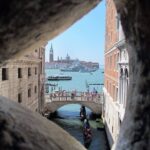
The morning begins at Riva degli Schiavoni (4142), 30122 Venice. From there, you’re in the right mood fast. This is the kind of waterfront where the city feels ceremonial—palaces, luxury hotels, and the open sightlines toward the Basin of Saint Mark.
Even if you’ve seen photos, Venice’s scale hits differently here. The water isn’t just scenery; it shapes how everything works. I like starting on a stretch that gives you perspective before you hit the densest landmarks.
Practical tip: Venice mornings can still be busy. It helps to arrive a little early and have your phone ready for the mobile ticket.
Piazza San Marco: the big square, the biggest pressure test
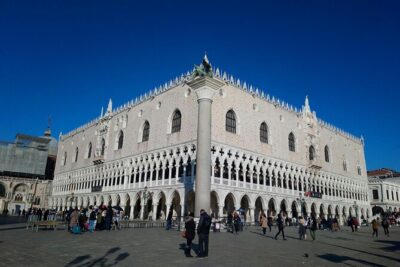
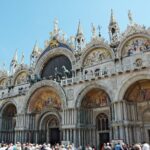
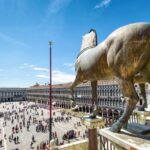
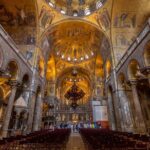
Next up is Piazza San Marco, the tour’s main anchor. It’s described as the heart of Venice, and in practice, it’s also the hardest place to experience calmly—because it’s popular for a reason.
During the short time here (about 15 minutes), you’re not going to absorb everything at museum-depth scale. Instead, you get a guided orientation: what you’re looking at, why it mattered, and what fits into the broader Venice story.
My advice: use your time here like a starter kit. Look for the layout, the way the space funnels traffic, and the relationship to the surrounding buildings. If you want to linger later, this stop helps you decide what’s worth coming back for.
Ponte di Rialto and Canal Grande: classic views with quick timing
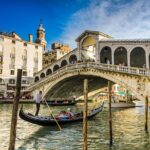
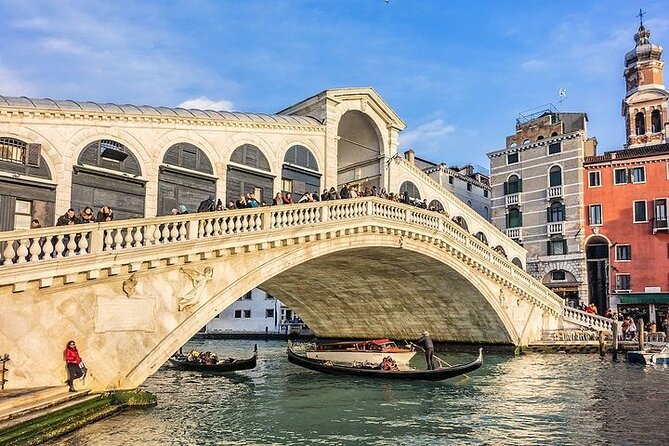
You then hit Ponte di Rialto (around 10 minutes). Rialto is one of those places where you understand instantly why it’s famous—even if you’ve already seen it online.
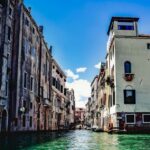
After that you get a look at the Canal Grande (also about 10 minutes). The Canal Grande is Venice’s main “stage,” and it’s hard to grasp that while standing on a map. The guided framing helps here: you learn what you’re seeing, not just where to stand for the photo.
One thing to consider: these stops are short. If you want long photo breaks, you’ll probably want extra time on your own after the tour ends. Think of Rialto + Canal Grande as the highlights you check off while getting direction for deeper exploration later.
You can also read our reviews of more boat tours in Venice

Chiesa di Santa Sofia and the gondola choice
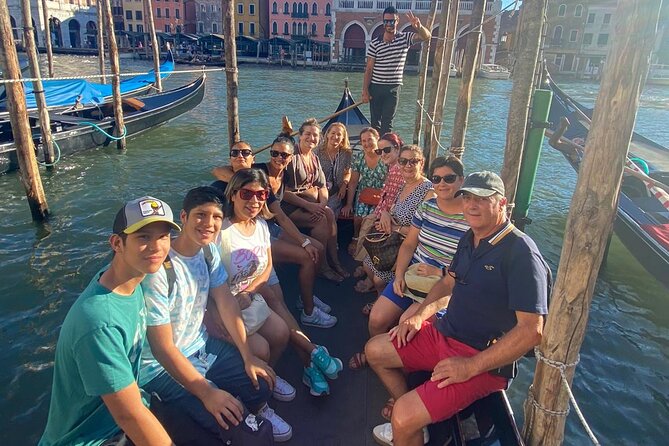
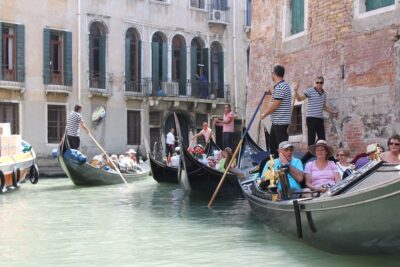
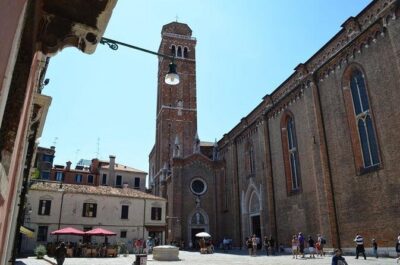
A key moment comes at Chiesa di Santa Sofia. From there, the tour route sets you up to cross the Grand Canal by gondola (this is where the optional extra cost usually comes in) and reach the other side near the Rialto Market area.
This is a clever add-on spot for two reasons:
- You get the romance of a gondola crossing without it turning into the whole day’s plan.
- It breaks the walking rhythm and gives you a different vantage of Venice’s architecture.
Heads-up from practical experience in tours like this: gondolas can be tightly managed by local operators and demand can vary. If you truly want the gondola, it’s smart to decide early so you’re not deciding while you’re already on the move.
Strada Nova: where you learn Venice is more than postcards
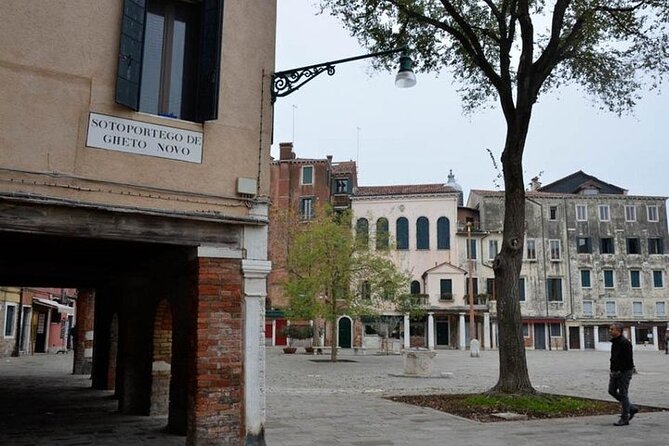
Next is Strada Nova, described as the main road of Venice and part of a larger route through the city (about 20 minutes).
This is one of my favorite kinds of tour stops: it feels less like a monument and more like “how people actually move.” Strada Nova gives you a sense of everyday scale—shopfront rhythms, doorways, and the way streets funnel you between squares and canals.
If you want to explore on your own afterward, this is the road that helps you start navigating with confidence.
Antico Quartiere Ebraico: the story stop that changes your Venice lens
Then you reach Antico Quartiere Ebraico, the Jewish Ghetto neighborhood. The tour frames it as the first ghetto in the world, forced by the Venetian Republic, and it notes that the English word ghetto comes from this place.
This stop is short (about 15 minutes), but it’s meaningful because it shifts the narrative. Venice isn’t only trade routes and emperors. It’s also policies, communities, and daily life under rules that shaped generations.
I love when a walking tour includes one stop like this—something you can’t get from a generic viewpoint. Even if you only scratch the surface in those minutes, it gives you context to read the city differently later.
Finish near Stazione di Venezia Santa Lucia: daily life talk at the edge of the city
The tour ends at Stazione di Venezia Santa Lucia (about 15 minutes for the final talk). The guide explains modern life for Venetians right where people catch trains and move in and out of the city.
This ending works well because it connects Venice’s history to the present. It also helps you plan the rest of your day. If you’re leaving Venice after lunch or later that evening, this finish point is practical.
Mini cruise and water transport: the part that makes the morning feel special
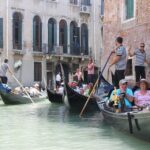
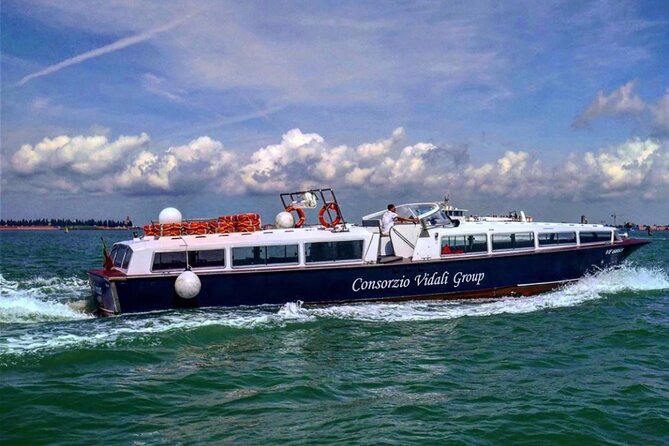
The tour includes boat travel along the waterways. One element is a short gondola crossing tied to the Santa Sofia stop. Another is a motorboat ride that uses the canals to move you back through the water network—described in the highlights as traveling via the Giudecca Canal as you speed back toward the San Marco area.
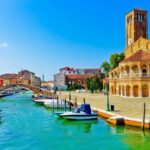
Even when the time on the water is brief, it’s valuable. Venice is a city of angles and reflections. A canal ride changes your sense of distances and gives you a view you simply cannot get from the street.
A practical note: some guides run multi-language groups at the same time, and that can affect pace. You might also want to plan for crowded canal zones where you wait your turn for the crossing.
Group size and timing: why your experience might feel faster or slower
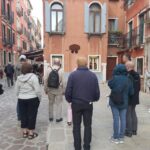
The tour caps at 25 travelers, which is a real advantage versus giant groups. Smaller groups can mean easier movement on narrow streets and less time wasted stopping and starting.
Still, timing can vary. The tour is listed at about 2 hours, but in mixed-language situations it can stretch longer. The guide often needs to speak in multiple languages, so people who aren’t in the lead language may hear the information at a later moment.
If you’re sensitive to noise or you need good audio, plan accordingly. Some reviews mention audio issues during the walk and call out the need for equipment like headsets. That’s not guaranteed for every departure, so if you know you struggle hearing in crowds, bring your own listening solution if you have one.
Also, Venice mornings can have distractions: people stopping for photos, kids pulling at sleeves, and sudden bridge jams. The tour keeps you moving, but the city sets the tempo.
Guides matter: names you might encounter (and what they suggest)
Guides vary by departure, but I’ve seen multiple names come up in feedback:
- Irena: praised for being fun and informative in English and for making the multi-language flow workable
- Julie: highlighted for covering the key parts and helping first-timers get oriented
- Martha: praised for being fluent and clear with city and history context
What I take from this: the guide can make or break the tour. A good guide turns short stops into learning moments instead of “walk, look, move on.” If your group is English-heavy, the tour tends to feel smoother and more coherent.
If you’re unsure where to meet, one practical suggestion that came up was to look for clear guide identification (like a flag) and to make sure your meeting instructions are specific.
Who this tour is best for (and who should skip it)
This tour is a great fit if:
- It’s your first morning in Venice and you want a fast orientation
- You want San Marco + Rialto without planning every turn
- You’re happy with an overview instead of a deep museum-style explanation
- You like mixing major landmarks with one story stop like the Jewish Ghetto
You might want a different approach if:
- You want long, quiet time at each site
- You hate multi-language group formats (they can slow the English pacing)
- You’re very hard of hearing in noisy areas and you don’t have a backup plan for audio
For a first visit, though, this kind of route can be a smart investment. It helps you spend your next hours exploring with less guesswork.
Should you book this morning walking tour?
Yes—with a clear goal. If you’re arriving in Venice and need the quick “map in your head” effect, this tour gives you a strong start: Piazza San Marco, Rialto, Canal Grande, a water moment, and a thoughtful stop at the Jewish Ghetto.
Book it if you want value through structure: you pay for guidance, short transport moments, and a route that keeps you from wandering in circles.
Skip or reconsider if you’re the type who needs deep explanations at every stop or you know group audio and multi-language pacing will frustrate you. In that case, you may prefer an English-only walking plan or a more time-heavy tour.
FAQ
How long is the Morning Walking Tour of Venice with Mini Cruise?
It’s listed at about 2 hours.
What’s included in the price?
The tour includes an explanation of Venice’s history with anecdotes and mysteries, plus private transportation. It also uses a mobile ticket.
Is the gondola ride included?
No. The gondola ride has an additional fee (about €2).
Where does the tour start and where does it end?
It starts at Riva degli Schiavoni, 4142, 30122 Venice, Italy. It ends at Venezia Santa Lucia, 30121 Venice.
What time does the tour run?
The start time is 9:30 am.
Is the tour offered in English?
Yes, it’s offered in English.
Does the tour depend on weather?
Yes. It requires good weather. If it’s canceled due to poor weather, you’ll be offered a different date or a full refund.