REVIEW · VENICE
The Essence of Venice in a Stress Free Small group Walking Tour
Book on Viator →Operated by Stress Free Tours - Guided Tours and drivers in Rome and Italy · Bookable on Viator
Venice without the guesswork. This small-group walking tour gives you a calm way to orient yourself and learn what you’re actually seeing. You meet at Campiello dei Squelini, then move through landmark squares with a guide who calls out history, landmarks, and the little details you’d miss on your own.
I love two things most: first, the route hits the big hits without feeling like a nonstop sprint. Second, the commentary is practical and personal, with guides such as Michaela, Julia, Valentina, Flavia, and Annalisa mentioned for clear explanations and time for questions.
One consideration: even though it’s described as capped at 10, the tour is listed with a maximum that can reach 20. If you want only photo stops with almost no standing around, this might feel a bit talk-heavy in the opening stretch.
In This Review
- Key takeaways
- A stress-free Venice start: meeting point, pace, and how the tour actually feels
- Campiello dei Squelini: the easy landing zone for learning Venice fast
- Public squares that teach you how Venice works
- East of Rialto and the Carlo Goldoni stop: a calmer side of the center
- The guide makes or breaks it: what you can expect from the commentary
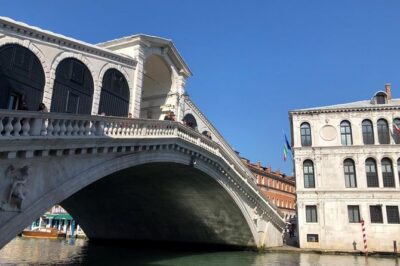
- Rialto Bridge: seeing it with context instead of just traffic-choked photos
- Finishing at St Mark’s Square: the smart place to end your Venice orientation
- Price and value: is $42.33 worth it?
- Who should book this walk—and who might want a different option
- Tips to make the most of your 2-hour Venice walk
- Should you book the Essence of Venice small-group walking tour?
- FAQ
- How long is the Venice walking tour?
- Where do I meet the guide, and where does the tour end?
- Is the tour in English?
- What’s included in the price?
- What isn’t included?
- Is there an access fee when visiting Venice?
- What happens if the weather is bad?
- What’s the cancellation policy?
Key takeaways
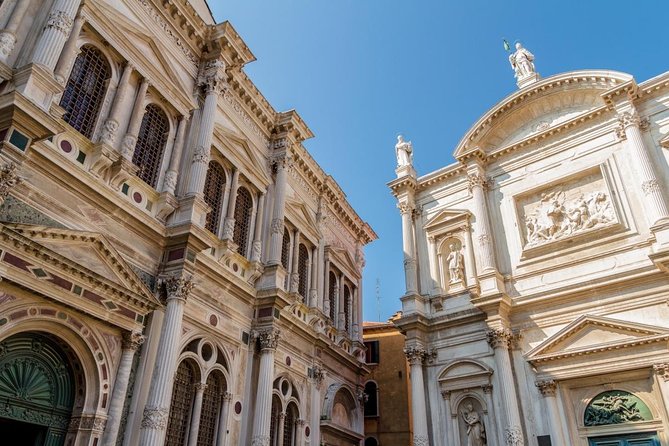
- Campiello dei Squelini meet-up by the coloured wall makes it easier to start on time.
- Top sights, in order you can remember, including Rialto Bridge.
- Local perspective from guides known for humor and detailed answers.
- Small-group feel with a real cap, though busier days can mean bigger groups.
- Ends at St Mark’s Square, so you can keep exploring immediately.
A stress-free Venice start: meeting point, pace, and how the tour actually feels
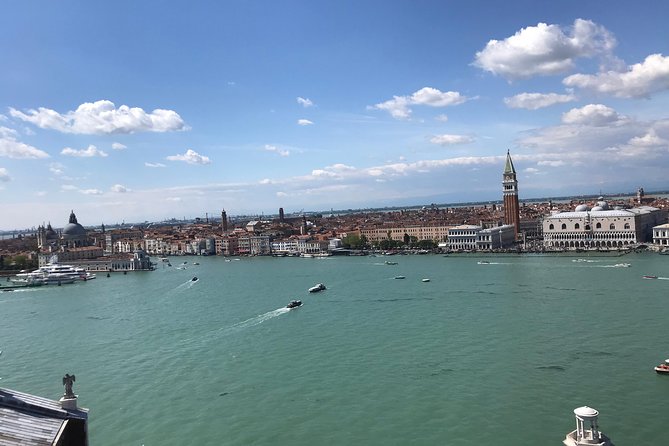
Venice can make even confident travelers second-guess themselves. The main reason this tour feels stress-free is simple: it gives you a guided path through the maze. You’re not trying to decode streets on the fly while dodging crowds, bridges, and waterbus stops.
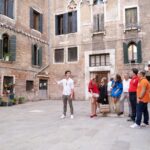
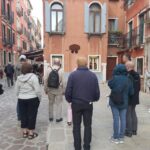
You’ll meet at Campiello dei Squelini (30123 Venezia VE), by the coloured wall. That little detail matters. In Venice, “near this landmark” can still be vague. Being tied to a specific meeting spot reduces the common start-of-tour scramble.
The group format is another big deal. The tour is presented as small-group, which usually means you can hear the guide, ask questions, and move at a human pace. Still, the listing also notes a maximum of up to 20, so on some days you might feel more crowd density than you expected. The silver lining? Even at larger sizes, you’re walking with someone who knows the route and can keep you from wandering off.
Duration is about 2 hours, so it’s a great “first day in Venice” option—or a mid-trip reset when you want the city to click. You finish at St Mark’s Square (Piazza San Marco), which is convenient if you want to continue exploring afterward without hunting for where you left off.
You can also read our reviews of more walking tours in Venice


Campiello dei Squelini: the easy landing zone for learning Venice fast
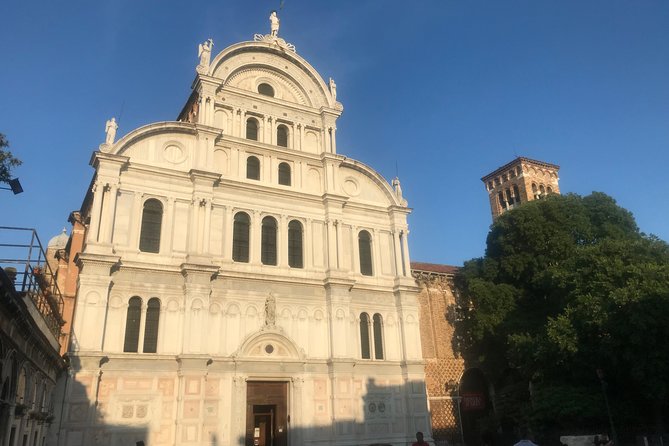
The tour begins at Campiello dei Squelini, right in the city fabric where Venice actually lives. Starting in a local square is one of the smartest choices for an orientation walk. You’re not immediately thrown into a single “big attraction” bubble. Instead, you get grounded in the way squares connect to streets and—eventually—to the major sights.
From here, the guide sets the tone. Expect stories that explain why this city is shaped the way it is: canals, bridges, and the logic of public spaces. This matters because Venice isn’t laid out like many European cities where you can treat it like a grid. Once you understand the “why,” the “where” becomes much easier to remember.
Also, the tour is ticketed in a way that’s straightforward for modern travel—there’s a mobile ticket. That’s one less thing to manage while you’re already juggling maps, stairs, and the usual Venice surprises.
Public squares that teach you how Venice works
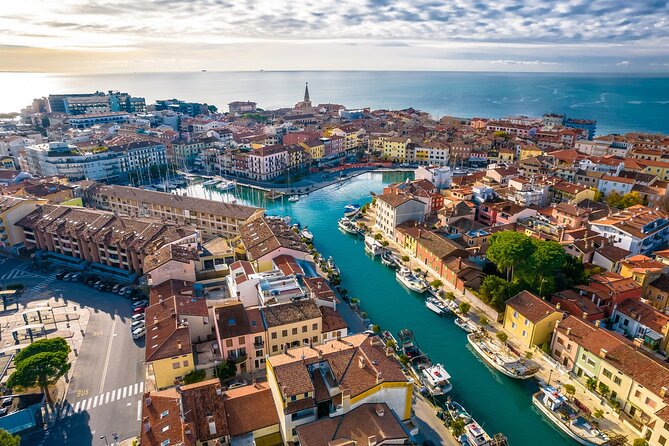
This tour leans hard into squares. And yes—standing in squares can sound boring until you realize squares are Venice’s living rooms. You see landmarks, monuments, and the civic layout that shaped daily life.
At one point, you’ll pause at one of the largest public squares in Venice, originally linked to grazing and agriculture. That’s a great mental shift. It reframes Venice from a postcard city into a working lagoon community that once had very practical roots. You get a sense for how the city changed from utility to identity—then you start recognizing how that history shows up in the layout.
You also visit another major city square located east of the Rialto Bridge, with a large monument dedicated to Carlo Goldoni. Goldoni is a name that tends to pop up in Venice for a reason: he’s tied to the city’s cultural memory. Even if you don’t know him yet, it’s a good place to connect culture with the physical setting—so you’re not just memorizing names, you’re understanding why they matter where they’re placed.
There’s also an additional important square on the route that hosts unique landmarks. In practice, these stops create a rhythm: you walk through narrow lanes, then you open up into a square where your guide can point at what to notice next. That’s the “stress-free” element—your eyes know what to look for, and your feet know what’s coming.
East of Rialto and the Carlo Goldoni stop: a calmer side of the center
Rialto is famous for a reason, but that fame can flatten your experience. You get one viewpoint, then the crowds swallow everything else.
This tour helps by giving you time in the area east of Rialto Bridge, where you can see the city’s character without being trapped in the busiest flow. The stop with the Carlo Goldoni monument is especially useful for first-timers because monuments are visual anchors. They help you build a mental map. After you’ve stood there and heard what the monument represents, the streets nearby start making more sense.
If you’re the type who likes to understand the “city brain”—how places connect and why they were built this way—you’ll likely enjoy these pauses. And if you’re more of a hit-the-highlights photographer, the upside is that these stops set you up for the next big moment without losing time hunting.
The guide makes or breaks it: what you can expect from the commentary
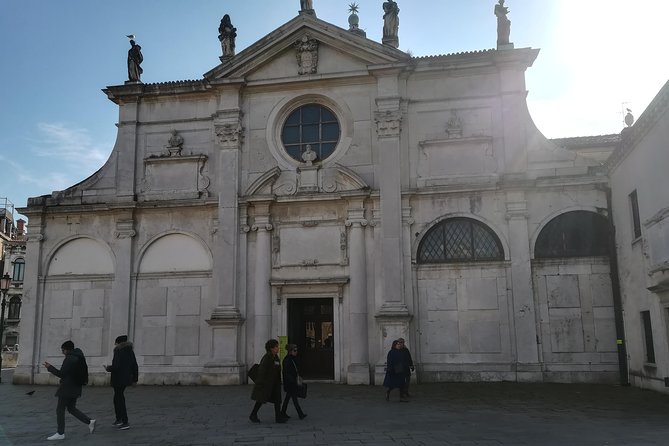
The best part of this experience isn’t the route alone—it’s the way the guide uses the route.
Across different guides named in the experience feedback, the pattern is consistent: guides like Julia and Valentina are repeatedly praised for strong local knowledge and a friendly style that keeps questions flowing. Michaela is noted for being especially informative for first-time visitors, including the value of seeing less-travelled areas. Flavia and Annalisa come up for explaining history and building details at an easy pace, and Gianmarco is mentioned for welcoming questions too.
That’s what you should expect: you’re not getting a dry lecture. You’re getting the story behind buildings and squares, plus little observations that make Venice feel personal rather than scripted.
That said, there is one caution. One feedback note mentioned that the early part felt like it spent too much time standing around, especially if you expected a tighter top-ten sightseeing hit list. So if your ideal tour is mostly walking and minimal explanations, keep that in mind. This isn’t a silent walk. The guide talks—and the talk is part of the value.





Rialto Bridge: seeing it with context instead of just traffic-choked photos
At some point on the route, you reach Rialto Bridge, described as the most iconic bridge in Italy. It’s also where Venice’s romance turns into a real-world test of patience. Crowds form fast, and people tend to focus on the bridge itself without noticing the surrounding composition.
A good guide changes how you experience Rialto. Even within a short stop, you should come away knowing what makes the area important and what to look at besides the main view. The route through nearby squares helps too. You approach Rialto with a clearer understanding of how those squares connect, so you’re not treating it like a random famous object.
Practical tip: bring your “I’m not getting the perfect shot” mindset. Rialto is a high-demand spot, so aim for one or two good angles and then enjoy the atmosphere. The tour helps you do that by placing Rialto into a bigger storyline rather than isolating it.
Finishing at St Mark’s Square: the smart place to end your Venice orientation
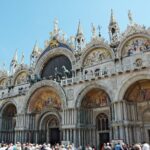
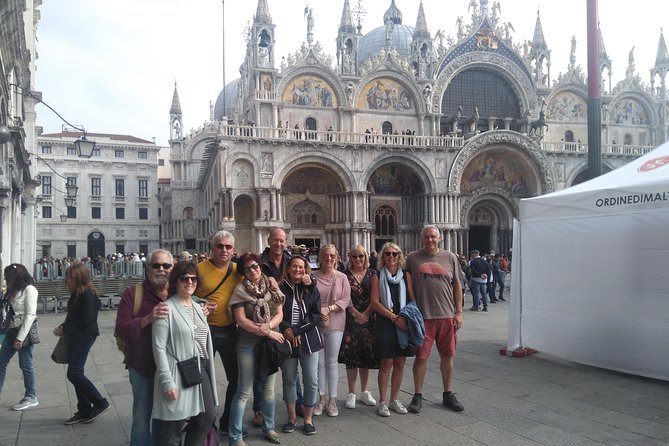
Ending at St Mark’s Square (Piazza San Marco) is a classic move because it’s the central stage where Venice feels most theatrical. The tour gives you that big payoff moment at the end, when your brain is already loaded with context.
Why it works for you: by the time you reach the square, you’re likely to recognize patterns—how squares function, where key landmarks sit, and why Venice’s street network can feel both chaotic and organized. St Mark’s becomes less like a single “must-see” and more like the culmination of what you learned on the walk.
The only real drawback is logistical, not tour quality. Once you finish at St Mark’s, you still have to navigate out. Venice is a maze of narrow lanes and bridges. If you’re planning to head somewhere else right after, give yourself extra time and keep your bearings calm.
Price and value: is $42.33 worth it?
At $42.33 per person (about 2 hours), this isn’t a splurge—and it’s also not just a casual stroll. The value comes from three areas you can feel on the street:
First, you get a local expert. Guides named in feedback—people like Julia, Valentina, Flavia, Annalisa, and Michaela—are consistently described as knowledgeable and comfortable answering questions. In Venice, that turns landmarks into information, not just scenery.
Second, you’re buying time. Without guidance, you might spend that 2 hours circling, backtracking, and guessing which squares are worth it. This route is built to give you top sights like Rialto Bridge plus the supporting squares that help you remember where you are.
Third, the logistics reduce friction. A mobile ticket and a clear meeting point by a coloured wall means less scrambling. Pickup is also described as from the designed meeting point rather than hotel-to-hotel service, so it’s more efficient for most independent travelers.
Gratuities aren’t included, and food and drinks aren’t included (which is normal for a walking tour). If you’re trying to keep costs simple, plan to bring water and snacks on your own.
In short: it’s good value if you’re in Venice for a short window and want the city’s “why” along with the “what.”
Who should book this walk—and who might want a different option
I think this tour fits best if you:
- Are seeing Venice for the first time and want a fast, organized orientation
- Prefer walking with a guide who explains what you’re looking at
- Want a mix of big sights like Rialto Bridge plus quieter squares
- Enjoy asking questions instead of just listening to a headset and moving on
You might skip it if you:
- Want a purely high-speed photo safari with minimal stops and minimal talking
- Get grumpy when tours begin with explanations and pauses (a small portion of feedback points that direction)
- Are expecting a strictly tiny group all the time—because while it’s presented as small-group, the maximum can reach 20
One more practical note: most travelers can participate, and service animals are allowed. That’s helpful if you need that accommodation. Still, it’s a walking tour in Venice, so wear shoes that can handle uneven streets and frequent bridge transitions.
Tips to make the most of your 2-hour Venice walk
If you want this tour to feel smooth instead of stressful, do a few small things:
- Bring comfortable walking shoes. Venice floors can be unforgiving, and the pacing is steady.
- Stay close in busy areas, especially near the more famous spots. You’ll want to hear the guide and not drift into the crowd.
- Use the end point as a plan. Since it finishes at St Mark’s Square, decide before you start what you’ll do next—another walk, a break, or a museum stop—so you don’t waste time figuring it out.
If it’s busy, remember: your goal isn’t to sprint. It’s to walk the city’s logic into your head.
Should you book the Essence of Venice small-group walking tour?
Yes—if you want a calm, high-value introduction to Venice with context, not chaos. This is a smart pick for first-timers, short stays, and anyone who wants to leave with a better map in their brain, not just photos on their phone.
Book it if you like guides who can explain history and landmarks at an easy pace, and if you’re happy that the walk includes square stops where the story lands. Skip it if you want almost zero talking and only quick hits. For everyone else, it’s an efficient, locally guided way to see Venice’s core and the quieter squares that make those core sights feel meaningful.
FAQ
How long is the Venice walking tour?
The tour lasts about 2 hours.
Where do I meet the guide, and where does the tour end?
You meet at Campiello dei Squelini, 30123 Venezia VE, Italy (by the coloured wall). The tour ends at St. Mark’s Square (Piazza San Marco), 30124 Venezia VE, Italy.
Is the tour in English?
Yes, the tour is offered in English.
What’s included in the price?
The price includes a local expert, pickup from the designed meeting point, and the small-group walking tour. The tour also uses a mobile ticket.
What isn’t included?
Food and drinks aren’t included. Gratuities are also not included (they’re recommended).
Is there an access fee when visiting Venice?
On certain dates, visitors staying outside Venice who are visiting for the day may be required to pay a €5 access fee. Check the city guidance here: https://cda.ve.it
What happens if the weather is bad?
The experience requires good weather. If it’s canceled due to poor weather, you’ll be offered a different date or a full refund.
What’s the cancellation policy?
You can cancel for free up to 24 hours in advance of the experience start time for a full refund. If you cancel less than 24 hours before, the amount paid is not refunded.